.webp&w=3840&q=75)
Patients often feel confused when their dentist suggests an endo referral. You may wonder why a specialist is needed. An endodontist handles complex cases like root canals and tooth infections. This referral ensures you get expert care, boosting success and reducing complications. At Vitrin Clinic, understanding the process helps you manage your oral health confidently.
What Is an Endo Referral?
An a referral to an endocrinologist is a formal recommendation from your dentist to an endodontist. It is used when your dental issue goes beyond routine care, such as complicated root canals or persistent infections. This process ensures you receive expert attention for complex pulp and root conditions. By initiating this referral, Vitrin Clinic's team provides optimal care, improving outcomes and avoiding delays. To expedite your appointment, ensure your dentist completes the an endocrine specialist referral form accurately.
Definition of Endo Referral
A precise a referral to an endocrinologist is a communication tool. It outlines your dental problem, medical history, and diagnostic findings. This allows the endodontist to evaluate and treat your case efficiently. At Vitrin Clinic, the referral bridges general care and specialized treatment. It ensures continuity, supports insurance documentation, and clarifies the need for specialist intervention. Keep a list of dentist phone numbers handy to follow up on your referral status.
Importance of Endodontic Referrals in Modern Dentistry
Endodontic referrals are crucial. They enhance outcomes, prevent complications, and ensure timely specialist care. When dentists encounter complex cases like multi-rooted teeth or persistent infections, a referral guarantees access to advanced tools and techniques. This minimizes risks and increases success. Vitrin Clinic emphasizes collaboration, and these referrals link general practice with endodontic expertise.
How an An endocrine specialist referral Can Improve Patient Outcomes
An endodontic referral improves outcomes by directing issues to specialists with advanced training. Endodontists manage complex infections, calcified canals, or retreatments more effectively. This approach boosts tooth preservation, reduces pain, and lowers complication risks. At Vitrin Clinic, patients benefit from precise planning and state-of-the-art equipment.
Common Scenarios Requiring an Endodontist Referral
Common scenarios include severe decay, fractures, pulp infections, or failed root canals. Unexplained pain, swelling, or sensitivity may also need specialist evaluation. Multi-rooted teeth or anatomical anomalies are typical. At Vitrin Clinic, our endodontist uses advanced techniques to diagnose and treat these conditions efficiently.
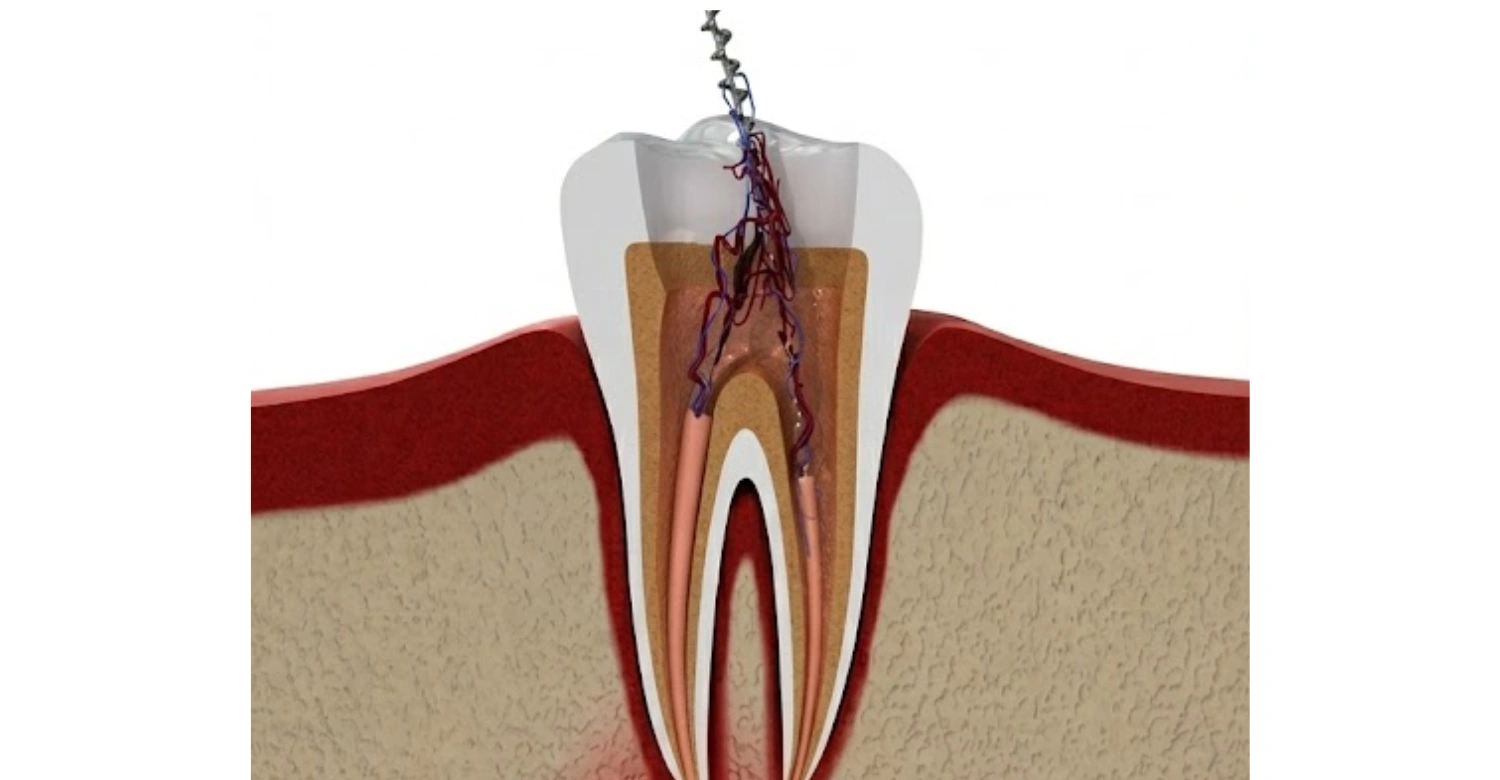
Understanding Endodontic Referrals
Endodontic referrals bridge general care and specialist treatment. Understanding them helps you navigate dental care effectively. An endo referral ensures cases needing advanced skills are managed by endodontists. Knowledge of the process empowers you to make informed choices. Patients who understand the purpose are more likely to follow through promptly, improving outcomes. Your referral is based on what an endodontist specializes in, ensuring expert care for your tooth.
Who Can Make an Endodontic Referral?
General dentists often start an a referral to an endocrinologist. They spot issues beyond their scope. They check symptoms and imaging. Then they recommend a specialist. Patients may also ask for an endodontic evaluation. This happens with persistent pain or failed root canals. The referral ensures good coordination. At Vitrin Clinic, it gives access to expert care. This improves treatment accuracy and reduces risks.
How to Identify Cases That Need an Endodontist Referral
Recognizing cases for an endodontist referral involves evaluating symptoms, imaging, and history. Complex root canals or prior failures signal specialist need. Vitrin Clinic's dentists consider these factors. The goal is to prevent failure and improve outcomes. Early identification ensures timely care. It reduces tooth loss risk. Patients benefit from advanced techniques.
Symptoms Indicating the Need for Endodontic Intervention
Several symptoms suggest specialist care. These include severe toothache and prolonged sensitivity. Swelling and infection signs are also key. Pain while biting or visible cracks matter. Vitrin Clinic's endodontists handle these conditions. They offer treatments that save natural teeth. Early recognition allows prompt referral. This improves success and reduces complications.
Benefits of Timely Endodontist Referrals
Timely referrals offer many benefits. They lead to higher success rates. They reduce discomfort and preserve teeth. Early referral stops infection from spreading. Patients get advanced tools and techniques. Better communication between dentists and specialists streamlines care. Following a proper process improves outcomes. Recovery is faster, and oral health stays strong.
Endodontist Referral Process Explained
The endodontist referral process provides efficient specialist care. It starts with the dentist assessing the issue. They compile records and recommend evaluation. At Vitrin Clinic, the endodontist reviews the case. They examine the patient and plan treatment. Good communication ensures a smooth experience. Understanding the process reduces anxiety. Patients often wonder about the endodontist vs dentist dynamic when referred.
Step-by-Step Guide for Dentists
For dentists, starting an a specialist referral for hormone issues involves clear steps. Identify complex cases first. Gather X-rays and treatment notes. Prepare the referral document. Communicate patient history. Then coordinate with Vitrin Clinic's endodontist. This structured approach ensures accurate care. It leads to better patient outcomes. Sometimes referrals overlap, prompting questions about the difference between endodontist and periodontist roles.
What Patients Should Expect After an Endo Referral
After receiving an a referral to an endocrinologist, patients should expect a comprehensive evaluation by the endodontist. The specialist may review dental history, conduct diagnostic tests, and discuss treatment options. Patients at Vitrin Clinic often experience more focused care, advanced techniques, and a personalized approach. Understanding the expected procedures and timelines helps reduce anxiety and improves cooperation. Patients can anticipate effective treatment, minimized discomfort, and a higher probability of preserving the affected tooth.
Documentation and Records Needed for Referral
Effective referrals require complete documentation, including X-rays, treatment notes, and medical history. This information enables the endodontist to assess the case accurately and plan the appropriate procedure. Proper records also facilitate insurance processing and ensure continuity of care. Patients should provide all available information to support the referral process at Vitrin Clinic. Comprehensive documentation improves the efficiency and success of treatment, making the process smoother for both the patient and specialist.
Communication Between General Dentist and Endodontist
Clear communication is essential in an a referral to a hormone doctor, ensuring both dentist and specialist understand the patient's condition and treatment history. Dentists should convey detailed notes, radiographs, and observations. This collaboration allows Vitrin Clinic's endodontists to plan treatment accurately and anticipate potential challenges. Effective communication improves patient care, streamlines the referral process, and enhances outcomes. Patients benefit from a coordinated approach, receiving efficient treatment guided by both their general dentist and the endodontist following such a referral.
When to Consider an Endo Referral
Knowing when to seek an a referral to an endocrinologist is critical for preventing complications and ensuring long-term dental health. Referral is usually necessary when standard treatments fail or when dental issues are complex. Persistent tooth pain, swelling, cracked teeth, or failed root canal treatments are common triggers. By considering an early diagnosis, patients at Vitrin Clinic can access specialized care before the condition worsens. Early intervention often prevents unnecessary tooth extraction, reduces pain, and increases the likelihood of successful treatment. Recognizing the signs and consulting a dentist promptly is the key to maximizing the benefits of an endodontic referral.
Tooth Infection or Abscess Cases
Tooth infections or abscesses are primary reasons for an endo referral. These conditions may involve deep pulp infection, periapical abscesses, or persistent pain that cannot be managed with standard treatment. Vitrin Clinic's endodontists possess specialized tools and techniques for drainage, cleaning, and sealing infected canals. This ensures that the infection is managed thoroughly, reducing the risk of spreading or causing systemic health problems. Patients with infections benefit from rapid diagnosis, advanced treatment, and close monitoring by a specialist, all made possible through a timely endodontic referral.
Complicated Root Canal Situations
Complicated root canal situations, such as multi-rooted teeth, calcified canals, or previous treatment failures, often necessitate an a referral to an endocrinologist. General dentists may not have the equipment or expertise for intricate cases. Vitrin Clinic's endodontists use magnification, advanced imaging, and precision instruments to handle complex root anatomy effectively. By initiating such a referral, patients gain access to specialists who can navigate these challenges successfully. This ensures higher treatment success, reduced discomfort, and long-term tooth preservation, making the referral a vital step in managing difficult dental conditions.
Cracked or Fractured Teeth Requiring Specialist Care
Cracked or fractured teeth are another scenario that often triggers an an endo specialist referral. Damage extending to the pulp or root structure requires careful management by an endodontist to preserve the tooth. Attempting treatment without specialized expertise may lead to failure or extraction. An endodontic referral enables Vitrin Clinic's endodontist to assess the extent of the fracture, determine whether root canal therapy or other interventions are necessary, and apply advanced techniques to maximize the chance of saving the tooth. Early referral reduces the risk of complications and supports long-term oral health.
Endo Referral vs General Treatment
Understanding the differences between general treatment and specialist care helps patients appreciate the importance of an endodontic referral. While general dentists handle routine root canals and dental issues, complex cases benefit from endodontic expertise. Specialist care at Vitrin Clinic often results in higher success rates, fewer complications, and more precise treatment. By choosing an endodontic referral, patients gain access to advanced diagnostics, sophisticated instruments, and targeted procedures that ensure optimal outcomes. Comparing general treatment to specialist intervention highlights why referrals are critical in modern dentistry.
Differences Between a Standard Root Canal and Specialist Treatment
A standard root canal by a general dentist works for simple cases. But specialist treatment is needed for complex anatomy, persistent infections, or retreatments. Vitrin Clinic's endodontists use magnification, advanced imaging, and precise instruments. This leads to better cleaning, shaping, and sealing of canals. General treatment handles common issues. A specialist ensures a higher success rate and fewer complications. Patients benefit from expert care tailored to their needs, improving oral health.
Advantages of an Endodontist Referral
An a referral to an endocrine clinic offers enhanced precision and lower failure risk. Endodontists handle calcified canals, retreatments, and severe infections. At Vitrin Clinic, patients feel less discomfort and get better long-term results. They also have a higher chance of saving the tooth. Specialist care provides advanced technology and expertise not found in general practice. This ensures the highest standard for complicated conditions.
Success Rates of Treatment After Specialist Referral
Specialist care boosts success rates compared to standard root canals. Studies show higher tooth survival and fewer complications with endodontists. Early referral leads to timely diagnosis and effective planning. It reduces the risk of infection or failure. At Vitrin Clinic, patients benefit from advanced tools and experience. This makes specialist referral key to preserving natural teeth and oral health.
What We Notice Clinically
At Vitrin Clinic, our team sees that timely specialist referral leads to better healing and less retreatment. Dr. Rifat Alsaman, Head of the Medical Team, says, "the earlier a complex case reaches an endodontist, the more predictable the outcome; most of the teeth we're asked to save can be saved when the referral happens at the right moment." He also notes that patients often worry about pain, but modern techniques make treatment comfortable. Patients who bring complete records (X-rays, notes, history) move through evaluation faster. This shows why documentation matters in the referral process.
Vitrin Clinic's Approach to Endo Referrals
Vitrin Clinic focuses on patient-centered care and advanced technology for referrals. The clinic ensures smooth communication between dentists, endodontists, and patients. Comfort, safety, and quality are top priorities. Dr. Rifat Alsaman oversees this approach personally. He ensures every referral meets clinical standards before treatment. By combining expertise with advanced diagnostics, Vitrin Clinic streamlines the process and improves results. Patients receive expert evaluation, precision care, and a supportive experience to maximize oral health.
Why Choose Vitrin Clinic for Endodontic Referrals
Patients benefit from choosing Vitrin Clinic for an endo referral. The clinic offers modern facilities, experienced specialists, and personalized care. Comprehensive evaluations, advanced imaging, and expert interventions handle complex dental cases. Vitrin Clinic manages each referral efficiently. Clear communication between the general dentist and endodontist is ensured. Patients gain access to high-quality care and advanced techniques. The supportive environment makes every referral smooth, effective, and reassuring.
Advanced Diagnostics and Technology
Vitrin Clinic uses cutting-edge technology in every referral. Advanced imaging, digital radiography, and microscopic tools identify complex root canal anatomy and hidden infections accurately. This precision improves treatment planning and reduces errors. Patients benefit from diagnostics that ensure accurate evaluation and targeted treatment. Technology maximizes efficiency and minimizes discomfort. It provides the highest standard of endodontic care.
Patient Comfort and Care During Specialist Procedures
Patient comfort is a priority during every procedure at Vitrin Clinic. Advanced sedation, ergonomic chairs, and gentle techniques minimize anxiety and discomfort. Endodontists ensure patients are informed and relaxed throughout treatment. This focus supports better cooperation and faster recovery. By integrating care and technology, Vitrin Clinic handles everything efficiently and compassionately. Specialist procedures become less stressful and more effective.
Common Myths About Endo Referrals
Despite their importance, misconceptions about endo referrals often prevent timely specialist care. Patients may fear pain, unnecessary procedures, or prolonged treatment. These myths can delay necessary intervention and increase the risk of complications. Vitrin Clinic educates patients about the benefits of early referral and modern techniques. Understanding that a referral is a proactive step helps patients follow recommendations promptly. This leads to better outcomes and preservation of natural teeth.
Misconceptions That Delay Specialist Treatment
Common misconceptions include fears of pain, assumptions that extractions are inevitable, or belief that general dentists can handle all complex cases. These misunderstandings may cause patients to delay care. Vitrin Clinic's endodontists handle intricate procedures efficiently and comfortably. By clarifying these myths, patients see that a referral is a preventive measure. Timely referral ensures effective treatment and long-term preservation of natural teeth.
Debunking Myths About Pain and Recovery
Many patients worry that a referral will lead to extensive pain or long recovery. Modern techniques, local anesthesia, and sedation make procedures manageable. Recovery is often faster than expected. Pain is typically well-controlled at Vitrin Clinic. Understanding that a referral does not mean severe discomfort helps patients overcome anxiety. Specialists focus on minimizing pain and improving outcomes. The referral is a safe, effective step toward resolving complex dental issues.
A hormone specialist referral Does Not Mean Tooth Extraction
A common myth is that it automatically leads to tooth extraction. In fact, referrals aim to preserve natural teeth whenever possible. Vitrin Clinic's endodontists evaluate the tooth's condition and treat the pulp and roots to save it. Extraction is only considered if preservation is impossible. Patients should understand that an a referral to a glandular specialist focuses on treatment planning and preservation. This approach reinforces the value of seeking specialist care promptly.
Timely Referral Improves Long-Term Oral Health
Receiving a referral promptly is crucial for long-term oral health. Early specialist intervention addresses infections and complex root canal issues before they worsen. Timely referral reduces risks of tooth loss and prevents systemic complications. Patients at Vitrin Clinic benefit from expert evaluation and advanced technology. Understanding the importance of a referral encourages adherence to dental advice. It supports the preservation of natural teeth for years to come.
How to Request an Endo Referral at Vitrin Clinic
Requesting an a referral to an endocrinologist at Vitrin Clinic is simple. It works for both patients and general dentists. The clinic ensures clear communication and fast coordination with specialist endodontists. Patients or dentists can start the process online, by phone, or in person. Once submitted, Vitrin Clinic schedules an evaluation. It gathers necessary records and provides detailed instructions. This reduces stress and confusion. Every step aims for timely, effective specialist care.
Referral Process for Dentists
For dentists, initiating a referral involves submitting patient records, radiographs, and treatment history. The clinic's team reviews the submission. They confirm the patient's needs and coordinate with endodontists to schedule an evaluation. Clear communication ensures the specialist is prepared. This structured approach provides timely, effective care. Vitrin Clinic's system supports continuity of care. It helps dentists achieve optimal outcomes for complex cases.
Booking Your FREE Treatment Plan
Patients can book a free treatment plan consultation through multiple channels. These include the clinic website, phone, or in-person visits. This consultation lets patients discuss their case. They review diagnostic findings and receive a personalized roadmap. The scheduling considers availability and urgency. Patients are guided on what documents to bring. This includes previous X-rays, treatment notes, and medical history. A smooth booking process reduces delays. It ensures timely specialist evaluation and prepares patients for their procedure.
Online and In-Clinic Scheduling Options
Vitrin Clinic offers both online and in-clinic options for managing a referral. Online scheduling allows secure submission of appointments and documents. In-clinic scheduling provides direct staff assistance. These options ensure flexibility and convenience. They reduce wait times and provide a seamless experience. Patients can choose the method that works best for them.
Preparing Your Dental Records for Referral
Proper documentation is essential for an effective referral. Patients should prepare all relevant dental records. This includes X-rays, prior treatment notes, and medical history. Accurate records help endodontists assess complexity and plan treatment. Vitrin Clinic provides guidance on what to submit. Complete records facilitate efficient evaluation and care. This approach minimizes delays and supports precise, patient-focused treatment.
References:
FAQs

Dr. Rifat Alsaman has more than 5 years of clinical experience in dentistry and currently serves as the Head of the Medical Team at Vitrin Clinic. He is dedicated to providing exceptional patient care, overseeing treatment planning, and ensuring the highest clinical standards across the team. His expertise, attention to detail, and commitment to continuous professional development have helped countless patients achieve healthier, more confident smiles.


