Endodontics
May 11, 2026
Canal Infection: Symptoms, Causes, and When to Seek Treatment
 Dr. Rifat Alsaman
.webp&w=3840&q=75)
A canal infection is a serious dental condition where bacteria invade the innermost part of the tooth known as the pulp. This area contains sensitive nerves and blood vessels that react painfully to bacterial presence. At Vitrin Clinic, we focus on treating these issues using advanced methods to save the natural tooth structure and prevent the spread of harmful pathogens.
What Is a Canal Infection?
When describing this condition, we refer to the inflammation or necrosis of the dental pulp caused by microbial invasion. This dental health issue often results in severe pressure and discomfort as the body attempts to fight the intruders. In our facility, Vitrin Clinic, we emphasize that a canal infection requires professional intervention because the internal tooth environment cannot heal itself.
Understanding Root Canal Infections
Dealing with a root infection means addressing the bacteria that have traveled down the tooth roots into the surrounding tissues. This process often starts with a simple cavity that reaches the nerve, eventually evolving into a serious internal problem. Understanding the biology of these issues allows the experts at Vitrin Clinic to provide targeted treatments for patients in pain. Failing to properly sterilize the inner chamber can lead to severe complications after treatment that require immediate medical intervention. Many patients want to learn more about their symptoms, so we highly recommend reading our guide on cavity vs root canal.
How a Canal Infection Develops
The development of this dental problem usually follows a path of progressive decay or structural damage. Once the protective enamel is breached, bacteria migrate into the pulp chamber, leading to persistent discomfort. At Vitrin Clinic, we use high-definition imaging to track how a canal infection spreads through the root system, ensuring a high success rate.
Infection Inside the Tooth
An internal problem occurs when the living tissue becomes overwhelmed by toxins produced by bacteria. This specific stage is often characterized by a throbbing sensation and increased sensitivity. To combat the issue, Vitrin Clinic utilizes specialized endodontic tools to reach the deepest parts of the tooth and remove the source of the pain.
Infection After Root Canal Treatment
Sometimes, an infection after root canal treatment arises if the original seal fails or if the tooth sustains a new fracture. This secondary complication can be more complex to treat because it involves removing old filling materials. At Vitrin Clinic, we specialize in endodontic retreatment to clear out the recurring issues and provide a more robust seal.
What Causes a Root Canal Infection?
When patients ask what causes a root canal infection, the answer is almost always related to bacterial entry. Whether through decay or injury, bacteria find a way into the pulp, resulting in significant pain. Vitrin Clinic focuses on identifying these entry points to ensure that once the canal infection is cleared, the tooth is properly reinforced.
Common Causes of Canal Infection
The factors leading to this condition are often preventable with good hygiene and timely care. At Vitrin Clinic, we categorize these causes to help patients understand why their tooth developed an issue and how to avoid similar problems in their other healthy teeth.
Deep tooth decay
Deep tooth decay is the leading precursor to internal damage because it slowly dissolves the tooth's protective layers. Once the decay reaches the soft center, bacterial growth is inevitable without immediate dental intervention. Vitrin Clinic practitioners emphasize that treating cavities early is the best way to stop issues from forming.
Cracked or broken teeth
A cracked or broken tooth provides a direct highway for bacteria to enter the pulp. Even a microscopic fracture can be enough to start an inflammatory process that causes significant swelling. At Vitrin Clinic, we carefully examine structural damage to determine if the nerve has already been affected by outside contaminants.
Failed dental restorations
When an old filling or crown wears out, it creates a gap where bacteria can hide. These failed restorations often mask the early signs of damage until the pain becomes severe. Vitrin Clinic technicians are experts at replacing these failing seals to stop active issues and protect the underlying tooth structure.
Trauma to the tooth
Physical trauma can sever the blood supply to the pulp, leading to tissue death and a subsequent canal infection. Even if the tooth doesn't look broken, an internal issue can develop over time. At Vitrin Clinic, we monitor traumatized teeth closely for any signs of decay to ensure the root remains intact. The primary cause of endodontic failure is residual bacteria from tooth infection lingering inside the microscopic dentinal tubules. If you are currently experiencing severe discomfort, it is very important to understand the details about getting a crown after a root canal.
Can a Root Canal Infection Spread to Neighboring Teeth?
Yes, a root canal infection can spread to neighboring teeth if the infection remains untreated for an extended period. Bacteria may travel through the surrounding bone, periodontal tissues, or shared anatomical spaces rather than directly moving from one tooth to another. As the infection progresses, nearby teeth can become affected by inflammation, bone loss, or new bacterial invasion, increasing the risk of additional dental complications. At Vitrin Clinic, comprehensive examinations and digital imaging help identify the extent of infection before it spreads further. Dr. Rifat Alsaman, Head of the Medical Team at Vitrin Clinic, explains that early diagnosis and prompt treatment are the most effective ways to protect adjacent teeth and preserve long-term oral health.
Can Bacteria Move Beyond One Tooth?
Yes, a canal infection can spread beyond the affected tooth when treatment is delayed for a prolonged period. The bacteria may enter surrounding tissues and create inflammation around neighboring teeth. At Vitrin Clinic, we evaluate adjacent teeth carefully before planning any treatment. Dr. Rifat Alsaman, Head of the Medical Team at Vitrin Clinic, explains that early diagnosis greatly reduces unnecessary complications. Modern imaging allows our dental team to detect hidden infection before permanent damage develops. Prompt treatment usually prevents bacteria from affecting nearby teeth and supporting oral structures.
What Increases the Risk of Infection Spreading?
Untreated decay allows bacteria to multiply continuously inside the root canal system over several weeks or months. Large dental abscesses create pressure that encourages bacteria to move through surrounding bone and soft tissues. Poor oral hygiene may accelerate bacterial growth and worsen inflammation around infected teeth. At Vitrin Clinic, comprehensive examinations identify infection pathways before they become severe clinical problems. Dr. Rifat Alsaman emphasizes that immediate treatment protects neighboring teeth and preserves healthy bone whenever possible. Regular follow-up appointments also reduce the possibility of recurrent infection after treatment.
What We Notice Clinically
At Vitrin Clinic, we frequently observe patients arriving after postponing treatment because the initial discomfort temporarily disappears. Clinical examinations often reveal hidden infection despite limited symptoms during the early stages. Dr. Rifat Alsaman carefully evaluates neighboring teeth using digital imaging before recommending any procedure. Early intervention usually limits bacterial spread and improves long-term treatment outcomes significantly. Our clinical experience confirms that prompt treatment offers the best chance of preserving natural teeth.
Tips for Patients
Never ignore recurring pain because temporary relief does not indicate complete healing of the infected canal. Schedule a dental examination immediately whenever swelling or persistent sensitivity develops around the affected tooth. Maintain excellent oral hygiene to reduce bacterial accumulation between professional dental appointments. Follow every instruction provided by your dentist after root canal treatment carefully. Vitrin Clinic recommends routine checkups to monitor healing and prevent future complications.
Clinical Note
Dr. Rifat Alsaman explains that bacterial spread usually follows natural anatomical pathways inside bone rather than jumping randomly between teeth. Accurate diagnosis with digital radiographs remains essential before determining the most appropriate treatment approach. At Vitrin Clinic, preserving healthy surrounding teeth remains one of the primary treatment priorities.
What Causes a Root Canal Infection After Treatment?
Understanding the reasons for reinfection is vital for patients undergoing retreatment. A secondary problem can occur if the complex anatomy of the root system was not fully reached during the first visit. Vitrin Clinic uses microscopic technology to identify these hidden areas, ensuring the bacteria are fully eradicated.
Incomplete Cleaning of the Canal
Incomplete cleaning occurs when curved or narrow passages are missed, leaving behind bacteria that cause discomfort. This lingering issue can remain dormant for a while before flaring up again. Vitrin Clinic utilizes advanced irrigation systems to ensure every branch of the root is sanitized, reducing the risk of recurrence.
Delayed Crown Placement
Delayed crown placement is a frequent reason for the return of bacterial growth because the temporary filling is not designed for long-term protection. Vitrin Clinic prioritizes the swift placement of high-quality crowns to seal the tooth and prevent a post-treatment canal infection from developing.
New Decay Around the Tooth
Even after a successful procedure, new decay around the tooth can compromise the margins of a crown. This type of problem is particularly tricky because it happens beneath the prosthetic. Regular checkups at Vitrin Clinic allow us to spot these vulnerabilities before the situation reaches a critical and painful stage.
Cracked Tooth After Root Canal
A cracked tooth after root canal treatment is vulnerable because the tooth becomes more brittle once the nerve is removed. If a crack extends to the root, bacteria can develop quickly. At Vitrin Clinic, we provide strong restorative options like porcelain crowns to minimize the risk of fractures and subsequent issues.
Osteomyelitis of the Jaw: Differentiating a Standard Dental Abscess from Bone Infection
A standard dental abscess and osteomyelitis of the jaw both result from bacterial infections, but they affect different tissues and require different levels of treatment. A dental abscess usually remains localized around the infected tooth or root, while osteomyelitis develops when bacteria spread into the jawbone and cause inflammation within the bone itself. Bone infections are less common but significantly more serious because they can damage bone tissue and delay healing. At Vitrin Clinic, advanced diagnostic imaging helps distinguish between these conditions accurately. Dr. Rifat Alsaman, Head of the Medical Team at Vitrin Clinic, explains that recognizing jawbone involvement early greatly improves treatment outcomes and reduces long-term complications.
What Is the Difference?
A dental abscess usually remains localized around the affected tooth during the earliest stages of infection. Osteomyelitis develops when bacteria invade the jawbone and trigger widespread inflammatory destruction. Although both conditions require professional treatment, osteomyelitis represents a significantly more advanced infection. At Vitrin Clinic, advanced imaging helps distinguish localized dental infections from jawbone involvement accurately. Dr. Rifat Alsaman stresses that recognizing the difference early improves treatment success and minimizes long-term complications. Proper diagnosis always determines the safest and most effective treatment plan.
Warning Signs of Jawbone Infection
Persistent swelling extending beyond one tooth may indicate deeper infection involving surrounding jawbone structures. Fever, severe pain, and difficulty opening the mouth require immediate professional evaluation by an experienced dentist. Delayed treatment increases the possibility of permanent bone destruction and tooth loss. Vitrin Clinic uses comprehensive clinical examinations together with digital imaging for accurate diagnosis. Dr. Rifat Alsaman recommends seeking emergency dental care whenever these symptoms appear unexpectedly. Early intervention consistently improves healing outcomes and reduces surgical treatment requirements.
What We Notice Clinically
Patients with jawbone infections often report pain lasting much longer than ordinary dental abscess discomfort. Clinical examinations frequently reveal swelling extending beyond the original infected tooth into surrounding tissues. Dr. Rifat Alsaman carefully reviews imaging before confirming any diagnosis involving bone infection. Vitrin Clinic prioritizes preserving healthy bone whenever early treatment remains possible. Timely diagnosis significantly improves recovery and lowers complication rates.
Tips for Patients
Never attempt treating severe facial swelling using only pain medication without professional dental evaluation. Complete every prescribed antibiotic exactly as instructed by your dental provider. Attend follow-up appointments because healing should always be monitored after significant infections. Maintain daily brushing and flossing to minimize future bacterial accumulation. Contact the Vitrin Clinic immediately if symptoms worsen after beginning treatment.
Clinical Note
Dr. Rifat Alsaman explains that osteomyelitis requires comprehensive diagnosis because its symptoms sometimes resemble severe dental abscesses. Digital imaging combined with clinical examination provides the highest diagnostic accuracy at Vitrin Clinic. Early management improves prognosis and reduces extensive surgical intervention.
Infection Under Root Canal with a Crown Symptoms
Recognizing infection under root canal with a crown symptoms is essential for preserving your dental work. An issue can hide under a crown for months before becoming symptomatic. If you notice any changes in the way your crown feels, Vitrin Clinic recommends a professional evaluation to rule out a hidden problem. If the pathology spreads outward, treating severe gum abscesses becomes necessary to prevent bone loss around the affected root. To prevent further dental complications and protect your oral health, you should carefully review our article to read about tooth infection bacteria risks.
Warning Signs of Infection Under a Crown
The warning signs often start subtly but grow more intense as the problem progresses. Patients might feel a slight pressure or notice a change in their gum color. At Vitrin Clinic, we advise patients to never ignore these signals, as an untreated canal infection under a crown can lead to the loss of the entire tooth.
Persistent Tooth Pain
Persistent pain is the most obvious indicator of an issue residing deep within the bone. This pain is often worse when lying down or during physical activity because of the pressure. Vitrin Clinic focuses on immediate relief by addressing the root cause through precise and modern endodontic therapy.
Swelling Around the Gums
Swelling near a crowned tooth usually indicates that bacteria have moved into the soft tissues. This inflammation is the body’s response to the toxins released by the hidden bacteria. At Vitrin Clinic, we treat this swelling by draining any abscess and thoroughly disinfecting the area to stop the spread.
Sensitivity to Pressure
Sensitivity to pressure when biting down is a hallmark symptom of a problem affecting the periodontal ligament. Even if the nerve is gone, the surrounding tissues can feel the inflammation. Vitrin Clinic clinicians use tactile exams to locate the exact tooth suffering from a canal infection and provide relief.
Bad Taste or Odor
A bad taste or odor in the mouth can be caused by pus leaking from an abscess site through a small fistula. This drainage is a clear sign that a problem is active and needs cleaning. At Vitrin Clinic, we eliminate the source of the foul odor by cleaning the canals and sealing the tooth permanently.
Gum Pimples or Abscess
The appearance of gum pimples is a definitive sign of a severe issue that has created a drainage path. These bumps are often filled with fluid and can be quite painful. Vitrin Clinic provides emergency care to treat the abscess and the underlying canal infection, preventing more serious health complications.
Signs You May Have a Root Infection
Identifying the signs you may have a root infection early can mean the difference between a simple filling and a major procedure. A root infection usually starts with mild discomfort before turning into a full-blown emergency. Vitrin Clinic encourages patients to be proactive about any odd sensations in their teeth.
Early Symptoms of Canal Infection
Early symptoms are often ignored by patients hoping the pain will go away on its own. However, these issues rarely improve without clinical help. At Vitrin Clinic, we educate our patients on how to spot the very first stages of a canal infection, allowing for more conservative and less invasive treatment options.
Mild Discomfort
Mild discomfort while chewing or speaking can be the first whisper of an internal issue starting to take hold. This dull ache indicates that the pulp is irritated. Vitrin Clinic diagnostic experts can identify these early warning signs and provide treatments that halt the bacterial growth before it requires surgery.
Sensitivity to Hot and Cold
Sensitivity to hot and cold that lingers for more than a few seconds is a classic sign of dental distress. When the pulp is inflamed, it becomes hyper-reactive to temperature changes. At Vitrin Clinic, we test thermal responses to determine the extent of the damage and the health of the tooth. While endodontic therapy is specific, you should also understand general mouth infection treatments to maintain overall oral hygiene. For those seeking additional information on this specific dental issue, please take a moment to explore Vitrin Clinic's guide to treating mouth infections.
Advanced Symptoms of Root Infection
Advanced symptoms of root infection indicate that the bacteria have likely reached the bone or the surrounding soft tissues. At this stage, the problem is considered a dental emergency. Vitrin Clinic is equipped to handle advanced cases, providing rapid relief and sophisticated surgical options to manage the spreading problem.
Severe Toothache
A severe toothache that prevents sleep or daily activities is a clear indication of an acute issue. The intensity of the pain is caused by the pressure inside the hard tooth structure. Vitrin Clinic prioritizes these cases, offering same-day appointments to decompress the tooth and remove the bacteria immediately.
Facial Swelling
Facial swelling occurs when bacteria break through the bone and enter the facial spaces. This is a serious progression that requires urgent antibiotic and clinical treatment. Vitrin Clinic professionals are trained to manage these complex cases to prevent the swelling from affecting the patient's general health or vision.
Fever and Fatigue
Fever and fatigue are systemic signs that your body is working hard to fight a localized problem. When toxins enter the bloodstream, it can cause general malaise. At Vitrin Clinic, we treat the source while monitoring your overall health to ensure the canal infection does not lead to more serious complications.
Can a Root Canal Get Infected Years Later?
Many patients ask, can a root canal get infected years later? The answer is yes; an issue can re-emerge due to new trauma or the failure of the original restoration. Even a decade later, a problem can return. Vitrin Clinic specializes in diagnosing these late-stage cases and providing solutions to save the tooth. A classic warning sign of a failing endodontic procedure is sharp pain when chewing on infected teeth during meals.
Reasons for Late Root Canal Infection
The reasons usually involve the gradual breakdown of the protective seal or new cracks. An issue that appears years later is often due to slow-moving bacterial infiltration. At Vitrin Clinic, we analyze the history of the tooth to understand why the bacteria returned and how to prevent it from happening again. Understanding your treatment options is crucial for recovery, which is why we suggest reading our post on how to get rid of abscess on your gums.
How Common Is Reinfection?
How common is reinfection depends largely on the quality of the initial treatment and subsequent hygiene. While most procedures are successful, a problem can occasionally return. Vitrin Clinic boasts a high success rate through our meticulous cleaning protocols and the use of the highest-grade sealing materials available today.
Failed Root Canal Treatment
A failed root canal treatment is often the result of complex root anatomy that was not fully addressed. If any organic tissue remains, bacteria can fester over time. Vitrin Clinic uses 3D imaging to map every canal, ensuring that the primary cause of the failure is completely removed.
New Bacterial Infection
A new bacterial infection can occur if the tooth suffers a new cavity that reaches the previously treated area. This highlights the importance of continued oral care. Vitrin Clinic provides comprehensive hygiene plans to help patients protect their treated teeth from experiencing a secondary canal infection.
How Serious Is a Canal Infection?
If you are wondering how serious is a canal infection, it is important to know that it can be life-threatening if ignored. Pathogens can spread to the brain or heart through the bloodstream. Vitrin Clinic treats every case with the utmost urgency, recognizing that dental health is linked to the entire body.
Risks of Untreated Root Infection
The risks of untreated root infection go far beyond simple tooth loss. An unmanaged issue can lead to systemic sepsis and permanent damage to the jaw. At Vitrin Clinic, we help patients understand that ignoring the problem is not an option, as the bacteria will continue to destroy tissue until physically removed.
Spread of Infection
The spread of infection can cause abscesses in the neck or chest area. This progression is a medical emergency that requires hospitalization. Vitrin Clinic focuses on early intervention to ensure that a localized problem never gets the chance to spread to other vital organs or systems.
Bone Loss
Bone loss is a common side effect of a chronic issue as the body’s immune response dissolves the jawbone to fight the bacteria. This can make future dental implants difficult. Vitrin Clinic uses bone-grafting techniques if necessary, but our first goal is always to stop the canal infection before bone loss occurs.
Tooth Loss
Tooth loss is the ultimate local result of an issue that has destroyed too much of the supporting structure. Once the damage is unsalvageable, extraction is the only choice. Vitrin Clinic works hard to save teeth, but we also offer premium replacement options if the bacteria have caused too much damage.
How Dentists Diagnose Canal Infection
Learning how dentists diagnose canal infection involves a combination of patient history and high-tech tools. A deep issue cannot always be seen with the naked eye. At Vitrin Clinic, our diagnostic process is thorough, ensuring we never mistake a simple toothache for a deep-seated bacterial problem.
Dental Examination
A physical dental examination is the first step in identifying a problem. We look for gum changes, tooth discoloration, and tenderness that point to an issue. Vitrin Clinic dentists are trained to notice the subtle visual cues that an active bacterial colony leaves behind, even in the early stages.
Digital X-Rays
Digital X-rays are essential for visualizing the extent of a problem below the gum line. These images show the shadows of an abscess or the bone destruction caused by bacteria. At Vitrin Clinic, we use low-radiation digital imaging to get a clear picture and plan the most effective treatment route.
Identifying Hidden Infections
Identifying hidden infections is possible through the use of 3D Cone Beam Computed Tomography (CBCT), which shows the tooth from every angle. This technology allows Vitrin Clinic to see sites that traditional 2D X-rays might miss. It is a game-changer in the diagnosis and treatment of complex cases.
Evaluating Bone Loss
Evaluating bone loss helps us determine the severity and the duration of the issue. If the bacteria have been present for a long time, the bone will appear diminished on the X-ray. Vitrin Clinic uses these evaluations to decide if a tooth can be saved or if more drastic measures are needed.
Treatment Options for Canal Infection
The treatment options for canal infection vary depending on the severity and the history of the tooth. Our goal is always to eliminate the bacteria while preserving as much natural tooth as possible. Vitrin Clinic offers a full range of endodontic services to tackle any issue, from standard procedures to surgery.
Root Canal Retreatment
Retreatment is the process of reopening a tooth to clear out a recurring issue. This involves removing the previous filling and disinfecting the area again. At Vitrin Clinic, we use specialized solvents and instruments to ensure the second treatment successfully removes the bacteria for good.
Apicoectomy (Endodontic Surgery)
An apicoectomy is a surgical procedure where the tip of the root is removed to treat bacteria that persist in the surrounding bone. This is often necessary if a traditional procedure cannot reach the site. Vitrin Clinic surgeons are highly skilled in this microsurgery, providing a final line of defense.
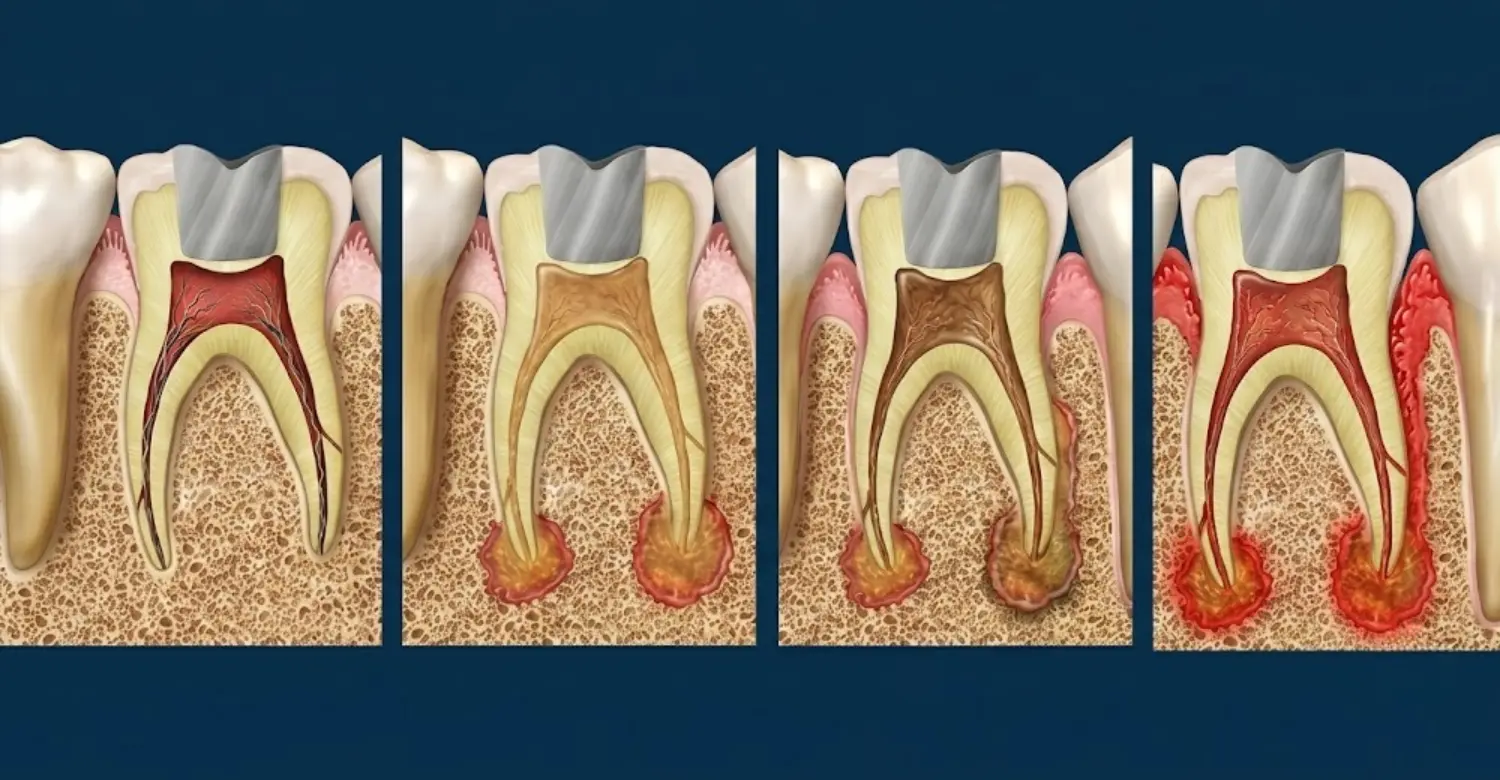
Tooth Extraction
Tooth extraction is considered a last resort when a canal infection has caused irreparable damage. Sometimes, removing the source of the bacteria is the only way to protect the rest of the mouth. Vitrin Clinic performs extractions with great care and provides immediate options for replacing the lost tooth.
When Retreatment Is Recommended
Retreatment is recommended when an issue returns but the tooth structure is still strong enough to support a new restoration. It is a highly effective way to save a tooth. Vitrin Clinic practitioners will always choose this path over extraction whenever possible to keep your natural smile intact.
When Extraction Is Necessary
Extraction is necessary if the tooth is fractured below the bone line or if the bacteria have destroyed the supporting bone. In these cases, keeping the tooth would only allow the canal infection to spread. Vitrin Clinic ensures the extraction process is comfortable and follows up with implant or bridge options.
How to Prevent Canal Infection
Learning how to prevent canal infection is the best way to avoid painful and expensive procedures. Most cases can be avoided with consistent care and professional monitoring. Vitrin Clinic partners with patients to create a preventative environment where bacteria are unlikely to ever take root.
Good Oral Hygiene Practices
Good oral hygiene practices, including brushing twice a day and flossing, are your first defense. These habits remove the plaque that eventually leads to deep decay and internal problems. Vitrin Clinic hygiene specialists provide personalized tips on how to clean hard-to-reach areas to ensure you stay healthy.
Regular Dental Checkups
Regular dental checkups allow us to catch small cavities before they turn into a full dental problem. We can also monitor the health of old crowns to ensure no bacteria are developing underneath. At Vitrin Clinic, we recommend bi-annual visits to stay ahead of any potential issues and maintain optimal oral health.
Proper Crown Placement
Proper crown placement is vital because a well-fitted crown leaves no room for bacteria to enter. The seal must be perfect to protect the inner tooth. Vitrin Clinic uses precision milling technology to create crowns that fit perfectly, offering the best possible protection against a future canal infection.
Treating Decay Early
Treating decay early is the most effective way to prevent the pain associated with dental issues. A small filling today is much easier than a major procedure later. Vitrin Clinic encourages patients to come in at the first sign of a cavity to stop bacterial growth before it reaches the nerve.
Pulp Vitality Testing: Thermal and Electrical Assessments for Canal Health
Pulp vitality testing helps dentists determine whether the dental pulp remains healthy, inflamed, or permanently damaged before recommending treatment. Accurate diagnosis prevents unnecessary root canal procedures and supports conservative treatment whenever possible. At Vitrin Clinic, advanced diagnostic methods combine pulp testing with digital imaging for highly reliable evaluations. Dr. Rifat Alsaman, Head of the Medical Team at Vitrin Clinic and a cosmetic dentist, explains that understanding pulp health is the foundation of successful endodontic treatment. Every diagnosis should consider symptoms, clinical examination, radiographs, and vitality testing together.
What Is a Pulp Vitality Test?
Pulp vitality testing evaluates whether the nerve inside a tooth remains healthy or has become permanently damaged. Dentists commonly perform thermal and electrical assessments before recommending root canal treatment. At Vitrin Clinic, these tests complement digital imaging for comprehensive diagnosis. Dr. Rifat Alsaman explains that combining multiple diagnostic methods improves treatment accuracy considerably. Reliable diagnosis helps avoid unnecessary procedures while preserving healthy dental tissues whenever possible.
Thermal Testing
Cold and heat stimuli help dentists determine whether the dental pulp responds normally to external temperature changes. Abnormal responses often indicate inflammation or irreversible pulp damage requiring further treatment. Vitrin Clinic performs these assessments using standardized clinical protocols for dependable results. Dr. Rifat Alsaman carefully interprets each response together with radiographic findings before making clinical decisions. Combining several diagnostic techniques provides greater confidence than relying on one examination alone.
Electrical Pulp Testing
Electrical pulp testing delivers a mild stimulus that evaluates nerve responsiveness within the affected tooth safely. The procedure remains quick, minimally invasive, and valuable during comprehensive endodontic examinations. At Vitrin Clinic, electrical testing supports accurate diagnosis alongside modern digital imaging technologies. Dr. Rifat Alsaman explains that no single diagnostic test should determine treatment independently. Clinical judgment always combines examination findings, patient history, and radiographic evidence.
What We Notice Clinically
Many patients assume every painful tooth automatically requires root canal treatment despite limited clinical evidence. At Vitrin Clinic, comprehensive vitality testing frequently identifies teeth that remain healthy enough for conservative treatment. Dr. Rifat Alsaman believes accurate diagnosis prevents unnecessary procedures and preserves natural tooth vitality whenever appropriate. Careful assessment consistently improves patient outcomes and treatment predictability.
Tips for Patients
Describe every symptom accurately because even small details improve diagnostic precision during clinical examinations. Avoid taking excessive pain medication before your appointment whenever possible because symptoms provide valuable diagnostic information. Attend routine dental checkups to detect pulp problems before severe infection develops. Trust comprehensive diagnostic testing before deciding upon treatment options. Vitrin Clinic always explains examination findings clearly before beginning any procedure.
Clinical Note
Dr. Rifat Alsaman explains that pulp vitality testing should always complement radiographic examination rather than replace it completely. Vitrin Clinic combines clinical experience with advanced diagnostic technology to achieve accurate treatment planning and predictable outcomes.
Key Facts About Canal Infection
Clinical research shows that 85–90% of root canal treatments remain successful for at least 8–10 years when proper diagnosis and restoration are completed. Studies also report that untreated pulp infections are among the leading causes of dental abscesses requiring emergency dental care. Early diagnosis using vitality testing improves treatment planning and helps preserve natural teeth whenever possible. At Vitrin Clinic, vitality testing is routinely combined with digital radiographs because multiple diagnostic methods increase accuracy significantly. Dr. Rifat Alsaman, Head of the Medical Team at Vitrin Clinic, explains that identifying pulp damage before infection spreads improves long-term tooth survival and reduces unnecessary procedures.
Why Choose Vitrin Clinic for Canal Infection Treatment
When you choose Vitrin Clinic for treatment, you are choosing a team dedicated to excellence and patient comfort. We understand the anxiety that comes with dental pain and work to make your experience stress-free. Our clinic is designed to provide the best possible outcomes for every patient.
Advanced Technology for Accurate Diagnosis
We use advanced technology for accurate diagnosis of every case we see. From 3D imaging to digital sensors, we leave nothing to chance when identifying the source of pain. Vitrin Clinic invests in the latest tools to ensure that our treatment of your condition is precise, effective, and tailored to your needs.
Experienced Endodontic Specialists
Our team includes experienced endodontic specialists who have spent years focused solely on treating dental pulp issues. This level of expertise means we can handle even the most difficult challenges. At Vitrin Clinic, you can trust that your tooth is in the hands of experts who know exactly how to manage root health.
Pain-Free Root Canal Procedures
We are committed to providing pain-free procedures for all our patients. Modern anesthesia and techniques mean you should not feel pain during the treatment. Vitrin Clinic prioritizes your comfort, ensuring that the process of removing bacteria is a positive and comfortable step toward health.
Personalized Treatment Plans
Every patient receives personalized treatment plans that address their unique situation and health goals. We don't believe in one-size-fits-all solutions. Vitrin Clinic takes the time to explain your options and work with you to choose the best way to resolve your issue and restore your smile.
Modern Equipment
Our facility is outfitted with modern equipment specifically designed for high-precision endodontic work. This equipment allows us to work more efficiently and effectively. Vitrin Clinic remains at the forefront of dental technology to provide the best care for every patient we serve.
Comfortable Patient Experience
We strive to create a comfortable patient experience from the moment you walk in to your final follow-up. Our staff is friendly, and our environment is calming to help ease the stress. Vitrin Clinic is dedicated to making your journey back to dental health as pleasant as possible.
What We Notice Clinically
At Vitrin Clinic, many patients believe severe tooth pain automatically means immediate root canal treatment is necessary without further evaluation. Clinical examinations often reveal reversible pulp inflammation that can sometimes be managed conservatively before permanent damage develops. Dr. Rifat Alsaman carefully compares vitality testing results with digital imaging before confirming any treatment recommendation for patients. Some teeth produce misleading symptoms because inflammation may affect neighboring tissues while the pulp remains partially healthy. Our clinical experience demonstrates that combining multiple diagnostic methods consistently produces more predictable treatment outcomes for every patient.
Tips for Patients
Never ignore lingering sensitivity because mild symptoms may represent the earliest stage of irreversible pulp inflammation requiring professional evaluation. Schedule a dental examination promptly whenever tooth pain lasts longer than normal after exposure to hot or cold foods. Avoid chewing on the affected tooth because excessive pressure may worsen existing inflammation before definitive treatment begins. Maintain excellent oral hygiene because reducing bacterial accumulation helps minimize the progression of pulp and root canal infections. Vitrin Clinic recommends regular dental checkups because early diagnosis often prevents complex procedures and preserves more natural tooth structure.
Clinical Note
Dr. Rifat Alsaman, Head of the Medical Team at Vitrin Clinic, explains that pulp vitality testing should never be interpreted independently without clinical examination and radiographic assessment. Thermal and electrical responses provide valuable diagnostic information, but patient history remains equally important for accurate treatment planning. Combining several diagnostic techniques reduces the possibility of misdiagnosis and improves long-term treatment success considerably. This comprehensive approach allows Vitrin Clinic to preserve healthy teeth whenever possible while recommending root canal treatment only when clinically necessary.
Conclusion
Pulp vitality testing plays a critical role in determining whether a tooth requires root canal treatment or can still be preserved through conservative care. Thermal and electrical assessments provide important diagnostic information when combined with clinical examination and digital imaging. At Vitrin Clinic, every patient receives a comprehensive evaluation before any treatment recommendation is made to ensure the most accurate diagnosis possible. Dr. Rifat Alsaman emphasizes that early diagnosis not only improves treatment success but also increases the likelihood of preserving healthy natural teeth for many years. Proper assessment remains the first step toward achieving predictable and long-lasting oral health.
Reference
Narayanan, L. L., & Vaishnavi, C. (2010). Endodontic microbiology. Journal of Conservative Dentistry, 13(4), 233–239. https://doi.org/10.4103/0972-0707.73386
Prada, I., Micó-Muñoz, P., Ginger-Lluesma, T., Micó-Martínez, P., Collado-Castellano, N., & Manzano-Sáiz, A. (2019). Influence of microbiology on endodontic failure. Literature review. Medicina Oral Patología Oral y Cirugía Bucal, 24(3), e364–e372. https://doi.org/10.4317/medoral.22907
Siqueira, J. F., & Rôças, I. N. (2008). Clinical implications and microbiology of bacterial persistence after treatment procedures. Journal of Endodontics, 34(11), 1291–1301. https://doi.org/10.1016/j.joen.2008.07.028
Siqueira, J. F., & Rôças, I. N. (2009). Diversity of endodontic microbiota revisited. Journal of Dental Research, 88(11), 969–981. https://doi.org/10.1177/0022034509346549
Siqueira, J. F., & Rôças, I. N. (2022). Present status and future directions: Microbiology of endodontic infections. International Endodontic Journal, 55(Suppl 3), 512–530. https://doi.org/10.1111/iej.13677
FAQs
Dr. Rifat Alsaman has more than 5 years of clinical experience in dentistry and currently serves as the Head of the Medical Team at Vitrin Clinic. He is dedicated to providing exceptional patient care, overseeing treatment planning, and ensuring the highest clinical standards across the team. His expertise, attention to detail, and commitment to continuous professional development have helped countless patients achieve healthier, more confident smiles.


