Endodontics
May 11, 2026
How does cavity repair improve both tooth function and appearance?
 Dr. Rifat Alsaman
.webp&w=3840&q=75)
Cavity repair is one of the most essential procedures in modern dentistry because it restores both the function and aesthetics of damaged teeth. When decay penetrates a tooth, it can weaken the structure, cause pain, and make chewing difficult. strengthens the tooth, allowing patients to bite and chew efficiently while preventing further damage. In addition, using advanced materials and techniques ensures that the tooth’s natural appearance is maintained, or even enhanced, blending seamlessly with surrounding teeth. Beyond functional improvements, can prevent unsightly discoloration, visible holes, and misalignment caused by untreated decay. For anyone concerned about oral health, timeliness is crucial for longterm dental stability.
The Five Stages of Tooth Decay: From Enamel Erosion to Abscess
Tooth decay does not happen suddenly. A cavity develops gradually through different stages, starting with minor enamel changes and potentially progressing to severe infection if left untreated. Understanding the five stages of tooth decay helps patients recognize when early intervention can prevent extensive dental procedures.
At Vitrin Clinic, dentists evaluate every cavity based on its severity, location, and effect on surrounding tooth structures. Dr. Rifat Alsaman, Head of the Medical Team at Vitrin Clinic and a cosmetic dentist, explains that early diagnosis is one of the most important factors in preserving natural teeth and achieving long-lasting dental results.
Early Signs: Enamel Surface Lesions and White Spots
The first stage of tooth decay begins when acids produced by bacteria weaken the enamel surface. At this stage, patients may notice white spots or slight discoloration on the teeth, but there may be no pain or sensitivity.
This early damage is sometimes reversible because the tooth can regain minerals through proper care. A professional assessment can determine whether the cavity requires restoration or if preventive treatment is enough.
Remineralisation Cavity Treatment
Remineralisation cavity treatment focuses on strengthening weakened enamel before a cavity develops into permanent damage. Dentists may recommend fluoride applications, improved oral hygiene routines, and dietary changes to support enamel repair.
Dr. Rifat Alsaman, Head of the Medical Team at Vitrin Clinic, highlights that treating early enamel changes can help patients avoid unnecessary fillings and maintain their natural tooth structure.
Understanding Cavity Repair and Tooth Decay
Dental decay is a progressive condition that gradually damages the enamel and dentin of teeth. Understanding involves knowing how decay forms and the consequences of leaving it untreated. The process begins when acids from plaque erode enamel, creating tiny holes. These holes, if not addressed, can grow deeper, reaching nerves and causing sensitivity or pain. not only halts this progression but also restores the structural integrity of teeth. Modern dentistry offers multiple solutions depending on severity, ranging from fillings to more advanced restorative techniques. Knowledge of cavity repair helps patients make informed decisions about prevention and treatment, ensuring oral health remains optimal. Understanding the difference in cavity vs root canal procedures helps you know what to expect during your upcoming appointment.
What Is a Cavity?
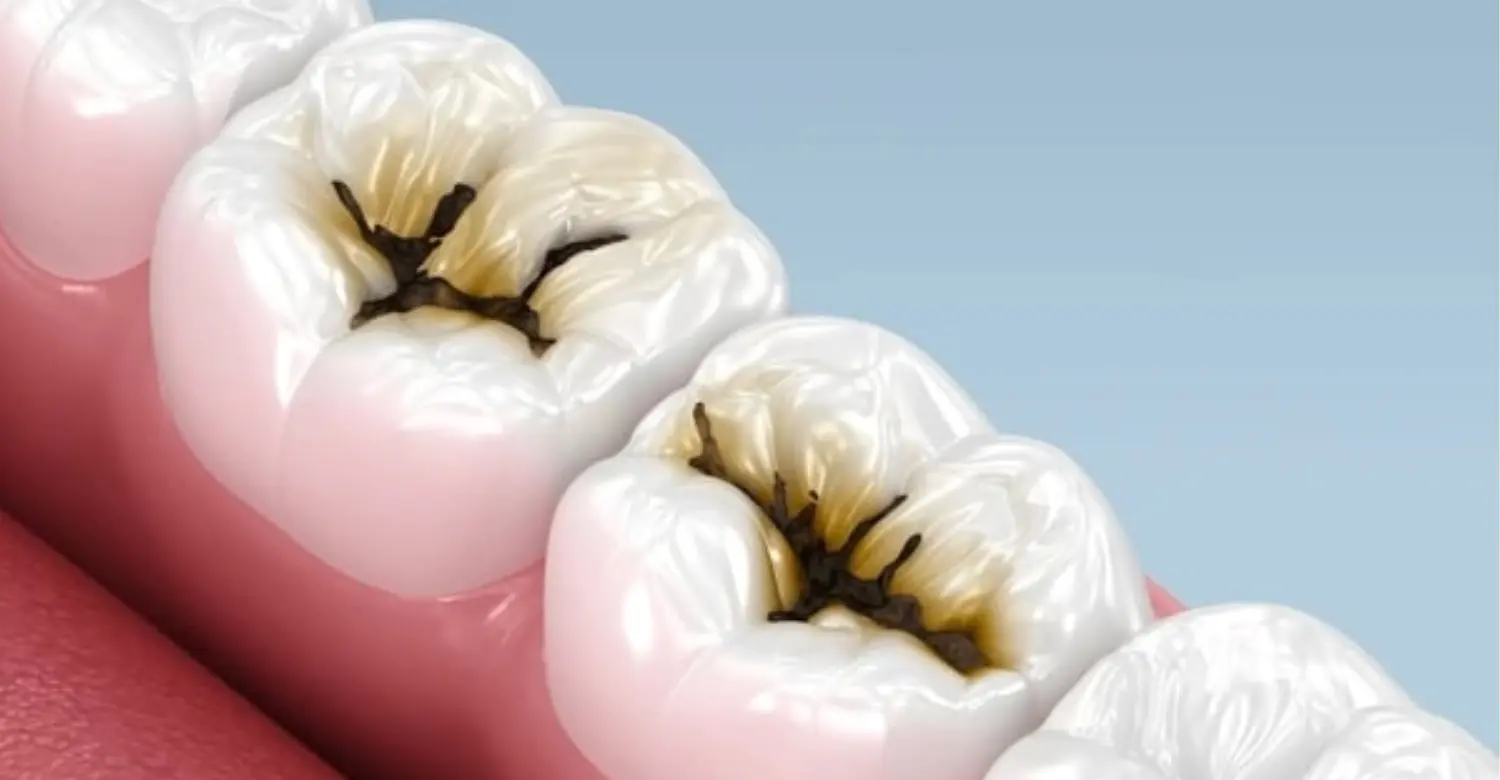
A cavity is essentially a hole in the tooth caused by the breakdown of enamel and dentin due to bacterial activity. Cavities, also known as dental caries, begin as minor surface damage and gradually worsen if untreated. They can cause pain, sensitivity to hot or cold foods, and noticeable discoloration. The presence of cavities signals an imbalance between oral bacteria, sugar intake, and the body’s natural defenses. Detecting a cavity early is key, as minor decay can often be repaired quickly and effectively with minimal intervention. Cavity repair restores the tooth’s strength, functionality, and appearance, preventing more severe dental issues down the line. Many patients want to learn more about their symptoms, so we highly recommend reading our guide on cavity vs root canal.
Causes of Tooth Decay
Tooth decay primarily results from poor oral hygiene and excessive consumption of sugary or acidic foods. Bacteria in the mouth feed on sugars, producing acids that erode enamel over time. Other contributing factors include dry mouth, lack of fluoride, certain medications, and genetic predisposition. In some cases, lifestyle habits like frequent snacking or irregular dental checkups increase susceptibility. Tooth decay can progress silently, sometimes without noticeable symptoms until significant damage occurs. Early recognition of these causes and preventive care are essential. Cavity repair addresses the damage while reducing the risk of further decay, ensuring both functionality and aesthetic appeal of the teeth. When decay compromises more than half the structure, repairing broken teeth with caps is much safer than large fillings. If you are currently experiencing severe discomfort, it is very important to understand the details about putting a cap on a broken tooth.
Signs Your Tooth Needs Cavity Repair
Early detection of decay can save a tooth from extensive damage. Signs include persistent tooth sensitivity, pain when eating sweet, hot, or cold foods, visible dark spots or holes, and sometimes swelling around the affected area. Bad breath or a bad taste in the mouth can also indicate decay. Ignoring these signs allows bacteria to penetrate deeper layers, potentially leading to nerve involvement and more complicated treatments. Timely restores strength and prevents further infection. Patients noticing these symptoms should consult a dentist promptly to ensure minimal discomfort and maintain oral health, emphasizing the importance of proactive dental care. See everything about hollywood smile in turkey
How Do They Fix Tooth Decay?
Fixing tooth decay involves removing damaged tissue and restoring the tooth’s structure. Dentists use a variety of techniques depending on the severity of the decay. For minor cavities, fillings are often sufficient, while deeper decay may require root treatments or crowns. Modern dental technology ensures precision and minimal discomfort. Each procedure is designed to stop further damage, alleviate pain, and restore chewing efficiency. Additionally, cavity repair improves aesthetics by using materials that match natural tooth color, ensuring a seamless appearance. Effective treatment strategies not only restore dental function but also prevent future decay from forming in the same area.
Advanced Stages: Dentin Penetration and Pulp Infection
When decay progresses beyond the enamel, it reaches the dentin layer underneath. Because dentin is softer than enamel, bacteria can spread faster, causing increased sensitivity to hot, cold, or sweet foods.
If the decay continues untreated, it can reach the dental pulp, where nerves and blood vessels are located. This stage may cause severe tooth pain, swelling, infection, and sometimes the need for root canal treatment.
At Vitrin Clinic, advanced cavities are carefully evaluated using modern diagnostic methods to determine whether the tooth can be restored or requires more complex treatment.
Types of Cavities and How Their Treatment Varies
Not all cavities are the same. The treatment approach depends on where the decay develops and how much tooth structure has been affected.
1. Pit and Fissure Cavities
These cavities develop in the grooves of back teeth where food particles and bacteria can accumulate. They are commonly treated with fillings or preventive sealants when detected early.
2. Smooth Surface Cavities
These appear on the flat surfaces between or around teeth. They often progress slowly but require professional monitoring and proper cleaning techniques.
3. Root Cavities
Root cavities occur when gum recession exposes the tooth root. Because the root surface is softer than enamel, decay can develop quickly and may require specialized treatment.
Understanding the types of cavities helps dentists create a personalized treatment plan. According to Dr. Rifat Alsaman, Head of the Medical Team at Vitrin Clinic and a cosmetic dentist, accurate diagnosis allows dentists to preserve more natural tooth structure while restoring both function and appearance.
Non-Invasive Cavity Treatments for Early Decay
Not every cavity requires drilling or a filling. When decay is detected at an early stage, dentists may recommend non-invasive methods to slow or stop progression.
These treatments may include:
Professional fluoride therapy
Remineralisation techniques
Improved oral hygiene guidance
Dietary adjustments
Regular dental monitoring
Patients often ask whether they can permanently fix cavities without fillings. While early enamel damage can sometimes be reversed, cavities that create a physical hole in the tooth usually require professional restoration.
At Vitrin Clinic, treatment decisions are based on preserving healthy tooth structure while preventing future complications.
Filling a Cavity
Filling a cavity is the most common method for repairing minor tooth decay. The procedure involves removing decayed tissue and filling the space with materials such as composite resin, amalgam, or glass ionomer. Composite fillings are especially popular because they mimic the natural color of teeth, providing a cosmetic benefit along with functional restoration. The filling strengthens the tooth, prevents further decay, and reduces sensitivity. Cavity repair through filling is a fast, reliable, and widely practiced approach that maintains oral health and appearance. Patients often notice immediate relief from discomfort after the procedure, allowing them to resume normal eating habits. Experiencing intense molar pain from deep decay is a clear indicator that the bacterial infection has reached the dentin. To prevent further dental complications and protect your oral health, you should carefully review our article to understand why back teeth hurt with pressure.
Root Cavity Treatment
When decay reaches the inner pulp of a tooth, a root cavity treatment, commonly called root canal therapy, is necessary. The procedure involves removing infected pulp, cleaning the canals, and sealing the tooth to prevent reinfection. Root cavity treatment saves severely damaged teeth that might otherwise require extraction. Advanced techniques, such as digital imaging, ensure precise cleaning and minimal damage to surrounding tissues. Posttreatment, a crown is often applied for additional strength and aesthetic improvement. Cavity repair at this level preserves tooth function and eliminates pain while preventing further complications, offering a longterm solution for significant decay. For those seeking additional information on this specific dental issue, please take a moment to explore Vitrin Clinic's sharp tooth pain guide.
Cavity Removal and Cleaning
Cavity removal and cleaning is a critical first step in any decay treatment. Dentists carefully remove decayed tissue using specialized tools, ensuring that only damaged parts are excised. After removal, the cavity is thoroughly cleaned to eliminate bacteria and debris. Proper cleaning ensures that restorative materials bond effectively and prevents reinfection. The cleaned cavity is then prepped for filling or other treatments. This step is crucial in the cavity repair process, as it provides a stable foundation for restoration, protects against further decay, and ensures the tooth’s structural integrity is maintained for long-lasting results. Read more about dental implants in turkey cost
Tooth Decay Cleaning and Medical Procedures
Advanced medical procedures for cleaning tooth decay involve more than simple cavity removal. Techniques may include laser cleaning, air abrasion, or antimicrobial rinses to eliminate bacteria in hard-to-reach areas. These procedures enhance the effectiveness of cavity repair and reduce recovery time. By thoroughly treating the affected tooth, dentists ensure that restorative materials adhere properly and that reinfection risks are minimized. Additionally, medical cleaning methods can be combined with other treatments, such as fillings or root canal therapy, for comprehensive decay management. This holistic approach guarantees both functional and aesthetic restoration, maintaining the tooth’s health for years to come.
Can You Stop Tooth Decay?
Yes, tooth decay can be halted through a combination of professional treatment and proper oral care. Early intervention is critical to prevent further damage. stops active decay, while preventive measures, like proper brushing, flossing, and fluoride use, reduce future risks. Diet modifications, such as reducing sugar and acidic foods, also contribute to halting decay. Regular dental checkups allow early identification of new cavities, making timely repair easier and less invasive. By combining professional cavity repair with proactive daily habits, patients can maintain strong, healthy teeth, reducing the need for more complex procedures later.
Preventive Measures
Preventive measures are essential for stopping tooth decay before it worsens. Brushing twice daily with fluoride toothpaste, flossing to remove food particles between teeth, and using mouth rinses help reduce bacterial buildup. Regular dental checkups allow early detection of cavities, while dental sealants protect molars from decay. Maintaining a balanced diet low in sugary and acidic foods also reduces the risk. These measures complement professional cavity repair by preventing recurrence and ensuring longterm oral health. Prevention is always better than cure, and integrating these habits helps maintain both the appearance and function of your teeth.
Halting Tooth Decay Naturally
Natural approaches to halting tooth decay include using dietary strategies and home care routines. Eating calcium-rich foods, maintaining proper oral hygiene, and reducing sugar intake strengthens enamel and prevents acid attacks. Certain natural remedies, like oil pulling or xylitol chewing gum, may also help limit bacterial growth. While these methods support oral health, they work best alongside professional cavity repair when decay has already occurred. A combination of natural preventive methods and timely dental intervention ensures effective management of decay while minimizing invasive procedures. Explore details on best dentist in istanbul
How to Heal Teeth After Cavity Treatment
Healing after cavity repair involves careful postprocedure care to ensure restoration success. Patients should avoid hard foods, maintain consistent oral hygiene, and follow dentist-recommended treatments. Pain or sensitivity may occur temporarily, but it generally subsides within days. Using fluoride toothpaste and rinses can strengthen enamel, while followup visits help monitor recovery. Proper healing ensures that the repaired tooth functions effectively and remains free from reinfection. combined with diligent care promotes longterm oral health, restoring both the structure and comfort of affected teeth.
Remineralisation and Professional Fluoride Therapy
Fluoride plays an important role in strengthening enamel and improving resistance against acid attacks. Professional fluoride therapy provides a concentrated application that helps protect vulnerable areas.
For patients with early-stage decay, remineralisation may slow the progression of cavities and improve enamel strength.
Dr. Rifat Alsaman explains that prevention-focused dentistry is an essential part of modern dental care because maintaining natural teeth should always be the first goal whenever possible.
Different Cavity Repair Methods
Dentists use various methods to repair cavities, depending on severity, location, and patient needs. Options range from traditional fillings to advanced restorative techniques like inlays, onlays, crowns, and root canal therapy. Each method addresses the damage caused by decay while restoring tooth function and aesthetics. Material choice, procedural technique, and longterm durability are all considered in treatment planning. Selecting the most suitable method ensures effective cavity repair, minimizes discomfort, and preserves natural tooth structure, providing a solution tailored to each patient’s unique oral condition. While waiting for your dental appointment, finding quick relief for cavity pain can help you sleep through the night.
Dental Filling Materials
Dental fillings can be made from multiple materials, each offering distinct benefits. Composite resin provides a tooth-colored option that blends naturally, while amalgam is highly durable for back teeth. Glass ionomer releases fluoride to prevent further decay. Gold and ceramic fillings, though more expensive, offer long-lasting durability and aesthetic appeal. Material choice depends on the cavity size, location, patient preference, and budget. Using appropriate materials ensures that cavity repair not only restores function but also maintains or enhances the tooth’s appearance. Modern dentistry allows personalized solutions that meet both clinical and cosmetic requirements. Understanding your treatment options is crucial for recovery, which is why we suggest reading our post on sore back tooth.
Cavity Medicine
Cavity medicine includes topical treatments that aid in decay prevention and postrepair healing. Fluoride varnishes, desensitizing agents, and antimicrobial gels help strengthen enamel and reduce bacterial activity. These medications are often applied during dental visits or used as home care adjuncts. While cavity medicine cannot replace structural repair, it supports longterm oral health by minimizing sensitivity and preventing new cavities. Integrating medicinal approaches with restorative treatments enhances the overall effectiveness of cavity repair, ensuring stronger, healthier teeth over time.
Gross Decay Repair Techniques
For extensive tooth decay, gross decay repair involves advanced procedures like crowns, inlays, onlays, and root canal therapy. These methods address structural loss while preserving as much natural tooth as possible. Crowns fully cover damaged teeth, providing strength and durability, while inlays and onlays repair moderate damage with minimal tooth removal. Root canal therapy addresses pulp infection, saving otherwise unsalvageable teeth. Combining these techniques ensures comprehensive cavity repair, restoring function and aesthetics while preventing further decay and tooth loss. Explore details on teeth whitening london vs istanbul
Repair Tooth Decay vs. Extraction
Deciding between cavity repair and extraction depends on decay severity. Minor to moderate decay can usually be treated with fillings or crowns, preserving natural teeth. Severe decay, however, may necessitate extraction when structural integrity is compromised. Preservation through cavity repair is preferred whenever possible because it maintains oral function, prevents bone loss, and supports overall dental health. Modern dental techniques often allow previously unsalvageable teeth to be saved with advanced repairs, emphasizing the value of timely intervention over extraction whenever feasible.
Fissure Sealants as a Protective Barrier
Fissure sealants for early decay are preventive treatments designed to protect the deep grooves of molars from bacteria and food accumulation.
The procedure involves applying a thin protective material over vulnerable tooth surfaces, creating a barrier against cavity-causing bacteria.
Sealants are especially beneficial for children, teenagers, and patients who are more prone to developing cavities. However, adults can also benefit from this preventive approach depending on their dental condition.
At Vitrin Clinic, dentists assess whether fissure sealants are suitable based on each patient's cavity risk and oral health needs.
When Is It Too Late to Fix a Cavity? Extraction as a Last Resort
Many patients search for “when is it too late to fix a cavity?” The answer depends on how much healthy tooth structure remains.
A cavity may still be repaired with fillings, crowns, or root canal treatment if enough tooth structure can be preserved. However, when decay causes severe destruction, repeated infections, or the tooth cannot support restoration, extraction may become the safest option.
Dr. Rifat Alsaman, Head of the Medical Team at Vitrin Clinic and a cosmetic dentist, emphasizes that extraction is considered only after all possible restorative options have been evaluated.
The goal of modern dentistry is always to save natural teeth whenever possible.
Vitrin Clinic Expertise in Cavity Repair
At Vitrin Clinic, cavity repair is approached with advanced technology, personalized treatment, and a patient-centered focus. Dentists use stateoftheart imaging, laser procedures, and minimally invasive techniques to ensure precise removal of decay and effective restoration. Individualized treatment plans consider each patient’s oral health, aesthetics, and comfort. With a team experienced in handling complex cases, Vitrin Clinic ensures cavity repair is not only functional but also visually seamless, restoring confidence in both smile and bite. Their expertise guarantees long-lasting results and minimal discomfort, reflecting a commitment to modern, comprehensive dental care.
Advanced Cavity Removal Techniques
Vitrin Clinic employs cutting edge cavity removal techniques, including laser dentistry, digital imaging, and microabrasion. These methods allow precise decay removal while preserving healthy tooth structure. Advanced techniques reduce procedure time, minimize pain, and promote faster healing. By integrating technology with expert clinical judgment, dentists ensure effective cavity repair and improved longterm oral health. Patients benefit from safer procedures, reduced anxiety, and exceptional restorative outcomes.
Personalized Treatment Plans
Every patient at Vitrin Clinic receives a personalized cavity repair plan. Dentists evaluate the extent of decay, tooth structure, aesthetic goals, and overall oral health to determine the most suitable approach. Options may include fillings, crowns, or advanced restorative techniques, ensuring optimal function and appearance. Personalized care enhances outcomes, prevents recurrence, and provides a roadmap for longterm oral wellness. With individualized plans, patients receive treatments tailored precisely to their needs, ensuring effectiveness and durability.
What We Notice Clinically
From a clinical perspective, many patients delay cavity treatment because they wait until pain appears. However, tooth decay often begins silently before symptoms become noticeable.
Dr. Rifat Alsaman, Head of the Medical Team at Vitrin Clinic and a cosmetic dentist, explains that early cavity detection allows dentists to use simpler treatments, preserve more enamel, and achieve better aesthetic results.
Clinically, we notice that patients who combine regular check-ups with preventive care have a significantly lower risk of developing severe cavities. Modern cavity repair is not only about removing decay; it is about restoring tooth strength, improving appearance, and maintaining long-term oral health.
How to Recover from Tooth Decay
Recovery from it involves proper oral hygiene, dietary adjustments, and followup care. Posttreatment care ensures the repaired tooth integrates successfully, remains free from infection, and regains full function. Maintaining healthy habits such as regular brushing, flossing, and limiting sugary foods aids longterm recovery. Recovery time varies with the procedure; minor fillings often heal quickly, while root canal therapy or crowns may require additional monitoring. Effective recovery strategies complement cavity repair, promoting oral health, preventing reinfection, and enhancing comfort and aesthetics. Find out about all ceramic dental crowns in turkey
PostTreatment Care
Posttreatment care focuses on protecting the repaired tooth and preventing future decay. Patients should avoid hard or sticky foods, practice consistent oral hygiene, and follow dentist recommendations for cleaning and fluoride use. Any sensitivity or discomfort usually diminishes within days. Regular dental visits ensure that cavity repair is successful and long lasting. Proper posttreatment care reinforces the benefits of cavity repair, preserving tooth structure, function, and appearance for years to come. If you constantly feel discomfort while chewing sweets, it is time to have a professional evaluate your enamel integrity.
Can You Cure Dental Decay Permanently?
While permanent eradication of dental decay is not guaranteed, cavity repair combined with preventive care can significantly reduce recurrence. Maintaining proper oral hygiene, regular dental visits, and limiting sugar intake are critical. Restored teeth with fillings or crowns are protected against further damage, but ongoing care ensures durability. Effective addresses current decay, stops progression, and creates a foundation for lasting dental health. Patients adopting preventive habits alongside professional treatment enjoy longterm protection against decay.
Decaying Teeth: How to Fix at Home
Minor early decay can sometimes be addressed at home using fluoride treatments, proper brushing, and diet modifications. Reducing sugar intake, maintaining oral hygiene, and using cavity preventing products can slow progression. However, advanced decay requires professional cavity repair for effective treatment. Home care supports dental treatments by strengthening enamel, preventing new cavities, and maintaining oral health. Combining home strategies with timely dental intervention ensures optimal results, minimizing pain and functional loss.
Vitrin Clinic: Innovative Dental Solutions
Vitrin Clinic stands out for its innovative approach to cavity repair, integrating modern technology with patient centered care. The clinic combines advanced imaging, laser procedures, and personalized restoration strategies to ensure precision and comfort. Their focus on preventive care, early detection, and minimally invasive techniques ensures effective treatment. Patients benefit from long lasting cavity repair, improved aesthetics, and enhanced oral health, all delivered in a professional, supportive environment.
Comprehensive Cavity Treatment
Comprehensive cavity treatment at Vitrin Clinic covers all aspects of dental decay, from diagnosis to restoration. Using cuttingedge technology, dentists identify decay early, plan precise interventions, and apply advanced restorative methods. The clinic addresses both functional and cosmetic concerns, ensuring repaired teeth are strong, durable, and visually appealing. This holistic approach provides patients with complete care, emphasizing prevention, restoration, and longterm dental wellness. Explore details on porcelain veneers turkey cost
FollowUp and Monitoring
Followup and monitoring are essential components of successful cavity repair. Regular dental visits allow assessment of restorations, early detection of new decay, and reinforcement of preventive strategies. Monitoring ensures that treatments remain effective, and any issues are addressed promptly. By combining follow up care with advanced repair techniques, patients maintain optimal oral health, protecting both function and aesthetics of their teeth for years to come.
Reference
Cavity Repair is a dental treatment designed to restore teeth damaged by tooth decay, prevent further deterioration, and bring back normal function and appearance. The procedure may involve dental fillings, bonding, inlays, onlays, or crowns depending on the severity of the cavity. The following references provide more information about cavity repair methods, treatment stages, materials, benefits, and preventive care:
FAQs
Dr. Rifat Alsaman has more than 5 years of clinical experience in dentistry and currently serves as the Head of the Medical Team at Vitrin Clinic. He is dedicated to providing exceptional patient care, overseeing treatment planning, and ensuring the highest clinical standards across the team. His expertise, attention to detail, and commitment to continuous professional development have helped countless patients achieve healthier, more confident smiles.


