
A sudden tooth pain can happen for many reasons. Cavities, cracked teeth, gum infections, or exposed nerves are common culprits. Eating very hot, cold, or sweet foods may trigger sharp, unexpected discomfort. Stress and teeth grinding can also irritate the tooth and jaw muscles over time. In some cases, understanding random sharp pain in tooth may come and go because of sensitive enamel or hidden dental damage. Rinsing with warm salt water and avoiding hard foods may help reduce irritation temporarily. If the pain keeps returning or becomes severe, visiting a dentist is important. A dentist can find the exact cause and prevent complications.
Understanding Random Sharp Pain in Tooth
Tooth nerve pain that comes and goes can happen for different reasons. Understanding the type of pain is important for choosing the right treatment. One common cause is reversible pulpitis. Here, the inner tooth nerve becomes irritated but can recover after removing the cause. Causes include decay, enamel wear, or sensitivity. The pain is usually short and disappears quickly after the trigger is removed.
However, irreversible pulpitis means the tooth nerve may be permanently damaged. In this case, sharp pain can appear randomly, last longer, or become stronger at night. At Vitrin Clinic, dentists carefully evaluate the source of nerve pain. They use clinical examination and digital imaging. This helps determine whether the tooth needs a simple restoration or advanced treatment such as root canal therapy.
What Is Random Sharp Pain in Tooth?
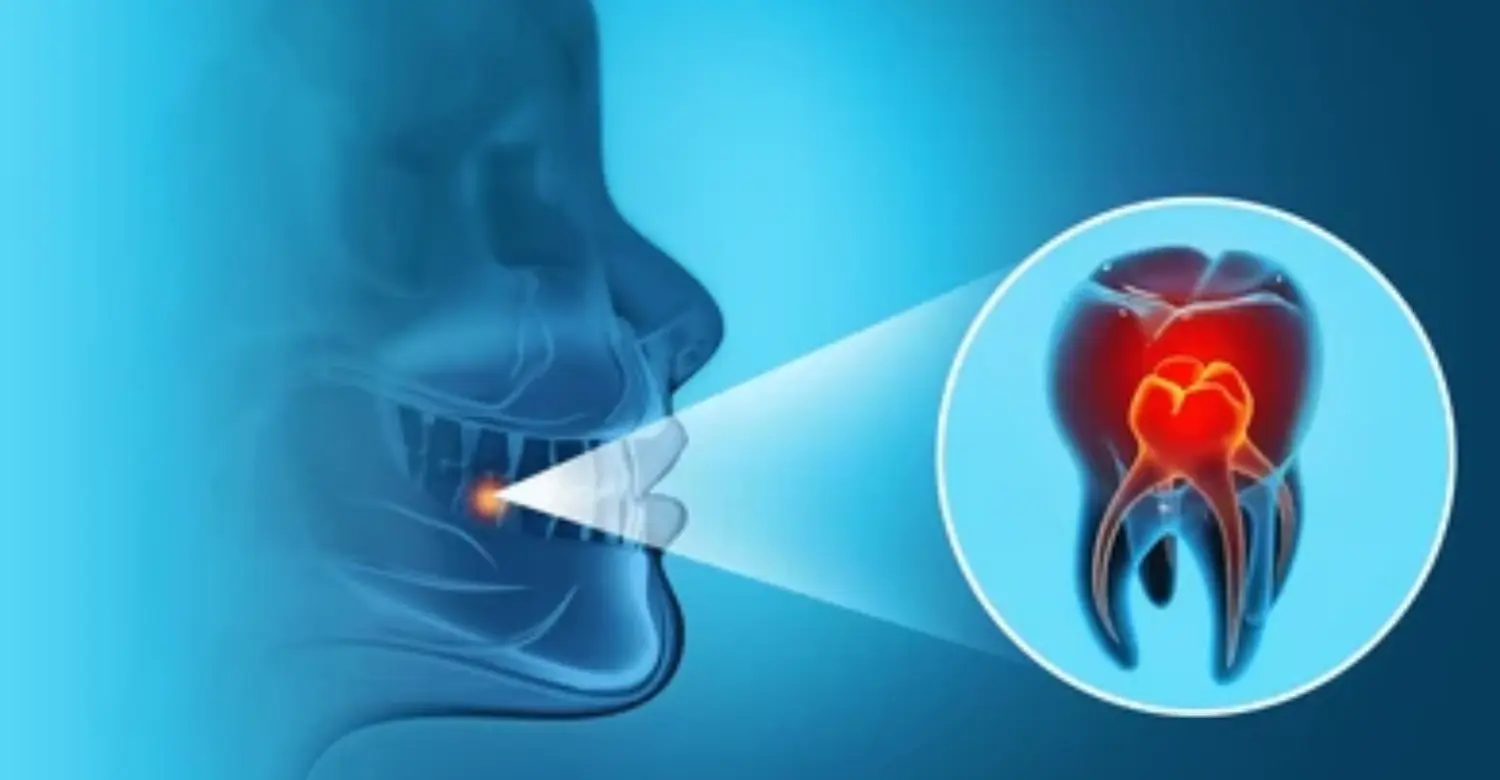
Random sharp pain in a tooth is a sudden, intense, and often brief sensation. It occurs unpredictably in one or more teeth. It usually feels like a sharp, stabbing, or shooting pain. It can last from a few seconds to several minutes. This type of pain is often caused by issues affecting the tooth’s nerve. Examples include tooth decay reaching the pulp, small cracks in the tooth, gum infections, or abscesses.
It can also be triggered by sensitivity to hot, cold, or sweet foods. Habits like teeth grinding and clenching can also cause it. Although the pain may come and go, experiencing a random sharp pain in tooth structures signals an underlying dental problem. This problem needs attention to prevent further damage. Ignoring it can lead to a worsening infection, prolonged discomfort, or even tooth loss.
Understanding Random Sharp Tooth Pain
A sudden toothache is abrupt, intense dental discomfort. It appears without warning and is often described as sharp or stabbing. Understanding a sudden toothache helps patients recognize that unpredictable sensations indicate underlying dental problems. These problems require attention. Knowledge about a sudden toothache reveals that various conditions cause unexpected symptoms. These conditions range from decay to nerve issues. Professional evaluation of a sudden toothache determines whether infection, damage, or sensitivity causes the discomfort. Recognizing sudden toothache characteristics enables an appropriate response. This allows you to seek relief and professional care when necessary.
How sharp shooting pain in tooth differs from regular tooth pain
A sharp shooting pain in a tooth presents as brief, intense, electric-like sensations. This differs from a dull, constant aching. Understanding a sharp shooting pain helps patients describe symptoms accurately. This is especially true when experiencing a random sharp pain in tooth areas that comes and goes. Knowledge about a sharp shooting pain in a tooth reveals that this specific sensation often indicates direct nerve involvement or advanced sensitivity. Professional interpretation of a sharp shooting pain guides the diagnostic approach. It identifies causes that require specific treatment. A sharp shooting pain typically suggests different biological problems than continuous, dull pain. These problems require distinct clinical approaches.
Common Causes of Random Sharp Tooth Pain
Common causes of a random sharp pain in tooth structures include progressive tooth decay, advanced gum disease, microscopic structural cracks, extreme temperature sensitivity, and nerve pulp inflammation. Understanding causes helps patients recognize the specific biological factors contributing to unexpected oral twinges. These twinges require attention. Knowledge about causes reveals that localized dental distress results from various dental conditions. These conditions directly affect the underlying nerves. Professional identification of the specific cause when symptoms occur enables appropriate, targeted treatment. Multiple factors sometimes combine, causing uncomfortable physical flare-ups. These flare-ups require a comprehensive evaluation for an accurate diagnosis. Many patients want to learn more about their symptoms. We highly recommend reading our guide on home remedies for exposed tooth nerve.
Why Random Sharp Tooth Pain Happens
When sharp tooth pain disappears temporarily, it does not always mean the problem has been solved. Sometimes, the tooth nerve becomes less reactive for a short period, even though the underlying issue remains. Deep cavities, cracks, infection, or nerve inflammation can continue progressing without constant symptoms.
Many patients delay dental visits because the pain stops, but recurring episodes can indicate that the tooth needs professional evaluation. At Vitrin Clinic, specialists focus on identifying the reason behind temporary pain relief rather than only treating the symptoms. Early diagnosis can help preserve the natural tooth structure and prevent more complex procedures in the future.
Tooth decay and cavities
Tooth decay and cavities expose the inner tooth layers to external stimuli, causing severe discomfort. Understanding decay impact helps patients recognize that a random sharp pain in tooth segments often indicates significant cavity formation that has breached the enamel. Knowledge about cavities reveals that bacteria create physical holes, allowing temperature and biting pressure to reach the internal nerves. Professional treatment for decay involves removing the active infection and restoring the missing structure. Early cavity treatment successfully prevents a worsening of nerve-related shocks, eliminating the need for more extensive dental interventions.
Gum disease and infections
Gum disease and infections cause soft tissue inflammation, exposing vulnerable tooth roots and creating extreme sensitivity. Understanding periodontal impact helps patients recognize that underlying gum problems contribute directly to localized root sensitivity. Knowledge about gum disease reveals that a bacterial infection destroys support structures, exposing sensitive root surfaces that lack protective enamel. Professional treatment for gum disease reduces intense sensitivity episodes through deep clinical cleaning and targeted infection control. Advanced gum disease inevitably worsens structural issues if left without proper professional intervention and periodontal treatment.
Exposed Tooth Roots: How Gum Recession Triggers Unpredictable Neural Shocks
Gum recession can expose parts of the tooth that are normally protected, including the root surface. Unlike the enamel-covered crown of the tooth, exposed roots contain tiny channels connected to the inner nerve. When these areas react to cold drinks, hot foods, sweet items, or even air exposure, patients may experience sudden electric-like sensations.
This type of random sharp pain in tooth can often be managed by treating the sensitivity source, improving gum health, using protective dental materials, or addressing underlying periodontal concerns. At Vitrin Clinic, dentists evaluate both teeth and gums because tooth sensitivity is sometimes linked to gum recession rather than tooth decay alone.
Cracked or damaged teeth
Cracked or damaged teeth create microscopic pathways for external stimuli to reach internal nerves, causing severe distress. Understanding crack impact helps patients recognize that a random sharp pain in tooth zones may indicate a structural tooth fracture. Knowledge about cracks reveals that even small, invisible fractures allow micro-irritants and fluids to reach the inner pulp layers. Professional treatment for cracks typically requires protective crown placement or structural bonding. Untreated cracks worsen over time, causing increasingly frequent neural spikes that require extensive root treatments.
Sensitivity to hot or cold foods
Sensitivity to hot or cold foods triggers intense discomfort through exposed dentin layers or direct nerve irritation. Understanding temperature sensitivity helps patients recognize that a random sharp pain in tooth tissues often relates to specific dietary triggers. Knowledge about sensitivity reveals that worn enamel or receding gums expose the sensitive tubule structures of the tooth. Professional treatment for sensitivity reduces thermal reaction symptoms through the application of desensitizing agents or restorative fillings. Managing known triggers prevents uncomfortable oral jolts while addressing the underlying sensitivity causes comprehensively.
How to Manage Sudden Toothache at Home
Managing a sudden toothache at home involves implementing safe, gentle remedies that provide temporary relief while you are in the process of arranging professional care. Understanding home management helps patients address sudden toothache symptoms before their dental appointment, especially when trying to calm a random sharp pain in tooth structure overnight. Knowledge about home remedies for a sudden toothache reveals that multiple approaches provide effective symptomatic relief. Professional guidance about sudden toothache management ensures the safe, appropriate use of home treatments. Learning sudden toothache relief methods helps patients maintain comfort while actively seeking a professional dental evaluation. If you are currently experiencing severe discomfort, it is very important to understand the details about dealing with intermittent tooth pain.
Common Causes of Sharp Tooth Pain
Tooth decay (cavities)
Cracked or fractured tooth
Loose or damaged filling
Exposed dentin (due to gum recession or enamel wear)
Dental abscess or infection
Sinusitis (referred pain)
Bruxism (teeth grinding)
Recent dental work (temporary sensitivity)
Sharp vs. Throbbing: What Does Your Pain Mean?
Dental pain comes in different forms, each pointing to a different issue. Sharp, sudden pain often indicates a cracked tooth, a loose filling, or exposed dentin. Throbbing pain, on the other hand, is usually a sign of inflammation or infection deep within the pulp. If your pain is sharp when biting but throbbing later, you might have a combination of issues. Understanding the type of pain you're experiencing can help your dentist diagnose the problem more accurately.
What Happens During a Root Canal?
When sharp pain in a tooth is caused by infection or damage to the pulp, a root canal may be necessary. This procedure involves removing the infected pulp, cleaning the root canals, and sealing them to prevent further infection. Contrary to popular belief, modern root canals are relatively comfortable, often completed in one or two visits. The tooth is then restored with a crown to protect it and restore function. If you're experiencing persistent sharp pain, a root canal could be the solution to save your natural tooth.
Disclaimer: This article is for informational purposes only and does not constitute medical advice. Always consult a qualified dentist for a proper diagnosis and treatment. Privacy Policy: We respect your privacy. Any information you share with us is kept confidential and used solely to improve your experience. For full details, please visit our privacy policy page.
Immediate relief techniques for sharp shooting pain in tooth
Immediate relief for sharp shooting pain includes avoiding temperature extremes, applying a cold compress, and using over-the-counter pain medication. Understanding quick relief helps patients manage a random sharp pain in tooth areas when symptoms occur suddenly during meals. Knowledge about immediate techniques reveals that multiple methods work simultaneously to lower nerve sensitivity. A professional recommendation of safe approaches ensures the appropriate management of a sharp shooting pain in the tooth at home. Quick relief techniques provide temporary comfort while you arrange definitive dental care.
Home remedies to ease random tooth pain
Home remedies include saltwater rinses, cold compresses, clove oil, and over-the-counter pain relievers. Understanding home options helps patients implement multiple approaches when experiencing a random sharp pain in tooth structure that strikes unpredictably. Knowledge about remedies reveals that combining several methods provides much better relief than relying on a single approach alone. A professional recommendation of safe remedies ensures appropriate use, avoiding complications from incorrect home treatment. Multiple home remedies provide accessible options, allowing patients to select methods that work best for them individually. For those seeking additional information on this specific dental issue, please take a moment to explore Vitrin Clinic's guide when pain meds fail.
Saltwater rinses
A saltwater rinse reduces harmful oral bacteria, cleanses the area, and provides mild relief for unpredictable dental discomfort episodes. Understanding saltwater benefits helps patients recognize a simple, accessible remedy for managing a random sharp pain in tooth at home. Knowledge about saltwater reveals that this gentle solution reduces soft tissue inflammation while removing trapped food particles effectively. A professional recommendation of a saltwater rinse provides a safe, first-line option for temporary dental symptom management. A saltwater rinse represents a time-tested, effective remedy for temporary relief before professional dental treatment can be performed.
Cold compresses
A cold compress applied to the face constricts blood vessels, numbs the area, and reduces local inflammation. Understanding cold therapy helps patients implement an effective external treatment for managing sudden neural shocks. Knowledge about cold application reveals that ice reduces the local inflammatory response, numbing the affected nerve pathways temporarily. Professional guidance about compress use ensures proper technique, avoiding skin ice burns while maximizing the therapeutic benefits. A cold compress provides safe, effective symptomatic relief while patients await their professional dental treatment.
Over-the-counter pain medications
Over-the-counter pain medications, including ibuprofen or acetaminophen, reduce dental discomfort effectively and safely. Understanding medication options helps patients select appropriate pain relievers for managing unpredictable throbbing during the day. Knowledge about pain medications reveals that anti-inflammatory drugs work best for dental discomfort reduction by reducing tissue pressure. Professional guidance ensures safe medication use, considering individual health conditions and other medications taken. OTC medications provide convenient, effective temporary relief while patients arrange professional dental appointments.
Why Does Sudden Tooth Pain Flare Up When Lying Down or Biting?
Sudden tooth pain when lying down is a common complaint among patients with tooth nerve irritation. When the body is in a horizontal position, blood flow and pressure around the head can increase, which may make an inflamed tooth nerve feel more painful. This is especially common with advanced decay, pulp inflammation, or dental infections.
A sharp shooting pain in tooth when biting may indicate problems such as a cracked tooth, damaged filling, or inflammation around the tooth root. The pain pattern can provide important clues about the cause. At Vitrin Clinic, dentists assess bite pressure, tooth structure, and surrounding tissues to identify the exact source of discomfort and recommend the most suitable treatment.
When to See a Dentist
Professional care becomes necessary when unpredictable dental symptoms persist, worsen, or accompany concerning signs like swelling. Understanding when to seek care helps patients recognize that a random sharp pain in tooth structures requires professional evaluation rather than continued home treatment. Knowledge about warning signs reveals that certain symptoms indicate serious deep-tissue problems needing immediate intervention. A professional evaluation determines whether a simple treatment or an extensive intervention is necessary to save the tooth. Prompt professional care effectively prevents dangerous complications from untreated dental problems that cause unpredictable discomfort episodes.
Signs that random sharp pain in tooth requires professional attention
Signs requiring attention include frequent pain episodes, increasing severity, swelling, fever, or a prolonged duration of symptoms. Understanding warning signs helps patients recognize when a random sharp pain in tooth requires an immediate, professional clinical evaluation. Knowledge about serious indicators reveals that certain symptoms suggest an active infection or structural damage needing urgent treatment. A professional assessment becomes essential when the pain persists beyond a few days despite consistent home care. Any severe symptoms warrant an immediate dental evaluation to prevent complications. Understanding your treatment options is crucial for recovery, which is why we suggest reading our post on toothache radiating pain.
Risks of ignoring sudden toothache
Ignoring a sudden toothache risks infection spread, tooth loss, deep abscess formation, and worsening structural damage. An untreated cavity can progress to an abscess. That infection may spread to your face or body. Tooth loss is another risk. Damage to surrounding bone can also occur. In rare cases, a severe infection becomes life-threatening. Early intervention relieves pain. It also prevents more extensive and costly treatments later.
Preventing Future Tooth Pain
Prevention includes excellent daily oral hygiene, regular dental visits, a balanced diet, and avoiding harmful lifestyle habits. Consistent, proactive care proves far more effective than treating recurring problems after damage occurs. Professional guidance helps you develop habits that maintain optimal oral health long-term. A comprehensive prevention strategy addresses all oral risk factors. This reduces the likelihood of unpredictable dental symptoms.
Daily oral hygiene routines
Daily hygiene includes brushing twice daily with fluoride toothpaste, flossing once daily, and using an antimicrobial mouthwash regularly. Technique matters just as much as frequency for effective plaque prevention. A professional demonstration ensures you use methods that remove bacteria effectively. Excellent daily hygiene is the foundation of prevention. It reduces bacterial accumulation consistently.
Dietary habits to avoid sudden toothache
Dietary habits include limiting sugary foods, avoiding extremely hot or cold items, reducing acidic beverages, and eating balanced nutrition. Certain foods promote enamel decay. Others strengthen the tooth structure naturally. Professional nutritional counseling helps you optimize your diet. Healthy dietary habits drastically reduce sudden toothache risks. They also support long-term oral health.
Regular dental check-ups
Regular checkups enable early problem detection before symptoms develop. This allows preventive intervention that avoids serious issues. Six-month examinations identify micro-cavities before discomfort ever appears. A professional assessment detects early structural changes. It allows prompt treatment. Consistent dental visits are an essential prevention component. They maintain optimal oral health and prevent unpredictable symptoms.
Professional Treatment Options for Severe Sharp Shooting Pain
Learning how to stop sharp shooting pain in tooth starts with identifying the actual cause. Treatment depends on whether the pain comes from sensitivity, decay, cracks, gum recession, or nerve inflammation.
Possible professional treatments include:
Dental fillings: For cavities causing nerve irritation.
Desensitizing treatments: For exposed dentin and sensitivity.
Dental crowns: To protect cracked or weakened teeth.
Root canal treatment: When the tooth nerve is severely inflamed or infected.
Gum treatments: When recession exposes sensitive root surfaces.
At Vitrin Clinic, treatment plans are customized based on each patient’s condition. The goal is not only to stop pain but also to preserve natural teeth and restore long-term oral health.
What We Notice Clinically
At Vitrin Clinic, we notice clinically that patients with random sharp tooth pain often describe their symptoms differently. This makes detailed diagnosis essential. Some patients experience quick electric shocks. Others feel deep throbbing pain that appears without warning.
According to Dr. Rifat Alsaman, Head of the Medical Team at Vitrin Clinic and Cosmetic Dentist, the pattern, duration, and triggers of tooth pain provide important information about the possible cause. Dr. Rifat Alsaman explains that sudden pain should not always be ignored. This is especially true when it repeats or becomes stronger over time.
Through clinical examination, X-rays, and advanced diagnostic methods, the dental team at Vitrin Clinic can determine whether the issue is related to nerve inflammation, decay, cracks, sensitivity, or gum problems. They then provide the appropriate treatment approach.
Expert Tips from Vitrin Clinic
Vitrin Clinic provides comprehensive care for oral discomfort through accurate diagnosis and effective treatment. Professional excellence ensures appropriate treatment when symptoms stem from various complex causes. A patient-centered approach at Vitrin Clinic prioritizes immediate relief and long-term prevention.
Advanced diagnostic approaches for sharp shooting pain in tooth
Advanced diagnostics include digital x-rays, pulp testing, percussion tests, and bite analysis. These determine the exact causes of symptoms. Professional use of technology ensures accurate problem detection whenever an advanced evaluation is required. State-of-the-art diagnostics provide detailed, actionable information about sharp shooting pain causes.
Preventive dental care strategies
Preventive strategies include professional cleanings, fluoride treatments, sealants, and personalized oral hygiene instruction. These help prevent future problems. Understanding this prevention approach helps patients recognize that Vitrin Clinic emphasizes avoiding problems before nerve hypersensitivity can develop. Knowledge about preventive care reveals that regular maintenance prevents most dental problems that cause intermittent discomfort. Professional guidance about prevention ensures patients develop habits that support long-term dental health. A preventive focus at Vitrin Clinic reduces unpredictable dental symptoms through proactive, comprehensive care.
Treatments offered at Vitrin Clinic for recurring tooth pain
Treatments include composite fillings, porcelain crowns, root canals, desensitizing procedures, and advanced periodontal therapy. These address various causes comprehensively. Understanding treatment options helps patients recognize the comprehensive care available at Vitrin Clinic for intermittent nerve pain. Knowledge about treatments reveals that professionals address the underlying biological causes rather than just temporarily masking the symptoms. Professional expertise ensures appropriate treatment selection based on individual causes of dental discomfort. Comprehensive care resolves the root issues, preventing future unpredictable dental symptom episodes.
Reference
Understanding Random Sharp Pain in Tooth is important because sudden tooth pain can be caused by various dental issues. These include enamel sensitivity, tooth decay, cracks, gum problems, or irritation of the tooth nerve. Identifying the underlying cause helps determine the appropriate treatment. It also prevents the condition from becoming more serious. The following references provide more information about random tooth pain causes, diagnosis, treatment options, and preventive dental care:
FAQs

Dr. Rifat Alsaman has more than 5 years of clinical experience in dentistry and currently serves as the Head of the Medical Team at Vitrin Clinic. He is dedicated to providing exceptional patient care, overseeing treatment planning, and ensuring the highest clinical standards across the team. His expertise, attention to detail, and commitment to continuous professional development have helped countless patients achieve healthier, more confident smiles.


