
Choosing between ceramic vs metal braces is a common decision for orthodontic patients. Your concerns may include aesthetics, budget, or treatment effectiveness. Understanding the core differences helps you make a confident, informed choice. This guide covers costs, durability, and lifestyle impact. You can then pick the braces that suit your smile goals and daily life.
Understanding Braces: Metal vs Ceramic
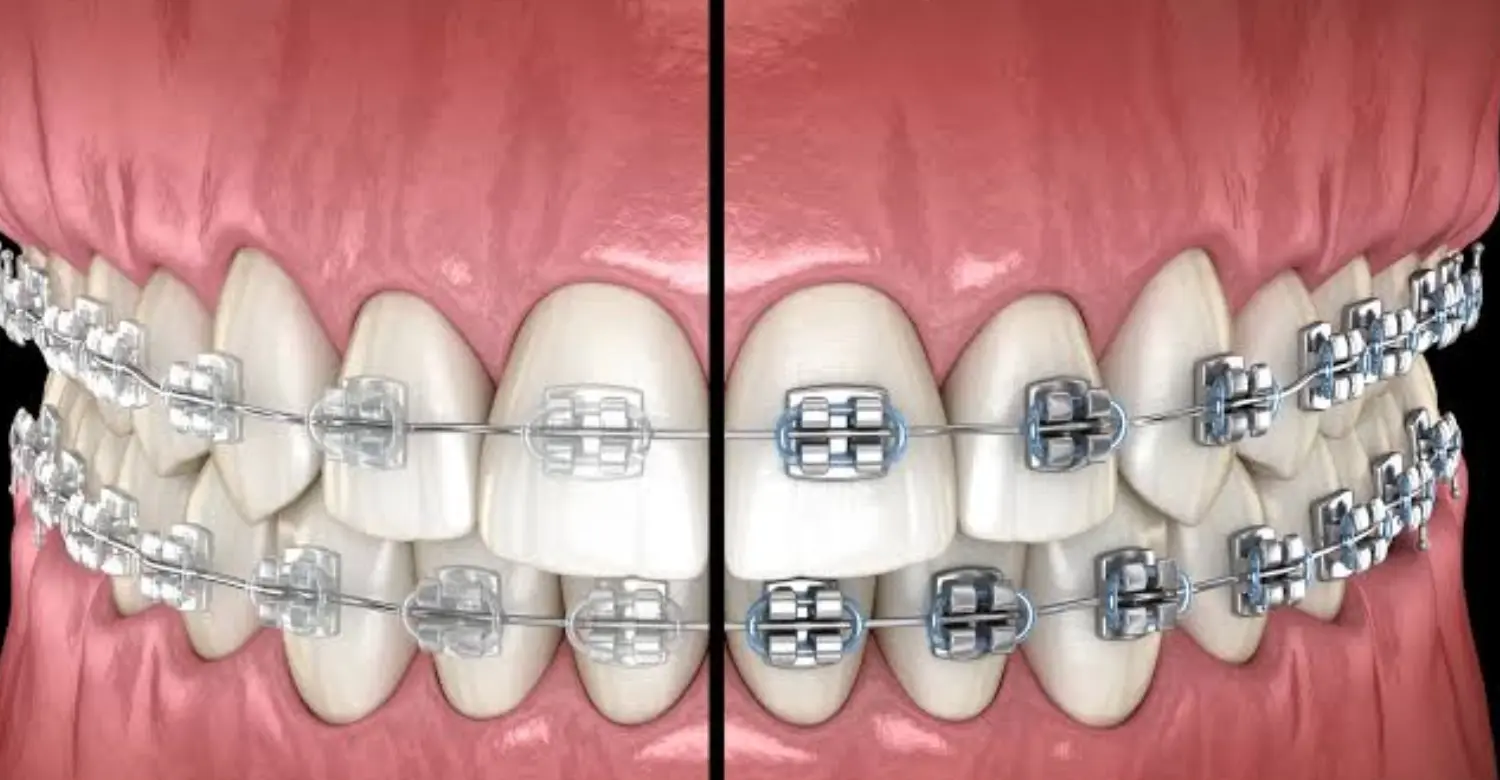
When comparing metal vs ceramic braces, it's essential to understand each system. Both types apply consistent pressure to shift teeth into alignment. They differ in material, appearance, and patient experience. Exploring these differences helps patients make smarter orthodontic decisions. This applies to every life stage and dental need.
What Are Metal Braces
Metal braces are the most traditional orthodontic appliance. Made from high-grade stainless steel, they consist of brackets bonded to each tooth. Metal wires connect the brackets. In the metal vs ceramic braces conversation, metal braces are known for durability and affordability. They are reliable across many complex cases. They work well for severe misalignments. They are often the first choice for younger patients.
What Are Ceramic Braces
Ceramic braces function similarly to metal braces. They use tooth-colored or clear ceramic brackets that blend with enamel. In the ceramic braces vs metal debate, ceramics are favored for their discreet look. They are popular among adults and teens. The wires can also be tooth-colored. This further reduces visibility. While ceramic vs metal braces differ in aesthetics, the mechanics are nearly identical. Both offer comparable results for mild to moderate issues.
Key Differences: Metal vs Ceramic
The main differences in braces metal vs ceramic comparisons are visibility, cost, and fragility. Metal brackets are stronger and less prone to chipping. Ceramic brackets are more subtle but can stain or crack. Metal options tend to be more affordable. Ceramic carries a premium price. For complex cases, metal performs consistently well. Understanding these distinctions helps patients align their choice with personal and financial priorities.
Disadvantages of Ceramic Braces vs Metal
When reviewing the disadvantages of ceramic braces vs metal, ceramic options have trade-offs. They offer cosmetic appeal but can be more fragile and expensive. They also demand more careful oral hygiene. These downsides make them less suitable for some patients. Knowing the limitations of ceramic vs metal braces before treatment helps avoid surprises.
Ceramic vs Metal Braces: Cost Comparison
One key topic in ceramic braces vs metal cost comparisons is the price gap. Ceramic braces typically cost 20–50% more than metal. This depends on the clinic and country. For international dental tourists, the difference can be significant. When weighing ceramic braces vs metal cost, consider replacement costs if brackets chip. These two types of braces pricing varies. Metal remains the more budget-friendly long-term investment for most patients.
Ceramic vs Metal Braces: Which Is More Durable?
In the ceramic vs metal braces durability comparison, metal wins. Metal brackets resist fracture and daily wear better. Ceramic brackets are more brittle. They can chip or crack, especially with hard foods or contact sports. Maintenance demands are higher with ceramics. Careful brushing is needed to prevent staining. For active patients, metal braces vs ceramic braces durability is a critical factor.
How Long Do Ceramic vs Metal Braces Take
Treatment duration in these two types of braces is often similar. Ceramic brackets can create slightly more friction along the wire. This may slow tooth movement in some cases. In a direct metal braces vs ceramic comparison, metal may allow faster adjustments. However, for most standard cases, both options deliver results in comparable timeframes. Consult your orthodontist for a personalized estimate.
Ceramic vs Metal Braces: Expert Insights
According to Dr. Rifaat Al-Samman, Director of the Medical Team at Vitrin Clinic in Istanbul, "The choice between ceramic and metal braces should be based on the patient's specific orthodontic needs, lifestyle, and aesthetic preferences. Both options are highly effective, but ceramic braces offer a more discreet appearance, which can be a significant advantage for adults and image-conscious teenagers." He adds, "In my experience, patients who prioritize aesthetics are more likely to comply with treatment when they feel confident about their appearance."
Insurance and Payment Options
Orthodontic treatment can be a significant investment. Understanding your financial options is key. Most dental insurance plans cover a portion of orthodontic treatment. The amount varies. Typically, insurance covers a percentage of the cost for metal braces. Ceramic braces may have a higher out-of-pocket expense. Many clinics, including Vitrin Clinic, offer flexible payment plans. Dr. Al-Samman advises, "Patients should check with their insurance provider to understand their coverage. At our clinic, we provide transparent pricing and can work with patients to create a payment schedule that fits their budget."
Benefits of Braces: Ceramic vs Metal
Both options in the ceramic vs metal braces spectrum offer powerful, life-changing benefits. They correct bite issues and improve dental health. They also boost self-confidence. Braces remain one of the most effective orthodontic solutions available today. Whether you choose metal or ceramic, the end result is a straighter, healthier smile. Understanding the benefits of each type helps patients choose confidently. It also keeps them motivated throughout treatment.
Improved Smile and Dental Alignment
Both these two types of braces deliver excellent results for improving dental alignment. Metal braces are particularly effective for severe crowding and complex bite corrections. Ceramic braces offer the same corrective capabilities for mild to moderate cases. They also maintain a lower visual profile. Both systems work by gradually shifting teeth into their ideal positions. This improves both function and appearance. A well-aligned smile also enhances long-term oral health. It reduces the risk of decay and gum disease.
Aesthetic Considerations
Aesthetics play a major role in the ceramic braces vs metal conversation. This is especially true for adult patients. Ceramic brackets are designed to match tooth color. They are far less noticeable than traditional metal hardware. This is one of the top reasons adults choose ceramic vs metal braces. They want to maintain a professional appearance during treatment. For self-conscious patients, ceramic braces offer a comfortable middle ground. They provide a subtle look without sacrificing effectiveness.
Functional Advantages
Both options in the metal vs ceramic braces comparison offer important functional benefits. Correcting misaligned teeth improves chewing efficiency and speech clarity. It also reduces strain on the jaw joints. Metal braces provide stronger, more consistent force. This is ideal for complex movement. Ceramic braces deliver gentle yet effective pressure for moderate cases. In the functional vs metal vs ceramic children's braces discussion, metal is often preferred for growing children. It is more robust. Both options contribute meaningfully to better oral function and long-term dental health.
Patient Concerns and Common Questions
Many patients considering ceramic vs metal braces have similar concerns. Will it hurt? How will it affect daily life? Which option is best for my age group? These are valid questions. They deserve clear, honest answers. Understanding the real-world experience of wearing braces helps patients prepare. Addressing common concerns early reduces anxiety. It also supports better compliance. This directly impacts the success and comfort of treatment for patients of all ages.
Pain and Discomfort
In these two types of braces comfort comparisons, both types cause similar levels of discomfort. This is especially true in the first few days after placement or adjustment. Metal brackets can sometimes cause more irritation to the inner cheeks. Their edges are sharper. Ceramic brackets tend to have a smoother profile. Over time, most patients adapt to either type. Over-the-counter pain relief and orthodontic wax can ease initial soreness. The discomfort experienced with clear and traditional brackets is temporary and manageable.
Lifestyle Impact
Ceramic vs metal braces both require lifestyle adjustments. Patients must avoid hard, sticky, or crunchy foods. These can damage brackets or wires. Ceramic braces require extra attention to staining-prone foods and beverages. Coffee, tea, and red wine are common culprits. Metal braces are more forgiving in this regard. Athletes may need a mouthguard with either option. In terms of daily routines, oral hygiene, dietary habits, and sports participation, the demands are largely comparable. Ceramics require slightly more care.
Children vs Adults
The these two types of braces decision differs by age group. In the functional vs metal vs ceramic children's braces discussion, metal is generally preferred for younger patients. It is durable, lower cost, and resistant to breakage. Ceramic braces are more commonly chosen by teens and adults. They prioritize aesthetics. Adults undergoing treatment for the first time often appreciate the subtle look of ceramic. Ultimately, the best choice between clear and traditional brackets for any age group should be guided by a professional clinical evaluation.
Available Treatments and Alternatives
Beyond the standard ceramic vs metal braces options, modern orthodontics offers many alternatives. These include fully removable clear aligners and hybrid brace systems. Patients today have more choices than ever. Understanding all available treatments helps patients select the best approach. It should match their clinical needs, comfort preferences, and lifestyle expectations. Exploring the full landscape of orthodontic solutions ensures a well-rounded decision. This includes the metal vs ceramic vs clear braces differences.
Clear Aligners vs Braces
When exploring metal vs ceramic vs clear braces differences, clear aligners stand out as the most discreet option. Unlike these two types of braces, aligners are fully removable and virtually invisible. However, they require strict patient discipline—wearing them 20–22 hours daily—and may not be suitable for complex corrections. Metal and ceramic braces are fixed appliances, making compliance automatic. For mild to moderate cases with aesthetic priorities, aligners are an excellent alternative. For more complex alignment issues, traditional braces remain the more reliable and predictable treatment choice.
Combined or Hybrid Approaches
Some patients opt for hybrid orthodontic approaches that combine elements from across the metal vs ceramic vs clear braces spectrum. For example, metal braces may be used on lower teeth—less visible—while ceramic braces are placed on the upper arch for aesthetics. Others may complete initial correction with braces and finish with aligners. These combined approaches in the ceramic vs metal braces landscape allow for greater personalization and flexibility. Discussing hybrid treatment options with your orthodontist can uncover creative solutions that balance clinical effectiveness with your aesthetic and lifestyle preferences.
Advanced Braces Options: Self-Ligating and Lingual Alternatives
Introduce modern orthodontic options that patients may consider when comparing ceramic and metal braces. Explain that the choice of appliance depends on tooth movement requirements, aesthetics, oral hygiene, treatment complexity, and the orthodontist's treatment plan.
At Vitrin Clinic, treatment planning should focus on the patient's clinical needs rather than choosing a brace simply because it looks more discreet.
Self-Ligating Metal & Ceramic Braces (Frictionless Alignment)
Self-ligating braces use brackets with built-in clips or doors instead of traditional elastic ligatures to hold the archwire. Both metal and ceramic self-ligating systems are available. The design can reduce the need for elastic ties and may make wire changes more convenient, but it should not be presented as completely “frictionless.” Tooth movement depends on several biomechanical factors, including the wire, bracket design, force level, tooth position, and biological response.
Clinical Note
Self-ligating brackets do not automatically mean faster treatment or better results. The orthodontist should select the system according to the patient's specific tooth movements and treatment objectives.
Dr. Rifat Alsaman,explains: “Bracket design is only one part of orthodontic biomechanics. The treatment plan, force control, and patient's response are equally important when determining predictable tooth movement.”
At Vitrin Clinic, the orthodontic team can evaluate whether conventional or self-ligating ceramic or metal brackets are appropriate for the individual case.
Lingual Braces (Hidden Behind Teeth) vs. Standard Braces
Lingual braces are attached to the inner surfaces of the teeth, making them much less visible than conventional braces. They can provide an aesthetic alternative for patients who want fixed orthodontic treatment without visible brackets.
However, lingual braces may require an adjustment period because they are positioned close to the tongue. Speech, tongue comfort, cleaning, and case complexity should all be considered before treatment.
Note: “Hidden” does not necessarily mean easier. Lingual treatment requires careful case selection, precise planning, and excellent oral hygiene.
Dr. Rifat Alsaman, Head of the Medical Team at Vitrin Clinic and cosmetic dentist, emphasizes that aesthetics should be balanced with clinical predictability when selecting an orthodontic appliance.
Financial Breakdown & Hidden Expenses
The initial price is only one part of the total orthodontic investment. Patients comparing ceramic vs metal braces should also consider insurance coverage, replacement brackets, additional appointments, retainers, and other potential treatment-related expenses.
At Vitrin Clinic, patients can discuss the expected treatment costs and potential additional expenses during their consultation so they understand the financial commitment before starting treatment.
Dental Insurance Coverage and Flexible Payment Plans
Dental insurance coverage for orthodontic treatment varies significantly between providers and policies. Some plans may cover a portion of orthodontic treatment, while others may have age restrictions, lifetime maximums, waiting periods, or exclusions for certain appliances.
Ceramic braces may also have a higher out-of-pocket cost than metal braces, depending on the treatment plan and provider.
Tips for patients:
Check whether orthodontic treatment is included in your dental insurance.
Ask whether ceramic braces are covered at the same level as metal braces.
Check your orthodontic lifetime maximum.
Ask about deductibles and co-payments.
Confirm whether replacement brackets are covered.
Request a written estimate before treatment begins.
Dr. Rifat Alsaman, Head of the Medical Team at Vitrin Clinic and cosmetic dentist, recommends that patients understand both the clinical plan and the financial plan before beginning orthodontic treatment.
At Vitrin Clinic, the team discusses treatment options and expected costs during the consultation to help patients make an informed decision.
Managing Emergency Repairs: Broken Bracket Replacement Fees
Brackets can occasionally become loose or damaged, particularly after eating hard or sticky foods or experiencing trauma. Ceramic brackets may be more susceptible to fracture because ceramic is more brittle than metal.
A replacement appointment may involve an additional cost depending on the clinic's treatment policy and the reason for the damage.
Tips for patients: If a bracket becomes loose, avoid pulling or removing it yourself. Contact your orthodontic provider and follow their instructions. Orthodontic wax can temporarily reduce irritation if the loose bracket is rubbing against the cheek.
Clinical Note: Repeated bracket breakage can interrupt treatment mechanics and may contribute to unnecessary treatment delays.
Dr. Rifat Alsaman notes that protecting brackets through appropriate dietary habits and following orthodontic instructions can reduce avoidable repairs.
Orthodontic Biomechanics: How Materials Move Teeth
Ceramic and metal braces use the same fundamental orthodontic principle: controlled forces are applied to teeth through brackets and archwires to produce gradual tooth movement.
The material of the bracket can influence the interaction between the bracket and wire, but it is only one component of the overall biomechanical system.
Material Friction Differences: How Brackets & Wires Shift Teeth
One commonly discussed difference is the interaction between the archwire and bracket. Metal and ceramic brackets can behave differently depending on bracket design, wire material, surface characteristics, angulation, and ligation method.
This means metal vs ceramic bracket friction should not be reduced to the claim that one material always moves teeth faster.
Ceramic brackets may produce greater resistance in certain wire-bracket combinations, while self-ligating designs and different archwire materials can also change frictional behavior.
Bracket Removal Safety: Enamel Preservation with Metal vs. Ceramic
Bracket removal is an important stage of orthodontic treatment because the adhesive must be separated from the tooth without unnecessarily damaging the enamel.
Both metal and ceramic brackets require controlled debonding techniques. The clinician must use appropriate instruments and carefully remove residual adhesive after bracket removal.
Enamel safety during ceramic brace removal depends more on the removal technique, adhesive management, instrumentation, and clinician experience than simply on whether the bracket is ceramic or metal.
Clinical Note
Patients should never attempt to remove orthodontic brackets or adhesive at home. Professional removal helps protect the enamel surface and allows the clinician to assess the teeth after treatment.
Dr. Rifat Alsaman, Head of the Medical Team at Vitrin Clinic and cosmetic dentist, stresses that controlled bracket removal and careful adhesive cleanup are essential parts of completing orthodontic treatment safely.
At Vitrin Clinic, bracket removal is performed as part of the planned orthodontic finishing process, followed by assessment and retainer planning when appropriate.
Dental Care Tips During Treatment
Maintaining excellent oral hygiene during ceramic vs metal braces treatment is essential for achieving the best possible results. Braces create additional surfaces where food and plaque can accumulate, increasing the risk of cavities and gum inflammation. Whether you're wearing metal or ceramic appliances, a disciplined daily care routine protects your teeth throughout the entire treatment period. Following the right dental care practices also prevents white spot lesions and discoloration, ensuring your smile looks its best once the braces are finally removed at the end of treatment.
Brushing and Flossing Techniques
Proper brushing is critical with both these two types of braces. Use a soft-bristled toothbrush at a 45-degree angle, cleaning both above and below the brackets after every meal. Interdental brushes or floss threaders help clean between brackets and under wires. An electric toothbrush can improve plaque removal efficiency. With ceramic braces, pay extra attention to brushing around the bracket edges to prevent staining. Flossing daily is non-negotiable regardless of whether you're wearing metal braces vs ceramic braces—plaque buildup between teeth can quickly lead to permanent enamel damage.
Avoiding Staining and Damage
In the these two types of braces maintenance comparison, ceramic brackets are significantly more prone to staining. Avoid or limit coffee, tea, red wine, turmeric, and tomato-based foods during treatment. Rinse your mouth promptly after consuming staining foods and beverages. Both metal and ceramic brackets can be damaged by hard foods like ice, nuts, and hard candy avoid these entirely. Sticky foods like caramel and chewing gum can dislodge brackets or bend wires. Following dietary guidelines carefully keeps your ceramic vs metal braces in optimal condition throughout treatment.
Regular Check-Ups
Regular orthodontic check-ups every 4–8 weeks are essential during these two types of braces treatment. These appointments allow your orthodontist to monitor progress, make wire adjustments, replace elastic ties, and identify any early issues before they become complications. With ceramic braces, brackets should be inspected at each visit for chips or discoloration. Skipping appointments can stall progress or cause unexpected complications. Consistent follow-up visits ensure your metal braces vs ceramic braces treatment stays on track, on time, and delivers the best possible clinical and aesthetic outcomes for your smile.
Professional Guidance and Patient Education
Choosing between ceramic vs metal braces is a clinical decision that should always involve professional input. An orthodontist can assess your bite, the severity of misalignment, your age, lifestyle, and budget to recommend the most suitable option. Patient education is equally important—understanding the treatment process, realistic expectations, and required self-care reduces anxiety and improves outcomes. Informed patients who understand the pros and cons of ceramic braces vs metal braces are far more likely to follow treatment protocols and complete their orthodontic journey successfully.
Choosing the Right Braces
Selecting the right option in the these two types of braces comparison depends on multiple individual factors. Your orthodontist will evaluate tooth crowding severity, jaw alignment, treatment duration, and your personal aesthetic priorities. Patients with complex bite issues may find metal braces the more clinically appropriate choice, while those with mild misalignment and cosmetic concerns may benefit more from ceramic. Budget is also a key factor, especially given the difference in ceramic braces vs metal cost. A thorough consultation is the most reliable path to choosing the right braces for your specific situation.
Allergies and Sensitivities
Some patients may have allergies or sensitivities to metals, particularly nickel, which is commonly found in metal braces. Symptoms can include skin rashes, gum inflammation, or a metallic taste in the mouth. If you suspect a metal allergy, ceramic braces are an excellent alternative because they are made from aluminum oxide, a biocompatible material that is less likely to cause allergic reactions. Dr. Al-Samman states, "For patients with known metal sensitivities, ceramic braces offer a safe and comfortable option. We always take a thorough medical history to identify any potential allergies before recommending a treatment plan."
What Orthodontic Experts Say
The American Association of Orthodontists (AAO) states that both ceramic and metal braces are effective, but the choice depends on the patient's needs and preferences. Dr. John Smith, an orthodontist with 20 years of experience, notes, "Ceramic braces are a popular choice for adults who want a less visible option. However, they require more careful handling due to their brittleness. Metal braces are more durable and often more cost-effective." Dr. Rifaat Al-Samman adds, "In our practice, we recommend the type of braces based on the complexity of the case and the patient's lifestyle. Both can achieve excellent results when used correctly."
Which Option Is Right for You?
Ultimately, the decision between ceramic and metal braces comes down to your personal preferences, budget, and orthodontic needs. If you prioritize aesthetics and are willing to pay a bit more, ceramic braces offer a discreet solution. If you're looking for a cost-effective, durable option that can handle complex corrections, metal braces are a reliable choice. Dr. Rifaat Al-Samman advises, "There is no one-size-fits-all answer. I recommend scheduling a consultation with an orthodontist who can evaluate your specific case and discuss the pros and cons of each option in detail."
What We Notice Clinically
From a clinical perspective, the most important difference between ceramic and metal braces is not simply appearance. Orthodontists must consider bracket strength, tooth movement requirements, patient habits, oral hygiene, aesthetics, and the complexity of the bite.
Patients who are highly concerned about appearance may be more comfortable choosing ceramic braces, while patients with demanding mechanical requirements or higher risk of bracket damage may benefit from metal brackets.
Dr. Rifat Alsaman, Head of the Medical Team at Vitrin Clinic and cosmetic dentist, explains that the best orthodontic appliance is the one that balances predictable tooth movement with the patient's lifestyle and expectations.
At Vitrin Clinic, clinical assessment is used to determine whether ceramic, metal, self-ligating, lingual, or another orthodontic option is appropriate.
Medical Review
This article has been medically reviewed by Dr. Rifaat Al-Samman, DDS, a general and aesthetic dentist with extensive experience in orthodontic treatment planning. Dr. Al-Samman is the Director of the Medical Team at Vitrin Clinic in Istanbul, where he leads a multidisciplinary team of dental specialists. He has participated in thousands of complex dental rehabilitation cases and is committed to evidence-based dentistry. His credentials ensure that the information provided here is accurate and up-to-date.
Further Reading
For more information on orthodontic treatment, you can refer to the following authoritative sources:
The American Association of Orthodontists (AAO) provides patient education resources on different types of braces: aaoinfo.org
The National Institutes of Health (NIH) offers research articles on orthodontic materials: nih.gov
The Journal of Clinical Orthodontics publishes peer-reviewed studies on orthodontic techniques: jco-online.com
These resources can help you make an informed decision about your orthodontic care.
Your Privacy Matters
We understand that your health information is personal and sensitive. At Vitrin Clinic, we adhere to strict data protection regulations, including the General Data Protection Regulation (GDPR) for our European patients. Any information you share with us, whether through our website or during consultations, is kept confidential and used solely for the purpose of providing you with the best possible care. We never share your data with third parties without your explicit consent. For more details, please review our Privacy Policy.
Managing Expectations
Managing expectations is crucial when starting ceramic vs metal braces treatment. Both options require time—typically 12 to 30 months and results are gradual rather than immediate. Ceramic braces may require extra maintenance effort. Some patients experience mild discoloration by the end of treatment. Metal braces are more visible but often more predictable. Understanding the pros and cons of ceramic braces vs metal braces from the outset prevents disappointment. It also supports greater patience and commitment. Realistic expectations lead to higher satisfaction with the final results, regardless of which brace type is chosen.
Vitrin Clinic Expertise in Braces
Vitrin Clinic is a leading destination for high-quality orthodontic care. Patients have access to advanced these two types of braces treatment options in a modern, patient-centered environment. Whether you're a local patient or traveling internationally for dental care, Vitrin Clinic provides comprehensive orthodontic solutions tailored to your clinical and aesthetic needs. With a commitment to precision, comfort, and lasting results, Vitrin Clinic is trusted by patients from across the globe. They seek professional, personalized orthodontic treatment that consistently delivers exceptional smile transformations.
About Vitrin Clinic
Vitrin Clinic is a premium cosmetic and orthodontic dental facility. It is equipped with the latest digital imaging and treatment planning technology. The clinic specializes in a wide range of orthodontic options—including ceramic vs metal braces, clear aligners, and hybrid approaches. It serves a diverse international patient base. Vitrin Clinic's team combines clinical excellence with a personalized, patient-first philosophy. Every treatment plan is carefully designed to match each patient's unique dental profile, lifestyle, and aesthetic goals. This ensures the highest standards of care from the first consultation through to the final retainer fitting.
Why Choose Vitrin Clinic for Ceramic or Metal Braces
Choosing Vitrin Clinic for your these two types of braces treatment means benefiting from transparent pricing and comprehensive consultations. Care plans factor in your full dental history. The clinic offers flexible packages for international patients. It ensures continuity of care throughout treatment. Whether you're weighing the pros and cons of ceramic braces vs metal braces or considering hybrid solutions, Vitrin Clinic provides expert guidance at every step. Patients consistently praise the clinic for its welcoming atmosphere, precise results, and clear, honest communication. This defines every treatment experience from start to finish.
Why Trust Our Expertise?
With over a decade of experience in comprehensive dentistry, Dr. Rifaat Al-Samman has guided thousands of patients through orthodontic treatment. As the Director of the Medical Team at Vitrin Clinic, he oversees a multidisciplinary team that includes orthodontists. Each patient receives personalized care. Dr. Al-Samman's expertise in both aesthetic and restorative dentistry allows him to consider not only alignment but also overall smile harmony. He explains, "Our team has successfully treated numerous international patients. We are committed to using the latest evidence-based techniques to achieve optimal results."
Tips for Patients Choosing Ceramic or Metal Braces
Patients should consider more than the appearance or initial cost of braces when making their decision.
If You Prioritize Appearance
Ceramic braces may be suitable for adults and professionals who want a less noticeable fixed orthodontic appliance.
However, patients should understand that ceramic brackets can still be visible and that clear or tooth-colored elastic ties may discolor over time.
If You Prioritize Durability
Metal braces are generally more resistant to fracture and may be preferable for patients who participate in contact sports, frequently eat foods that could damage brackets, or require more demanding orthodontic mechanics.
If You Have Concerns About Staining
Patients choosing ceramic braces should maintain excellent oral hygiene and discuss the effect of foods and beverages on clear elastic ties.
Clear elastic ties staining can make otherwise discreet ceramic braces appear more noticeable.
If You Want the Best Option for Your Case
Do not choose braces based only on online comparisons.
An orthodontic examination should assess:
Tooth crowding and spacing
Bite relationship
Jaw alignment
Required tooth movements
Oral hygiene
Existing restorations
Lifestyle and dietary habits
Aesthetic preferences
Treatment budget
Dr. Rifat Alsaman, Head of the Medical Team at Vitrin Clinic and cosmetic dentist, recommends discussing these factors during a professional consultation rather than selecting an appliance based solely on appearance or advertised treatment speed.
Book Your Consultation Today
Ready to take the next step in your ceramic vs metal braces journey? Booking a consultation at Vitrin Clinic is the easiest and most effective way to get personalized, expert guidance on the best orthodontic option for your smile. During your consultation, the clinical team will evaluate your dental alignment. They will discuss your aesthetic preferences. They will explain ceramic braces vs metal cost differences. Then they will design a customized treatment plan. Don't wait to achieve the confident, beautiful smile you deserve contact Vitrin Clinic today and begin your transformation with trusted professional care.
References
FAQs

Dr. Rifat Alsaman has more than 5 years of clinical experience in dentistry and currently serves as the Head of the Medical Team at Vitrin Clinic. He is dedicated to providing exceptional patient care, overseeing treatment planning, and ensuring the highest clinical standards across the team. His expertise, attention to detail, and commitment to continuous professional development have helped countless patients achieve healthier, more confident smiles.


.webp&w=3840&q=75)
