Dental Care Guide
August 19, 2026
How Can Dental Care for Athletes Protect Your Smile in Sports?
 Dr. Rifat Alsaman
Dental Care for Athletes: Protecting Your Smile in Sports is a topic every competitor should understand. It matters before stepping onto the field, court, or mat. Research shows that dentofacial injuries affect roughly 30% of team contact-sport participants. Dental injury is the single most common type. Prevalence figures range anywhere from 0.71% to 60%, depending on the sport and population studied. Contact-sport athletes face dramatically higher risk than non-contact athletes for dental injuries, facial injuries, and concussions. Yet mouthguard use remains surprisingly low across many sports. This guide covers the most common sports dental injuries and how mouthguards protect the smile. It also looks at what practical dental protection looks like on and off the field.
Why Dental Care Matters for Athletes
Dental Care for Athletes: Protecting Your Smile in Sports matters for a simple reason. The mouth is one of the most exposed and least protected areas of the body during physical competition. A single collision, fall, or stray elbow can chip a tooth, split a lip, or knock a tooth out entirely. These injuries often happen in an instant, yet they can carry lasting consequences for function and appearance.
How Sports Can Affect Your Teeth and Gums
Good dental care for athletes starts with understanding how sports stress the teeth and gums. Direct impact, sudden jaw clenching, and repeated contact with equipment or other players all play a role. Even non-contact sports can lead to falls or accidental collisions. Over time, unprotected participation raises the risk of chips, fractures, and soft-tissue injuries that can affect a smile for years.
Common Sports Dental Injuries
Chipped or fractured teeth
Knocked-out teeth
Loose or displaced teeth
Lip, cheek, and gum injuries
Jaw injuries
Why Athletes Need Preventive Dental Care
Preventive dental care gives athletes a baseline understanding of their oral health before an injury occurs. This makes it easier to spot weak points, such as untreated decay or old dental work that could fail under impact. Regular checkups, combined with proper protective gear, form the foundation of effective Dental Care for Athletes: Protecting Your Smile in Sports.
Clinical Note
Regular dental examinations allow existing problems, such as a cracked filling or an unstable tooth, to be identified and treated. Addressing them before sports activity adds stress reduces the chance of a minor issue becoming a serious injury during play. Tooth damage: Chewing Ice Teeth
What Are the Most Common Dental Injuries in Sports?
Understanding common sports dental injuries helps athletes recognize risk and take protective steps early. Contact-sport athletes are significantly more likely to suffer dental injuries than non-contact athletes. Knowing what these injuries typically look like supports faster, more confident decisions when an accident happens on the field.
Tooth Fractures and Chips
Tooth fractures and chips are among the most frequent sports dental injuries. They range from minor enamel chips to fractures that expose the inner tooth structure. Even small chips can leave sharp edges that irritate the tongue or cheek. Larger fractures may need prompt treatment to prevent further damage or infection.
Knocked-Out Teeth
A knocked-out, or avulsed, tooth is one of the most serious sports dental injuries an athlete can experience. Orofacial injuries most commonly affect the upper front teeth, with 50–90% of dental injuries involving the maxillary incisors specifically. Immediate action after a knock-out significantly improves the chance of saving the tooth.
Tooth Displacement and Loosening
Displaced or loosened teeth occur when an impact shifts a tooth out of its normal position without fully knocking it out. These injuries can affect the tooth's blood supply and supporting structures. Even a tooth that looks only slightly out of place after a sports collision deserves prompt evaluation.
Soft-Tissue Injuries
Soft-tissue injuries to the lips, cheeks, gums, and tongue are common in both contact and non-contact sports. They can bleed heavily due to the rich blood supply in the mouth. Many are minor, but deeper cuts or puncture wounds may need stitches or closer monitoring for infection.
Jaw and Facial Injuries
Jaw and facial injuries range from bruising and soft-tissue swelling to fractures that require imaging and specialist care. Facial injuries occur far more frequently among contact-sport athletes than non-contact athletes. Any suspected jaw fracture, misalignment of the bite, or persistent pain after impact should be assessed right away.
What We Notice Clinically
There's a recurring pattern in sports-related dental trauma. Athletes without a mouthguard tend to sustain more severe injuries than those who wear one consistently. Prevention is generally viewed as preferable to treating avoidable injuries. Proper protective equipment could have reduced most of these incidents beforehand.
Tips for the Patients
Wear appropriate protective equipment.
Do not use your teeth to open sports equipment or packaging.
Have dental injuries assessed promptly.
Maintain regular dental checkups.
What Is a Sports Mouthguard and How Does It Protect Your Teeth?
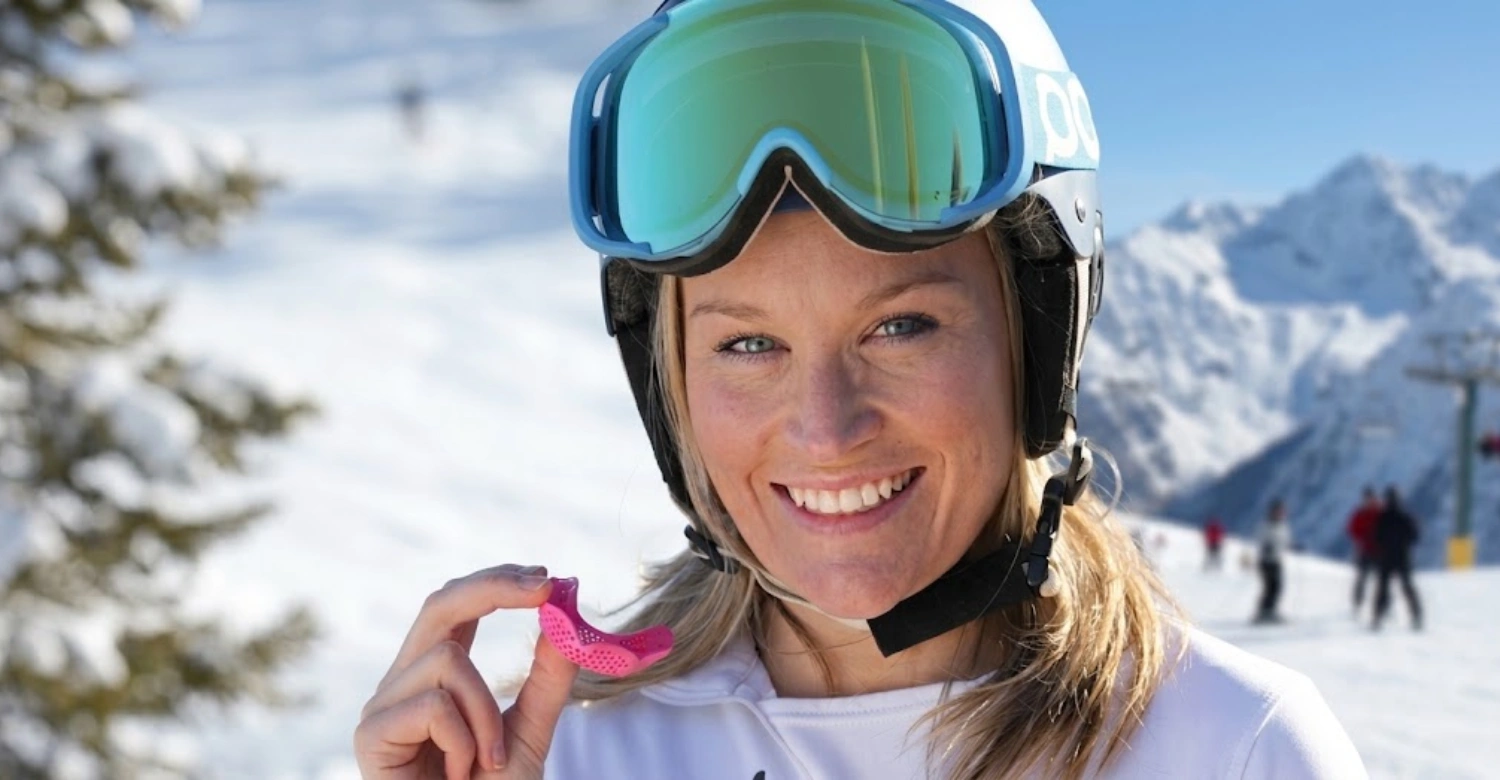
A sports mouthguard is one of the most effective tools available for Dental Care for Athletes: Protecting Your Smile in Sports. In athletes who wear a mouthguard, only about 7.5% suffer dental trauma, compared with roughly 59.5% of those who do not. This shows a strong protective effect across many sports.
What Is a Mouthguard for Sports?
A mouthguard for sports is a removable device worn over the teeth, typically the upper arch. It cushions impact and reduces the risk of dental injury during physical activity. It fits over the teeth and gums, absorbing and distributing impact forces. Otherwise, those forces would transfer directly to the teeth, jaw, and soft tissues.
How Does a Mouthguard to Protect Teeth Work?
A mouthguard works by acting as a shock absorber between an impact and the teeth. Rather than letting force concentrate on a single tooth, it spreads that energy across a wider area. This reduces the likelihood of fractures, avulsions, and soft-tissue injuries during collisions or falls.
Who Should Wear a Sports Mouthguard?
Any athlete participating in contact or collision sports should wear a sports mouthguard. Many non-contact athletes benefit too, given the unpredictable nature of falls and equipment-related accidents. Contact-sport athletes report far higher mouthguard use than non-contact athletes, though overall adoption across all sports remains lower than ideal.
Types of Mouthguards for Athletes
Choosing among the available options is a practical step in protecting an athlete's smile.
Stock mouthguards
Boil-and-bite mouthguards
Custom mouthguard for athletes
Clinical Note
A mouthguard should fit snugly and comfortably without shifting during activity. It should be replaced whenever it becomes worn, torn, or no longer fits correctly. A poorly fitting mouthguard offers significantly less protection than a properly maintained one. Behavioral damage: Lip Biting Teeth
How to Choose the Best Mouthguard for Sports
Choosing the best mouthguard for sports depends on the sport played, the level of contact involved, and personal comfort. Only about 27.6% of college athletes reported wearing a mouthguard during gameplay. Those who did generally said fit and comfort strongly influenced whether they wore it consistently.
What Should You Look for in a Sports Mouthguard?
Look for a mouthguard for sports that fits securely and allows comfortable breathing and speech. It should be made from durable material that can withstand repeated impact. A well-fitting mouthguard stays in place during activity without needing to be readjusted or held in place by biting down.
Custom vs. Over-the-Counter Mouthguards
Over-the-counter mouthguards, including stock and boil-and-bite options, offer basic protection at a lower cost. They often fit less precisely than a custom mouthguard made from a dental impression. A custom option typically offers better comfort, retention, and overall protective performance during high-impact activity.
Why Choose a Custom Mouthguard for Athletes?
A custom mouthguard is designed from an exact impression of the individual's teeth. It offers superior fit, comfort, and protection compared with generic options. This precision fit also makes it easier to breathe and speak clearly during competition. That supports consistent use throughout a game or match.
Does the Type of Sport Affect Your Mouthguard Choice?
Yes, the type of sport affects mouthguard choice significantly. High-contact sports such as football, hockey, and boxing typically call for a custom mouthguard. Lower-risk activities may be adequately served by a well-fitted boil-and-bite option. That said, any mouthguard is better than none.
How Should a Mouthguard Fit?
A properly fitting mouthguard should feel snug without being uncomfortably tight. It should stay securely in place during movement and speech and cover the back teeth as well as the front. It should not require constant clenching to remain in position, since that can indicate a poor fit.
Tips for the Patients
Prioritize comfort, fit, and secure retention during activity.
Choose a mouthguard that allows normal breathing and speech.
Consider durability based on the intensity of your sport. Prescription practices: Antibiotic Stewardship In Dentistry
Clean and store your mouthguard properly after each use.
How to Prevent Dental Injuries in Sports
Learning how to prevent dental injuries in sports is central to Dental Care for Athletes: Protecting Your Smile in Sports. It starts with a combination of proper equipment, safe technique, and consistent dental care. Youth athletes aged 6–15 show a sports-related dental injury prevalence of 13.3%. This underscores why prevention habits should start early and stay consistent throughout an athletic career.
Wear a Mouthguard During Contact Sports
Wearing a sports mouthguard during every practice and competition is one of the most reliable ways to prevent dental injuries. This applies even to sessions that don't feel especially physical. Injuries can happen unexpectedly during routine drills, so consistent use matters as much as the mouthguard's quality.
Use Helmets and Face Protection When Appropriate
Helmets, face shields, and cages add another layer of protection in sports where head and facial contact is common. Combined with a properly fitted mouthguard, this equipment significantly reduces the risk of dental injury. It also lowers the risk of broader facial injuries during high-speed or high-contact play.
Follow Sports Safety Rules
Following established sports safety rules reduces the likelihood of dangerous collisions in the first place. This includes proper technique and respecting contact regulations. Coaches and athletes who prioritize safe play alongside protective equipment see meaningfully lower injury rates over a season.
Avoid Chewing Hard Objects During Sports
Chewing on mouthguards, water bottle caps, or other hard objects during play can weaken teeth and increase fracture risk. Athletes should be mindful of these habits. Repeated stress on the teeth outside of direct impact can still contribute to long-term dental damage.
Maintain Good Oral Hygiene
Strong daily oral hygiene supports overall tooth strength. It reduces the risk of decay that could weaken a tooth before an impact occurs. Brushing twice daily and cleaning between teeth helps build a healthy foundation that better withstands the physical demands of athletic activity.
Schedule Regular Dental Checkups
Regular dental checkups allow early identification of cavities, worn fillings, or other vulnerabilities. Catching these early prevents bigger problems during sports participation. Consistent monitoring is a key part of any long-term approach to protecting an athlete's smile.
Clinical Note
Prevention is particularly important for athletes in contact, collision, or high-impact sports. The likelihood and severity of dental trauma are notably higher for this group. That makes consistent mouthguard use and routine dental monitoring especially valuable. Genetic conditions: Alexander Disease And Oral Health
How to Protect Teeth During Sports Training and Competition
Protecting teeth during sports training and competition means treating protective habits as part of every session, not just game day. Consistency across practices and competitions is what actually reduces overall injury rates. Many sports dental injuries occur during everyday training rather than championship moments.
Wear Your Mouthguard Consistently
A core habit of good sports dental care is wearing your mouthguard for every practice, scrimmage, and competition. This way, protection is never left to chance. Skipping it "just this once" removes the exact protection designed to prevent sudden, unpredictable injuries. That's why consistency matters as much as the mouthguard's fit and quality.
Keep Your Mouthguard Clean
Rinse your mouthguard with cool water after each use. Clean it regularly with a toothbrush and mild soap or a dedicated cleaning solution. Proper cleaning prevents bacterial buildup and odor. It also helps the mouthguard keep its shape and protective qualities over time.
Inspect Your Mouthguard Regularly
Check your mouthguard regularly for tears, thinning, or changes in fit, since worn material offers reduced shock absorption. A mouthguard that has lost its shape or developed holes should be replaced promptly. This keeps the protection needed during training and competition.
Replace Damaged or Worn Mouthguards
Replace a mouthguard as soon as it shows visible damage or no longer fits securely. The same goes once it has been used for a long time. Even minor material breakdown can significantly reduce its protective capacity during a high-impact collision or fall.
Stay Hydrated and Protect Your Oral Health
Staying hydrated supports healthy saliva flow, which helps protect teeth and gums during intense physical activity. Combined with a clean, well-fitting mouthguard and good oral hygiene, hydration rounds out a complete approach to protecting the mouth.
Tips for the Patients
Put your mouthguard in before warmups, not just before the whistle. Microbiome axis: The Oral Gut Microbiome Axis In Health And Disease
Carry a spare mouthguard case to prevent loss or damage.
Rinse and inspect your mouthguard after every session.
Schedule dental checkups around your competitive season.
What Should You Do After a Sports Dental Injury?
Knowing what to do immediately after a sports dental injury can make the difference between saving and losing a tooth. Quick, calm action combined with prompt professional evaluation gives the best chance of a positive outcome. This applies after chips, fractures, displacement, or a full knock-out.
What to Do if a Tooth Is Chipped
If a tooth is chipped, rinse the mouth gently with warm water and save any broken tooth fragments if possible. Apply a cold compress to reduce swelling. Even minor chips should be evaluated by a dentist, since sharp edges or hidden cracks can worsen without proper assessment.
What to Do if a Tooth Becomes Loose
If a tooth becomes loose after an impact, avoid wiggling or biting down on it. Seek dental evaluation as soon as possible. Prompt assessment helps determine whether the tooth can stabilize on its own. Otherwise, it may need splinting to protect the surrounding structures during healing.
What to Do if a Tooth Is Knocked Out
If a tooth is knocked out, handle it by the crown and rinse it gently without scrubbing. Try to reinsert it into the socket if possible. If reinsertion is not possible, keep the tooth moist in milk or saliva. Seek emergency dental care immediately — time is critical.
What to Do if You Have a Mouth or Gum Injury
For mouth or gum injuries, apply gentle pressure with clean gauze to control bleeding. Use a cold compress to reduce swelling. Seek prompt care for deep cuts, puncture wounds, or bleeding that won't stop. These may need stitches or closer monitoring.
When Is a Sports Dental Injury an Emergency?
A sports dental injury becomes an emergency in a few clear cases. A tooth is knocked out, bleeding won't stop, a jaw fracture is suspected, or pain and swelling are severe. These situations require immediate professional attention rather than waiting for the next routine appointment.
Clinical Note
A knocked-out permanent tooth requires urgent dental attention, ideally within the first hour after the injury. Athletes should avoid delaying assessment after any significant trauma, since prompt care meaningfully improves the odds of saving the tooth. Viral threats: H5N1 Bird Flu And Oral Health
Sports Dentistry: What Athletes Should Know
Sports dentistry is a specialized area of dental care focused on preventing, diagnosing, and treating orofacial injuries related to athletic activity. Understanding what it offers helps athletes make informed decisions about protective equipment and injury response. It also supports long-term oral health throughout their careers.
What Is Sports Dentistry?
Sports dentistry is the branch of dental care dedicated to Dental Care for Athletes: Protecting Your Smile in Sports. It protects athletes from orofacial injuries and manages them effectively when they occur. It combines preventive strategies, such as mouthguard fitting, with responsive care for chips, fractures, and avulsions. It also covers soft-tissue trauma related to sports participation.
What Does Sports Dentistry Include?
Sports dentistry typically includes custom mouthguard fabrication, pre-season dental screenings, and emergency trauma management. It also covers guidance on protective equipment suited to a specific sport. It may also involve coordination with coaches or team physicians when an athlete's oral health could affect participation or safety.
How Can Sports Dentistry Help Athletes?
Sports dentistry helps athletes by reducing injury risk through proper protective equipment. It also provides fast, informed care when injuries do occur. This combination of prevention and responsive treatment supports both immediate outcomes and the long-term health of an athlete's smile.
Why Preventive Dental Care Is Important for Athletes
Preventive dental care matters because it addresses risk before an injury happens, rather than only responding afterward. Regular exams, protective equipment, and good oral hygiene together form the practical foundation of protecting an athlete's smile. This holds true throughout every season of competition. Vector diseases: Tick Borne Diseases And Oral Health
Dental Care for Athletes at Vitrin Clinic
Vitrin Clinic supports athletes with an approach to Dental Care for Athletes: Protecting Your Smile in Sports. This approach combines preventive guidance with responsive care after injury. It helps patients maintain a strong, healthy smile throughout an active athletic season.
How Vitrin Clinic Supports Athletes' Dental Care
Vitrin Clinic offers personalized assessments and treatment planning tailored to each athlete's sport, risk level, and dental history. This includes evaluation after dental trauma. It also includes preventive oral care designed to reduce the likelihood of injury before it happens.
Preventive Dental Care at Vitrin Clinic
Preventive care at Vitrin Clinic includes thorough dental examinations, oral health assessments, and personalized treatment planning. Guidance on protective measures such as mouthguards is also provided. This helps athletes understand which options best match their sport and individual oral health needs.
Sports Dental Injury Assessment at Vitrin Clinic
Vitrin Clinic can assess dental concerns following sports-related trauma and determine the appropriate treatment for the individual patient. This might involve a chipped tooth, a displaced tooth, or a more significant injury requiring urgent attention.
What We Notice Clinically
Individualized dental assessments consistently prove valuable for athletes, since no two mouths, sports, or injury histories are identical. Tailoring recommendations to each patient's situation supports both effective treatment and stronger long-term prevention.
Clinical Note
Athletes are encouraged to schedule a dental assessment before the competitive season begins. This allows existing issues to be addressed proactively rather than discovered mid-season. By then, treatment options may be more limited by competition schedules. Bad oral habits: Chewing Pens Bad For Teeth
Reference:
Protecting your smile should be an essential part of every athlete's routine. Along with good oral hygiene and regular dental checkups, wearing a properly fitted mouthguard can help reduce sports-related dental injuries. A recent position statement from the European Association for Sports Dentistry highlights custom-made sports mouthguards. It names them an effective way to improve protection, comfort, and safety during high-risk sports.
https://pmc.ncbi.nlm.nih.gov/articles/PMC12056218/
https://pmc.ncbi.nlm.nih.gov/articles/PMC11810891/
FAQs
Dr. Rifat Alsaman has more than 5 years of clinical experience in dentistry and currently serves as the Head of the Medical Team at Vitrin Clinic. He is dedicated to providing exceptional patient care, overseeing treatment planning, and ensuring the highest clinical standards across the team. His expertise, attention to detail, and commitment to continuous professional development have helped countless patients achieve healthier, more confident smiles.


