Dental Care Guide
August 17, 2026
Dental Implants and Osteoporosis: Can You Get Dental Implants With Low Bone Density?
 Dr. Rifat Alsaman
Dental Implants and Osteoporosis can often be considered when patients have low bone density. Osteoporosis does not automatically prevent implant treatment. The decision depends on jawbone condition, medical history, medications, and healing factors. Unlike general skeletal bone density, implant placement depends heavily on local jawbone volume and quality. A detailed assessment can therefore provide more useful information than an osteoporosis diagnosis alone. Current systematic-review evidence generally does not support osteoporosis as an automatic contraindication. However, medication-related risks require careful evaluation before surgery. Patients taking bisphosphonates or denosumab need individualized medical and dental planning. At Vitrin Clinic, treatment planning should begin with comprehensive assessment rather than assumptions based on diagnosis alone. CBCT imaging can help evaluate available bone and anatomical structures. The final treatment approach should balance implant benefits, surgical risks, medication factors, and long-term maintenance.
Can You Get Dental Implants With Osteoporosis?
Yes, many patients can receive implants despite having osteoporosis. Dental Implants and Osteoporosis require individualized assessment because skeletal bone density does not fully describe jawbone conditions. The implant specialist should evaluate bone volume, bone quality, oral hygiene, periodontal health, and medical history. Medication use is especially important because some osteoporosis treatments influence bone remodeling. A 2025 systematic review found no significant difference in implant survival or failure between osteoporotic and non-osteoporotic patients. However, researchers emphasized limitations within the available evidence. This means treatment decisions should not rely on osteoporosis status alone. A clinician may request medical information before recommending surgery. CBCT imaging can also help identify anatomical limitations around the proposed implant site. Vitrin Clinic can incorporate these findings into a customized digital treatment plan. The objective is predictable treatment rather than applying one protocol to every patient. See the full picture on treating bone loss with implants in can you get dental implants with bone loss.
Is Osteoporosis a Contraindication for Dental Implants?
Osteoporosis is generally not considered an automatic contraindication to implant treatment. Dental implants and bone loss conditions can coexist when the patient receives appropriate assessment and planning. The distinction between systemic bone density and local jawbone condition is important. Osteoporosis affects skeletal bone metabolism throughout the body. Implant stability, however, depends on the specific bone surrounding each implant. Clinicians also consider infection control, periodontal status, smoking, diabetes, medications, and surgical complexity. A 2024 systematic review involving thousands of implants reported survival rates exceeding 90% among studied patients with osteoporosis. These findings support individualized treatment rather than blanket exclusion. Nevertheless, medication-related complications may change the treatment pathway. Bisphosphonates and denosumab deserve particular attention before invasive dental procedures. Patients should provide complete medication histories during consultation. Treatment decisions should involve appropriate communication between the dental team and medical professionals when necessary.
How Osteoporosis Affects Dental Implants
Implant therapy in osteoporotic individuals involves biological factors related to bone remodeling and healing. Osteoporosis reduces bone mineral density and can alter bone microarchitecture. These changes may theoretically influence implant stability and osseointegration. However, the effect is not necessarily strong enough to prevent successful treatment. The jaw can maintain adequate bone conditions despite reduced skeletal density. Implant outcomes therefore depend on local anatomy and individual health factors. Researchers have investigated whether reduced density increases implant failure. Current evidence has not consistently demonstrated a clinically significant reduction in implant survival. Some studies report higher risks, while others report comparable outcomes. Differences in study design make direct comparisons difficult. Medication exposure may also contribute to differing results between patient groups. Careful implant positioning, infection prevention, and appropriate loading protocols remain important. A personalized approach can address the specific biological and anatomical challenges of each patient. Want to understand the full implant journey first? See the dental implant process.
Dental Implant Candidacy With Osteoporosis
Candidacy depends on more than an osteoporosis diagnosis. Dental Implants and Osteoporosis treatment should consider whether the patient has adequate bone for stable implant placement. The dentist should evaluate the proposed surgical site using clinical and imaging assessments. Periodontal disease should be controlled before implant surgery. Oral hygiene also needs to be sufficiently reliable for long-term implant maintenance. Medical conditions that could influence healing should be reviewed before treatment. Medication history should include drug names, dosage, administration route, and treatment duration. Previous fractures or osteoporosis severity may provide useful medical context. However, these factors do not independently determine implant eligibility. Some patients may require bone augmentation before implant placement. Others may benefit from modified implant positioning or alternative restorative strategies. Vitrin Clinic can use digital planning to evaluate available anatomy before surgery. The final recommendation should follow a comprehensive risk-benefit assessment. Not sure how gum health factors in here? Read our full guide to periodontal disease.
Clinical Note: Why Individual Bone Assessment Matters
Dental placement strategies should never be planned using a diagnosis alone. Individual bone assessment provides information that a general osteoporosis diagnosis cannot provide. CBCT imaging can show three-dimensional anatomy around the proposed implant site. Clinicians can assess bone dimensions, anatomical structures, and potential surgical limitations. Bone quantity and bone quality are related but different considerations. A patient may have osteoporosis while retaining adequate local bone volume. Another patient may have normal systemic bone density but insufficient local bone after tooth loss. This distinction explains why implant candidacy varies between individuals. Clinical examination also evaluates soft tissues, periodontal health, and infection. Treatment planning should combine imaging findings with medical and dental information. Research increasingly supports personalized assessment rather than rigid exclusion criteria. At Vitrin Clinic, a structured evaluation can help identify the safest available treatment pathway.
How Does Osteoporosis Affect Dental Implant Success?
Patients with low systemic density may achieve successful outcomes when local bone conditions and systemic factors are appropriately managed. Osteoporosis changes bone remodeling throughout the skeleton. Researchers have therefore investigated whether reduced mineral density affects implant integration. Current systematic reviews generally report high implant survival among appropriately selected patients. One 2025 review found no significant difference in implant survival between osteoporotic and non-osteoporotic groups. However, the evidence remains limited by observational studies and inconsistent diagnostic criteria. Implant success involves several stages, including primary stability, healing, osseointegration, and long-term maintenance. Bone density represents only one part of this process. Infection, smoking, periodontal disease, implant positioning, and prosthetic loading can also influence outcomes. Medication-related factors require separate consideration. A thorough consultation can identify factors that may increase or reduce individual risk. This approach allows clinicians to create treatment plans based on the patient rather than the diagnosis.
Bone Density and Dental Implants
Managing implants alongside reduced systemic density requires attention to both systemic and local bone characteristics. Bone density describes mineral content and structural properties within bone. Implant placement depends particularly on the bone surrounding the surgical site. Lower density may provide less mechanical resistance during initial implant placement. However, adequate primary stability can still be achieved in many patients. Implant design and surgical technique can also influence initial stability. CBCT imaging helps clinicians evaluate the available anatomy before treatment. Bone density measurements alone should not determine implant eligibility. The clinician should also assess bone volume, cortical structure, and local anatomical conditions. Research has not established a universal bone-density threshold that excludes every patient from treatment. This reinforces the importance of individualized clinical assessment. Patients should understand that low bone density does not necessarily mean inadequate jawbone. Proper planning can help identify whether additional procedures are needed.
Osteoporosis and Jawbone Health
Dental Implants and Osteoporosis involve an important distinction between systemic skeletal health and local jawbone conditions. Osteoporosis can influence bone remodeling throughout the body. The jaws also undergo continuous remodeling in response to function and tooth loss. Tooth loss itself can cause progressive loss of alveolar bone volume. Periodontal disease may further damage supporting bone around natural teeth. These factors can become more relevant to implant planning than osteoporosis alone. A patient with osteoporosis may therefore have adequate implant-site bone. Another patient may require augmentation because of previous tooth loss or infection. Clinical examination should identify these local factors before surgery. CBCT imaging can provide additional anatomical information. Good periodontal health is particularly important because peri-implant infection can threaten long-term implant stability. Maintaining oral hygiene remains essential after treatment. Vitrin Clinic can incorporate periodontal and radiographic findings into comprehensive implant planning. Curious whether implants actually help preserve bone long-term? See do dental implants prevent bone loss.
Dental Implant Osseointegration
Dental Implants and Osteoporosis depend partly on successful osseointegration after placement. Osseointegration describes the biological connection between living bone and the implant surface. The process begins after surgical placement and develops during the healing period. Bone cells interact with the implant surface while new bone forms around the fixture. Bone remodeling continues as mechanical forces are introduced through restoration. Osteoporosis theoretically could influence this process because bone turnover and structure may be altered. However, clinical studies have not consistently demonstrated clinically important impairment. Primary implant stability remains an important factor during early healing. Excessive movement can interfere with predictable integration. Surgical technique, implant design, bone condition, and loading protocols therefore matter. Patients should follow postoperative instructions carefully during healing. Regular reviews allow clinicians to identify problems before they become more serious. Appropriate monitoring supports safer progression toward the final restoration. Wondering what happens between surgery and your final tooth? Read healing abutments.
Osteoporosis and Dental Implant Success
Dental Implants and Osteoporosis can have favorable outcomes when treatment is carefully planned. A systematic review published in 2025 analyzed available evidence concerning implant survival in osteoporotic patients. The review found no statistically significant difference in implant survival or failure compared with non-osteoporotic patients. Another review involving 2,102 patients and 5,954 implants reported survival rates above 90%. These statistics are encouraging but should not be interpreted as a guarantee. Study populations, implant systems, medications, follow-up periods, and definitions varied considerably. Medication-related risks may also differ from osteoporosis-related bone effects. Long-term implant success depends on professional maintenance and patient hygiene. Peri-implant inflammation remains an important preventable threat. Smoking can further compromise healing and periodontal stability. Regular professional monitoring can help maintain healthy tissues around implants. Therefore, treatment should focus on the complete clinical picture rather than bone density alone.
Dr. Rifat Alsaman’s Clinical Opinion
Dental Implants and Osteoporosis should be evaluated according to individual biological and anatomical conditions. Dr. Rifat Alsaman emphasizes the importance of examining the implant site rather than relying solely on medical labels. Osteoporosis may influence clinical decision-making, but it does not automatically eliminate implant options. Medication history is particularly important before invasive treatment. The clinical team should understand which medication the patient takes and how long treatment has continued. Imaging can then clarify local bone availability and anatomical limitations. Periodontal stability should also be established before implant placement. When necessary, treatment can be modified to improve predictability. Patients should receive realistic information about benefits, limitations, and potential complications. A multidisciplinary discussion may be appropriate for complex medical histories. This approach supports safer treatment decisions while avoiding unnecessary exclusion from implant therapy.
Dental Implants With Osteoporosis: What Are the Risks?
Dental Implants and Osteoporosis may involve additional considerations during surgery and healing. Potential concerns include reduced bone density, delayed remodeling, infection, and medication-related complications. However, osteoporosis alone does not establish that implant failure will occur. Current evidence suggests that carefully selected patients can achieve high survival rates. The greatest concerns may arise when multiple risk factors occur together. Smoking, uncontrolled periodontal disease, poor oral hygiene, and systemic illness can compound surgical risks. Medication exposure can introduce additional considerations involving jawbone healing. Bisphosphonates and denosumab require particular attention because of medication-related osteonecrosis concerns. The absolute risk remains low for many osteoporosis patients. AAOMS estimates medication-related osteonecrosis risk around 0.02% to 0.04% with bisphosphonates. Its reported risk with denosumab is approximately 0.3% in osteoporosis treatment populations. These figures demonstrate why individualized assessment is more appropriate than automatic treatment refusal. Still smoking during this process? See exactly how that compounds risk in does smoking cause periodontal disease.
Dental Implant Risks With Osteoporosis
Dental Implants and Osteoporosis can involve several potential risks that should be discussed before treatment. Reduced bone density may affect mechanical stability in certain implant sites. Healing could also be influenced by systemic health and medication factors. Implant failure can occur when osseointegration does not develop adequately. Infection around an implant can cause progressive supporting bone loss. Medication-related osteonecrosis represents another consideration for selected patients. However, these risks should be evaluated according to absolute probability. Osteoporosis itself does not mean that complications are inevitable. A 2025 meta-analysis reported possible increased implant-level failure among bisphosphonate users. The researchers also described the certainty of evidence as very low. This uncertainty means results should not be interpreted as definitive proof. Clinicians should therefore review medication history and surgical complexity carefully. Patients should receive individualized recommendations before proceeding with implant surgery.
Dental Implant Healing With Osteoporosis
Dental Implants and Osteoporosis require careful attention during the healing period. Implant healing involves bone remodeling around the newly placed implant. Stable conditions help new bone develop and maintain contact with the implant surface. Osteoporosis may alter bone metabolism, but clinical effects vary among patients. Healing can also be affected by smoking, infection, diabetes, periodontal disease, and nutritional factors. Medication use may influence remodeling and requires professional assessment. Patients should avoid disrupting the surgical site during early recovery. Following oral hygiene instructions can help reduce bacterial complications. Follow-up appointments allow the clinical team to evaluate soft tissues and implant stability. Loading should occur according to the clinician's assessment of healing. There is no single healing timeline suitable for every osteoporosis patient. Vitrin Clinic can use individualized follow-up protocols based on surgical complexity. Patients should report unusual pain, swelling, discharge, or implant mobility promptly.
Dental Implant Complications With Osteoporosis
Dental Implants and Osteoporosis may involve complications similar to those experienced by other implant patients. Early complications can include infection, bleeding, swelling, discomfort, or inadequate primary stability. Later complications can include peri-implantitis and progressive supporting bone loss. Medication-related osteonecrosis is an uncommon but important concern for certain patients. The risk depends on medication type, treatment indication, duration, route, and other clinical factors. Surgical trauma can also influence healing in susceptible patients. Preventive planning can reduce avoidable complications. A detailed medication review should occur before invasive treatment. Patients should not independently discontinue prescribed osteoporosis medication. Communication between the dentist and prescribing physician may be appropriate. Good oral hygiene is also essential after implant placement. Regular maintenance allows clinicians to detect inflammation before significant bone loss develops. Early intervention generally provides more options than treatment after advanced complications. Want the complete list of what can go wrong and why? See dental implant complications.
Dental Implant Failure and Osteoporosis
Dental Implants and Osteoporosis do not automatically result in implant failure. Failure can occur when osseointegration is unsuccessful or when an integrated implant later loses supporting bone. Researchers have investigated whether osteoporosis increases these outcomes. Current evidence remains mixed but generally does not demonstrate a clear universal increase in failure. A 2025 systematic review found no significant difference in implant failure between osteoporotic and non-osteoporotic patients. However, medication exposure may create a different risk profile. Bisphosphonate therapy has been associated with possible differences in implant outcomes. Evidence remains limited because many studies are observational. Implant failure should therefore be assessed using multiple clinical variables. Bone quality, implant stability, surgical technique, infection, and maintenance all matter. Appropriate treatment planning can reduce modifiable risks. Patients should understand that success cannot be guaranteed. Regular professional monitoring remains important throughout the implant's functional life. Curious what actually causes an implant to fail? Read dental implant failure.
What We Notice Clinically
Dental Implants and Osteoporosis demonstrate why generalized medical diagnoses should not replace clinical assessment. Patients often assume that osteoporosis means their jawbone cannot support implants. In practice, implant-site anatomy can differ significantly between individuals. Some patients retain sufficient bone despite reduced skeletal density. Others require additional procedures because of localized bone loss. Medication history can further change the clinical assessment. We also consider periodontal inflammation, smoking, hygiene, and previous dental treatment. These variables may have substantial effects on long-term implant stability. Digital imaging helps identify anatomical challenges before surgery. A structured consultation can therefore prevent unnecessary treatment limitations. Vitrin Clinic's planning approach should focus on evidence, anatomy, and individual risk factors. Patients benefit from understanding both the potential advantages and limitations. The goal is predictable treatment supported by appropriate clinical monitoring.
Osteoporosis Medications and Dental Implants
Medication history is one of the most important considerations when planning Dental Implants and Osteoporosis treatment. Osteoporosis medications can influence bone remodeling through different biological mechanisms. Bisphosphonates reduce bone resorption by affecting osteoclast activity. Denosumab works differently by inhibiting RANKL-mediated osteoclast formation and activity. These medications can improve skeletal fracture prevention. They may also influence healing responses following invasive dental procedures. Medication-related osteonecrosis of the jaw is uncommon in osteoporosis treatment. However, implant surgery requires careful risk assessment because it involves bone manipulation. The clinician should record medication type, route, dosage, duration, and indication. Patients should never stop prescribed therapy without medical guidance. The benefits of fracture prevention must be balanced against dental surgical considerations. Current professional guidance generally supports individualized decisions rather than routine medication interruption.
Osteoporosis Medication and Dental Implants
Dental Implants and Osteoporosis planning should always include a complete medication history. Osteoporosis medications differ substantially in mechanism and clinical implications. Common therapies include bisphosphonates and denosumab. Other medications may also be prescribed depending on fracture risk and individual circumstances. The route of administration can influence clinical considerations. Oral and intravenous bisphosphonates should not automatically be treated as equivalent. Duration of treatment can also affect risk assessment. Clinicians may ask whether the patient previously received other antiresorptive medications. They may also review previous dental infections or jaw procedures. This information helps determine whether additional precautions are appropriate. Current evidence does not support stopping osteoporosis medication automatically before implant surgery. However, individual circumstances can require consultation with the prescribing physician. Vitrin Clinic can incorporate medical information into personalized implant planning. This coordinated approach helps balance oral rehabilitation with overall medical safety.
Dental Implants and Bisphosphonates
Dental Implants and Osteoporosis require particular attention when bisphosphonates are involved. Bisphosphonates suppress osteoclast-mediated bone resorption. This action helps reduce fracture risk in patients with osteoporosis. However, suppressed bone remodeling may theoretically influence healing after invasive dental procedures. Medication-related osteonecrosis of the jaw is the main concern. The absolute risk among osteoporosis patients remains low compared with oncology populations. AAOMS estimates a bisphosphonate-related MRONJ risk around 0.02% to 0.04% for osteoporosis therapy. Implant treatment therefore requires risk-benefit assessment rather than automatic exclusion. A 2025 meta-analysis suggested possible increased implant-level failure among bisphosphonate users. However, the certainty of evidence was rated very low. Clinicians should consider treatment duration, route, indication, and individual health factors. Patients should never discontinue bisphosphonates independently. Any medication changes should follow medical advice.
Bisphosphonates and Implant Surgery
Dental Implants and Osteoporosis may require additional planning when bisphosphonates are used. Implant surgery involves manipulation of bone and surrounding tissues. Bisphosphonates alter normal bone resorption and remodeling processes. This creates theoretical concerns about postoperative bone healing. However, the actual risk of serious complications remains relatively low in osteoporosis populations. Intravenous oncology treatment generally carries substantially greater MRONJ concerns than standard osteoporosis therapy. Dental professionals should therefore distinguish medication indication and dosage. Treatment duration may also contribute to the overall risk profile. Before surgery, clinicians should identify active dental infection and periodontal disease. Preventive dental care can reduce the need for invasive procedures later. The patient should receive clear postoperative instructions and monitoring. Medical consultation may be appropriate for complex cases. Evidence does not justify universally stopping therapy before every implant procedure.
Denosumab and Dental Implants
Dental Implants and Osteoporosis require careful planning when denosumab is prescribed. Denosumab reduces osteoclast activity by blocking RANKL signaling. It differs pharmacologically from bisphosphonates and has a different clearance pattern. This distinction matters when considering invasive dental procedures. Denosumab has been associated with medication-related osteonecrosis of the jaw. AAOMS reports an estimated MRONJ risk around 0.3% among osteoporosis patients receiving denosumab. Despite this association, the absolute risk remains relatively low. Stopping denosumab without medical guidance can create another serious concern. Discontinuation can lead to rapid rebound bone turnover and increased vertebral fracture risk. Therefore, dental decisions should be coordinated with the prescribing clinician. The timing of dental surgery may require individualized medical consideration. Patients should provide accurate injection dates and treatment history. A multidisciplinary approach can help balance dental and skeletal health.
Clinical Note: Why Medication History Matters Before Implant Surgery
Dental Implants and Osteoporosis should be planned only after reviewing relevant medications. Medication history can reveal factors that are invisible during routine oral examination. Clinicians need to know the medication name, dose, route, and treatment duration. They should also identify whether therapy is prescribed for osteoporosis or cancer-related conditions. Cancer treatment can involve substantially higher antiresorptive exposure. Previous antiresorptive therapies may also influence risk assessment. The timing of recent denosumab injections may be particularly relevant. Patients should bring medication records whenever possible. Communication with the prescribing physician may clarify fracture risk and treatment priorities. This information can prevent inappropriate medication interruption. It can also help the dental team select suitable surgical strategies. At Vitrin Clinic, detailed medical history should form part of comprehensive implant assessment. Safe planning begins with accurate information.
Dr. Rifat Alsaman’s Clinical Opinion
Dental Implants and Osteoporosis require careful medication assessment before surgical treatment. Dr. Rifat Alsaman emphasizes that medication history should be treated as part of implant diagnostics. The same osteoporosis diagnosis can produce different treatment considerations depending on medication exposure. Bisphosphonates and denosumab should therefore be documented precisely. The clinician should understand treatment duration and administration route. This information supports more informed risk assessment. It also helps determine whether medical consultation is appropriate. Patients should never assume that stopping medication improves dental safety. Some osteoporosis medications carry significant risks when interrupted without appropriate supervision. A coordinated plan can protect both skeletal and oral health. Digital planning can then address local anatomical requirements. The overall goal is to provide appropriate treatment without unnecessary medical risk.
Are Dental Implants Safe for Patients Taking Bisphosphonates?
Dental Implants and Osteoporosis can sometimes be performed in patients taking bisphosphonates. Safety depends on individual risk factors rather than medication use alone. Bisphosphonates are widely prescribed to reduce osteoporotic fracture risk. Their effects on bone remodeling have raised concerns about jaw healing. However, the absolute risk of medication-related osteonecrosis remains low in osteoporosis populations. Current evidence does not establish that every bisphosphonate user should avoid implants. A 2025 meta-analysis found a possible increase in implant failure among users. Importantly, the researchers rated evidence certainty as very low. This means stronger research could change the estimated effect. Clinical decisions should therefore consider medication type, route, duration, and indication. Oral therapy and intravenous oncology therapy have different risk profiles. Patients should discuss their medication with both dental and medical professionals. No patient should independently discontinue bisphosphonate therapy before dental surgery.
What Are Bisphosphonates?
Dental Implants and Osteoporosis often involve discussion of bisphosphonate therapy. Bisphosphonates are antiresorptive medications used to reduce bone breakdown. They work primarily by reducing osteoclast activity. This can increase bone mineral density and lower fracture risk. Common treatment strategies include oral and intravenous administration. The specific medication and treatment schedule depend on individual medical needs. Bisphosphonates can remain within bone tissue for extended periods. This characteristic distinguishes them from some other osteoporosis medications. Their effects have generated concern regarding jawbone healing after invasive procedures. However, the risk of medication-related osteonecrosis is much lower in osteoporosis treatment than many cancer settings. Dental professionals therefore assess the complete medication history. Patients should provide accurate records before implant treatment. Understanding the medication's purpose and administration route helps guide individualized planning.
Oral vs Intravenous Bisphosphonates
Dental Implants and Osteoporosis require clinicians to distinguish oral and intravenous bisphosphonate therapy. Oral medications are commonly prescribed for osteoporosis management. Intravenous formulations can also treat osteoporosis and other skeletal conditions. However, intravenous antiresorptive therapy is also widely used in oncology. Cancer-related dosing can be substantially more intensive. MRONJ risk therefore varies according to indication and exposure. Patients should not assume that every intravenous treatment carries the same risk. The clinician should identify the exact drug and reason for prescription. Treatment duration should also be documented. Previous medication exposure can contribute additional context. Current evidence does not support a universal prohibition against implants for oral bisphosphonate users. Individual risk assessment remains the preferred approach. Medical consultation may be appropriate when treatment history is complex. Accurate medication documentation can significantly improve surgical planning.
How Bisphosphonates May Affect Jawbone Healing
Dental Implants and Osteoporosis can be influenced by the biological effects of bisphosphonates. These medications reduce osteoclast activity and bone resorption. Reduced remodeling may theoretically affect healing after bone injury. Implant surgery creates a controlled injury requiring coordinated tissue repair. Most osteoporosis patients still have adequate healing capacity. However, rare medication-related osteonecrosis can complicate recovery. The risk increases substantially in some high-dose oncology settings. Dental infection and surgical trauma can further contribute to risk. Preventive dental management can therefore be important before invasive procedures. Clinicians should assess periodontal health and active infection before implant surgery. Patients should receive clear postoperative monitoring instructions. Any persistent exposed bone, unusual pain, or delayed healing requires professional assessment. Medication decisions should remain under medical supervision.
Medication Duration and Dental Implant Planning
Dental Implants and Osteoporosis planning may consider how long antiresorptive therapy has continued. Treatment duration can provide useful information about cumulative medication exposure. However, duration alone cannot accurately predict individual implant outcomes. The specific drug, dose, administration route, and medical indication also matter. Other risk factors can influence the overall assessment. These include smoking, diabetes, periodontal disease, corticosteroid therapy, and immunosuppression. A complete history provides better information than a single medication-duration number. Current evidence does not establish a universally safe or unsafe treatment duration for implant placement. Clinicians should therefore avoid rigid rules without considering the patient. Medical consultation can clarify skeletal fracture risk when medication changes are considered. The dental team can then coordinate surgical timing where appropriate. Patients should understand that treatment decisions remain individualized.
Why Patients Should Never Stop Osteoporosis Medication Without Medical Advice
Dental Implants and Osteoporosis should never lead patients to stop prescribed medication independently. Antiresorptive therapy is often prescribed because fracture risk is clinically significant. Stopping treatment can therefore create consequences beyond dental care. Denosumab requires particular caution because discontinuation can cause rebound bone turnover. This rebound can increase the risk of vertebral fractures. Bisphosphonates also provide important skeletal protection. The decision to modify therapy requires medical assessment of fracture risk. Dental professionals should communicate concerns rather than instructing patients to stop medication independently. Physicians can evaluate whether any medication adjustment is medically appropriate. Timing decisions should consider both dental and skeletal priorities. This coordinated approach avoids replacing one health risk with another. Patients should always provide complete medication information before implant treatment. Safe dental care depends on informed medical coordination.
Dental Implant Treatment Planning for Patients With Osteoporosis
Dental Implants and Osteoporosis should begin with structured treatment planning. The process includes medical history, oral examination, periodontal assessment, and appropriate imaging. Clinicians should evaluate the proposed implant site rather than relying on skeletal diagnosis alone. CBCT imaging can provide three-dimensional information about bone dimensions. Medical records can clarify osteoporosis severity and medication exposure. The dentist should also identify factors that may affect healing. These include smoking, diabetes, poor oral hygiene, and active infection. Implant position, number, size, and loading strategy should reflect available anatomy. Bone augmentation may be considered when local bone volume is inadequate. Digital planning can improve visualization and surgical precision. Vitrin Clinic can use a customized workflow to coordinate diagnostic findings. The objective is a treatment plan based on individual risk rather than generalized assumptions.
Evaluating Bone Density Before Implant Surgery
Dental Implants and Osteoporosis do not require every patient to undergo identical bone-density testing. A systemic diagnosis may already be established through medical evaluation. The implant specialist primarily needs to understand the local surgical anatomy. CBCT imaging can assess bone dimensions and surrounding anatomical structures. Bone density information can sometimes assist with treatment planning. However, no universal density threshold automatically excludes patients from implant treatment. Local bone quality can vary significantly within the jaws. Clinicians should also consider the patient's healing capacity and medical history. Previous tooth loss can cause local bone resorption regardless of osteoporosis status. Periodontal disease can further reduce available supporting bone. A comprehensive assessment provides more useful information than one numerical measurement. Medical consultation may still be valuable for complex osteoporosis cases. Treatment decisions should remain individualized and evidence-based. Wondering how this differs from a regular dental X-ray? Read CT of the jaw.
CBCT Imaging and Jawbone Assessment
Dental Implants and Osteoporosis can benefit from three-dimensional diagnostic imaging. Curious what this scan actually shows your dentist? See CBCT scan dental images. CBCT provides detailed views of jawbone anatomy before implant surgery. Clinicians can evaluate available bone height, width, and surrounding structures. Important anatomical landmarks can also be identified before treatment. This information can improve implant positioning and surgical planning. CBCT does not replace clinical examination or medical assessment. It should be used when imaging information will influence treatment decisions. Excessive imaging should be avoided when unnecessary. The clinician can combine CBCT findings with periodontal and restorative evaluations. Digital planning may also help visualize implant positioning before surgery. In complex cases, guided surgery can support more controlled implant placement. Vitrin Clinic can integrate imaging with digital treatment planning. The final surgical approach should reflect anatomy, medical status, and restorative requirements.
Assessing Bone Quality and Available Bone Volume
Dental Implants and Osteoporosis require evaluation of both bone quality and bone quantity. Bone quantity refers to the available dimensions surrounding the proposed implant. Bone quality describes structural characteristics that influence mechanical stability and remodeling. A patient can have sufficient volume but unfavorable bone characteristics. Another patient may have favorable bone quality but insufficient available volume. Tooth loss, infection, and periodontal disease can significantly alter local anatomy. Osteoporosis adds systemic context but does not determine the local condition by itself. CBCT imaging helps clinicians assess anatomical dimensions. Surgical findings may provide additional information during treatment. Implant selection can then be adjusted according to the available conditions. Bone augmentation may be considered when required. A personalized strategy can improve the likelihood of adequate implant stability.
Medical and Medication History Review
Dental Implants and Osteoporosis require complete medical and medication documentation. The dental team should understand the patient's osteoporosis diagnosis and current treatment. Medication names, doses, administration routes, and treatment duration should be recorded. Previous antiresorptive therapy may also be relevant. The clinician should identify other conditions that could affect healing. Diabetes, smoking, periodontal disease, and immunosuppressive therapy may influence risk. Previous radiation involving the jaws is another important consideration. Patients should provide accurate information rather than assuming certain medications are irrelevant. Medical consultation can clarify complex cases. The prescribing physician can explain fracture risk and treatment priorities. This information helps the dental team avoid inappropriate medication changes. Good communication improves the safety of the overall treatment process.
Personalized Dental Implant Treatment Planning
Dental Implants and Osteoporosis require individualized planning because no single protocol fits every patient. The clinician should integrate medical, anatomical, periodontal, and restorative information. Implant number and position should reflect the available bone. Additional grafting may be considered when local deficiencies exist. Implant dimensions can also be selected according to anatomical requirements. Loading should follow the expected healing and stability conditions. Medication exposure may influence surgical precautions and monitoring. Patients should receive realistic expectations regarding healing and maintenance. Digital planning can improve communication between clinicians and patients. It can also help visualize complex anatomy before treatment. At Vitrin Clinic, customized planning can connect diagnostic imaging with the restorative objective. This patient-specific approach supports informed decisions and long-term implant maintenance.
Bone Grafting for Dental Implants With Osteoporosis
Dental Implants and Osteoporosis do not automatically require bone grafting. Bone augmentation is usually considered because of local bone deficiency. Tooth loss can cause significant resorption of the alveolar ridge. Periodontal disease and previous infection can also reduce available bone. Osteoporosis may influence overall bone biology, but it does not independently determine grafting requirements. The clinician should evaluate the specific implant site using clinical and radiographic information. Some patients may have sufficient bone for direct implant placement. Others may require augmentation before or during implant surgery. Graft selection depends on defect size, location, and treatment goals. Healing should be monitored carefully when systemic risk factors exist. Medication history can become particularly important when antiresorptive therapy is involved. Individualized planning helps avoid unnecessary procedures while addressing genuine anatomical limitations. Not sure if you'll need this step? Start with bone graft for dental implants.
When Is Bone Grafting Necessary?
Dental Implants and Osteoporosis may involve grafting when the implant site lacks sufficient bone. Adequate bone volume is needed for stable implant positioning. Severe ridge resorption can reduce available width or height. Previous infection may also leave a localized bone defect. The clinician can evaluate these limitations using CBCT imaging. Bone grafting may be performed before implant placement or during the same procedure. The choice depends on defect size and implant stability. Osteoporosis does not automatically mean grafting will fail. However, systemic health and medication history should be considered. Patients should receive information about healing expectations and potential complications. Some cases may allow alternative implant positioning without extensive augmentation. A customized approach can therefore reduce unnecessary surgical complexity. The final decision should be based on local anatomy and overall clinical risk. Want to compare the different graft options available? See types of bone grafts.
Can Osteoporosis Affect Bone Graft Healing?
Dental Implants and Osteoporosis can raise questions about bone graft healing. Bone graft incorporation requires vascularization, remodeling, and new bone formation. Osteoporosis alters bone metabolism and can influence skeletal remodeling. However, evidence does not establish that every osteoporosis patient experiences inadequate graft healing. Local blood supply and surgical technique remain important. Smoking and uncontrolled systemic disease can further impair healing. Antiresorptive medication may also influence remodeling and requires consideration. The type and extent of grafting can affect recovery requirements. Patients should follow postoperative instructions carefully. Follow-up imaging may be used when clinically appropriate. Signs of infection or persistent healing problems should receive prompt evaluation. Medical-dental communication becomes especially valuable in complex cases. Individual risk assessment remains more reliable than assuming osteoporosis prevents successful graft integration. Want to know what recovery actually feels like? Read recovery after bone graft.
Bone Grafting Options for Patients With Low Bone Density
Dental Implants and Osteoporosis may involve several grafting approaches when local bone is inadequate. The choice depends on defect size, location, and surgical objectives. Options can include autogenous bone, allograft materials, xenografts, or synthetic substitutes. Each material has different biological and handling characteristics. The clinician should select the material based on the clinical situation. Low systemic bone density does not automatically determine which graft material is appropriate. Medication history and healing factors should also be reviewed. Some patients may benefit from staged augmentation before implant placement. Others may require simultaneous grafting and implant surgery. Digital imaging can help estimate the size and location of the defect. Vitrin Clinic can incorporate these findings into individualized treatment planning. Patients should receive clear information about expected healing and follow-up.
When Alternative Implant Strategies May Be Considered
Dental Implants and Osteoporosis sometimes require alternative approaches when conventional placement is challenging. Severe bone deficiency may make extensive grafting undesirable or unsuitable. Clinicians may consider different implant positions or implant dimensions. Angled implants can sometimes help utilize available anatomical bone. Short implants may be considered in selected anatomical situations. The suitability of these strategies depends on local anatomy and restorative requirements. They should not be selected simply because a patient has osteoporosis. Digital planning can help compare available options before surgery. The objective is to achieve adequate stability while minimizing unnecessary intervention. Patient preferences and long-term maintenance should also influence treatment decisions. Vitrin Clinic can evaluate alternative strategies within a comprehensive digital workflow. Each option should be explained with its potential benefits and limitations. Facing significant bone loss already? See how patients in similar cases are treated in implants with bone loss.
Clinical Note: Bone Quantity vs Bone Quality
Dental Implants and Osteoporosis highlight why bone quantity and quality should not be confused. Bone quantity describes whether enough bone physically surrounds the proposed implant. Bone quality concerns structural characteristics that affect stability and remodeling. Osteoporosis primarily involves reduced bone mass and altered bone architecture. However, local jawbone conditions can differ significantly between patients. A patient may therefore have adequate implant-site anatomy despite systemic osteoporosis. Conversely, localized bone loss may occur despite normal systemic bone density. CBCT imaging helps assess anatomical dimensions before surgery. Clinical evaluation provides additional information about tissues and periodontal health. Implant selection should reflect the complete anatomical picture. This distinction prevents unnecessary treatment restrictions based solely on diagnosis. Evidence increasingly supports individualized assessment for medically complex implant patients.
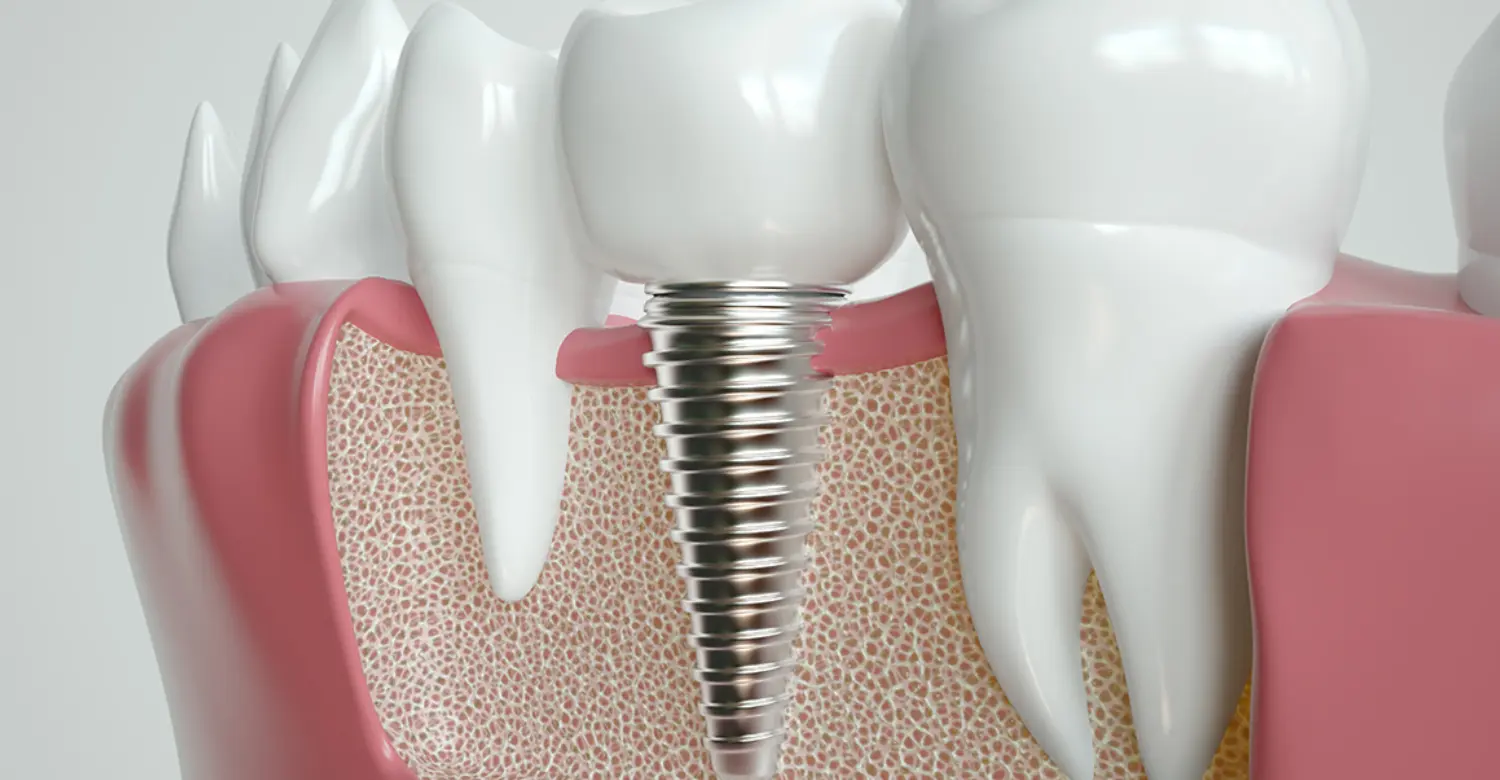
Dental Implant Healing With Osteoporosis
Dental Implants and Osteoporosis require careful monitoring throughout the healing period. Healing begins immediately after implant placement and continues through progressive bone remodeling. Initial stability is followed by biological integration between bone and implant surfaces. Osteoporosis can alter systemic bone metabolism, but its clinical effect varies. Medication exposure may also influence remodeling and healing. The surgical site should remain free from significant infection. Excessive mechanical loading during early healing can compromise stability. Patients should follow instructions regarding diet, hygiene, activity, and medication. Follow-up appointments allow clinicians to evaluate healing progress. There is no universal healing duration for every patient with osteoporosis. Treatment timing should depend on implant stability and clinical findings. A cautious, individualized approach can support predictable progression toward restoration.
What Happens During Implant Healing?
Dental Implants and Osteoporosis involve a biological healing process called osseointegration. Immediately after placement, the surrounding tissues respond to surgical trauma. Blood clot formation begins the initial healing response. New bone then develops around the implant surface. Remodeling continues as the bone adapts to functional loading. Primary stability is particularly important during the early healing period. Excessive implant movement can interfere with predictable integration. The healing process differs according to bone conditions, implant design, surgical technique, and patient factors. Osteoporosis may alter bone metabolism without necessarily preventing successful integration. Medication history can provide additional context. Regular clinical assessments help determine whether healing is progressing appropriately. The final restoration should be connected according to the clinician's assessment of stability and integration.
How Long Does Dental Implant Healing Take With Osteoporosis?
Dental Implants and Osteoporosis do not have one fixed healing timeline. Healing depends on implant location, bone quality, surgical complexity, and individual biology. Many conventional implant protocols allow several months for integration before final restoration. Some cases may use earlier loading when stability is excellent. Other cases require longer healing periods. Bone grafting can also extend the overall treatment timeline. Osteoporosis alone does not establish a specific additional number of healing weeks. Medication exposure and systemic health may influence the clinician's monitoring strategy. Follow-up assessments provide more reliable information than a predetermined calendar. Patients should not compare their healing timeline with another person's experience. Vitrin Clinic can adjust treatment timing according to clinical findings. The priority should be stable biological integration rather than rushing restoration.
Factors That Can Influence Osseointegration
Dental Implants and Osteoporosis involve several factors that influence osseointegration. Primary stability is essential during the early healing stage. Bone quality and quantity influence how securely an implant can be positioned. Surgical technique also affects the biological response. Smoking can negatively affect vascular and periodontal health. Poor oral hygiene can increase bacterial inflammation around the implant. Diabetes and other systemic conditions may influence healing. Medication history should also be considered in medically complex patients. Excessive mechanical loading can compromise early stability. Implant design and surface characteristics may influence bone response. Regular monitoring helps clinicians identify unfavorable changes early. Optimizing modifiable factors can improve the overall treatment environment. Personalized planning remains more useful than relying on osteoporosis status alone. Managing another condition alongside this one? See can diabetics get dental implants.
Monitoring Healing After Implant Placement
Dental Implants and Osteoporosis should be monitored systematically after surgery. Early follow-up allows clinicians to assess soft tissues and postoperative recovery. The implant should remain stable during the healing phase. Persistent pain, swelling, or discharge may indicate a complication. Radiographs may be used when clinically indicated. The timing of imaging depends on the clinical situation and implant protocol. Patients should follow prescribed hygiene instructions carefully. Smoking should be avoided during healing whenever possible. Mechanical pressure on the surgical area should also be minimized. Medication changes should only occur under appropriate medical guidance. Follow-up schedules may be individualized according to surgical complexity. Careful monitoring provides opportunities for early intervention when problems arise.
Warning Signs of Implant Complications
Dental Implants and Osteoporosis require prompt assessment when unusual symptoms develop. Persistent or worsening pain after the expected recovery period deserves professional review. Increasing swelling may indicate infection or another inflammatory problem. Pus or persistent discharge should also be evaluated. Implant mobility is particularly important because healthy integrated implants should remain stable. Exposed bone that does not heal requires specialist assessment. Numbness or altered sensation can indicate nerve-related complications. Severe bleeding after surgery also requires timely professional attention. Patients taking antiresorptive medication should report unusual delayed healing. These symptoms do not automatically indicate implant failure. Early examination can identify treatable problems before they progress. Patients should contact their dental team rather than attempting self-treatment. Prompt assessment supports safer recovery and better long-term outcomes.
Tips for Patients With Osteoporosis Considering Dental Implants
Dental Implants and Osteoporosis can be approached safely when patients participate actively in treatment planning. The first step is providing complete medical information. Patients should disclose every prescription, injection, supplement, and relevant medical treatment. They should also report previous jaw surgery or difficult dental healing. Excellent oral hygiene helps maintain healthy tissues around implants. Smoking should be avoided because it can compromise oral healing. Patients should follow all surgical instructions carefully. Every follow-up appointment provides an opportunity to evaluate healing. Medication should never be changed without medical advice. Patients should ask questions about risks, alternatives, and expected recovery. A second opinion may be reasonable for complex medical histories. Vitrin Clinic can provide individualized planning based on clinical and diagnostic findings. Good communication supports informed treatment decisions.
Share Your Complete Medication List
Dental Implants and Osteoporosis require accurate medication information before surgery. Patients should provide the exact names of osteoporosis medications. They should also provide doses, administration routes, and treatment duration. Injection dates are important for medications such as denosumab. Patients should mention previous antiresorptive therapy when relevant. Other medications can also affect healing or bleeding risk. Supplements should be disclosed because they may influence treatment decisions. A complete medication list helps the dental team identify potential interactions. It can also indicate when medical consultation may be appropriate. Patients should not assume that common medications are irrelevant. Accurate information allows clinicians to create safer surgical plans. It also prevents inappropriate advice based on incomplete medical history. Good documentation is one of the simplest ways to improve treatment planning.
Follow Your Dentist’s Pre-Operative Instructions
Dental Implants and Osteoporosis treatment benefits from careful preparation before surgery. Patients may receive instructions about oral hygiene and prescribed medications. Any active dental infection should be addressed when clinically necessary. Smoking should be stopped or minimized before surgery. Patients should follow instructions regarding food, medication, and appointment timing. They should also arrange appropriate transportation when sedation or extensive surgery is planned. Medical clearance may be requested in complex cases. Patients should bring updated medication information to their appointment. Questions should be discussed before the procedure rather than after surgery. Following instructions reduces avoidable complications. It also helps the clinical team evaluate healing more accurately. Personalized preparation is particularly important when osteoporosis medications are involved.
Maintain Excellent Oral Hygiene
Dental Implants and Osteoporosis require long-term attention to oral hygiene. Bacterial inflammation around implants can damage supporting tissues. Peri-implant disease can develop independently of osteoporosis. Patients should therefore maintain consistent daily plaque control. The dental team can recommend suitable toothbrushes and interdental cleaning methods. Professional maintenance may also be needed at regular intervals. Patients should report bleeding, swelling, or changes around the implant. Early inflammation is easier to manage than advanced supporting bone loss. Smoking cessation can further improve the oral environment. Periodontal disease should be controlled before and after implant treatment. Vitrin Clinic can provide individualized hygiene guidance based on implant design. Long-term maintenance is essential for protecting the investment in implant treatment.
Avoid Smoking During Healing
Dental Implants and Osteoporosis require a favorable biological environment during healing. Smoking can impair vascular function and negatively influence oral tissues. It is associated with poorer periodontal and implant outcomes. The combination of smoking and other risk factors can increase treatment complexity. Avoiding smoking around surgery can therefore support better healing conditions. Patients should discuss cessation support with their healthcare professionals. Even temporary abstinence may be preferable to continued smoking during early recovery. The dental team can provide personalized guidance based on treatment circumstances. Patients should also avoid exposure to other tobacco products when advised. A healthy oral environment supports tissue recovery around the implant. Smoking cessation also provides broader health benefits beyond dental treatment. Still smoking post-surgery? See exactly why that's risky in can you smoke after dental implants.
Attend Every Follow-Up Appointment
Dental Implants and Osteoporosis should be monitored through scheduled clinical reviews. Follow-up appointments allow clinicians to evaluate healing and tissue health. They also provide opportunities to identify early signs of inflammation. Implant stability can be assessed when clinically appropriate. The restoration can be adjusted if functional problems develop. Patients taking antiresorptive medications may require particularly careful monitoring. Follow-up intervals should reflect surgical complexity and individual risk. Missing appointments can delay detection of problems. Patients should report symptoms between scheduled visits rather than waiting. Regular professional care supports long-term implant maintenance. Vitrin Clinic can establish an individualized follow-up schedule according to treatment needs. Consistent monitoring is part of successful implant care.
Do Not Change Osteoporosis Medication Without Your Doctor
Dental Implants and Osteoporosis should never encourage unsupervised medication changes. Osteoporosis therapy protects against fractures and skeletal complications. Stopping treatment can create risks that may exceed dental concerns. Denosumab requires particular caution because abrupt discontinuation can increase vertebral fracture risk. Bisphosphonate decisions also require medical assessment. Dental professionals can identify concerns and communicate them to the prescribing physician. The physician can evaluate fracture risk and determine whether medication changes are appropriate. Patients should never follow online advice to stop therapy before implant surgery. Timing decisions should be individualized and medically supervised. Clear communication protects both oral and skeletal health. This principle is especially important when treatment involves antiresorptive medications.
What We Notice Clinically: Dental Implants and Low Bone Density
Dental Implants and Osteoporosis demonstrate the importance of looking beyond bone-density labels. Low systemic bone density does not automatically indicate inadequate implant-site anatomy. Clinical examination and imaging provide more relevant information about the proposed surgical location. Patients may have excellent local bone despite systemic osteoporosis. Others may require additional procedures because of local resorption. Medication exposure can further modify the treatment plan. Periodontal health is another critical component of implant assessment. Smoking and poor hygiene can increase long-term complications. These factors should be considered alongside systemic health. Digital planning can help identify anatomical limitations before surgery. A structured assessment also improves communication with patients. The clinical objective is predictable rehabilitation based on individual findings. Vitrin Clinic can incorporate these considerations into personalized implant workflows.
Why Bone Quality Is Only One Part of Implant Assessment
Dental Implants and Osteoporosis require assessment of several biological and mechanical variables. Bone quality affects implant stability and remodeling. However, bone quantity determines whether the implant can be positioned appropriately. Soft-tissue health also influences long-term implant protection. Periodontal infection can increase the risk of peri-implant inflammation. Implant position affects both biological and restorative outcomes. Patient hygiene influences long-term tissue stability. Smoking and systemic conditions can modify healing. Medication exposure adds another layer of risk assessment. These factors interact rather than acting independently. Therefore, one measurement cannot accurately predict implant success. Comprehensive planning provides a more reliable assessment of individual risk. This approach also helps identify modifiable factors before surgery.
The Importance of Medical-Dental Communication
Dental Implants and Osteoporosis require communication between dental and medical professionals when circumstances are complex. The dentist understands the surgical and oral risks. The physician understands the patient's fracture risk and osteoporosis management. These perspectives should complement rather than conflict with each other. Medication changes should be directed by the prescribing clinician. The dental team can provide information about the proposed surgical procedure. The physician can explain whether medication modification is medically appropriate. This communication is particularly important with denosumab therapy. Abrupt discontinuation can carry significant skeletal consequences. Coordinated planning can therefore prevent avoidable medical risks. Patients should be included in these discussions and understand the final plan. A multidisciplinary approach is especially valuable for medically complex implant cases.
How Individual Risk Factors Can Change Treatment Planning
Dental Implants and Osteoporosis should be assessed using a complete risk profile. Two patients with the same osteoporosis diagnosis may have different implant risks. One patient may have excellent oral hygiene and adequate bone volume. Another may have periodontal disease, smoking exposure, and severe ridge resorption. Medication differences can further separate their clinical profiles. Diabetes and other systemic conditions may influence healing. Previous jaw surgery can alter local anatomy. The number and location of implants can also change surgical complexity. These factors may influence whether grafting or alternative strategies are recommended. Personalized planning allows clinicians to address modifiable risks before treatment. It also provides patients with realistic expectations. Individual assessment remains the foundation of responsible implant treatment.
Dr. Rifat Alsaman’s Clinical Opinion
Dental Implants and Osteoporosis should be approached through comprehensive clinical evaluation. Dr. Rifat Alsaman emphasizes that successful treatment depends on more than systemic bone density. Implant-site anatomy, periodontal health, medication history, and surgical complexity all matter. CBCT imaging can provide important information about available bone. Medical communication can clarify medication-related considerations. Patients should understand both the benefits and potential risks of treatment. Where additional procedures are necessary, their biological requirements should be explained clearly. Treatment should never be rushed because healing conditions vary between individuals. Ongoing monitoring is also essential after restoration. A personalized workflow can improve decision-making and patient confidence. The goal is safe, evidence-informed treatment rather than automatic acceptance or rejection.
Dental Implants and Osteoporosis: When Should You See an Implant Specialist?
Dental Implants and Osteoporosis warrant specialist assessment when medical or anatomical factors make treatment complex. Patients with significant bone loss may require advanced planning. Those using antiresorptive medication should disclose their treatment before surgery. Previous implant failure also warrants comprehensive evaluation. Persistent periodontal disease should be treated before implant placement. Complex medical histories may benefit from multidisciplinary consultation. A specialist can evaluate local bone and anatomical limitations. CBCT imaging can provide additional information when appropriate. Patients should ask about alternative treatment options if conventional placement is challenging. A second opinion can provide reassurance when recommendations differ. Vitrin Clinic can use digital planning to assess complex implant cases. The objective is to identify a treatment strategy that balances function, aesthetics, and safety.
Signs That You Need a Comprehensive Implant Assessment
Dental Implants and Osteoporosis should receive detailed assessment when bone availability is uncertain. A history of extensive tooth loss may indicate ridge resorption. Previous periodontal disease can also affect supporting bone. Long-term antiresorptive medication requires medication-specific evaluation. Previous delayed healing or jaw complications deserve attention. Smoking can further increase biological risk. Complex restorative requirements may require digital treatment planning. Multiple missing teeth can increase the need for coordinated implant positioning. A specialist assessment can clarify whether grafting is necessary. It can also identify alternative implant strategies when appropriate. Patients should receive a clear explanation of expected benefits and risks. Comprehensive assessment supports informed consent and realistic expectations.
When a Second Opinion May Be Helpful
Dental Implants and Osteoporosis can involve complex decisions where a second opinion provides useful perspective. Patients may seek another assessment when told implants are impossible. A second opinion can determine whether the limitation is anatomical, medical, or procedural. It can also clarify medication-related concerns. Different clinicians may recommend different grafting or implant strategies. Reviewing CBCT images can help explain these differences. Patients should bring complete medical and dental records. Medication information is particularly important when antiresorptive therapy is involved. A second opinion should focus on evidence and individual anatomy. It should not simply seek the most optimistic recommendation. The best treatment plan should balance predictability, safety, cost, and long-term maintenance.
What to Bring to Your Implant Consultation
Dental Implants and Osteoporosis consultations are more productive when patients bring complete information. Patients should bring an updated medication list. Osteoporosis treatment records can help clarify medication history. Recent dental radiographs or CBCT scans may also be useful. Patients should provide information about previous dental surgeries. They should mention any history of delayed healing or jaw complications. Medical conditions affecting healing should be disclosed. Smoking status should also be discussed honestly. Patients can prepare questions about grafting, healing, implant options, and maintenance. A list of previous osteoporosis medications can provide additional context. Clear documentation helps the clinician build a more accurate treatment plan. Vitrin Clinic can then integrate these findings into a customized consultation. Not sure what your first visit actually involves? See what happens during a dental implant consultation.
Why Choose Vitrin Clinic for Dental Implants With Osteoporosis?
Dental Implants and Osteoporosis require an individualized approach that considers medical and dental factors together. Vitrin Clinic can structure treatment around detailed diagnostics and personalized planning. Digital imaging can help evaluate available bone and anatomical structures. Medical history review can identify medication-related considerations. Periodontal assessment can identify inflammation that should be controlled before surgery. Treatment planning can then address the patient's specific anatomical needs. The clinic's digital workflow can support communication between diagnostic and restorative stages. Patients can receive information about available treatment alternatives. Follow-up planning can be adapted to healing progress and individual needs. The focus should remain on evidence-based decision-making rather than automatic treatment promises. Patients with osteoporosis deserve careful assessment and realistic expectations. A structured process can make complex implant decisions easier to understand.
Personalized Digital Implant Planning
Dental Implants and Osteoporosis can benefit from digital planning before surgical treatment. Digital workflows can integrate CBCT data with restorative objectives. This allows clinicians to visualize proposed implant positions before surgery. Available bone can be evaluated alongside anatomical structures. Implant dimensions and positions can then be selected more precisely. Guided surgery may be considered when clinically appropriate. Digital planning does not eliminate biological risks. It also does not replace clinical examination or medical assessment. Instead, it provides another tool for improving surgical preparation. Vitrin Clinic can use digital planning to create individualized treatment pathways. Patients can better understand the proposed treatment through visual communication. This approach supports precision while maintaining appropriate clinical judgment. See exactly how this technology shapes your treatment in how dental implants are planned using 3D CT scans.
Comprehensive Assessment Before Treatment
Dental Implants and Osteoporosis require comprehensive assessment before surgery. Vitrin Clinic can evaluate medical history, medication use, oral health, and implant-site anatomy. Periodontal inflammation should be identified and treated when necessary. CBCT imaging can assess bone dimensions and anatomical structures. Restorative requirements should also be considered before implant placement. The team can then determine whether bone grafting is necessary. Medication-related concerns can be reviewed before invasive procedures. Medical consultation may be recommended for selected patients. This process helps identify potential complications before surgery. Patients can also compare treatment alternatives based on individual circumstances. Comprehensive assessment supports informed consent and realistic expectations. The goal is a predictable plan rather than a standardized procedure.
Patient-Centered Treatment and Follow-Up
Dental Implants and Osteoporosis require ongoing patient participation beyond implant placement. Vitrin Clinic can provide treatment instructions tailored to individual needs. Patients should understand how to protect the surgical site during healing. Hygiene guidance can help maintain healthy peri-implant tissues. Follow-up appointments allow clinicians to monitor recovery. Medication questions can be coordinated with the appropriate medical professional. Patients can also discuss concerns as healing progresses. A patient-centered approach recognizes that recovery varies between individuals. Treatment plans can therefore be adjusted when clinical findings require changes. Long-term maintenance remains important after the final restoration. This approach supports both patient confidence and implant health.
Why Vitrin Clinic Focuses on Safe, Individualized Implant Care
Dental Implants and Osteoporosis require treatment decisions based on evidence, anatomy, and individual medical circumstances. Vitrin Clinic can focus on personalized assessment rather than applying automatic exclusions. Advanced diagnostics can clarify local bone conditions before surgery. Digital planning can help coordinate surgical and restorative objectives. Medication history can identify factors requiring additional consideration. Multidisciplinary communication can support complex medical cases. Bone-grafting decisions can be based on actual anatomical requirements. Follow-up can then be tailored to healing and long-term maintenance. Patients should receive realistic information about both benefits and risks. No diagnostic technology can guarantee implant success. However, structured planning can reduce avoidable uncertainty. Individualized care allows clinicians to adapt treatment according to each patient's circumstances.
Advanced Diagnostic Technology
Dental Implants and Osteoporosis benefit from accurate evaluation of implant-site anatomy. CBCT imaging can provide three-dimensional information about available bone. Digital planning can help identify anatomical structures before surgery. This information supports more precise implant positioning. Diagnostic technology can also improve communication between clinicians and patients. However, imaging should always complement clinical examination. Medical history remains essential for evaluating systemic and medication-related risks. Vitrin Clinic can combine diagnostic information with personalized treatment planning. The objective is to understand the patient's anatomy before surgical intervention. Better information can support more informed decisions. Technology should therefore be viewed as a planning tool rather than a guarantee of success.
Multidisciplinary Treatment Planning
Dental Implants and Osteoporosis can require collaboration between dental and medical professionals. Implant specialists assess oral anatomy and surgical requirements. Physicians manage osteoporosis and evaluate fracture-related considerations. Medication decisions should remain under appropriate medical supervision. Communication becomes particularly important when antiresorptive therapy is involved. The dental team can explain the proposed procedure and associated risks. The physician can clarify the patient's medical priorities. This coordinated approach can prevent inappropriate medication interruption. It can also help clinicians identify patients who require additional precautions. Vitrin Clinic can incorporate multidisciplinary information into complex treatment planning. Patient involvement remains essential throughout the decision-making process.
Customized Implant and Bone-Grafting Strategies
Dental Implants and Osteoporosis may require customized surgical strategies when local bone is inadequate. Vitrin Clinic can evaluate whether augmentation is genuinely necessary. The decision should depend on local bone dimensions and restorative requirements. Some patients may be suitable for direct implant placement. Others may require staged or simultaneous grafting. Alternative implant positions may also be considered. Implant dimensions should reflect the available anatomical conditions. Digital planning can help compare possible approaches before surgery. Systemic osteoporosis alone should not determine the surgical strategy. Medication history and healing considerations should also be incorporated. A customized approach can minimize unnecessary surgical complexity while addressing anatomical limitations.
Ongoing Aftercare and Monitoring
Dental Implants and Osteoporosis require long-term maintenance after the final restoration. Implant success depends on healthy surrounding tissues over time. Patients should maintain effective daily oral hygiene. Professional maintenance can help monitor peri-implant tissues. Smoking cessation can support better long-term oral health. Follow-up frequency should reflect individual risk factors and treatment complexity. Patients taking antiresorptive medication should continue appropriate medical follow-up. Any unusual swelling, bleeding, pain, or implant mobility should be reported. Early evaluation can prevent minor problems from progressing. Vitrin Clinic can provide individualized aftercare guidance following implant restoration. Long-term maintenance is essential for protecting functional and aesthetic outcomes.
Additional Section: What Does Current Research Say About Osteoporosis and Implant Success?
Dental Implants and Osteoporosis have been investigated in multiple systematic reviews and meta-analyses. A 2025 systematic review found no significant difference in implant survival or failure between osteoporotic and non-osteoporotic patients. Another review analyzed 2,102 patients and 5,954 implants. It reported implant survival rates exceeding 90% among the studied populations. However, researchers highlighted limitations involving study design and evidence quality. Medication exposure may produce different outcomes from osteoporosis itself. A 2025 meta-analysis found possible increased implant failure among bisphosphonate users. The certainty of that evidence was considered very low. AAOMS estimates MRONJ risk at approximately 0.02% to 0.04% with osteoporosis-dose bisphosphonates. Its estimated risk with denosumab is approximately 0.3%. These statistics support careful assessment rather than automatic exclusion from implant treatment.
Conclusion
Dental Implants and Osteoporosis are not automatically incompatible. Current evidence suggests that many patients with osteoporosis can receive successful implant treatment. The most important considerations include local bone anatomy, medication history, periodontal health, and healing factors. Osteoporosis should therefore trigger careful assessment rather than automatic rejection. Bisphosphonates and denosumab require additional consideration because of medication-related jaw complications. Patients should never discontinue osteoporosis medication without medical advice. CBCT imaging can help evaluate local bone anatomy before treatment. Digital planning can support individualized implant positioning and restorative planning. Bone grafting may be necessary when local bone volume is insufficient. Long-term maintenance remains essential after implant restoration. Vitrin Clinic can provide a structured approach based on individualized assessment and treatment planning. The final decision should always be made after professional evaluation.
Reference
FAQs
Dr. Rifat Alsaman has more than 5 years of clinical experience in dentistry and currently serves as the Head of the Medical Team at Vitrin Clinic. He is dedicated to providing exceptional patient care, overseeing treatment planning, and ensuring the highest clinical standards across the team. His expertise, attention to detail, and commitment to continuous professional development have helped countless patients achieve healthier, more confident smiles.


