Cosmetic Dentistry
October 4, 2026
How Does Teeth Whitening Work? Process, Results & Safety
 Dr. Rifat Alsaman
How does teeth whitening work, and why do results differ so much between people? Whitening uses peroxide to break down colored molecules on and inside the tooth. Results depend on stain type, product strength, contact time, and the condition of the teeth. Healthy teeth and gums give the best foundation for cosmetic bleaching. Daily habits then decide how quickly a brighter appearance fades. This guide explains the process, realistic results, safety limits, and costs. It does not promise identical outcomes, because every smile starts from a different point. Online products may have uncertain strength, so professional advice adds a useful safety margin. Unusual or single-tooth discoloration always deserves individual assessment first.
What Is Teeth Whitening and How Does It Work?
Teeth whitening is a cosmetic treatment that lightens the natural color of teeth. It mainly relies on hydrogen peroxide or carbamide peroxide gels. These agents release reactive oxygen molecules that break apart stain compounds. The smaller pigment fragments reflect light differently, so teeth look brighter. Correct use does not remove tooth structure or drill into enamel. At Vitrin Clinic, whitening is planned only after the cause of discoloration is identified. This step protects comfort and sets realistic expectations from the start. Lighting and dehydration can temporarily change how bright teeth look. That is why the final shade is checked after treatment settles.
What happens during the teeth whitening process?
A peroxide gel is placed on the teeth for a controlled period. The active agent moves into enamel and dentin and reacts with pigments. The gums are protected, and the gel is removed after each application. Treatment may be repeated over several sessions or several days. Comfort is checked throughout, and contact time is adjusted when sensitivity appears. Final shade is judged after the teeth rehydrate, not straight away. How does teeth whitening work from start to finish? It moves from assessment, to controlled gel contact, to shade review and aftercare. Most patients find the process simple and comfortable.
How does whitening gel remove stains from teeth?
How does teeth whitening work at the chemical level? Peroxide attacks colored compounds called chromogens. Large pigment molecules split into smaller, lighter fragments. These fragments absorb less visible light, so the tooth looks brighter. Whitening is therefore a chemical change, not simple scrubbing. Light activation is not consistently needed for modern peroxide gels to work well. The process breaks the chemical structures that absorb the most light. Smaller fragments scatter light differently than the original pigments.
How does hydrogen peroxide whiten teeth?
Hydrogen peroxide is the direct bleaching agent in most whitening products. It diffuses through microscopic spaces in enamel and reaches deeper dentin stains. There it releases oxygen radicals that break the bonds holding pigments together. Higher concentration speeds the reaction but can raise sensitivity. Contact time also matters because the active agent must stay on the tooth. Sensible concentrations usually balance visible results and comfort well. How does teeth whitening work faster with hydrogen peroxide? It acts immediately, because it needs no breakdown step before it reacts. It is the active ingredient in most in-office gels.
How does carbamide peroxide whitening work?
Carbamide peroxide is a more stable compound often used in home whitening trays. It releases hydrogen peroxide gradually over a longer wear time. This slower release suits extended or overnight protocols. It is common in dentist-supervised home treatment. Lower strengths can be worn longer with good comfort. Results build steadily rather than appearing after a single application. How does teeth whitening work with carbamide gels? The active agent forms slowly in the mouth, giving a gentler, longer exposure.
How carbamide peroxide breaks down into hydrogen peroxide
In contact with moisture, carbamide peroxide splits into urea and hydrogen peroxide. Roughly one third of its strength becomes active hydrogen peroxide. A 10 percent carbamide gel therefore delivers about 3.5 percent hydrogen peroxide. This gradual release explains why carbamide gels act more slowly. It also helps limit sudden sensitivity during treatment. The urea part may also help balance the mouth's pH during treatment. Gel strength labels should be read with this conversion in mind.
Why peroxide can reach discoloration within enamel and dentin
Enamel looks solid, but it is porous at a microscopic level. Peroxide is a very small molecule that passes through these pores. This allows it to reach and lighten stains below the surface. The same movement explains why some patients feel temporary sensitivity. The pores do not become permanent holes after treatment. Dentin stains can therefore lighten even though enamel covers them. Enamel minerals remain in place during correct treatment.
Does teeth whitening remove stains or change the natural tooth color?
It does both, within natural limits. Whitening lightens surface stains and internal discoloration, and it can raise the natural shade. It cannot change the color of crowns, veneers, bonding, or fillings. Each tooth also has a natural limit beyond which further bleaching adds little. Realistic goals prevent over-treatment and unnecessary sensitivity. How does teeth whitening work on mixed stains? Surface stains usually lighten first, followed more slowly by deeper discoloration. The aim is a brighter, natural shade rather than an artificial white.
Explore options in subperiosteal implants and fixed bridges
What Causes Tooth Discoloration and Yellow Teeth?
Tooth color comes from enamel, the dentin beneath it, and any stains present. Discoloration is usually extrinsic, intrinsic, or a mix of both. Not every yellow tooth has the same cause. Lifestyle, age, genetics, medications, and dental history all play a role. Identifying the cause helps predict how well whitening will work. It also shows when another treatment would be more suitable. Many patients have more than one cause at the same time. A dental examination helps separate them clearly. Some people simply have naturally darker dentin. Genetics influence enamel thickness and translucency as well.
What causes extrinsic teeth stains?
Extrinsic stains sit on or near the outer enamel surface. They come mainly from pigmented food, drinks, tobacco, and plaque. A thin protein film called the pellicle helps pigments attach to enamel. Frequent exposure gradually deepens the visible color. These stains usually respond well to professional cleaning and bleaching. How does teeth whitening work on surface stains? Peroxide breaks down retained pigments that brushing alone cannot fully remove. Rough or worn enamel surfaces may also collect stains faster.
Coffee stains on teeth
Coffee contains dark chromogens that bind to the enamel surface film. Frequent sipping through the day increases buildup more than one quick cup. Adding milk does not fully prevent coffee staining. Rinsing with water after coffee can limit pigment contact. Coffee stains are extrinsic and usually lighten predictably. Drinking coffee in one sitting stains less than sipping it for hours. Regular cleaning helps prevent coffee stains from building up.
Smoking and tobacco stains
Tar and nicotine create yellow-brown deposits on enamel. Nicotine becomes yellow when it reacts with oxygen. These stains can be stubborn and return quickly if smoking continues. Professional cleaning often removes much of the buildup first. Stopping tobacco also protects gum health and oral tissues. Chewing tobacco and vaping products can also discolor teeth. Smokers often need more frequent touch-ups after whitening.
Tea, red wine, cola, and highly pigmented foods
Tea and red wine contain tannins that help pigments stick to teeth. Cola, berries, soy sauce, and curries add further color. Acidic drinks can also soften enamel and make staining easier. Reducing frequency matters more than avoiding these foods completely. Drinking water alongside them helps rinse pigments away. Black tea often stains more strongly than coffee. White wine is acidic and may make enamel stain more easily.
Plaque, poor oral hygiene, and surface buildup
Plaque holds pigments against the tooth surface and makes teeth look dull. Hardened tartar can look yellow or brown. Brushing twice daily and cleaning between teeth reduces this buildup. Regular hygiene visits remove tartar that brushing cannot reach. Cleaning often reveals a lighter natural shade before any bleaching. Plaque along the gumline is often the first visible staining area. Electric toothbrushes may remove plaque more effectively for some people.
What causes intrinsic teeth stains?
Intrinsic stains are located inside enamel or dentin. Causes include aging, fluorosis, certain medications, and dental trauma. How does teeth whitening work on these deeper stains? It works more slowly, and sometimes only partly. Intrinsic stains often need longer or carefully selected bleaching protocols. Restorative treatment can give more predictable results for resistant intrinsic color. Some intrinsic changes form before teeth even erupt. Others develop slowly over many years of life. High fevers in early childhood can also affect enamel formation. A careful history helps uncover these causes.
Aging and changes in enamel and dentin
Enamel is thin with years of chewing, brushing, and acid exposure. As it thins, more of the naturally yellow dentin shows through. Dentin also darkens slowly as it thickens with age. This yellowing is gradual and usually responds well to bleaching. Lost enamel, however, cannot be restored by whitening. Years of dietary staining add to these natural age changes. Gentle brushing helps protect remaining enamel.
Fluorosis and developmental discoloration
Excess fluoride during tooth development can cause white spots or brown mottling. Other developmental conditions can alter how enamel forms. These changes affect how light passes through the tooth. Bleaching results vary and may be uneven in these cases. Microabrasion or bonding may complement whitening when needed. Mild fluorosis spots often blend in as surrounding enamel lightens. A dentist can predict whether spots may stand out temporarily.
Medication-related tooth discoloration
Tetracycline antibiotics taken during tooth development can cause gray or banded stains. These stains sit deep within dentin. They respond slowly and sometimes incompletely to bleaching. Longer home protocols are often needed for useful improvement. Veneers may be considered when bleaching cannot reach the goal. Some other medicines and mouth rinses can also cause surface staining. Expectations should be discussed clearly before treatment starts.
Trauma, pulp changes, and discoloration of an individual tooth
A knock to a tooth can damage the pulp inside it. Blood breakdown products may then darken the tooth from within. Root canal treatment can also be followed by internal discoloration. A single dark tooth always needs a dental assessment first. Internal bleaching may help once the tooth is properly root-treated. Discoloration may appear months or even years after the injury. X-rays help confirm whether the root is healthy.
Intrinsic vs extrinsic tooth stains: what is the difference?
Extrinsic stains are on the surface and come from outside sources. Intrinsic stains lie within the tooth structure itself. Extrinsic stains are usually easier and faster to lighten. Intrinsic stains may need longer treatment or restorative options. Many patients have both types at once. A professional cleaning helps reveal which type dominates. Knowing the difference helps predict treatment time and cost. It also shows when restorative treatment may be better. Extrinsic stains often return with the same habits. Intrinsic stains usually stay stable once lightened.
Which types of tooth discoloration respond best to whitening?
Yellow stains from food, drinks, and aging usually respond best. Brown stains respond moderately well with enough time. Gray or blue-gray stains, such as tetracycline, respond more slowly. Developmental and restoration-related color changes are the least predictable. A dentist can estimate your likely response before treatment begins. How does teeth whitening work on brown or gray teeth? It works more slowly, so longer protocols are often planned from the start. Combined stains often improve in stages.
Understand the risks in how do humans get rabies and does it affect dental health?
How Is Tooth Discoloration Evaluated Before Whitening?
How does teeth whitening work for one specific patient? The answer starts with a dental examination. The dentist records shade, stain pattern, gum health, and existing restorations. The clinician may also ask about diet, tobacco, medications, and past trauma. Clinical photographs support fair comparison later. This prevents unrealistic expectations and missed dental problems. Diagnosis comes first, and the product is chosen second. Shade assessment works best under controlled, consistent lighting. Patients can also share what bothers them most about their smile. Their goals guide the final plan.
What does a dentist check before a teeth whitening treatment?
The dentist checks for decay, gum disease, cracks, worn enamel, and exposed roots. Fillings, crowns, and veneers are noted because they will not bleach. A starting shade is recorded under consistent lighting. Previous sensitivity and medical history are also reviewed. Active problems are treated before elective whitening begins. How does teeth whitening work alongside existing dental work? The check shows which teeth will change and which will stay the same. This review usually takes only a short appointment.
How do dentists distinguish intrinsic teeth stains from extrinsic teeth stains?
They look at stain color, pattern, and location on each tooth. Surface stains often lift with polishing or cleaning. Color that remains after cleaning is likely intrinsic. A single dark tooth points toward an internal cause. Banded or mottled patterns suggest developmental or medication-related staining. Your history of medications, trauma, and diet adds further clues. Photographs before and after cleaning can confirm the difference.
Why should cavities, gum disease, cracks, or other oral problems be addressed first?
Peroxide can reach the pulp faster through cavities, cracks, or leaking fillings. This can cause significant pain rather than mild sensitivity. Inflamed gums also become irritated more easily by gel contact. Treating these problems first improves comfort and predictability. Whitening remains an elective cosmetic step after oral health is secure. Some fillings may also need replacing after whitening to match the new shade. Gums should be fully healed before whitening starts.
When might whitening not be the right solution for tooth discoloration?
Whitening is not always the best option for every color problem. Some discoloration needs diagnosis or restorative treatment instead. Bleaching cannot change restorations or rebuild damaged enamel. Severe intrinsic stains may lighten only partly. A dentist can explain alternatives and match treatment to the true cause. Choosing the right treatment first saves time, money, and discomfort. Honest assessment avoids disappointment.
A single dark or gray tooth
One dark tooth may signal pulp damage or a failing root canal. It needs X-rays and vitality testing before any cosmetic steps. External whitening alone rarely corrects one dark tooth. Internal bleaching, a veneer, or a crown may be more suitable. Early assessment can also protect the tooth's long-term health. Treatment depends on whether the pulp is still healthy.
Severe developmental or medication-related staining
Deep tetracycline or severe fluorosis stains may lighten only partly. Long treatment may still leave visible bands. Bonding or veneers may give a more predictable result. A dentist can compare options and set realistic expectations. A combination of whitening and restorations is sometimes ideal. Your dentist can show expected results with digital previews.
Discoloration caused by a restoration rather than natural tooth structure
Old fillings, crowns, and bonding do not bleach. They may also darken or stain at their edges over time. Replacing the restoration is usually the real solution. Whitening other teeth first helps choose the new restoration shade. Polishing may brighten stained restoration edges temporarily. New restorations can be matched to whitened teeth.
Learn about preventing enamel loss from using acidic supplements frequently and tooth erosion
What Are the Main Teeth Whitening Treatment Options?
How does teeth whitening work across different products? All effective options use peroxide, but strength, delivery, and supervision differ. The main choices are in-office whitening, dentist-supervised home whitening, and over-the-counter products. Each option suits different stains, budgets, and schedules. Speed, comfort, and cost vary between them. A dentist can recommend the most suitable starting point for your teeth. Natural remedies and toothpastes are not true substitutes for bleaching. Professional options include an examination first. This step catches problems that store-bought products ignore.
Professional teeth whitening
Professional whitening is performed or prescribed by a dentist. It uses regulated gels with tailored concentration and gum protection. The dentist checks oral health before starting. Supervision allows safer adjustment when sensitivity develops. It also identifies problems that need other treatment first. Professional options include in-office sessions and custom home trays. How does teeth whitening work under professional care? The dentist matches gel strength and timing to your stains and comfort. Results are usually more predictable than with store-bought products. Aftercare instructions are provided after every session.
In-office teeth whitening
In-office whitening uses higher-strength gel under direct supervision. The dentist isolates the gums with a protective barrier before applying gel. Visible change often appears after a single visit. Recent evidence shows low-to-medium concentrations can achieve comparable whitening. Results still depend on the original stain and the natural limits of the tooth. How does teeth whitening work so quickly in the clinic? Stronger gel and close monitoring allow more change in less time. Most patients notice a clear difference after the first appointment. Sensitivity can be managed during the visit if it appears.
What happens during an in-office whitening appointment?
The teeth are cleaned and the starting shade is recorded. Cheek retractors and a gum barrier protect the soft tissues. Gel is applied in timed cycles and removed between cycles. The final shade is checked and aftercare is explained. Some protocols include a desensitizing step at the end. You can usually return to normal activities straight after the visit. Avoid staining foods for the rest of the day.
How long does professional teeth whitening take?
Most in-office sessions last about one to two hours. The visit includes preparation, gel cycles, and aftercare advice. Some patients need a second session for deeper stains. Home trays are sometimes added to continue progress. The final shade is easiest to judge after a few days. Your dentist will advise whether a second visit is useful.
Dentist-supervised at-home teeth whitening
The dentist supplies custom trays and lower-strength gel. Patients wear the trays at home on a set schedule. Progress is gradual and easy to adjust. Home treatment suits patients who prefer flexible timing. Combining several products at once increases exposure without reliably improving results. How does teeth whitening work with home trays? Lower-strength gel works gradually during daily wear over one to two weeks. Your dentist reviews progress during follow-up visits. This approach is well supported by clinical evidence.
Custom whitening trays and bleaching gel
Trays are made from impressions or scans of your teeth. A close fit holds gel on the teeth and away from the gums. Only a small drop of gel per tooth is needed. The dentist chooses gel strength based on stains and sensitivity. Trays can be reused later for touch-ups. Bring your trays to checkups so the fit can be confirmed. Clean the trays after every use.
How long does at-home whitening take?
Home whitening usually takes one to two weeks of daily use. Visible change often appears within the first week. Deeper stains may need longer under dental guidance. Tetracycline staining can require several months. Your dentist may add rest days if sensitivity appears. Wear time per day depends on the gel strength.
Over-the-counter at-home teeth whitening
Over-the-counter products are sold without a prescription. They usually contain lower peroxide levels and fit less precisely. They can help mild surface staining. Results are slower and less predictable than professional options. Reading and following instructions is essential for safety. Look for products with clear ingredient and concentration labels. Ask your dentist before starting if you have restorations. Stop using any product that causes pain.
Whitening strips
Strips are thin films coated with peroxide gel. They work gradually over several days or weeks. Uneven or crowded teeth may whiten unevenly. Strips overlapping the gums can cause irritation. Follow wear times exactly to limit sensitivity. How does teeth whitening work with strips? Peroxide on the film contacts the front teeth for a set wear time. Brush gently before applying strips for better contact.
Whitening kits
Kits include generic trays and gel, sometimes with a small light. Generic trays may leak gel onto the gums. Kit quality varies widely between brands. Lights included in kits add little proven benefit. Generic trays can also feel bulky and uncomfortable. Professional trays usually fit far better than kit trays.
Whitening toothpaste
Whitening toothpaste mainly removes surface stains with mild abrasives. Some formulas include low peroxide levels or blue pigments. It does not meaningfully change intrinsic color. It can help maintain results after bleaching. Low-abrasion formulas are gentler for daily use. Blue pigment formulas create a brief visual effect that washes away quickly. It cannot replace professional bleaching for deep stains.
Whitening mouthwash
Whitening mouthwash has very short contact time with the teeth. Its whitening effect is mild and slow. It may help limit new surface stains. It is best used alongside other methods, not instead of them. Some rinses contain alcohol, which can dry the mouth. Rinsing does not replace brushing or flossing.
What is dental bleaching?
Dental bleaching is the clinical term for peroxide whitening. It changes tooth color beyond what cleaning alone can achieve. It can be performed in the clinic or at home with trays. Both forms rely on the same peroxide chemistry. Internal bleaching is a separate technique for root-treated teeth. The term covers both vital and non-vital tooth whitening. Bleaching should always follow product or dentist instructions.
What is power bleaching?
Power bleaching is in-office whitening with high-concentration gel. It aims for faster visible results in one visit. Gum protection and close monitoring are essential with stronger gels. Sensitivity risk is higher than with gentle home protocols. It suits patients who need quicker change. A dentist decides whether this approach suits your teeth. Sensitivity management is usually built into the appointment.
Does laser teeth whitening work better than conventional whitening?
Current evidence does not show lights or lasers consistently improve results. Reviews report that light activation generally did not improve whitening efficacy. Some reviews link light activation to more sensitivity. The peroxide gel does most of the work. Higher fees for light systems may not bring better outcomes. How does teeth whitening work without a light? The peroxide reaction happens on its own, so light is not essential. Ask what evidence supports any light-based system offered.
See the risks of ignoring tooth sensitivity and progressive tooth wear
Which Is Better?
Professional
At-Home Teeth Whitening
How does teeth whitening work best for you? The answer depends on stain type, sensitivity, timeline, and budget. Both approaches can change tooth color when the stain responds to peroxide. Personal suitability matters more than choosing the strongest product. Marketing speed claims should not drive the decision. A dentist can help compare the options fairly. Many patients succeed with either approach when it is used correctly. Your budget and schedule also matter. Some patients start with home trays and switch later. Others prefer one in-office visit before an event.
How professional whitening differs from at-home whitening
Professional treatment uses stronger gel with gum protection and close monitoring. Home treatment uses weaker gel over a longer period. Professional care includes an examination and diagnosis. Home products rely on the user following instructions. Price comparisons should include consultation, trays, follow-up, and maintenance products. Both approaches rely on the same peroxide chemistry. Both need good aftercare to last.
Which method works faster?
In-office whitening usually gives faster visible change. One session can produce a noticeable difference. Home trays can reach similar results more gradually over one to two weeks. Some patients choose professional sessions before an event for this reason. Over-the-counter products are usually the slowest. Speed matters less than a stable, comfortable final result. Fast results still need time to settle.
Which method gives dentists greater control over sensitivity and gum exposure?
In-office treatment gives the most direct control. The dentist can adjust strength or remove gel immediately. Gum barriers protect soft tissue throughout. Custom home trays also reduce gum contact compared with generic products. Over-the-counter options offer the least control. Control is especially valuable for patients with existing sensitivity. Your dentist can switch methods if comfort becomes a problem.
When may at-home whitening be more practical?
Home whitening suits patients who prefer gradual change and flexible timing. It fits around work, travel, and family schedules. It also suits many patients with mild sensitivity. Lower strength allows easy pauses when teeth feel sensitive. It often costs less than in-office treatment. It also allows easy touch-ups later with the same trays. It is often preferred for gradual, natural-looking change.
Can professional and at-home whitening be combined?
Yes, some protocols start in the clinic and continue with home trays. This combines a fast start with gradual refinement. Extra exposure should always have a clear clinical reason. Your dentist will set safe limits for total peroxide exposure. Combined plans are common for deep or stubborn stains. Follow-up visits check the combined result.
How Long Does Teeth Whitening Take?
How does teeth whitening work over time? Treatment length depends on the method and the depth of the stain. Results can appear after one visit or develop over several weeks. Yellow surface stains usually respond fastest. Deep gray stains need the most time. Your dentist can estimate a realistic timeline after examination. Patience usually gives a more even and comfortable result. Rushing treatment often increases sensitivity. Steady progress usually looks more natural.
How long does in-office teeth whitening take?
A typical session takes about one to two hours. Application time depends on the product and concentration used. Some stains need repeat visits for the best result. The final shade settles over the following days. Teeth may look slightly lighter on the first day while still dehydrated. Plan the visit at least a few days before any event.
How long does dentist-supervised at-home whitening take?
Most patients wear trays daily for about one to two weeks. Your dentist adjusts the schedule based on progress and comfort. Rest days may be added if sensitivity appears. Tetracycline and other deep stains may need several months. Consistent daily wear gives the most predictable progress. Most patients see steady weekly improvement.
How quickly do whitening strips or whitening toothpaste work?
Strips may show change within days to weeks. Toothpaste removes surface stains slowly and has limited effect. Neither changes deep intrinsic color meaningfully. Results from both depend on consistent use. Strips usually work faster than toothpaste. Neither changes crowns or fillings.
Why do some stains require more whitening time than others?
Deep and gray stains break down more slowly than yellow ones. Stains bound within dentin need more peroxide contact. Restorations and enamel defects can also slow visible progress. Yellow surface stains respond fastest. Medication-related stains are usually the slowest to change. Your dentist can estimate time after examining the stain.
Discover the impact of the oral virome in health and disease
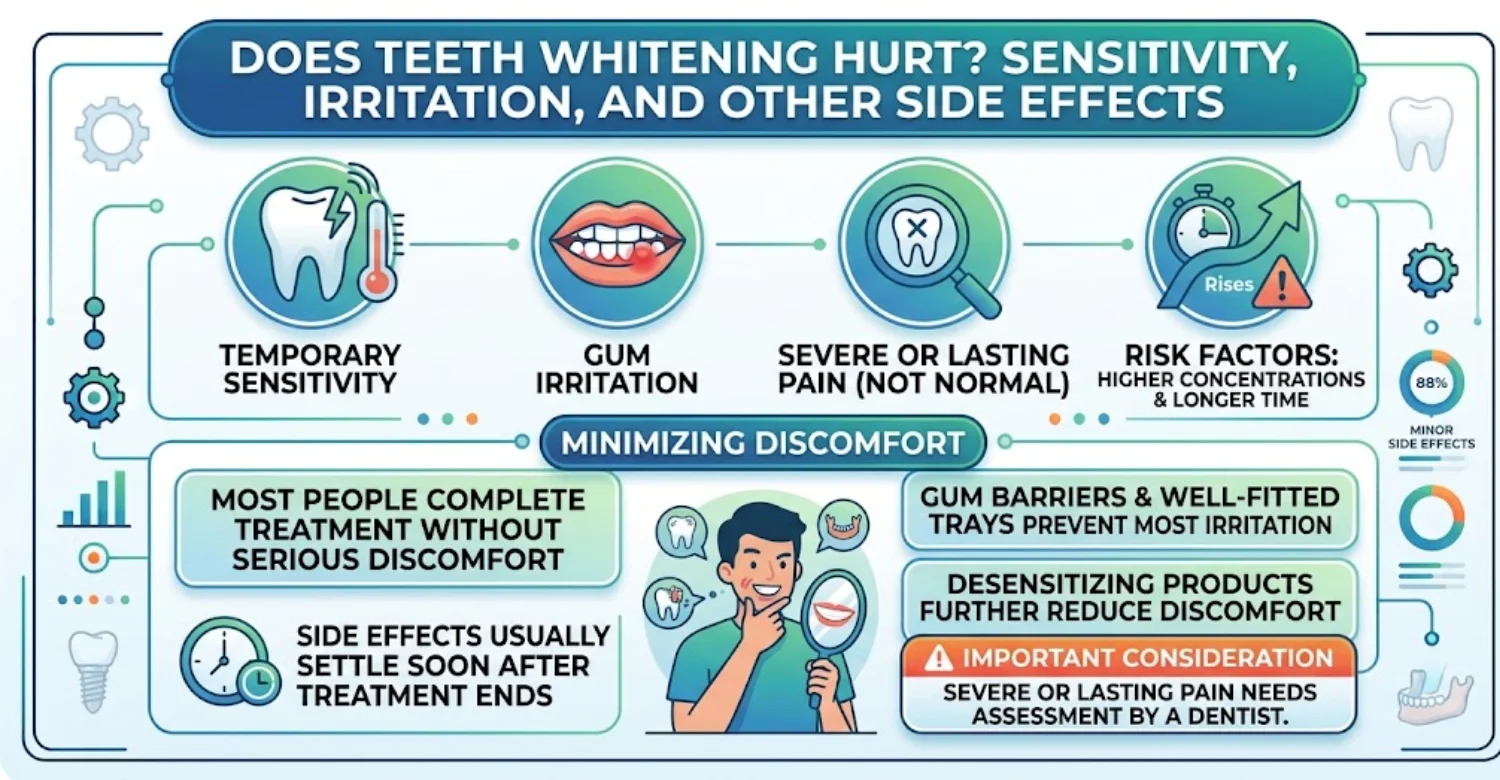
What causes teeth whitening sensitivity?
Peroxide passes through enamel and dentin toward the pulp. This can briefly irritate the tooth nerve. Higher concentrations and longer contact increase the chance of discomfort. Exposed roots and worn enamel add further risk. The American Dental Association notes that sensitivity can affect many users early in treatment. How does teeth whitening work to cause sensitivity? The same diffusion that reaches stains also brings peroxide near the nerve. Gum recession can expose roots that are naturally more sensitive.
How long does tooth sensitivity after whitening last?
Sensitivity usually fades within a few days. The ADA describes typical bleaching sensitivity as mild and transient for many patients. Pausing treatment often speeds recovery. Pain that persists beyond a few days needs a dental check. Desensitizing toothpaste can shorten the recovery period. Most people notice steady improvement each day.
What causes gum irritation during whitening?
Gel that touches the gums can cause redness or burning. Poor tray fit and excess gel are common causes. Stronger gels irritate soft tissue more quickly. The irritation is usually temporary and resolves once contact stops. Gum barriers and careful gel loading prevent most irritation. Report any blistering to your dentist.
What are the most common teeth whitening side effects?
The main side effects are temporary sensitivity and gum irritation. Mouth or throat irritation can occur with misuse or swallowing gel. Uneven shade can appear temporarily during treatment. Persistent or severe pain is not a routine cosmetic side effect. Most side effects are mild and short-lived. Following instructions reduces every risk.
Temporary tooth sensitivity
It often feels like a brief, sharp twinge with cold air or drinks. It usually settles after treatment ends. Desensitizing toothpaste can reduce the twinges. Rest days between applications also help. It rarely lasts more than a few days. Lukewarm drinks are usually more comfortable.
Gum irritation
Gums may look white or feel sore after contact with gel. This usually heals within a day or two. Rinsing with water helps the tissue recover. Better tray fit prevents repeat irritation. Avoid spicy or acidic foods until it settles. Most gums return to normal quickly.
Oral discomfort from excessive or incorrect product use
Overuse or swallowing gel can irritate the mouth and throat. Combining several products adds unnecessary exposure. Never use more gel than recommended. Follow the instructions exactly. Contact your dentist if irritation continues. Keep products away from children.
Does a higher peroxide concentration increase sensitivity?
Yes, stronger gels generally raise sensitivity risk. Lower concentrations can achieve comparable results with more comfort. A 2025 network meta-analysis found lower carbamide peroxide concentrations reduced sensitivity risk. Recent evidence supports sensible peroxide levels for this reason. Strength should match stain type and comfort, not speed alone. Your dentist can choose a gentler gel for you.
What should you do if whitening causes significant or persistent pain?
Stop whitening and contact your dentist. Severe pain may signal a crack, cavity, or pulp problem. Do not restart treatment until the tooth has been examined. Treating the underlying cause comes before any further whitening. Over-the-counter pain relief may help while you wait. Bring the product details to your appointment.
Read about the oral symptoms of leprosy and oral health
How Can You Relieve Teeth Whitening Sensitivity?
Most whitening sensitivity is mild and manageable. Simple steps reduce discomfort while keeping progress on track. How does teeth whitening work when teeth feel sensitive? Usually it continues after small adjustments to strength or schedule. Desensitizing toothpaste, rest days, and gentler gels all help. Most people complete treatment comfortably. Pain that persists needs a dentist rather than more home remedies. Planning ahead reduces discomfort for sensitive patients. Starting a desensitizing toothpaste before treatment often helps. Lower-strength gels are another effective option.
What can help relieve tooth sensitivity after whitening?
Use a desensitizing toothpaste with potassium nitrate. Avoid very cold, hot, or acidic food and drinks for a few days. Shorter sessions or fewer sessions per week can also help. Pausing treatment for a day often eases symptoms. Your dentist may apply fluoride varnish for extra relief. Drinking at room temperature can also reduce twinges. Most relief measures are simple and inexpensive.
Can desensitizing toothpaste help?
Yes, potassium nitrate toothpaste helps in many whitening protocols. It calms the nerve response inside the tooth. Using it for two weeks before whitening may work best. A 2024 systematic review found benefit in selected bleaching protocols. Results are not identical across studies, but many patients benefit. How does teeth whitening work with these toothpastes? Whitening continues normally while the desensitizer calms nerve signals. Apply it gently and avoid rinsing immediately.
Should you pause whitening when sensitivity occurs?
Yes, pausing for a day or two lets teeth settle. Whitening progress is not lost during a short break. Resume at a lower frequency if your dentist agrees. Most patients complete treatment after a short pause. Stop completely if pain becomes severe. A rest day often resets comfort. Your dentist can adjust the remaining schedule.
Which foods and drinks should you avoid immediately after whitening?
Avoid coffee, tea, red wine, cola, and dark sauces for the first day or two. Berries, beetroot, and curry can also stain freshly whitened teeth. Very cold and acidic items may trigger sensitivity. Water, milk, rice, chicken, and pale foods are gentler choices. Avoid smoking during this period too. Teeth are more receptive to stains straight after bleaching. Using a straw for any colored drinks also helps.
When does sensitivity require professional evaluation?
See a dentist if pain is severe or lasts beyond a few days. Pain focused on one tooth also needs assessment. Swelling or spontaneous throbbing needs prompt attention. These signs may point to decay, a crack, or pulp inflammation. Early assessment prevents small problems becoming larger ones. Do not continue whitening while waiting for assessment.
Understand the function and treatments for a frenum in the mouth
Medical Tips for Safer Teeth Whitening
Safe whitening depends on suitable products and healthy teeth. How does teeth whitening work safely at home and in the clinic? It works safely through correct dose, contact time, and soft-tissue protection. Online products may contain uncertain concentrations or ingredients. Professional guidance adds a useful safety margin. These tips reduce avoidable risks. Pregnant or breastfeeding patients are usually advised to delay elective whitening. Children and teenagers should only whiten under dental advice. Their teeth and gums are still developing.
Why should patients follow the product or dentist's instructions exactly?
Instructions control the dose and the contact time. More gel or longer wear raises side effects without better results. Excess gel does not make teeth whiter in a simple dose-response way. Instructions also explain how to protect the gums. Following them keeps treatment predictable and comfortable. Different products need different wear times. Ask your dentist if any step is unclear.
Why should whitening gel be kept away from the gums?
Peroxide can chemically irritate soft tissue. Strong gels may cause temporary white patches or burning. Wipe away any excess gel promptly with a swab or finger. Well-fitted trays help keep gel where it belongs. Professional barriers protect the gums during in-office treatment. Rinse with water if gel touches the gums. Never leave gel pooled at the gumline.
Why should patients with pre-existing sensitivity discuss whitening with a dentist?
Existing sensitivity may signal exposed roots, worn enamel, or decay. Whitening can make these problems more uncomfortable. A dentist can identify and treat the cause first. They can also choose a gentler gel and schedule. Pre-treatment desensitization may be recommended. A slower protocol often suits these patients. Many sensitive patients still whiten successfully.
Is natural teeth whitening safe and effective?
Most natural remedies lack strong scientific evidence. Some can damage enamel through acid or abrasion. They may remove light surface stains but do not bleach teeth. Natural ingredients are not automatically safer, because dose and contact still matter. Proven peroxide methods remain the reliable option. How does teeth whitening work compared with home remedies? Peroxide changes internal pigments, while most remedies only scrub the surface.
Baking soda, acids, charcoal, and abrasive home remedies
Baking soda may remove surface stains but cannot bleach teeth. Acids like lemon juice and vinegar erode enamel. Charcoal can be abrasive and may wear enamel with frequent use. None of these safely replace peroxide bleaching. Ask your dentist before trying any home remedy. Some may make teeth look more yellow over time.
Why “natural” does not automatically mean safer
Natural ingredients still act chemically or abrasively on teeth. Enamel lost to acid or scrubbing does not grow back. Thinner enamel can make teeth look more yellow over time. Evidence, not labels, should guide product choice. Gentle, proven care protects enamel long term. Ask your dentist about any trend before trying it.
Can whitening toothpaste replace bleaching?
No, toothpaste mainly removes surface stains. Bleaching changes color within the tooth. Toothpaste contact time is too short for deep change. It works well alongside bleaching as a maintenance product. Choose a low-abrasion formula for daily use. It is safe for most people when used as directed.
Are whitening mouthwash and whitening strips effective for everyone?
No, results vary with stain type and product fit. Intrinsic stains respond poorly to rinses. Strips may miss crowded or curved teeth. Crowns, veneers, and fillings will not change. A dentist can advise whether these products suit you. Stronger stains usually need professional treatment. Results also depend on consistent use.
Find out how to quit smoking with nicotine gum
Can Teeth Whitening Change ?
Veneers
Crowns
Dental Implants
How does teeth whitening work when restorations are present? Peroxide lightens natural enamel and dentin only. Porcelain, ceramic, and composite restorations keep their original shade. Existing restorations should be recorded before treatment begins. Planning avoids an uneven final smile. Whitening is often completed before new restorations are made. Your dentist can predict any contrast before starting. Composite bonding also stays the same color. Old fillings may look darker after whitening.
Can natural teeth be whitened when veneers are present?
Yes, but only the natural teeth will change color. This can create a visible mismatch with veneers. A dentist can show which teeth will change before you start. Veneers may need replacement if the contrast becomes noticeable. Some patients choose to whiten only the teeth around veneers carefully. Planning together prevents unexpected contrast.
Can crowns be whitened?
No, crown material does not respond to bleaching. A crown may be replaced to match newly whitened teeth. Replacement is best timed after natural teeth stabilize. Your dentist will discuss whether this is necessary. Polishing can remove surface stains from crowns. Front crowns are the most noticeable after whitening.
Can dental implants and implant crowns be whitened?
The implant crown will not whiten. The implant itself sits below the gum and is unaffected by bleaching. A new implant crown can be made in a lighter shade. This is planned after natural teeth reach their final color. Implant crowns can still be polished during cleaning. The implant itself is not harmed by whitening nearby teeth.
Why can whitening create a color mismatch with restorations?
Natural teeth lighten while restorations stay the same. Front teeth make this contrast more noticeable. Bright lighting can exaggerate the difference. A conservative plan avoids replacing restorations when whitening alone is sufficient. Planning prevents this surprise. Shade previews help patients decide in advance.
Should whitening be completed before cosmetic restorations are placed?
Yes, whiten first and let the color stabilize. Dentists commonly wait about two weeks before matching shades. New restorations can then match the final natural shade. This sequence gives the most natural and consistent result. Bonding immediately after bleaching may also bond less strongly. Your dentist will confirm the right timing.
How Long Do Teeth Whitening Results Last?
How does teeth whitening work over months and years? Results are not permanent, because teeth keep meeting pigments and aging. How long brightness lasts depends largely on diet, tobacco use, and oral hygiene. Touch-ups can refresh the shade when needed. Good habits extend results considerably. Professional and home results can last similarly with good care. Some gradual fading is normal for everyone. Regular cleaning slows this process.
How long do teeth whitening results last?
Results often last several months to a few years. CareCredit cites around twelve to eighteen months for professional whitening. Smokers and heavy coffee drinkers usually see faster fading. Individual longevity varies widely. How does teeth whitening work for long-lasting results? It lasts longest when staining habits are reduced after treatment. Touch-ups can extend results when needed.
What causes teeth to become darker again?
New stains build up from diet, tobacco, and plaque. Natural aging also slowly darkens teeth. The original staining habit is the biggest factor. Poor hygiene speeds up surface buildup. Small daily choices strongly affect how long results last. Some fading is normal and expected.
Coffee and tea
Daily coffee and tea gradually retain enamel. Rinsing soon after drinking limits pigment contact. Drinking water alongside them also helps. Reducing shipping time is more useful than giving them up. A straw can reduce contact with front teeth. Brushing later in the day also helps.
Smoking and tobacco
Tobacco causes the fastest return of staining. Tobacco staining also returns faster after each touch-up. Quitting helps both tooth color and gum health. Support is available to help you stop. Even reducing tobacco use slows retention.
Diet and staining beverages
Red wine, cola, berries, and dark sauces add pigment. Acidic drinks can also make enamel easier to stain. Drinking water with meals helps rinse pigments away. Moderation extends results. Rinsing after meals is simple and effective. Crunchy vegetables may help clean tooth surfaces.
Oral hygiene and plaque buildup
Plaque traps new stains on the enamel surface. Daily brushing and flossing reduce this buildup. Interdental cleaning reaches stains brushing misses. Professional cleaning removes hardened tartar. Good hygiene keeps teeth bright for longer. Regular cleaning visits support daily care.
Can whitening results be maintained with occasional touch-ups?
Yes, short touch-ups can refresh brightness. Custom trays can be reused for this purpose. Touch-ups use far less exposure than the initial treatment. Your dentist will advise a safe interval. Avoid unsupervised frequent touch-ups. Keep your trays clean and stored safely.
Does professional whitening last longer than at-home whitening?
Longevity depends more on habits than on method. Both can last similarly with good care. Professional treatment may reach a lighter starting point faster. Touch-up trays can extend both types of result. Maintenance habits matter most for both. Your dentist can advise on maintenance for either.
Learn about causes and symptoms of oral stomatitis
How Can You Maintain Teeth Whitening Results?
How does teeth whitening work in the long run? It lasts longest when good daily habits support it. Routine dental care and sensible diet choices protect your investment. Small changes, like rinsing after coffee, make a real difference. Regular checkups also catch problems early. Maintenance is simple once it becomes routine. Whitening toothpaste can help remove new surface stains. Touch-ups refresh the shade when needed.
Daily oral hygiene after whitening
Brush twice daily with fluoride toothpaste and clean between teeth. This limits plaque and stain buildup. A soft brush protects enamel and gums. A whitening toothpaste can help remove new surface stains. Replace your toothbrush every three months. Floss or interdental brushes clean areas brushing misses.
Reducing exposure to foods and drinks that stain teeth
Limit dark drinks and rinse with water afterward. Using a straw may reduce contact with front teeth. Reducing frequency is easier than avoiding these foods completely. Brushing too soon after acidic drinks should be avoided. Water is the safest everyday drink for tooth color. Drinking colored drinks quickly is better than sipping slowly.
Smoking cessation and stain prevention
Stopping smoking prevents rapid restrainment. It also lowers the risk of gum disease. Support programs can make quitting easier. Your dentist can direct you to local resources. Results last much longer after quitting. Quitting also improves breath and gum health.
When should whitening be repeated?
Repeat whitening only when needed and under dental guidance. Many patients need a touch-up every one to two years. Intervals should be individual rather than fixed by the calendar. Frequent staining habits shorten the interval. Check with your dentist before each touch-up. Over-whitening can cause sensitivity and chalky teeth.
Why regular dental examinations still matter after cosmetic whitening
Whitening does not prevent cavities or gum disease. Regular checkups protect both health and appearance. Professional cleaning at these visits removes new stains. The dentist can also track your shade over time. Healthy teeth hold whitening results better. Early problems are easier and cheaper to treat.
Understand the causes and treatment for trench mouth
How Much Does Teeth Whitening Cost in the US, UK and Turkey?
How Does Teeth Whitening Work in terms of cost? Fees vary by country, clinic, whitening method, and included services. The figures below are planning ranges, not fixed quotes. Consultation, cleaning, additional treatment, and follow-up products may be charged separately.
Average Teeth Whitening Cost by Country
Country | Average Cost | Typical Planning Range |
United States | About $600 | 400–800 |
United Kingdom | About $425 | $350–$500 |
Turkey | About $150 | 120–180 |
These figures are intended for general planning only. The final price depends on the whitening system, clinic, number of sessions, and services included.
What Factors Change the Cost of Teeth Whitening?
Cost Factor | Possible Effect on Price |
In-office whitening | Usually higher cost due to clinical equipment and professional application |
At-home whitening trays | Often lower than in-office treatment |
Whitening system | Premium systems or specialized equipment may increase the fee |
Number of sessions | Additional sessions increase the total cost |
Dental cleaning | May be included or charged separately |
Dental examination | May be included or billed separately |
Additional dental treatment | Fillings or gum treatment can increase the overall cost |
Custom trays | May be included or priced separately |
Follow-up gel or touch-ups | May add to the final treatment cost |
Clinic location | City and country can significantly affect fees |
Professional vs at-home whitening
Whitening Option | Typical Relative Cost |
In-office whitening | Higher |
Dentist-supervised home trays | Moderate |
Over-the-counter whitening | Lower |
In-office whitening generally costs more because treatment is performed professionally in a dental setting. Take-home trays and over-the-counter products usually have lower upfront costs.
Whitening system and peroxide concentration
Treatment Feature | Potential Cost Impact |
Standard whitening system | Moderate |
Premium whitening system | Higher |
Light-activated equipment | May increase cost |
Additional whitening sessions | Higher total cost |
The concentration and type of whitening agent should be selected according to your dental needs rather than price alone.
Number of sessions or treatment areas
Treatment Need | Cost Consideration |
One whitening session | Lower total cost |
Multiple sessions | Higher total cost |
Deep discoloration | May require additional treatment |
Single-tooth internal bleaching | Usually priced separately |
Your dentist can estimate the expected number of sessions after examining the cause and depth of discoloration.
Dental cleaning, examination, and additional treatment
Additional Service | Cost Status |
Dental examination | May be included or additional |
Professional cleaning | May be included or additional |
Filling treatment | Additional when required |
Gum treatment | Additional when required |
Existing dental problems may need to be treated before whitening. Ask for a written treatment plan that separates whitening from any additional dental care.
Clinic location and dentist fees
Pricing Factor | Effect on Cost |
Country | Major price differences between markets |
City | Major cities may have higher clinic overheads |
Dentist experience | May influence professional fees |
Clinic facilities | Advanced facilities may increase fees |
Dental tourism | Treatment may cost less, but travel expenses are separate |
For dental tourism, compare the treatment package with travel, accommodation, transportation, and follow-up expenses.
Whether custom trays or follow-up products are included
Included Item | Possible Additional Cost |
Custom whitening trays | May be included or charged separately |
Whitening gel | May be included or purchased separately |
Touch-up treatment | May require an additional fee |
Follow-up appointment | May be included or charged separately |
Checking these details before treatment makes it easier to compare different whitening offers accurately.
Why Whitening Prices Should Be Treated as Planning Ranges, Not Fixed Quotes
Factor | Why It Matters |
Clinical examination | Determines whether whitening is appropriate |
Type of staining | Can affect treatment complexity |
Oral health | Existing problems may require treatment first |
Treatment method | Different systems have different prices |
Number of sessions | More visits increase the total |
Included services | Packages vary between clinics |
Currency changes | Can affect international treatment costs |
The prices above are planning references rather than fixed quotations. A personalized consultation and written treatment plan provide the most accurate estimate of your final whitening cost.
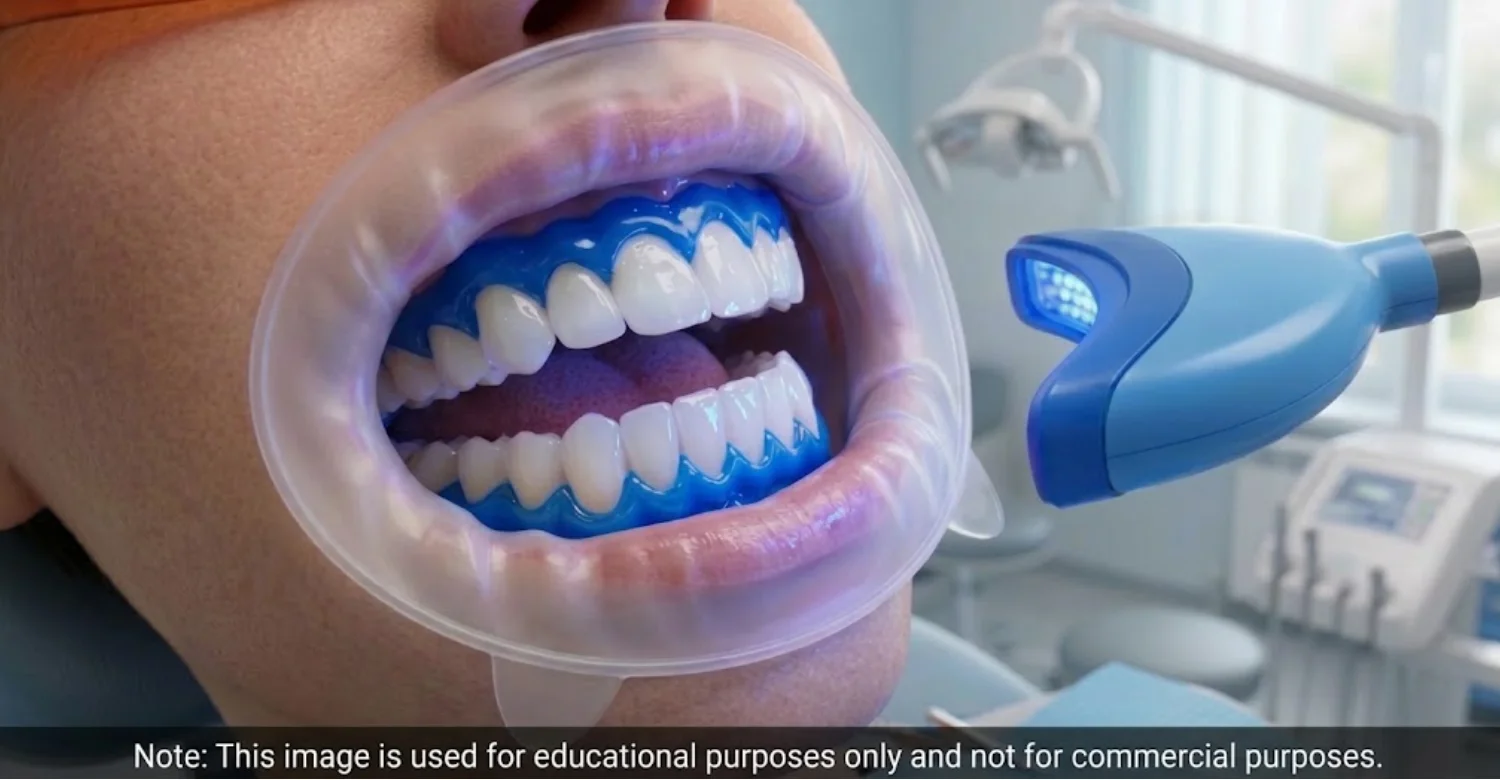
Note : All images used are for editorial and illustrative purposes only and may not originate from the original news provider or associated company.
Recognize the early signs of dental problems
What We Notice Clinically
How does teeth whitening work in everyday practice? Clinical experience shows clear patterns that help set realistic expectations. Patients often expect identical results from identical products. In reality, stain type, restorations, and habits shape every outcome. Careful assessment explains these differences before treatment starts. Realistic expectations lead to happier outcomes. Patients who follow aftercare advice usually keep results the longest. Communication prevents disappointment and over-treatment.
Why patients often confuse surface stains with intrinsic discoloration
Both can look similar under bathroom lighting. A cleaning often reveals how much color is truly internal. Some patients need only cleaning to reach their goal. This is why cleaning often comes before bleaching. Professional cleaning brings clarity before any bleaching decision. Lighting at home can also mislead patients.
Why the same whitening treatment can produce different results between patients
Enamel thickness, dentin color, and stain type vary between people. These differences change how teeth respond to peroxide. Habits after treatment also change how long results last. One standard routine does not suit every smile equally well. Age also affects how quickly teeth respond. Comparing results with others is rarely helpful.
Why existing crowns, veneers, and implants should be considered before whitening
Restorations will not change shade. Whitening can make old restorations look darker by contrast. Planning ahead avoids an uneven smile. Shade matching is easiest when whitening comes first. Patients appreciate knowing this before treatment. Replacement can be planned within the same treatment journey.
Common misconceptions about peroxide, enamel, and “bleaching” teeth
Correctly used bleaching does not strip enamel. It changes pigments, not tooth structure. Higher strength does not guarantee a whiter result. Lights and lasers are not essential for effective whitening. Whitening is temporary, not a permanent color change. Maintenance is part of every plan.
Clinical Note
How does teeth whitening work best in clinical practice? It works best when diagnosis comes before product choice. Healthy teeth and gums remain the foundation for any cosmetic plan. The gentlest method that meets the goal is usually preferred. Comfort and natural appearance guide every decision. Patients are involved in every decision.
Dr. Rifat Alsaman
At Vitrin Clinic, whitening is planned around each patient's teeth and goals. The aim is natural, comfortable, and realistic improvement. Whitening may be planned before veneers, crowns, or bonding when needed. Each plan is explained clearly before treatment begins. Patients leave with clear aftercare guidance.
Practical clinical perspective on assessing stain type, restorations, sensitivity risk, and realistic whitening expectations
We assess stain type, existing restorations, and sensitivity history first. Then we choose the gentlest method that can meet the goal. Patients receive a realistic shade range rather than a promise. Comfort is treated as part of a successful result. Follow-up confirms the result is stable and natural. Patient preferences shape the final shade choice.
Choosing the Right Whitening Treatment for Your Smile at Vitrin Clinic
How does teeth whitening work at the Vitrin Clinic? It starts with assessment and a personalized plan. Treatment is matched to your stain type and smile goals. The safest approach uses the least complicated method that can meet your goal. International patients can coordinate visits around travel plans. The focus stays on realistic, healthy, patient-specific results. Each plan considers teeth, gums, restorations, and the pattern of discoloration. Questions are welcome at every stage.
How whitening suitability is assessed on an individual basis
The dentist reviews teeth, gums, restorations, and medical history. Suitability is confirmed before treatment begins. Assessment also identifies cases where whitening cannot reach the target shade. Alternatives are discussed openly in those cases. Medical history and medications are reviewed too. Expectations are agreed before any gel is applied.
How the dental team evaluates teeth, gums, restorations, and existing discoloration
The team records shade, stain pattern, and gum condition. Restorations are mapped for later shade matching. Cracks, decay, and sensitivity are checked carefully. Findings guide the choice of method and strength. Patients see and discuss these findings directly. Any needed treatment is scheduled before whitening.
How digital diagnostics may support personalized cosmetic treatment planning when clinically appropriate
Digital photos and scans can document shade and guide planning. They help compare results fairly over time. Digital previews can support smile design discussions. They support, but never replace, clinical examination. Consistent photography makes subtle changes easier to see. Records are stored for future comparison.
How teeth whitening may fit into a broader cosmetic dentistry plan
Whitening often comes before veneers, bonding, or crowns. This lets restorations match the new natural shade. It may reduce how much restorative work is needed. Treatment coordination avoids choosing restoration shades too early. This sequence protects the final aesthetic result. Your dentist explains the full sequence in advance.
Internal Link Opportunity: Vitrin Clinic treatments page and related cosmetic dentistry treatment content
Learn more about related options on the Vitrin Clinic treatments page. These include veneers, bonding, crowns, and smile design. Each can be combined with whitening when clinically appropriate. A consultation helps choose the right combination. Detailed pages explain each treatment option.
How Vitrin Clinic Supports Your Treatment Journey
Vitrin Clinic coordinates each step from consultation to aftercare. International patients receive planning support around their travel. How does teeth whitening work within a short visit? With good preparation, assessment and treatment can often fit one trip. Clear guidance continues after you return home. Coordinators help with scheduling and communication. Treatment steps are explained in advance. Patients always know what comes next.
Consultation and individualized treatment planning
The consultation identifies your stain type, oral health, and goals. A written plan follows with clear inclusions. Realistic expectations are agreed before treatment. Questions are welcome at this stage. Costs are explained before treatment begins.
Digital assessment and treatment coordination
Digital records help track shade and coordinate other treatments. They allow fair before-and-after comparison. They also support remote follow-up. Records also guide future touch-ups. Patients can view their own progress images.
Selecting an appropriate whitening approach based on clinical findings
The method is chosen from clinical findings, not package labels. Strength and timing are matched to your sensitivity. Restorations and future plans are considered. The gentlest effective option is preferred. Patients understand why each choice is made.
Guidance before, during, and after treatment
Patients receive clear instructions on preparation, sensitivity, and aftercare. Diet advice helps protect early results. Questions are answered at every stage. Written instructions are provided to take home. Support is available if sensitivity appears.
Follow-up and aftercare for international patients
Remote follow-up supports patients after they return home. Photos can be shared for review. Touch-up advice is given when needed. Support continues long after the visit. Patients know exactly whom to contact.
.jpg)
.jpg)
.jpg)
.jpg)
.jpg)
When Should You See a Dentist Before Whitening?
See a dentist first if anything feels or looks unusual. How does teeth whitening work when hidden problems exist? Poorly, and sometimes painfully. Some signs point to problems that whitening cannot fix. Whitening should come after basic oral health needs are met. An examination is quick and prevents avoidable problems. A short examination can prevent pain and wasted treatment. It also confirms whether whitening suits you.
Tooth discoloration accompanied by pain or sensitivity
Pain with discoloration may signal decay or pulp disease. Have it checked before any whitening. Treating the cause improves comfort and results. Pain is never a normal sign before whitening. Early care can save the tooth.
A single tooth that suddenly becomes dark or gray
Sudden darkening often follows trauma or pulp damage. It needs prompt evaluation with X-rays. Internal bleaching may help after proper treatment. Do not try to whiten it at home. Prompt care gives the best chance of a good outcome.
Visible cavities, cracks, or damaged enamel
These defects let peroxide reach the nerve. They can cause sharp pain during whitening. Repair them before starting treatment. Restoration first leads to better final shade matching. Whitening can follow once repairs have settled.
Bleeding, swollen, or irritated gums
Inflamed gums react badly to peroxide. Bleeding may signal gum disease. Treat gum problems first. Healthy gums improve comfort during whitening. Cleaning is often the first step.
Persistent sensitivity that does not settle after stopping whitening
Lasting sensitivity needs examination. It may not be a normal side effect. Repeated bleaching should not continue until it is assessed. The cause may need separate treatment. Your dentist may recommend a different approach.
Uncertainty about whether discoloration is intrinsic or extrinsic
A dentist can identify the stain type quickly. A cleaning often clarifies the picture. This guides the right treatment and timeline. Knowing the stain type sets realistic expectations. It also helps estimate cost and time.
Ready to transform your smile?
Talk to our team and get a personal FREE treatment plan.
Key Takeaways About How Does Teeth Whitening Work ?
How does teeth whitening work in summary? Peroxide breaks down stain molecules on and within teeth. Results depend on stain type, method, and daily habits. Restorations need separate planning. Persistent pain means stopping treatment and seeking advice. The gentlest method that meets the goal is usually best. Healthy teeth and gums support the best results. Good habits keep teeth brighter for longer.
How teeth whitening works in one simple explanation
Peroxide gel breaks large dark pigments into smaller, lighter fragments. Teeth then reflect more light and look brighter. Tooth structure stays intact when products are used correctly. Results depend on stain type and contact time. Habits afterward decide how long it lasts.
The difference between peroxide bleaching and surface stain removal
Cleaning and toothpaste remove surface deposits. Bleaching changes color within the tooth. Many plans use both, with cleaning first. Toothpaste alone cannot change internal color. Both help keep a brighter smile.
Why stain type and existing dental restorations affect results
Yellow stains respond well, while gray stains respond slowly. Crowns, veneers, and fillings do not change color. Planning prevents an uneven smile. Planning sequence matters with restorations. Your dentist can predict likely results.
The most important teeth whitening side effects and sensitivity considerations
Sensitivity and gum irritation are common and usually temporary. Lower concentrations reduce risk. Persistent pain needs assessment. Desensitizing toothpaste helps many patients. Gum protection prevents most irritation.
Practical relief and aftercare tips after whitening
Use desensitizing toothpaste and limit staining drinks. Pause treatment if sensitivity rises. Follow your dentist's schedule. Avoid dark foods for a day or two after treatment. Keep up regular dental visits.
When professional dental evaluation is appropriate before or after whitening
See a dentist for pain, a single dark tooth, or gum problems. Lasting sensitivity also needs a check. Evaluation protects both comfort and results. Regular checkups support lasting results. It is never too early to ask for advice.
Evidence Base for the Article
How does teeth whitening work according to research? Evidence supports peroxide bleaching with careful sensitivity management. Systematic reviews help because individual studies use different protocols. The sources below informed this article. Marketing claims should be checked against this evidence. Guidance from dental associations adds practical safety advice. Together they support conservative, evidence-based care.
American Dental Association (ADA) whitening guidance
The ADA describes sensitivity as a common, usually temporary side effect. It notes higher concentrations can raise sensitivity risk. It supports dentist consultation before whitening. The ADA Seal can help identify reviewed products. Its patient pages explain options clearly.
NIDCR and NIH oral-health resources
These resources support preventive care and healthy gums. Healthy tissues are the foundation for cosmetic treatment. They also explain causes of tooth discoloration. Prevention supports long-term whitening results. They provide reliable patient information.
NHS patient guidance on teeth whitening and safety
The NHS advises whitening only by a dentist or registered dental professional. It warns against unregulated products and beauty salon treatments. It also explains realistic expectations for patients. It supports safe, regulated care.
PubMed systematic reviews and meta-analyses on bleaching efficacy and sensitivity
A 2025 network meta-analysis found lower carbamide peroxide concentrations reduced sensitivity risk. A 2024 review found desensitizing toothpastes helped in selected protocols. These findings support conservative, comfortable protocols. Research continues to refine best practice.
Current evidence on hydrogen peroxide, carbamide peroxide, and light-activated whitening systems
An umbrella review through January 2026 found comparable whitening with roughly 25 to 35 percent hydrogen peroxide. Light activation generally did not improve efficacy and may add sensitivity. Sensible concentrations remain the recommended approach. Patient comfort remains a key outcome.
At Vitrin Clinic
How does teeth whitening work for our patients? It begins with individual assessment and clear aftercare. Digital photographs may support planning when clinically appropriate. Whitening is coordinated with any future veneers, crowns, or bonding. Follow-up support continues after patients return home. The aim is a bright, natural, and comfortable smile. Patients receive guidance on preparation, sensitivity, and maintenance. Each plan respects natural tooth limits.
Reference
FAQs
Dr. Rifat Alsaman has more than 5 years of clinical experience in dentistry and currently serves as the Head of the Medical Team at Vitrin Clinic. He is dedicated to providing exceptional patient care, overseeing treatment planning, and ensuring the highest clinical standards across the team. His expertise, attention to detail, and commitment to continuous professional development have helped countless patients achieve healthier, more confident smiles.


