Cosmetic Dentistry
October 15, 2026
Bonding vs Veneers for Chipped Teeth: Which One Is Right for You?
 Dr. Rifat Alsaman
Bonding vs veneers for chipped teeth is a common comparison when you want to repair a chipped tooth without losing its natural look. The right choice depends on the chip's size and location, the remaining tooth structure, your bite, and your cosmetic goals. Dental bonding and porcelain veneers are two possible treatments. However, some chips need a different restorative approach.
In this guide, Dr. Rifat Alsaman, Head of the Medical Team and cosmetic dentist at Vitrin Clinic, provides the clinical perspective. You will learn how both options differ in cost, durability, appearance, treatment time, and tooth preparation.
.jpg)
.jpg)
.jpg)
.jpg)
.jpg)
.jpg)
.jpg)
.jpg)
Ready to transform your smile?
Talk to our team and get a FREE treatment plan.
Bonding vs Veneers for Chipped Teeth: What Is the Difference?
Bonding vs veneers for chipped teeth comes down to how each material is made, placed, and maintained. Bonding uses composite resin shaped directly on the tooth during your visit. Veneers are thin porcelain shells made to fit the front surface. Comparing composite bonding vs porcelain veneers means looking at tooth preparation, appearance, repairability, and lifespan. Neither option suits every chip. A dentist confirms which one fits after an examination. The sections below explain each treatment and how they differ in practice.
What Is Dental Bonding for Chipped Teeth?
Dental bonding for chipped teeth uses a tooth-colored composite resin. The dentist applies it directly to the tooth and sculpts it to replace the missing part. First, the surface is cleaned and lightly roughened or etched when needed. A bonding agent helps the resin attach to the enamel. The composite is then placed in layers, shaped, and hardened with a curing light. Finally, it is polished to blend with the natural tooth. Bonding works well for small chips, minor edge defects, and localized cosmetic corrections.
What Are Porcelain Veneers for Chipped Teeth?
Porcelain veneers for chipped teeth are thin, custom-made shells bonded to the front surfaces of teeth. They cover the visible surface, so they can hide a chip along with discoloration or shape concerns. Because of this, veneers are often considered when several front teeth need cosmetic improvement. However, veneers usually require some enamel preparation to fit properly. They are also not suitable for every damaged tooth. Deep fractures, weakened structure, or certain bite problems may call for another restoration instead.
How Do Bonding and Veneers Differ in Tooth Preparation?
Bonding is a direct treatment. The dentist adds composite to the tooth, often with little or no removal of healthy enamel. Veneers involve more planning. The dentist usually prepares the tooth, takes impressions or digital scans, and sends the details to a dental laboratory for fabrication. Preserving healthy enamel matters because enamel does not grow back. It also provides a strong surface for bonding. This is a key factor in bonding vs veneers for chipped teeth, since conservative treatment keeps more future options open.
What Does a Chipped Tooth Look and Feel Like?
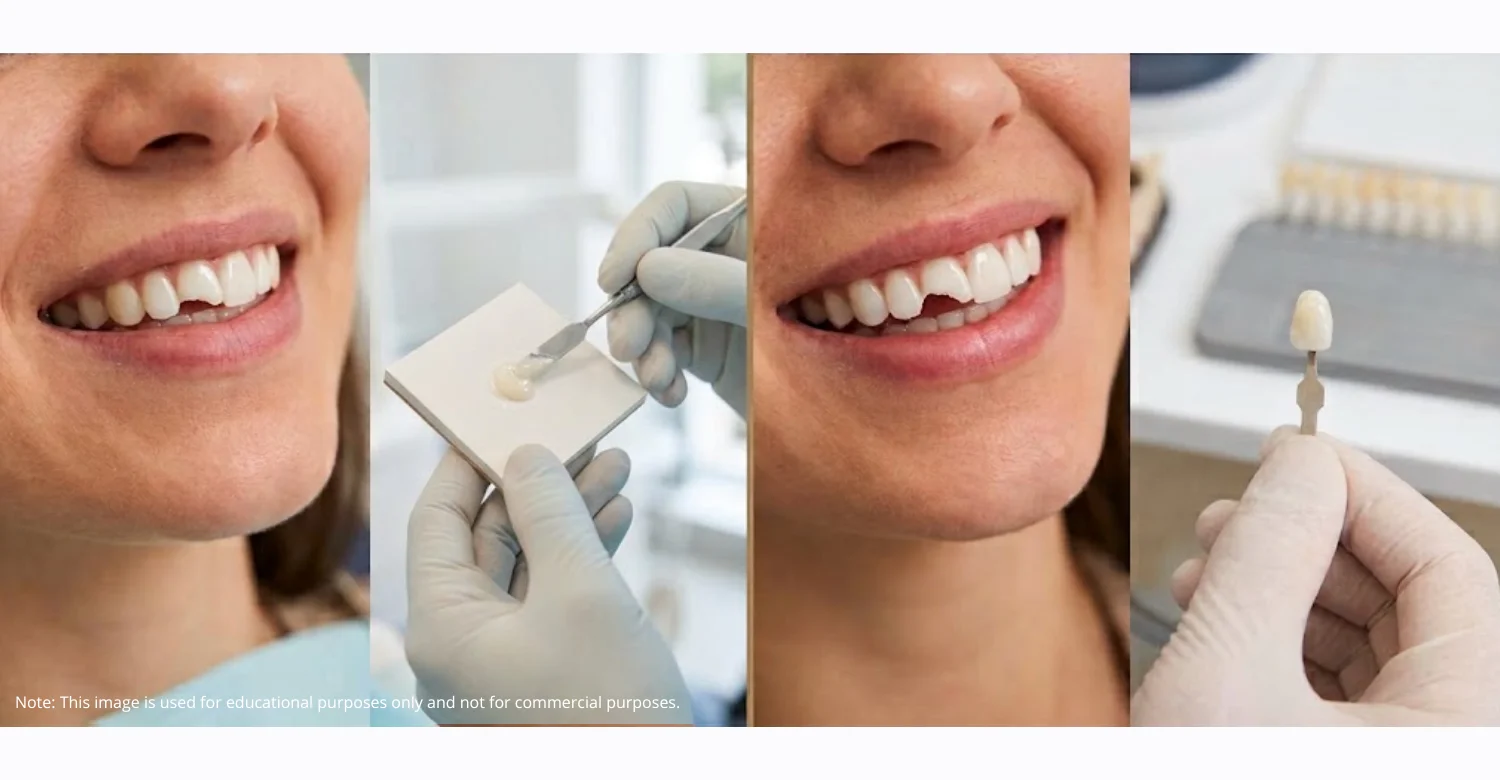
A chipped tooth can look and feel different depending on how much structure is lost. Some chips are tiny and only visible up close. Others leave sharp edges, sensitivity, or an obvious gap. Your tongue often notices the change before you see it in the mirror. These signs help describe the problem, but they cannot reveal its full depth. Understanding the symptoms is also a useful starting point for bonding vs veneers for chipped teeth, since the extent of damage guides the choice.
Small Chips Along the Front Edges
Small chips often appear along the biting edges of the front teeth. You may notice a slightly uneven edge when you smile, speak, or look at a photo. Many people feel minor roughness with the tongue. These chips usually involve enamel only. In that case, the concern is mainly cosmetic. However, a chip that looks small can still hide a crack or deeper damage. An examination is needed to confirm its extent before you choose dental bonding for chipped teeth or another option.
Larger Chips, Rough Edges, and Tooth Sensitivity
Larger chips can leave sharp edges that irritate the tongue or cheek. You might see a visible loss of tooth structure, sometimes with a slightly yellowish area. Cold drinks may cause discomfort. This sensitivity can indicate exposed dentin, the layer beneath enamel. Dentin contains tiny channels that carry temperature changes toward the nerve. In some cases, sensitivity points to deeper damage. A dentist should check the tooth before cosmetic repair, because the right treatment depends on how far the damage extends.
When a Chipped Tooth May Be More Than a Cosmetic Problem
A chipped tooth may be more than a cosmetic problem in several situations. These include chips linked to cracks, recent trauma, persistent pain, or a change in your bite. Damage that extends toward the pulp, the tooth's inner tissue, needs particular attention. The pulp contains nerves and blood vessels. If it is injured or exposed, cosmetic treatment alone is not enough. In these cases, bonding vs veneers for chipped teeth is not the first question. The underlying damage must be assessed and treated first.
What Causes Teeth to Chip?
Teeth chip when the force placed on them exceeds what the enamel or underlying structure can withstand. Enamel is very hard, but it is also brittle. Thin edges, cracks, and large restorations can make a tooth more vulnerable. Common causes include hard foods, grinding, previous dental work, and accidents. Knowing the cause matters because it affects the treatment plan. For example, a tooth damaged by grinding may need bite protection after repair. Otherwise, the new restoration may face the same forces again.
Biting Hard Foods or Accidentally Biting a Hard Object
Biting into a hard food or object can create a sudden force that fractures enamel. Common examples include ice, hard sweets, nut shells, popcorn kernels, and bones. Thin edges of front teeth and the margins of existing restorations are especially vulnerable. Minor chips can even occur during ordinary eating if the tooth was already weakened. A small chip may cause no symptoms at all. However, a larger fracture, pain, or a change in your bite requires a professional assessment.
Teeth Grinding and Clenching
Bruxism is the repeated grinding or clenching of the teeth. It may happen during sleep or while awake, often without the person noticing. Over time, these repeated forces can wear down enamel and flatten the biting edges. They may also contribute to small cracks that eventually lead to chips. Signs can include worn teeth, jaw tiredness, or morning headaches. Bruxism also matters after treatment. Both composite and porcelain can chip under heavy grinding, so protection may be recommended.
Previous Dental Work and Weakened Tooth Structure
Previous dental work can influence how strong a tooth is. Large fillings replace lost structure, but they can leave thinner walls of natural tooth around them. Existing cracks and extensive tooth preparation may also reduce strength. Old restorations can wear, leak at the edges, or chip themselves. However, a previous restoration does not automatically mean a tooth is weak. Many restored teeth function well for years. A dentist evaluates the remaining structure and the restoration's condition before recommending further treatment.
Accidents, Sports Injuries, and Direct Impact
Falls, collisions, and blows to the face can chip teeth or cause deeper fractures. Contact sports, cycling, and everyday accidents are common sources of dental trauma. The visible chip may be only part of the injury. The root, supporting bone, or pulp can also be affected. Seek prompt assessment if an injury causes pain, bleeding, a loose tooth, or a change in how your teeth fit together. Some effects of trauma appear later, so follow-up checks matter.
What Other Symptoms Might Accompany a Chipped Tooth?
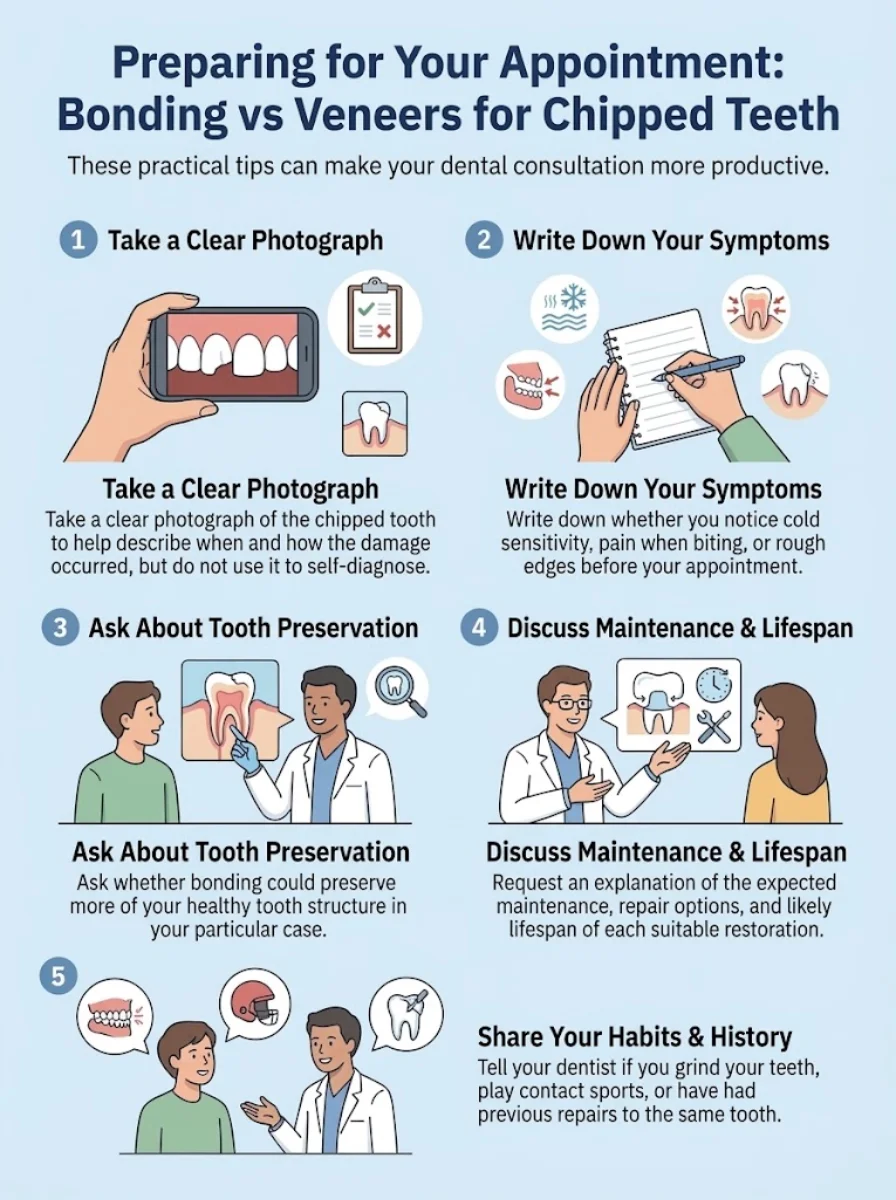
A chipped tooth does not always cause symptoms beyond its appearance. When symptoms do occur, they give helpful clues about the extent of the damage. Sensitivity, pain when biting, and irritation from sharp edges are the most common complaints. Each one can point to a different underlying problem. Some suggest exposed dentin, while others may suggest a crack. Noting your symptoms before your appointment helps the dentist plan the right examination and choose suitable chipped tooth repair options.
Sensitivity to Cold, Heat, or Sweet Foods
Exposed dentin can react to cold, heat, or sweet foods. These triggers move fluid inside the small channels in dentin, which stimulates the nerve. The result is usually a short, sharp twinge that fades quickly once the trigger is removed. Brief sensitivity like this is common after a chip. However, pain that lingers, throbs, or starts without a trigger is different. Persistent or spontaneous pain may suggest pulp inflammation. It needs prompt dental assessment rather than a wait-and-see approach.
Pain When Biting or Releasing Pressure
Pain when biting, or when releasing pressure after biting, may indicate a crack rather than a simple surface chip. Cracks can flex slightly under load, which irritates the inner tissues. The pain may come and go, and it can be hard to locate the exact tooth. Deeper injury to the pulp or supporting structures can cause similar discomfort. Symptoms alone cannot establish the diagnosis. A dentist may use bite tests, magnification, and imaging when needed to identify the cause.
Gum Irritation and Sharp Tooth Edges
A rough or sharp edge can rub against the tongue, cheek, or nearby gum tissue. Repeated contact may cause soreness or small irritated areas in the mouth. Some people also notice food catching on the broken edge. These problems are usually mild but uncomfortable. Smoothing or restoring the tooth often relieves them. However, the dentist should first identify the extent of the damage. Treating the edge without checking for cracks or deeper injury could leave an important problem unaddressed.
How Can You Protect a Chipped Tooth at Home Before Treatment?
Home care cannot repair a chipped tooth, but it can help protect it until your appointment. The goals are simple: avoid further damage, keep the area clean, and reduce irritation. These steps are temporary and do not replace professional assessment. They are especially useful while you wait to discuss bonding vs veneers for chipped teeth with your dentist. A short wait is usually fine for a minor chip. If pain, swelling, or bleeding develops, seek care sooner.
Avoid Biting With the Damaged Tooth
Try to avoid biting directly with the damaged tooth. Choose softer foods and chew on the opposite side when this feels comfortable. Cut food into smaller pieces rather than biting into it with your front teeth. Avoid hard, sticky, or very crunchy foods, such as nuts, hard bread, toffee, and ice. These can widen the chip or turn a small crack into a larger fracture. Also avoid using your teeth to open packages or bite your nails.
Keep the Area Clean Without Applying Excessive Pressure
Keep brushing twice a day with fluoride toothpaste. Use a soft-bristled brush and gentle strokes around the affected tooth. Clean between your teeth carefully with floss or interdental brushes, avoiding excess pressure on the broken edge. Rinsing with water after meals can help remove trapped food. Good hygiene supports gum and tooth health while you wait for treatment. However, it cannot rebuild the missing enamel. Only a professional restoration can replace lost tooth structure.
Protect Your Mouth From Further Irritation
Dental wax may temporarily cover a sharp edge if it is available and suitable. Dry the area gently, then press a small piece over the rough edge. This can protect your tongue and cheek until your appointment. Never use household glue, superglue, or other non-dental adhesives. Do not file or sand the tooth yourself. These attempts can damage enamel, irritate soft tissues, or hide important problems. Any permanent repair must be performed by a dentist.
When Should You Seek Professional Care for a Chipped Tooth?
Every chipped tooth deserves a professional look, but the urgency varies. Some chips can wait for a routine appointment. Others need prompt or urgent care because they may involve the pulp, root, or surrounding tissues. Recognizing the difference helps you act at the right time. Early assessment can also protect the tooth and keep more chipped tooth repair options available. Waiting too long with a deeper injury may allow infection or further fracture to develop.
Signs That Need Urgent Dental Assessment
Seek urgent dental assessment if you notice severe or persistent pain, significant trauma, or a loose or displaced tooth. Visible deep damage, such as a pink or red spot in the broken area, also needs prompt care. That spot may indicate pulp exposure. Uncontrolled bleeding requires immediate attention. Facial swelling or fever may indicate infection or a more serious problem. If swelling affects breathing or swallowing, seek emergency medical care. Cosmetic decisions can wait until the tooth is stable.
Why Even a Small Chip May Need an Examination
Even a small chip may need an examination. A dentist checks how your upper and lower teeth meet, because the bite affects any future repair. They also look for cracks that may not be visible without magnification or good lighting. Pulp testing may help when the tooth is sensitive or traumatized. Dental X-rays are taken when indicated, such as after trauma or when deeper damage is suspected. Not every small chip needs imaging. The decision depends on clinical findings.
.webp)
Ready to transform your smile?
Talk to our team and get a FREE treatment plan.
What Are the Treatment Options for Chipped Teeth?
Chipped tooth repair options range from simple smoothing to full-coverage restorations. The best choice depends on how much tooth structure is lost, whether the pulp is involved, and how the teeth meet. Cosmetic goals also play a role. Small chips are often managed conservatively, while larger fractures may need stronger restorations. The main options include polishing, bonding, veneers, crowns, and root canal treatment when the pulp is damaged. Bonding vs veneers for chipped teeth is only one part of this wider range.
Minor Smoothing and Polishing
A tiny, superficial irregularity may only need smoothing and polishing. The dentist gently reshapes the rough edge so it feels smooth and looks more even. This is sometimes called enameloplasty or cosmetic contouring. It is quick and usually painless, since only enamel is involved. However, enamel does not grow back. Any removal of tooth structure should be conservative and performed by a dentist. Smoothing is unsuitable when the chip is large or noticeably shortens the tooth.
Dental Bonding for Chipped Teeth
Dental bonding for chipped teeth begins with shade selection to match the surrounding teeth. The dentist cleans the tooth and prepares the surface, often with mild etching and a bonding agent. Composite is placed in layers, shaped, and cured with light. Finally, it is refined and polished. Bonding is conservative and suits many small or moderate chips. However, composite can stain, wear, and chip over time. Periodic polishing, touch-ups, or repair are part of normal maintenance.
Porcelain Veneers for Chipped Teeth
Porcelain veneers for chipped teeth start with an assessment of the teeth, gums, and bite. If required, the dentist prepares the front surface to create space. Digital scans or impressions guide laboratory fabrication. A temporary may be placed while the veneer is made. At fitting, the dentist checks shape and shade, then bonds it in place. Veneers suit cases where appearance, shape, or several front-tooth concerns shape the plan. They may be inappropriate for extensive structural damage or certain bite problems.
When a Crown or Another Restoration May Be More Appropriate
A crown may be considered when substantial tooth structure is missing or weakened. Unlike a veneer, a crown covers the whole visible tooth and helps protect it from further fracture. If the pulp is irreversibly damaged, root canal treatment may be needed first. The tooth is then restored appropriately, often with a crown, depending on the remaining structure. These choices depend on clinical findings, not appearance alone. Two chips that look similar may require very different restorations.
Dental Bonding vs Veneers: Pros, Cons, and Durability
Comparing bonding and veneers means weighing more than appearance alone. Each option has strengths and limitations that affect daily life, maintenance, and long-term cost. Bonding is direct and conservative. Veneers are custom-made and more color-stable. Understanding these trade-offs helps you approach bonding vs veneers for chipped teeth with realistic expectations. The following sections cover the main pros and cons, typical durability, and the kind of results each treatment can achieve for your smile.
Dental Bonding vs Veneers Pros and Cons
Dental bonding vs veneers pros and cons include tooth preservation, appearance, repairability, maintenance, and treatment complexity. Bonding usually preserves more enamel, is completed directly, and is often easier to repair if it chips. However, composite can stain and lose its polish over time. Porcelain veneers may offer better long-term color stability and stain resistance. They also allow broader changes to shape and color. However, they usually require enamel preparation, and repairs are less simple. Neither option is universally superior.
Veneers vs Bonding Durability
Veneers vs bonding durability differs mainly in maintenance needs. Composite bonding often needs more frequent polishing or repair than porcelain veneers. Commonly cited estimates suggest bonding may last around 3–10 years. Porcelain veneers may last around 10–15 years or longer in suitable circumstances. These figures are estimates, not guarantees. Bite forces, grinding, oral hygiene, material quality, and maintenance all affect longevity. Habits such as nail biting or opening packages with your teeth can also shorten the life of either restoration.
Bonding vs Veneers Before and After: What Results Can You Expect?
Bonding vs veneers before and after results differ in scope. Bonding may restore a small missing corner with minimal change to the rest of the tooth. The aim is often an invisible repair that blends with natural enamel. Veneers can change the shape, color, and overall appearance of selected front teeth. In both cases, results depend on the starting condition, shade selection, tooth preparation, and individual anatomy. Ask about realistic outcomes when discussing bonding vs veneers for chipped teeth.
Bonding vs Veneers for Chipped Teeth Cost: What Affects the Price?
Bonding vs veneers for chipped teeth cost depends on several factors, so no single price fits every case. Bonding is usually less expensive per tooth because it is completed directly in the clinic. Veneers involve laboratory work, more appointments, and often more planning. However, the initial price is only part of the picture. Maintenance, repairs, and replacement over time also affect the total cost of repairing chipped teeth. Comparing like with like gives a clearer view.
What Determines the Cost of Dental Bonding?
The cost of dental bonding depends on the size of the chip and the number of teeth involved. A small corner repair usually requires less time than rebuilding a larger edge. Complex shaping, layering several shades, or matching translucent enamel may add chair time. Material quality and the clinician's expertise also influence the price. Because bonding is done directly, a small repair generally requires less laboratory work than a custom-made veneer. This often keeps its upfront cost lower.
What Determines the Cost of Porcelain Veneers?
The cost of porcelain veneers depends on how many veneers are needed and the type of porcelain chosen. Laboratory fabrication adds to the price, since each veneer is custom-made. Preparation needs and case complexity also matter. Some cases require a diagnostic wax-up or digital smile design before treatment. Additional procedures may affect the overall cost. Examples include gum treatment, whitening neighboring teeth for shade matching, or managing a bite problem. Your dentist should explain each item clearly.
How Can You Compare the Total Cost of Repairing Chipped Teeth?
To compare the cost of repairing chipped teeth, look at the full treatment plan rather than a single figure. Include the consultation, diagnostic tests when needed, temporary restorations if applicable, fitting, and follow-up care. Ask about maintenance costs, such as polishing, repairs, or a night guard. The initial price does not necessarily reflect lifetime cost, because both treatments may need maintenance or replacement. Fixed prices are only comparable when they reflect current pricing and a clearly defined treatment scope.
Veneer Cost: Vitrin Clinic vs. UK vs. USA
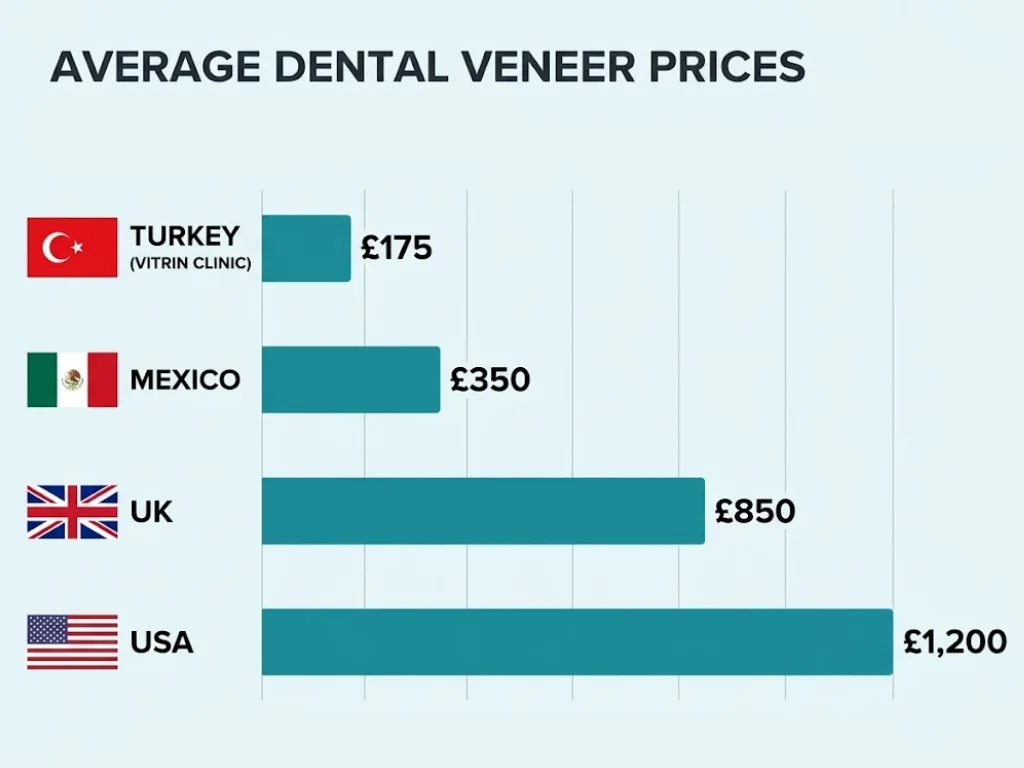
The cost of dental veneers varies depending on the material selected, the number of teeth treated, and the country of treatment. The following table provides a transparent comparison of average costs by veneer type across the United Kingdom, United States, and Vitrin Clinic in Istanbul allowing patients to evaluate their options with accurate financial context before their consultation.
Veneer type | 🇬🇧 UK | 🇺🇸 USA | 🇹🇷 Turkey |
|---|---|---|---|
E.max veneer Lithium disilicate, premium aesthetics per tooth | $950 – $2,300 | $1,200 – $2,500 | From $250 / tooth |
Feldspathic porcelain veneer Most natural translucency per tooth | $1,270 – $2,540 | $900 – $2,500 | From $220 / tooth |
Zirconia veneer Maximum strength, bruxism cases per tooth | $890 – $2,030 | $1,500 – $3,500 | From $200 / tooth |
Full smile set (8–10 teeth) E.max, upper anterior smile zone | $7,600 – $18,300 | $9,600 – $20,000 | $2,000 – $3,000 |
Digital Smile Design (DSD) | Charged separately | Charged separately | Included |
Consultation & scans | Charged separately | Charged separately | Free & included |
Estimated saving | — | — | Up to 70% less |
* Prices are averages for reference only and may vary based on individual case requirements, number of teeth treated, material selection, and treatment complexity. A personalised quote is provided following your free consultation.
Treatments We Provide at Vitrin Clinic, Turkey
Treatment | Average Cost |
≈ $1,500 – $3,000 per tooth | |
≈ $3,000 – $10,000+ (full set) | |
≈ $500 – $1,500 per tooth | |
≈ $800 – $2,500 per tooth | |
≈ $3,000 – $7,000 | |
≈ $3,000 – $7,000 | |
≈ $300 – $1,000 | |
≈ $150 – $300 per quadrant (deep cleaning) to $1,000–$3,000 (surgery) | |
≈ $100 – $350 per tooth | |
≈ $600 – $1,500 per tooth | |
≈ $600 – $1,800 per tooth | |
≈ $450 – $1,000 (€400 – €900) total bridge cost |
Ready to transform your smile?
Talk to our team and get a FREE treatment plan.
How Do You Choose the Best Treatment for Chipped Front Teeth?
Finding the best treatment for chipped front teeth means matching the restoration to the tooth, not the other way around. The size and depth of the chip matter. So do your bite, gum health, enamel thickness, and cosmetic goals. Your preferences about maintenance and reversibility also count. When considering bonding vs veneers for chipped teeth, a careful examination clarifies which option fits. Sometimes the right answer is neither, at least as a first step.
When Bonding May Be the Better Choice
Bonding may be the better choice for small chips that mainly involve enamel. It suits patients who want a conservative repair that preserves healthy enamel. It also suits those who prefer a direct treatment, often completed in one visit. In bonding vs veneers for chipped teeth, enamel preservation is often a deciding factor. However, bite forces and chip location still matter. If the bite places strong pressure on the repaired edge, the composite may chip more easily.
When Porcelain Veneers May Be Worth Considering
Porcelain veneers may be worth considering for suitable front teeth with broader cosmetic concerns. These can include chips combined with discoloration, uneven shape, or more extensive visible edge defects. Veneers can address several of these issues at once. However, they require healthy gums and adequate enamel for reliable bonding. Realistic expectations also matter. Veneers involve irreversible preparation in most cases, so the decision deserves careful thought. A detailed plan helps you understand the likely result before treatment begins.
When Neither Bonding Nor Veneers Is the Right First Step
Sometimes neither bonding nor veneers is the right first step. Deep fractures, pulp injury, and extensive structural loss may require a crown, root canal treatment, or another approach. Active decay must be treated before cosmetic work. Untreated gum disease can also compromise results, since healthy gums support stable restorations. Placing cosmetic restorations over unresolved problems may lead to failure or further damage. Once underlying issues are managed, cosmetic options can be reassessed if they remain appropriate.
Are Dental Veneers at Vitrin Clinic Cost-Effective?
The price of dental veneers at Vitrin Clinic in Istanbul is significantly lower than in the UK or US, offering average savings between 50% and 70%.
This cost advantage stems from lower local operating overheads such as reduced laboratory expenses, facility rents, and general service costs, rather than any compromise on quality. Vitrin Clinic utilizes high-grade, globally recognized materials (such as E-Max lithium disilicate and Zirconia) and modern technology, including Digital Smile Design (DSD) and 3D intraoral scanning, to deliver treatments matching Western clinical standards.
What We Notice Clinically
Dr. Rifat Alsaman, Head of the Medical Team and cosmetic dentist at Vitrin Clinic, emphasizes that the amount of missing tooth structure and the condition of the remaining enamel matter more than the visible size of the defect alone. A small, localized chip may be suitable for bonding. A larger fracture may require a different restoration. When bonding is unsuitable, a veneer is not automatically the next step. A crown or another restoration may be more appropriate, depending on the tooth's strength.
Bite Assessment Can Influence Long-Term Success
Dr. Rifat Alsaman, Head of the Medical Team and cosmetic dentist at Vitrin Clinic, considers how the upper and lower teeth meet before recommending a repair. A restoration placed on an edge that takes heavy contact faces more stress. Grinding and clenching increase this risk further. Both composite and porcelain may chip if these forces are not managed. Adjusting the bite or planning the restoration's shape can help. A night guard may also be considered when clinically appropriate.
Preserving Healthy Tooth Structure Matters
Dr. Rifat Alsaman, Head of the Medical Team and cosmetic dentist at Vitrin Clinic, prioritizes a treatment plan that balances appearance with the preservation of healthy enamel and tooth structure. Veneers may involve irreversible preparation, although the amount varies by case. Bonding can often be completed with little or no removal of healthy tooth structure. This difference is central to bonding vs veneers for chipped teeth. However, the final recommendation depends on examination findings and the patient's goals.
Clinical Note
Before any cosmetic repair, the tooth must be confirmed as healthy and stable. This clinical note summarizes the key checks that guide safe decisions. Surface appearance can be misleading. A chip may hide a crack, pulp involvement, or bite problems that affect treatment success. Careful assessment reduces the risk of choosing a restoration that fails early. It also helps ensure that bonding vs veneers for chipped teeth is decided on accurate information rather than appearance alone.
What Should Be Confirmed Before Cosmetic Repair?
Dr. Rifat Alsaman, Head of the Medical Team and cosmetic dentist at Vitrin Clinic, recommends assessing the chip's depth, pulp status when indicated, bite, existing restorations, and gum health before choosing treatment. Clinical examination and appropriate imaging help identify damage that may not be visible on the surface. For example, an X-ray may reveal root involvement after trauma. A photograph can help describe the problem. However, no single treatment can be recommended reliably from a photograph alone in every case.
Why Individualized Treatment Planning Matters
Two teeth with similar-looking chips may need different treatments. Their remaining structure, bite forces, and underlying health may differ significantly. One may be ideal for bonding, while the other needs a stronger restoration. For this reason, the plan should be individualized. It should account for the desired appearance, expected maintenance, reversibility, and long-term tooth health. This applies directly to bonding vs veneers for chipped teeth. A personalized plan also sets realistic expectations about results.
How Can You Prevent Future Chipped Teeth?
Preventing future chips protects both natural teeth and any restorations you already have. Many chips result from avoidable forces, such as biting hard objects or untreated grinding. Simple habits can reduce this risk considerably. Protective equipment helps during sports, while regular checkups catch early warning signs. Prevention also extends the life of your repair. Whatever you decide about bonding vs veneers for chipped teeth, protecting the result is part of long-term success.
Reduce Excessive Pressure on Your Teeth
Avoid chewing ice, hard sweets, pen caps, and other non-food objects. Do not use your teeth as tools to open bottles or packages. Be careful with foods that contain hidden hard parts, such as olive pits or small bones. If you grind or clench your teeth, ask your dentist about an appropriate night guard. A custom guard spreads forces more evenly and helps protect both natural teeth and restorations. Managing stress may also help reduce daytime clenching.
Use Protective Equipment During Sports
A properly fitted mouthguard may reduce the risk of dental injuries during contact sports. It cushions impacts and helps protect teeth, lips, and gums. Custom-made mouthguards usually offer the best fit and comfort. Boil-and-bite types are an alternative when fitted carefully. Wear protection during practice as well as matches. Check your mouthguard regularly for tears, thinning, or poor fit. Replace damaged protective equipment when necessary. Children's mouthguards may need replacing more often as their mouths grow.
Maintain Regular Dental Checkups
Routine dental assessments may identify cracks, worn restorations, decay, or bite issues before further damage occurs. Your dentist can also check bonding or veneers for chipping, staining, or edge problems. Small issues are usually easier to fix early. At home, brush twice daily with fluoride toothpaste. Clean between your teeth daily with floss or interdental brushes. Follow any additional preventive care your dentist recommends, such as fluoride applications or professional cleaning, to keep teeth and restorations healthy.
Patient Reviews
Key Takeaways
Bonding vs veneers for chipped teeth is not a choice between a good and a bad option. Bonding is often more conservative and easier to repair. Porcelain veneers may provide greater color stability and a broader cosmetic change. The right treatment depends on the size and depth of the chip, tooth health, bite, aesthetic goals, and maintenance preferences. Arrange a professional examination before committing to cosmetic treatment. This is especially important if pain, sensitivity, or trauma is involved.
About Vitrin Clinic
Vitrin Clinic in Istanbul, Türkiye, is a dental clinic offering individualized cosmetic and restorative treatment planning. Assessment may include examination of the teeth, gums, bite, and existing restorations, with imaging or digital scans when clinically indicated. Depending on the tooth's condition, recommendations may include composite bonding, porcelain veneers, or other restorations. Dr. Rifat Alsaman, Head of the Medical Team and cosmetic dentist at Vitrin Clinic, guides clinical assessment and personalized cosmetic planning. If you are weighing bonding vs veneers for chipped teeth, you can request a consultation. There, you can discuss suitable options, expected maintenance, and an individualized treatment plan.






Ready to transform your smile?
Talk to our team and get a FREE treatment plan.
References:
FAQs
Dr. Rifat Alsaman has more than 5 years of clinical experience in dentistry and currently serves as the Head of the Medical Team at Vitrin Clinic. He is dedicated to providing exceptional patient care, overseeing treatment planning, and ensuring the highest clinical standards across the team. His expertise, attention to detail, and commitment to continuous professional development have helped countless patients achieve healthier, more confident smiles.


