Cosmetic Dentistry
September 28, 2026
Professional Teeth Whitening vs At Home: Which Option Is Right for You?
 Dr. Rifat Alsaman
Choosing a whitening method depends on your tooth color, oral health, timeline, sensitivity, and cosmetic goals. Professional treatment offers clinical supervision and faster scheduling. At-home options provide gradual whitening and greater flexibility. Many patients research professional teeth whitening vs at home before booking any appointment. That research often starts with price and speed, yet clinical suitability matters more.
A dentist should assess your teeth before bleaching. This examination can identify cavities, gum inflammation, restorations, cracks, and unusual discoloration. These findings can change the recommended treatment approach.
Current evidence does not show that one technique always produces superior shade results. A 2025 systematic review included 32 studies and found similar overall whitening efficacy. At-home treatment showed lower sensitivity intensity in the analysis. However, the evidence quality was considered low. This guide explains how each method works and what results to expect.
What Is the Difference Between Professional and At-Home Teeth Whitening?
Professional whitening usually means dentist-administered treatment or dentist-provided home treatment. Over-the-counter products represent another category with different concentrations and supervision. In-office treatment generally uses professional products under controlled conditions. Dentist-supervised home whitening uses custom trays and prescribed gel.
Retail strips, toothpaste, pens, and gels usually contain lower peroxide concentrations. Results depend heavily on the product, application, and type of discoloration. The main difference involves control, concentration, monitoring, convenience, and treatment timing. When people compare professional teeth whitening vs at home, they often compare only price. A fairer comparison also weighs diagnosis, safety, comfort, and long-term maintenance. The most suitable option depends on clinical findings rather than marketing claims.
What Is Professional Teeth Whitening?
Professional whitening is a dental cosmetic procedure performed or prescribed by a dental professional. It may occur in a clinic or through supervised home use. In-office treatment often involves protective measures for the gums and soft tissues. The dentist controls application time and product use throughout the session.
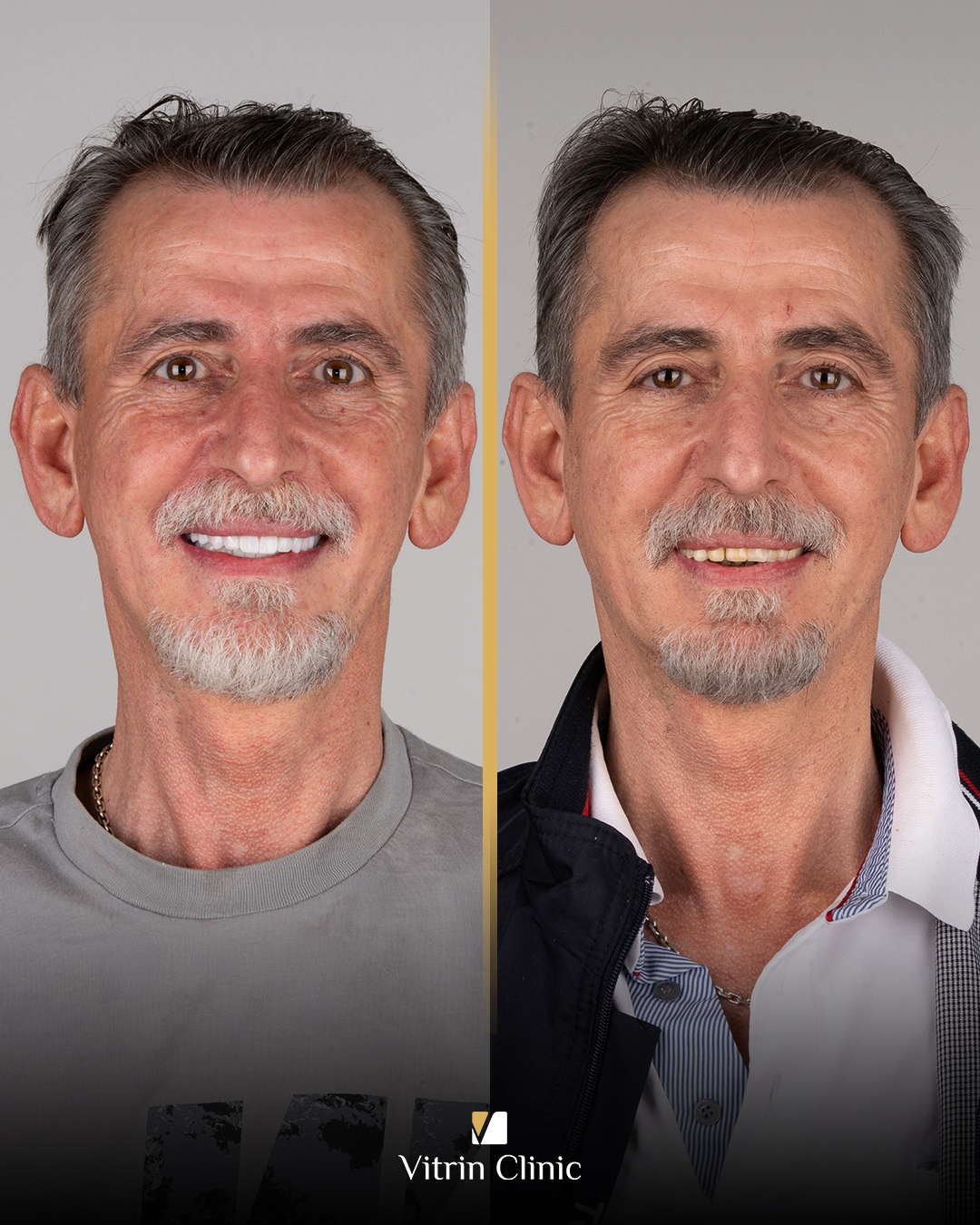
Professional care also allows evaluation of existing fillings, crowns, veneers, decay, and gum conditions. This assessment can prevent inappropriate whitening and unexpected shade mismatches. The American Dental Association recognizes in-office bleaching and dentist-supplied home products among established whitening approaches. In many countries, higher-concentration whitening products are restricted to dental professionals. This regulation reflects the need for trained handling and soft-tissue protection. At Vitrin Clinic, whitening planning can form part of a broader cosmetic treatment plan. The clinic can coordinate whitening with other planned dental procedures.
What Is At-Home Teeth Whitening?
At-home whitening allows patients to apply bleaching materials outside the dental office. Products may include strips, trays, gels, pens, or toothpaste. Dentist-provided home whitening differs from retail products in concentration, fit, and supervision. Custom trays can improve gel contact and reduce unnecessary exposure to the gums.
Treatment commonly requires repeated applications over several days or weeks. Results therefore develop more gradually than many in-office protocols. Many patients appreciate that gradual change because it feels more natural. NHS guidance explains that dentists can prescribe home kits containing whitening gel and fitted trays. The dentist should assess oral health before treatment begins. The phrase professional teeth whitening vs at home can mislead, because dentists also supervise home treatment. The real distinction is often supervised versus unsupervised whitening.
What Is Dentist-Supervised At-Home Whitening?
Dentist-supervised whitening combines home convenience with professional treatment planning. The dentist first assesses the teeth and identifies suitable candidates. Custom trays are usually made from impressions or digital scans of the patient's teeth. Professional gel is then supplied with written instructions for use.
The dentist can adjust application schedules when sensitivity develops. Follow-up visits can also assess progress and compare tooth shade against the baseline record. This approach may suit patients who prefer gradual changes. It can also provide more treatment control than unsupervised retail products. Trays can often be reused later for short maintenance courses. That reuse may reduce long-term maintenance costs for some patients.
How Do Whitening Gels Actually Lighten Teeth?
Whitening gels commonly use hydrogen peroxide or carbamide peroxide. These ingredients interact with colored compounds within tooth structures. Hydrogen peroxide acts as an oxidizing agent. Carbamide peroxide breaks down and releases hydrogen peroxide during use.
The resulting chemical activity changes the appearance of chromogenic compounds. Large pigmented molecules break into smaller, less visible fragments. This can make teeth appear lighter. The ADA notes that peroxide can pass through enamel and dentin during bleaching. The effectiveness depends on concentration, exposure, stain type, and treatment protocol. The same chemistry applies to both sides of the professional teeth whitening vs at home comparison. The differences lie mainly in concentration, contact time, and supervision.
Hydrogen Peroxide vs Carbamide Peroxide
Hydrogen peroxide acts directly as the active bleaching agent. Carbamide peroxide decomposes into hydrogen peroxide and urea. As a rough guide, carbamide peroxide releases about one third of its concentration as hydrogen peroxide. It also releases peroxide more slowly, which suits longer tray wear.
The two agents are used in different concentrations and schedules. Therefore, percentage values should not be compared without considering the formulation. A 2024 systematic review found limited evidence that 37% carbamide peroxide could produce similar in-office effects to 35% hydrogen peroxide. The review also suggested less sensitivity with carbamide peroxide. However, researchers called for better clinical trials. Your dentist can explain which agent suits your teeth and schedule.
Professional Teeth Whitening vs At Home: How Do the Results Compare?
Results depend on the original shade, stain type, concentration, contact time, and treatment adherence. In-office bleaching commonly produces a visible change within a shorter appointment schedule. Home whitening develops progressively through repeated applications.
Evidence does not support assuming that clinic treatment always produces a superior final shade. A 2025 meta-analysis found no significant difference in shade-guide efficacy between approaches. The important comparison concerns speed, control, sensitivity, convenience, and predictability. For many patients, the professional teeth whitening vs at home question is about route, not destination. Both routes can reach a similar shade when the teeth are suitable. The subsections below compare speed, visible change, treatment length, and longevity.
Which Option Whitens Teeth Faster?
In-office whitening is generally faster because professional products can use higher concentrations. Treatment can be completed during one or several scheduled appointments. At-home treatment requires repeated applications. The overall timeline depends on the prescribed gel and wearing schedule.
NHS guidance describes surgery-based whitening as quicker than dentist-prescribed home kits. Patients with an upcoming event may therefore prefer shorter treatment scheduling. Speed is often the deciding factor in the professional teeth whitening vs at home choice. A dentist should still confirm that rapid whitening is appropriate. Some patients start in the clinic and finish with trays at home.
Which Option Produces More Noticeable Whitening?
Both professional and home whitening can produce noticeable changes on suitable natural teeth. The starting shade strongly affects the visible outcome. Teeth that begin darker may show a larger measurable change. Teeth that are already light may show only a subtle difference.
Yellowish discoloration often responds more predictably than some gray or complex intrinsic stains. Restorations will not change color through conventional external bleaching. The ADA states that only natural teeth respond to bleaching. Crowns, veneers, and other tooth-colored restorations remain at their existing shade. Asking which option is stronger rarely settles the choice. Asking which option suits your stain type gives a more useful answer.
How Long Does Professional Whitening Take?
Treatment time depends on the product, protocol, baseline shade, and clinical goals. Many in-office sessions can be completed during a single appointment. A typical visit often lasts one to two hours, including preparation. The appointment includes shade recording and soft-tissue protection. The whitening agent is then applied according to the selected protocol.
Some patients need more than one session. Complex discoloration may require staged treatment. Dentists often leave several days between sessions to let sensitivity settle. At Vitrin Clinic, timing should be based on assessment rather than a fixed promise. International patients can then plan treatment around their travel itinerary.
How Long Does At-Home Whitening Take?
Home whitening commonly requires repeated applications over days or weeks. Exact schedules vary according to the product and prescribed concentration. Many dentist-supervised programs run for around two to four weeks. Custom professional trays may be worn during daytime or nighttime periods. Patients should follow the dentist's written instructions.
Retail strips follow the manufacturer's schedule. Using extra gel or extending wearing time can increase irritation without guaranteeing better results. Missed applications simply lengthen the program rather than ruining it. Time is a central factor when weighing professional teeth whitening vs at home. Home treatment trades speed for flexibility and gradual control.
How Long Do Teeth Whitening Results Last?
Whitening is not permanent because teeth can accumulate new staining. Diet, tobacco exposure, oral hygiene, and age can affect maintenance. A 2023 systematic review reported that many studies found color stability between one and 2.5 years. Severe discoloration showed greater recurrence.
Some slight shade rebound is also common in the first weeks after bleaching. This happens as the teeth rehydrate and settle. Maintenance may include occasional professional or dentist-supervised touch-ups. Individual relapse patterns vary considerably. Good oral hygiene and professional cleaning can help control surface staining. Longevity does not clearly favor either side of the professional teeth whitening vs at home debate. Your daily habits usually matter more than the method.
Read about Alveolar Ridge Preservation After Tooth Extraction
Professional Teeth Whitening vs Strips: What Is the Difference?
Whitening strips are widely available over the counter. Professional treatment involves dental assessment, controlled materials, and clinical supervision. Strips can be useful for mild external staining. Their effectiveness depends on the formulation, fit, peroxide concentration, and treatment schedule.
Professional treatment can address treatment suitability before bleaching begins. It also provides more control when sensitivity or uneven discoloration occurs. The ADA recognizes whitening strips among OTC whitening options. Products carrying its Seal have demonstrated safety and efficacy requirements when used as directed. Strips are the most common retail product in the professional teeth whitening vs at home discussion. Understanding their limits helps set realistic expectations.
Are Whitening Strips Effective?
Whitening strips can lighten natural teeth when used correctly. Their effect is usually more gradual than in-office treatment. Evidence also suggests strips can outperform some whitening toothpastes. A systematic review found whitening toothpastes less effective than strips for whitening outcomes.
Strips cannot change the color of crowns, veneers, or fillings. They also may not correct deep intrinsic discoloration. Flat strips may not reach crowded, rotated, or back teeth evenly. This can leave uneven shade patches between neighboring teeth. Patients should follow application instructions carefully. Excessive use can increase sensitivity or gum irritation.
How Do Professional Whitening Treatments Differ From Whitening Strips?
Professional treatment begins with clinical evaluation. This step can identify conditions that should be treated before bleaching. Professional systems may use stronger formulations and controlled application. Dentists can also protect gingival tissues during treatment.
Strips are self-applied and usually use lower concentrations. Fit can be less precise, allowing gel contact with the gumline. The difference is therefore not simply product strength. Supervision, diagnosis, application control, and treatment planning are also important. Within professional teeth whitening vs at home comparisons, strips sit at the least supervised end. Custom trays sit between strips and in-office treatment.
Professional Teeth Whitening vs Over-the-Counter Products
Over-the-counter products include strips, toothpaste, gels, rinses, and paint-on products. They generally use lower peroxide concentrations than professional treatments. In the UK and European Union, retail products are limited to very low hydrogen peroxide levels. Higher concentrations must be supplied through dental professionals.
A professional approach involves assessment before treatment. It can also identify restorations, decay, sensitivity, or gum problems. Research suggests OTC products can change tooth shade, especially when external stains are present. Evidence quality varies substantially between product categories. Retail products form a separate branch of the professional teeth whitening vs at home comparison. They offer convenience but little personalized guidance.
What Should You Know About Whitening Toothpaste, Pens, and Gels?
Whitening toothpaste mainly removes surface stains through cleaning agents and mild abrasives. It does not necessarily bleach deep internal discoloration. A 2025 systematic review found whitening toothpastes reduced the area and intensity of extrinsic stains. However, the included studies showed substantial methodological variation.
Whitening pens and paint-on gels have less consistent evidence. Application thickness can also vary between users. Saliva may dilute or remove the product before it acts fully. Some toothpastes contain blue covarine, which creates a temporary optical whitening effect. These products may support maintenance but should not replace necessary dental evaluation. They work best after a professional cleaning removes existing surface deposits.
See the risks of Purposely Avoiding Dental Checkups and Tooth Loss
In-Office Teeth Whitening vs At-Home Kits
In-office whitening is performed in a controlled clinical environment. At-home kits allow patients to complete treatment independently. The choice often reflects the desired pace and level of convenience.
A 2025 systematic review found similar overall efficacy between in-office and at-home bleaching. It also found lower sensitivity intensity with at-home treatment in the analyzed studies. This section looks closely at how each option works in practice. It also covers treatment time, patient control, and combined protocols. These details sit at the heart of professional teeth whitening vs at home planning.
How Does In-Office Whitening Work?
The dentist first evaluates the teeth and gums. Shade is then recorded with a shade guide or digital device. Protective measures are used to reduce soft-tissue contact with whitening materials. These often include a light-cured gum barrier, cheek retractors, and lip protection.
The whitening gel is applied for controlled periods. The protocol may involve several applications during the appointment. Some systems use a light or lamp, though evidence for its added benefit is mixed. The dentist monitors discomfort and can modify treatment when necessary. This control distinguishes clinical whitening from unsupervised application. A final shade reading shows the immediate change.
How Does a Professional Home Whitening Kit Work?
A professional home kit usually includes fitted trays and dentist-selected whitening gel. The patient applies the gel according to a personalized schedule. Only a small drop is usually needed for each tooth space in the tray.
The trays are designed to contact the teeth while limiting excess gel movement. Proper fitting can help reduce gum exposure. Any gel that squeezes onto the gums should be wiped away. The dentist may recommend changing frequency when sensitivity develops. Follow-up also allows assessment of tooth color and treatment response. This supervised model is the fairest home comparison within professional teeth whitening vs at home discussions.
Which Option Requires More Treatment Time?
In-office whitening generally requires less calendar time. At-home treatment spreads applications across multiple days or weeks. Appointment time is different from total treatment time. Home treatment may require little chair time but more personal routine.
Busy patients should consider both factors. Travel schedules can also influence which option is practical. A patient who travels often may struggle with nightly tray routines. Another patient may find one long clinic appointment harder to arrange. Time planning is therefore personal in any professional teeth whitening vs at home decision.
Which Option Gives You More Control Over Treatment at Home?
Home treatment provides daily control over when whitening occurs. Patients can often pause treatment when sensitivity develops. They can also stop once they reach a shade they like.
However, control also creates responsibility. Overuse, excessive gel, or longer wearing times can cause unnecessary irritation. Some patients chase an unrealistically bright shade and whiten too often. A dentist-supervised kit offers greater control than unsupervised retail products. Patients can also receive professional adjustments when needed. Control is a genuine advantage on the home side of professional teeth whitening vs at home. It works best when paired with clear professional limits.
When Might a Dentist Recommend a Combination Approach?
Combination treatment may be considered when faster initial whitening is desired. Home trays can then support gradual maintenance. This approach can also help manage shade refinement after an in-office session. The exact protocol depends on clinical findings.
Combination treatment should not be assumed necessary for every patient. A shorter or simpler protocol may provide adequate results. Combination care shows that professional teeth whitening vs at home is not always an either-or choice. Many patients benefit from elements of both approaches.
Understand the effects of Frequent Snacking and Tooth Decay
Teeth Whitening vs DIY Kits: Are DIY Methods Safe?
DIY whitening ranges from household ingredients to unregulated products. Safety depends heavily on the material, concentration, acidity, abrasiveness, and application method. NHS guidance warns that non-dental whitening services and unsuitable products can harm teeth and gums.
Patients should avoid assuming that natural ingredients are automatically harmless. Dental tissues can be affected by acid and abrasive exposure. Online tutorials often promise fast results without mentioning risks. DIY methods should not be confused with dentist-supervised options in the professional teeth whitening vs at home comparison. They lack both professional oversight and regulated product standards.
What Counts as DIY Teeth Whitening?
DIY methods include household mixtures, homemade trays, concentrated peroxide, and improvised whitening procedures. Some online products may also lack clear ingredient information. Packaging may not provide appropriate clinical instructions. Some imported kits may contain concentrations above local legal limits.
Beauty salons offering whitening without a dental professional also raise concerns. In the UK, whitening is legally considered dentistry and should involve a registered dental professional. A safer approach begins with dental assessment. Patients should choose products intended for oral use and follow professional instructions.
Can Baking Soda, Lemon, Vinegar, or Charcoal Whiten Teeth?
Baking soda can assist with mechanical stain removal in appropriate dental products. Homemade mixtures are different because concentration and abrasiveness are uncontrolled. Lemon and vinegar are acidic. Repeated acid exposure can contribute to enamel erosion.
Charcoal products may remove some surface deposits through abrasion. They do not automatically provide controlled bleaching. Charcoal particles can also lodge around restorations and gum margins. Strawberries, oil pulling, and fruit peels are also popular online. Evidence for meaningful whitening from these methods remains weak. Evidence does not justify using household ingredients as substitutes for professionally assessed whitening.
Why Can Abrasive or Acidic DIY Methods Damage Teeth?
Abrasives can physically remove surface material when used excessively. Acidic substances can soften dental tissues and increase erosion risk. Damage becomes more concerning when exposure is frequent. Brushing immediately after acid exposure can also increase mechanical wear.
Enamel does not grow back once it is lost. Thinner enamel can expose more dentin, which may make teeth look more yellow. This means aggressive DIY methods can worsen the very problem they target. Safe whitening aims to control chemical concentration and contact time. Homemade methods do not provide that level of control.
Are Natural Teeth Whitening Methods Proven to Work?
Evidence is stronger for established peroxide systems than household whitening recipes. Some natural ingredients mainly affect surface stains. A systematic review found whitening toothpaste can reduce extrinsic discoloration. That effect differs from deep chemical bleaching.
Natural labeling should therefore not be interpreted as proof of whitening effectiveness or safety. Patients who prefer gentler options can discuss low-concentration supervised whitening. Professional cleaning alone may also brighten teeth with mainly surface staining. These evidence-based options are safer than experimenting with kitchen ingredients.
What Causes Teeth to Become Yellow or Stained?
Tooth color changes can involve the enamel surface, deeper tooth tissues, or both. Aging can also alter perceived color. The ADA classifies discoloration as extrinsic, intrinsic, or a combination.
Understanding the cause helps determine whether bleaching is appropriate. It also shapes the professional teeth whitening vs at home decision. Surface stains may respond to milder approaches. Deeper discoloration may need longer supervised treatment or alternative procedures.
Extrinsic Tooth Stains
Extrinsic stains develop on the tooth surface. Coffee, tea, tobacco, red wine, and pigmented foods can contribute. Some mouth rinses, such as chlorhexidine, can also cause brown surface staining. Poor oral hygiene can increase visible deposits.
Professional cleaning and stain-removing toothpaste may reduce some surface discoloration. Scaling and polishing alone sometimes produce a noticeably brighter smile. External staining can respond well to conventional whitening. However, deep discoloration requires a different assessment. Your dentist can often recognize extrinsic staining during a routine examination.
Intrinsic Tooth Discoloration
Intrinsic discoloration develops within enamel or dentin. Causes can include developmental conditions, fluorosis, aging, medication exposure, or pulpal changes. Trauma can also cause bleeding inside the tooth, leading to gray or dark discoloration.
Some intrinsic stains respond to bleaching. Others require longer treatment or alternative cosmetic procedures. The ADA notes that tetracycline staining may require several months of treatment. Home trays are often used for these longer programs because they allow extended, gentle exposure. Intrinsic cases benefit most from careful diagnosis before any whitening begins.
Age-Related Tooth Color Changes
Enamel gradually becomes thinner and more translucent with age. This can make the darker underlying dentin more visible. Dentin itself also tends to thicken and darken over time.
Older teeth can therefore appear more yellow or less bright. Surface staining may also accumulate over time. Age alone does not automatically prevent successful whitening. The dentist should evaluate enamel condition, restorations, and discoloration type. Older adults are more likely to have restorations and gum recession. These factors can influence the professional teeth whitening vs at home choice.
Coffee, Tea, Red Wine, Tobacco, and Other Staining Factors
Dark beverages commonly contribute to external staining. Tobacco exposure can also produce substantial discoloration. Colas, curry, soy sauce, berries, and balsamic vinegar may add to surface stains.
Frequent exposure may shorten the time between maintenance treatments. Better oral hygiene can help reduce surface deposits. Patients do not necessarily need complete dietary restriction. Moderation and rinsing with water can reduce prolonged exposure. Drinking dark beverages through a straw may reduce contact with front teeth. Stopping smoking can improve both tooth color and overall oral health.
Why Some Discoloration Does Not Respond Well to External Whitening
Some discoloration originates deep within the tooth. Certain gray, medication-related, developmental, or traumatic changes may respond poorly. White spots can also become visually different after surrounding enamel lightens. Whitening may therefore make some contrasts more noticeable.
When bleaching produces limited improvement, alternative cosmetic treatment may need consideration. Options may include resin infiltration, bonding, veneers, or crowns, depending on the case. A root-treated dark tooth may need internal bleaching instead. Knowing these limits early prevents disappointment and wasted treatment costs.
Explore Electrolyzed Saline and Airborne Bacteria in Dental Procedures
Who Is a Good Candidate for Teeth Whitening?
Good candidates usually have healthy natural teeth and realistic expectations. They should understand the limitations of bleaching. Whitening works only on suitable natural tooth structures. Existing restorations require separate shade planning.
Candidacy matters more than method in the professional teeth whitening vs at home comparison. A suitable candidate can often succeed with either approach. An unsuitable candidate may be disappointed by both. The subsections below cover common questions about eligibility.
Which Teeth Can Be Whitened?
External bleaching can lighten natural teeth. It does not change the shade of crowns, veneers, fillings, or implant restorations. The ADA specifically states that tooth-colored restorations are not whitened by bleaching.
Discolored non-vital teeth may require a different internal bleaching approach. In that technique, whitening material is placed inside the root-treated tooth. Teeth with exposed roots may also respond differently from enamel-covered crowns. Root surfaces lack enamel and can be more sensitive to peroxide. Your dentist can confirm which teeth are likely to respond well.
When Should You Have a Dental Examination Before Whitening?
An examination is recommended before professional bleaching. The dentist checks for decay, cracked teeth, gum disease, and significant sensitivity. The ADA recommends clinical evaluation with radiographs or additional diagnostics when appropriate. NHS guidance similarly advises checking teeth and gums before whitening.
An examination is also wise before using retail products. Undiagnosed problems can turn a cosmetic treatment into a painful experience. Ideally, the check-up should happen a few weeks before whitening. This allows time to treat any problems first. The examination benefits every patient, whichever side of professional teeth whitening vs at home they choose.
Can You Whiten Teeth With Cavities, Gum Disease, or Tooth Sensitivity?
Active dental disease should be evaluated before cosmetic bleaching. Cavities can produce pain that may become confused with whitening sensitivity. Peroxide may also reach the inner tooth more easily through open decay.
Inflamed gums can also react more strongly to peroxide exposure. Existing sensitivity may require modified treatment. Lower concentrations, shorter sessions, or desensitizing agents may be recommended. Leaking fillings may also need replacement before bleaching begins. Treatment suitability should therefore be determined after assessment. Whitening can be postponed until oral-health problems are appropriately managed.
Can Teenagers Have Their Teeth Whitened?
Young patients require additional consideration. The AAPD recommends individualized treatment planning for children and adolescents. It discourages full-arch cosmetic bleaching in mixed and primary dentitions. It also recommends adult supervision for home bleaching products used by young patients.
Young teeth have larger pulp chambers, which may increase sensitivity risk. In the UK and European Union, whitening products are generally restricted for under-18s. Exceptions usually involve treating or preventing disease. Therefore, age alone should not determine treatment. Developmental stage, dental health, and clinical indication are important.
Can Pregnant or Breastfeeding Patients Have Teeth Whitening?
The AAPD discourages dental bleaching during pregnancy. Cosmetic treatment can usually be postponed when it is not medically necessary. Pregnancy-related changes may also affect oral comfort. Pregnancy gingivitis, for example, can make gums more reactive.
Breastfeeding decisions require individualized discussion with the patient's dentist and healthcare professional. Product-specific information should be reviewed before use. Many dentists simply recommend waiting until breastfeeding ends. Routine cleaning and stain removal can often continue safely during this period.
Learn more about Rodent-Borne Disease and Dental Health
Can Crowns, Veneers, Implants, and Fillings Be Whitened?
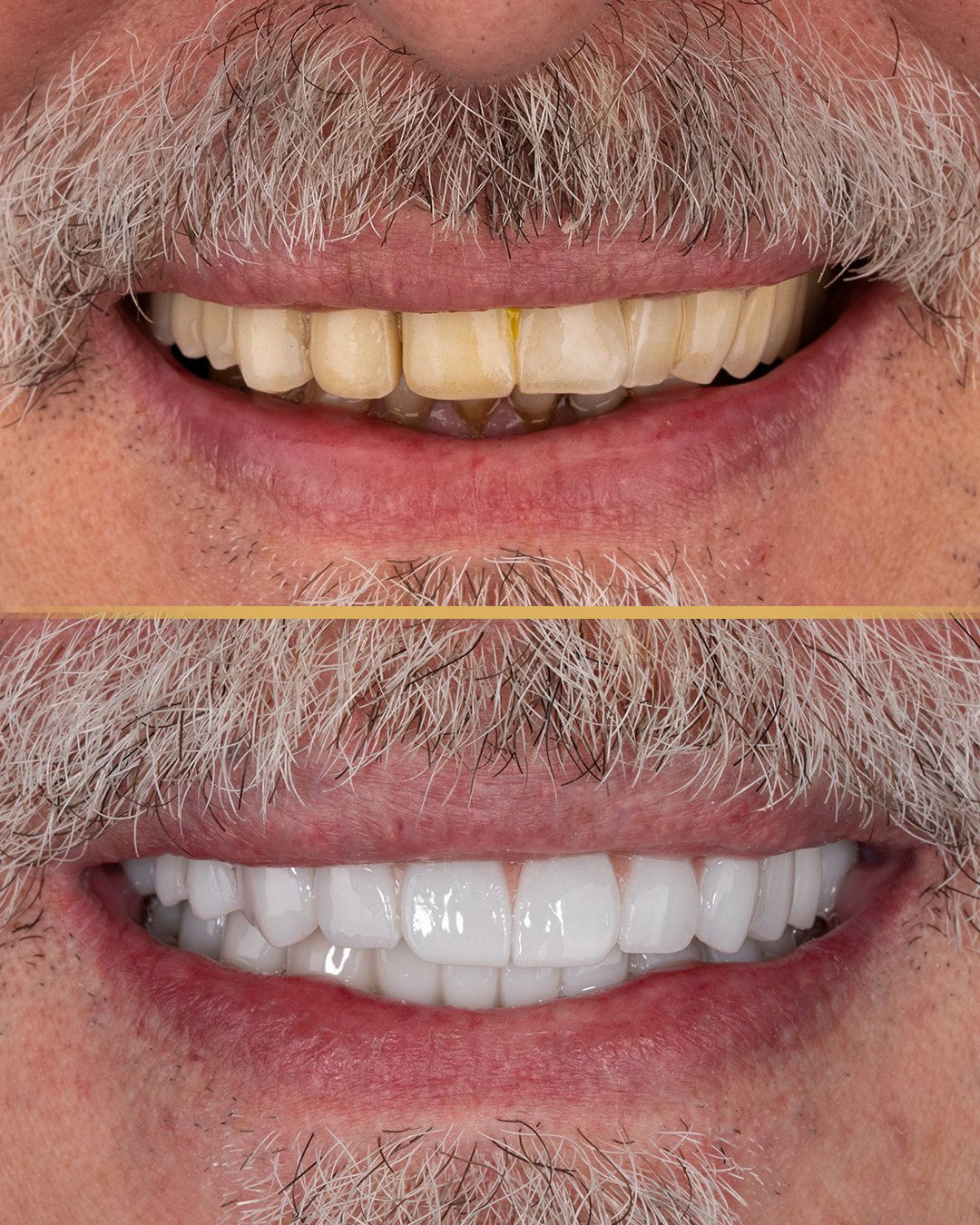
External bleaching changes natural tooth color. It does not bleach ceramic or composite restorations in the same way. This difference can become visible when natural teeth brighten around existing restorations.
Restorations therefore matter in any professional teeth whitening vs at home plan. Patients with several visible restorations may need a combined cosmetic strategy. That strategy may include whitening first, then replacing selected restorations.
Why Whitening Works Differently on Natural Teeth and Restorations
Peroxide bleaching changes tooth tissues through chemical reactions. Ceramic crowns and veneers do not undergo the same bleaching process. Their color is fixed during manufacture. Composite fillings may lose some surface stain but will not truly lighten.
The ADA confirms that crowns, veneers, fillings, and similar restorations will not whiten. This limitation should be discussed before cosmetic whitening. A clear discussion helps patients predict how their smile will look afterward.
Should You Whiten Before Getting Crowns or Veneers?
Whitening is often considered before definitive cosmetic restorations. Establishing the natural tooth shade can help guide the restoration shade. Dentists commonly wait around two weeks after whitening before final shade matching. This allows color to stabilize and bonding strength to recover.
The final sequence depends on the planned treatment. Dentists may coordinate bleaching with veneers, crowns, bonding, or other cosmetic procedures. At Vitrin Clinic, cosmetic treatment planning can incorporate the intended final shade before restorations are fabricated.
What Happens if Your Existing Restoration Is a Different Shade?
The natural teeth may become lighter while the restoration remains unchanged. This can create a noticeable mismatch. The difference may be more obvious on front teeth.
Patients should discuss the visibility of existing restorations before whitening. Replacement, polishing, or new cosmetic treatment may sometimes be considered. Budgeting for possible replacements avoids surprises later. Some patients choose a more modest shade change to keep restorations matching.
How Can Dentists Plan the Final Tooth Shade?
Shade planning involves evaluating current teeth, restorations, and cosmetic goals. Dentists can then choose a sequence for whitening and restorative procedures. Photography and digital planning can support communication. Shade assessment should be completed under suitable lighting conditions.
A planned sequence reduces the risk of selecting a restoration shade before bleaching has stabilized. Patients can also share their preferences about natural or brighter results. Very bright shades may look artificial against some skin tones and gum colors. A balanced plan aims for a result that looks natural and healthy.
Compare options in Traditional Bridge vs Cantilever Bridge
Diagnosis and Assessment Before Teeth Whitening
A dental examination supports safe whitening decisions. It also helps distinguish cosmetic staining from disease-related discoloration. The goal is not simply to choose a whitening product. The goal is to determine why the teeth look darker.
Diagnosis should come before the professional teeth whitening vs at home decision. Once the cause is clear, the choice of method becomes much simpler. The following subsections explain what an assessment usually involves.
What Does a Dentist Check Before Whitening?
The dentist may review tooth color, enamel condition, gum health, decay, restorations, fractures, and sensitivity. Medical and dental history can also help identify possible causes of discoloration. The ADA recommends history-taking and appropriate screening before bleaching.
The dentist may ask about medications, previous trauma, and past whitening. They may also ask about diet, smoking, and oral hygiene habits. A baseline shade is usually recorded for later comparison. This record helps both patient and dentist judge progress objectively.
How Are Existing Stains and Tooth Discoloration Evaluated?
Evaluation considers color, location, duration, symmetry, and likely cause. Surface deposits may differ clearly from internal discoloration. The dentist may also assess whether one tooth is darker than neighboring teeth. A single dark tooth may require additional investigation.
Bands, spots, and patches can suggest developmental or medication-related causes. Generalized yellowing often reflects aging or diet. Gray tones may indicate deeper intrinsic changes. This pattern recognition helps predict how well bleaching will work.
When Are X-Rays or Digital Dental Scans Clinically Appropriate?
Imaging is not automatically required for every cosmetic whitening case. It is used when clinical findings justify additional assessment. X-rays can help investigate decay, previous treatment, trauma, or other concerns.
Digital scans may support restorative planning rather than whitening alone. A scan can also help fabricate accurate custom whitening trays. Radiation exposure from dental X-rays is low, but imaging should still be justified. At Vitrin Clinic, digital diagnostics are used when clinically appropriate for the patient's treatment needs.
How Does Oral Health Affect Whitening Treatment?
Healthy teeth and gums provide a better foundation for cosmetic treatment. Untreated disease can increase discomfort or complicate the treatment sequence. Gum inflammation can also increase exposure to whitening materials. Decay may cause symptoms unrelated to bleaching.
A dentist may therefore recommend treating oral-health concerns first. A professional cleaning before whitening also removes plaque and tartar. This allows the gel to contact the tooth surface more evenly. Good oral health improves results on both sides of professional teeth whitening vs at home.
Why Should Existing Restorations Be Documented Before Whitening?
Restorations do not respond like natural teeth. Documentation helps predict potential shade differences after bleaching. Photos, shade records, and dental records can support future restoration planning.
This information becomes particularly valuable for front-tooth cosmetic dentistry. It also helps if you later see a different dentist. Clear records reduce guesswork and support consistent long-term results.
Side Effects of Professional and At-Home Teeth Whitening
Temporary sensitivity and gum irritation are the most common adverse effects of vital tooth whitening. The risk depends on peroxide concentration, contact time, treatment design, and individual factors.
Side effects appear on both sides of the professional teeth whitening vs at home comparison. Their intensity and management can differ, however. Most effects are mild and short-lived when treatment is well planned.
Is Tooth Sensitivity Normal After Whitening?
Sensitivity is common after bleaching. It often appears during treatment or shortly afterward. The ADA reports that mild or moderate sensitivity can affect up to two-thirds of users during early bleaching stages.
Patients often describe short, sharp twinges that come and go. These sensations usually pass within seconds. Symptoms are usually temporary. Persistent or severe pain needs dental assessment.
Can Whitening Cause Gum Irritation?
Peroxide can irritate gingival tissue when it contacts the gums. Poor tray fit and excessive gel can increase this risk. Irritation may appear as whitening, redness, or tenderness of the gum edge. It usually settles within a day or two.
Professional treatment includes measures to reduce unwanted exposure. At home, patients should use only the recommended amount. Wiping excess gel away immediately also helps protect the gums.
How Long Can Whitening Sensitivity Last?
Sensitivity commonly improves after treatment stops. The duration differs between patients. The ADA notes that sensitivity from strips or trays may begin after two or three days. It usually resolves shortly after treatment ends.
After in-office whitening, sensitivity often peaks within the first day. Long-lasting symptoms should not be automatically attributed to whitening. Pain lasting more than a few days deserves a dental check.
What Factors Increase the Risk of Sensitivity?
Higher peroxide concentrations can increase sensitivity risk. Longer contact times can also increase discomfort. Existing sensitivity, enamel wear, exposed dentin, and aggressive treatment schedules may contribute. Gum recession and cracked teeth can raise risk as well.
A dentist can modify treatment intensity when sensitivity becomes problematic. Sensitivity risk often shapes the professional teeth whitening vs at home choice for anxious patients. Knowing your risk factors helps you choose a comfortable protocol.
Can Overusing Whitening Products Damage Teeth or Gums?
Excessive whitening can increase irritation without guaranteeing better results. Repeated unsupervised exposure may also affect dental tissues. The ADA notes concerns regarding aggressive bleaching and possible changes to enamel surfaces.
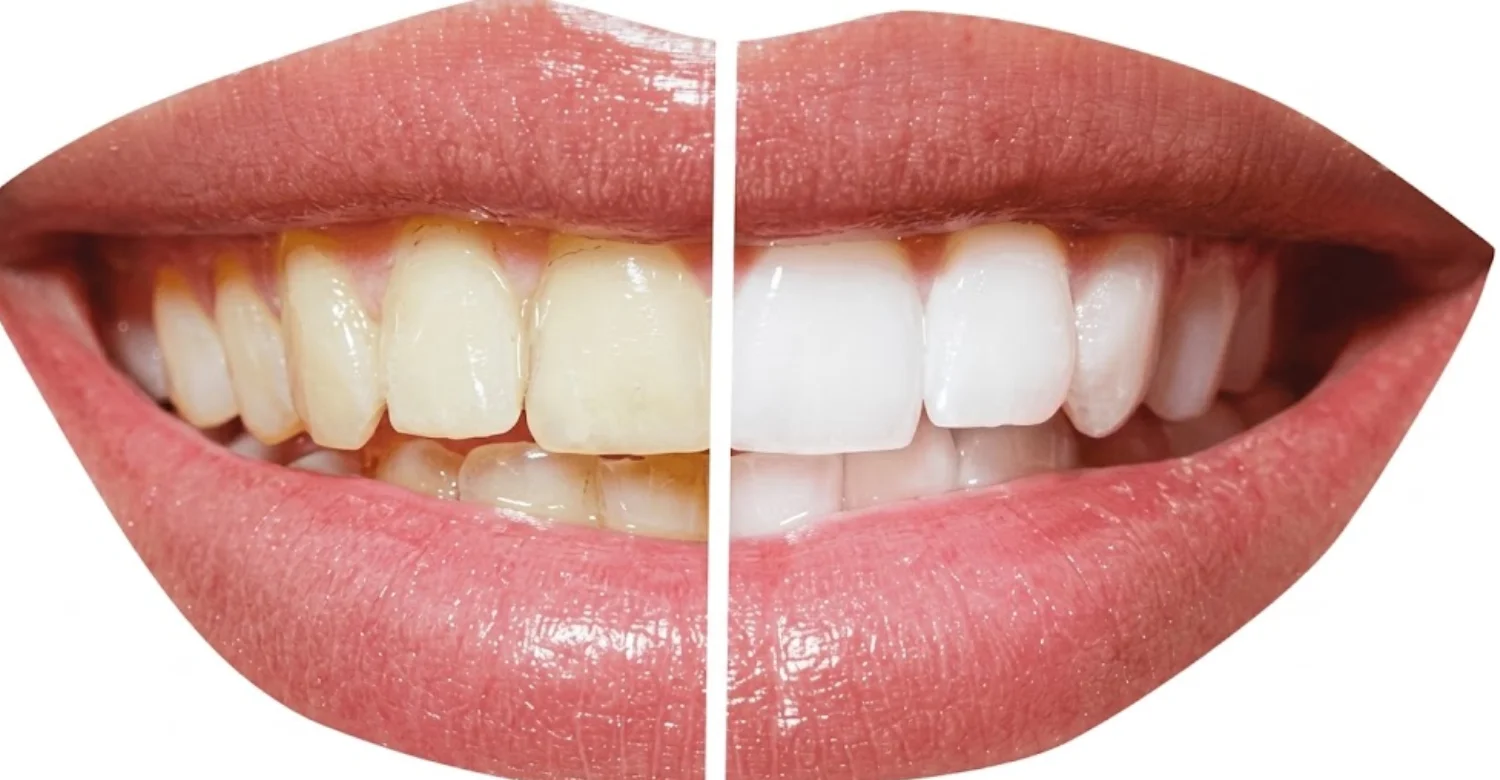
Over-bleached teeth can sometimes appear chalky or translucent at the edges. Teeth also reach a natural limit beyond which little further lightening occurs. Patients should never assume that longer exposure means better whitening.
Note : All images used are for editorial and illustrative purposes only and may not originate from the original news provider or associated company.
Find the differences in Root Canal vs Apicoectomy
Relief and Medical Tips for Whitening Sensitivity
Sensitivity management focuses on reducing triggers and controlling further peroxide exposure. Treatment should be modified when symptoms become significant. A dentist can recommend a suitable strategy based on the patient's findings.
Simple steps often bring quick relief. The following tips apply to both clinic and home treatment.
What Can Help Relieve Temporary Tooth Sensitivity?
Reducing whitening frequency may help. Patients can also avoid very cold or very hot foods temporarily. Desensitizing toothpaste may reduce post-bleaching symptoms. A 2024 systematic review found benefit from desensitizing toothpaste in several clinical studies.
Toothpastes containing potassium nitrate are commonly used for this purpose. Some patients start using them one to two weeks before whitening. Dentists may also apply fluoride varnish or desensitizing gels. Skipping a day or two between applications often allows symptoms to settle.
How Can Patients Reduce Gum Irritation?
Patients should use only the recommended quantity of whitening gel. Excess material can migrate onto the gums. Well-fitting trays can also reduce unwanted contact.
Gum irritation should improve after the causative exposure stops. Rinsing gently with water after each session can help. Avoiding spicy or acidic foods may ease tenderness temporarily. Persistent burning or tissue changes should be assessed by a dentist.
What Should You Avoid Immediately After Whitening?
Highly pigmented foods can contribute to new external staining. Extremely hot or cold foods can also trigger temporary sensitivity. Patients may prefer lighter-colored foods during the immediate post-treatment period.
Many dentists suggest limiting coffee, tea, red wine, and smoking for at least 48 hours. Following the dentist's instructions remains more important than following informal diet lists.
When Should You Stop Whitening and Contact Your Dentist?
Stop treatment when severe pain, persistent gum irritation, unusual swelling, or significant discomfort develops. A darkened single tooth also deserves evaluation rather than repeated bleaching. Persistent sensitivity may indicate an underlying problem.
Blistering, bleeding, or white patches on the gums also warrant a call. Patients should not continue a cosmetic treatment despite unexplained symptoms. Early advice usually allows a simple adjustment rather than stopping treatment entirely.
What We Notice Clinically
Clinical experience often shows that patients focus heavily on speed and visible shade. Tooth suitability can receive less attention. Many patients arrive having already decided on a method.
The observations below reflect common patterns in cosmetic consultations. They help explain why the professional teeth whitening vs at home decision needs clinical input.
Fast results can seem attractive before weddings, travel, photos, or social events. However, speed does not determine whether treatment is appropriate. A suitable protocol should consider oral health first.
A slower method may sometimes provide adequate results with fewer symptoms. Planning whitening several weeks before an event reduces pressure. This allows time for assessment, adjustment, and shade settling.
Why Patients Often Choose Speed Over Treatment Suitability
Why the Same Whitening Method Can Produce Different Results
Patients begin with different tooth colors and stain causes. Enamel thickness, diet, restorations, and previous dental treatments also vary. Therefore, identical products can produce different outcomes.
Treatment instructions and adherence further affect the result. Two friends using the same kit may therefore see very different changes. Comparing results online can create unrealistic expectations.
Why Existing Crowns and Veneers Can Affect the Final Smile Shade
Natural teeth can lighten while restorations remain unchanged. This difference can become obvious after bleaching. Patients with visible restorations should discuss shade coordination before treatment.
In some cases, whitening leads to planned restoration replacement. In other cases, a modest shade change keeps the smile consistent. Discussing both options early helps patients budget realistically.
Common Misconceptions About Stronger Whitening Gels
A stronger gel does not automatically produce a better final outcome. Higher concentration can also increase sensitivity risk. Lower concentrations used for longer can reach similar results with more comfort.
The treatment goal should be an appropriate shade change with controlled exposure. Strength is only one factor in professional teeth whitening vs at home comparisons. Contact time, fit, and supervision matter just as much.
Why Sensitivity Does Not Automatically Mean Whitening Has Damaged the Teeth
Temporary sensitivity can occur because peroxide reaches deeper tooth structures. This does not automatically indicate permanent damage. The ADA identifies sensitivity as a common temporary adverse effect.
The nerve usually recovers once exposure stops. However, severe or persistent pain requires evaluation. Reporting symptoms early helps the dentist adjust treatment safely.
Clinical Note
Whitening should be treated as a clinical procedure rather than a simple cosmetic purchase. The diagnosis, product concentration, treatment sequence, and restoration status all matter.
A thoughtful plan protects both comfort and long-term oral health. Framing whitening this way changes the professional teeth whitening vs at home question. The better question becomes which supervised plan fits your teeth.
Dr. Rifat Alsaman’s Clinical Perspective on Choosing Professional vs At-Home Whitening
Dr. Rifat Alsaman, Head of the Medical Team at Vitrin Clinic and cosmetic dentist, emphasizes individualized assessment. The appropriate method depends on tooth condition, discoloration type, sensitivity, and cosmetic objectives.
Professional whitening may suit patients seeking a controlled clinical session. Dentist-supervised home whitening may suit patients preferring gradual treatment. The final decision should follow an examination rather than a product advertisement. The sections below apply this principle to common patient situations.
How to Choose Between Professional Whitening and At-Home Whitening
The choice should reflect oral health, timeline, convenience, budget, and desired treatment control. No single factor should decide the outcome alone. A practical way to approach professional teeth whitening vs at home is to rank your priorities. Consider whether speed, comfort, cost, or control matters most. Then discuss those priorities with your dentist after an examination.
Which Option May Suit Patients Seeking Faster Results?
In-office treatment generally offers faster scheduling. It can be useful before time-sensitive cosmetic events. However, faster treatment is not appropriate for every patient.
The dentist should determine whether rapid bleaching is suitable. Patients with existing sensitivity may need a slower plan despite time pressure. Booking early keeps both options open.
Which Option May Suit Patients Who Prefer Gradual Whitening?
Dentist-supervised home whitening offers gradual application. Patients can complete treatment around their normal daily routines. This approach may also allow easier adjustment when mild sensitivity occurs.
Gradual whitening also lets patients stop at their preferred shade. Friends and colleagues may notice a natural change rather than a sudden one. For many people, this subtlety is a key benefit.
Which Option May Be More Appropriate for Patients With Sensitivity Concerns?
Sensitivity concerns should be discussed before bleaching. A dentist may modify concentration, wearing time, or treatment frequency. The 2025 meta-analysis found lower sensitivity intensity with at-home bleaching. However, it found no significant difference in sensitivity risk.
In practice, sensitivity-prone patients often start with lower-concentration home gels. For these patients, professional teeth whitening vs at home becomes a question of comfort first. Desensitizing measures can support either approach.
How Should Budget, Treatment Time, and Convenience Be Compared?
In-office treatment generally involves greater professional oversight and shorter appointment-based scheduling. Home treatment may reduce clinic time but requires patient adherence. Retail products may cost less but provide less clinical supervision.
Consider the full cost, including examination, cleaning, and future maintenance. Reusable custom trays can lower the cost of later touch-ups. Budget comparisons in professional teeth whitening vs at home should look beyond the first price. Value depends on results, comfort, and how long they last.
Why Individual Assessment Matters More Than Choosing a Method From Price Alone
A low-cost product may not address the cause of discoloration. An expensive treatment may also be unnecessary for mild surface staining. The correct comparison begins with diagnosis.
Price becomes more meaningful after treatment suitability is established. Sometimes a professional cleaning alone achieves the desired improvement. In other cases, veneers or bonding may be the only effective option. Assessment prevents spending money on the wrong treatment.
How Much Does Professional Teeth Whitening Cost?
Prices vary by country, clinic, technology, treatment protocol, and included services. The figures below are approximate planning figures rather than fixed quotes. A clinical examination may change the recommended treatment and final price.
Cost is often the first question in the professional teeth whitening vs at home comparison. However, price should be read alongside suitability, supervision, and maintenance needs.
Teeth Whitening Cost in Turkey vs USA vs UK
Treatment | Turkey | USA | UK |
Professional in-clinic whitening | From ~$100 | ~$400–1,000 | ~$380–1,015 |
Professional home whitening kit | From ~$50 | ~$200–500 | ~$220–510 |
Combination in-clinic + home maintenance | From ~$130 | ~$600–1,200 | ~$635–890 |
Published 2026 UK pricing data shows meaningful variation between dental practices. One current comparison reported a $380 median for professional whitening. Another reported typical dentist home whitening at $250–$500. Current Istanbul clinic pricing also varies by technique and provider. One Istanbul source reports professional sessions beginning around 9,000 TL.
What Is the Average Cost of Teeth Whitening in Turkey?
Turkey commonly has lower advertised cosmetic dentistry prices than many Western markets. However, clinic pricing varies considerably. A published Istanbul source reported professional whitening beginning around 9,000 Turkish lira in 2026.
Exchange rates can also change the price in your home currency. Travel-related costs should be considered separately. Accommodation, transportation, examinations, and additional procedures may affect the total budget. Comparing the full trip cost gives a more accurate picture than the treatment price alone.
What Factors Change the Cost of Teeth Whitening?
The treatment method is only one part of the quote. The clinical assessment and additional services can also affect pricing. Location, clinic reputation, and the dentist's experience can influence fees as well. The main factors are outlined below.
Whitening Method and Number of Sessions
In-office whitening may cost more than a basic home program. Multiple appointments can increase the total treatment cost. Stubborn intrinsic stains may need additional sessions or extended tray use.
Professional Gel and Whitening Technology
Different systems use different formulations and protocols. The selected technology may therefore influence the final quote. Branded systems with lights or special gels often cost more. Higher cost does not always mean better results.
Dental Examination and Oral-Health Requirements
Cavities, gum disease, or other concerns may need treatment before whitening. Those services can add to the overall cost. A pre-whitening cleaning is often recommended and may be charged separately.
Additional Maintenance or Combination Treatments
Combination treatment may include take-home trays or maintenance gel. Cosmetic procedures performed alongside whitening can also change the total quote. Ask how much refill gel costs for future touch-ups.
Is Teeth Whitening in Turkey Different From Whitening in the USA or UK?
The basic bleaching principles are similar internationally. Hydrogen peroxide and carbamide peroxide remain common whitening agents. Differences usually involve pricing, clinic protocols, product systems, regulation, and included services.
Regulatory limits on product concentration also differ between countries. International patients should evaluate the dentist's qualifications and treatment plan. A low advertised price should not replace clinical due diligence. The professional teeth whitening vs at home principles remain the same wherever you are treated.
What Should Be Included in a Teeth Whitening Quote?
Ask whether the quote includes examination, whitening materials, protective measures, trays, follow-up, and maintenance products. Clarify whether additional appointments are included. Also ask whether treatment of pre-existing dental problems costs extra.
Check whether desensitizing products are provided. Confirm how aftercare questions will be handled once you return home. A written quote makes international treatment planning easier.
Teeth Whitening in Turkey: What Should International Patients Know?
International patients need more than a whitening price. They need clear information about consultation, treatment timing, aftercare, and communication. Language support and remote follow-up can make a meaningful difference.
The professional teeth whitening vs at home choice also changes when you travel for treatment. In-office care fits a short visit, while home trays continue after departure.
What Is Involved in Professional Teeth Whitening in Turkey?
Treatment commonly begins with a dental consultation. The dentist evaluates tooth color and oral health before whitening. The planned treatment may then involve in-office bleaching, home trays, or a combination.
Patients may also receive a cleaning before bleaching begins. Custom trays can often be made during the same visit. At Vitrin Clinic, international patients can receive coordinated consultation and treatment planning.
What Should You Check Before Choosing a Teeth Whitening Clinic in Turkey?
Check the dentist's qualifications, clinic credentials, treatment plan, and follow-up arrangements. Ask which whitening system will be used. Confirm what the quoted price includes.
International patients should also clarify communication arrangements and appointment timing. Independent patient reviews and before-and-after photos can offer useful context. Be cautious of prices that seem far below local averages.
Teeth Whitening in Istanbul: What Should Patients Ask During a Consultation?
Ask what is causing the discoloration. Ask whether restorations will become visibly different after whitening. Discuss sensitivity history and the expected treatment schedule. Ask whether home maintenance is recommended.
Request a written plan when treatment includes multiple cosmetic procedures. Also ask what realistic shade change to expect. A good consultation leaves you with clear answers rather than sales pressure.
How Should International Patients Plan Whitening Around Their Travel Schedule?
In-office whitening may fit easily into a short visit. Home treatment can continue after returning home. Patients should allow enough time for assessment and treatment adjustments.
Leaving a spare day before departure allows time to manage any early sensitivity. Patients should also receive clear aftercare instructions before traveling. Written instructions are easier to follow once you are back home.
Teeth Whitening Treatment at Vitrin Clinic
Vitrin Clinic approaches cosmetic whitening as part of individualized smile planning. The exact treatment depends on clinical findings and the patient's goals. Patients receive guidance on whether clinic, home, or combined whitening suits them best.
This approach reflects the view that whitening is a clinical decision. The subsections below outline how assessment and planning are handled.
How Vitrin Clinic Assesses Tooth Color and Whitening Suitability
Assessment considers current tooth shade, discoloration pattern, restorations, gum condition, and sensitivity history. The goal is to determine whether external whitening is appropriate.
Alternative treatment may be discussed when bleaching cannot address the underlying concern. This helps patients avoid treatments unlikely to meet their expectations.
Professional Teeth Whitening Options Available at Vitrin Clinic
Vitrin Clinic can plan professional whitening within a broader cosmetic dentistry pathway. The appropriate protocol depends on the patient's examination. Whitening may be coordinated with other aesthetic treatments when clinically suitable.
Treatment details should be confirmed during consultation. Patients can then weigh professional teeth whitening vs at home options with clear clinical advice.
Why Whitening May Be Planned Before Veneers or Crowns
Whitening can establish a lighter natural tooth shade before restorative shade selection. This sequence may help coordinate visible restorations. The dentist determines the appropriate timing according to the planned restorative treatment.
A short waiting period usually follows whitening before final shade matching. This allows the tooth color to settle.
How the Final Tooth Shade Can Be Considered During Cosmetic Treatment Planning
Shade planning can include natural teeth, existing restorations, and planned restorations. Digital photography and smile planning may support communication. The objective is consistent treatment sequencing. This becomes especially important for visible front teeth.
How Vitrin Clinic Supports Your Treatment Journey
Vitrin Clinic combines cosmetic dental planning with an international patient workflow. Each stage aims to keep treatment clear, coordinated, and clinically appropriate.
Initial Consultation and Individual Treatment Assessment
The consultation focuses on dental findings, cosmetic goals, and treatment suitability. The dentist can explain available treatment pathways and expected sequence. Patients can raise questions about sensitivity, timing, and cost.
Digital Diagnostics When Clinically Appropriate
Digital X-rays, CBCT, and 3D intraoral scanning may be used when clinically appropriate. These tools support diagnosis and treatment planning. They are not automatically necessary for every whitening patient.
Personalized Whitening and Cosmetic Treatment Planning
Treatment planning can account for desired shade, restorations, sensitivity, and future cosmetic procedures. This reduces the risk of treating whitening as an isolated procedure.
Coordination of Whitening With Veneers, Crowns, or Other Treatments
Whitening may be scheduled before cosmetic restorations. The sequence depends on the restorative plan and tooth condition. Vitrin Clinic can coordinate related treatment planning for international patients.
Follow-Up and Aftercare Guidance
Aftercare instructions can address sensitivity, food choices, hygiene, and maintenance. Patients should follow their dentist's instructions and report persistent symptoms. Clear aftercare supports lasting results after patients return home.
Tips for Patients
Small preparation steps can make whitening more comfortable and predictable. The tips below apply to clinic, home, and combined treatment.
What Should You Do Before Teeth Whitening?
Complete a dental examination first. Treat active decay, gum inflammation, or other problems before cosmetic bleaching. Discuss any history of tooth sensitivity.
Tell your dentist about existing crowns, veneers, fillings, or previous whitening. Take a photo of your current smile in natural light. This helps you judge progress honestly later.
How Can You Prepare for an At-Home Whitening Program?
Understand the wearing schedule before starting. Use the exact amount of gel recommended by your dentist. Store products according to instructions.
Brush and floss before each application so the gel contacts clean enamel. Do not increase application time because the teeth appear slow to change. Keep your trays clean and store them in their case.
Which Foods and Drinks Can Stain Teeth After Whitening?
Coffee, tea, red wine, tobacco, and strongly pigmented foods can contribute to surface staining. Colas, dark sauces, and berries can also add color over time.
Patients can reduce prolonged exposure by drinking water and maintaining good oral hygiene. Rinsing after dark drinks is a simple, effective habit.
How Can You Maintain Whitening Results?
Brush twice daily with appropriate fluoride toothpaste. Clean between the teeth regularly. Dental examinations and professional cleaning can help manage new surface deposits.
Maintaining whitening results depends heavily on stain exposure and oral hygiene. Regular professional cleaning helps control new external discoloration. Whitening toothpaste may assist with surface stain management between visits.
Maintenance whitening should only be repeated according to the recommended treatment plan. Repeated unsupervised bleaching can increase sensitivity and irritation. Short touch-up courses are usually enough for most patients. Custom trays kept from earlier treatment can make supervised touch-ups simpler.
What Should You Discuss With Your Dentist Before Buying a Whitening Kit?
Ask whether the product suits your teeth. Discuss sensitivity, restorations, cavities, gum health, and expected results. Ask about active ingredients and concentration.
Confirm how long the product should be used. Ask whether a supervised home kit would suit you better. Your dentist can explain which whitening option fits your situation.
Ready to transform your smile?
Talk to our team and get a FREE personal treatment plan.
When Should You See a Dentist About Tooth Discoloration?
Not every color change is cosmetic. Some discoloration can indicate decay, trauma, pulp changes, medication effects, or restoration problems. Recognizing warning signs helps you seek care at the right time.
When a Dark or Discolored Tooth Needs Dental Evaluation
A single dark tooth deserves particular attention. Trauma or pulpal changes can cause internal discoloration. External whitening may not solve the underlying problem.
A dentist should identify the cause first. Testing the nerve and taking an X-ray may be needed. Early assessment can sometimes save the tooth from further problems.
When Persistent Tooth Sensitivity Needs Assessment
Sensitivity lasting beyond the expected recovery period should be assessed. Cleveland Clinic advises discussing ongoing sensitivity with a dentist. Whitening products can contribute to sensitivity in some patients.
Other causes include decay, cracks, gum recession, and worn fillings. A proper examination separates these causes from whitening effects.
When Gum Pain or Irritation Should Not Be Ignored
Persistent burning, swelling, bleeding, or soreness requires dental assessment. Temporary irritation can occur after peroxide exposure. Symptoms that remain or worsen should not be treated with more whitening. Stopping treatment and seeking advice is the safest step.
When Whitening Is Not the Appropriate First Treatment
Whitening is not always the correct first step. Decay, gum disease, traumatic discoloration, and defective restorations may require attention first. Treating the underlying problem can improve both oral health and cosmetic planning. Whitening can then follow when the mouth is healthy.
Key Takeaways
The best whitening approach depends on individual circumstances rather than product popularity. The points below summarize the most important findings from this guide.
Professional Teeth Whitening vs At Home: The Main Differences
Professional treatment offers clinical assessment and controlled application. Home treatment provides flexibility and gradual application. The evidence does not show a universal winner for final whitening efficacy. A 2025 meta-analysis found similar overall shade-guide efficacy. Speed, comfort, supervision, and cost are the practical differences.
Key Side Effects and How to Manage Temporary Sensitivity
Sensitivity and gum irritation are common temporary effects. They are generally manageable when treatment is appropriately planned. The ADA reports that sensitivity can occur in up to two-thirds of users during early bleaching stages. Symptoms usually fade soon after treatment stops.
Relief and Medical Tips for Safer Whitening
Follow the recommended concentration and treatment time. Reduce exposure when sensitivity develops. Desensitizing toothpaste may help some patients. Clinical assessment remains appropriate for severe or persistent symptoms.
When Professional Dental Evaluation Is Recommended
Evaluation is especially important with cavities, gum disease, severe sensitivity, single-tooth discoloration, or multiple restorations. A dentist can determine whether whitening or another treatment should come first.
Choosing a Whitening Approach Based on Oral Health, Goals, Time, and Budget
Consider speed, convenience, expected shade change, sensitivity, cost, and restoration status. Price alone should not determine treatment selection. Clinical suitability should come first. The professional teeth whitening vs at home decision is easiest after a proper examination.
At Vitrin Clinic
At Vitrin Clinic, teeth whitening can be integrated into individualized cosmetic dentistry planning. The team can assess tooth color and oral conditions before treatment. Digital diagnostics may be used when clinically appropriate.
Whitening can also be coordinated with veneers, zirconia crowns, E-max restorations, or other smile treatments. Dr. Rifat Alsaman, Head of the Medical Team at Vitrin Clinic and cosmetic dentist, emphasizes individualized treatment planning. International patients can receive coordinated consultation, treatment scheduling, and aftercare guidance as part of their clinic journey.
Reference
FAQs
Dr. Rifat Alsaman has more than 5 years of clinical experience in dentistry and currently serves as the Head of the Medical Team at Vitrin Clinic. He is dedicated to providing exceptional patient care, overseeing treatment planning, and ensuring the highest clinical standards across the team. His expertise, attention to detail, and commitment to continuous professional development have helped countless patients achieve healthier, more confident smiles.


