Dental Care Guide
August 19, 2026
Dental Treatment and Heart Disease: What Heart Patients Need to Know?
 Dr. Rifat Alsaman
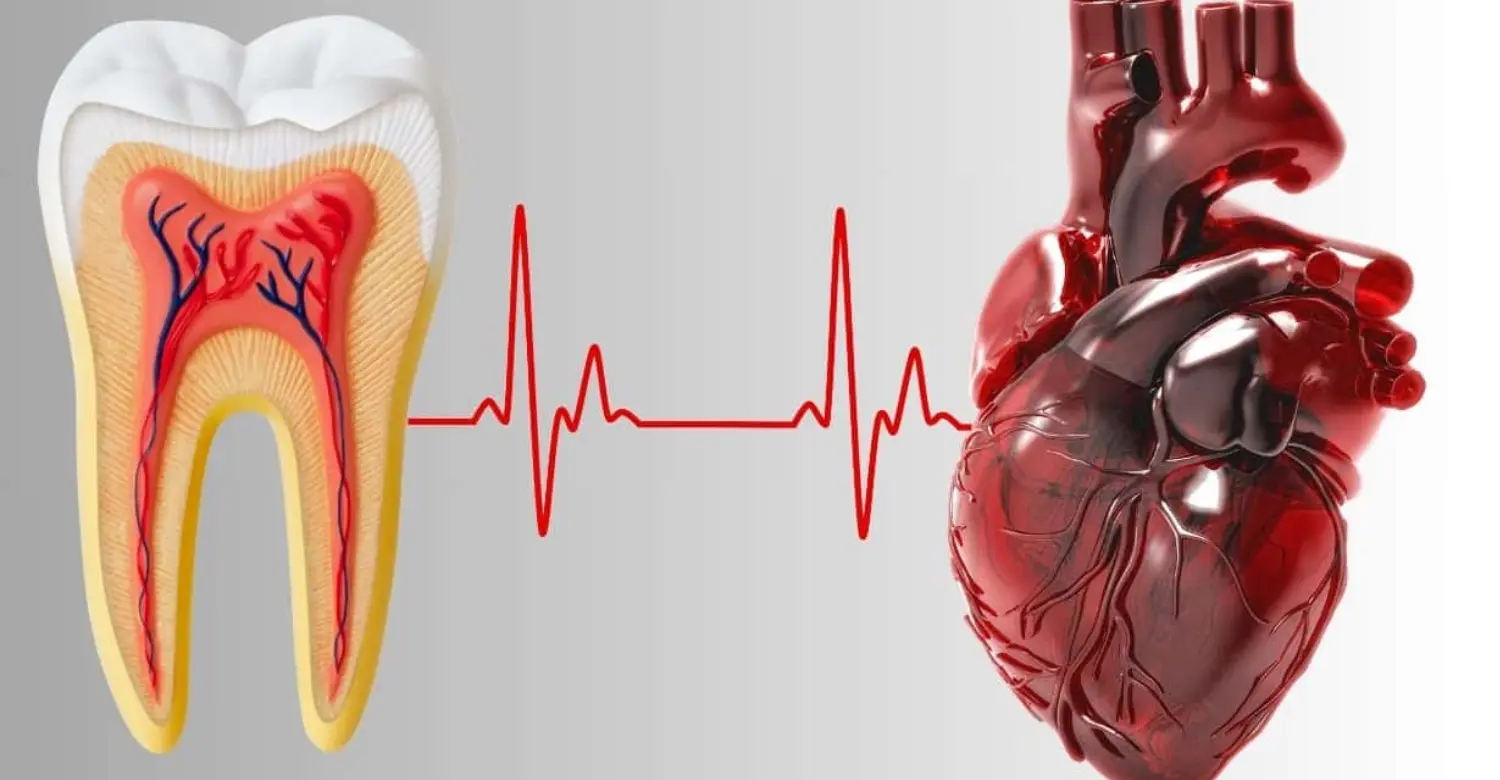
Dental Treatment and Heart Disease , Living with heart disease does not automatically mean avoiding necessary dental care. Managing cardiac safety requires individualized planning based on cardiovascular health and dental needs. Most stable heart patients can receive routine dental procedures safely. However, some conditions require medical coordination before invasive treatment. Dentists should know about heart conditions, medications, allergies, and previous cardiac procedures. Blood-thinning medicines can affect bleeding management during dental procedures. Certain high-risk patients may also need antibiotic prophylaxis. However, antibiotics are not recommended for every cardiac patient. The American Dental Association supports prophylaxis only for specific high-risk cardiac conditions. Good oral hygiene also supports overall health and infection prevention. Vitrin Clinic emphasizes careful assessment before creating an individualized treatment plan. This approach helps patients receive appropriate dental care without unnecessary treatment delays.
Can Heart Patients Get Dental Treatment?
Yes, most heart patients can receive dental treatment when their cardiovascular condition is stable. It should be approached according to individual medical circumstances. Routine examinations, cleanings, fillings, and many restorative procedures are commonly manageable. More invasive procedures may require additional planning or medical consultation. Patients should provide their dentist with an updated medical history. This information should include medications, allergies, previous heart procedures, and relevant diagnoses. Patients should also report recent changes in cardiac symptoms. Some patients with specific cardiac conditions may require antibiotic prophylaxis. Others may need additional planning because of anticoagulant therapy. The important point is that heart disease does not automatically prevent dental treatment. Vitrin Clinic can evaluate dental needs alongside relevant medical information. This supports a safer and more personalized treatment pathway.
When Dental Treatment Is Generally Safe for Heart Patients
Dental treatment is generally safer when cardiovascular disease is stable and appropriately managed. Safe care often involves routine treatment with reasonable clinical precautions. Regular examinations and professional cleanings are commonly suitable for stable patients. Restorative procedures may also be performed without major treatment modifications. The dentist should still review the patient’s medical history before treatment. Appointment timing may also depend on symptoms, medications, and procedure complexity. Patients with unstable cardiovascular symptoms may require medical assessment first. The same principle applies to recent major cardiac procedures. Good communication can prevent unnecessary treatment cancellations. Preventive dentistry is particularly valuable because untreated oral infections can become more complicated. Vitrin Clinic focuses on individualized assessment before proceeding with complex dental treatment. This approach helps balance oral-health needs with cardiovascular considerations.
Factors Dentists Consider Before Treatment
Dentists consider several factors before treating patients with cardiovascular disease. Caring for heart patients requires attention to both medical and dental risks. The first consideration is usually the patient’s cardiovascular diagnosis and stability. Medication history is another important factor during treatment planning. Anticoagulants and antiplatelet medicines can influence bleeding management. Previous cardiac procedures may affect antibiotic prophylaxis decisions. The dental procedure itself also determines the level of preparation required. A simple filling differs from an extraction or periodontal surgery. Appointment length and patient anxiety may also influence treatment planning. Recent symptoms should always be communicated before elective treatment. These details help dentists identify situations requiring medical consultation. Vitrin Clinic can use this information to develop an individualized treatment strategy. Patients should never assume that every heart condition requires the same precautions.
Heart condition and severity
The specific cardiac diagnosis matters when planning dental treatment. Cardiac care in dental settings should never rely on the broad label of “heart disease.” Dentists need to know whether the patient has valve disease, heart failure, arrhythmia, or congenital disease. Previous heart attacks and cardiac interventions are also relevant. Cardiovascular stability is especially important before elective invasive procedures. New chest pain or worsening breathlessness should be reported immediately. Unstable symptoms may require medical assessment before dental treatment continues. Patients with stable disease may have fewer treatment restrictions. The dentist can then focus on procedure complexity and medication management. High-risk cardiac conditions may require additional precautions. Previous infective endocarditis is particularly important for prophylaxis assessment. Accurate diagnosis information helps the dental team make safer decisions.
Current medications
Medication history can significantly influence dental treatment planning. Dental Treatment and Heart Disease may involve additional bleeding considerations for patients taking anticoagulants. Common medicines include warfarin, aspirin, clopidogrel, apixaban, rivaroxaban, and other agents. Patients should provide an accurate medication list before invasive procedures. The American Dental Association states that medication interruption is often unnecessary. Local bleeding-control measures can manage many dental procedures effectively. However, higher-risk cases may require physician consultation. Patients should never stop cardiac medication independently. Stopping anticoagulants can increase the risk of serious thromboembolic events. This risk may outweigh manageable dental bleeding in many situations. The prescribing clinician should guide any medication modification. Vitrin Clinic can review medication information before treatment planning. Accurate medication records help reduce avoidable complications.
Previous cardiac procedures
Previous cardiac procedures can influence dental treatment planning. Procedures become more complex when patients have prosthetic valves or previous cardiac surgery. Patients should disclose valve replacement, valve repair, bypass surgery, and coronary stent placement. Congenital heart procedures should also be reported. Previous infective endocarditis is particularly important. The American Heart Association identifies previous infective endocarditis as a high-risk cardiac condition. Some high-risk patients may require antibiotic prophylaxis before certain dental procedures. Recent cardiac procedures can also influence treatment timing. Patients should provide relevant medical documentation when available. The dental team may contact the cardiologist when clarification is needed. This communication can help establish appropriate treatment precautions. Patients should never assume that previous surgery automatically requires antibiotics.
Type and urgency of dental treatment
The dental procedure itself strongly influences treatment planning. Dental management varies according to whether treatment is preventive, restorative, or surgical. A routine examination generally involves fewer concerns than tooth extraction. Periodontal surgery and implant placement may require more detailed planning. Emergency infections create different priorities than elective cosmetic procedures. Urgent dental treatment may sometimes be necessary despite medical complexity. Elective procedures can often be scheduled around cardiovascular considerations. The dentist should assess bleeding, infection, anesthesia, and stress factors. Treatment urgency also matters when an infection is progressing. Delaying necessary treatment can sometimes create greater health concerns. Vitrin Clinic can prioritize dental needs according to clinical urgency. This individualized approach avoids applying unnecessary restrictions to every heart patient.
Clinical Note: Why Medical History Matters
A detailed medical history helps identify potential risks before treatment begins. Safe dental protocols require accurate information about cardiovascular status and medications. Missing information can lead to unnecessary treatment delays or inappropriate precautions. Dentists should document previous infective endocarditis and relevant cardiac procedures. Anticoagulant and antiplatelet therapy should also be recorded carefully. Allergies are important when antibiotic prophylaxis is being considered. Recent cardiac symptoms can change whether elective treatment is appropriate. Patients should bring updated medical information to significant dental appointments. Vitrin Clinic emphasizes reviewing medical history before complex procedures. This process supports communication between dental and medical professionals. It also helps patients understand why certain precautions may be recommended. Good documentation is an important part of patient safety. Congenital issues: Craniofacial Disorders And Dental Health
Understanding the Connection Between Heart Disease and Oral Health
Oral health and cardiovascular health are connected through several biological and behavioral pathways. Treatment protocols should therefore consider the patient’s overall health. Periodontal disease produces chronic inflammation within the tissues supporting the teeth. Oral bacteria can also enter the bloodstream from inflamed periodontal pockets. The American Heart Association reported an association between periodontal disease and cardiovascular disease. However, association does not prove direct causation. Shared factors can contribute to both conditions. These factors include age, smoking, obesity, and other health behaviors. Researchers continue investigating biological pathways involving inflammation and bacteremia. Good oral hygiene remains important regardless of the exact cardiovascular relationship. Preventive dental care can reduce oral infection and periodontal inflammation. Vitrin Clinic encourages patients to treat oral health as part of comprehensive healthcare.
How Oral Health Can Affect Overall Health
The mouth contains many microorganisms that normally coexist with the body. It becomes relevant when oral inflammation or infection is uncontrolled. Gum disease can create persistent inflammation around the teeth. Severe periodontal pockets can also provide opportunities for bacteria to enter circulation. Oral infections may cause pain, swelling, bleeding, and tissue destruction. These problems can affect nutrition and quality of life. Systemic inflammatory responses are also being studied by researchers. The AHA describes chronic inflammation as one possible pathway connecting periodontal disease with cardiovascular outcomes. However, researchers have not established direct cause and effect. Good oral hygiene remains one practical preventive strategy. Regular dental visits can identify problems before they become advanced. Patients with heart disease should therefore maintain consistent oral care.
Heart Disease and Gum Disease
Gum disease and cardiovascular disease are frequently associated in epidemiological research. Oral care for cardiac patients includes periodontal health because inflammation may affect overall health. The American Heart Association reports that periodontal disease affects more than 40% of U.S. adults over 30. Research has identified associations with heart attack, stroke, atrial fibrillation, and heart failure. However, these findings do not prove that gum disease directly causes those conditions. Shared risk factors may contribute to the observed relationship. Smoking is one important example of a shared risk factor. Chronic inflammation may also provide a biological connection. Current research continues to investigate these mechanisms. Treating periodontal disease remains important for protecting oral tissues. Patients should maintain professional periodontal care when clinically indicated. Good daily hygiene can also reduce plaque accumulation.
Can Oral Bacteria Affect Heart Health?
Oral bacteria can enter the bloodstream through inflamed periodontal tissues. Dental procedures may involve this issue because bacteremia can occur during everyday activities. Brushing and chewing can also produce temporary bacteremia. Most episodes do not cause serious complications in healthy people. However, selected high-risk cardiac patients face greater infective endocarditis concerns. The AHA recommends targeted prevention for patients at highest risk. Researchers are also studying bacteria and inflammatory pathways related to cardiovascular disease. Current evidence does not establish that routine bacteremia directly causes cardiovascular events. Therefore, patients should not become fearful of normal oral activities. Instead, they should focus on controlling oral infection and inflammation. High-risk patients should follow personalized medical and dental recommendations. Vitrin Clinic can incorporate these factors into treatment planning.
Why Treating Dental Infections Matters for Heart Patients
Dental infections should not be ignored by patients with cardiovascular disease. Dental Treatment and Heart Disease requires prompt attention when active oral infection develops. Untreated infections can spread into surrounding tissues. Severe infections can also produce systemic symptoms and require urgent treatment. Patients with high-risk cardiac conditions may need additional precautions. Dental abscesses should therefore receive professional assessment rather than home treatment alone. Antibiotics may sometimes be prescribed when clinically appropriate. However, antibiotics do not always eliminate the underlying dental source. Root canal treatment or extraction may still be necessary. The treatment choice depends on the tooth and infection severity. Early intervention can prevent the problem from becoming more extensive. Patients should report swelling, fever, drainage, or severe pain promptly.
What We Notice Clinically
Clinically, cardiovascular patients often need careful coordination rather than avoidance of dental care. Dental care can be managed effectively when relevant information is available. Medication history frequently influences decisions about invasive procedures. Anticoagulants may require careful bleeding planning rather than automatic discontinuation. Anxiety can also influence blood pressure and appointment tolerance. Shorter appointments may benefit selected patients. Clear explanations can reduce unnecessary treatment-related stress. Previous cardiac procedures should also be documented before surgery. High-risk endocarditis patients require special attention to prophylaxis guidelines. Vitrin Clinic focuses on identifying these factors before complex procedures. This approach allows treatment to remain patient-centered and medically informed. Orthodontic posture: Tongue Posture Teeth
Dental Treatment for Heart Disease Patients
Patients with cardiovascular disease can receive many common dental procedures. Care plans should be tailored to the procedure and medical condition. Examinations and cleanings are usually straightforward for stable patients. Fillings can commonly be completed with appropriate anesthesia planning. Root canal treatment may help eliminate an infected tooth without extraction. Extractions require greater attention to bleeding control. Dental implants involve surgery and therefore require individualized evaluation. Periodontal treatment may be particularly important when gum disease is present. Current evidence supports an association between periodontal disease and cardiovascular disease. However, periodontal treatment should not be presented as a proven cardiovascular treatment. Its primary purpose remains controlling oral disease and inflammation. Vitrin Clinic can organize treatment according to individual clinical needs.
Common Dental Procedures and Their Safety
Common dental procedures differ in their cardiovascular considerations. Dental planning should account for procedure invasiveness and patient stability. Examinations generally require minimal intervention. Professional cleanings may involve gingival manipulation but remain routine for many patients. Fillings are usually straightforward restorative procedures. Root canals can address infection while preserving natural teeth. Extractions require bleeding-control planning. Implants require surgical assessment and healing considerations. Periodontal procedures vary from non-surgical cleaning to more invasive surgery. High-risk cardiac patients may require prophylaxis for selected procedures. The ADA recommends prophylaxis for qualifying patients when procedures involve gingival manipulation. Dentists should therefore evaluate the patient and procedure together.
Dental examinations and cleanings
Routine examinations are generally appropriate for most stable heart patients. Heart disease does not mean avoiding preventive dental visits. Examinations allow dentists to identify decay, gum disease, infections, and other problems. Professional cleanings help control plaque and calculus. Patients with specific high-risk cardiac conditions may require prophylaxis. This depends on both cardiac status and procedure characteristics. The ADA recommends prophylaxis for qualifying high-risk patients when gingival tissue is manipulated. Routine cleaning should not automatically be considered dangerous. Patients should provide their cardiac history before treatment. Vitrin Clinic can review medical information before periodontal or preventive procedures. Regular care can reduce the likelihood of urgent dental infections. Preventive treatment is often easier to coordinate than emergency treatment.
Dental fillings
Dental fillings are usually considered routine restorative procedures. Simple restorations typically require limited treatment modifications. The dentist should still review cardiovascular history and medications. Local anesthesia selection may require individual consideration. Patients should also report significant anxiety before treatment. Short appointments may be useful for some patients. The purpose of a filling is to stop decay from progressing. Treating decay early can prevent deeper infection later. This can reduce the likelihood of more invasive dental procedures. Most stable heart patients can receive fillings safely. Vitrin Clinic can plan restorative care around individual medical considerations.
Root canal treatment
Root canal treatment can preserve a tooth affected by infection or inflammation. Proper dental evaluation becomes important when an infected tooth requires prompt care. Root canal treatment removes infected or damaged tissue from inside the tooth. It can help prevent further spread of dental infection. Antibiotic prophylaxis is not automatically required for every cardiac patient. High-risk cardiac patients may require prophylaxis for qualifying procedures. The decision depends on current professional recommendations. Root canal treatment may sometimes be preferable to extraction. The dentist should evaluate the tooth’s condition before recommending treatment. Patients should report swelling, fever, or worsening pain promptly. Vitrin Clinic can assess whether root canal treatment is clinically appropriate.
Tooth extraction
Tooth extraction involves greater tissue manipulation than routine restorative treatment. Dental protocols require careful bleeding assessment when extraction is planned. Patients taking anticoagulants should not stop medication independently. The ADA states that most patients do not need routine interruption. Local measures can often control dental bleeding effectively. These measures may include pressure, suturing, and hemostatic materials. Higher-risk patients may require physician consultation. The reason for anticoagulant therapy also matters. Patients with recent coronary stents may have important antiplatelet requirements. Stopping medication prematurely can create serious cardiovascular risks. Vitrin Clinic can coordinate complex extraction planning when medical consultation is needed.
Dental implants
Dental implants involve surgical placement of an implant into the jawbone. Dental Treatment and Heart Disease requires individualized planning before implant surgery. The dentist should review cardiovascular stability and medication use. Bleeding risk should also be considered for patients taking anticoagulants. The ADA notes that some implant procedures can be performed without altering anticoagulation. However, higher-risk situations may require physician input. Healing, infection control, and oral hygiene are also important. Patients should provide information about recent cardiac procedures. The implant plan should consider overall dental and medical health. Vitrin Clinic can evaluate implant suitability before treatment begins. Individual assessment remains more appropriate than blanket restrictions.
Periodontal treatment
Periodontal treatment focuses on controlling gum inflammation and periodontal infection. Comprehensive care includes gum health because periodontal disease has cardiovascular associations. The AHA reports that periodontal disease affects over 40% of U.S. adults over 30. Treatment may include professional cleaning, scaling, root planing, or periodontal surgery. The appropriate approach depends on disease severity. Patients with cardiovascular disease should not avoid periodontal treatment automatically. However, invasive procedures may require additional planning for selected patients. High-risk cardiac patients may qualify for antibiotic prophylaxis. The decision depends on current guidelines and procedure characteristics. Regular periodontal maintenance can help control chronic oral inflammation. Vitrin Clinic can create individualized periodontal treatment plans.
Dental Procedures and Heart Health
Different dental procedures can produce different cardiovascular considerations. Evaluating dental care involves managing stress, bleeding, infection, and medication factors. Routine restorative treatment generally involves fewer concerns than oral surgery. Anxiety can temporarily increase heart rate and blood pressure. Appropriate communication can help reduce treatment-related stress. Local anesthesia may require consideration in certain cardiac conditions. Blood-thinning medication can affect bleeding management during invasive procedures. Infection prevention is also important for high-risk endocarditis patients. Current guidelines do not support routine antibiotics for every cardiac patient. Patients should receive individualized advice rather than generalized restrictions. Vitrin Clinic considers these factors when planning complex procedures.
Safe Dental Procedures for Heart Patients
There is no universal list of procedures that are safe for every heart patient. Safety depends on the patient’s diagnosis and treatment stability. Routine examinations and restorations are often appropriate for stable patients. Surgical procedures may require additional planning. High-risk patients may need antibiotic prophylaxis for qualifying procedures. Anticoagulant therapy may require bleeding-control strategies. Patients should also report recent cardiac symptoms. Elective procedures may sometimes be postponed when cardiovascular status is unstable. Emergency dental infections may require faster treatment. The safest approach is individualized assessment. Vitrin Clinic can review the patient’s medical history before treatment. Post-numbness care: How To Get Feeling Back In Mouth After Dentist
Dental Treatment Before Heart Surgery
Dental evaluation may be requested before selected cardiac surgeries. Oral care becomes particularly important when the cardiac team wants to identify active oral infections. However, not every patient requires complete dental clearance. The need depends on the cardiac procedure and patient circumstances. Active abscesses may require treatment before certain surgeries. Advanced periodontal infection may also require assessment. Timing is important because urgent cardiac surgery should not be unnecessarily delayed. Dentists and cardiologists should communicate when dental treatment is requested. The medical team can determine whether dental treatment should happen before surgery. Patients should follow the instructions provided by their cardiac team. Vitrin Clinic can communicate relevant dental findings when coordination is required.
Why Dental Health May Be Reviewed Before Heart Surgery
Dental health may be reviewed before certain cardiac procedures to identify active infections. Coordinated planning is essential when cardiac surgery is scheduled. Dentists can identify abscesses, advanced periodontal disease, and severely damaged teeth. The medical team can then determine whether treatment is necessary. Not every dental problem requires immediate intervention. The cardiac procedure’s urgency must also be considered. Dental treatment should not unnecessarily delay urgent cardiac care. A coordinated approach can prioritize the most clinically important problems. Patients should provide accurate information about dental symptoms. Fever, swelling, and drainage should be reported promptly. Vitrin Clinic can assist with dental assessment when requested by the medical team.
Which Dental Problems May Need Treatment First?
Active dental infections are often the most important problems to identify. Pre-surgical dental evaluations may involve treating an abscess before selected cardiac procedures. Severe periodontal infection can also require attention. Teeth with advanced structural damage may need extraction or restoration. However, treatment decisions depend on the cardiac surgery timeline. A minor cavity may not require immediate treatment. A spreading dental infection may require urgent attention. The cardiac team should help determine priorities when surgery is imminent. Dentists should avoid unnecessary procedures that do not affect surgical planning. Patients should follow coordinated medical advice.
Dental Infection and Surgical Planning
Active dental infections can complicate planning for major medical procedures. Managing oral care requires attention to infection timing when surgery is scheduled. Dentists should determine whether infection is present and how severe it is. Antibiotics may sometimes be prescribed for specific dental infections. However, antibiotics do not always eliminate the underlying source. Root canal treatment or extraction may still be required. The cardiac team may establish a preferred treatment timeline. Urgent cardiac surgery may take priority over elective dental treatment. Communication helps prevent conflicting medical schedules. Vitrin Clinic can provide relevant dental findings to the medical team when appropriate.
How Dentists and Cardiologists Can Coordinate Care
Dentists and cardiologists can exchange information when complex treatment is planned. Patients benefit from clear communication between the professionals managing both conditions. The dentist can describe the planned procedure and expected bleeding. The cardiologist can clarify cardiovascular stability and medication considerations. This communication may be particularly important after recent cardiac procedures. It can also help determine whether prophylaxis is indicated. Patients should provide consent for appropriate information sharing. Written medical instructions can reduce misunderstandings. Coordination can prevent unnecessary treatment cancellations. Vitrin Clinic can work within a coordinated care plan when medical input is required.
Clinical Note: Dental Clearance Before Cardiac Procedures
Dental clearance does not mean every tooth must receive treatment. Evaluating patients requires targeted assessment rather than unnecessary dental intervention. The objective is usually identifying clinically important infection risks. The cardiac team determines which dental findings matter for the planned procedure. A healthy mouth does not guarantee cardiovascular protection. Likewise, a minor cavity may not justify delaying urgent heart surgery. Treatment should be based on clinical relevance. Vitrin Clinic can document dental findings clearly when clearance is requested. Patients should ask their cardiac team which dental information is required. This prevents confusion about the purpose of preoperative dental assessment. Neuromuscular impact: Myotonic Dystrophy And Oral Health
Antibiotics Before Dental Treatment for Heart Patients
Antibiotic prophylaxis is not routinely recommended for all cardiac patients. Dental Treatment and Heart Disease includes antibiotic considerations only for specific high-risk groups. The American Dental Association supports prophylaxis for patients with cardiac conditions carrying the highest endocarditis risk. Qualifying procedures generally involve gingival manipulation or periapical tissue. Prophylaxis recommendations have become narrower because unnecessary antibiotics can cause harm. Adverse reactions and antimicrobial resistance are important concerns. Patients should therefore never self-prescribe antibiotics before dental appointments. The dentist and medical team should determine whether prophylaxis is appropriate. Vitrin Clinic can review relevant cardiac history before treatment. Personalized assessment helps prevent both unnecessary antibiotics and missed indications.
Do Heart Patients Always Need Antibiotics Before Dental Treatment?
No, heart disease alone does not create an automatic antibiotic requirement. Dental Treatment and Heart Disease requires identifying whether the patient belongs to a high-risk group. The ADA states that prophylaxis is recommended only for specific cardiac conditions. The dental procedure must also meet specific criteria. Procedures involving gingival manipulation can qualify when the patient is high-risk. Patients without qualifying conditions generally do not need prophylaxis. Taking antibiotics unnecessarily can create adverse effects. Antimicrobial resistance is another important concern. Patients should ask their dentist or cardiologist before taking any antibiotic. Vitrin Clinic can incorporate medical recommendations into treatment planning.
Who May Need Antibiotic Prophylaxis?
Antibiotic prophylaxis is mainly considered for patients at highest risk from infective endocarditis. It may involve prophylaxis for patients with prosthetic heart valves. Previous infective endocarditis is another major indication. Certain congenital heart conditions may also qualify. Some heart transplant patients with specific valve problems may qualify. The exact eligibility should be confirmed using current professional guidelines. The dental procedure must also meet the relevant criteria. Patients should provide accurate cardiac documentation. They should also disclose antibiotic allergies. Vitrin Clinic can review this information before invasive dental treatment.
Which Dental Procedures May Require Special Consideration?
Certain dental procedures can involve manipulation of gingival tissue or the periapical region. Dental Treatment and Heart Disease may therefore require prophylaxis assessment for qualifying high-risk patients. Procedures that perforate oral mucosa may also receive special consideration. Routine procedures without relevant tissue manipulation may not require prophylaxis. The patient’s cardiac risk category remains essential. The same procedure can have different recommendations for different patients. Dentists should use current professional guidance when making decisions. Patients should not rely on outdated recommendations. Vitrin Clinic can evaluate procedure characteristics alongside medical history.
Why Antibiotics Should Not Be Taken Without Medical Advice
Unnecessary antibiotics can cause allergic reactions, gastrointestinal effects, and other adverse events. Dental Treatment and Heart Disease should never be managed through self-prescribed antibiotics. The ADA explains that antibiotic risks can outweigh benefits for many patients. Antibiotic resistance is another major public-health concern. Antibiotics also do not replace definitive dental treatment. An abscess may still require drainage, root canal treatment, or extraction. Patients should only use prophylaxis when professionally indicated. The correct medication and dose depend on individual circumstances. Patients should disclose antibiotic allergies before prescribing. Vitrin Clinic can review relevant medical information before invasive procedures.
Clinical Note: Antibiotic Prophylaxis
Antibiotic prophylaxis should be considered targeted prevention rather than routine dental medication. Dental Treatment and Heart Disease requires a specific assessment before antibiotics are recommended. The cardiac diagnosis must meet high-risk criteria. The dental procedure must also meet current guideline criteria. The ADA recommends prophylaxis for qualifying high-risk patients undergoing relevant procedures. This approach reduces unnecessary antibiotic exposure. Patients should maintain good oral hygiene regardless of prophylaxis eligibility. Antibiotics cannot replace regular dental care. Vitrin Clinic emphasizes individualized assessment before recommending preventive medication. Patients should follow instructions from qualified dental and medical professionals. Chest and jaw pain: Heartburn And Jaw Pain
Dental Treatment and Heart Disease Risk
Dental procedures can involve cardiovascular considerations, but most concerns can be managed appropriately. It should focus on individual risk rather than fear of dental care. Stress can temporarily affect heart rate and blood pressure. Local anesthesia may require selection based on cardiovascular circumstances. Surgical procedures can create bleeding considerations for patients using anticoagulants. Infection prevention is also important for selected high-risk cardiac patients. Current evidence does not suggest that routine dental treatment inherently causes cardiovascular disease. The strongest current evidence concerns associations between periodontal disease and cardiovascular outcomes. Patients should receive individualized planning instead of avoiding necessary care. Vitrin Clinic considers medical and dental factors before complex procedures.
Can Dental Treatment Affect Heart Health?
Dental treatment can temporarily influence heart rate, blood pressure, stress, or bleeding. Dental Treatment and Heart Disease therefore requires appropriate clinical planning. These effects are generally manageable in stable patients. Patients with unstable cardiovascular conditions may require medical assessment first. Appointment length can sometimes be adjusted to improve comfort. Anxiety management can also reduce unnecessary stress. Local anesthesia should be selected according to individual circumstances. Dentists should review relevant cardiovascular medications before treatment. Emergency dental infections may require treatment despite additional medical considerations. Patients should not delay urgent care without professional advice. Vitrin Clinic can coordinate treatment planning according to patient-specific needs.
Stress, Anxiety, and Blood Pressure During Dental Treatment
Dental anxiety can temporarily increase blood pressure and heart rate. Dental Treatment and Heart Disease should therefore include appropriate anxiety and appointment planning. Patients with cardiovascular disease may benefit from calm communication. Shorter appointments can be useful for selected patients. Patients should tell the dental team if they feel unusually anxious. Slow, clear explanations can improve treatment cooperation. The dentist may also schedule treatment at an appropriate time of day. Severe symptoms should never be dismissed as dental anxiety. Chest pain, fainting, or significant breathlessness requires immediate medical attention. Vitrin Clinic can discuss treatment concerns before procedures begin.
Local Anesthesia and Heart Medications
Local anesthesia is commonly used during dental treatment. Dental Treatment and Heart Disease requires appropriate anesthetic selection for patients with cardiovascular conditions. Some anesthetic formulations contain vasoconstrictors that require additional consideration. The dentist should review the patient’s cardiac diagnosis and medication history. The objective is adequate pain control with appropriate precautions. Poor pain control can itself increase stress during treatment. Patients should not change cardiac medication before dental treatment. Medical consultation may be appropriate for selected high-risk patients. Vitrin Clinic can consider cardiovascular information when planning local anesthesia. Individual assessment remains essential.
Bleeding Risk and Blood-Thinning Medications
Anticoagulants and antiplatelet medicines can increase bleeding during invasive procedures. Dental Treatment and Heart Disease requires careful bleeding planning for patients using these medications. However, stopping therapy can create serious thromboembolic risks. The ADA states that most patients do not need routine medication interruption. Local measures can usually manage many dental bleeding events. These measures include pressure, suturing, and hemostatic materials. Patients with additional bleeding risks may need medical consultation. Any medication change should be directed by the prescribing physician. Patients should never stop warfarin, aspirin, clopidogrel, or other prescribed medicines independently. Vitrin Clinic can coordinate complex cases with the relevant medical team.
What We Notice Clinically
Clinically, cardiovascular patients often need detailed preparation rather than treatment avoidance. It can be managed effectively when medical information is complete. Medication lists are especially important before surgical procedures. Patients sometimes assume blood thinners must always be stopped. Current ADA guidance does not support routine interruption for most dental interventions. Cardiologists may need to advise on higher-risk cases. Anxiety can also influence treatment tolerance. Clear communication can make dental appointments more predictable. Vitrin Clinic emphasizes patient-specific planning before invasive procedures. The objective is safe dental care without unnecessary medication changes. Pain management: Opioids And Dental Pain
Dental Care for Heart Patients: How to Prepare
Preparation can make dental treatment safer and more predictable. Dental Treatment and Heart Disease should begin with accurate medical information. Patients should provide their exact cardiac diagnosis whenever possible. A current medication list should also be available. Allergies and previous adverse reactions should be documented. Patients should mention previous infective endocarditis. Recent cardiac surgery or hospitalization should also be reported. Dentists can then determine whether medical consultation is needed. Preparation becomes especially important before extractions, implants, or periodontal surgery. Patients should ask questions if they do not understand treatment instructions. Vitrin Clinic encourages patients to discuss their health history before complex treatment. This helps create a clear and individualized treatment pathway.
What to Tell Your Dentist Before Treatment
Tell your dentist about every relevant cardiovascular diagnosis. Dental Treatment and Heart Disease requires more precise information than simply stating that you have heart problems. Mention previous valve replacement or repair. Report coronary stents, bypass surgery, and congenital heart procedures. Provide a complete medication list. Include anticoagulants and antiplatelet medicines. Report antibiotic and medication allergies. Previous infective endocarditis should be clearly documented. Recent hospitalizations or cardiac symptoms should also be mentioned. This information can influence treatment timing and medication management. Vitrin Clinic can use these details when planning dental procedures.
Your heart condition
Your dentist needs a specific cardiovascular diagnosis. Dental Treatment and Heart Disease cannot be planned accurately from a vague medical history. Tell the dentist if you have valve disease or heart failure. Mention arrhythmias, congenital heart disease, or previous heart attacks. Provide information about current cardiovascular stability. Recent chest pain or worsening breathlessness should be reported. These symptoms may require medical evaluation before elective dental treatment. Accurate diagnosis helps the dentist assess procedural risk. Patients should bring relevant medical records when available.
Previous heart surgery or procedures
Previous cardiac procedures can influence dental treatment decisions. It may require additional planning after valve surgery or other cardiac procedures. Tell the dentist about prosthetic valves and valve repairs. Mention coronary bypass surgery and stent placement. Congenital heart procedures should also be disclosed. Previous infective endocarditis is particularly important. Recent cardiac procedures may also influence treatment timing. Patients should provide medical documentation when possible. The dentist may contact the cardiologist when clarification is necessary. This helps prevent unnecessary assumptions about treatment restrictions.
Current medications
An accurate medication list is essential before invasive dental procedures. Dental Treatment and Heart Disease can involve anticoagulant and antiplatelet medication considerations. Include prescription medicines and relevant supplements. Record medication names and doses whenever possible. Tell the dentist about warfarin, aspirin, clopidogrel, apixaban, rivaroxaban, or similar drugs. Do not stop these medications independently. The ADA recommends that most patients continue anticoagulant or antiplatelet therapy. Higher-risk patients may require physician consultation. Accurate medication information helps dentists plan bleeding control.
Allergies
Medication allergies should always be reported before treatment. Dental Treatment and Heart Disease may involve antibiotics for selected high-risk cardiac patients. Allergy information can influence which antibiotic is appropriate. Patients should describe previous reactions accurately. Severe reactions should be clearly documented. Dentists should avoid medications known to cause significant allergic responses. Patients should not assume an old allergy is irrelevant. Vitrin Clinic can record allergy information before treatment begins. Accurate documentation supports safer prescribing.
History of infective endocarditis
Previous infective endocarditis is especially important during dental planning. Dental Treatment and Heart Disease may involve prophylaxis for patients with this high-risk history. The AHA recognizes previous infective endocarditis as a high-risk cardiac condition. Patients should tell their dentist about any previous episode. The medical team may provide supporting documentation. Prophylaxis may be recommended for qualifying dental procedures. However, antibiotics should never be taken without professional instructions. Good daily oral hygiene remains essential.
What Documents or Medical Information May Be Needed?
Required documentation depends on the patient and planned procedure. Dental Treatment and Heart Disease may require additional information before complex treatment. Useful documents can include a cardiologist’s letter and medication list. Recent cardiac procedure records may also be helpful. Patients with prosthetic valves should provide relevant medical information. A physician may provide recommendations about medication management. Dental records can then be aligned with medical instructions. Patients should ask the dental team what information is required. Vitrin Clinic can review available medical documentation during treatment planning.
When Your Dentist May Contact Your Cardiologist
A dentist may contact the cardiologist when medical information is unclear. Dental Treatment and Heart Disease sometimes requires direct communication between healthcare professionals. Consultation may be useful before invasive procedures. It can clarify cardiovascular stability and medication management. It may also clarify antibiotic prophylaxis eligibility. Recent cardiac surgery can create additional questions. Patients should authorize appropriate information sharing when necessary. Written communication can make treatment recommendations clearer. Vitrin Clinic can coordinate relevant dental information when medical input is requested. Treatments in Turkey: Cosmetic Dentistry In Turkey
Tips for Patients With Heart Disease
Patients with heart disease should maintain consistent preventive dental care. Dental Treatment and Heart Disease is easier to manage when oral infections are prevented. Daily brushing reduces plaque and gum inflammation. Interdental cleaning helps remove plaque between teeth. Regular professional visits allow early detection of dental disease. Patients should report swelling, pain, or drainage promptly. Prescribed cardiac medications should never be changed independently. Cardiac health changes should also be communicated to the dentist. Preventive care can reduce the likelihood of emergency dental treatment. Vitrin Clinic emphasizes long-term oral-health maintenance alongside restorative care. Patients should follow personalized instructions before and after procedures.
Maintain Good Daily Oral Hygiene
Daily oral hygiene is one of the simplest ways to reduce oral disease. Dental Treatment and Heart Disease should include preventive care rather than focusing only on procedures. Brush twice daily with fluoride toothpaste. Clean between teeth using floss or interdental devices. Maintain gentle gum cleaning to reduce plaque accumulation. Replace worn toothbrushes when appropriate. Good hygiene can reduce gingivitis and periodontal inflammation. The AHA recommends regular brushing and flossing for oral health. Patients with periodontal disease may need additional professional care. Vitrin Clinic can recommend personalized hygiene strategies.
Keep Regular Dental Appointments
Regular dental appointments help identify problems before they become advanced. It can become more complicated when dental infections are neglected. Professional examinations can detect decay, gum disease, and infection. Cleaning can help control plaque and calculus. Patients with periodontal disease may need more frequent maintenance. Appointment frequency should reflect individual dental needs. Preventive care can reduce the likelihood of emergency procedures. It also allows dentists to monitor changes over time. Patients should tell the dentist about changes in cardiac health. Consistent communication supports safer long-term dental care.
Treat Dental Infections Promptly
Dental infections should be assessed quickly when symptoms develop. Dental Treatment and Heart Disease requires special attention when an infection becomes active. Warning signs include swelling, severe pain, drainage, fever, and difficulty opening the mouth. Patients should not rely on home remedies alone. Antibiotics may sometimes be appropriate, but definitive dental treatment may still be required. An abscess may need drainage or root canal treatment. Severely damaged teeth may require extraction. High-risk cardiac patients should inform their dentist about their cardiac condition. Prompt assessment can reduce the chance of infection becoming more extensive.
Never Stop Heart Medication Without Medical Advice
Patients should never stop prescribed cardiac medication because of dental treatment. Dental Treatment and Heart Disease may involve anticoagulants that protect against dangerous blood clots. The ADA states that most patients can continue anticoagulant or antiplatelet therapy. Stopping medication can increase thromboembolic risks. This can be especially important after coronary stent placement. Dental bleeding can often be controlled using local measures. Higher-risk cases may require physician consultation. Any medication change must come from the prescribing clinician. Patients should tell their dentist which medicines they take.
Tell Your Dentist About Any Changes in Your Heart Health
Changes in cardiac health should be communicated before dental treatment. Dental Treatment and Heart Disease requires current information rather than an outdated medical history. Report recent hospitalizations or cardiac procedures. Tell the dentist about new chest pain or worsening breathlessness. Mention medication changes and new diagnoses. These details may affect treatment timing. Elective treatment may need medical clearance in selected circumstances. Emergency dental infections may require coordinated treatment instead. Vitrin Clinic can update treatment planning when medical circumstances change.
Follow Personalized Instructions Before and After Treatment
Patients should follow the dental team’s specific instructions. Dental Treatment and Heart Disease requires individualized aftercare when procedures involve surgery or bleeding. Instructions may include food, hygiene, and bleeding-control guidance. Medication instructions should come from qualified professionals. Patients should understand which symptoms require urgent attention. Follow-up visits may be necessary after extractions or implants. Good postoperative hygiene can support healing. Patients should contact the dental team if symptoms worsen. Vitrin Clinic can provide individualized instructions based on the procedure performed. Tech in dentistry: Medical Diagnostic Technology
When Should Heart Patients Postpone Dental Treatment?
Elective dental treatment may sometimes need to be postponed. Dental Treatment and Heart Disease should consider cardiovascular stability before non-urgent procedures. Uncontrolled symptoms may require medical evaluation first. Recent major cardiac surgery can also influence timing. Severe blood-pressure problems may require stabilization. Patients should not postpone emergency dental treatment independently. Active infections can become more serious without appropriate treatment. The dental team can coordinate urgent care with medical professionals. Treatment timing should always reflect the balance between dental urgency and cardiac stability. Vitrin Clinic can organize treatment around the patient’s clinical circumstances.
Situations That May Require Medical Clearance
Medical clearance may be appropriate when cardiovascular status is uncertain. Dental Treatment and Heart Disease requires additional assessment for selected high-risk patients. Recent cardiac surgery can create important timing questions. Unstable symptoms may also require medical evaluation. Complex medication regimens can affect procedural planning. The cardiologist can clarify whether elective dental treatment is appropriate. Dentists can then adapt the treatment plan accordingly. Clearance does not necessarily mean treatment is unsafe. It simply provides information needed for informed clinical planning.
Uncontrolled Cardiovascular Conditions
Uncontrolled cardiovascular conditions may increase procedural concerns. Dental Treatment and Heart Disease should therefore prioritize medical stability before elective treatment. Examples may include severe uncontrolled blood pressure or unstable cardiac symptoms. Elective dental procedures may be delayed until the condition improves. Emergency dental infections may require different management. The dental and medical teams should determine treatment timing together. Patients should not assume that postponement is always appropriate. Urgent infection can sometimes create greater health concerns. Medical advice should guide the decision.
Recent Heart Surgery or Cardiac Procedures
Recent heart surgery can influence the timing of dental treatment. Dental Treatment and Heart Disease requires coordination after major cardiac procedures. Patients should tell their dentist when surgery occurred. The cardiac team may recommend delaying elective procedures. The appropriate timeframe depends on the procedure and individual recovery. Medication changes after surgery are also important. Anticoagulants and antiplatelet medicines may require special consideration. Patients should provide discharge instructions when available. Vitrin Clinic can coordinate dental planning around medical recommendations.
When Emergency Dental Care Is Still Necessary
Emergency dental treatment may remain necessary despite cardiovascular complexity. Dental Treatment and Heart Disease does not mean ignoring severe dental infections. Abscesses can progress if untreated. Severe swelling can affect swallowing or breathing. Fever may indicate systemic infection. Dentists can coordinate with medical professionals when cardiovascular risks are significant. Emergency care should be prioritized according to infection severity. Patients should seek professional assessment rather than delaying treatment independently. Appropriate coordination can help address both dental and cardiac concerns. Cardiovascular precautions: Aortic Dissection And Dental Treatment
How Vitrin Clinic Approaches Dental Treatment for Heart Patients
Vitrin Clinic focuses on individualized dental planning for patients with medical conditions. Dental Treatment and Heart Disease requires careful review of medical history before complex procedures. The dental team considers cardiac diagnoses, medications, allergies, and previous procedures. Procedure complexity is also assessed before treatment begins. When necessary, communication with medical professionals can clarify treatment requirements. The objective is not to avoid dental care unnecessarily. Instead, the goal is to provide appropriate treatment with relevant precautions. Preventive care also remains an important part of the approach. Patients can discuss concerns before beginning treatment. This can improve communication and reduce uncertainty. Vitrin Clinic emphasizes patient safety and long-term oral health.
Personalized Dental Planning Based on Medical History
Every patient has a different cardiovascular and dental profile. Dental Treatment and Heart Disease should therefore be personalized rather than standardized. Medical history can influence bleeding management and prophylaxis decisions. Recent procedures may influence treatment timing. The dentist can also consider procedure invasiveness and patient anxiety. This assessment creates a more appropriate treatment pathway. Patients should provide complete information before treatment. Vitrin Clinic uses relevant medical information when planning complex dental care. Individualized planning can reduce unnecessary restrictions.
Coordinating Dental Care With Your Medical Team
Coordination can clarify important questions before invasive dental treatment. Dental Treatment and Heart Disease may involve communication between dentists and cardiologists. The dentist can explain the planned procedure and expected bleeding. The cardiologist can provide relevant cardiovascular information. This may include medication instructions or cardiac stability. Communication is particularly valuable after recent cardiac procedures. It can also clarify antibiotic prophylaxis eligibility. Patients should provide consent for appropriate information sharing. Vitrin Clinic can support coordinated planning when medical input is needed.
Patient Safety Before, During, and After Treatment
Patient safety begins before the dental procedure. Dental Treatment and Heart Disease requires accurate medical information before treatment starts. The dental team should review medications and relevant cardiovascular history. During treatment, patient comfort and symptoms should be monitored appropriately. Local anesthesia should be selected carefully when needed. After treatment, bleeding and infection instructions should be followed. Patients should report unusual symptoms promptly. The level of monitoring depends on individual risk. Vitrin Clinic emphasizes safety throughout the treatment process. Good preparation can make complex dental care more predictable. Hygiene errors: Brushing And Flossing Mistakes
Why Choose Vitrin Clinic for Dental Treatment?
Vitrin Clinic provides individualized dental planning based on patient-specific needs. Dental Treatment and Heart Disease requires careful coordination when cardiovascular conditions affect dental care. The clinic can assess oral health and relevant medical information together. Treatment plans can be organized around procedure complexity and patient circumstances. The team can also coordinate medical information when appropriate. Preventive care remains important for reducing future dental problems. Patients can discuss their concerns before treatment begins. This supports clearer communication and better treatment preparation. Modern dental technology can assist diagnosis and treatment planning. However, clinical judgment remains essential for medically complex patients. Vitrin Clinic focuses on patient safety and long-term oral health.
Comprehensive Dental Assessment
A comprehensive dental assessment identifies existing oral problems. Dental Treatment and Heart Disease requires the dentist to understand both oral and medical circumstances. The assessment may evaluate teeth, gums, infection sources, and supporting tissues. Medical history adds important information to the dental examination. Medication use may affect treatment planning. Cardiovascular history may influence procedure timing. Patients can discuss their symptoms and concerns during assessment. Vitrin Clinic can then prioritize urgent and preventive needs. This approach supports individualized treatment decisions.
Individualized Treatment Planning
Individualized planning helps match dental treatment to patient circumstances. Dental Treatment and Heart Disease should not be managed with identical protocols for every patient. Stable patients may require fewer modifications. High-risk patients may require additional medical coordination. Procedure complexity also affects planning. The dental team can prioritize urgent infection treatment. Elective procedures can be scheduled appropriately. Vitrin Clinic can develop treatment sequences according to clinical priorities. Patients can then understand why certain precautions are recommended.
Focus on Patient Safety and Long-Term Oral Health
Patient safety should remain important throughout dental treatment. Dental Treatment and Heart Disease involves more than managing a single dental procedure. Long-term prevention can reduce future infections and emergency treatment. Regular examinations can identify problems early. Periodontal maintenance can help control chronic gum inflammation. Good home care supports professional treatment. Patients should also maintain communication about cardiac health changes. Vitrin Clinic emphasizes prevention alongside restorative and surgical treatment. This approach supports healthier long-term oral outcomes.
Experienced Dental Team and Modern Treatment Technology
Modern dental technology can support diagnosis and treatment planning. Dental Treatment and Heart Disease still requires clinical judgment despite technological advances. Digital imaging can help evaluate teeth and supporting structures. Modern equipment can improve treatment precision and visualization. However, technology does not replace a detailed medical history. Cardiovascular considerations must remain part of clinical decision-making. Vitrin Clinic combines modern dental methods with individualized planning. Patients can discuss the technology appropriate for their specific treatment. Dental wear: Nail Biting Teeth
Final Thoughts on Dental Treatment and Heart Disease
Patients with cardiovascular disease should not automatically avoid necessary dental care. usually manageable with appropriate assessment and communication. Most stable patients can receive many routine dental procedures. More complex cases may require medical coordination. Antibiotic prophylaxis is reserved for specific high-risk cardiac patients. Blood-thinning medication should not be stopped without professional advice. Periodontal disease is associated with cardiovascular disease, but causation remains unproven. Good oral hygiene remains important for controlling dental infection and inflammation. Regular dental visits can help identify problems early. Vitrin Clinic supports individualized treatment planning based on medical and dental needs.
Why Communication Between Your Dentist and Medical Team Matters
Communication helps dentists understand cardiovascular risks before complex procedures. Dental Treatment and Heart Disease can become safer when medical information is accurate. Cardiologists can clarify medication and cardiovascular stability. Dentists can explain the planned procedure and bleeding expectations. This exchange can help determine whether prophylaxis is appropriate. It can also clarify whether treatment should be delayed. Patients should provide consent for appropriate medical communication. Clear documentation reduces misunderstandings. Vitrin Clinic can coordinate relevant dental information with the medical team. Collaboration is particularly valuable for medically complex patients.
Maintaining Oral Health as Part of Overall Health
Oral health is an important part of maintaining general health. Dental Treatment and Heart Disease should therefore include prevention rather than focusing only on emergencies. Periodontal disease creates chronic inflammation around the teeth. Current AHA evidence supports an association with cardiovascular disease. However, researchers have not established direct causation. Good brushing and interdental cleaning help control plaque. Professional dental care can identify periodontal problems early. Patients with cardiovascular disease should maintain consistent preventive appointments. Vitrin Clinic can support long-term oral-health maintenance. Healthy gums and teeth can also improve comfort and quality of life. TMJ issues: Nail Biting Jaw
Reference
FAQs
Dr. Rifat Alsaman has more than 5 years of clinical experience in dentistry and currently serves as the Head of the Medical Team at Vitrin Clinic. He is dedicated to providing exceptional patient care, overseeing treatment planning, and ensuring the highest clinical standards across the team. His expertise, attention to detail, and commitment to continuous professional development have helped countless patients achieve healthier, more confident smiles.


