Orthodontics
April 21, 2026
Digital Orthodontics: How Does It Enhance Comfort and Results?
 Dr. Rifat Alsaman
Digital Orthodontics has revolutionized the way dental care is delivered, focusing on enhancing both comfort and treatment results for patients. By utilizing advanced technology such as 3D imaging, digital scans, and computer-aided design, orthodontists can create precise treatment plans tailored to each individual. Unlike traditional methods, it reduces the need for messy molds, frequent adjustments, and prolonged appointments, making the process smoother and more predictable. Patients experience less discomfort, fewer errors, and faster overall treatment times. Additionally, improves communication between the dental team and the patient, allowing for real-time visualization of treatment outcomes. This combination of comfort, efficiency, and accuracy has positioned 3D orthodontics as the future of modern dental care.
What is Digital Orthodontics?
innovative approach to dental care that integrates technology at every stage of orthodontic treatment. It goes beyond traditional braces by incorporating digital scans, 3D imaging, and computer-assisted design to create precise treatment plans. This method enhances the overall accuracy of tooth alignment, minimizes human error, and often shortens treatment times. Patients benefit from a less invasive experience and more predictable results. Digital orthodontics also allows for a higher level of customization, ensuring that each treatment is tailored to the patient's unique dental structure. With advanced tools and software, orthodontists can visualize potential outcomes, monitor progress digitally, and adjust treatments efficiently, leading to a superior patient experience. The foundation of modern treatment planning relies heavily on 3D orthodontics to visualize the final smile before starting.
Definition and Overview
refers to the use of state-of-the-art digital tools to plan, execute, and monitor orthodontic treatment. Unlike conventional methods, which rely on manual impressions and visual inspections, digital orthodontics leverages technologies such as intraoral scanners, 3D imaging, and digital X-rays. This allows practitioners to create highly precise treatment plans and visualize expected results before initiating treatment. 3D orthodontics also facilitates improved communication between orthodontists and patients by providing a visual representation of the treatment journey. By streamlining processes and reducing manual steps, it ensures better comfort, reduced treatment time, and consistent results. Ultimately, represents a shift towards more patient-centered, technologically advanced care.
Benefits of Digital Orthodontics
The benefits of digital orthodontics are numerous. First, it improves treatment accuracy through precise digital scans and computer-assisted planning. Second, patient comfort is significantly enhanced, as messy molds and repetitive adjustments are minimized. Third, treatment times are often reduced because digital systems can predict tooth movements more efficiently.3D orthodontics also offers better communication, allowing patients to see 3D simulations of their expected results, increasing satisfaction and confidence in treatment. Additionally, these technologies enable more customized solutions, from digital aligners to complex orthodontic adjustments. Overall, 3D orthodontics enhances both clinical outcomes and patient experience, making it a preferred choice for modern orthodontic care.
Key Components of Digital Orthodontic Technology
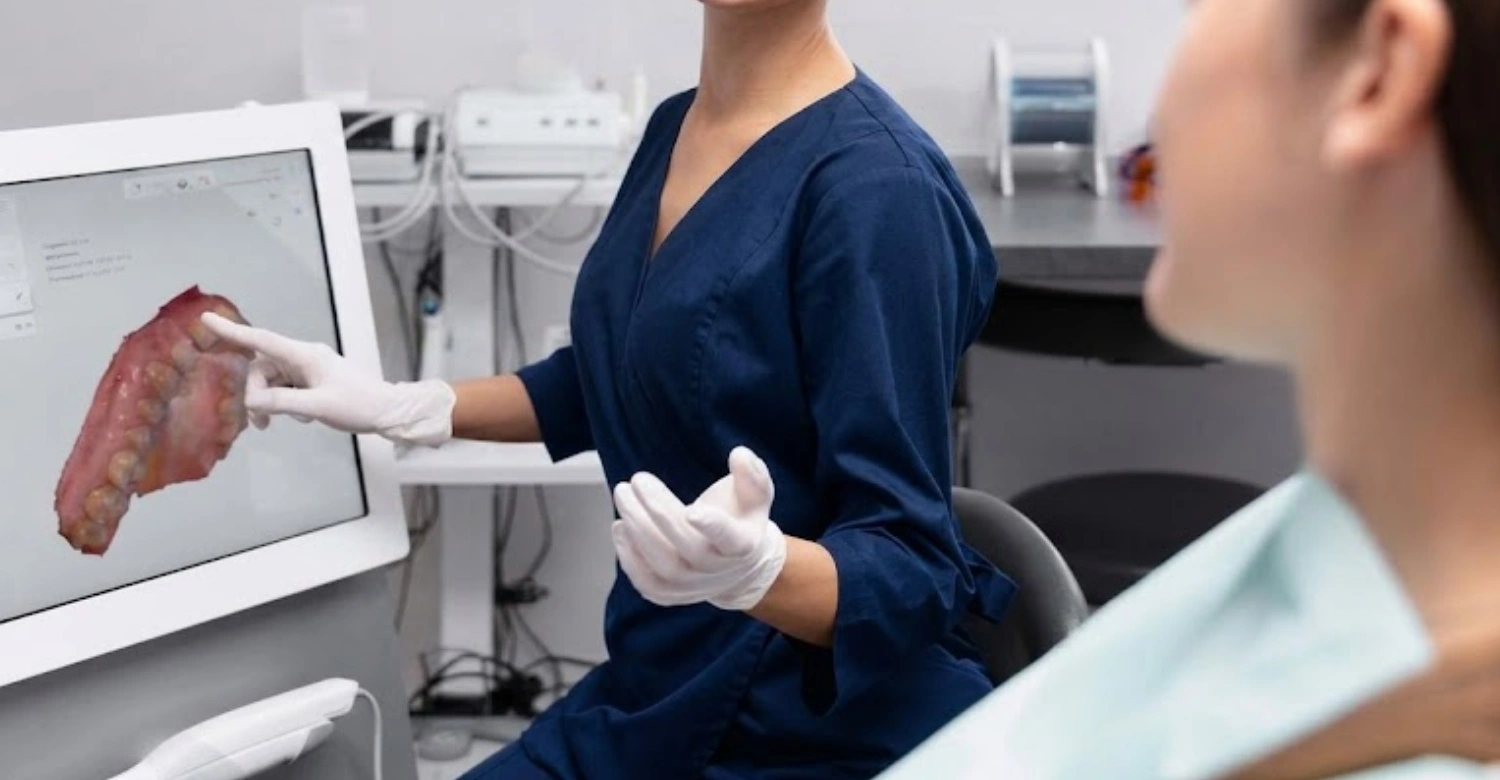
Digital orthodontic technology is built on several key components that together ensure precise, efficient, and comfortable treatments. These include digital scans and 3D imaging, digital radiography, and specialized digital orthodontic labs. Each component plays a crucial role in improving diagnostic accuracy, streamlining treatment workflows, and providing predictable results. Digital scans allow for fast, accurate impressions, while digital radiography minimizes radiation exposure and enhances diagnostic detail. Digital orthodontic labs use computer-aided manufacturing to create customized appliances like aligners and retainers. Together, these technologies transform traditional orthodontic care into a more advanced, patient-friendly experience. Advanced digital radiographic scans emit significantly less radiation while providing crystal clear images of the jawbone and tooth roots.
Digital Scans and 3D Imaging
Digital scans and 3D imaging are the backbone of modern digital orthodontics. Intraoral scanners capture high-resolution images of the teeth and gums, eliminating the need for traditional molds. 3D imaging enables orthodontists to create accurate models of a patient's mouth, visualize treatment plans, and predict tooth movement with precision. These technologies improve diagnostic accuracy, reduce appointment times, and enhance patient comfort. Patients can also see a visual representation of their projected smile, improving engagement and confidence in the treatment. By integrating digital scans with 3D imaging, orthodontists can plan treatments more efficiently and deliver better results compared to conventional methods.
Digital Radiography in Orthodontics
Digital radiography is an essential component of digital orthodontics, providing high-quality images of teeth and jaw structures with minimal radiation exposure. Unlike traditional X-rays, digital radiography allows orthodontists to adjust image parameters, zoom in for detailed analysis, and store records digitally for easy reference. These features enhance diagnostic precision and enable more accurate treatment planning. Additionally, digital radiography integrates seamlessly with other digital orthodontic tools, such as 3D imaging and treatment simulation software, creating a cohesive workflow. This technology ensures safer, faster, and more informed decision-making, contributing to superior outcomes for patients. Computer software calculates the exact placement of invisible braces attachments to ensure precise force application during aligner therapy.
Digital Orthodontic Labs
Digital orthodontic labs are specialized facilities that utilize computer-aided design and manufacturing (CAD/CAM) to produce customized orthodontic appliances. These labs can create aligners, retainers, and brackets with exceptional precision based on digital scans. By leveraging digital workflows, orthodontic labs reduce errors and turnaround times, ensuring patients receive accurate appliances faster. Collaboration between the clinic and the digital lab is streamlined through cloud-based systems, enabling real-time adjustments and quality control. The integration of digital orthodontic labs into treatment plans allows orthodontists to provide highly personalized care, enhancing comfort, efficiency, and treatment outcomes for every patient.
Digital Orthodontics for Patients
Digital orthodontics significantly enhances the patient experience. With technologies such as digital aligners, comprehensive digital exams, and same-day impressions, patients benefit from less invasive procedures and more efficient treatments. Personalized treatment plans, real-time progress monitoring, and visual simulations of results increase patient confidence and satisfaction. The digital approach ensures fewer appointments, faster adjustments, and minimal discomfort compared to traditional methods. By leveraging advanced tools, patients can expect not only effective treatment but also a more comfortable, engaging, and predictable orthodontic journey.
Digital Aligner Orthodontics
Digital aligner orthodontics represents a major advancement in patient-friendly treatment. Custom aligners are created using precise digital scans, which track tooth movements and adjust treatment accordingly. Unlike traditional braces, digital aligners are removable, comfortable, and nearly invisible, improving daily life for patients. This approach allows for continuous monitoring through digital tools, ensuring treatment progresses efficiently. By reducing discomfort and providing a predictable plan, digital aligners offer a superior alternative for many patients seeking orthodontic care. 3D orthodontics ensures these aligners are precisely manufactured to meet each patient's unique dental structure, resulting in optimal outcomes.
Comprehensive Exams with Digital X-Rays
Comprehensive exams with digital X-rays are integral to modern orthodontic care. These exams provide detailed images of teeth, roots, and jaw structures, allowing orthodontists to identify issues that may not be visible during a routine inspection. Digital X-rays reduce radiation exposure while offering enhanced image clarity. Combined with other digital orthodontic tools, these exams form the foundation for accurate diagnosis and effective treatment planning. Patients benefit from a more precise and safer evaluation process, ensuring their orthodontic treatment is both efficient and tailored to their specific dental needs. Read the Vitrin Clinic tooth movement guide to understand how digital software predicts the biological response of your teeth.
Same-Day Digital Impressions
Same-day digital impressions are a game-changer in orthodontics. Using intraoral scanners, orthodontists can capture accurate models of a patient's teeth in minutes, eliminating the need for uncomfortable traditional molds. This technology allows for faster appliance creation, immediate treatment planning, and enhanced patient comfort. Digital impressions integrate seamlessly with other tools like 3D imaging and CAD/CAM labs, speeding up the entire treatment process. Patients experience fewer appointments and enjoy a smoother orthodontic journey, reflecting the efficiency and convenience that 3D orthodontics brings to modern dental care.
Clinical Note
Early cavities frequently cause no pain or visible change, so they are missed during self-checks at home. A dental examination with X-rays detects decay between teeth and under the enamel before it reaches the stage where a patient would feel it.
Advanced Digital Orthodontic Innovations
Advanced digital orthodontic innovations continue to transform the field. From cutting-edge techniques to specialized courses and marketing strategies, digital orthodontics empowers clinics to deliver superior care. Innovations focus on improving accuracy, efficiency, and patient satisfaction while enabling orthodontists to stay at the forefront of technology. Digital workflows, AI-assisted treatment planning, and virtual simulations are examples of how these innovations enhance outcomes. Clinics adopting these advancements provide patients with predictable results, minimized discomfort, and a modernized treatment experience that blends clinical excellence with technological convenience. Read the Vitrin Clinic tooth movement guide to understand how digital software predicts the biological response of your teeth.
Cutting-Edge Techniques
Cutting-edge techniques in digital orthodontics include 3D treatment simulation, AI-assisted diagnostics, and computer-guided aligner production. These innovations enhance precision, predictability, and efficiency, ensuring optimal results for patients. Techniques like virtual setups allow orthodontists to foresee challenges, modify plans, and deliver personalized care. Integration with digital radiography and intraoral scans reduces errors and accelerates treatment timelines. By embracing these advanced methods, clinics can provide faster, more comfortable, and highly effective orthodontic treatments that align with modern patient expectations, redefining the standard of care in orthodontics.
Digital Orthodontics Courses and Training
Digital orthodontics courses and training are essential for orthodontists to stay current with evolving technology. These programs teach practitioners how to use 3D imaging, digital scans, and computer-assisted design tools effectively. Hands-on training enhances clinical skills, enabling orthodontists to deliver accurate, efficient, and patient-centered treatments. Courses also cover advanced techniques, workflow optimization, and integration of digital tools into daily practice. By investing in professional development, orthodontists can maximize the benefits of 3D orthodontics, improving patient outcomes and establishing themselves as leaders in modern dental care.
Digital Marketing for Orthodontics
Digital marketing for orthodontics helps clinics reach patients while showcasing their advanced technological capabilities. By promoting 3D orthodontics services online, practices can attract patients seeking modern, efficient treatments. Marketing strategies include website optimization, social media campaigns, and educational content highlighting benefits such as digital aligners, 3D imaging, and same-day impressions. Demonstrating expertise in 3D orthodontics builds trust and credibility, positioning a clinic as innovative and patient-focused. Effective marketing not only grows the practice but also educates patients about how technology enhances comfort, accuracy, and treatment outcomes in orthodontic care.
Software Infrastructure for Orthodontic Imaging and Analysis
Digital orthodontics depends on a layered software infrastructure. It connects scanning, diagnosis, and manufacturing into one continuous pipeline. Volume and surface scanning data from intraoral scanners and CBCT machines feeds into orthodontic CAD software. There, the clinical team segments teeth, measures arch width, and simulates tooth movement before any appliance is built. This infrastructure stores every scan in a cloud-based patient file. The treating orthodontist and the digital lab can then review the same 3D model in real time. The software also runs diagnostic checks automatically. It flags irregular root angulation or insufficient bone support early. This reduces planning errors and keeps the treatment timeline predictable. Imaging, analysis, and appliance design are no longer separate steps. They are parts of a single digital record.
Three-Dimensional Manufacturing (3D Printing) in Orthodontic Workflows
Three dimensional manufacturing turns a digital treatment plan into a physical appliance. No manual lab technician needs to sculpt each piece by hand. Clinics print models, aligner molds, and even final appliances directly from the CAD file, layer by layer. This shortens turnaround time. It also keeps every appliance consistent with the original scan. Two areas show how deep this technology now runs in orthodontic practice.
Selective Laser Sintering (SLS) and Metallic Orthodontic Appliances
Selective laser sintering sls uses a high-powered laser to fuse fine metal powder into a solid shape. The process builds each piece layer by layer, based on the patient's own scan. Orthodontic labs use it to produce metallic orthodontic appliances such as expanders, bands, and some retainer frameworks. The fit often beats what manual casting can achieve. There is no wax pattern and no casting shrinkage to correct for, since the laser sinters the metal directly from the digital file. Appliances made this way tend to seat more precisely at delivery. This shortens the chairside adjustment time.
Computer-Aided Engineering of Customized Orthodontic Brackets
Customized orthodontic brackets are now designed with computer-aided engineering software. The software calculates the ideal bracket base shape, slot angle, and torque value for each tooth. It references the patient's own 3D model, so the bracket base mirrors the exact curvature of the enamel surface. This close fit improves bond strength. It also reduces the risk of bracket failure during treatment. Custom bracket systems let the orthodontist pre-program tooth movement into the appliance itself. This reduces the number of manual wire adjustments needed at each visit.
Biomechanical Integration and Dynamic Motion-Capture Systems
Static images of the teeth only tell part of the story. The jaw is a moving joint, not a fixed structure. Dynamic motion capture dental systems record how the mandible moves during chewing, speaking, and clenching. That data is then folded into the treatment plan. The orthodontist can plan tooth movement around how the bite actually functions, not just how it looks at rest.
Real-Time Functional Occlusion and Dynamic Jaw Tracking
Functional occlusion tracking uses sensors placed near the jaw joint. They record mandibular movement in three dimensions while the patient performs normal functions. This data is layered onto the 3D dental model. The software can then show exactly where teeth contact during a real bite cycle, not a simulated one. Real-time jaw tracking helps identify premature contacts or interferences that static models can miss. Correcting these points during planning reduces the chance of jaw discomfort after treatment.
Computer-Guided Surgical Guides for Skeletal Orthodontic Interventions
Surgical guides orthodontics uses are common when a skeletal, not just dental, correction is needed. Jaw repositioning surgery is one example. A computer-guided surgical guide is 3D printed directly from the patient's CBCT and scan data. It fits over the teeth or bone to mark the exact cut or screw placement planned in software. This keeps the surgical outcome aligned with the digital plan. It reduces the guesswork that comes with freehand surgical technique.
Enhanced Visualization and Patient Education Protocols
Patient education visualization tools let a patient see a 3D simulation of their own case. This includes a predicted before-and-after outcome, shown before the patient agrees to treatment. These visualizations make it easier for patients to understand why a particular appliance or timeline is recommended. Clear visual protocols also help set realistic expectations. The patient can see how the plan progresses stage by stage, rather than relying only on a verbal description. This kind of engagement supports better cooperation with aligner wear time and appointment schedules. It improves outcomes for the practice and the patient alike.
Tips for Patients
Use a toothpaste with 1,450 ppm fluoride, and after brushing spit rather than rinse with water, so the fluoride stays on the teeth longer. If you snack on something sugary, have it with a meal instead of spreading sweets across the day, since it is the frequency of acid attacks, not the total amount, that drives a tooth cavity.
Vitrin Clinic: Pioneers in Digital Orthodontics
Vitrin Clinic has emerged as a leader in digital orthodontics, leveraging advanced technology to enhance patient care. Their state-of-the-art digital scanning, comprehensive workflow, and patient-focused approach set a benchmark in modern orthodontics. By integrating intraoral scanning, 3D imaging, and digital lab collaboration, Vitrin Clinic ensures precise, efficient, and comfortable treatments. Patients benefit from predictable outcomes, reduced treatment times, and enhanced overall experience. As pioneers, they continuously adopt the latest innovations, from cutting-edge aligner techniques to AI-assisted treatment planning, demonstrating the transformative power of 3D orthodontics in achieving optimal results. Digital workflows are incredibly beneficial for complex surgical planning, allowing surgeons to simulate the operation virtually beforehand.
State of the Art Digital Scanning Technology
Vitrin Clinic utilizes state-of-the-art digital scanning technology to capture high-resolution images of teeth and gums. These scans form the foundation of precise treatment plans, enabling accurate appliance creation and predictable results. Digital scanning is fast, non-invasive, and more comfortable for patients compared to traditional molds. The technology integrates seamlessly with 3D imaging, digital labs, and treatment simulation software, allowing orthodontists to plan and monitor care efficiently. By embracing these advancements, Vitrin Clinic ensures patients experience a modern, comfortable, and highly effective orthodontic journey. Digital workflows are incredibly beneficial for complex surgical planning, allowing surgeons to simulate the operation virtually beforehand.
Patient-Centered Digital Workflow
The patient-centered digital workflow at Vitrin Clinic emphasizes efficiency, comfort, and communication. From initial scans to final appliance delivery, every step leverages digital tools to enhance accuracy and streamline treatment. Real-time progress monitoring, virtual simulations, and same-day impressions improve patient engagement and satisfaction. By integrating intraoral scanners, digital X-rays, and collaborative lab systems, Vitrin Clinic minimizes errors and reduces treatment times. This workflow ensures that each patient receives personalized care, reflecting the clinic's commitment to modern, technology-driven orthodontics that prioritizes both clinical excellence and patient experience.
What We Notice Clinically
Dr. Rifat Alsaman, Head of the Medical Team at Vitrin Clinic and a cosmetic dentist, notes that patients rarely question the accuracy of a digital plan once they see their own 3D model on screen. Dr. Rifat Alsaman explains that the biggest clinical shift with 3D orthodontics is not the appliance itself. It is the ability to catch a poor bite relationship before a single bracket is placed. Dr. Rifat Alsaman adds that clinics which skip motion-capture data, relying only on static scans, still see more bite adjustment visits after treatment ends.
Why Choose Digital Orthodontics?
Digital orthodontics offers compelling advantages over traditional methods. Efficiency, accuracy, patient comfort, and long-term results make it the preferred choice for modern orthodontic care. By utilizing digital tools, orthodontists can design precise treatment plans, reduce manual errors, and monitor progress continuously. Patients experience less discomfort, fewer visits, and improved outcomes. 3D orthodontics also supports educational engagement, as patients can visualize their treatment journey and projected results. The integration of digital technology ensures that orthodontic care is not only effective but also patient-centered, providing superior experiences and long-lasting benefits.
Efficiency and Accuracy
3D orthodontics enhances efficiency and accuracy by utilizing 3D imaging, digital scans, and computer-aided planning. These tools allow orthodontists to create highly precise treatment plans, predict tooth movements, and manufacture customized appliances. Accuracy is improved at every step, from diagnostics to final treatment, reducing errors and minimizing adjustments. Efficiency is increased through streamlined workflows, faster appliance production, and fewer in-office appointments. Patients benefit from shorter treatment durations and better outcomes. Overall, 3D orthodontics ensures that orthodontic care is delivered with optimal precision, reducing uncertainties and improving overall patient satisfaction.
Enhanced Patient Experience
3D orthodontics significantly improves the patient experience by reducing discomfort, streamlining appointments, and offering clear treatment visualizations. Technologies like digital scans, 3D imaging, and same-day impressions make procedures less invasive and more engaging. Patients can see expected outcomes before treatment begins, enhancing confidence and satisfaction. Digital tools also allow for better communication, progress tracking, and personalized adjustments. This combination of comfort, efficiency, and transparency transforms orthodontic care into a more patient-friendly experience, making treatments predictable, less stressful, and more enjoyable.
Long-Term Benefits
The long-term benefits of 3D orthodontics Include improved oral health, precise treatment outcomes, and reduced likelihood of relapse. Accurate digital planning ensures teeth are aligned optimally, reducing wear, bite issues, and jaw strain. Appliances created via digital workflows are highly customized, enhancing durability and effectiveness. Patients experience fewer complications, faster recovery, and more predictable results. Additionally, digital records allow orthodontists to monitor long-term progress and address any concerns efficiently. Overall, the integration of digital technologies ensures lasting results, better oral health, and a positive patient experience for years to come.
About Vitrin Clinic
Vitrin Clinic is a cosmetic dental clinic in Istanbul, Turkey. It treats international patients seeking modern, technology-driven orthodontic and cosmetic dental care. The clinic combines digital scanning, 3D imaging, and in-house digital lab collaboration to plan and deliver precise, comfortable treatment. Its medical team, led by Dr. Rifat Alsaman, oversees every stage of care. This runs from initial diagnosis to final appliance delivery, ensuring consistent clinical standards for every patient.
References:
FAQs
Dr. Rifat Alsaman has more than 5 years of clinical experience in dentistry and currently serves as the Head of the Medical Team at Vitrin Clinic. He is dedicated to providing exceptional patient care, overseeing treatment planning, and ensuring the highest clinical standards across the team. His expertise, attention to detail, and commitment to continuous professional development have helped countless patients achieve healthier, more confident smiles.


.webp&w=3840&q=75)
