
Dental emergencies can strike without warning, leaving you in pain and distress. When severe trauma, infection, or sudden tooth loss occurs, an emergency dental implant may provide the immediate solution you need. It restores function and aesthetics quickly. Unlike traditional implant procedures scheduled weeks or months in advance, urgent implant treatment addresses critical situations. These require rapid intervention to prevent complications and preserve oral health. Understanding when such implants are necessary, how the procedure differs from conventional approaches, and what to expect during recovery empowers you to make informed decisions during stressful situations. This comprehensive guide explores everything about urgent dental implants to help you navigate dental crises confidently.
Emergency Diagnostic Exclusions: Who Is Not a Suitable Candidate for an Urgent Implant Assessment?
Not every patient experiencing tooth loss or implant-related trauma is immediately suitable for an urgent implant. At Vitrin Clinic, every urgent case begins with a comprehensive emergency assessment. It evaluates bone quality, active infection, medical history, gum condition, and the cause of tooth loss. Patients with uncontrolled periodontal disease, severe bone destruction, untreated systemic illnesses, or significant facial trauma may require stabilization before implant placement. Dr. Rifat Alsaman, Head of the Medical Team at Vitrin Clinic, explains that patient safety always comes before treatment speed. According to Dr. Rifat Alsaman, selecting the right candidate improves implant longevity and reduces surgical complications. It also ensures the most predictable functional and aesthetic outcome.
Managing Prosthetic Mishaps: Protocol for a Fallen or Dislodged Implant Crown
A loose or fallen implant crown does not necessarily indicate implant failure. In many emergency situations, only the prosthetic restoration has become detached. This can happen because of screw loosening, cement failure, or excessive biting forces. At Vitrin Clinic, emergency examinations determine whether the implant fixture remains stable before repairing or replacing the crown. Dr. Rifat Alsaman, Head of the Medical Team at Vitrin Clinic, emphasizes that patients should never attempt to glue the crown back themselves. Household adhesives can damage the restoration and surrounding tissues. Dr. Rifat Alsaman recommends preserving the crown if possible and seeking professional care promptly. This prevents further complications and restores normal chewing function safely.
When to Get an Urgent Dental Implant
Determining whether your dental situation truly requires an urgent implant versus scheduled treatment involves assessing urgency, severity, and potential consequences of delayed intervention. Not every tooth problem constitutes a genuine emergency. However, certain circumstances demand immediate attention to prevent irreversible damage, control infection, or restore critical function. Understanding the difference between urgent situations requiring immediate implant treatment and non-urgent issues that can wait for regular appointments helps you respond appropriately. Dental professionals evaluate multiple factors when determining if urgent implant placement is warranted. These include pain level, infection presence, trauma extent, and functional impairment.
Situations Requiring Immediate Attention
Trauma or accidents resulting in tooth avulsion (complete tooth displacement from socket) or severe fracture below gum line often necessitate urgent implant consideration. This is particularly true when the affected tooth cannot be saved or successfully replanted. Sports injuries, motor vehicle accidents, falls, and physical altercations can cause immediate tooth loss or damage so extensive that extraction becomes necessary. In these traumatic situations, immediate implant placement can preserve bone volume, prevent adjacent tooth shifting, and restore appearance quickly. This is especially critical for front teeth affecting your professional image and self-confidence. Time-sensitive bone preservation makes urgent implant placement advantageous following trauma.
Severe infection originating from failed root canals, advanced periodontal disease, or abscessed teeth sometimes progresses so rapidly that tooth extraction becomes urgent. This prevents systemic spread. When infections cause facial swelling, difficulty breathing or swallowing, fever, or severe uncontrolled pain, immediate implant placement may follow immediate extraction once infection is controlled. Though placing implants into infected sites requires careful evaluation, modern protocols sometimes allow immediate placement with appropriate antibiotic coverage and site debridement. Severe infections left untreated can spread to vital structures. Urgent implant consideration is part of comprehensive urgent care addressing both infection and tooth replacement needs.
Urgent Implant Removal and Replacement
Failed existing implants showing signs of severe infection, complete mobility, or causing significant pain may require urgent implant removal and potential immediate replacement. When previously integrated implants fail catastrophically due to peri-implantitis, fracture, or severe bone loss, leaving them in place risks further bone destruction and infection spread. Urgent implant removal addresses the immediate problem. Simultaneous placement of replacement implants when bone conditions permit prevents additional procedures and healing periods. Not all failed implants require immediate replacement. However, situations involving severe symptoms or rapid deterioration warrant urgent evaluation and potential immediate intervention to salvage bone and restore function.
Discover the efficient full-arch solution of All-on-4 dental implants
How to Assess the Urgency
Signs of implant failure requiring urgent evaluation include sudden mobility. Previously stable implants move when touched or during chewing. Severe pain may not respond to over-the-counter medications. Visible pus discharge or foul odor from implant sites is a warning sign. Significant swelling can affect facial appearance or function. Bleeding that doesn’t stop with gentle pressure also needs attention. These symptoms suggest serious problems like advanced infection or complete loss of osseointegration. They demand immediate professional assessment. Even if symptoms seem manageable, rapid progression is common. Prompt evaluation prevents complications that could compromise treatment options.
Severe pain or swelling around existing or potential implant sites warrants immediate contact with dental providers. They should be capable of emergency assessment and treatment. Pain that keeps you awake, prevents eating or drinking, or worsens despite medication indicates serious problems. Facial swelling that rapidly increases, affects breathing or vision, or spreads beyond the dental area may signal dangerous infection. Fever, difficulty opening your mouth, or numbness in lips or tongue are red flags. They demand same-day evaluation to determine if urgent intervention is necessary.
Emergency Dental Implant Procedure: Step-by-Step Guide
Emergency implant procedures follow similar principles to conventional placement. They compress timelines and adapt protocols to address urgent circumstances. Understanding the step-by-step process helps alleviate anxiety. It also sets realistic expectations about what treatment involves. Specific techniques vary based on individual circumstances, clinical findings, and provider protocols. Most procedures follow predictable sequences from initial assessment through post-operative care. Modern techniques and materials have made emergency placement increasingly predictable. Success depends heavily on patient selection, clinical conditions, and adherence to modified protocols. These protocols address urgency while maintaining safety and effectiveness standards.
Initial Assessment and Consultation
Emergency evaluation begins with comprehensive examination. It includes visual inspection of affected areas, probing to assess bone and tissue conditions, and assessment of adjacent teeth and bite relationships. Dentists evaluate pain sources, infection extent, trauma severity, and overall oral health. This determines if immediate placement is feasible and advisable. Medical history review identifies conditions affecting healing or contraindications to emergency surgery. This rapid but thorough assessment establishes whether your situation truly requires urgent treatment. It could be better served by delayed placement after proper healing and preparation. The goal is to balance urgency against optimal long-term outcomes.
Digital imaging including panoramic radiographs and cone beam computed tomography (CBCT) scans provide essential information. They reveal bone quantity, quality, and anatomical structures affecting placement feasibility. Three-dimensional imaging shows bone dimensions, sinus positions, nerve locations, and infection extent. This is critical for planning safe, successful procedures. Imaging identifies whether sufficient bone exists for immediate implant stability. It also shows if bone grafting is necessary. In true emergencies, imaging might be limited to what’s immediately available. Providers use clinical judgment and experience to guide decisions when comprehensive imaging isn’t accessible. Determining suitability for immediate versus staged approaches depends heavily on these diagnostic findings.
Surgical Procedure Overview
When emergency placement follows tooth extraction, the procedure begins with gentle tooth removal. Techniques minimize trauma to surrounding bone and tissues. Preserving socket integrity proves crucial for successful immediate placement. Dentists carefully extract remaining tooth fragments. They remove infected or diseased tissue and thoroughly clean extraction sites. Local anesthesia ensures comfort throughout the procedure. Sedation options may be available for anxious patients. For replacements of failed implants, removal of the failed fixture comes first. Thorough debridement of contaminated surfaces precedes new implant placement. Minimizing additional bone loss during removal becomes paramount when planning immediate replacement.
Placement of the implant follows tooth or failed implant removal. Surgeons carefully drill prepared sites to precise dimensions matching selected implant fixtures. Achieving adequate primary stability—the mechanical grip between implant and bone—is the critical success factor. Without sufficient initial stability, immediate loading may fail. This necessitates delayed restoration approaches. The implant is inserted to planned depth and position. Optimal angulation for future crown placement is ensured while avoiding vital anatomical structures. Sometimes bone grafting material fills gaps between implant surfaces and socket walls. This enhances stability and promotes bone regeneration. Temporary crowns may be placed immediately when primary stability is adequate. Otherwise, healing abutments allow tissue adaptation before final restoration.
Get details on replacing back teeth with molar implants
Quick Answers to Common Questions
How long does an emergency implant take? In many cases, the implant can be placed in a single visit. The entire procedure takes about 1-2 hours.
Is it painful? Local anesthesia ensures you feel no pain during the procedure. Some discomfort after the anesthesia wears off is normal. It can be managed with over-the-counter pain relievers.
What is the success rate? With proper care, the success rate for emergency implants is over 95%. This is similar to non-emergency implants.
Can I get a temporary tooth immediately? Yes, in many cases, a temporary crown can be placed on the implant the same day. You leave with a natural-looking tooth.
Post-Procedure Care
After treatment, patients receive clear aftercare instructions. These focus on managing discomfort, controlling bleeding, and preventing infection. Dentists provide written and verbal guidance. Patients should eat soft foods and avoid chewing near the surgical area. They must maintain oral hygiene without disturbing healing tissues. They also learn warning signs that require immediate contact.
Ice application reduces swelling during the first 24-48 hours. Head elevation when resting minimizes blood flow to surgical areas. Patients receive specific instructions about resuming normal activities. They learn oral hygiene practices suitable for the surgical site. Dietary restrictions protect new implants from premature loading or contamination risks.
Medications prescribed after placement typically include antibiotics and pain relievers. Sometimes anti-inflammatory drugs reduce swelling. Patients must complete full antibiotic courses even after symptoms resolve. This ensures infection control around the surgical site. Pain management begins before anesthesia wears off. Medications are taken on schedule rather than waiting for severe pain.
Follow-up appointments are scheduled within days of placement. These assess healing, remove sutures if placed, and address concerns. Additional follow-ups at regular intervals monitor osseointegration progress. They determine when implants are ready for final restoration. This typically occurs several months after placement, though immediate loading is sometimes possible.
How to Handle a Dental Implant Emergency
Knowing how to respond when implant emergencies occur can prevent complications. It can reduce damage and improve outcomes. While urgent situations demand professional intervention, your immediate actions matter. They significantly impact treatment success. Remaining calm and taking appropriate first aid measures help. Quickly accessing professional care forms the foundation of effective crisis management.
Understanding appropriate emergency response versus harmful actions protects your oral health. Preparation through knowing emergency contact information helps. Having basic supplies available helps you respond effectively when urgent situations arise.
First Aid and Temporary Measures
Pain management is the most immediate concern. Over-the-counter pain relievers like ibuprofen or acetaminophen provide temporary relief. Follow package directions carefully. Avoid aspirin, which can increase bleeding. Cold compresses applied externally reduce swelling and provide numbing effects. Avoid applying heat, which can worsen inflammation and potentially spread infection.
For pain, gentle rinsing with warm salt water can cleanse areas. Use one teaspoon salt in eight ounces warm water. This provides mild antiseptic effects. Never place aspirin tablets directly on gums or the surgical site. This causes chemical burns without improving pain control.
Avoiding further trauma prevents additional damage before professional evaluation. Eat only soft foods that don’t require chewing near affected areas. Avoid hot, spicy, or acidic items that might irritate tissues. Don’t attempt to manipulate loose implants or push on painful areas. This can worsen damage or introduce bacteria.
If a crown comes loose, save it and bring it to your appointment. Don’t attempt to recement it yourself using household adhesives. Keep the area as clean as possible through gentle rinsing. Avoid vigorous brushing or flossing near painful or swollen sites. These temporary measures provide relief and protection while you arrange evaluation and treatment with qualified professionals.
Discover the benefits of metal-free ceramic implants
Contacting Your Dentist Quickly
Prompt treatment is crucial. Delays can worsen problems and reduce success. Most dental practices have emergency contact systems for urgent communication outside regular hours. If you are an established patient, contact your treating dentist first. They know your case history and previous treatments. Many implant providers offer same-day emergency appointments. They can also refer you to colleagues who provide urgent implant services. If your dentist is unavailable and you have severe symptoms, seek hospital care. Symptoms include uncontrolled pain, significant swelling, breathing difficulty, or fever. Hospital emergency departments can address dental emergencies and arrange follow-up treatment.
Prepare for your visit. Gather relevant medical history, current medications, allergies, and insurance information. Write down the symptom timeline. Note when problems began and what makes pain better or worse. List any treatments you have tried. If you saved a loose crown or other components, bring them. Prepare questions about diagnosis, treatment options, outcomes, and costs. Having this information ready streamlines your evaluation. Providers can quickly understand your situation and develop a treatment plan. Better preparation can improve outcomes through faster intervention and clearer communication.
Urgent Temporary Alternatives: Restoring an Urgent Missing Tooth When an Immediate Implant Cannot Be Placed
Sometimes an immediate implant is not the safest option. Infection, inadequate bone support, or severe tissue damage may prevent it. In these situations, Vitrin Clinic provides temporary solutions. These restore appearance and function while preparing the mouth for future implant placement. Options may include temporary removable prostheses, adhesive bridges, or provisional restorations. These protect healing tissues. Dr. Rifat Alsaman, Head of the Medical Team at Vitrin Clinic, explains that these temporary alternatives preserve aesthetics and comfort. They do not compromise long-term implant success. According to Dr. Rifat Alsaman, carefully staged treatment often produces stronger and more predictable results. Rushing implant placement before the mouth is fully prepared can be risky.
When an Implant Isn't the Only Option
In an emergency, a dental implant may not always be the immediate solution. Depending on the situation, temporary or permanent alternatives like bridges or dentures can restore function and aesthetics. A bridge can replace a missing tooth by anchoring to adjacent teeth. A denture can replace multiple teeth. These options are often quicker and less invasive than implant surgery. They suit emergencies where immediate tooth replacement is needed. However, they may not offer the same durability and bone preservation as implants. Dr. Rifaat Al-Samman, Director of the Medical Team at Vitrin Clinic, notes, "In emergency cases, we evaluate the patient's overall oral health and urgency to recommend the most appropriate solution, which may include a temporary bridge or denture until an implant can be placed."
Emergency Dental Implant vs Regular Dental Implant
Understanding differences between urgent and regular implant procedures helps set expectations. Both aim to replace missing teeth with permanent titanium fixtures. These fixtures integrate into the jawbone. However, circumstances, timing, protocols, and considerations differ substantially. Urgent placement requires adapting proven techniques to compressed timelines. Conditions are often less than ideal. Urgency must be balanced against optimal healing environments. Recognizing these distinctions helps patients understand why urgent protocols sometimes vary from conventional approaches. Compromises or adjustments might be necessary when urgency dictates immediate intervention. This is different from idealized staged treatment sequences.
Real Stories from Emergency Implant Patients
Many patients have faced dental emergencies and found relief through prompt implant treatment. For instance, a 45-year-old patient from the UK arrived at Vitrin Clinic with a fractured front tooth after a fall. Within 24 hours, Dr. Al-Samman and his team placed an immediate implant. This restored the patient's smile and confidence. "I was terrified I'd lose my tooth permanently, but the team acted quickly and the result is amazing," the patient shared. Another case involved a 60-year-old woman who lost a molar during a business trip to Istanbul. She had an implant placed the same day. This allowed her to continue her travels without disruption. These stories highlight the importance of seeking immediate professional care. Positive outcomes are possible.
Patient Stories: Overcoming Dental Emergencies
Hearing from patients who have been through similar situations can provide reassurance. One patient, a 38-year-old teacher from Germany, experienced a sudden implant failure while on a family holiday in Antalya. She was referred to Vitrin Clinic. Dr. Al-Samman removed the failing implant and placed a new one in a single visit. "I was so grateful that they could fix it so quickly. I was back to enjoying my vacation the next day," she said. Another patient, a 52-year-old businessman from the US, had a crown fall off an implant during a layover in Istanbul. The clinic re-cemented the crown and ensured the implant was stable. He continued his journey without further issues. These stories demonstrate the importance of access to skilled professionals. They can handle emergencies effectively.
Key Differences
Timing and urgency set emergency implants apart from regular ones. Emergency cases need same-day or next-day care. Elective surgeries are scheduled weeks or months ahead. Regular treatment allows full preparation. This includes medical checks, bone grafts, and detailed planning. Emergency placement compresses these steps. It may use limited imaging and minimal prep. Implants go into fresh sockets or infected sites. Urgency forces trade-offs. Clinicians balance ideal protocols with real-world limits.
Procedure changes also differ. Emergency cases often place implants right after tooth removal. Regular cases wait for healing first. Emergency work may skip some pre-surgical steps. Anesthesia and planning are shortened. Bone grafting is simplified. Immediate grafting around the implant is common. Temporary crowns may be placed right away if stable. Regular implants usually wait before loading. These changes address urgent needs. They still follow core implant principles.
Healing differs too. Fresh sockets or failed implant sites have healing tissue. This can complicate osseointegration. Elective surgery uses healed, mature bone. Emergency placement into contaminated sites needs strong infection control. Close monitoring is vital. Healing may take longer. Some protocols delay final restoration. Modern surfaces and careful selection help. Success rates now approach conventional placement in many cases.
Explore the feasibility of dental implants in diabetic patients
Pros and Cons of Emergency Implants
Faster restoration is the main advantage. Patients avoid long gaps and visible missing teeth. Immediate placement preserves bone volume. It prevents resorption after tooth loss. Combining removal and implant in one surgery saves time. It reduces appointments and discomfort. For front teeth, immediate temporaries avoid social embarrassment. Convenience appeals to busy patients. Many prefer not to wait months without teeth.
Slightly higher risk is the trade-off. Compressed timelines and poor site conditions can lower success. Fresh sockets or failed sites add variables. Residual infection and low stability are concerns. Limited planning may affect implant position. This can hurt long-term aesthetics and function. Some cases skip full imaging or surgical guides. These factors can raise complication rates. Experienced providers with careful selection still achieve high success. Understanding risks helps patients decide.
Top 5 Reasons You Might Need an Urgent Tooth Replacement
Recognizing common scenarios helps you know when rapid care helps. These situations share urgency and functional impact. They may worsen without immediate treatment. Not every case needs emergency placement. But these are the most frequent reasons for urgent implant services. Understanding them helps you assess your situation. You can decide between urgent consultation or scheduled care.
Trauma or Accidents
Dental trauma from sports injuries, car crashes, falls, or workplace incidents often requires urgent implant evaluation. Teeth may be knocked out, fractured below the bone, or damaged beyond repair. Front teeth trauma is common. It causes immediate aesthetic concerns that affect work and social life.
Young, healthy patients with good bone volume and minimal contamination are ideal candidates for immediate placement after traumatic tooth loss. Quick intervention preserves the bone that shrinks after tooth loss. It also keeps the gum shape for a natural look. This approach avoids temporary removable appliances during long healing periods.
Placement after trauma requires careful assessment. The site must support immediate placement. Adequate primary stability is essential.
Failed Previous Implant
Previously placed implants sometimes fail. Causes include severe peri-implantitis, implant fracture, loss of osseointegration, or progressive bone loss. These failures create infection, pain, and functional problems. Urgent care is needed.
When failed implants cause severe symptoms, removal addresses immediate problems. Sometimes a replacement implant can be placed at the same time. This depends on bone quantity and quality. Not all failed implants need immediate replacement. Many benefit from healing periods before re-implantation.
However, significant infection, severe pain, or rapid bone loss may warrant removal and possible immediate replacement. This prevents further deterioration. Success depends on infection control, remaining bone volume, and achieving adequate primary stability in compromised sites.
Know the potential side effects of dental implants
Severe Tooth Infection
Advanced tooth infections can come from failed root canals, severe gum disease, or deep decay. Sometimes the infection is so aggressive that extraction becomes urgent. This prevents systemic spread. Placement may follow once infection is controlled.
Teeth with abscesses causing facial swelling, fever, or breathing difficulty need immediate extraction. Consideration of implant placement depends on infection severity and site decontamination. Modern protocols sometimes allow placement into infected sockets. This requires antibiotics, thorough debridement, and careful monitoring. Traditional approaches favor delayed placement after complete healing.
The decision balances infection risks against benefits of immediate placement. Benefits include bone preservation and reduced treatment duration. Experienced clinical judgment is required.
Rapid Bone Loss or Tooth Fracture
Aggressive periodontal disease can cause rapid bone loss. Vertical root fractures may extend below the bone. These situations can make tooth retention impossible. Immediate placement offers the best option for preserving remaining bone and restoring function quickly.
When bone loss or fractures are found during routine exams, immediate placement may not be necessary. Planned extraction and implant procedures can be scheduled. However, if these conditions cause acute pain, infection, or functional impairment, urgent extraction is needed. Concurrent placement can consolidate treatment and preserve bone.
Vertical root fractures particularly benefit from immediate protocols. Delayed placement after fracture healing often encounters compromised bone. This may require additional grafting procedures that immediate placement might avoid.
Sudden Tooth Loss
Spontaneous tooth loss can result from advanced periodontal disease, severe mobility, or complete luxation injuries. It creates immediate functional and aesthetic deficits. This drives urgent implant requests, especially for front teeth.
Unlike planned extractions, sudden tooth loss often occurs unexpectedly. It prompts urgent dental consultations. If teeth are lost due to trauma and can be located, reimplantation within critical time windows may succeed. Many cases ultimately require extraction and implant consideration.
When teeth are lost to advanced periodontal disease with significant bone loss, immediate placement may not be feasible. Insufficient bone may require grafting before delayed placement. Each situation requires individual assessment to determine feasibility and appropriateness.
Emergency Dental Implant Recovery: Tips for Fast Healing
Recovery after urgent implant placement requires diligent adherence to post-operative instructions. Patient compliance significantly affects healing success and long-term outcomes. Recovery follows similar principles to conventional implant healing. However, compressed timelines and potentially compromised site conditions require extra vigilance and careful monitoring.
Understanding what to expect during recovery helps ensure successful osseointegration and long-term stability. Most recoveries proceed smoothly when patients follow recommendations. Complications can arise, requiring prompt professional intervention. Active participation in your recovery process maximizes success probability.
Immediate Post-Op Care
Pain and swelling management during the first 48-72 hours after implant placement involves multiple strategies. Over-the-counter pain medications like ibuprofen (400-600mg every 6 hours) or acetaminophen (500-1000mg every 6 hours) control most post-operative discomfort. Take them consistently rather than waiting for severe pain. Prescription pain medications may be provided for more extensive procedures. Most patients manage well with non-prescription options. Ice packs applied externally for 15-minute intervals during the first day reduce swelling and provide numbing effects. After 48 hours, warm compresses can improve circulation and comfort. Head elevation while resting reduces blood flow to surgical sites. This minimizes swelling. Avoid strenuous activity, heavy lifting, and bending over during the first week. These actions protect implant sites from pressure increases that could cause bleeding or disturbance.
Diet recommendations after implant placement emphasize soft, nutritious foods. Avoid vigorous chewing near surgical sites. Cold foods like smoothies, yogurt, pudding, and ice cream provide nutrition while soothing inflamed tissues. Room temperature options include mashed potatoes, scrambled eggs, oatmeal, soup, pasta, and protein shakes. These supply necessary calories and nutrients supporting healing. Avoid hard, crunchy, chewy, spicy, or acidic foods. They might irritate implant sites or become lodged in healing tissues. Chew on the opposite side of your mouth from surgical areas when possible. Gradually reintroduce normal foods as healing progresses. This typically begins around week two for most patients. Adequate nutrition supports implant osseointegration. Don’t severely restrict caloric intake despite dietary modifications. Stay well-hydrated with water. Avoid alcohol, carbonated beverages, and drinking through straws. These create suction that could disturb healing sites.
Long-Term Care for Success
Oral hygiene practices supporting long-term implant success begin gently during initial healing. They progress to comprehensive cleaning as tissues mature. During the first week, avoid brushing or flossing directly at implant sites. Instead, gently rinse with warm salt water after meals and before bed. After initial healing, brush implant areas using soft-bristled toothbrushes with gentle circular motions. Take care not to traumatize healing gums. Special implant-specific cleaning tools include interdental brushes, floss threaders, and water flossers. They effectively clean around implant abutments and crowns without damaging delicate peri-implant tissues. Non-abrasive toothpaste prevents scratching implant surfaces that could harbor bacteria. Antimicrobial mouth rinses may benefit some patients. Prolonged use isn’t necessary for most. Establishing excellent oral hygiene habits protects implant investments throughout their lifespans.
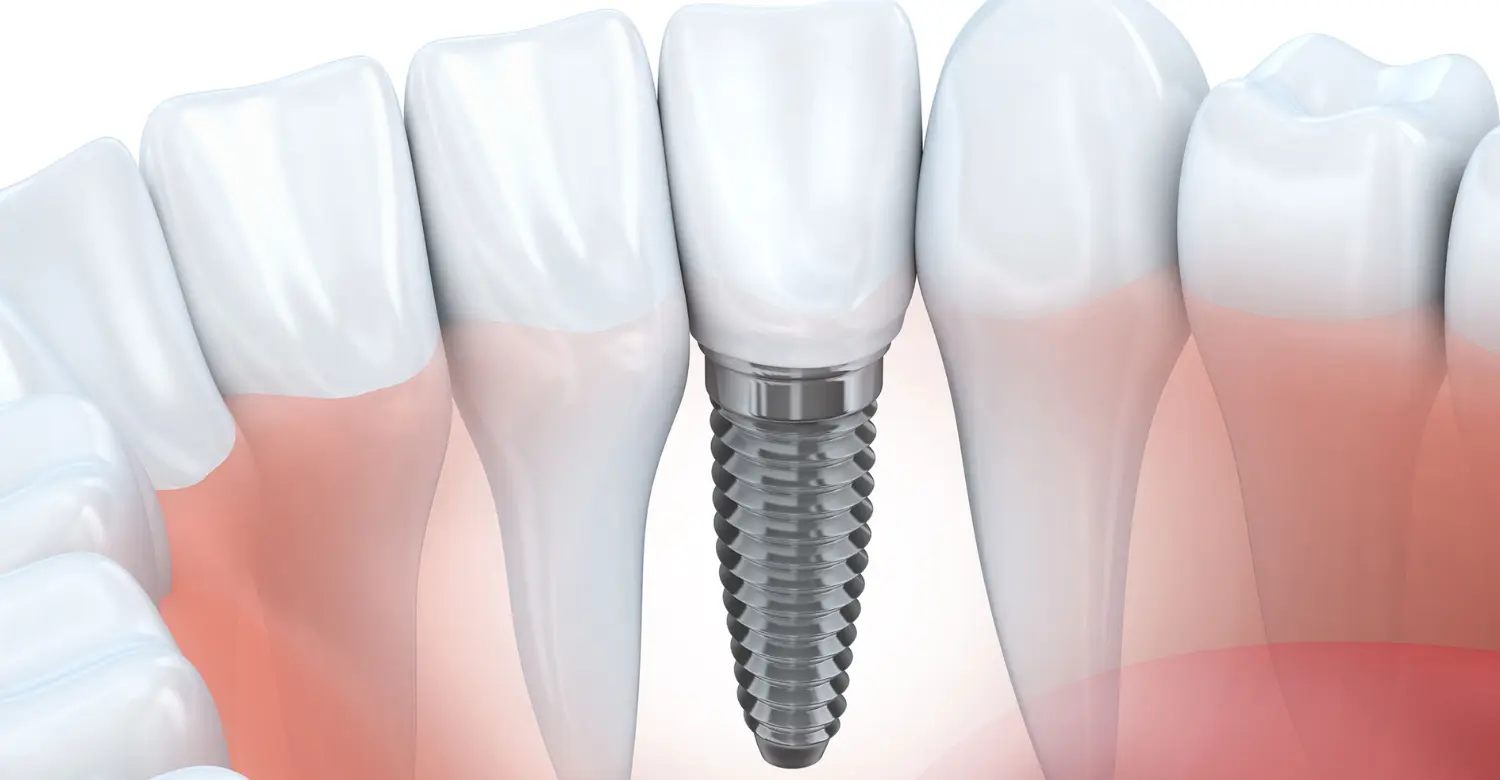
Regular follow-up visits with dental providers allow professional monitoring of implant healing. They also help detect potential complications early. Initial follow-up typically occurs within one week of implant placement. This visit assesses healing, removes sutures if placed, and addresses immediate concerns. Subsequent appointments at regular intervals monitor osseointegration progress. They use clinical examination and periodic radiographs. Once implants are fully integrated and restored, continue routine dental cleanings every six months. These cleanings provide professional plaque removal and comprehensive examinations. These ongoing appointments prove essential for long-term implant success. Professional monitoring detects problems like peri-implantitis in early stages when treatment is most effective. Never skip scheduled follow-ups even when feeling fine. Many complications develop without obvious symptoms initially.
Cost of Emergency Dental Implants: What to Expect
Financial considerations significantly influence implant decisions. Cost transparency is essential for informed treatment planning. Implant expenses typically exceed conventional implant costs. This is due to urgency fees, after-hours scheduling, and potentially more complex procedures. These procedures address compromised site conditions. Understanding pricing structure, factors affecting costs, and cost-benefit considerations helps you budget appropriately. You can also evaluate treatment options. Many dental practices offer payment plans or financing options. These make implant treatment accessible to patients without full immediate payment capability. International treatment through dental tourism destinations like Turkey provides significant cost savings. It maintains quality standards. However, emergency situations may limit travel planning flexibility compared to elective procedures.
Average Cost Range
A single emergency dental implant in the United States typically costs $2,500–$6,000. This includes surgical placement, abutment, and crown. Emergency fees may add $200–$500 or more to conventional implant pricing. These figures vary by location, provider expertise, materials, and complexity. Metropolitan areas and regions with high living costs generally see higher prices than rural or lower-cost areas. Dental tourism destinations like Turkey offer treatment for $800–$2,000 per implant. That represents 60–75% savings compared to Western countries while maintaining international quality standards. These substantial savings make care accessible to patients who might otherwise delay or forego necessary treatment due to financial constraints.
Multiple implants require proportionally higher investment. Per-unit costs often decrease slightly with multiple placements during a single procedure due to reduced overhead allocation. Full-arch restoration using four to six implants supporting fixed prosthetics costs $15,000–$30,000 in the United States. Comparable treatment in Turkey ranges $5,000–$10,000. Additional procedures often necessary include bone grafting ($300–$3,000), sinus lifts ($1,500–$5,000), or failed implant removal ($500–$1,500). Comprehensive cost estimates should include all anticipated procedures, not just implant placement itself, to avoid surprise expenses. Requesting detailed written quotes before treatment allows accurate budgeting and comparison shopping when time permits choosing between providers or locations.
Factors Affecting Cost
Clinic location and surgeon expertise significantly impact pricing. Highly experienced specialists in prestigious metropolitan practices charge premium fees reflecting their training, reputation, and overhead costs. Board-certified periodontists or oral surgeons typically charge more than general dentists for placement. Their specialized expertise may justify higher fees for complex cases. Procedures performed after hours, on weekends, or on holidays incur additional fees compensating staff and providers for non-standard scheduling. Geographic cost of living variations create substantial regional pricing differences. The same procedure can cost twice as much in expensive coastal cities compared to midwestern or southern areas. International treatment destinations leverage lower labor costs and overhead while maintaining quality. This explains dramatic cost differences without necessarily compromising outcomes.
Materials and additional procedures substantially affect total costs. Premium implant systems from manufacturers like Straumann, Nobel Biocare, or Zimmer command higher prices than economy brands. Reputation and long-term performance data often justify premium material selection. Zirconia implants cost more than traditional titanium, as do ceramic crowns compared to porcelain-fused-to-metal alternatives. Cases often require bone grafting, soft tissue management, or provisional restorations during healing. Each adds to overall investment. Digital planning technologies including CBCT scanning ($300–$600) and computer-guided surgery ($500–$2,000) improve precision but increase costs. Sedation options beyond local anesthesia add $300–$1,000 depending on type and duration. Understanding how these factors combine helps patients appreciate cost variations and make informed decisions balancing quality against affordability.
Comparing Implant Materials in Emergencies
When an implant is needed urgently, the choice of material can impact the outcome. Titanium implants have a long track record of success. They are often preferred for their strength and osseointegration properties. They are also more cost-effective and widely available. That makes them a practical choice in emergency situations. Zirconia implants offer superior aesthetics and are metal-free. This appeals to patients with metal sensitivities. However, they may require more precise placement. They are less commonly used in emergencies due to availability. Dr. Al-Samman explains, "In an emergency, we typically recommend titanium implants because they are reliable and allow for immediate loading in many cases. Zirconia can be an option if the patient has specific aesthetic or allergy concerns, but it's not always suitable for urgent placement."
Cost vs Benefits Analysis
Immediate restoration benefits include avoiding extended periods without teeth. It preserves bone volume that would otherwise resorb. It maintains gum architecture supporting aesthetics. It prevents adjacent tooth shifting. It consolidates surgical procedures reducing cumulative discomfort and recovery time. For front teeth, placement with immediate temporary crowns eliminates social and professional embarrassment of visible gaps during months-long conventional healing periods. The psychological benefits of prompt restoration and the practical advantages of maintained function justify premium pricing for many patients. Bone preservation achieved through immediate placement may prevent more expensive grafting procedures later. This potentially reduces total lifetime treatment costs despite higher initial emergency fees. Time savings through compressed treatment timelines also provide value to busy professionals unable to accommodate multiple appointments spanning months.
Delayed treatment alternatives sometimes prove more economical. Urgency premiums and potential complication risks are considered against conventional staged implant protocols. Allowing extraction sites to heal completely before implant placement permits more predictable outcomes in some situations. This is particularly true when infection or inadequate bone initially compromises success probability. Delayed approaches allow comprehensive treatment planning, bone augmentation with extended healing, and optimal implant positioning without urgency constraints. However, delayed treatment requires temporary prosthetics during healing periods. It involves multiple surgical procedures and extended overall treatment duration. For patients without aesthetic concerns, adequate bone, or situations where immediate placement risks outweigh benefits, conventional staged approaches may represent better long-term value. Individual circumstances dictate whether urgency premiums are justified or whether conventional protocols serve better.
Urgent Dental Implant Complications and How to Avoid Them
While these procedures have become more predictable, complications can still occur. Urgent timelines and compromised sites raise risks compared to planned implants. Knowing the warning signs helps patients act early. Most problems are preventable with careful planning and good aftercare. Choosing an experienced provider is key.
Common Complications
Infection is the most serious risk. It can cause failure if not treated quickly. Placement into fresh sockets with existing infection raises contamination risk. Signs include increasing pain, swelling, redness, pus, foul taste, or fever. Early infections may respond to antibiotics. Advanced cases may require removal to protect bone. Prevention includes thorough cleaning, antibiotics when needed, and good hygiene. Avoid smoking and poor nutrition.
Implant loosening threatens success. Stable implants are needed for bone healing. Poor bone quality, low insertion torque, or early loading can cause movement. Early detection may allow salvage with extended healing. Many cases require removal and later replacement. Prevention focuses on good bone density and sufficient stability. Avoid immediate loading when stability is uncertain. Follow a soft diet and protect the site during healing.
Soft tissue problems can also occur. Gum recession, inflammation, or wound opening may complicate healing. Immediate temporaries can stress tissues and cause recession. Insufficient attached gum increases inflammation risk. Prevention involves careful tissue handling and tension-free closure. Sometimes soft tissue grafting is needed. Gentle hygiene and avoiding trauma help. Some issues resolve with time. Others need secondary procedures.
How to Minimize Risks
Choosing an experienced dentist reduces complication risks. Provider expertise significantly influences outcomes in urgent situations. Seek practitioners with advanced training in implant dentistry. Board-certified periodontists or oral surgeons are ideal. Ask about success rates and complication management protocols. Inquire how they handle after-hours emergencies. Experienced providers know when immediate placement suits the situation. They also know when delayed approaches are better. They select cases matching their success criteria. They achieve adequate primary stability in compromised sites. They balance urgency against optimal outcomes. Research provider credentials and read patient reviews. Request detailed treatment plans including alternatives.
Following post-op instructions is crucial for success. Yet compliance drops when discomfort resolves. Take all prescribed medications as directed. Complete full antibiotic courses even after feeling better. Follow dietary restrictions. Avoid hard foods and chewing near the implant site. Attend every scheduled follow-up appointment. Professional monitoring allows early complication detection. Maintain oral hygiene as instructed. Balance cleanliness against trauma avoidance. Avoid smoking, excessive alcohol, and recreational drugs. These impair healing. Report unusual symptoms promptly. Do not wait to see if it gets better. Patient compliance directly correlates with success rates. Disciplined adherence is essential despite inconvenience.
Prompt follow-up care enables early detection of complications. Early intervention is most effective. Initial post-operative appointments assess healing progress. Providers identify subtle signs before patients notice symptoms. Professional monitoring includes palpation for stability. It assesses soft tissue healing. It evaluates swelling or inflammation patterns. Sometimes radiographs confirm proper positioning. These examinations detect loosening, infection, or improper positioning. They also detect healing delays requiring intervention. Maintain open communication with providers. Report pain increases, swelling progression, or numbness promptly. Complications addressed early often resolve with conservative interventions. Delayed recognition may necessitate implant removal. Diligent follow-up care improves implant longevity. It also reduces lifetime treatment costs.
Why Choose Vitrin Clinic for Emergency Dental Implants
When dental emergencies strike, selecting a capable provider is crucial. Vitrin Clinic Istanbul specializes in urgent implant treatment. We combine experienced clinicians, advanced technology, and comprehensive support. Our team understands the stress of dental emergencies. We work efficiently to provide prompt relief and definitive treatment. International patients trust Vitrin Clinic for urgent care. Turkish affordability is typically 60-70% less than Western countries. We maintain international quality standards and modern facilities. English-speaking staff ensure clear communication. Our patient-centered protocols balance urgency with safety. We never compromise quality for speed.
Experienced Implant Dentists and Rapid Emergency Care
Vitrin Clinic’s implant specialists possess extensive training. They have thousands of successful cases including complex urgent situations. Our team recognizes which emergencies suit immediate placement. They also know when alternative approaches are better. We maintain flexible scheduling for urgent patients. Delayed treatment can worsen conditions and compromise outcomes. Advanced technology includes in-house CBCT scanning. This provides immediate three-dimensional imaging. Digital treatment planning optimizes implant positioning under time constraints. Our surgical suites are equipped for immediate procedures. All necessary instruments, materials, and staff are available without delays.
Immediate consultations connect urgent patients with experienced clinicians quickly. Assessment and treatment planning begin without extended waiting. We understand emergencies don’t observe business hours. Our on-call systems ensure timely attention. Advanced technology supports urgent treatment. Computer-guided surgery enhances placement precision. Premium implant systems from leading manufacturers ensure quality. Comprehensive anesthesia options include sedation for anxious patients. Digital workflow streamlines procedures from imaging to restoration. This reduces treatment time while maintaining accuracy. Our investment in technology reflects commitment to optimal outcomes. We handle time constraints and challenging circumstances effectively.
Expertise You Can Trust
Dr. Rifaat Al-Samman leads our medical team. He holds a Doctor of Dental Surgery degree from Izmir Katip Celebi University. He has extensive training in implantology and restorative dentistry. He has completed thousands of complex rehabilitation cases. These include full-mouth restorations and implant-supported prostheses. His leadership ensures comprehensive care for every emergency case. Dr. Al-Samman is committed to evidence-based dentistry. He pursues continuous education. This makes him a trusted expert in urgent dental situations.
Recognized Excellence in Dental Care
Vitrin Clinic has received recognition for outstanding patient care. In 2023, we won the 'Best Dental Tourism Clinic' award. The International Healthcare Travel Association presented this honor. Dr. Al-Samman has spoken at international dental conferences. His topics include implantology and emergency dentistry. These accolades reflect our commitment to quality and patient satisfaction. They provide peace of mind for those seeking urgent treatment.
Accredited and Certified for Your Safety
Vitrin Clinic adheres to international healthcare standards. We hold certifications from recognized bodies. These include the Joint Commission International (JCI) and the Turkish Ministry of Health. Our sterilization and infection control protocols meet stringent requirements. This ensures a safe environment for all procedures. Our team members are certified in advanced life support. They are ready to handle any complications. These accreditations underscore our dedication to patient safety and quality care.
Comprehensive Patient Care
Personalized emergency plans address each patient’s unique situation. They include immediate symptom management, definitive treatment options, realistic timelines, and transparent cost estimates. We never use one-size-fits-all approaches. Instead, we develop customized strategies that balance urgency, clinical realities, patient preferences, and budget. Treatment plans include contingencies for potential complications. Patients understand all possibilities before proceeding. Our approach considers medical history, anatomical limitations, infection status, and individual risk factors. We determine if immediate placement is advisable or if alternatives better serve long-term interests. This thoughtful evaluation, even under urgent circumstances, shows our commitment to appropriate care. We do not simply perform requested procedures without due diligence.
Transparent cost estimates are provided before treatment. They include all anticipated procedures, materials, and follow-up care. No hidden fees surprise patients after treatment. We understand financial concerns often accompany medical emergencies. Detailed pricing breakdowns allow informed decision-making. Payment flexibility through various options makes treatment accessible despite unexpected timing. International patient coordinators assist with travel arrangements, accommodation, and scheduling when circumstances permit. True emergencies may require local intervention first. Patients can then transfer to Vitrin Clinic for definitive treatment. Our support extends beyond immediate placement. We provide follow-up communications, post-treatment guidance, and coordination with local providers when patients return home. This ensures comprehensive care throughout recovery and beyond.
Key Takeaways About Emergency Dental Implants
Emergency dental implants address urgent situations. These include severe trauma, acute infections requiring extraction, failed previous implants, or sudden tooth loss. Immediate replacement provides significant benefits. The procedure follows similar principles to conventional implant placement. Protocols adapt to compressed timelines and often suboptimal site conditions. Experienced clinical judgment is required. Recovery emphasizes infection prevention and protecting healing sites from premature loading. Meticulous oral hygiene and diligent follow-up care allow early complication detection. Costs typically exceed conventional implant fees due to urgency premiums. They often prove worthwhile through immediate restoration benefits, bone preservation, and consolidated treatment. This reduces total appointments and recovery periods.
Schedule a Consultation at Vitrin Clinic
Don’t let dental emergencies compromise your smile, health, or quality of life. Contact Vitrin Clinic Istanbul immediately for an emergency dental implant consultation. Discover how our experienced team addresses urgent situations with prompt, effective treatment. Our implant specialists evaluate your specific circumstances. They provide an honest assessment of whether immediate placement is appropriate. We develop comprehensive treatment plans respecting your needs and budget. We are available for urgent consultations. Our advanced technology supports immediate procedures. Vitrin Clinic stands ready to help when dental crises strike. Reach out now for expert care combining quality, affordability, and compassionate support.
What We Notice Clinically
At Vitrin Clinic, we frequently evaluate patients who believe they require an urgent tooth implant. The actual problem often involves a fractured crown, damaged bridge, or inflamed gum tissue rather than implant failure. Dr. Rifat Alsaman, Head of the Medical Team at Vitrin Clinic, notes that early diagnosis significantly improves outcomes. Many emergencies can be managed conservatively before extensive damage develops. Dr. Alsaman also observes that patients who seek treatment within the first 24–48 hours often preserve more bone and soft tissue. This creates better conditions for successful implant rehabilitation and faster recovery.
Clinical Note
Clinical evaluation during an emergency dental implant assessment should always include radiographic imaging, soft tissue examination, occlusal analysis, and assessment of implant stability when an existing implant is involved. At Vitrin Clinic, treatment decisions are based on both clinical findings and diagnostic imaging rather than symptoms alone. Dr. Rifat Alsaman, Head of the Medical Team at Vitrin Clinic, explains that pain severity does not always correlate with the seriousness of the underlying condition. Dr. Alsaman emphasizes that prompt diagnosis allows clinicians to distinguish between reversible complications and conditions requiring surgical intervention. This improves long-term implant survival and patient safety.
Tips for Patients
If you experience sudden tooth loss, implant discomfort, or a loose implant crown, seek professional assessment as soon as possible. Keep any detached restoration clean and bring it to your appointment if available. Avoid chewing on the affected side. Maintain gentle oral hygiene. Do not use over-the-counter adhesives to reposition a crown. At Vitrin Clinic, every urgent tooth implant assessment is designed to identify the safest treatment option while minimizing additional damage. Dr. Rifat Alsaman, Head of the Medical Team at Vitrin Clinic, advises patients that quick professional evaluation often increases the chances of preserving both the implant site and surrounding oral structures.
Understanding Costs and Payment Options
Dental emergencies can be stressful. The cost of implant treatment is a common concern. Many dental insurance plans cover at least part of emergency procedures. This includes extractions and temporary restorations. Coverage for implants varies. Check with your provider about what is included. For those without sufficient coverage, many clinics offer financing plans. These allow patients to pay in installments. Dental tourism packages often include competitive pricing for implant procedures. This makes them more affordable. Dr. Alsaman advises, "We work with patients to find a financial solution that fits their budget. Cost should not prevent them from getting the care they need."
What to Do If You Have a Dental Emergency While Traveling
A dental emergency can happen anywhere, even on vacation or a business trip. If you need urgent dental care while away from home, contact a local dentist or a clinic that specializes in emergency treatments. Many clinics, like Vitrin Clinic in Istanbul, offer same-day appointments for international patients. Carry a dental emergency kit with items like temporary filling material and pain relievers. If you have a dental implant that becomes loose or damaged, avoid touching it. Seek professional help immediately. Dr. Alsaman recommends, "Always have the contact information of a reliable dental clinic at your destination. At Vitrin Clinic, we prioritize emergency cases and can often see patients within hours."
Emergency Cases Handled at Vitrin Clinic
At Vitrin Clinic, we have managed a wide range of dental emergencies. These include traumatic injuries and sudden implant failures. One notable case involved a 30-year-old athlete who suffered a fractured jaw and lost two front teeth in a cycling accident. Dr. Alsaman coordinated with an oral surgeon to stabilize the jaw. He placed two immediate implants, restoring the patient's smile within a week. Another case was a 70-year-old woman whose implant-supported bridge became loose due to bone loss. The team performed a bone graft and replaced the bridge with a new implant-supported prosthesis. This ensured long-term stability. These examples highlight the complexity of emergency cases. They also show the importance of a multidisciplinary approach to achieve successful outcomes.
Evidence-Based Approach to Emergency Implants
Research supports the effectiveness of immediate implant placement in emergency situations. A study published in the Journal of Oral Implantology found that immediate implants have a high success rate when proper protocols are followed. Another study in Clinical Oral Implants Research indicated that immediate loading of implants in the esthetic zone can yield favorable outcomes. These findings align with the practices at Vitrin Clinic. Dr. Alsaman and his team use the latest evidence to guide treatment decisions. By staying updated on scientific literature, we ensure that our emergency implant procedures are safe and effective.
What Our Patients Say
Patient feedback is a testament to the quality of care we provide. On Google Reviews, Vitrin Clinic has an average rating of 4.9 out of 5. Many patients praise the prompt and professional handling of emergencies. One review reads, "I had a dental emergency while on vacation, and the team at Vitrin Clinic saw me immediately. They were compassionate and skilled, and I couldn't be happier with the result." Another patient commented, "Dr. Alsaman is a true expert. He explained everything clearly and made me feel at ease during a stressful situation." These reviews reflect our commitment to patient-centered care.
Our Guarantee for Peace of Mind
We stand behind the quality of our implant treatments. Vitrin Clinic offers a 5-year warranty on all dental implants. This covers any issues related to implant failure or material defects. We also provide a free follow-up consultation within the first year. This ensures the implant is healing properly. If any complications arise, our team is available for remote consultations. We can arrange for necessary adjustments. This guarantee reflects our confidence in the longevity of our work. It also shows our commitment to patient satisfaction.
Conclusion
An urgent dental implant can replace a missing tooth quickly. Success depends on accurate diagnosis and healthy supporting tissues. A personalized treatment plan is also essential. Some patients qualify for immediate placement. Others benefit from temporary restorations first. This approach often leads to better long-term results.
At Vitrin Clinic, every urgent case is carefully assessed. Advanced diagnostic technology guides the safest approach. Dr. Rifat Alsaman, Head of the Medical Team and a cosmetic dentist, stresses that acting quickly while following proper protocol helps preserve bone and protect oral health. It also maximizes implant success. If you experience sudden tooth loss, a loose implant crown, or another implant-related emergency, seek prompt professional care. This can make all the difference in restoring your smile with confidence.
Reference
Urgent dental implant treatment refers to implant treatment provided in urgent situations. Examples include replacing a tooth lost due to trauma, severe decay, or extraction when immediate placement is clinically appropriate. Suitability depends on bone quality, gum health, infection presence, and overall oral condition. The following references provide more information about urgent dental implants, immediate placement, eligibility criteria, treatment procedures, and clinical outcomes:
FAQs

Dr. Rifat Alsaman has more than 5 years of clinical experience in dentistry and currently serves as the Head of the Medical Team at Vitrin Clinic. He is dedicated to providing exceptional patient care, overseeing treatment planning, and ensuring the highest clinical standards across the team. His expertise, attention to detail, and commitment to continuous professional development have helped countless patients achieve healthier, more confident smiles.


