Dental Implant
October 20, 2026
Dental Implant Failure in Patients With Diabetes: Causes, Risks, and Treatment Options
 Dr. Rifat Alsaman

Dental Implant Failure in Patients With Diabetes is a common worry, but diabetes does not automatically rule out successful implant treatment. Outcomes depend largely on blood glucose control, healing capacity, gum health, and infection risk. If you live with diabetes, you may fear implant rejection, slow healing, or losing your investment. These concerns are understandable. Strictly speaking, implants are not "rejected" like transplanted organs. Instead, they may fail to bond with bone or lose their support over time. This guide explains causes, warning signs, and treatment options. It also shows why individualized assessment and long-term maintenance matter so much.
.jpg)
.jpg)
.jpg)
.jpg)
.jpg)
.jpg)
.jpg)
Ready to transform your smile?
Talk to our team and get a FREE treatment plan.
Dental Implant Failure in Patients With Diabetes: What You Need to Know
Dental Implant Failure in Patients With Diabetes rarely has one single cause. Implants rely on a stable bond with the jawbone and healthy surrounding gums. Diabetes can influence both, especially when blood sugar stays high for long periods. However, many people with well-managed diabetes keep their implants for years. Understanding how failure happens helps you recognize problems early. It also helps you ask the right questions before treatment. The sections below explain what failure means, how diabetes affects risk, and how early and late failure differ.
What Is Dental Implant Failure?
Dental implant failure describes an implant that does not fuse with the jawbone, becomes unstable, develops persistent infection, or loses supporting bone. Clinicians usually separate failures into two groups. Early failure happens before the implant fully integrates, often within the first months. Late failure happens after integration, usually once the crown is in use. Failure can result from many factors, including infection, smoking, overload, or poor bone quality. In dental implant failure in patients with diabetes, diabetes is one possible contributor, not the sole cause.
Does Diabetes Increase the Risk of Dental Implant Failure?
Diabetes can raise risk, but the degree depends largely on control. Persistently high glucose may weaken immune cells, increase inflammation, and affect small blood vessels. These changes can slow tissue repair around an implant. Many studies suggest that well-controlled diabetes carries implant survival comparable to people without diabetes. Uncontrolled diabetes is more often linked with complications. This is why dental implants and blood sugar control are closely connected. Dentists often review HbA1c, a blood test reflecting average glucose over roughly two to three months.
Early vs. Late Dental Implant Failure in Diabetic Patients
Timing helps explain why an implant fails. Early and late failures have different causes, so they need different responses. Early failure usually reflects a problem with healing or bone bonding. Late failure usually reflects inflammation, bone loss, or mechanical stress that develops gradually. In dental implant failure in patients with diabetes, both types deserve attention. Glucose control can influence initial healing as well as long-term gum and bone health. Knowing which type is present guides diagnosis and treatment.
Early Failure: When the Implant Does Not Heal Properly
Early failure happens when osseointegration does not occur as expected. Osseointegration is the process through which the implant surface bonds directly with the surrounding bone. If this bond does not form, the implant may remain mobile or become painful. Possible contributors include infection at the surgical site and poor initial stability. Delayed healing can also play a role. In diabetes, high glucose may slow bone formation and weaken the early immune response. This can make the first healing months more vulnerable.
Late Failure: When a Previously Stable Implant Develops Problems
Late failure affects an implant that once integrated successfully. The most common biological cause is peri-implantitis, an inflammatory condition that destroys supporting bone. Excessive biting forces can also stress the bone and implant components. Progressive bone loss may continue quietly for some time before symptoms appear. These complications can develop months or even years after placement. For people with diabetes, glucose control and regular maintenance remain important long after the implant has healed. Long-term care matters as much as surgery.
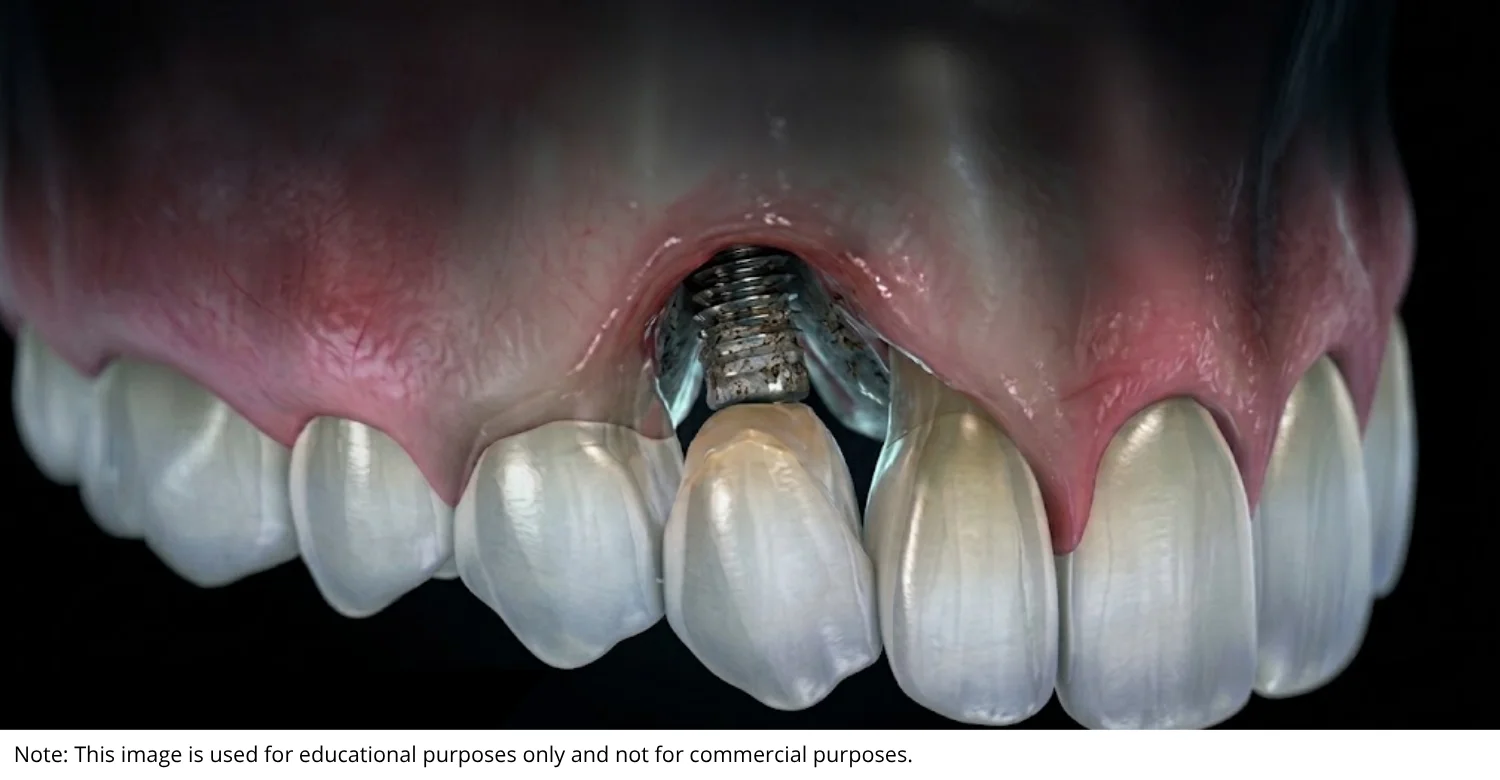
Signs and Symptoms of Dental Implant Failure in Patients With Diabetes
Recognizing warning signs early can protect both the implant and the surrounding bone. Some symptoms are normal after surgery, while others suggest a developing problem. The key difference is usually the pattern. Normal discomfort improves, while concerning symptoms persist or worsen. Because diabetes can slow healing, it helps to watch your recovery closely. Spotting dental implants failure in patients with diabetes early often allows simpler treatment. The signs below do not confirm failure on their own. They simply show that a professional assessment is needed.
Pain or Discomfort That Does Not Improve
Some soreness after implant surgery is expected. It usually peaks within the first few days and then gradually eases. Pain that persists, worsens, or returns after initial improvement deserves attention. Warning signs include discomfort when chewing, pressure around the implant, or tenderness when touching the area. Pain may signal infection, poor integration, or overload. It may also come from a nearby tooth or a loose component. In dental implant failure in patients with diabetes, only a clinical examination can identify the true source.
Swollen, Bleeding, or Inflamed Gums Around the Implant
Healthy tissue around an implant should look firm and pink. Redness, swelling, or bleeding during brushing can indicate inflammation. Pus or a bad taste suggests infection. These signs may reflect peri-implant mucositis, an early and reversible inflammation, or more advanced disease. Diabetes may complicate the body's response to bacteria. When glucose is high, immune cells may work less efficiently. As a result, infections can progress faster or resolve more slowly. Early treatment usually gives better results.
Implant Mobility or Changes in Your Bite
An implant that moves needs prompt professional assessment. A properly integrated implant should not move at all. However, the movement is not always the implant itself. A loose crown, abutment, or screw can feel similar. These prosthetic problems are often simpler to fix. A sudden change in how your teeth meet may also signal a loose component or bone loss. Avoid wiggling the area to test it. Your dentist can determine which part is affected and why.
Delayed Healing After Implant Surgery
Signs of delayed healing include a wound that stays open, swelling that lasts longer than expected, or ongoing discharge. Some people also notice a persistent bad taste or tenderness. Healing time naturally varies. It depends on the procedure, whether grafting was used, and general health. Diabetes can slow wound closure. Still, symptoms must be interpreted in context. Delayed healing is not always a sign of dental implants failure in patients with diabetes. Your dental team can judge whether intervention is needed.
Ready to transform your smile?
Talk to our team and get a FREE treatment plan.
Causes and Risk Factors for Dental Implant Failure in Diabetic Patients
Implant problems rarely come from one factor alone. They usually result from several factors acting together. Risk factors for dental implant failure in diabetics include poor glucose control, infection, gum disease, smoking, and bone limitations. Mechanical stress and irregular maintenance also matter. Some factors can be changed before treatment, while others need careful planning. Understanding them helps patients and clinicians reduce avoidable risks. Dental implant failure in diabetic patients is often preventable when these factors are identified and managed early.
Poor Blood Sugar Control
Persistent hyperglycemia means blood glucose stays above the healthy range for long periods. This can impair white blood cell function and slow tissue repair. It also promotes advanced glycation end products, which can intensify inflammation. As a result, uncontrolled diabetes raises concern about postoperative infection and delayed recovery. Poor control is a key driver of dental implants failure in patients with diabetes. However, no single HbA1c value works as a universal cut-off for implant eligibility. Decisions depend on the full medical picture.
Diabetes and Dental Implant Complications During Osseointegration
Bone constantly remodels through cells that build and break down tissue. Metabolic disturbances can upset this balance. Research on dental implant osseointegration in diabetes suggests chronic high glucose may reduce new bone formation around the implant surface. It may also affect bone quality at the contact zone. The duration of diabetes, its complications, and overall metabolic control can all influence the result. This is why diabetes and dental implant complications are often linked to integration quality.
Dental Implant Infection in Diabetic Patients
Bacteria naturally live in the mouth. Infection develops when bacteria contaminate the implant site and the body cannot control them effectively. Dental implant infection in diabetic patients may be harder to manage because high glucose can weaken host defenses. Local signs include swelling, redness, pus, tenderness, and a bad taste. Timely clinical evaluation is essential. Antibiotics alone may not resolve the problem. If the source, such as biofilm or a loose component, remains, the infection can return.
Peri-Implantitis in Diabetic Patients
Peri-implantitis is inflammation in the tissues around an implant combined with progressive loss of supporting bone. Bacterial biofilm on the implant surface is the main trigger. A history of gum disease, poor plaque control, and missed maintenance visits increase the risk. Studies associate peri-implantitis in diabetic patients with poorer glycemic control. Still, diabetes acts as a risk modifier rather than a sole cause. Controlling biofilm remains the foundation of prevention, with or without diabetes.
Additional Risk Factors That May Contribute to Implant Failure
Several other factors can increase the risk of dental implants failure in patients with diabetes, especially when combined:
Smoking and nicotine exposure, which reduce blood flow and slow healing.
Previous periodontitis or inadequate plaque control, which raise peri-implantitis risk.
Poor bone quality or insufficient bone volume, which can limit initial stability.
Excessive biting forces, bruxism, or unfavorable implant loading.
Certain medications, systemic conditions, and inconsistent follow-up.
Your dentist should review each factor during planning.
How Diabetes Affects Dental Implant Healing and Long-Term Success
Diabetes can influence both the first months of healing and the years that follow. Early on, it may affect wound closure and bone integration. Later, it may influence gum inflammation and bone stability around the implant. Importantly, these effects are often linked to glucose control rather than diabetes alone. Understanding diabetes and dental implant healing helps set realistic expectations. It also explains why consistent medical management supports better long-term outcomes. It lowers the chance of dental implant failure in patients with diabetes.
Diabetes and Dental Implant Healing: What Happens in the Body?
Healing depends on several connected processes. Good circulation delivers oxygen and nutrients to the surgical site. Immune cells clear bacteria and debris. Collagen forms the framework for new soft tissue, while bone cells remodel the area around the implant. High blood glucose can disrupt each step. It may affect small blood vessels, weaken immune responses, and reduce collagen quality. However, healing outcomes differ between individuals. Many people with diabetes heal well with proper planning.
Dental Implant Success Rate in Diabetic Patients
Research generally supports implant treatment for appropriately selected people with well-controlled diabetes. Reported results vary with glucose control, follow-up length, implant site, and study design. This makes a single dental implant success rate in diabetic patients difficult to state. It is also important to distinguish survival from success. Survival means the implant remains in place. Success means it functions without significant complications, such as ongoing bone loss. Reliable figures should always identify the studied population and follow-up period.
Can You Get Dental Implants With Uncontrolled Diabetes?
Poorly controlled diabetes may increase the likelihood of infection, delayed healing, and bone loss. Dental implant complications in uncontrolled diabetes are a genuine concern, so careful evaluation comes first. Your dentist will consider your current glucose control, medical stability, and the urgency of treatment. Elective implant placement may be postponed while your physician helps optimize diabetes management. This reduces the risk of dental implant failure in patients with diabetes. Uncontrolled diabetes does not mean permanent ineligibility for implants.
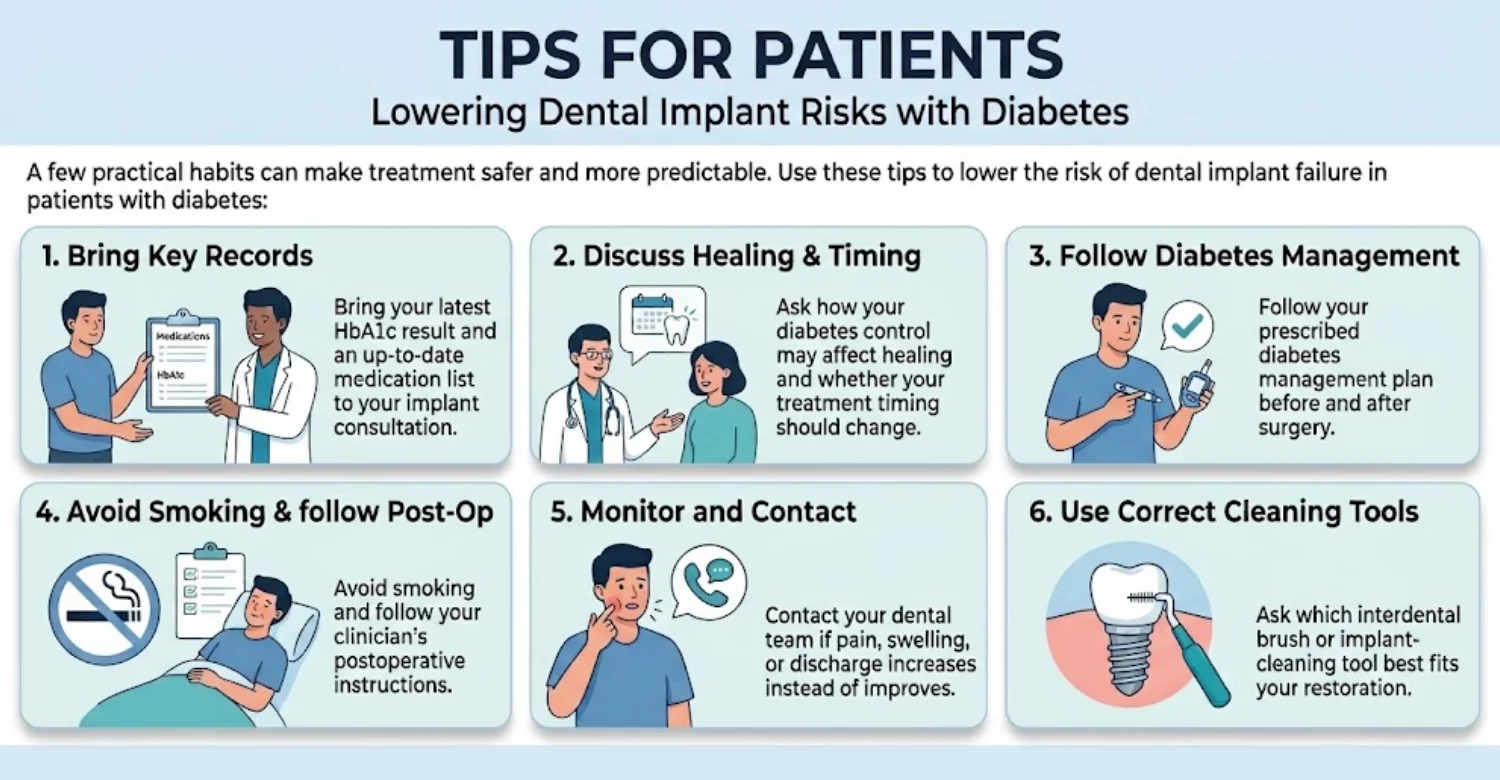
What to Do If You Suspect Dental Implant Failure
If something feels wrong with your implant, act early. Prompt assessment often allows simpler treatment and protects the surrounding bone. Avoid waiting for symptoms to settle on their own, especially if they are worsening. Keep a note of when symptoms began and how they have changed. Bring recent glucose readings or your latest HbA1c result if available. For anyone concerned about dental implant failure in patients with diabetes, timely evaluation is one of the most protective steps you can take.
When Should You Contact Your Dentist?
Contact your dentist promptly if you notice increasing pain, persistent swelling, bleeding, pus, or a change in implant stability. Do not repeatedly move an implant that seems loose, as this may worsen the problem. Some symptoms need urgent medical attention rather than a routine appointment. These include fever, spreading facial swelling, difficulty swallowing, or difficulty breathing. Such signs may indicate a spreading infection. Seek emergency care immediately if they appear. Do not wait for a scheduled dental visit.
How Is Dental Implant Failure Diagnosed in Patients With Diabetes?
Diagnosis combines several types of information. Your dentist examines the implant and surrounding tissues, takes appropriate images, and reviews your medical history. Each step answers a different question. The examination shows inflammation and stability. Imaging reveals bone levels and implant position. The medical review explains factors that may slow healing. Together, these findings separate a simple prosthetic issue from true dental implants failure in patients with diabetes. They also guide the safest treatment plan for your situation.
Clinical Examination of the Implant and Surrounding Gums
The examination starts with the soft tissues. Your dentist checks for redness, swelling, bleeding on gentle probing, and drainage. Probing depths around the implant may be compared with earlier records. Mobility is assessed carefully to see whether the implant or only the restoration moves. Bite forces are checked for overload or uneven contact. Prosthetic stability, including screws and crowns, is also reviewed. Together, these findings help determine whether the problem is reversible or more advanced.
Dental Imaging and Bone Assessment
Dental X-rays show bone levels around the implant and allow comparison with earlier images. Progressive bone loss often signals peri-implantitis or overload. When more detail is needed, CBCT imaging may be used. CBCT provides three-dimensional views of the bone, the implant position, and nearby structures. However, it usually involves a higher radiation dose than standard dental X-rays. Imaging is therefore selected according to the clinical question. It is not used routinely for every case.
Reviewing Blood Glucose Control and Medical History
Your dentist will ask about recent HbA1c results, daily glucose management, and current medications. Diabetes-related complications, such as kidney or circulation problems, are also relevant. Your healing experience after previous procedures can offer useful clues. This information helps explain why a problem developed. It also guides the timing of further treatment. When glucose control is unstable, coordination with your treating physician may be appropriate. Shared care supports safer and more predictable decisions.
.jpg)
Ready to transform your smile?
Talk to our team and get a FREE treatment plan.
Treatment Options for Dental Implants Failure in Patients With Diabetes
Treatment depends on the exact problem, its severity, and your overall health. Some complications are reversible with simple care. Others require surgery, removal, or replacement. Before treatment, the dentist identifies whether the issue involves the restoration, the soft tissue, or the implant itself. Managing dental implant failure in patients with diabetes also means considering glucose control throughout treatment. The options below range from conservative care to more advanced procedures. Each one is chosen according to the diagnosis.
Treating Early Inflammation and Reversible Complications
Early inflammation, such as peri-implant mucositis, is often reversible. Treatment usually includes professional cleaning around the implant and personalized plaque-control instruction. Local irritants, like excess cement or a poorly fitting restoration, may be corrected. If a crown or abutment screw is loose, it can often be retightened or replaced. The implant does not automatically need removal. Treatment is tailored to the source of the problem. That source may be the restoration, the soft tissue, or the implant.
Managing Dental Implant Infection
Infection management focuses on removing the source. Treatment may include thorough local cleaning of the implant surface and surrounding tissues. If pus has collected, drainage may be needed. Targeted antibiotics or antiseptic rinses may be prescribed when clinically necessary. However, medication cannot replace mechanical cleaning or correction of the cause. Reviewing glucose control during recovery is also important. Stable glucose may help the body respond more effectively to treatment and reduce the chance of recurrence.
Treating Peri-Implantitis and Supporting Bone Loss
Initial treatment is usually nonsurgical. It involves careful debridement to remove biofilm and deposits from the implant surface. Individualized maintenance follows. If inflammation and bone loss continue, surgical access may be considered. This allows direct cleaning and decontamination of the implant surface. In suitable defects, regenerative procedures using bone grafts or membranes may help rebuild support. Outcomes depend on defect shape, implant condition, and disease severity. Regular follow-up remains essential afterward.
When Does a Failed Dental Implant Need to Be Removed?
Removal may be considered when an implant is mobile, cannot be maintained, or shows severe progressive complications. A mobile implant has usually lost its bond with bone and generally cannot be saved. Clinicians also evaluate bone defects, ongoing infection, and the condition of nearby teeth and structures. Keeping a hopeless implant may lead to further bone loss. However, removal is not necessary for every case of dental implant failure in patients with diabetes. Many problems respond to conservative care.
Can a Failed Implant Be Replaced?
Replacement is often possible after the area heals and the cause of failure is addressed. The dentist first manages infection and allows the site time to recover. Bone grafting may be needed if significant bone was lost. Timing depends on infection control, available bone, medical stability, and glucose management. In some cases, alternatives such as a bridge or removable denture may be more suitable. A thorough reassessment guides this decision and helps avoid repeating the original problem.
Clinical Note
The following points summarize the key clinical facts about dental implant failure in patients with diabetes:
Diabetes is not an automatic contraindication to dental implant treatment.
Poor glycemic control may increase the risk of infection and impaired healing, but individual outcomes vary.
HbA1c is useful for assessing longer-term glucose control, yet no single value should replace individualized medical and dental assessment.
Implant failure can have multiple causes, including infection, poor osseointegration, peri-implantitis, mechanical complications, and unfavorable loading.
The choice between monitoring, nonsurgical treatment, surgery, removal, or replacement depends on the clinical diagnosis.
Medication adjustments and decisions about optimizing diabetes control should be coordinated with the treating physician.
How to Prevent Dental Implant Failure When You Have Diabetes
Prevention starts before surgery and continues for life. Many risks can be reduced through planning, good habits, and regular care. The most important steps involve glucose control, daily hygiene, treating gum disease, and attending follow-up visits. Each step supports healing and long-term stability. Prevention also relies on teamwork between you, your dentist, and your physician. Reducing the risk of dental implant failure in patients with diabetes is very achievable with consistent effort and realistic expectations.
Maintain Stable Blood Glucose Levels
Stable glucose supports healing before and after implant surgery. Ongoing diabetes management helps immune cells fight bacteria and supports bone formation around the implant. Follow the plan agreed with your physician, including diet, activity, monitoring, and medication. If your glucose has been unstable, ask your physician for a review before surgery. Never change diabetes medication without medical guidance. Some people need specific advice around surgery day, especially regarding meals, fasting, and medication timing.
Follow a Consistent Oral Hygiene Routine
Brush twice daily using a soft toothbrush and fluoride toothpaste. Clean around implants every day with suitable interdental brushes, implant floss, or a water flosser. Your dental team can show you the best technique for your restoration. Follow their individualized instructions closely. Attend professional maintenance visits at the recommended intervals. These visits remove hardened deposits that home cleaning cannot reach. Good daily hygiene limits the biofilm behind peri-implantitis and protects the surrounding bone.
Address Gum Disease Before Implant Placement
Active periodontal disease should be assessed and managed before implant placement. Bacteria from untreated gum disease can spread to the new implant site. People with diabetes are more prone to periodontitis, and the two conditions can affect each other. Your dentist will review previous gum disease and evaluate your current plaque control. Treating gum disease first creates a healthier environment for healing. It is a key step in preventing dental implant failure in patients with diabetes.
Attend Follow-Up Appointments
Regular follow-up allows early detection of problems. During visits, your dentist checks the gums, the bite, and the stability of the restoration. Appropriate imaging may be taken at intervals to monitor bone levels. Early changes are usually easier to treat than advanced disease. Do not wait for your next routine visit if you notice something new. Report pain, bleeding, swelling, or looseness promptly. Early reporting is one of the simplest ways to protect your implant.
Patients Reviews
What We Notice Clinically
Dr. Rifat Alsaman, Head of the Medical Team and cosmetic dentist at Vitrin Clinic, emphasizes that diabetes alone does not determine whether an implant will succeed. His assessment approach covers glucose control, gum health, bone conditions, oral hygiene, and medical history. Persistent inflammation, poor plaque control, or delayed healing may signal the need for closer monitoring. Treatment decisions should reflect the patient's current health and individual risk factors. They should not rest on general assumptions about diabetes.
Why Individualized Planning Matters
Dr. Rifat Alsaman, Head of the Medical Team and cosmetic dentist at Vitrin Clinic, highlights the importance of coordinated care. A treatment plan may need to account for diabetes management, existing gum disease, bone availability, and the patient's ability to attend follow-up visits. Implant placement, loading, and maintenance schedules should be selected according to clinical findings. No single protocol guarantees success for every patient. Individualized planning helps reduce avoidable risks and supports more predictable long-term results.
Takeaway: Protecting Your Dental Implants When You Have Diabetes
Diabetes may influence implant healing and long-term stability, but it does not automatically prevent successful treatment. Dental implant failure in patients with diabetes is often linked to manageable factors. Good glucose management, healthy gums, careful planning, and consistent maintenance can reduce avoidable risks. If you are considering implants or notice signs of a possible complication, seek a professional assessment. The next step is to identify the cause and choose the safest treatment for your individual circumstances.
Dental Implant Care at Vitrin Clinic
Vitrin Clinic in Istanbul, Türkiye, takes an individualized approach to dental implant care for patients with diabetes. Assessment includes oral health, gum condition, medical history, and diabetes management, with dental imaging when clinically indicated. When necessary, coordination with the patient's treating physician may help guide treatment timing and healing considerations.
Dental Implant Treatment Options
Dental Implants - Implant-based solutions to replace missing teeth and restore oral function, tailored to each patient's oral health, bone condition, and medical needs.
Personalized Treatment Planning
Diabetes does not automatically prevent dental implant treatment, but glucose management and individual healing risks must be considered. Contact Vitrin Clinic to discuss suitable options and receive a personalized treatment plan.






This article is for general information and does not replace a personal assessment by a qualified dentist. Prices are approximate 2026 averages, with UK and Turkey figures converted to US dollars, and may vary by clinic and case.
Not sure whether Veneers or Hollywood Smile is right for you?
Book your FREE treatment plan with Vitrin Clinic and get a personalized assessment and treatment plan from our dental team.
Ready to transform your smile?
Talk to our team and get a FREE treatment plan.
References:
FAQs
Dr. Rifat Alsaman has more than 5 years of clinical experience in dentistry and currently serves as the Head of the Medical Team at Vitrin Clinic. He is dedicated to providing exceptional patient care, overseeing treatment planning, and ensuring the highest clinical standards across the team. His expertise, attention to detail, and commitment to continuous professional development have helped countless patients achieve healthier, more confident smiles.


