Dental Implant
October 20, 2026
Systemic Conditions and Dental Implant Loss: What Are the Risks and Can You Prevent Them?
 Dr. Rifat Alsaman

Systemic conditions and dental implant loss are closely related when medical conditions affect immunity, blood glucose regulation, bone metabolism, or healing. A dental implant can fail even when surgery initially looks successful. Still, having a chronic illness does not automatically mean you cannot receive implants. What matters is a careful review of your medical history, medications, gums, and bone. According to Dr. Rifat Alsaman, Head of the Medical Team and cosmetic dentist at Vitrin Clinic, assessing overall health before treatment is the foundation of a safe, individualized implant plan.
.jpg)
.jpg)
.jpg)
.jpg)
.jpg)
.jpg)
.jpg)
Ready to transform your smile?
Talk to our team and get a FREE treatment plan.
How Are Systemic Conditions and Dental Implant Loss Connected?
Systemic conditions & dental implant loss are connected through healing biology. Systemic conditions are medical disorders that affect the body beyond the mouth. Implants rely on osseointegration, the process through which bone bonds directly with the implant surface. Impaired healing, higher infection susceptibility, altered bone metabolism, or reduced blood supply can weaken this bond. However, a risk factor is not the same as a confirmed cause. The real effect depends on disease severity, disease control, medications, smoking status, and daily oral hygiene.
What Are the Signs That a Medical Condition May Be Affecting Your Dental Implant?
Early implant complications often cause few symptoms. That is why regular reviews matter, especially if you live with a chronic condition. When symptoms do appear, they usually involve the gums, the bite, or comfort around the implant. Noticing them early gives your dental team more treatment options. Because systemic conditions and dental implant loss can be linked quietly, patients with diabetes, osteoporosis treatment, or immune-modifying medication benefit from closer monitoring. The sections below describe what you might notice in daily life.
What Does a Failing Dental Implant Feel Like?
A failing implant may cause pain or tenderness that persists or returns after the expected healing period. The implant or its crown may feel loose when you chew. The gum around it may look swollen, bleed when brushing, or feel sore to touch. Some people notice pus, an unpleasant taste, or persistent bad breath near the implant. None of these signs confirms failure on its own. Each one, however, deserves an examination rather than waiting to see if it settles.
Can Dental Implant Problems Develop Without Pain?
Yes. Peri-implant bone loss can progress for months without obvious discomfort. Many patients feel completely normal while bone support slowly decreases. Dental examinations and radiographs can reveal these changes before symptoms become noticeable. This matters when systemic conditions & dental implant loss are a concern, because healing problems may stay silent. It also helps to know that a loose crown or screw does not always mean the implant itself has failed. Mechanical issues are often simpler to fix.
When Do Symptoms Suggest an Urgent Problem?
Some symptoms need prompt assessment. Rapidly increasing swelling, fever, spreading facial swelling, or difficulty swallowing can indicate a spreading infection. These signs should not wait for a routine visit. Exposed jawbone or an area that does not heal after dental surgery also needs specialist evaluation. This is particularly important if you take antiresorptive medication, such as bisphosphonates or denosumab, or have had head and neck radiotherapy. Both situations carry specific risks for jawbone healing.
What Systemic Conditions Can Increase the Risk of Dental Implant Loss?
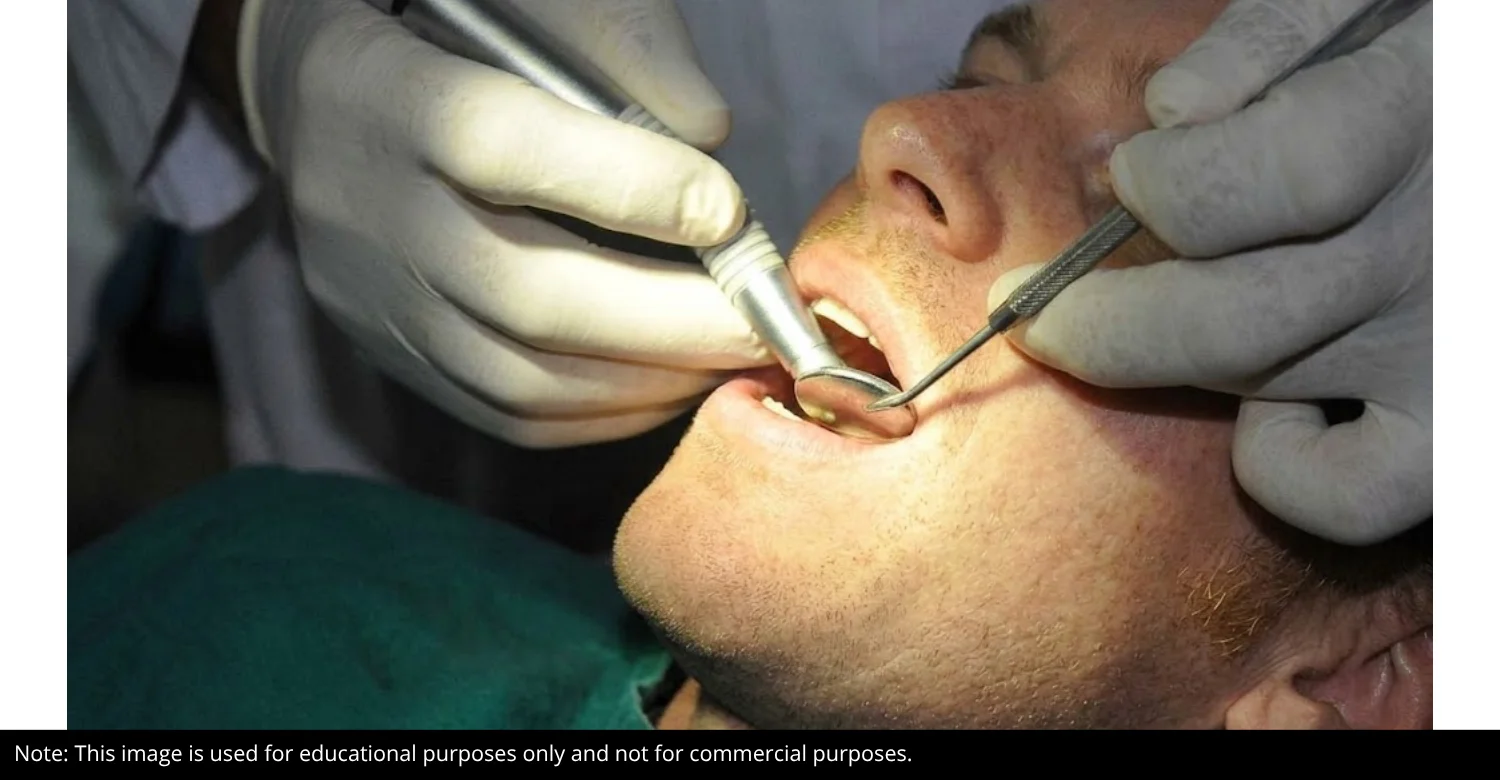
Several conditions can raise risk, but the level of risk varies widely. It depends on the specific diagnosis, how well it is controlled, treatment history, and individual health. Understanding systemic conditions and dental implant loss means looking beyond the diagnosis itself. Common considerations include diabetes, osteoporosis, and smoking. More specialized concerns include autoimmune disease, antiresorptive medicines, cardiovascular disease, and radiotherapy. Each affects healing differently. A careful review of medically compromised patient implant candidacy helps identify which risks apply to you.
How Can Uncontrolled Diabetes Lead to Implant Failure?
Uncontrolled diabetes means blood glucose stays above target ranges over time. Persistent hyperglycemia can impair immune function, slow wound healing, and affect bone remodeling. The link between uncontrolled diabetes and implant failure is supported by studies associating poor glycemic control with peri-implant inflammation and weaker osseointegration. Well-controlled diabetes behaves quite differently. Many patients with stable glucose levels achieve outcomes similar to people without diabetes. Coordination with your physician and a review of recent HbA1c results can help guide safe timing.
Can Osteoporosis Affect Dental Implant Osseointegration?
Osteoporosis reduces bone density and strength, mainly in the skeleton. However, jawbone quality does not always mirror hip or spine measurements. Research on osteoporosis and dental implant osseointegration shows that the condition alone does not automatically prevent successful integration. Some studies report slightly more marginal bone loss, but implant survival is often comparable. The disease should be separated from the medications used to treat it. Bone quality, implant positioning, and realistic healing expectations should all be assessed individually.
How Do Smoking and Marginal Bone Loss Around Implants Relate?
Smoking narrows blood vessels and reduces oxygen delivery to healing tissues. It also weakens immune responses in the gums. When it comes to smoking and marginal bone loss, implants in smokers tend to show more bone loss around the implant neck. Smoking is also associated with peri-implantitis and higher failure rates. Risk generally rises with the number of cigarettes and years of smoking. Quitting before surgery, and staying smoke-free afterward, is one of the most effective changes you can make.
Can Autoimmune Diseases Increase Peri-Implantitis Risk?
Autoimmune diseases occur when the immune system attacks the body's own tissues. Examples include rheumatoid arthritis, lupus, and Sjögren's syndrome. With autoimmune diseases, peri-implantitis risk may depend on disease activity, chronic inflammation, dry mouth, and immunosuppressive medicines that slow healing. Evidence remains limited, and many patients do well with implants. An autoimmune diagnosis alone does not mean an implant will fail. Your dental team should evaluate the specific condition, its current activity, and your treatment regimen.
What Should You Know About Bisphosphonates, MRONJ, and Dental Implants?
Bisphosphonates are medicines that slow bone breakdown. MRONJ, or medication-related osteonecrosis of the jaw, is exposed or non-healing jawbone linked to antiresorptive or antiangiogenic medicines. The relationship between bisphosphonates, MRONJ, and dental implants depends on several factors. Oral, osteoporosis-dose treatment carries a low risk. Higher-dose intravenous regimens used in cancer care carry a considerably higher risk. Route, dose, duration, other medications, and the reason for treatment all matter. Never stop these medicines without advice from the prescribing clinician.
Can Cardiovascular Disease Complicate Dental Implant Treatment?
Cardiovascular disease has not been clearly shown to cause implant failure directly. Instead, the condition's stability and its medications shape treatment planning. With cardiovascular disease, dental implant complications usually relate to bleeding, especially with anticoagulants or antiplatelet medicines. These drugs do not cause implant failure, and bleeding can often be managed with local measures. A recent heart attack, stroke, or unstable heart condition usually means elective surgery is postponed. Medical clearance or physician coordination is advisable when your condition is not stable.
How Does Head and Neck Radiotherapy Affect Implant Success?
Radiotherapy can reduce blood supply and cell activity in irradiated bone, which slows healing. After radiotherapy, head and neck implant failure rates are generally higher than in non-irradiated bone. There is also a risk of osteoradionecrosis, where irradiated bone breaks down and fails to heal. Risk depends on the radiation dose to the jaw, the treatment site, and the time since treatment. Implant placement in previously irradiated bone requires careful specialist planning and close coordination with your oncology team.
What Other Conditions Can Cause Impaired Bone Healing and Implant Loss?
Other factors may also matter. Nutritional deficiencies, such as low vitamin D or inadequate protein intake, can affect bone repair. Certain blood disorders influence bleeding, clotting, or resistance to infection. Chronic kidney disease can alter mineral and bone metabolism. Long-term corticosteroids, chemotherapy, and other immunosuppressive drugs may also slow healing. With impaired bone healing, dental implant loss becomes more likely, but each condition acts differently. Clinical significance depends on the specific diagnosis and its severity.
Ready to transform your smile?
Talk to our team and get a FREE treatment plan.
What Is the Difference Between Early and Late Dental Implant Failure?
Early failure happens during initial healing, before the bone has successfully integrated with the implant. Late failure happens after the implant has integrated and functioned, when stability or bone support is later lost. Understanding early vs late dental implant failure causes helps your dentist choose the right investigation. When reviewing systemic conditions & dental implant loss, timing offers useful clues. Early failure often points to healing problems. Late failure more often reflects infection, overload, or maintenance issues.
What Causes Early Dental Implant Failure?
Early failure is usually linked to problems during healing. Common causes include inadequate primary stability, infection at the surgical site, surgical trauma, and excessive micromotion before the bone has bonded. Impaired healing also plays a role. Poorly controlled systemic disease, such as uncontrolled diabetes, may contribute, but it is rarely the only factor. In the context of systemic conditions and dental implant loss, heavy smoking and early overloading can add further risk. Most cases involve several overlapping factors.
What Causes Late Dental Implant Failure?
Late failure develops after the implant has worked successfully. Peri-implantitis is a leading cause. This inflammatory condition destroys the bone supporting the implant. Progressive bone loss, excessive biting forces, teeth grinding, and poor maintenance can also contribute. Changes in general health matter too. A new diagnosis, a new medication, or worsening diabetes can alter how tissues respond. Late failure can occur even after years of trouble-free function, which is why ongoing reviews remain essential.
How Can Your Dentist Identify the Underlying Cause?
Your dentist starts with a detailed medical history and medication review. A clinical examination checks gum health, probing depths, bleeding, and implant mobility. Radiographs help assess bone levels compared with earlier images. Implant stability and the restoration's fit are also checked. When findings suggest systemic conditions and dental implant loss may be linked, blood tests or a consultation with your treating physician may be appropriate. This combined approach separates local problems from general health factors.
What Other Symptoms May Occur Alongside Dental Implant Complications?
Symptoms can reflect local inflammation, impaired healing, or an unrelated medical issue. For example, gum bleeding may appear together with swelling. Persistent discomfort may come with slow wound closure. Some patients experience recurrent inflammation around the same implant. These patterns can raise questions about systemic conditions & dental implant loss, but symptoms alone cannot confirm a systemic cause. Your dentist should assess the implant and your broader medical history together before drawing any conclusions.
What Can You Do at Home to Protect Your Dental Implants?
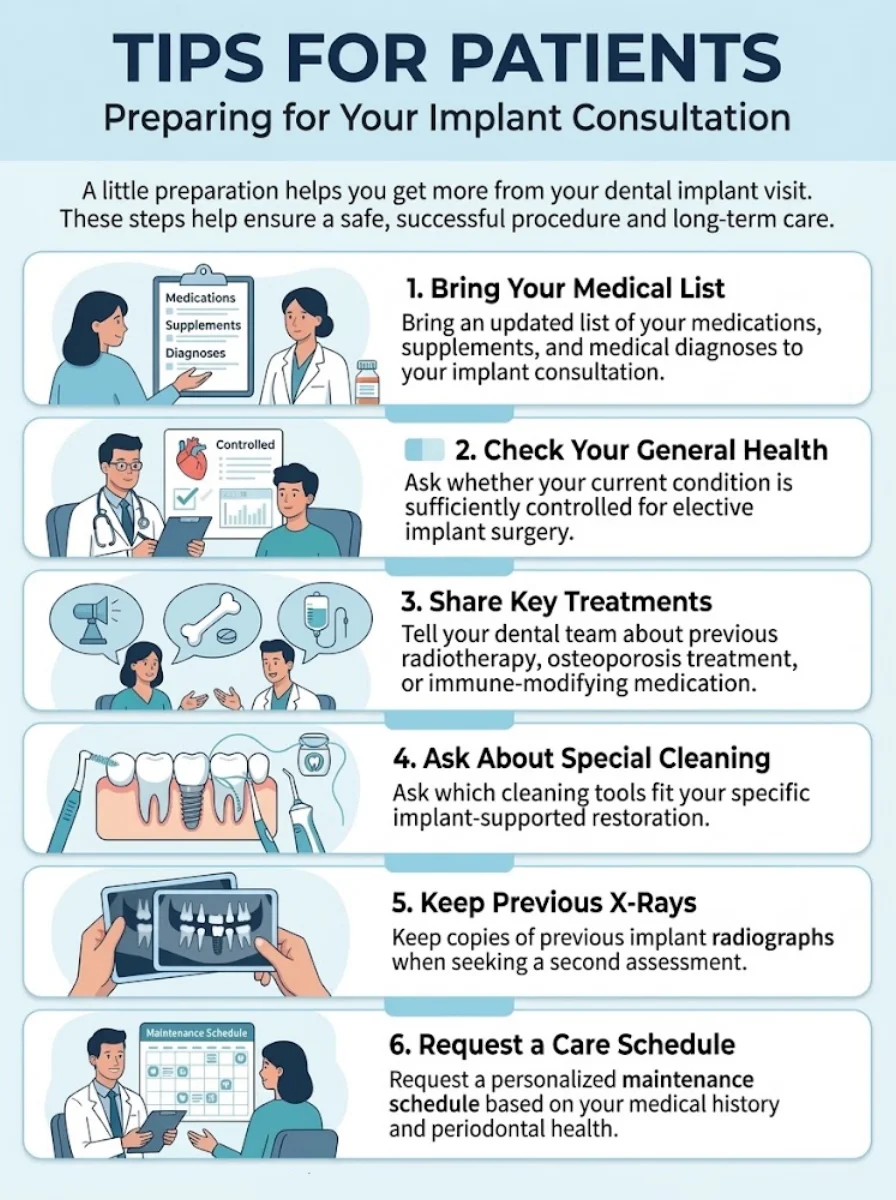
Good home care is one of the strongest protections you have. Simple, low-risk habits reduce plaque, limit inflammation, and support healing around the implant. They are especially valuable for anyone concerned about systemic conditions and dental implant loss. However, home care has limits. It cannot reverse established implant mobility or advanced bone loss. If you notice looseness or persistent symptoms, a professional assessment is needed. The following steps focus on cleaning and lifestyle habits.
How Should You Clean Around a Dental Implant?
Brush gently twice daily with a soft-bristled toothbrush. Pay close attention to where the crown meets the gum, since plaque collects there first. Clean between teeth and around implant-supported restorations every day using suitable interdental tools. Your dental team can recommend the right size and type. If a mouth rinse is prescribed, follow the instructions exactly, including how long to use it. Consistent, gentle cleaning matters far more than aggressive brushing.
Which Lifestyle Habits May Support Healing?
Avoid smoking and seek structured support to stop. Follow a balanced diet that provides adequate protein, vitamins, and minerals for tissue repair. Keep diabetes and other chronic conditions under the care of the relevant clinician, and attend your medical reviews. Limiting alcohol may also support healing. Avoid changing prescribed medication or starting supplements without medical advice. Some supplements can interact with medicines or affect bleeding. Small, steady habits protect implants better than short bursts of effort.
.jpg)
Ready to transform your smile?
Talk to our team and get a FREE treatment plan.
Which Tools Can Help Monitor Dental Implant Health?
Monitoring combines practical cleaning aids with professional checks. Cleaning aids help you control plaque every day. Professional examinations then confirm whether tissues and bone remain stable. Neither replaces the other. For patients managing systemic conditions and dental implant loss risks, this combination is particularly helpful. Home tools reduce the inflammation that could develop into disease. Clinical monitoring detects silent changes before they become serious. Together, they create an early warning system for your implant.
Which Oral Hygiene Tools Are Suitable for Implants?
Appropriately sized interdental brushes are often recommended for cleaning between implants and neighboring teeth. Floss designed for implants, often with a thicker spongy section, can clean around abutments and under bridges. Water flossers may help patients with bridges, limited dexterity, or hard-to-reach areas. Tool selection depends on your restoration design, the spacing around the implant, and your gum anatomy. Ask your hygienist to demonstrate each tool. Using the right tool correctly matters more than using many.
How Do Dental Examinations and Imaging Detect Bone Loss?
A baseline radiograph, often taken when the crown is fitted, records starting bone levels. Follow-up radiographs, when clinically indicated, can be compared against it to detect bone loss. Clinical measurements add more detail. Probing depths, bleeding on probing, and pus help identify inflammation and tissue changes. CBCT, a three-dimensional scan, is not routinely necessary for every follow-up. It should be used when it can answer a specific clinical question, such as planning surgical treatment.
When Should You Seek Professional Care for a Dental Implant Problem?
Self-care is no longer sufficient when symptoms persist, return, or worsen. Any sign that the implant is moving, any discharge, or swelling that does not settle needs professional evaluation. Waiting can allow bone loss to progress. If you have a medical condition, earlier contact is wise, since systemic conditions and dental implant loss may interact in ways that are not obvious. The sections below explain which situations need prompt, coordinated, or emergency care.
Which Symptoms Need Prompt Dental Assessment?
Book a prompt dental assessment if you notice new implant mobility, persistent pain, pus, or increasing swelling. Bleeding that continues or repeatedly returns around the implant also needs attention. So does a wound that does not heal as expected. These signs may indicate infection, peri-implantitis, or a problem with the restoration. Early evaluation often allows simpler treatment. Delaying care may make the problem harder to manage and can reduce the chance of saving the implant.
When Is Medical Coordination Essential?
Medical coordination is essential before elective implant treatment when a chronic disease is unstable. It is also needed when antiresorptive medication, immunosuppressive therapy, anticoagulation, or previous radiotherapy may affect the plan. A recent change in general health, such as a new diagnosis or hospital admission, may alter surgical risk too. In these cases, your dentist and physician should share information. This teamwork is central to managing systemic conditions and dental implant loss safely.
Which Symptoms Require Emergency Care?
Seek emergency medical care if you have difficulty breathing or swallowing. The same applies to rapidly spreading facial or neck swelling, or severe systemic illness, such as a high fever with feeling very unwell. These symptoms can signal a serious spreading infection. They should not wait for a routine dental appointment. Go to an emergency department or contact emergency services. Your dental team can manage the implant once you are medically stable.
Patients Reviews
How Are Systemic Conditions and Dental Implant Loss Managed Clinically?
Managing systemic conditions and dental implant loss means treating two things together. The first is the implant complication itself. The second is any medical factor contributing to it, such as poor glucose control or smoking. Treatment usually progresses from conservative care to more invasive procedures. The chosen path depends on how much bone has been lost, the implant's stability, and your overall health. Ignoring either side increases the chance that problems return.
Can Early Peri-Implant Inflammation Be Treated Without Surgery?
Often, yes. Peri-implant mucositis is inflammation of the soft tissue around an implant without progressive supporting bone loss. It is generally considered reversible. Treatment usually involves professional cleaning, removal of plaque and calculus, and individualized plaque-control instruction. Better home care is essential for lasting results. Follow-up visits confirm whether the inflammation has resolved. However, once bone loss is established, the condition is peri-implantitis. That requires a different assessment, and non-surgical treatment alone may not be enough.
When Are Medication and Medical Coordination Needed?
Antimicrobial treatment, including local or systemic antibiotics, may be indicated in selected cases. However, it is not a substitute for removing the bacterial source and correcting contributing factors. Medical coordination may focus on improving glycemic control, reviewing medications that affect bone or immunity, and managing other relevant conditions. Your dentist and physician should agree on any changes. Patients should never stop, start, or adjust prescribed medication independently, even if they suspect it is affecting their implant.
When Might Surgical Treatment Be Necessary?
Surgery may be considered when peri-implantitis does not respond to non-surgical care. Options include regenerative procedures, which aim to rebuild lost bone, and resective procedures, which reshape tissues to improve cleaning access. The choice depends on defect anatomy, implant surface, tissue condition, and overall health. Implant removal becomes necessary when the implant is irreparably damaged, persistently infected, or no longer stable. Removing a failing implant promptly can help preserve surrounding bone for future treatment.
Can a Failed Dental Implant Be Replaced?
Replacement is often possible, but only after the cause of failure has been investigated and managed. The site usually needs time to heal first. Your dentist will assess the available bone, and grafting may be needed if bone has been lost. Your medical status also influences timing. Immediate replacement is not suitable for every case. Even with careful planning, success cannot be guaranteed, especially if the original risk factors remain uncontrolled.
What We Notice Clinically
Dr. Rifat Alsaman, Head of the Medical Team and cosmetic dentist at Vitrin Clinic, emphasizes a comprehensive assessment before recommending implants. This includes medical history, medication use, gum health, bone support, and healing risks. Imaging and laboratory tests are selected according to clinical need rather than ordered routinely. When a condition raises questions, coordination with the patient's physician helps clarify whether it is stable enough for elective surgery. This process shapes medically compromised patient implant candidacy decisions.
How Does Dr. Rifat Alsaman Approach a Suspected Implant Failure?
Dr. Rifat Alsaman, Head of the Medical Team and cosmetic dentist at Vitrin Clinic, first evaluates whether the problem involves the implant itself, its restoration, the surrounding tissues, or a combination. Distinguishing peri-implantitis from mechanical complications, such as a loose screw or fractured crown, is essential. The two need very different treatment. Findings then guide the next step, whether conservative treatment, surgical intervention, or possible removal. The possible role of systemic conditions and dental implant loss is considered throughout.
How Can You Reduce the Risk of Future Dental Implant Loss?
Prevention begins before surgery and continues throughout the implant's service life. Good planning reduces early risks, while consistent maintenance reduces late ones. Patients who understand how systemic conditions and dental implant loss interact can take practical steps at each stage. These include stabilizing medical conditions, stopping smoking, cleaning effectively, and attending reviews. No single step guarantees success. Together, however, they meaningfully improve the long-term outlook for your implants and reduce the chance that systemic conditions and dental implant loss become linked in your case.
How Should You Prepare for Implant Surgery if You Have a Medical Condition?
Provide an accurate medical history and an up-to-date medication list, including supplements. Discuss disease control and smoking cessation with the relevant healthcare professionals well before surgery. Ask whether recent blood tests or physician input are needed. Surgical timing should be individualized, since some patients benefit from waiting until a condition is better controlled. Follow-up should be planned in advance, with closer monitoring during healing if your health increases risk.
Which Long-Term Habits Help Protect Implant Health?
Maintain thorough daily oral hygiene and attend recommended professional reviews and cleanings. Seek early assessment of bleeding, swelling, or any change in implant stability. Continue appropriate medical management of chronic conditions, and keep regular appointments with your physician. Disclose significant changes in health or new medications to your dental team. These habits help weaken the long-term link between systemic conditions and dental implant loss over many years of implant service.
Clinical Note
Systemic disease is one part of a multifactorial assessment, not proof of causation. When systemic conditions and dental implant loss appear together, medical evidence, examination findings, and appropriate imaging should guide decisions. Medication changes, disease management, and decisions about implant surgery may require coordination with the treating physician. This article is educational. It does not replace an individual dental or medical assessment, and it should not be used to make treatment decisions on its own.
Can You Protect Your Dental Implants if You Have a Systemic Condition?
Yes, in many cases you can. Diabetes, smoking, bone-related conditions, certain medications, autoimmune disorders, cardiovascular disease, and radiotherapy can each affect implant planning or outcomes in different ways. Yet a medical diagnosis does not automatically make you unsuitable for dental implants. Understanding systemic conditions and dental implant loss supports better decisions. Your next step is clear: arrange an individualized assessment, disclose your full medical history, and follow a personalized prevention and maintenance plan.
How Does Vitrin Clinic Approach Dental Implant Planning for Medically Complex Patients?
Vitrin Clinic in Istanbul, Türkiye, follows an individualized, diagnosis-first approach to dental implant planning for medically complex patients, assessing medical history, medications, gum health, bone support, and overall oral health. Dr. Rifat Alsaman, Head of the Medical Team and cosmetic dentist, contributes to personalized treatment planning. Medical consultation may be recommended when necessary, while implant timing and healing expectations depend on each patient’s clinical condition.
Dental Implant Treatment at Vitrin Clinic
Dental Implants - Implant-based solutions to replace missing teeth and support the restoration of chewing function and appearance. Treatment planning considers the patient’s medical status, bone support, gum health, and suitability for implant placement.
Personalized Dental Implant Treatment Planning
The aim is to develop a practical, individualized treatment plan that considers each patient’s oral health, medical circumstances, functional needs, and expectations. Depending on the clinical findings, planning may include reviewing medications with the appropriate healthcare professional, addressing existing oral health concerns, evaluating the need for bone grafting, and determining the appropriate timing of implant placement and restoration.
To discuss your suitability for dental implants and receive a personalized treatment plan, contact Vitrin Clinic to request a consultation.






This article is for general information and does not replace a personal assessment by a qualified dentist. Prices are approximate 2026 averages, with UK and Turkey figures converted to US dollars, and may vary by clinic and case.
Not sure whether Veneers or Hollywood Smile is right for you?
Book your FREE treatment plan with Vitrin Clinic and get a personalized assessment and treatment plan from our dental team.
Ready to transform your smile?
Talk to our team and get a FREE treatment plan.
References:
FAQs
Dr. Rifat Alsaman has more than 5 years of clinical experience in dentistry and currently serves as the Head of the Medical Team at Vitrin Clinic. He is dedicated to providing exceptional patient care, overseeing treatment planning, and ensuring the highest clinical standards across the team. His expertise, attention to detail, and commitment to continuous professional development have helped countless patients achieve healthier, more confident smiles.


