Orthodontics
April 12, 2026
Braces for Kids: When Should Kids Get Braces and What Parents Need to Know?

Braces for Kids play a vital role in your child's dental health journey. More than just creating a beautiful smile, Kids' Braces address real functional concerns that, if left untreated, can worsen over time. This guide helps parents understand the right timing for treatment, available brace types, costs, and what to expect throughout the entire orthodontic process from the first consultation to the final results.
Understanding Braces for Kids
Braces for kids are orthodontic devices designed to correct misaligned teeth, overcrowding, and bite problems during the critical years of dental development. Starting treatment at the right time can prevent more complex procedures later in life. Understanding how these treatments work, what problems they solve, and how to prepare your child can make the entire experience smoother and more effective for the whole family. Navigating the world of orthodontics for children can be overwhelming for parents, but early education makes the process smooth.
Why Early Orthodontic Care Matters
Early intervention with braces for kids allows orthodontists to guide jaw development while the bones are still growing and flexible. Treating misalignment in childhood is far simpler than correcting it in adulthood. Early care reduces the risk of tooth decay, gum disease, and speech difficulties. It also builds your child's confidence early, helping them develop healthy dental habits and a positive relationship with oral care that lasts a lifetime.
Common Dental Problems in Children
Many children face orthodontic issues including overcrowding, overbites, underbites, crossbites, open bites, and gaps between teeth. These problems can affect chewing, speech, and self-esteem. Teeth braces for kids are specifically designed to address these common concerns effectively. An early orthodontic evaluation ideally by age seven allows specialists to identify developing problems and plan the most appropriate and timely course of action for your child.
Clinical Indicators: Signs Your Child May Need Orthodontic Care
The signs child needs braces are often small and easy to miss. Parents are usually the first to notice subtle changes in how their child bites, chews, or breathes. These early observations matter as much as a professional exam. Catching a functional problem before it fully develops gives the orthodontist more room to guide growth naturally, instead of correcting it later.
Early or Late Loss of Baby Teeth and Mouth Breathing
Losing baby teeth too early, or holding onto them too long, can both signal trouble. Early loss baby teeth allows neighboring teeth to drift into the empty space. That leaves no room for the permanent tooth to erupt correctly. Late loss can crowd the emerging adult tooth into an abnormal position. Mouth breathing orthodontics is another area parents overlook. A child who breathes through the mouth at night, rather than the nose, often develops a narrow palate over time. The facial profile can lengthen as well. Snoring, dry lips in the morning, and chronic congestion often go along with this pattern. Mention them at the next dental visit.
Functional Discrepancies: Jaws Shifting, Clicking, or Cheek Biting
Jaws shifting clicking sounds when a child opens or closes their mouth can point to an uneven bite. That bite may be forcing the jaw joint out of its natural path. Some children shift their jaw to one side without noticing. Over months, this can create facial asymmetry. Repeated cheek or tongue biting during chewing is another functional red flag. It is often tied to teeth that do not align properly. None of these signs are emergencies. Each one is still a good reason to book an evaluation rather than wait.
Preparing for the Milestone: Your Child's First Orthodontic Exam
The first orthodontist visit is a milestone many parents underestimate. Most assume it means immediate braces. In reality, this early exam is diagnostic, not restrictive. Orthodontic associations have long recommended an evaluation by age seven. That is well before all baby teeth are gone. The growing jaw offers a window that guided treatment cannot reopen once bone growth slows.
What Happens at the First Orthodontist Visit?
During the first orthodontist visit, the orthodontist typically takes photographs and a panoramic X-ray. Sometimes a 3D scan of the child's bite is added. They check how the upper and lower jaws relate. They also count erupting teeth and screen for crowding or spacing problems. Most first visits do not end in a treatment start date. Instead, many children enter a monitoring phase. Follow-up visits every six to twelve months are common. This continues until the timing is right for early interceptive treatment, or for full braces once more permanent teeth arrive.
Types of Braces for Kids
Today, families have more choices than ever when it comes to braces for kids. From traditional metal brackets to modern clear and invisible options, each type has its own advantages depending on the child's age, the severity of the dental issue, and lifestyle preferences. Choosing the right system can make a significant difference in treatment comfort, duration, and overall effectiveness for your growing child. Determining the right age for braces is critical, as early interceptive treatment can guide proper jaw growth.
Traditional Metal Braces
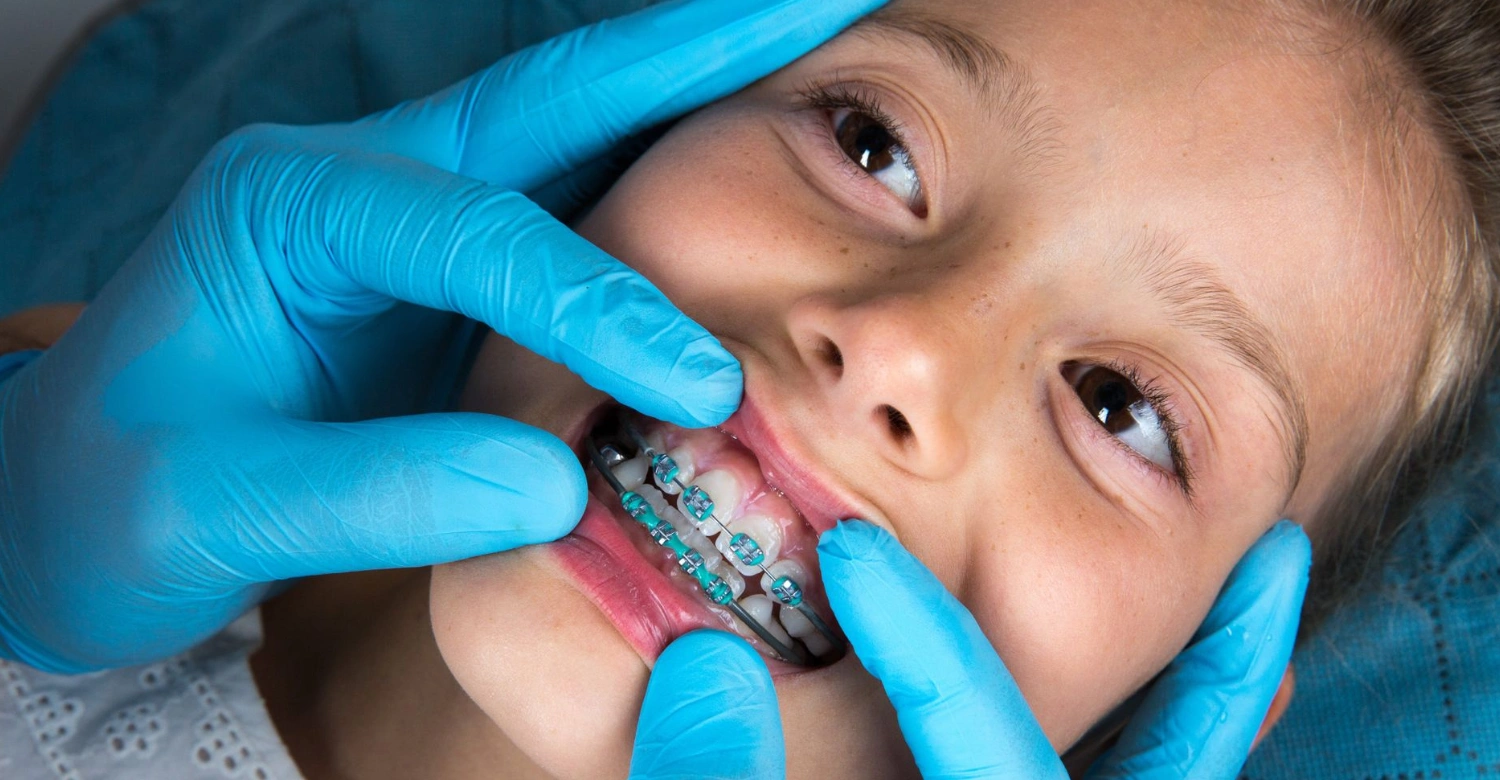
Traditional metal braces remain the most widely used teeth braces for kids worldwide. They are highly effective for treating a broad range of orthodontic issues, including complex cases. Metal braces use brackets and wires to gradually shift teeth into the correct position. They are durable, cost-effective, and require fewer restrictions than other options. Fun colored bands also let kids personalize their look, which many children enjoy throughout their treatment journey.
Clear Kids' Braces
Clear braces for kids offer a more discreet alternative to metal brackets. Made from ceramic or composite materials, they blend with the natural tooth color and are significantly less noticeable. Clear Kids' Braces work similarly to traditional metal ones and are effective for mild to moderate alignment issues. They are especially popular among older children and preteens who are more self-conscious about their appearance during school and social activities.
Invisible Kids' Braces
Invisible braces for kids, such as clear aligner systems, offer a removable and virtually undetectable orthodontic solution. These custom-made trays are replaced every few weeks as the teeth gradually shift. Invisible braces are most effective for older children and teenagers with mild to moderate alignment issues. They allow for easier brushing and flossing, making dental hygiene during treatment much more manageable compared to traditional fixed bracket systems.
Choosing the Best Kids' Braces
Finding the best braces for kids depends on the child's specific orthodontic needs, age, cooperation level, and the family's budget. A qualified orthodontist will assess X-rays, dental impressions, and clinical exams before making a recommendation. The best braces balance effectiveness with comfort and compliance. Parents should discuss all available options openly with their child's orthodontist to ensure the chosen treatment plan supports both dental health and emotional well-being.
Clinical Note
Early cavities frequently cause no pain or visible change, so they are missed during self-checks at home. A dental examination with X-rays detects decay between teeth and under the enamel before it reaches the stage where a patient would feel it.
Specialized Structural Braces Systems and Technical Components
Beyond the metal-versus-clear decision, several structural systems address specific bite problems with more precision. These systems differ mainly in how the wire connects to each tooth. The amount of friction created during movement also varies.
Self-Ligating Braces and Lingual Braces Options
Self ligating braces kids wear use a built-in clip on each bracket. This replaces the small elastic ties found on traditional braces. Less friction can mean fewer adjustment visits. Some children also feel less discomfort after each tightening. Lingual braces for children attach to the back surface of the teeth, facing the tongue. This makes them invisible from the front. They demand more adjustment time for the tongue. Lingual braces are usually reserved for older, highly cooperative children who can manage the added cleaning routine.
Internal Mechanics: Understanding Archwires, Elastics, and Protective Mouthguards
Archwires and elastics are the working parts behind every bracket system. The archwire threaded through each bracket applies continuous, gentle pressure. This pressure gradually repositions the teeth. The wire's exact metal alloy determines how much force it delivers at each stage. Elastics, or rubber bands, are added later in treatment. They correct how the upper and lower jaws meet. Protective orthodontic mouthguards matter once a child returns to contact sports. A mouthguard designed to fit over brackets cushions the lips. It also prevents a wire from cutting the inside of the mouth during impact.
Cost of Kids' Braces
Understanding the cost of braces for kids is a major concern for most families. Orthodontic treatment is an investment in your child's long-term dental health and confidence. While costs vary depending on the type of braces, treatment complexity, and location, there are often financing options and insurance benefits that can make braces more affordable than many parents initially expect when they begin researching treatment options. For active youngsters, durable traditional brackets are often the most resilient and reliable choice to withstand daily wear.
Average Cost of Braces for Kids
In the United States typically ranges from $3,000 to $7,000, depending on the type selected and the complexity of the case. Metal braces tend to be the most affordable option, while ceramic and invisible aligners generally cost more. The average cost of Kids' Braces may also vary by region, the expertise of the orthodontist, and whether the practice includes retainers in the final treatment price.
How Much Are Braces for Kids?
This is one of the most commonly asked questions by parents. Metal braces typically start around $3,000, while clear ceramic options range from $4,000 to $6,000. How much is Kids' Braces with invisible aligner technology? That can reach $6,000 to $8,000 or more. Many orthodontic offices offer flexible payment plans, so cost should not be the sole deciding factor when choosing treatment.
Factors That Affect Kids' Braces Cost
Several factors influence the overall braces for kids cost. These include the severity of misalignment, the type of braces chosen, the length of treatment, and the location of the orthodontic practice. Additional appointments, X-rays, retainers, and emergency adjustments can add to the total.
Life with Braces: Practical Tips for Kids
Adjusting to life with Kids' Braces can take time, but with the right guidance, children adapt quickly. Daily routines need small but important adjustments to protect the braces and ensure treatment progresses smoothly. From eating habits to brushing techniques, parents play a key role in helping their children build positive habits that keep teeth healthy and the orthodontic process on track throughout the duration of the treatment plan.
Snacks for Kids with Braces
Choosing the right snacks for kids with braces is essential to avoid damaging the brackets and wires. Safe snack options include soft fruits like bananas and berries, yogurt, cheese, soft crackers, smoothies, and cooked vegetables. Snacks for kids with braces should avoid anything hard, sticky, chewy, or crunchy. Avoiding foods like popcorn, caramel, hard candies, and chewing gum helps prevent brackets from breaking and wires from bending during treatment. In cases of severe crowding, using palatal expanders early on creates necessary space before the permanent teeth fully erupt.
Caring for Teeth Kids' Braces
Proper hygiene is critical when managing teeth braces for kids. Children should brush after every meal using a soft-bristled toothbrush and fluoride toothpaste. Interdental brushes and floss threaders make it easier to clean around brackets and wires. Regular rinsing with mouthwash helps prevent plaque buildup. Parents should supervise younger children during brushing to ensure thoroughness. Consistent dental hygiene keeps gum disease and cavities at bay throughout the orthodontic journey.
Tips for Patients
Use a toothpaste with 1,450 ppm fluoride, and after brushing spit rather than rinse with water, so the fluoride stays on the teeth longer. If you snack on something sugary, have it with a meal instead of spreading sweets across the day, since it is the frequency of acid attacks, not the total amount, that drives a tooth cavity.
Benefits and Expected Results
The benefits of braces for kids extend well beyond aesthetics. Properly aligned teeth are easier to clean, reducing the risk of cavities and gum disease. Children often experience improvements in speech clarity, chewing efficiency, and jaw comfort. The psychological benefits are also significant; children who complete orthodontic treatment frequently report stronger self-esteem and greater social confidence, which can positively impact their academic performance and overall emotional development during these important formative years.
What Parents Can Expect Before and After Braces
Before braces for kids are applied, your child will undergo a full orthodontic evaluation including X-rays and digital scans. After braces, you will notice a dramatically improved smile with properly aligned teeth and a corrected bite. Post-treatment, a retainer is essential to maintain the results. Parents should expect gradual transformation results to become visible within months but full correction typically takes one to three years depending on the severity of the original problem.
Long-Term Advantages of Early Orthodontics
Investing in Kids' Braces at the right age delivers lifelong benefits. Early orthodontic treatment reduces the likelihood of needing more invasive procedures, such as tooth extractions or jaw surgery, later in life. Properly aligned teeth are healthier, easier to maintain, and less prone to premature wear. Children who receive timely orthodontic care also tend to practice better oral hygiene habits as adults, resulting in lower dental costs and fewer complications over their lifetime.
Advanced Clinical Interventions: Orthodontic Surgery for Children
Pediatric orthodontic surgery is reserved for a small number of cases. Braces alone cannot correct every underlying skeletal problem. Severe jaw discrepancies, significant crowding from a missing dental arch, or impacted teeth that will not erupt sometimes require a surgical step alongside orthodontic treatment. In growing children, surgery is far less common than in adults. Orthodontists can often use growth modification appliances instead, guiding the jaw while bone is still developing. When surgery is recommended, it is planned with an oral and maxillofacial surgeon. Timing is built around the child's growth pattern, not performed immediately.
Patient Education and Professional Guidance
Education is a cornerstone of successful orthodontic treatment. When children and parents understand why braces for kids are needed and how the process works, they are far more likely to follow through with instructions and attend regular appointments. Orthodontic teams play a vital role in preparing families for what to expect, answering questions, and providing ongoing support throughout every phase of treatment to ensure the best possible outcomes. To prevent cavities during treatment, ensure your child strictly follows the Vitrin Clinic hygiene guidelines every single day.
Preparing Your Child for Braces
Helping your child feel comfortable with Kids' Braces begins with open, positive communication. Use age-appropriate language to explain what braces do and why they matter. Let your child ask questions and express concerns. Consider books or videos about orthodontic treatment designed for young audiences. Some clinics allow children to tour the office beforehand to reduce anxiety. A calm, informed child is far more cooperative and experiences a significantly smoother treatment journey overall.
Monitoring Progress and Ensuring Compliance
Regular monitoring ensures that braces for kids are working as planned. Scheduled adjustment appointments usually every four to eight weeks allow the orthodontist to assess progress and make necessary changes. Compliance is critical: children must wear rubber bands or other auxiliaries as instructed. Parents should check that their child is brushing properly and wearing any removable appliances consistently. A cooperative child and involved parent dramatically improve both the speed and quality of orthodontic outcomes.
Vitrin Clinic: Expertise in Pediatric Orthodontics
Vitrin Clinic is a leading destination for families seeking expert orthodontic care in Istanbul, Turkey. Specializing in braces for kids, Vitrin Clinic combines world-class expertise with a warm, child-friendly environment. Families from across the globe choose Vitrin Clinic for its commitment to personalized treatment, cutting-edge technology, and transparent pricing. Whether your child needs metal, clear, or invisible braces, Vitrin Clinic delivers exceptional results with compassionate, patient-focused care every step of the way.
Advanced Technology and Personalized Care
At Vitrin Clinic, braces for kids are planned using state-of-the-art digital imaging, 3D scanning, and advanced diagnostic software. This technology allows the orthodontic team to create highly customized treatment plans tailored to each child's unique dental anatomy. Personalized care means every child receives the most effective solution for their specific condition whether that is traditional brackets, clear braces, or invisible aligners with precise, efficient, and results-driven treatment.
Experienced Orthodontists and Support Team
Vitrin Clinic's orthodontic team brings years of specialized experience in treating braces for kids of all ages. The team's child-friendly approach puts young patients at ease from the very first visit. Every team member is trained to communicate clearly with both children and parents, ensuring full understanding of the treatment process. Families can expect attentive, professional care supported by a responsive administrative team that assists with scheduling, insurance queries, and all follow-up needs.
Comprehensive Follow-Up and Support
Vitrin Clinic understands that successful outcomes with braces for kids require ongoing support beyond regular appointments. The clinic provides detailed at-home care instructions, dietary guidance including snacks for kids with braces, and emergency protocols for broken brackets or wires. Post-treatment retainer fitting and follow-up evaluations are included as part of the comprehensive care model. Parents can reach the support team anytime with questions, ensuring peace of mind throughout every stage of their child's orthodontic journey.
What We Notice Clinically
Dr. Rifat Alsaman, Head of the Medical Team at Vitrin Clinic and a cosmetic dentist, notes that the children who benefit most from early evaluation are rarely the ones with the most obvious crowding. According to Dr. Rifat Alsaman, subtle habits such as mouth breathing, one-sided chewing, or a slight jaw shift are often dismissed by parents as temporary phases. In fact, these are often the clearest early indicators of a developing skeletal problem. Dr. Rifat Alsaman, who leads the medical team at Vitrin Clinic, adds that involving a pediatric orthodontist by age seven gives the clinical team a growth baseline. This holds true even when no treatment starts immediately, and it makes every future decision more precise.
Schedule a FREE Consultation with Vitrin Clinic
Ready to explore braces for kids with a trusted expert? Vitrin Clinic offers a FREE initial consultation for families considering orthodontic treatment. During this appointment, your child will receive a full dental assessment, and the team will discuss all suitable options from traditional metal braces to clear and invisible braces. There is no obligation, just clear, honest guidance. Contact Vitrin Clinic today and take the first step toward your child's healthier, more confident smile.
Referenes:
FAQs

Dr. Rifat Alsaman has more than 5 years of clinical experience in dentistry and currently serves as the Head of the Medical Team at Vitrin Clinic. He is dedicated to providing exceptional patient care, overseeing treatment planning, and ensuring the highest clinical standards across the team. His expertise, attention to detail, and commitment to continuous professional development have helped countless patients achieve healthier, more confident smiles.
.webp&w=3840&q=75)


