
The symptom of periodontal disease is often subtle in the early stages but can escalate to severe oral complications if ignored. Common signs include bleeding gums, bad breath, gum recession, and tooth mobility. Recognizing these early warning signals is critical for preventing irreversible damage. Regular dental check ups and awareness of the symptoms of periodontal disease are essential to maintaining long term oral health and overall wellbeing.
What Is Periodontal Disease? Understanding the Basics
Periodontal disease, or gum disease, is a chronic inflammatory condition affecting the tissues surrounding the teeth. Understanding the symptoms of periodontal disease allows early intervention. Left untreated, it can lead to tooth loss, infection, and systemic health problems. Awareness of the disease's basics is crucial for timely prevention and care.
Definition of Periodontal Disease
Periodontal disease is an infection of the gums, ligaments, and bone that support teeth. The symptom of periodontal disease often starts with redness, swelling, and bleeding during brushing or flossing. Detecting these signs early can prevent progression to periodontitis, which damages oral structures and complicates dental health.
Causes and Risk Factors
The symptoms of periodontal disease can develop due to plaque accumulation, poor oral hygiene, smoking, diabetes, hormonal changes, or genetic predisposition. Understanding causes helps identify at-risk individuals. Lifestyle and systemic health factors significantly increase susceptibility, making regular dental monitoring crucial for early detection of the symptom of periodontal disease.
Why Early Detection Matters
Early recognition of the symptoms of periodontal disease is vital to avoid severe complications. Detecting bleeding gums, persistent bad breath, or gum recession allows for non-surgical interventions, maintaining oral health and preventing tooth loss. Early intervention reduces treatment costs and preserves the structural integrity of teeth and gums.
Common Symptom of Periodontal Disease in Humans
Humans can show a variety of signs indicating gum disease. Early detection of the symptom of periodontal disease includes noticing subtle changes in gum color, bleeding while brushing, persistent bad breath, and slight mobility in teeth. Awareness of these symptoms ensures timely professional evaluation.
Early Warning Signs
Early symptoms of periodontal disease include inflamed or tender gums, mild bleeding during brushing or flossing, and occasional discomfort. Detecting these signs is critical, as prompt dental treatment can reverse initial stages of gingivitis before permanent damage occurs.
Advanced Symptoms of Periodontitis
Advanced symptoms of periodontal disease may include gum recession, deep periodontal pockets, persistent bad breath, pus formation, and loose teeth. These symptoms indicate significant tissue and bone damage, requiring professional intervention to prevent tooth loss and systemic complications.
Other Indicators
Other symptoms of periodontal disease indicators can include tooth sensitivity, changes in bite, and jaw discomfort. Systemic health conditions like diabetes may exacerbate these symptoms. Recognizing these subtle signs allows for early diagnosis and improved treatment outcomes.
Clinical Note
Every case of the symptom of periodontal disease looks slightly different in the chair. Some patients notice bleeding gums first. Others only notice it once a dentist points out pocket depth on a chart. This note is a quick pause point in the guide. It is a reminder that symptoms rarely appear in isolation, and a short list of signs can mean different things depending on a patient's health history and risk factors.
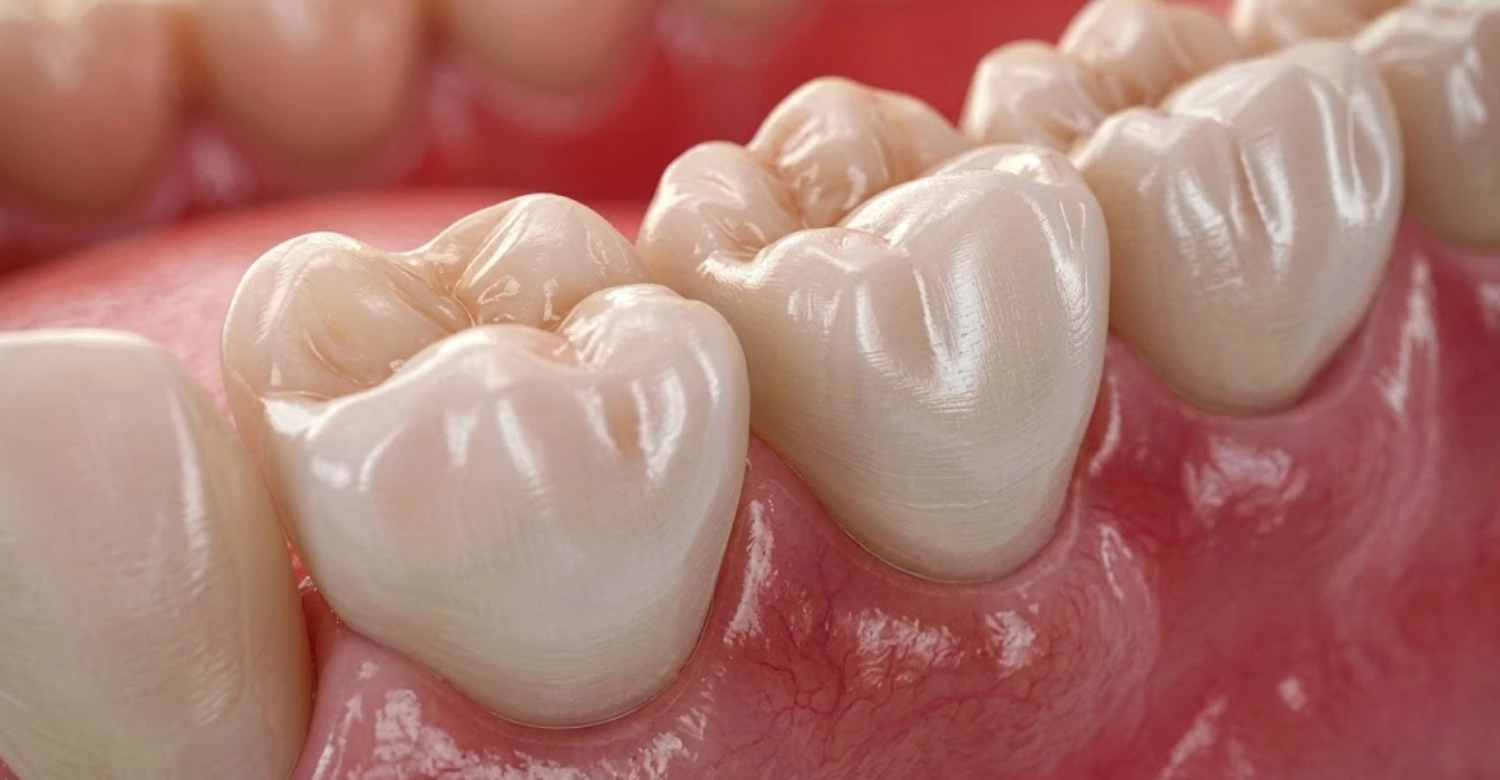
Symptom of Periodontal Disease in Pets
Periodontal disease is common in pets, with symptoms often unnoticed until severe. Observing the symptoms of periodontal disease in dogs or cats, such as bad breath, pawing at the mouth, or inflamed gums, is essential for pet health. Early detection ensures timely veterinary care and prevents complications.
Dog Periodontal Disease Symptoms
In dogs, the symptoms of periodontal disease include foul-smelling breath, red or bleeding gums, loose teeth, and reluctance to eat. Pet owners should routinely monitor for these signs to seek early veterinary intervention.
Cat Periodontal Disease Symptoms
Cats may display subtle symptoms of periodontal disease signs, including drooling, gum inflammation, difficulty chewing, and weight loss. Early veterinary assessment is crucial to prevent pain and systemic illness.
Early Detection in Pets
Recognizing the symptom of periodontal disease in pets allows preventive care like professional cleaning and oral hygiene routines. Regular check ups and attentive observation reduce the risk of advanced dental disease.
Risk Factors and Contributing Causes
Understanding risk factors helps prevent the symptom of periodontal disease from worsening. Genetics, lifestyle choices, and systemic conditions contribute to gum disease development, while pets and humans share similar environmental risks affecting oral health.
Human Risk Factors
Human symptoms of periodontal disease risks include poor oral hygiene, smoking, hormonal changes, diabetes, stress, and immune system deficiencies. Awareness of these factors encourages proactive dental visits and home care.
Pet Risk Factors
Pets with poor oral hygiene, improper diet, or genetic predispositions often show the symptom of periodontal disease . Early monitoring and regular cleanings mitigate risk and maintain oral health.
Environmental and Lifestyle Influences
Environmental factors like smoking, diet, and stress contribute to the symptoms of periodontal disease in humans, while pets may be affected by diet and hygiene practices. Lifestyle modifications can significantly reduce disease progression.
Risk Factors and Underlying Vulnerabilities: Is Periodontal Disease Hereditary?
Is periodontal disease hereditary? Many patients ask this once they learn a parent or sibling had gum disease. Genetic factors in gum disease do play a role, but they are only part of the picture. Family history can raise a patient's baseline risk, while daily habits still shape the outcome.
Genetic Factors in Gum Disease
Research links certain genetic factors in gum disease to how the immune system responds to plaque bacteria. Some people inherit a stronger inflammatory response, which speeds up tissue and bone breakdown. This does not guarantee periodontal disease, but it does raise the odds.
Family History and Risk Assessment
Patients with a family history of gum disease benefit from earlier screening. Sharing this history with a dentist helps build a more accurate risk profile. It also shapes how often checkups are recommended.
Can Genetics Be Overcome With Care?
A genetic tendency is not a guarantee of disease. Consistent oral hygiene, professional cleanings, and early treatment reduce risk even in genetically predisposed patients. Genetics loads the risk; daily care still decides much of the outcome.
Diagnosing Periodontal Disease
Proper diagnosis identifies the symptom of periodontal disease early. Clinicians use physical exams, probing, and radiographs, while self assessment aids in recognizing early warning signs for timely intervention.
Clinical Examination
Dentists assess the symptom of periodontal disease using visual inspection, measuring gum pockets, and detecting inflammation or bleeding. Early diagnosis improves treatment success and reduces long-term complications.
Self-Assessment for Early Signs
Individuals can identify the symptom of periodontal disease by monitoring bleeding gums, persistent bad breath, gum recession, or loose teeth. Early self detection prompts professional evaluation and intervention.
Professional Diagnosis
A confirmed diagnosis of periodontal disease relies on dental imaging, probing, and clinical evaluation. Recognizing the symptom of periodontal disease ensures the right treatment plan is implemented to prevent progression.
Diagnostic Protocols: How Do Dentists Diagnose and Test for Gum Disease?
How do dentists diagnose periodontal disease in practice? The process combines a visual exam with measurable data. Dentists rely on periodontal disease testing and charts to track pocket depth, bleeding points, and bone level over time, rather than relying on a single visit alone.
Periodontal Charting and Pocket Depth Measurements
A periodontal chart records pocket depth at multiple points around each tooth. Depths beyond 3mm often signal early disease, while deeper pockets point to more advanced periodontitis. This charting is repeated at follow-up visits to track progress.
Digital X-Rays and Imaging Tools
Digital x-rays reveal bone loss that is not visible during a visual exam. Combined with periodontal disease testing and charts, imaging gives a fuller picture of how far the disease has progressed beneath the gumline.
Understanding Periodontal Disease Testing and Charts
Patients do not need to interpret charts alone. A dentist walks through each number, explaining which teeth need attention first. This transparency helps patients understand their own oral health status.
What We Notice Clinically
Dr. Rifat Alsaman, Head of the Medical Team at Vitrin Clinic and a cosmetic dentist, shares what he observes most often in patients presenting with the symptom of periodontal disease. According to Dr. Rifat Alsaman, patients frequently underestimate mild bleeding, assuming it is a normal part of brushing.
Dr. Rifat Alsaman notes that the earliest clinical sign he checks for is gum tenderness rather than visible swelling, since tenderness often appears before any change in color. He also observes that patients with a family history of gum disease tend to show pocket depth changes earlier than expected, reinforcing the value of early screening at Vitrin Clinic.
In Dr. Rifat Alsaman's experience as Head of the Medical Team at Vitrin Clinic, patients who return for a follow-up chart within three months of initial treatment show measurably better outcomes than those who wait longer.
Treatment Options for Periodontal Disease
Treatment aims to reverse early symptoms and manage advanced stages. Addressing the symptom of periodontal disease can involve non surgical cleaning, surgery, and preventive maintenance, restoring oral health and functionality.
Non-Surgical Treatment
Scaling and root planing treat early symptoms of periodontal disease , removing plaque and tartar. Combined with proper oral hygiene, these methods prevent progression and improve gum health.
Surgical Treatment
Advanced symptoms of periodontal disease may require flap surgery, bone grafts, or tissue regeneration. Surgical intervention restores tissue health and preserves teeth that may otherwise be lost.
Preventive Measures
Preventing the symptom of periodontal disease involves daily brushing, flossing, proper diet, and regular dental visits. Preventive care reduces disease risk and maintains overall oral health.
Modern Periodontal Care Inquiries: What Questions Should I Ask My Periodontist?
Knowing which questions to ask your periodontist helps patients get more from every visit. A short list of the right questions to ask your periodontist can turn a routine check-up into a clear treatment roadmap.
Questions About Diagnosis
Ask what the current pocket depth readings show, and whether any teeth show early bone loss. These questions to ask your periodontist reveal exactly where a patient stands before treatment even begins.
Questions About Treatment Options
Ask whether non-surgical care such as scaling and root planing is enough, or whether surgery is needed. Understanding the reasoning behind a recommendation builds trust in the treatment plan.
Questions About Long-Term Maintenance
Ask how often follow-up visits are needed, and what home care changes will make the biggest difference. These questions to ask your periodontist keep the disease from returning after treatment.
Tips for Patients
Small daily habits make a real difference in managing the symptom of periodontal disease. These tips for patients are simple to apply and support any treatment plan already in place.
Brush twice daily with a soft-bristled brush, focusing on the gumline.
Floss once a day to remove plaque between teeth.
Avoid smoking, which slows gum healing and worsens inflammation.
Keep every scheduled cleaning, even without visible symptoms.
Mention any family history of gum disease at each visit.
Consistency matters more than intensity. A gentle, daily routine protects gum tissue better than occasional deep cleaning at home.
Comprehensive Patient Guidance: When Should I See a Dentist for Urgent Evaluation?
Knowing when to see a dentist for bleeding gums can prevent a minor issue from becoming a serious one. Some signs call for an urgent visit rather than waiting for a routine checkup.
Signs That Need Immediate Attention
Sudden gum swelling, pus at the gumline, or a loose tooth all call for prompt evaluation. Knowing when to see a dentist for bleeding gums that does not stop after a few days is especially important.
Signs That Can Wait for a Routine Visit
Mild, occasional bleeding after flossing usually does not need an emergency visit. It still deserves mention at the next scheduled checkup so it can be tracked over time.
Why Timing Affects Treatment
Acting early on the symptom of periodontal disease often means non-surgical treatment is enough. Waiting allows the disease to progress toward stages that need surgical intervention.
People Also Ask
What is the main cause of periodontal disease?
Plaque buildup along the gumline is the main cause of periodontal disease. Left uncleaned, plaque hardens into tartar and triggers ongoing inflammation of the gum tissue.
How to self treat periodontal disease?
Home care such as brushing, flossing, and antiseptic rinses can manage very early symptoms of periodontal disease, but professional cleaning is still needed to remove existing tartar and reduce pocket depth.
What is periodontal treatment?
Periodontal treatment ranges from non-surgical scaling and root planing to surgical procedures like flap surgery, depending on how far the symptom of periodontal disease has progressed.
Vitrin Clinic : Advanced Periodontal Care Solutions
Vitrin Clinic provides expert care to manage the symptoms of periodontal disease . Using advanced techniques, the clinic offers effective, patient focused solutions to restore gum health and prevent disease progression.
Comprehensive Periodontal Evaluation
Through in-depth examination and diagnostics, Vitrin Clinic identifies the symptoms of periodontal disease , enabling personalized treatment plans to address both early and advanced cases effectively.
Minimally Invasive Treatments
Vitrin Clinic uses modern, minimally invasive techniques to manage the symptoms of periodontal disease , ensuring patient comfort while promoting long-term oral health.
Vitrin Clinic : Maintaining a Healthy Smile
Maintaining a healthy smile reduces the recurrence of symptoms of periodontal disease. Vitrin Clinic emphasizes preventive care, education, and routine monitoring to safeguard both human and pet oral health.
Personalized Preventive Programs
Customized hygiene and follow up plans help detect the symptom of periodontal disease early, maintaining gum health and reducing the need for invasive interventions.
Confidence and Health Benefits
Addressing the symptom of periodontal disease improves confidence, oral function, and systemic health, demonstrating the importance of early detection and consistent care.
About Vitrin Clinic
Vitrin Clinic is a cosmetic dental clinic based in Istanbul, Turkey, serving patients from around the world. The clinic combines cosmetic dentistry with periodontal and restorative care under one roof, so patients travelling for treatment can address multiple needs in a single visit.
Vitrin Clinic is led by Dr. Rifat Alsaman, Head of the Medical Team and a cosmetic dentist, alongside a multilingual team that supports international patients throughout diagnosis, treatment, and aftercare. From initial consultation to follow-up scheduling, the clinic focuses on personalized care for every patient managing the symptom of periodontal disease.
References:
FAQs

Dr. Rifat Alsaman has more than 5 years of clinical experience in dentistry and currently serves as the Head of the Medical Team at Vitrin Clinic. He is dedicated to providing exceptional patient care, overseeing treatment planning, and ensuring the highest clinical standards across the team. His expertise, attention to detail, and commitment to continuous professional development have helped countless patients achieve healthier, more confident smiles.


