Periodontics
September 20, 2026
HIV Symptoms and Oral Health: How HIV Can Affect Your Mouth and Teeth ?
 Dr. Rifat Alsaman
HIV can affect the immune system and increase susceptibility to several oral health conditions. These conditions may involve the gums, tongue, teeth, and oral tissues. Common examples include oral candidiasis, gum disease, mouth ulcers, dry mouth, and certain oral lesions. HIV Symptoms and Oral Health can therefore involve several different clinical findings. However, oral changes alone cannot confirm HIV infection. Many similar symptoms occur with common infections, medications, nutritional deficiencies, and dental conditions. A dentist may identify an unusual lesion and recommend appropriate medical evaluation when necessary. Modern antiretroviral therapy has also reduced the frequency of several HIV-associated oral conditions. Good dental hygiene and regular professional examinations remain important for maintaining oral health.
What Are HIV Symptoms and Oral Health Problems?
People living with HIV may experience different oral conditions depending on immune function, treatment, medications, and other health factors. HIV Symptoms and Oral Health concerns can include oral thrush, periodontal disease, ulcers, dry mouth, tooth decay, and unusual oral lesions. Some conditions develop because immune defenses become less effective against infections. Others may result from medication effects or unrelated dental problems. Oral findings can sometimes provide useful clinical information, but they are not diagnostic by themselves. A systematic review found associations between several oral lesions and markers of HIV disease severity. Anyone with persistent or unexplained oral changes should receive an appropriate dental examination.
How HIV Can Affect the Mouth
Oral manifestations and HIV are closely linked because HIV can affect oral health through changes in immune function. Reduced immune defenses can make certain fungal, viral, and bacterial infections more difficult to control. Oral tissues may consequently develop lesions, inflammation, infections, or persistent discomfort. Some people may also experience dry mouth. Reduced saliva can increase the risk of tooth decay and oral infections because saliva protects oral tissues. The severity and frequency of these conditions vary between individuals. Effective HIV treatment can improve immune function and reduce several associated oral problems. Dental care remains important even when HIV is medically well controlled.
HIV Symptoms in the Mouth
Oral findings associated with HIV can include white patches, red areas, mouth ulcers, gum inflammation, bleeding, and recurrent infections. Oral candidiasis may produce creamy white patches or red, sore areas. Hairy leukoplakia can appear as persistent white patches, particularly along the sides of the tongue. Gum conditions may cause redness, swelling, bleeding, discomfort, or periodontal tissue destruction. These findings have many possible causes. Therefore, recognizing an oral change does not establish HIV infection. A professional examination can determine whether further dental or medical testing is appropriate.
HIV and Mouth Problems
Understanding HIV Symptoms and Oral Health starts with recognizing that HIV-associated mouth problems can range from mild irritation to significant infections or periodontal complications. Commonly reported conditions include candidiasis, gingivitis, periodontitis, oral ulcers, oral warts, and dry mouth. Tooth decay may also become more problematic when salivary flow decreases. Some oral lesions have historically been associated with advanced immune suppression. However, effective antiretroviral therapy has changed the frequency and presentation of many HIV-related oral conditions. Persistent oral symptoms should be assessed rather than assumed to have one specific cause.
What Are the Oral Manifestations of HIV?
Oral manifestations can involve mucosal tissues, the tongue, gums, salivary glands, and teeth. Reported conditions include candidiasis, periodontal disease, hairy leukoplakia, ulcers, viral lesions, and salivary problems. Some manifestations may occur during different stages of HIV infection. However, their presence varies considerably among individuals. Modern treatment has also reduced the prevalence of several classic HIV-associated lesions. A dental professional can evaluate the appearance, duration, location, and progression of an oral lesion. Additional medical assessment may be recommended when findings appear unusual or persistent.
HIV Mouth Sores
Mouth sores can occur in people with HIV for several reasons. Potential causes include recurrent aphthous ulcers, viral infections, fungal infections, trauma, medication effects, and immune-related changes. Some ulcers may be painful and interfere with eating or speaking. Others can appear with relatively mild discomfort. The size, number, location, duration, and recurrence pattern can provide useful diagnostic information. Oral health concerns in people with HIV should therefore be considered alongside the patient's complete medical and dental history. Persistent sores deserve professional assessment, especially when they repeatedly return or fail to heal. A dentist can determine whether the lesion requires treatment or medical referral.
HIV and Oral Thrush
A closer look at oral health manifestations in HIV shows that oral thrush is a fungal infection caused by Candida species. It can produce creamy white patches, redness, soreness, or burning within the mouth. White plaques may sometimes be removed, leaving an irritated or bleeding surface underneath. HIV can increase susceptibility to candidiasis because immune defenses can become impaired. Antiretroviral therapy has significantly reduced the frequency of oropharyngeal candidiasis. Treatment generally involves appropriate antifungal medication based on the infection's severity and clinical circumstances. Recurrent thrush should receive professional evaluation to identify contributing factors.
HIV and Gum Disease
Gum disease is one of the most frequently discussed aspects of HIV Symptoms and Oral Health, and it can occur in people with HIV, ranging from gingivitis to more destructive periodontal conditions. Reported HIV-associated periodontal findings include linear gingival erythema and necrotizing periodontal disease. Symptoms can include redness, swelling, bleeding, pain, bad breath, and gum recession. More severe periodontal disease may affect supporting bone and periodontal attachment. Oral hygiene remains important because bacterial plaque contributes to conventional gum disease. A dentist may assess periodontal pockets, bleeding, tooth mobility, and bone levels. Appropriate treatment depends on the clinical diagnosis and severity.
HIV-Related Mouth Ulcers
Ulcers are another common thread in discussions of oral symptoms in HIV patients and can occur for multiple reasons in people living with HIV. Reported causes include recurrent aphthous ulcers, herpes simplex lesions, neutropenic ulcers, trauma, and other inflammatory conditions. An ulcer's appearance alone cannot establish its cause. Dentists consider duration, location, size, recurrence, pain, and associated symptoms during evaluation. Persistent or unusually large ulcers deserve professional assessment. Some lesions may require laboratory investigation or medical referral. Treatment depends on the underlying diagnosis rather than HIV status alone. Good oral hygiene can help reduce secondary irritation while the lesion is being evaluated.
HIV Symptoms on the Tongue and Gums
Tongue and gum changes can include white patches, redness, swelling, bleeding, tenderness, or ulceration, and they are among the most visible oral signs HIV can produce. Hairy leukoplakia is a recognized oral lesion that often appears along the lateral tongue. Candidiasis can also affect the tongue and produce white or red changes. Gum disease may cause inflammation, bleeding, pain, or periodontal destruction. These findings have several possible causes beyond HIV. Therefore, professional examination is essential when changes persist. A dentist can distinguish common dental conditions from lesions requiring further investigation.
White or Red Changes
White or red oral changes have many possible causes and are frequently discussed alongside HIV-associated oral health issues. Candida infection may produce white plaques or red, sore areas. Hairy leukoplakia typically produces persistent white patches on the tongue. Other conditions can cause localized white or red tissue changes. Their clinical appearance does not provide enough information to diagnose HIV. A dentist may examine the lesion directly and assess its duration and distribution. Persistent lesions may require additional investigation. Patients should avoid attempting to remove unusual tissue aggressively because this can cause trauma and bleeding.
Swollen or Bleeding Gums
Swollen or bleeding gums commonly result from plaque-associated gingivitis, though they are also relevant to HIV Symptoms and Oral Health more broadly. However, HIV-associated periodontal conditions can also cause gingival inflammation or bleeding. Severe periodontal conditions may produce pain, spontaneous bleeding, tissue destruction, and bone loss. The presence of bleeding gums does not specifically indicate HIV. Poor oral hygiene, hormonal changes, medications, smoking, and other medical conditions can contribute. A dental examination can identify the likely cause. Early management may help prevent progression toward more severe periodontal disease.
What Does HIV Look Like in the Mouth?
There is no single appearance that identifies HIV infection in the mouth, which is one reason HIV Symptoms and Oral Health require careful clinical interpretation. Several oral conditions have been associated with HIV, including candidiasis, hairy leukoplakia, periodontal disease, ulcers, and oral warts. Their appearance can overlap with conditions occurring in people without HIV. Consequently, photographs or visual comparisons cannot provide a reliable diagnosis. Professional assessment considers the lesion's appearance, history, symptoms, and other clinical information. HIV testing remains necessary when infection is suspected. Dental professionals can recognize findings that warrant further medical evaluation.
Common Oral Signs of HIV Infection
Commonly reported oral findings tied to HIV Symptoms and Oral Health include candidiasis, periodontal disease, oral ulcers, hairy leukoplakia, warts, and dry mouth. Some studies have identified candidiasis and severe periodontal disease among frequently observed findings. However, prevalence differs according to treatment access, immune status, population, and study design. Antiretroviral therapy has reduced many classic oral manifestations. Therefore, older prevalence estimates may not represent current treated populations. Oral signs can provide clinical clues but cannot independently confirm HIV.
White Patches and Oral Lesions
White patches may result from candidiasis, hairy leukoplakia, friction, keratinization, or other oral conditions relevant to HIV Symptoms and Oral Health. Candidiasis often creates creamy white patches that may be removable. Hairy leukoplakia generally appears as a persistent white lesion, commonly affecting the tongue's lateral borders. Other oral lesions can have similar visual features. Therefore, diagnosis requires clinical assessment rather than appearance alone. Persistent white lesions should be evaluated, particularly when they do not resolve or change over time.
Mouth Sores and Ulcers
Mouth sores may occur with infections, immune-related conditions, trauma, nutritional problems, medications, or common aphthous ulcers, all of which fall under the broader topic of HIV Symptoms and Oral Health. HIV-associated ulcerative conditions have been documented, including recurrent aphthous and herpes simplex lesions. The duration and recurrence pattern are particularly relevant during assessment. A small ulcer that heals normally may require little intervention. Persistent, recurrent, unusually large, or painful ulcers should receive professional evaluation. Treatment depends on the underlying cause rather than the presence of HIV alone.
Tongue and Gum Changes
The tongue can develop white patches, red areas, soreness, ulcers, or other surface changes, and these are frequently cited examples of HIV Symptoms and Oral Health. The gums may become red, swollen, tender, or prone to bleeding. Several conditions can cause these findings without HIV infection. Dental professionals assess the tissues alongside periodontal health and overall oral hygiene. They may also ask about medications, systemic conditions, and previous oral infections. Persistent abnormalities should not be self-diagnosed from online photographs.
What Are the Early HIV Oral Symptoms?
Early HIV infection does not have one specific oral symptom pattern, which makes early-stage HIV Symptoms and Oral Health difficult to generalize. Some people may develop oral manifestations, while others have no noticeable oral changes. Historical studies found that oral lesions could occasionally be among the first recognized manifestations. However, these findings are not sufficiently specific for diagnosis. Oral candidiasis, ulcers, or gum problems can have numerous other causes. Modern treatment has also changed the frequency of several classic manifestations. When recent HIV exposure is a concern, appropriate HIV testing is more reliable than interpreting oral symptoms.
Can HIV Cause Early Oral Symptoms?
HIV can be associated with oral manifestations, including candidiasis and other mucosal conditions, and questions like this come up often in discussions of HIV Symptoms and Oral Health. Some historical literature describes oral lesions as early clinical indicators. However, oral symptoms vary substantially between individuals. Many people with early infection may not have recognizable oral findings. Symptoms also overlap with common dental and medical conditions. Therefore, oral symptoms should not be used as a substitute for HIV testing. A healthcare professional can recommend testing based on exposure history and appropriate clinical guidance.
Common Oral Changes During Early HIV Infection
Possible oral changes include mouth ulcers, candidiasis, gum inflammation, and other mucosal abnormalities, all part of the wider picture of HIV Symptoms and Oral Health. Their frequency depends on the population studied and the availability of effective antiretroviral therapy. Some studies report associations between oral lesions and immune status. However, these associations do not mean that an individual lesion confirms infection. A dentist can document oral changes and recommend medical evaluation when appropriate. Early evaluation is especially useful when symptoms are persistent or accompanied by other unexplained health changes.
Why Oral Symptoms Cannot Confirm HIV
No oral symptom provides a definitive diagnosis of HIV, and this is a central point in any honest discussion of HIV Symptoms and Oral Health. White patches, ulcers, gum bleeding, or recurrent infections can result from many unrelated conditions. HIV diagnosis requires appropriate testing and clinical interpretation. Oral examination can identify findings that justify further evaluation. It can also help treat conditions affecting comfort and nutrition. Patients concerned about possible exposure should discuss testing with a qualified healthcare professional rather than relying on visual symptoms.
How Does HIV Affect Oral Health?
HIV Symptoms and Oral Health are connected because HIV can influence oral health by altering immune defenses and increasing susceptibility to certain infections. Oral conditions may include candidiasis, periodontal disease, ulcers, warts, dry mouth, and tooth decay. Some medications can also contribute to dry mouth. Reduced saliva may increase caries risk because saliva helps protect teeth and control oral microorganisms. Regular dental care helps identify problems before they become more advanced. HIV treatment also plays an important role in reducing immune-related complications.
HIV and the Immune System
HIV targets cells involved in immune defense, particularly CD4 T lymphocytes. Progressive immune dysfunction can reduce the body's ability to control certain infections. This mechanism helps explain why particular fungal, viral, and bacterial oral conditions may become more common. Effective antiretroviral therapy supports immune recovery and has reduced many HIV-associated oral manifestations. Oral health should therefore be considered part of comprehensive healthcare. Dental professionals and medical providers can coordinate care when oral findings suggest a broader health concern.
Oral Infections Associated With HIV
Several fungal, viral, and bacterial infections have been associated with HIV, forming a significant part of the HIV Symptoms and Oral Health picture. Oral candidiasis is among the best recognized fungal manifestations. Viral conditions may include herpes simplex lesions and oral warts. Periodontal infections can also present with distinctive clinical patterns. The risk and severity depend on immune status, treatment, oral hygiene, and other factors. Modern antiretroviral treatment has reduced many opportunistic infections. Persistent infections still require professional diagnosis and appropriate treatment.
HIV-Related Dental Problems
Dental problems can include tooth decay, periodontal disease, dry mouth, oral infections, and painful mucosal lesions all recognizable elements of HIV Symptoms and Oral Health. Dry mouth is particularly relevant because reduced saliva can increase the risk of caries and oral discomfort. Poor oral hygiene can further increase plaque accumulation and gum inflammation. Regular dental examinations help detect decay and periodontal disease early. Preventive care remains important regardless of HIV treatment status.
Dental Complications of HIV
Potential dental complications include advanced periodontal disease, increased caries risk, recurrent oral infections, and discomfort from mucosal lesions, all of which fall within the scope of HIV Symptoms and Oral Health. Severe periodontal disease can damage supporting tissues around teeth. Dry mouth can contribute to rapid dental deterioration when persistent. Oral infections may also affect eating, swallowing, speech, and quality of life. Appropriate management depends on the specific dental diagnosis. Comprehensive care combines preventive dentistry with treatment of active oral conditions.
What Oral Infections Are Associated With HIV?
HIV can be associated with several oral infections, particularly when immune function is compromised, and this remains a key question within HIV Symptoms and Oral Health research. These include candidiasis, periodontal infections, herpes simplex lesions, human papillomavirus-related warts, and other opportunistic conditions. The pattern varies between individuals and treatment settings. Effective antiretroviral therapy has reduced many opportunistic oral infections. Diagnosis requires clinical assessment because many infections also occur in people without HIV.
Oral Candidiasis
Oral candidiasis is caused by Candida yeast overgrowth. Symptoms can include white plaques, redness, soreness, and burning. People with weakened immune systems have increased susceptibility to candidiasis. CDC guidance identifies HIV as a risk factor for certain forms of candidiasis. Treatment depends on infection severity and location. Recurrent candidiasis should be professionally evaluated to identify contributing factors. Dental and medical management may both be appropriate.
Gum and Periodontal Infections
Periodontal infections affect the tissues supporting the teeth and represent some of the more severe HIV Symptoms and Oral Health can involve. HIV-associated conditions described in the literature include linear gingival erythema and necrotizing periodontal disease. Symptoms can include redness, bleeding, pain, bad breath, and tissue destruction. Conventional plaque-related periodontal disease can occur simultaneously. A periodontal examination helps distinguish the severity and type of disease. Treatment may involve professional cleaning, periodontal therapy, antimicrobial management, and medical coordination.
Viral Oral Infections
Several viral infections can affect the mouth in people with HIV, another dimension of HIV Symptoms and Oral Health. Herpes simplex virus may cause recurrent oral ulcers or blisters. Human papillomavirus can produce oral warts. Other viral lesions can occur depending on immune status. Their appearance can overlap with non-HIV-related conditions. Professional assessment is necessary when lesions persist, recur frequently, or cause significant symptoms. Treatment depends on the identified virus and clinical presentation.
Other HIV-Associated Oral Infections
Other oral conditions can include bacterial infections and less common opportunistic diseases. Historical literature describes necrotizing periodontal disease, bacillary infections, and other uncommon lesions. Their frequency varies considerably in the modern treatment era. Immune status and antiretroviral therapy strongly influence clinical presentation. Persistent unusual lesions should receive appropriate dental and medical evaluation. A comprehensive assessment helps avoid incorrect assumptions about their cause.
Clinical Note
Oral manifestations should be interpreted within the patient's broader clinical context. A lesion's appearance rarely provides enough information for a definitive diagnosis. Medical history, medication use, immune status, symptoms, and duration can influence interpretation. Historical research identified several oral lesions associated with HIV disease progression. However, modern antiretroviral treatment has changed their prevalence. Clinical evaluation should therefore focus on the patient's current presentation rather than relying solely on older patterns.
Dr. Rifat Alsaman's Clinical Perspective
Dr. Rifat Alsaman, Head of the Medical Team at Vitrin Clinic and cosmetic dentist, emphasizes careful examination before treatment. Oral lesions can have multiple causes and should not be automatically attributed to HIV. A clinical assessment should consider the lesion's appearance, duration, symptoms, oral hygiene, and medical history. When findings require additional investigation, appropriate medical referral is important. Dental treatment should address the diagnosed condition while supporting long-term oral health.
Can HIV Cause Mouth Ulcers?
This is one of the most frequently asked questions about HIV Symptoms and Oral Health. Mouth ulcers can occur in people with HIV, but they also have many common causes. Reported HIV-associated ulcerative conditions include recurrent aphthous ulcers, herpes simplex lesions, and neutropenic ulcers. The clinical appearance can vary considerably. Ulcers may cause pain, burning, difficulty eating, or speech discomfort. Persistent lesions require professional evaluation because other conditions can produce similar findings. Treatment depends on the underlying diagnosis rather than HIV status alone.
HIV-Related Mouth Ulcers
HIV-related ulcerative conditions can include recurrent aphthous ulcers and infections caused by viruses. Some ulcers can be extensive or recurrent. Their clinical significance depends on the person's immune status and other health factors. A dental professional may document the ulcer's location, size, duration, and appearance. Additional investigation may be necessary when healing is delayed. Self-treatment should not replace professional assessment for persistent lesions.
Persistent or Recurrent Mouth Ulcers
Most ordinary mouth ulcers resolve within a limited period, but persistence is a recurring theme in HIV Symptoms and Oral Health discussions. Ulcers that repeatedly return or fail to heal should be assessed by a dentist or physician. Persistent lesions may have infectious, inflammatory, traumatic, medication-related, or other causes. HIV-associated ulcers represent only one possible explanation. Clinical assessment helps determine whether testing, medication, biopsy, or referral is appropriate. Patients should report changes in size, number, pain, bleeding, or duration.
When Mouth Ulcers Need Professional Evaluation
Professional evaluation is appropriate when an ulcer persists, repeatedly returns, becomes unusually large, or causes significant pain. Additional attention is warranted when several oral symptoms occur together. These can include unexplained weight changes, difficulty swallowing, recurrent infections, or significant gum problems. Such findings do not automatically indicate HIV. They simply justify broader clinical assessment. Dentists can determine whether treatment or medical referral is necessary.
Can HIV Cause Swollen Gums?
Swollen gums are another commonly searched aspect of HIV Symptoms and Oral Health. HIV can be associated with several periodontal conditions, including gingival inflammation and necrotizing periodontal disease. However, swollen gums are extremely nonspecific. Plaque-induced gingivitis, periodontal disease, hormonal changes, medications, nutritional deficiencies, and other medical conditions can cause similar symptoms. A dental examination is therefore important for identifying the actual cause. Treatment should address the underlying condition rather than assuming HIV is responsible.
HIV and Swollen Gums
Swollen gums may occur alongside HIV-associated periodontal conditions. Linear gingival erythema can cause a distinctive red band along the gingival margin. More severe periodontal disease can involve pain, bleeding, tissue destruction, and bone loss. Nevertheless, common gingivitis remains a frequent explanation for swollen gums. Dental examination can assess plaque, calculus, periodontal pockets, bleeding, and tissue attachment.
Red, Bleeding, or Painful Gums
Red and bleeding gums commonly indicate gingival inflammation. Pain may suggest more advanced periodontal inflammation or another oral condition. HIV-associated periodontal disease can sometimes progress rapidly in people with significant immune dysfunction. Persistent bleeding should therefore receive professional attention. Early periodontal treatment can help reduce inflammation and protect supporting tissues.
Other Causes of Swollen Gums
Swollen gums can result from plaque accumulation, periodontal disease, pregnancy, medications, trauma, nutritional problems, or systemic illnesses. These causes are considerably broader than HIV-related disease. A dentist considers the distribution and severity of swelling during examination. Blood tests or medical referral may be appropriate when systemic disease is suspected. Good brushing and interdental cleaning remain important preventive measures.
What Are the Risk Factors for HIV-Related Oral Health Problems?
Understanding risk factors is essential to understanding HIV Symptoms and Oral Health overall. Risk factors include immune suppression, inadequate oral hygiene, existing periodontal disease, recurrent infections, dry mouth, medication effects, and limited access to dental care. The risk profile varies between individuals. Antiretroviral therapy can reduce several HIV-associated oral conditions. Maintaining regular dental care helps reduce preventable complications.
Immune System Changes
Immune suppression can increase susceptibility to certain fungal, viral, and bacterial infections. HIV affects immune function, particularly through its impact on CD4 T cells. The degree of immune dysfunction can influence the occurrence and severity of oral manifestations. Effective treatment can improve immune function and reduce many associated complications. Oral health should therefore be monitored alongside medical HIV care.
Oral Hygiene
Poor oral hygiene promotes plaque accumulation and increases the risk of gingivitis, periodontitis, and tooth decay. HIV does not replace the usual importance of daily brushing and interdental cleaning. Good oral hygiene can reduce preventable dental complications. Professional cleaning may also be recommended according to individual periodontal risk. Patients should receive personalized hygiene advice from their dental team.
Existing Gum Disease
Existing periodontal disease can make oral inflammation more difficult to control. HIV-associated immune changes may contribute to more severe periodontal presentations in some individuals. Regular periodontal monitoring helps identify progression early. Treatment may include professional debridement, improved home care, and periodontal therapy.
Recurrent Oral Infections
Repeated oral infections may indicate persistent local or systemic risk factors. Candidiasis, herpes infections, and periodontal infections can recur under certain circumstances. Recurrent infections deserve evaluation rather than repeated self-treatment. The dental and medical teams can investigate possible contributing factors.
When Should HIV-Related Oral Symptoms Be Evaluated?
Timing matters a great deal when it comes to HIV Symptoms and Oral Health. Oral symptoms should be evaluated when they persist, recur, worsen, or interfere with eating and daily activities. Persistent white or red lesions, unexplained ulcers, recurrent infections, and significant gum bleeding deserve professional attention. NIDCR recommends dental care for oral health problems associated with HIV. Dental evaluation can also identify unrelated conditions requiring treatment.
Persistent Mouth Sores
Persistent mouth sores should be examined when they do not heal normally. A dentist may assess trauma, infection, inflammation, medication effects, and other possible causes. HIV-associated ulcers are only one part of the differential diagnosis. Early assessment can prevent prolonged discomfort and help determine whether additional investigation is needed.
Recurrent Oral Infections
Recurrent candidiasis, viral lesions, or other infections should receive professional evaluation. Repeated infections can reflect local conditions, medication effects, immune changes, or other systemic factors. CDC guidance identifies weakened immunity as an important candidiasis risk factor. Appropriate treatment depends on identifying the infection and its severity.
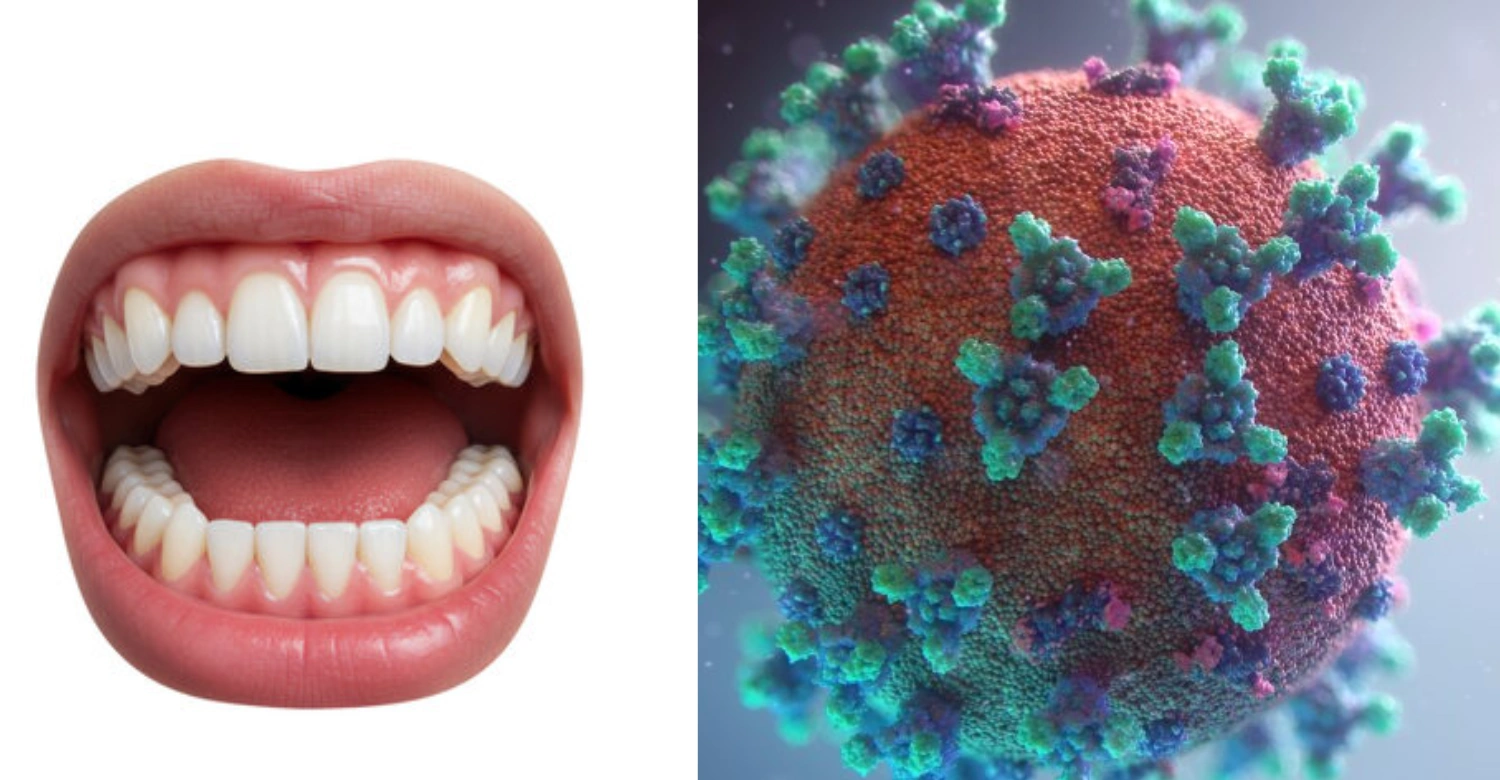
Note : All images used are for editorial and illustrative purposes only and may not originate from the original news provider or associated company.
Unexplained White or Red Lesions
Persistent white or red lesions should not be diagnosed through photographs alone. Candidiasis, hairy leukoplakia, trauma, and other conditions can produce visible changes. A dental professional can examine the lesion and determine whether further testing is necessary. Prompt assessment is especially important for lesions that enlarge or persist.
Persistent Gum Swelling or Bleeding
Persistent gum swelling or bleeding can indicate gingivitis or periodontal disease. HIV-associated periodontal conditions may present with bleeding and tissue destruction. However, common plaque-related disease remains an important alternative explanation. Professional periodontal assessment can identify the underlying problem and guide treatment.
What We Notice Clinically
Clinically, oral findings should be interpreted as part of a complete patient assessment. Similar lesions can occur in people with and without HIV. NIDCR lists candidiasis, gum disease, ulcers, oral warts, hairy leukoplakia, dry mouth, and tooth decay among relevant oral problems. At Vitrin Clinic, careful examination can help identify dental conditions requiring treatment or further evaluation. The goal is accurate diagnosis rather than assuming a specific systemic cause.
How Are HIV-Related Oral Problems Diagnosed?
Diagnosis is central to any responsible approach to HIV Symptoms and Oral Health. Diagnosis begins with a detailed oral examination and medical history. The dentist evaluates lesions, gums, teeth, salivary function, and symptoms. Medical history can reveal medications, previous infections, HIV treatment, and other risk factors. HIV infection itself cannot be diagnosed from oral findings alone. Appropriate laboratory testing is required when HIV infection is suspected.
Dental Examination
A dental examination evaluates the teeth, gums, tongue, mucosal tissues, and other oral structures. Dentists may document lesion size, color, location, texture, and duration. Periodontal measurements can identify gum inflammation or attachment loss. Radiographs may help evaluate bone and dental structures when clinically indicated. This assessment can distinguish common dental disease from findings requiring further investigation.
Medical History
Medical history helps explain unusual or recurrent oral findings. Relevant information may include medications, immune conditions, previous infections, dry mouth, and current medical treatment. Some medications can contribute to xerostomia. The dentist may also ask about symptom duration and previous treatments. Accurate history improves diagnostic decision-making.
HIV Testing
HIV testing is necessary when HIV infection needs to be confirmed. Oral findings cannot replace appropriate diagnostic testing. A healthcare professional can recommend the appropriate test based on exposure timing and clinical circumstances. Testing strategies may involve antigen, antibody, or nucleic acid-based approaches. Results should be interpreted according to the specific test and testing window.
Why Oral Symptoms Alone Cannot Diagnose HIV
This point is worth repeating throughout any discussion of HIV Symptoms and Oral Health. Many oral findings associated with HIV are also found in people without HIV. Thrush, ulcers, gingivitis, periodontitis, and dry mouth have numerous possible causes. Therefore, a visible oral lesion cannot establish infection. HIV testing provides the appropriate diagnostic evidence. Dental examination remains valuable because it can identify and treat the oral condition itself.
Clinical Note
A clinician should avoid diagnosing HIV based solely on oral appearance. Some oral manifestations can provide useful clues, but their diagnostic specificity varies. Historical literature identified certain lesions as important clinical markers. Modern treatment has changed the frequency of many findings. Current evaluation should therefore combine clinical examination with appropriate medical testing.
Dr. Rifat Alsaman's Clinical Perspective
Dr. Rifat Alsaman, Head of the Medical Team at Vitrin Clinic and cosmetic dentist, emphasizes individualized clinical evaluation. Oral findings should be assessed according to their appearance, duration, symptoms, and underlying dental condition. A suspected systemic issue should receive appropriate medical referral rather than unsupported assumptions. Dental treatment should remain focused on improving oral health and addressing confirmed diagnoses.
How Are HIV-Related Oral Health Problems Managed?
Management is the practical side of HIV Symptoms and Oral Health, and it depends on the specific oral condition and the patient's broader medical circumstances. Oral candidiasis may require antifungal therapy, while periodontal disease requires professional periodontal care. Mouth ulcers may require treatment based on their underlying cause. Dry mouth may require hydration strategies and saliva-supportive measures. NIDCR recommends discussing treatment options with both medical and dental professionals.
Treating Oral Infections
Treatment depends on the organism and severity of infection. Oral candidiasis may require topical or systemic antifungal medication. Viral infections may require antiviral treatment when clinically indicated. Bacterial periodontal infections require appropriate dental management. Treatment should be prescribed according to the diagnosis and the patient's medical history.
Managing Gum Disease
Gum disease management usually includes professional periodontal cleaning and improved daily plaque control. More advanced disease may require scaling, root surface treatment, periodontal procedures, or additional antimicrobial therapy. HIV-associated periodontal conditions may require closer monitoring. Treatment should be individualized according to periodontal findings.
Managing Mouth Ulcers
Ulcer treatment depends on the underlying cause. Minor traumatic ulcers may improve after removing irritation. Infectious ulcers require treatment directed toward the identified infection. Recurrent inflammatory ulcers may require specific topical or systemic therapy. Persistent ulcers should receive professional evaluation before treatment is selected.
Maintaining Regular Dental Care
Regular dental care supports prevention, early diagnosis, and management of oral disease. Dental examinations can identify tooth decay, periodontal disease, dry mouth, and mucosal changes. NIDCR specifically recognizes the importance of dental care for people with HIV. Frequency should be determined according to individual risk.
Tips for Patients With HIV and Oral Health Concerns
Managing HIV Symptoms and Oral Health day to day starts with good habits at home. Good oral hygiene remains essential for people living with HIV. Daily brushing, interdental cleaning, adequate hydration, and regular dental visits can support healthy teeth and gums. Patients should report persistent oral changes rather than delaying evaluation. Medical and dental teams should coordinate treatment when systemic and oral conditions overlap.
Maintain Good Oral Hygiene
Brush twice daily using fluoride toothpaste unless your dentist recommends otherwise. Clean between teeth daily using floss or another suitable interdental method. Good plaque control reduces the risk of gingivitis and tooth decay. People experiencing dry mouth may require additional preventive measures. NIDCR recommends hydration and sugar-free products for dry mouth management.
Schedule Regular Dental Visits
Regular dental visits allow early identification of decay, gum disease, infections, and mucosal abnormalities. Visit frequency should depend on individual oral health risks. Patients with active periodontal disease may need more frequent monitoring. Consistent preventive care can reduce the likelihood of untreated dental problems becoming advanced.
Monitor Persistent Oral Changes
Monitor changes in the tongue, gums, cheeks, palate, and lips. Persistent white patches, red lesions, ulcers, swelling, bleeding, or recurrent infections deserve professional evaluation. Do not assume that an oral change automatically represents HIV. Many unrelated dental conditions can look similar. Professional assessment provides a more reliable explanation.
Follow Your Medical and Dental Treatment Plan
HIV treatment and dental care should work together as part of comprehensive healthcare. Take prescribed medications exactly as directed by your healthcare professional. Inform your dentist about relevant medications and medical treatment. This information helps the dental team select appropriate procedures and medications. Consistent care can support better oral health outcomes.
Comprehensive Dental Assessment
A comprehensive assessment can examine teeth, gums, periodontal tissues, bite, and oral mucosa. The dentist can document symptoms and identify conditions requiring treatment. Diagnostic findings help establish a personalized dental plan. Patients with persistent unusual lesions may also require medical evaluation outside dentistry.
Digital Diagnostic Technology
Modern dental technology can support detailed assessment and treatment planning. Depending on the clinical need, digital X-rays, CBCT imaging, and intraoral scanning may be used. These technologies provide information about dental structures and treatment requirements. They do not independently diagnose HIV. Medical testing remains necessary when HIV infection is suspected.
Personalized Treatment Planning
Treatment planning should reflect the patient's oral condition, medical history, and treatment goals. Vitrin Clinic can structure dental care around individual clinical findings. Preventive care, periodontal treatment, restorative procedures, or other dental services may be considered when appropriate. The final treatment plan should follow professional examination and diagnosis.
How Vitrin Clinic Supports Your Treatment Journey
Vitrin Clinic combines clinical assessment with digital treatment planning for international dental patients. The approach can help organize examinations, diagnostics, treatment, and follow-up. Patients with medical conditions should provide accurate health information before dental procedures. Coordination with their healthcare provider may be necessary for certain cases. Dental treatment should remain individualized and medically appropriate.
Modern Dental Care
Modern dental technology can support diagnosis, treatment planning, and restorative care. Digital imaging and intraoral scanning can provide detailed information about dental structures. These tools may improve communication between clinicians and patients. Their use depends on the patient's specific dental needs.
Individualized Treatment
Every patient's dental condition is different. Treatment decisions depend on oral findings, medical history, periodontal health, and personal goals. A personalized plan avoids unnecessary procedures and focuses on confirmed clinical needs. At Vitrin Clinic, treatment planning can incorporate digital diagnostics and clinical examination.
Aftercare and International Patient Support
International patients may require organized communication before and after dental treatment. Clear instructions can help patients understand medication, oral hygiene, follow-up, and recovery requirements. Patients with ongoing medical treatment should maintain communication with their healthcare providers. Dental aftercare should complement rather than replace medical care.
Additional Section: HIV, Oral Health, and Preventive Dental Care
Preventive dentistry is particularly important when oral infections or periodontal disease are recurrent. Daily plaque control, fluoride use, hydration, and regular examinations can reduce common dental risks. Patients experiencing dry mouth should discuss preventive strategies with their dentist. Reduced saliva can increase tooth decay and oral infection risk. Professional dental care should also address existing periodontal disease and untreated decay. HIV treatment remains an essential part of overall health management. Dental professionals can support oral health while coordinating appropriately with medical providers. Preventive care should be based on individual risk rather than assumptions about HIV status.
Key Takeaways About HIV Symptoms and Oral Health
In summary, HIV Symptoms and Oral Health can be associated with several oral conditions, including candidiasis, periodontal disease, ulcers, dry mouth, oral warts, and hairy leukoplakia. However, these findings are not specific enough to diagnose HIV. Oral symptoms may have many unrelated causes. Persistent lesions, recurrent infections, and unexplained gum problems deserve professional assessment. HIV testing is necessary when infection is suspected. Effective antiretroviral therapy has reduced many classic oral manifestations. Regular dental care remains important for preventing tooth decay and periodontal complications. At Vitrin Clinic, comprehensive dental assessment can help identify confirmed oral conditions and develop individualized dental care.
At Vitrin Clinic
At Vitrin Clinic, periodontal assessment focuses on evaluating the health of the gums and supporting structures of the teeth. Patients can receive a detailed examination to identify signs of gum inflammation, bleeding, periodontal pockets, gum recession, or other periodontal concerns. Where appropriate, digital diagnostic tools can support a more accurate assessment and treatment planning. Based on the clinical findings, the dental team can recommend suitable periodontal care, which may include professional cleaning, non-surgical gum treatment, or further periodontal procedures when needed. Any suspected medical concern outside the scope of dental care should be referred to an appropriate healthcare professional.
Reference
FAQs
Dr. Rifat Alsaman has more than 5 years of clinical experience in dentistry and currently serves as the Head of the Medical Team at Vitrin Clinic. He is dedicated to providing exceptional patient care, overseeing treatment planning, and ensuring the highest clinical standards across the team. His expertise, attention to detail, and commitment to continuous professional development have helped countless patients achieve healthier, more confident smiles.


