Periodontics
October 18, 2026
What Are the Signs of Gum Disease, and When Should You See a Dentist?
 Dr. Rifat Alsaman

Signs of gum disease often begin quietly, with subtle changes such as bleeding during brushing or persistent bad breath. Perhaps you have noticed blood on your toothbrush, tenderness while eating, or gums that look different in the mirror. These changes do not confirm gum disease on their own. However, they deserve attention if they persist. Gum disease ranges from gingivitis, which is early gum inflammation, to periodontitis, which damages the tissues supporting the teeth. Early assessment helps guide appropriate treatment. This guide explains what to look for and when to act.
.jpg)
.jpg)
.jpg)
.jpg)
.jpg)
.jpg)
.jpg)
Ready to transform your smile?
Talk to our team and get a FREE treatment plan.
Signs of Gum Disease: What Should You Look for First?
Signs of gum disease usually involve changes in gum color, texture, bleeding, and tooth stability. Healthy gums typically look firm and fit snugly around the teeth, although natural gum color varies between people. Inflamed gums may look red, puffy, or shiny, and they may bleed easily. Gum disease can develop with little or no pain. For this reason, the absence of discomfort does not rule it out. Noticing changes early gives you time to arrange an assessment before supporting tissues are seriously affected.
Early Signs of Gum Disease You Might Notice at Home
The early signs of gum disease are often mild. You may see a little blood when brushing or flossing. Your gums may look redder or slightly swollen along the edges. Some people feel tenderness or notice persistent bad breath. These symptoms are easy to dismiss. Many people assume they brushed too hard or irritated their gums with food. Occasional irritation can happen. However, bleeding or swelling that keeps returning for more than a week or two deserves a dental check.
Symptoms of Gum Disease That May Become More Noticeable
As inflammation continues, symptoms of gum disease can become harder to ignore. Gums may feel tender when chewing. Their shape can change, with edges that look rolled, swollen, or pulled back. Some people notice pus near the gumline, which may suggest infection. Spaces between teeth may widen, and food may trap more easily. You might also feel that your teeth fit together differently when you bite. These later signs of gum disease suggest deeper supporting tissues may be involved.
Signs of Gingivitis vs. Signs of Periodontitis
Signs of gingivitis include red, swollen gums that bleed easily, while the bone and attachment around the teeth remain intact. With good plaque control and professional cleaning, gingivitis is usually reversible. Signs of periodontitis go further. They may include gum pockets, recession, loose teeth, and bone loss visible on X-rays. Periodontitis cannot be fully reversed, but it can often be controlled. Because the visible signs of gum disease overlap, only a dental examination can reliably tell these stages apart.
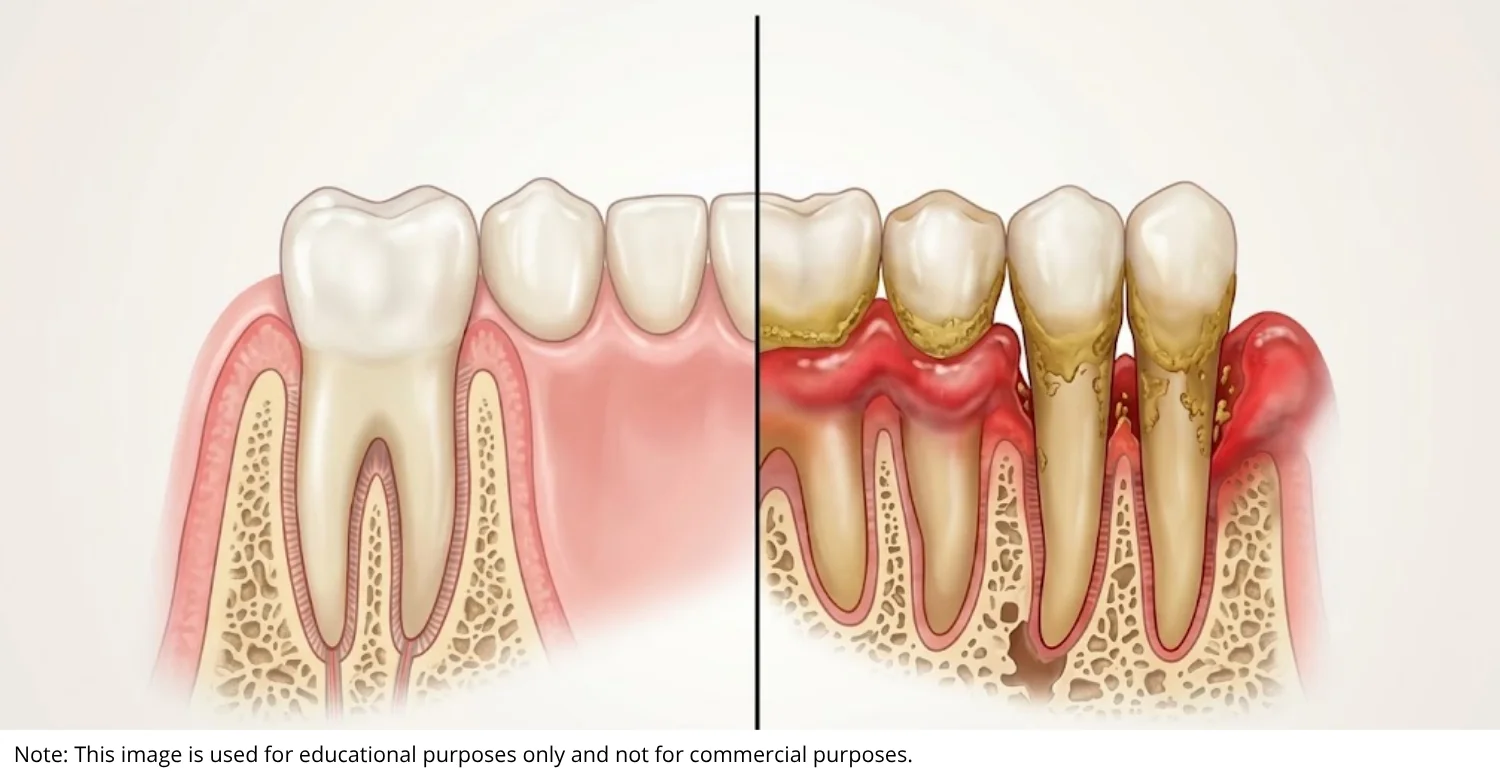
Note: All images used are for editorial and illustrative purposes only and may not originate from the original news provider or associated company.
What Causes Gum Disease, From Plaque Buildup to More Serious Risk Factors?
Gum disease usually starts with dental plaque, a sticky bacterial biofilm that forms on teeth every day. When plaque stays along the gumline, the body responds with inflammation. This response produces many early signs of gum disease, such as redness and bleeding. If plaque remains for long periods, inflammation may spread deeper. Over time, it can contribute to damage in the tissues that hold teeth in place. Several risk factors also influence how strongly each person responds.
Plaque and Tartar Buildup
Plaque is a soft film of bacteria that brushing and interdental cleaning can remove. When it is left undisturbed, minerals from saliva can harden it into tartar, also called calculus. Tartar has a rough surface that holds more plaque near and below the gumline. It cannot be removed with a toothbrush or floss. Professional cleaning is usually needed to remove it safely. Regular removal helps reduce the irritation behind many signs of gum disease.
Inconsistent Brushing and Flossing
Plaque tends to collect where brushing is rushed or skipped. The gumline and the spaces between teeth are common problem areas. A toothbrush alone often misses the surfaces between teeth, so interdental cleaning matters. However, poor hygiene is not the only cause of gum disease. Some people clean carefully and still develop problems because of genetics, health conditions, or other risk factors. Others keep healthy gums despite imperfect routines. Individual susceptibility plays a significant role.
Smoking, Vaping, and Other Tobacco Products
Smoking is one of the strongest known risk factors for periodontitis. Tobacco affects blood flow to the gums and the immune response. It can also slow healing after treatment. Smoking may mask bleeding, so a smoker can have significant gum disease with fewer visible signs of gum disease. Research on vaping is still developing, but nicotine and other chemicals may also affect gum tissues. Chewing tobacco can cause recession and other changes where it is held.
Diabetes, Hormonal Changes, and Other Health Factors
Poorly controlled diabetes increases the risk and severity of periodontitis. The relationship appears to work both ways, as severe gum inflammation may make blood sugar harder to control. Hormonal changes during puberty and pregnancy can make gums more reactive to plaque. Certain medicines may cause dry mouth, gum overgrowth, or easier bleeding. Examples include some anti-seizure medicines, certain blood pressure medicines, immune-suppressing drugs, and blood thinners. Genetics and stress may also influence individual susceptibility.
Why Some Cases Progress to Periodontitis
Not every case of gingivitis becomes periodontitis. When inflammation persists, however, it can extend below the gumline. The body's own immune response then begins breaking down the periodontal ligament and supporting bone. Pockets form between the gums and teeth, where bacteria collect more easily. The speed of progression varies widely between individuals. Risk factors, oral hygiene, and genetics all play a part. One symptom alone cannot predict whether a case will progress.
Which Gum Disease Symptoms Often Appear Together?
Gum disease symptoms rarely appear in isolation. Bleeding may accompany redness and swelling. Bad breath may occur alongside recession or pocket formation. When several signs of gum disease appear together, the level of concern naturally rises. Still, a pattern of symptoms cannot establish a diagnosis on its own. Other conditions can produce similar changes. A dental examination, including measurements around each tooth, is needed to confirm what is happening and how far it has progressed.
Bleeding Gums When Brushing and Swollen and Red Gums
Bleeding gums when brushing are among the most common symptoms people notice. Inflamed gum tissue contains more blood vessels and becomes fragile, so gentle pressure can cause bleeding. Swollen and red gums often accompany this bleeding. They may look puffy or shiny and feel tender to touch. Some people blame their brushing technique and stop cleaning the area. Persistent bleeding should not automatically be put down to brushing. It is often one of the earliest signs of gum disease.
Bad Breath and Gum Disease
The link between bad breath and gum disease comes from bacteria. Bacteria in plaque and gum pockets release sulfur compounds that cause unpleasant odors. Some people also notice a persistent bad taste. However, bad breath has many other causes. Coating on the back of the tongue is a very common source. Dry mouth, tooth decay, certain foods, sinus problems, and some medical conditions can also contribute. Persistent bad breath therefore deserves an examination rather than assumptions.
Receding Gums Symptoms and Visible Tooth Roots
Receiving gums symptoms include teeth that look longer, visible root surfaces, and notches near the gumline. Exposed roots may feel sensitive to cold, heat, or sweet foods. Roots are also softer than enamel, so they can be more vulnerable to decay. Recession is one of the possible signs of gum disease, but it has other causes too. These include aggressive brushing, thin gum tissue, tooth position, and orthodontic movement. Identifying the cause guides the right treatment.
Loose Teeth From Gum Disease
Loose teeth from gum disease usually reflect advanced loss of supporting bone and ligament. As the support weakens, teeth may move slightly when you bite or touch them. You may notice changes in your bite, new gaps, or teeth drifting forward. Front teeth can begin to fan out. Any new or increasing looseness in an adult tooth warrants prompt professional assessment. Early treatment may help stabilize the remaining support and reduce the risk of tooth loss.
How to Tell if You Have Gum Disease at Home
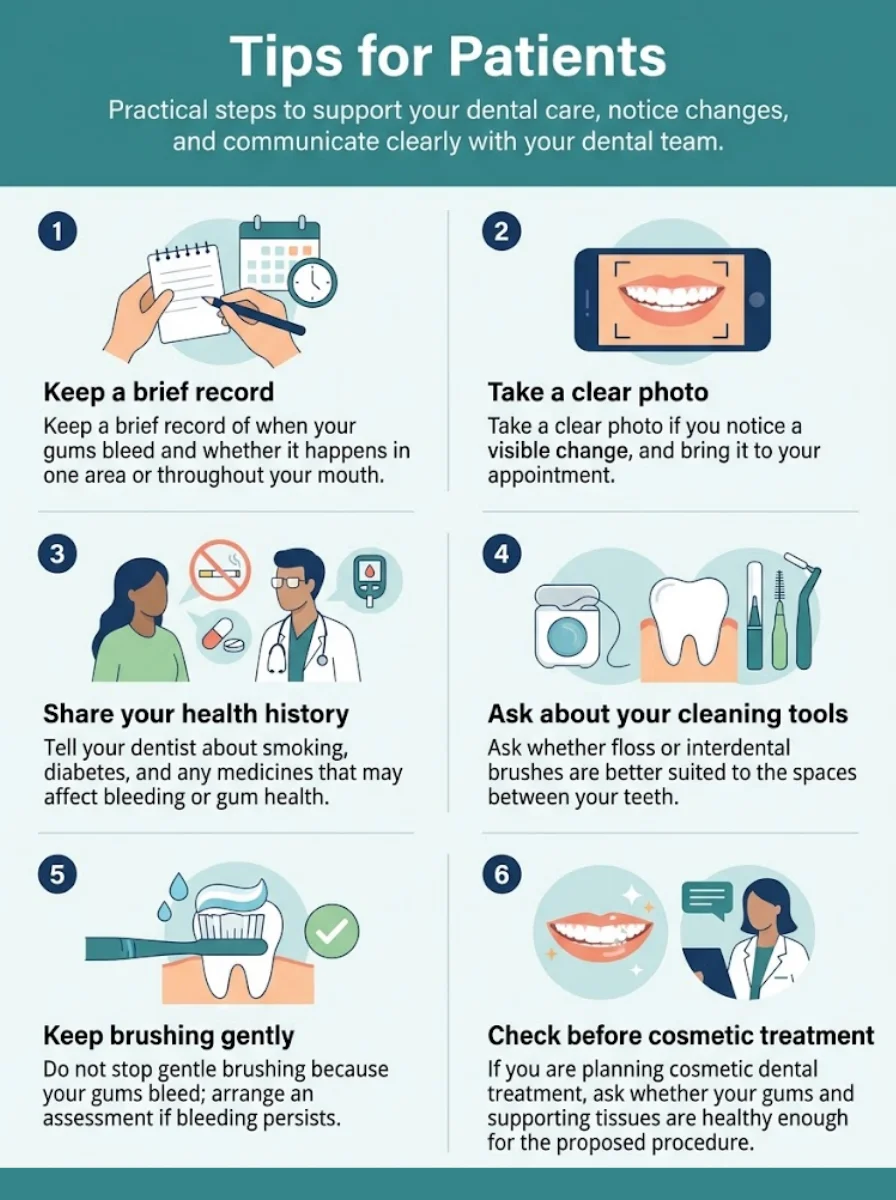
Learning how to tell if you have gum disease at home starts with simple observation. Home checks help you notice changes and track them over time. They cannot confirm a diagnosis. Look at your gums in a good light about once a week. There is no need to press or poke them to test for bleeding, as this can irritate the tissue. If the signs of gum disease you notice persist, book a professional assessment.
What to Check When You Look at Your Gums
Check whether your gums look red or swollen rather than firm. Notice any bleeding when you brush or floss, and whether it happens in one area or throughout your mouth. Look for gums that seem to be pulling back from the teeth. Pay attention to persistent bad breath or a bad taste. Also notice any teeth that look longer, feel loose, or seem to have shifted. Write down what you find and when it started.
What a Home Check Cannot Tell You
A mirror cannot show what is happening below the gumline. Pocket depth, attachment loss, and bone loss can only be measured professionally. A dentist uses a fine probe to measure the space between the gums and teeth. Dental X-rays may be needed when bone changes require evaluation. Even when visible signs of gum disease seem mild, deeper damage may already be present. Equally, worrying symptoms sometimes have simpler causes. A professional assessment provides clarity.
.jpg)
Ready to transform your smile?
Talk to our team and get a FREE treatment plan.
What Can You Do at Home to Help Your Gums?
Good home care is the foundation of healthy gums. For mild inflammation, consistent plaque removal can help the gums settle. It is a supportive first step, not a substitute for treating established periodontitis. Home care cannot remove hardened tartar or rebuild lost bone. If signs of gum disease continue despite careful cleaning, professional treatment is needed. The steps below support gum health alongside regular dental care. Small, steady habits usually achieve more than intense, irregular effort.
Brush Gently Along the Gumline
Brush twice a day with a soft-bristled toothbrush and fluoride toothpaste. Angle the bristles toward the gumline at about 45 degrees. Use small, gentle movements rather than hard scrubbing. Aggressive brushing can damage the gums and contribute to recession. Spend about two minutes cleaning all surfaces. If your gums bleed, keep brushing gently rather than avoiding the area. Bleeding from inflamed gums often reduces within one to two weeks as plaque control improves.
Clean Between Your Teeth Every Day
A toothbrush cannot reach the surfaces between teeth well. Plaque left there contributes to inflammation and many signs of gum disease. Clean between your teeth once a day using floss or interdental brushes. Interdental brushes often work well where spaces are larger. Floss may suit tight contacts. Choose a size that fits comfortably without forcing it. Mild bleeding may occur at first in inflamed areas. This often settles as the gums become healthier.
Use Mouthwash Carefully
Mouthwash can complement brushing and interdental cleaning, but it cannot replace them. It cannot remove hardened tartar or treat periodontitis on its own. Some antiseptic rinses, such as chlorhexidine, may be recommended for short periods. Longer use can stain teeth and alter taste, so follow professional advice. Alcohol-containing rinses may dry the mouth in some people. Using mouthwash to hide bad breath may also mask signs of gum disease that need assessment.
Avoid Smoking and Support General Health
Stopping smoking is one of the most effective steps you can take for your gums. It reduces periodontal risk and supports healing after treatment. A pharmacist, physician, or stop-smoking service can help you quit. If you have diabetes, work with your healthcare team to keep blood sugar well managed. A balanced diet, enough sleep, and stress management support general health. Combined with regular oral hygiene, these habits help your gums resist inflammation.
Which Tools Can Help You Maintain Gum Health?
The right tools make daily plaque removal easier and more consistent. No single tool suits everyone. The best choice depends on your mouth, your dexterity, and any restorations or braces you have. A dental professional can show you how to use each tool correctly. Technique matters as much as the tool itself. Consistent cleaning reduces the plaque that drives early signs of gum disease. Ask for a demonstration if you are unsure.
Electric and Manual Toothbrushes
Both electric and manual toothbrushes can clean teeth effectively when used well. Some studies suggest powered toothbrushes, particularly oscillating-rotating designs, may reduce plaque and gum inflammation slightly more than manual brushes. Electric brushes can help people with limited dexterity. Built-in timers and pressure sensors may also encourage better habits. However, an electric brush is not necessary for everyone. A soft manual brush, used gently for two minutes twice daily, remains an effective option.
Floss and Interdental Brushes
The most suitable interdental tool depends on the spaces between your teeth. Floss works well for tight contacts. Interdental brushes are often more effective where gaps are wider, such as after recession or periodontal treatment. Floss holders or picks may help people with limited dexterity. Crowns, bridges, and implants may need specific tools. Orthodontic appliances often require threaders or small brushes. A dental professional can help you select sizes that fit without causing damage.
Water Flossers and Specialized Cleaning Aids
Water flossers direct a pulsing stream of water between teeth and along the gumline. Some research suggests they may help reduce gum bleeding, especially for people who find string floss difficult. They can be useful around braces, bridges, and implants. Other aids include end-tuft brushes for hard-to-reach areas and tongue cleaners. These tools work as adjuncts to brushing. They cannot remove hardened tartar, which still requires professional cleaning.
When Should You See a Dentist About Gum Disease Symptoms?
You should see a dentist when gum symptoms persist, rather than waiting for pain. Bleeding, swelling, recession, or bad breath lasting more than a week or two warrants an assessment. Many people delay because their gums do not hurt. Yet periodontitis often progresses painlessly. Regular checkups also allow early signs of gum disease to be identified before you notice them yourself. The sooner the cause is found, the simpler treatment often is.
Symptoms That Should Not Be Ignored
Some symptoms of gum disease signal the need for a prompt appointment. These include persistent bleeding, gum recession that seems to be worsening, and pus between the teeth and gums. Recurring swelling, teeth that feel loose, and changes in your bite also deserve attention. Even one of these signs of gum disease justifies an examination. Earlier assessment usually allows simpler treatment and may help limit further damage to the supporting tissues.
When You Need Urgent Dental Care
Some situations need urgent dental assessment. These include facial swelling, fever with a suspected dental infection, rapidly worsening pain, or difficulty opening the mouth. They may indicate a gum abscess or a spreading infection. Do not wait for a routine appointment. If you have difficulty breathing or swallowing, or swelling spreading toward the eye or neck, seek emergency medical care immediately. These symptoms can become dangerous quickly and require hospital assessment.
How Dentists Diagnose Gingivitis and Periodontitis
Diagnosis begins with your medical and dental history, including medicines, smoking, and diabetes. The dentist then examines your gums for color, swelling, bleeding, and recession. Periodontal probing measures the spaces between the gums and teeth. Healthy spaces are usually about 1 to 3 millimeters deep. Deeper pockets and attachment loss suggest periodontitis. Dental X-rays may be taken when bone levels need evaluation. Together, these findings determine the diagnosis, stage, and treatment plan.
What Treatments Are Available for Gum Disease?
Treatment depends on the diagnosis, the severity of the condition, your risk factors, and how you respond to initial care. Gingivitis may improve substantially with professional cleaning and better plaque control. Periodontitis usually requires more involved treatment and long-term maintenance. The aim is to reduce inflammation, control bacterial deposits, and stabilize the supporting tissues. Recognizing signs of gum disease early may allow simpler, less invasive treatment. Your plan should reflect your individual findings.
Professional Dental Cleaning for Gingivitis
Professional cleaning removes plaque and tartar from tooth surfaces and just below the gumline. It reaches deposits that brushing and flossing cannot remove. The visit is also a chance to review your home care technique. With consistent cleaning afterward, inflammation usually begins to settle. Bleeding and swelling often reduce over the following days and weeks. Recovery time varies, depending on how well plaque is controlled and on individual risk factors.
Scaling and Root Planing for Periodontitis
Scaling and root planing is a deep cleaning performed beneath the gumline. Scaling removes plaque and tartar from tooth and root surfaces inside the pockets. Root planing smooths the root surfaces to help the gums heal and reduce plaque retention. Local anesthesia may be used for comfort. Treatment may be completed in one or several visits. A follow-up assessment, often several weeks later, shows how pockets and inflammation have responded.
Medicines and Antimicrobial Treatments
In selected cases, medication may support mechanical cleaning. Locally delivered antimicrobials can be placed directly into deep pockets after scaling. Antiseptic mouth rinses may be advised for short periods. Systemic antibiotics are not routinely needed for every case of gum disease. They should only be prescribed when clinically justified, for example in certain severe or rapidly progressing cases, or when infection is spreading. Medication supports treatment but never replaces thorough cleaning of root surfaces.
Periodontal Surgery for Advanced Disease
Surgery may be considered when nonsurgical treatment does not adequately control the condition. Flap surgery lifts the gums to allow thorough cleaning of root surfaces and to reduce pocket depth. Regenerative procedures may help rebuild some lost bone in suitable defects. Gum grafts can cover exposed roots or strengthen thin tissue. The choice depends on the clinical findings, the type of defect, and overall health. Not every patient with periodontitis needs surgery.
What Results Can You Expect Before and After Treatment?
After successful treatment, many patients notice less bleeding and swelling. Pocket depths often decrease, and the gums may feel firmer. Periodontal stability improves when home care and maintenance continue. However, lost supporting bone generally does not return simply because inflammation improves. The existing recession may remain. Gums can also shrink slightly as swelling resolves, making teeth look longer. Results depend on severity, smoking, diabetes control, and daily cleaning. No outcome can be guaranteed.
Patient Reviews
Ready to transform your smile?
Talk to our team and get a FREE treatment plan.
How Can You Prevent Gum Disease From Returning?
Gum disease can return if plaque control slips or risk factors remain unmanaged. Long-term prevention relies on three things: effective home care, professional monitoring, and management of individual risks. People treated for periodontitis remain more susceptible than average. For them, maintenance is ongoing rather than a one-time step. Staying alert to returning signs of gum disease allows problems to be caught early. Prevention is usually easier than repeating treatment.
Build a Consistent Daily Oral Hygiene Routine
Brush twice daily for about two minutes with a soft brush and fluoride toothpaste. Fluoride helps protect enamel and exposed roots from decay. Clean between your teeth once a day using the tools your dental team recommends. After brushing, spit out the toothpaste rather than rinsing heavily with water, so the fluoride stays on your teeth longer. Consistency matters more than intensity. A gentle daily routine protects the gums better than occasional aggressive cleaning.
Schedule Periodontal Maintenance Visits
Maintenance visits include checking pocket depths, removing deposits, and reviewing home care. Their frequency should depend on your periodontal history, current findings, and individual risk. There is no single schedule that suits everyone. People with a history of periodontitis often need more frequent visits, sometimes every three to four months. Those with healthy gums and low risk may need fewer. Your dental team will adjust the interval based on how stable your gums remain.
Manage Risk Factors and Monitor Changes
Managing risk factors helps protect treatment results. Stopping smoking improves healing and lowers the chance of recurrence. If you have diabetes, keeping blood sugar well controlled supports gum health. Tell your dental team about new medicines or health changes. Between visits, watch for recurring bleeding, swelling, or bad breath. If early signs of gum disease return, arrange an assessment promptly rather than waiting for your next scheduled appointment. Quick action often keeps treatment simpler.
What We Notice Clinically
Dental assessments often show that what patients notice at home tells only part of the story. Visible signs of gum disease are useful clues, but they do not reveal the full condition of the supporting tissues. A careful examination combines what the patient reports with measurements, visual findings, and imaging when needed. The observations below reflect common patterns in periodontal assessment. They are not guarantees or statistics, and every patient's findings must be interpreted individually.
Why Bleeding Gums Do Not Tell the Whole Story
Bleeding shows that the gums are inflamed. However, the amount of bleeding does not reliably show how much supporting tissue has been lost. Some patients with heavy bleeding have only gingivitis. Others, especially smokers, may bleed very little despite deep pockets and bone loss. For this reason, bleeding is one finding among many.
Why Gum Recession and Tooth Mobility Need Different Assessments
Recession and mobility can seem related, but they often have different causes. Recession may result from brushing trauma, thin gum tissue, tooth position, or periodontitis. Mobility may reflect lost periodontal support. It can also come from teeth grinding, a high bite, infection, or a cracked root. The examination should identify the underlying cause before treatment is selected.
Clinical Note
Symptoms alone cannot determine the stage of periodontal disease. Two patients with similar bleeding may have very different levels of tissue damage. The appropriate next step is to identify the cause, assess the health of the supporting tissues, and select treatment based on the findings.
Dr. Rifat Alsaman, Head of the Medical Team and cosmetic dentist at Vitrin Clinic, emphasizes that cosmetic treatment planning should account for periodontal health. Addressing active gum disease before elective restorative or aesthetic procedures may help establish a more stable foundation for care.
Takeaway — Do Not Ignore Changes in Your Gums
Bleeding, swelling, persistent bad breath, recession, and loose teeth may all indicate gum problems. These signs of gum disease deserve attention, but symptoms alone cannot establish a diagnosis. Maintain gentle daily plaque control with brushing and interdental cleaning. Seek professional assessment when symptoms persist or worsen, even without pain. Early recognition may help prevent further periodontal damage. Established periodontitis often requires continuing care, but it can usually be managed with treatment and regular maintenance.
How Vitrin Clinic Approaches Gum Health Assessment
Vitrin Clinic in Istanbul, Türkiye, is the clinic featured in this article. It welcomes international patients and takes a patient-focused approach to gum health. Vitrin Clinic also provides Periodontics treatment, so patients can have gum problems assessed, treated, and monitored in one place. Before restorative or cosmetic treatment begins, the team evaluates the condition of the gums and supporting tissues. This helps identify signs of gum disease that could affect treatment planning. When gum disease is found, it can be treated first. The goal is to build any cosmetic or restorative work on a healthy, stable foundation, with each recommendation explained clearly.
Individualized Periodontal Assessment and Treatment Planning
Assessment may include a review of your medical history, medicines, and risk factors such as smoking or diabetes. The gums are examined for inflammation, bleeding, and recession. Periodontal measurements record pocket depths around the teeth. Dental imaging is used when clinically indicated to evaluate bone levels. Treatment recommendations then reflect your oral health, symptoms, and clinical findings. No two plans are identical, because periodontal conditions and personal risk factors vary between patients.
Coordinating Gum Health With Cosmetic Dental Care
Healthy periodontal tissues matter when considering veneers, crowns, or other cosmetic procedures. Inflamed gums can bleed during impressions or scans, change shape as they heal, and affect how restorations fit along the gumline. Untreated periodontitis may also compromise the long-term support of treated teeth. For these reasons, active gum disease is usually addressed first. The timing and suitability of cosmetic treatment depend on each individual's clinical assessment.
If you have noticed persistent bleeding, swollen gums, recession, or changes in tooth stability, contact Vitrin Clinic to discuss an assessment and an individualized treatment plan.






Ready to transform your smile?
Talk to our team and get a FREE treatment plan.
References:
FAQs
Dr. Rifat Alsaman has more than 5 years of clinical experience in dentistry and currently serves as the Head of the Medical Team at Vitrin Clinic. He is dedicated to providing exceptional patient care, overseeing treatment planning, and ensuring the highest clinical standards across the team. His expertise, attention to detail, and commitment to continuous professional development have helped countless patients achieve healthier, more confident smiles.


