
How Smoking Damages Teeth and Gums Long Term ? Smoking can gradually damage teeth, gums, periodontal tissues, and supporting bone through repeated tobacco exposure over many years. How Smoking Damages Teeth and Gums Long-Term depends on smoking duration, frequency, oral hygiene, genetics, and existing dental conditions. Tobacco exposure can increase periodontal disease risk while making treatment and healing more challenging. NIDCR identifies smoking as a major periodontal disease risk factor and states that smoking can make gum-disease treatment less successful.
Understanding how smoking damages teeth and gums long term begins with recognizing that the effects may start with staining, persistent bad breath, plaque accumulation, or subtle gum changes before serious symptoms appear. Research and public-health data consistently identify smoking as an important modifiable risk factor for periodontitis. NIDCR reports that approximately two in five adults have some form of periodontal disease, with smoking remaining a major risk factor.
At Vitrin Clinic, prevention focuses on identifying periodontal changes early, educating patients on how smoking damages teeth and gums long term, and protecting natural teeth through personalized dental monitoring.
How Smoking Damages Teeth and Gums Long Term
How Smoking Damages Teeth and Gums Long-Term involves several biological and clinical effects that can develop gradually rather than appearing immediately. Tobacco smoke exposes oral tissues to numerous chemicals that can influence inflammation, immune responses, blood circulation, and tissue healing. These changes can increase vulnerability to periodontal infection and make existing dental problems harder to control. NIDCR identifies smoking as the most significant periodontal disease risk factor listed on its patient guidance page.
Smoking can also produce visible tooth discoloration and contribute to persistent oral odor. More serious consequences can include periodontal attachment loss, supporting bone destruction, tooth mobility, and eventual tooth loss. These outcomes usually involve several interacting risk factors rather than smoking alone. Consistent oral hygiene and professional dental care can reduce preventable complications, although they cannot completely eliminate tobacco-related risks. Quitting smoking remains the strongest way to reduce continued exposure.
How Smoking Affects Teeth
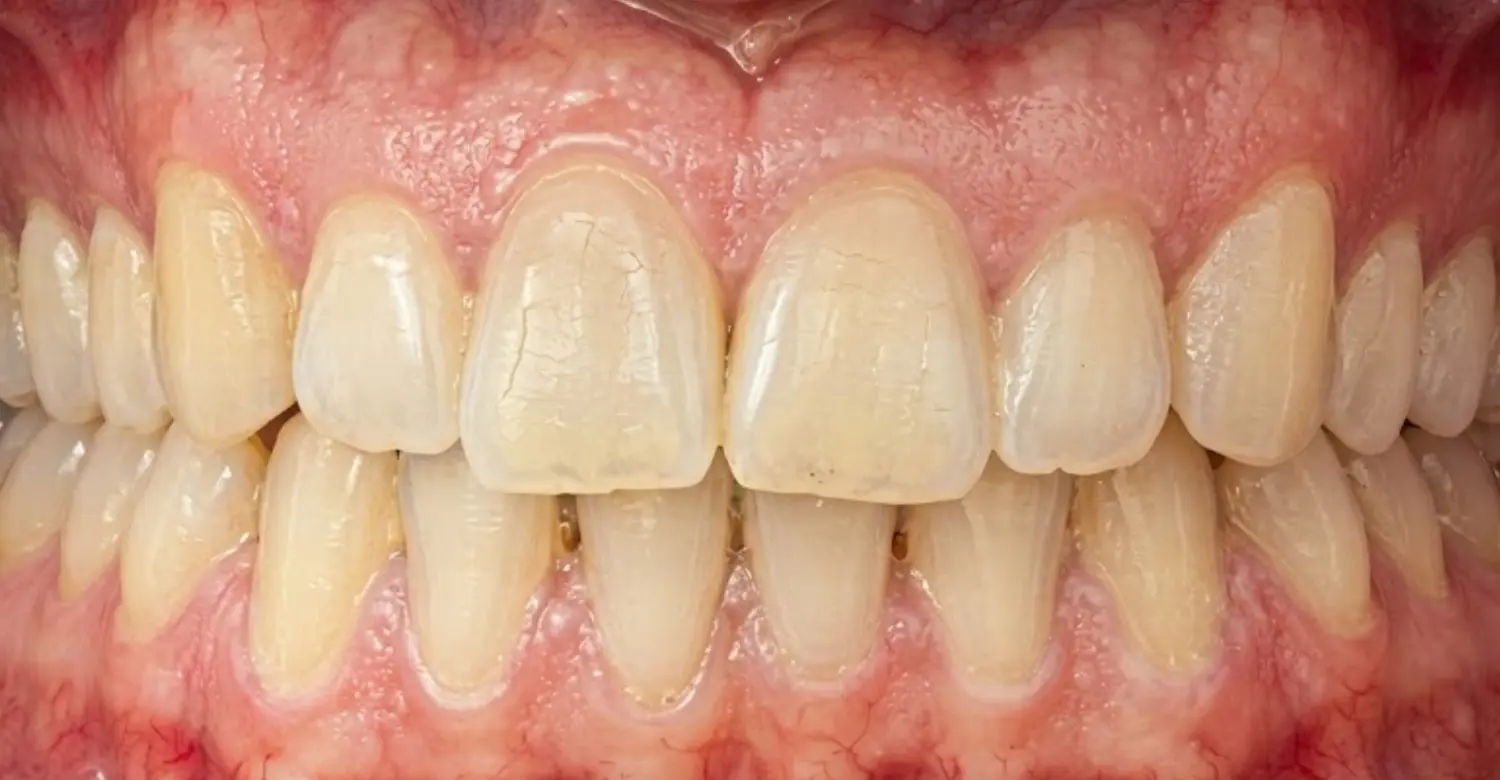
How Smoking Damages Teeth and Gums Long-Term becomes visible through several changes affecting tooth appearance and surrounding oral conditions. Tobacco smoke contains substances that can stain enamel and restorations, producing yellow or brown discoloration that becomes more noticeable with prolonged exposure. When evaluating how smoking damages teeth and gums long term, clinicians note that smoking can also contribute to persistent bad breath and unpleasant taste because tobacco compounds remain within the oral environment.
Plaque remains another important concern because bacteria continuously accumulate around teeth and gum margins. When plaque is not removed adequately, it can harden into tartar, which requires professional cleaning for complete removal. NIDCR explains that untreated plaque and tartar can contribute to progressively more serious periodontal disease.
Smoking does not automatically cause cavities in every smoker. However, smokers may experience several overlapping risk factors that increase overall oral-health vulnerability. Regular examinations can identify staining, decay, defective restorations, and periodontal changes before complications become advanced.
How Smoking Affects Gums
How Smoking Damages Teeth and Gums Long-Term becomes particularly concerning when tobacco exposure affects periodontal tissues surrounding the teeth. Smoking can interfere with normal immune responses and healing processes that help the gums resist bacterial infection. This creates conditions where periodontal disease can develop and progress more easily in susceptible individuals.
NIDCR identifies smoking as a major risk factor for periodontal disease and explains that smoking can make periodontal treatment less successful. Gum disease begins when bacterial plaque accumulates around teeth and triggers inflammation. Without effective treatment, infection can extend deeper and damage tissues supporting the teeth.
An important clinical concern involves reduced visible bleeding among some smokers. Therefore, healthy-looking gums do not necessarily confirm healthy periodontal tissues. Professional probing can identify periodontal pockets that cannot be recognized through ordinary visual inspection. Healthy periodontal pockets are generally between one and three millimeters. Understanding how smoking damages teeth and gums long term helps patients look beyond basic appearance when evaluating gum health.
Long-Term Effects of Smoking on Teeth
How Smoking Damages Teeth and Gums Long-Term includes consequences that can extend beyond cosmetic tooth staining and persistent oral odor. Long-term exposure can increase vulnerability to periodontal disease, supporting bone loss, gum recession, tooth mobility, and eventual tooth loss. The severity depends on tobacco exposure and other individual risk factors.
Periodontal disease can progressively damage the tissues that keep teeth stable. Advanced disease may destroy periodontal attachment and alveolar bone, leaving teeth increasingly vulnerable to mobility. NIDCR explains that untreated periodontal disease can spread toward supporting bone and may eventually cause loose teeth or tooth removal.
Long-term smokers therefore benefit from regular periodontal assessments even when symptoms appear minimal. Professional monitoring can identify pocket-depth changes and support bone loss before serious mobility develops. At Vitrin Clinic, preventive evaluation can help establish an oral-health baseline and identify areas requiring periodontal treatment or closer maintenance.
How Smoking Affects Gum Health
How Smoking Damages Teeth and Gums Long-Term is especially important when evaluating gum health because periodontal tissues can deteriorate without obvious symptoms. Smoking can alter immune responses and interfere with normal tissue repair, creating a more challenging environment for controlling periodontal bacteria. These effects can increase susceptibility to gum disease and complicate treatment outcomes.
NIDCR identifies smoking as a major periodontal risk factor and recommends quitting smoking as part of maintaining healthier gums. Periodontal disease develops when plaque-associated bacteria trigger inflammation around the teeth. Continued inflammation can eventually damage periodontal attachment and supporting bone.
NIDCR reports that approximately two in five adults have some form of periodontal disease, emphasizing the importance of prevention and early diagnosis. Smokers require particular attention because tobacco exposure can make periodontal disease more difficult to manage. Consistent dental examinations can identify changes before they become severe.
Smoking and Gum Disease Risk
How Smoking Damages Teeth and Gums Long-Term is closely connected with the increased periodontal risk associated with tobacco exposure. Smoking is recognized as a major modifiable risk factor for periodontitis and can increase vulnerability to destructive gum disease. NIDCR specifically identifies smoking among the most important risk factors for periodontal disease.
Research using clinical periodontal measurements has also identified higher periodontitis likelihood among current smokers. A CDC-supported analysis found approximately 50% greater periodontitis likelihood among current smokers compared with nonsmokers.
Smoking risk does not operate independently from other factors. Diabetes, oral hygiene, genetics, medications, age, and previous periodontal disease can also influence individual outcomes. Therefore, dentists should assess the complete risk profile rather than attributing every periodontal finding to smoking.
Quitting removes an important modifiable risk factor while professional treatment addresses existing periodontal disease. Regular maintenance can then help preserve periodontal stability over time.
Smoking and Periodontal Disease
How Smoking Damages Teeth and Gums Long-Term becomes more serious when tobacco exposure contributes to established periodontal disease. Periodontitis is an inflammatory condition that damages the tissues and bone supporting teeth when disease remains uncontrolled. Smoking can increase periodontal vulnerability and make treatment less successful.
NIDCR explains that periodontal disease can progress from inflamed gums toward deeper infection involving supporting bone. Advanced disease may cause painful chewing, loose teeth, and eventual tooth removal.
The clinical assessment should therefore include periodontal probing and appropriate radiographic evaluation. Deep periodontal pockets can indicate underlying disease that is not visible during an ordinary mirror inspection.
Current smokers may require closer monitoring because continued tobacco exposure can complicate periodontal stability. Treatment can include professional subgingival cleaning, periodontal therapy, and supportive maintenance according to disease severity.
At Vitrin Clinic, periodontal treatment can be planned around clinical measurements, existing damage, tobacco exposure, and the patient's long-term oral-health goals.
How Smoking Affects Gum Healing
How Smoking Damages Teeth and Gums Long-Term includes impaired healing because tobacco exposure can interfere with biological processes required for periodontal tissue repair. Healthy healing requires coordinated immune responses, adequate circulation, cellular activity, and tissue remodeling after injury or treatment.
Smoking can create a less favorable environment for these processes, particularly following periodontal procedures or oral surgery. NIDCR recommends quitting smoking as a way to improve periodontal treatment results.
Healing can vary substantially between patients depending on the procedure, disease severity, general health, oral hygiene, and tobacco exposure. Therefore, patients should follow individualized postoperative instructions rather than relying on general internet recommendations.
Avoiding smoking during recovery may provide tissues with better conditions for repair. Complete cessation offers greater long-term benefits because it removes repeated tobacco exposure rather than temporarily interrupting it.
Patients planning periodontal treatment should discuss their smoking habits openly with their dental professional before treatment begins.
Clinical Note
How Smoking Damages Teeth and Gums Long-Term can sometimes remain clinically underestimated when assessment relies only on visible gum bleeding. Smoking may alter inflammatory responses, meaning that the absence of dramatic bleeding does not necessarily indicate healthy periodontal tissues.
Periodontal evaluation should include objective measurements whenever periodontal disease is suspected or risk factors are present. Dentists can measure pocket depths, assess attachment levels, evaluate tooth mobility, and use radiographs when supporting bone requires assessment.
NIDCR states that healthy periodontal pockets are generally one to three millimeters deep. Deeper measurements can indicate periodontal disease requiring further evaluation.
This objective approach is particularly valuable for smokers because disease progression may not always produce obvious symptoms. Patients should therefore avoid judging periodontal health exclusively through appearance or bleeding.
At Vitrin Clinic, comprehensive periodontal evaluation can help identify hidden disease and establish appropriate treatment priorities.
Smoking and Tooth Decay
How Smoking Damages Teeth and Gums Long-Term can also influence the conditions surrounding tooth decay, although smoking should not be described as the sole direct cause of every cavity. Dental caries develop through interactions involving bacteria, fermentable carbohydrates, acids, saliva, and tooth susceptibility.
Smoking may coexist with behaviors that increase decay risk, including inconsistent brushing, frequent snacking, sugary beverages, or delayed dental appointments. Tobacco exposure can also accompany periodontal recession, potentially exposing root surfaces that are more vulnerable to decay.
NIDCR emphasizes that daily plaque removal, fluoride toothpaste, professional cleaning, and routine dental visits are important components of oral-health prevention.
Smokers should therefore receive regular assessments for both periodontal disease and dental decay. Treating only visible stains or bad breath can miss deeper problems affecting tooth structure and supporting tissues.
How Smoking Contributes to Tooth Decay
How Smoking Damages Teeth and Gums Long-Term can indirectly increase dental vulnerability when tobacco exposure occurs alongside poor plaque control and other decay-related behaviors. Cavities develop when bacteria produce acids that repeatedly attack susceptible dental tissues over time.
Smoking itself does not guarantee that a person will develop cavities. However, smokers may experience oral conditions and lifestyle factors that increase overall dental risk. Gum recession can expose root surfaces, which contain softer tissues that are more susceptible to root-surface decay.
Fluoride remains an important protective measure because it strengthens enamel and supports resistance against acid attacks. NIDCR recommends brushing twice daily using fluoride toothpaste and maintaining regular dental care.
Dentists should evaluate smokers for both cavities and periodontal disease during routine examinations. Early detection allows preventive measures or restorative treatment before damage becomes extensive.
Smoking, Plaque, and Tartar
How Smoking Damages Teeth and Gums Long-Term is strongly connected with plaque and tartar because tobacco exposure increases concern about periodontal disease. Plaque is a bacterial film that continuously develops on teeth and around gum margins throughout the day.
When plaque remains undisturbed, minerals can harden it into tartar that cannot be removed effectively with ordinary brushing. NIDCR explains that professional cleaning is required to remove established tartar from tooth surfaces.
Tartar creates rough surfaces where additional plaque can accumulate, potentially worsening local inflammation. Smoking adds another major periodontal risk factor to this bacterial environment.
Daily brushing and interdental cleaning can reduce plaque accumulation before mineralization occurs. Professional cleaning remains necessary when tartar has already developed.
Smokers should therefore combine effective home care with regular professional examinations and periodontal maintenance.
What We Notice Clinically
How Smoking Damages Teeth and Gums Long-Term can present through several findings appearing together during a comprehensive dental examination. Clinicians may identify tobacco staining, persistent odor, plaque accumulation, tartar, recession, periodontal pockets, sensitivity, or tooth mobility.
Some patients may have significant periodontal destruction without experiencing severe pain. This is why periodontal probing and radiographic evaluation can provide information that visual inspection alone cannot provide.
NIDCR explains that periodontal diagnosis may involve gum examination, pocket measurements, medical history, and dental X-rays when appropriate.
A smoker with recession may also have exposed root surfaces requiring sensitivity management or decay prevention. Patients with loose teeth may require evaluation of supporting bone and periodontal attachment.
At Vitrin Clinic, clinical findings can be combined into an individualized treatment plan addressing disease control, prevention, restoration, and long-term maintenance.
Smoking and Tooth Loss
How Smoking Damages Teeth and Gums Long-Term becomes particularly serious when periodontal destruction progresses toward tooth loss. Teeth remain stable because they depend on healthy gums, periodontal ligament fibers, and supporting alveolar bone surrounding their roots.
Advanced periodontal disease can destroy these structures gradually. NIDCR explains that untreated gum disease can spread toward supporting bone and eventually contribute to loose teeth or tooth removal.
Smoking increases concern because it is a major periodontal risk factor and can make periodontal treatment less successful.
Tooth loss is not inevitable for every smoker. Risk depends on disease severity, smoking exposure, oral hygiene, systemic conditions, treatment adherence, and regular professional monitoring.
Early periodontal diagnosis can provide opportunities to control inflammation and preserve natural teeth. Patients with existing tooth mobility should receive professional assessment rather than waiting for spontaneous deterioration.
How Smoking Increases the Risk of Tooth Loss
How Smoking Damages Teeth and Gums Long-Term can increase tooth-loss risk primarily through its strong association with periodontal disease. As periodontal inflammation progresses, the tissues and bone supporting teeth can become progressively damaged.
NIDCR explains that severe untreated periodontal disease can spread to supporting bone and contribute to loose teeth. Smoking can make periodontal treatment less successful, which adds another challenge when attempting to preserve compromised teeth.
Tooth loss usually reflects multiple contributing factors rather than a single cause. Periodontal severity, decay, oral hygiene, diabetes, genetics, dental attendance, and smoking exposure can all influence outcomes.
The most effective approach is identifying disease before extensive supporting structures disappear. Periodontal treatment can control active infection and help stabilize affected areas when adequate tooth support remains.
Smoking cessation further reduces continued exposure to an important modifiable risk factor.
Smoking, Bone Loss, and Loose Teeth
How Smoking Damages Teeth and Gums Long-Term can involve supporting bone loss when periodontal disease progresses without effective control. The alveolar bone surrounds tooth roots and provides essential structural support for stable chewing function.
Periodontitis can progressively destroy this supporting bone through chronic inflammatory processes. NIDCR notes that periodontal disease can spread toward the bones surrounding the gums and eventually cause loose teeth.
Smoking increases concern because it is strongly associated with periodontitis and can complicate treatment outcomes. Dental radiographs can help identify bone loss that cannot be seen directly inside the mouth.
Tooth mobility may indicate substantial periodontal support loss, although trauma and other factors can also contribute. Dentists should therefore identify the underlying cause before recommending treatment.
If sufficient support remains, periodontal treatment may help stabilize the condition and preserve the tooth.
The Connection Between Gum Disease and Tooth Loss
How Smoking Damages Teeth and Gums Long-Term is closely associated with tooth-loss risk because periodontal disease can progressively destroy the structures holding teeth in place. The process usually begins with bacterial plaque that triggers inflammation around susceptible gum tissues.
Without adequate control, periodontal disease can extend deeper around the teeth and damage periodontal attachment and supporting bone. NIDCR states that advanced gum disease can result in loose teeth and eventual tooth removal.
Smoking increases periodontal risk and can make treatment less successful, creating additional challenges for preserving compromised teeth.
Preventive care should therefore focus on controlling plaque, identifying periodontal pockets, treating active disease, and maintaining stable tissues afterward.
Patients with smoking-related periodontal concerns should not wait until teeth become noticeably loose before seeking professional assessment.
Can Smoking Cause Receding Gums?
How Smoking Damages Teeth and Gums Long-Term can include gum recession when periodontal tissues become damaged or supporting structures are lost. Receding gums occur when the gum margin moves away from its normal position and exposes more of the tooth surface.
Periodontal disease is one possible contributor, although recession can also result from aggressive brushing, tooth positioning, traumatic habits, and other local factors.
NIDCR lists gums pulling away from teeth as a symptom that can occur with periodontal disease.
Exposed roots may cause sensitivity because root surfaces lack the same enamel protection found on the visible crown. Root exposure can also increase vulnerability to root-surface decay.
Smokers should therefore have recession evaluated rather than assuming that longer-looking teeth are simply an aesthetic issue.
Treatment depends on the underlying cause, disease activity, symptoms, and amount of remaining periodontal support.
How Smoking Contributes to Gum Recession
How Smoking Damages Teeth and Gums Long-Term can contribute to gum recession through its association with periodontal tissue destruction and impaired healing. Smoking can make periodontal tissues more vulnerable to destructive disease while complicating the body's response to bacterial infection.
When periodontal disease damages attachment and supporting tissues, gum margins may move away from their original position. This can expose root surfaces and create sensitivity or aesthetic concerns.
Recession can also develop through mechanical factors unrelated to periodontal infection. Aggressive brushing, thin gum tissue, tooth position, and traumatic habits may contribute.
A professional examination is therefore necessary to identify the actual cause.
Smoking cessation can improve the biological environment surrounding periodontal tissues, but established recession may not automatically disappear after quitting.
When recession causes significant symptoms or functional concerns, periodontal treatment may be considered.
Signs of Receding Gums
How Smoking Damages Teeth and Gums Long-Term may become noticeable when patients observe longer-looking teeth or newly exposed root surfaces. Gum recession can also produce increased sensitivity when exposed areas contact cold drinks, hot foods, sweet foods, or toothbrush bristles.
Some patients notice changes around only one tooth, while others develop recession across several areas. Persistent changes should receive professional evaluation because the underlying cause can vary.
NIDCR identifies gums pulling away from teeth as one possible symptom associated with periodontal disease.
Recession can sometimes progress without significant pain, making routine dental examinations especially important for smokers.
Dentists can measure recession, assess periodontal pockets, evaluate tooth mobility, and determine whether supporting bone has been affected.
Patients should avoid aggressive brushing while waiting for evaluation because excessive force may worsen mechanical tissue trauma.
When Gum Recession Needs Treatment
How Smoking Damages Teeth and Gums Long-Term may require treatment when recession is associated with active periodontal disease, progressive tissue loss, significant sensitivity, root decay, or functional concerns. Not every recession defect automatically requires surgical correction.
The first priority is identifying and controlling the underlying cause. Active periodontal inflammation should be managed before considering elective procedures intended to improve gum coverage or tissue thickness.
Sensitivity may sometimes respond to fluoride products or desensitizing treatments. Exposed roots affected by decay may require restorative treatment.
More advanced recession can sometimes be treated with periodontal grafting procedures when clinically appropriate. Treatment suitability depends on tissue thickness, defect characteristics, tooth position, and periodontal health.
Continued smoking can complicate healing, so tobacco cessation should be incorporated into treatment planning whenever possible.
How Tobacco Damages Oral Health
How Smoking Damages Teeth and Gums Long-Term represents only one part of the broader relationship between tobacco exposure and oral health. Tobacco can affect teeth, gums, periodontal tissues, healing, oral odor, and the environment surrounding dental treatments.
Smoking is particularly important because NIDCR identifies it as a major periodontal disease risk factor. The consequences can develop gradually, meaning patients may not recognize the extent of damage until periodontal disease becomes advanced.
Tobacco staining and bad breath are often the earliest visible concerns. However, deeper problems may involve periodontal pockets, attachment loss, recession, supporting bone loss, and tooth mobility.
Good oral hygiene can reduce plaque accumulation but cannot completely eliminate tobacco-related risks.
The most effective strategy combines professional dental care, excellent home hygiene, periodontal monitoring, and smoking cessation.
Smoking Effects on Gums and Teeth
How Smoking Damages Teeth and Gums Long-Term can affect both the visible tooth surfaces and the supporting tissues surrounding each tooth. Tobacco exposure can produce persistent staining while increasing concern about periodontal infection.
The periodontal effects are more clinically significant because progressive attachment and bone loss can eventually threaten natural teeth.
NIDCR identifies smoking as a major risk factor for periodontal disease and explains that quitting can improve treatment results.
Patients may notice bad breath, sensitivity, gum recession, or loose teeth as disease develops. However, symptoms can remain limited even when periodontal damage is substantial.
A professional assessment should therefore evaluate both teeth and supporting tissues.
At Vitrin Clinic, treatment planning can address periodontal disease, tooth decay, recession, staining, and restorative needs within one comprehensive oral-health strategy.
Smoking and Bad Breath
How Smoking Damages Teeth and Gums Long-Term can contribute to persistent bad breath through tobacco odor and changes within the oral environment. Smoke compounds can remain on oral surfaces and contribute to an unpleasant smell that returns after brushing.
Bad breath can also result from plaque, tartar, cavities, tongue coating, gum disease, or periodontal pockets.
NIDCR lists persistent bad breath among possible symptoms of periodontal disease. Therefore, smokers should not assume that tobacco odor explains every persistent breath problem.
Mouthwash may temporarily mask odor without treating the underlying condition. Professional cleaning and periodontal assessment can identify whether bacterial accumulation or gum disease contributes to the problem.
Smoking cessation can reduce continued tobacco odor while supporting broader periodontal health.
Persistent bad breath should receive professional evaluation when it continues despite effective oral hygiene.
Smoking and Delayed Healing
How Smoking Damages Teeth and Gums Long-Term includes concerns about delayed oral healing because tobacco exposure can interfere with biological processes involved in tissue repair. This concern becomes particularly important after extractions, periodontal procedures, implant placement, and oral surgery.
Healing requires coordinated immune responses and tissue remodeling after injury. Smoking can create a less favorable environment for these processes.
NIDCR specifically recommends quitting smoking as a strategy that can improve periodontal treatment results.
Patients should follow their dentist's postoperative instructions carefully and avoid smoking during recommended healing periods.
The appropriate tobacco-free period can vary according to the procedure and individual risk factors. Therefore, patients should follow individualized clinical instructions rather than applying one universal timeframe.
Long-term cessation provides broader benefits by eliminating repeated tobacco exposure beyond the immediate healing period.
Smoking and Oral Health Complications
How Smoking Damages Teeth and Gums Long-Term can contribute to several oral complications occurring simultaneously rather than as isolated problems. A smoker may experience staining, bad breath, periodontal disease, recession, sensitivity, decay, and compromised healing.
These problems can interact with one another over time. For example, periodontal recession can expose root surfaces, while periodontal disease can increase tooth mobility and tooth-loss risk.
NIDCR explains that advanced periodontal disease can cause loose teeth and eventual tooth removal.
Comprehensive assessment is therefore more useful than treating only visible symptoms.
Dentists should evaluate periodontal tissues, tooth structure, supporting bone, oral hygiene, tobacco exposure, and previous dental treatment.
Vitrin Clinic can use these findings to establish priorities for disease control, preventive care, restorative treatment, and long-term maintenance.
How Smoking Affects Dental Treatments
How Smoking Damages Teeth and Gums Long-Term can influence dental treatment outcomes because tobacco exposure affects periodontal health and healing conditions. Smoking is particularly important when patients require periodontal procedures, extractions, implants, or other treatments involving tissue repair.
NIDCR states that smoking can make periodontal disease treatment less successful and recommends quitting as part of improving treatment outcomes.
Treatment planning should therefore include smoking history from the beginning.
Patients should understand that professional dental treatment cannot completely cancel the biological effects of continued tobacco exposure.
Periodontal disease should generally be controlled before elective restorative or implant treatment when clinically appropriate.
Regular maintenance remains necessary after treatment because periodontal disease can recur when plaque control becomes inadequate.
Smoking and Periodontal Treatment
How Smoking Damages Teeth and Gums Long-Term can make periodontal treatment more challenging because smoking is strongly associated with periodontal disease and poorer treatment conditions. NIDCR identifies smoking as a major periodontal risk factor and states that treatment may become less successful among smokers.
Periodontal treatment aims to control bacterial infection and inflammation while preserving supporting tissues around teeth.
Depending on severity, treatment can involve professional subgingival cleaning, periodontal procedures, medication, and supportive maintenance.
Smoking cessation can improve the biological environment surrounding treated periodontal tissues. However, cessation does not eliminate existing periodontal bone loss automatically.
Patients should continue daily plaque control after professional treatment.
Regular periodontal reassessment helps determine whether pocket depths and inflammation remain stable.
At Vitrin Clinic, periodontal treatment can be adapted according to clinical measurements and individual treatment response.
Smoking and Dental Implants
How Smoking Damages Teeth and Gums Long-Term is particularly relevant when dental implants are being considered because implant treatment depends on adequate healing and healthy surrounding tissues. Smoking can create additional concerns during implant placement and subsequent maintenance.
A thorough evaluation should assess periodontal health, bone availability, oral hygiene, and tobacco exposure before implant treatment.
Existing periodontal disease should be addressed because inflammation around natural teeth can complicate overall oral-health management.
Patients should disclose smoking habits honestly before implant treatment. This information helps clinicians assess healing risks and establish appropriate recommendations.
Implants also require long-term professional maintenance because inflammatory conditions can develop around implant-supported structures.
Smoking cessation can create a more favorable environment for healing and long-term oral health.
At Vitrin Clinic, implant planning should be based on bone condition, periodontal stability, restorative needs, and individual risk factors.
Smoking After Tooth Extraction
How Smoking Damages Teeth and Gums Long-Term becomes clinically relevant immediately after tooth extraction because the extraction socket requires appropriate healing conditions. Smoking during recovery can interfere with normal healing and increase concern about postoperative complications.
Patients should follow their dentist's specific instructions regarding smoking avoidance after extraction.
The recommended tobacco-free period depends on the procedure, healing status, and individual clinical circumstances. Therefore, patients should not rely on generic timelines without professional guidance.
Good postoperative care includes protecting the extraction site and following instructions regarding oral hygiene, eating, and physical activity.
Increasing pain, swelling, fever, or other concerning symptoms should receive professional evaluation.
Smoking cessation can provide benefits beyond the extraction because it reduces continued exposure to a major periodontal risk factor.
Patients experiencing repeated extractions should also receive evaluation for underlying periodontal disease or extensive dental decay.
Dr. Rifat Alsaman’s Clinical Opinion
How Smoking Damages Teeth and Gums Long-Term should be considered during comprehensive dental planning because smoking can influence periodontal risk and healing conditions.
A smoker's periodontal health should be assessed objectively rather than judged through visible bleeding alone.
Clinical evaluation should consider periodontal pocket depths, attachment levels, tooth mobility, recession, plaque, calculus, and supporting bone when radiographs are indicated.
Smoking cessation should be discussed as part of treatment planning because continuing tobacco exposure can work against long-term periodontal stability.
Professional cleaning and periodontal treatment remain important, but these interventions cannot fully remove the risks associated with continued smoking.
At Vitrin Clinic, preserving natural teeth requires early diagnosis, appropriate periodontal management, individualized treatment planning, and consistent long-term maintenance.
Patients should receive recommendations based on their actual clinical findings rather than assumptions about smoking-related damage.
How to Protect Teeth While Smoking
How Smoking Damages Teeth and Gums Long-Term cannot be completely prevented through brushing alone while tobacco exposure continues. However, consistent oral hygiene and professional monitoring can reduce additional preventable dental problems.
NIDCR recommends brushing twice daily with fluoride toothpaste, cleaning between teeth regularly, attending routine dental appointments, and quitting smoking.
Patients should pay particular attention to the gumline because plaque commonly accumulates around periodontal tissues.
Professional cleaning is necessary when tartar has developed because hardened deposits cannot be removed effectively with ordinary brushing.
Smokers should also report persistent bad breath, gum recession, tooth sensitivity, swelling, or mobility.
The strongest protective measure remains complete smoking cessation.
Until cessation occurs, preventive care should focus on reducing plaque, identifying disease early, and maintaining professional periodontal monitoring.
Maintain Good Oral Hygiene
How Smoking Damages Teeth and Gums Long-Term makes consistent oral hygiene especially important because smokers face increased periodontal vulnerability. Daily plaque removal helps reduce bacterial accumulation around teeth and gum margins.
Patients should brush twice daily using fluoride toothpaste and clean all tooth surfaces carefully. Brushing should remain gentle because excessive pressure can traumatize gum tissues and contribute to recession.
Interdental cleaning is equally important because toothbrush bristles cannot adequately clean every space between teeth.
NIDCR recommends regular brushing, interdental cleaning, professional dental visits, and smoking cessation for maintaining oral health.
Home care cannot remove established tartar or reverse advanced periodontal bone loss.
Professional examinations remain essential for identifying hidden periodontal pockets and supporting tissue changes.
Use Fluoride Toothpaste
How Smoking Damages Teeth and Gums Long-Term can increase the importance of protecting teeth against additional preventable problems such as dental decay. Fluoride toothpaste helps strengthen enamel and supports resistance against acid-related mineral loss.
Adults should generally brush twice daily using fluoride toothpaste unless their dental professional recommends a different approach.
Brushing should cover tooth surfaces and the gumline without applying excessive pressure.
Patients with exposed root surfaces may require additional preventive strategies because root dentin is more vulnerable to decay than enamel.
NIDCR recommends fluoride toothpaste as part of routine oral hygiene and identifies regular professional care as another important preventive measure.
Fluoride cannot eliminate tobacco-related periodontal risks. Instead, it provides protection against tooth decay within a broader preventive dental strategy.
Clean Between Your Teeth Daily
How Smoking Damages Teeth and Gums Long-Term makes interdental cleaning particularly important because periodontal bacteria can accumulate in areas toothbrushes cannot adequately reach. Floss, interdental brushes, or other dentist-recommended devices can remove plaque between teeth.
Patients with periodontal pockets may benefit from interdental brushes selected according to their individual space sizes.
Using an inappropriate brush size can cause discomfort or ineffective plaque removal.
NIDCR recommends flossing or using an appropriate interdental cleaning device to remove plaque between teeth.
Daily consistency matters more than occasional intensive cleaning.
Persistent bleeding during interdental cleaning may indicate inflammation and should be discussed with a dental professional.
Smokers should be particularly attentive to periodontal changes because smoking increases the risk of gum disease.
Schedule Regular Dental Checkups
How Smoking Damages Teeth and Gums Long-Term requires regular professional monitoring because tobacco-related periodontal disease can progress without dramatic symptoms. Dental examinations can identify cavities, periodontal pockets, recession, mobility, tartar, and other oral changes.
NIDCR explains that periodontal diagnosis can include gum examination, pocket measurements, medical history, and X-rays when appropriate.
Appointment frequency should depend on individual periodontal risk and treatment history.
Patients with active periodontal disease may require more frequent maintenance than patients with stable healthy gums.
Smokers should always disclose tobacco use because it represents an important periodontal risk factor.
Professional cleaning can remove tartar that cannot be eliminated through ordinary brushing.
Tips for Patients
How Smoking Damages Teeth and Gums Long-Term can be reduced by combining tobacco cessation with consistent preventive dental habits. Patients should focus on practical behaviors that protect teeth and gums every day.
Brush twice daily with fluoride toothpaste.
Clean between teeth every day using an appropriate interdental method.
Attend regular professional dental examinations and cleanings.
Ask your dentist about periodontal pocket measurements.
Report persistent bad breath or unusual gum changes.
Seek assessment when teeth become sensitive or mobile.
Follow all postoperative instructions after dental procedures.
Avoid smoking during recommended healing periods.
Discuss smoking cessation with an appropriate healthcare professional.
Maintain long-term periodontal maintenance after treatment.
These habits cannot reverse established periodontal bone loss, but they can help prevent additional avoidable damage.
What Happens to Your Teeth and Gums After Quitting Smoking?
How Smoking Damages Teeth and Gums Long-Term becomes easier to manage after smoking cessation because an important ongoing periodontal risk factor has been removed. Quitting does not instantly restore damaged tissues, but it creates better conditions for healing and long-term periodontal stability.
NIDCR recommends quitting smoking because cessation can improve periodontal treatment outcomes.
Inflammation may improve when tobacco exposure stops and plaque control becomes effective. Healing conditions can also become more favorable after cessation.
However, established periodontal bone loss does not automatically regenerate after quitting.
Patients should continue professional periodontal care even after stopping smoking because previous disease may remain active or require maintenance.
At Vitrin Clinic, former smokers can receive continued periodontal monitoring to assess tissue stability and protect remaining natural teeth.
How Quitting Improves Gum Health
How Smoking Damages Teeth and Gums Long-Term can improve after cessation because gums are no longer repeatedly exposed to tobacco smoke and its associated biological effects. NIDCR specifically recommends quitting smoking as a way to improve periodontal treatment outcomes.
Gum health can improve when smoking cessation is combined with effective plaque control and appropriate periodontal treatment.
However, improvement depends on the amount of existing damage and whether active periodontitis remains present.
Inflamed gum tissues may become healthier after disease is controlled. Existing recession or supporting bone loss may remain and require specialized management.
Patients should continue professional monitoring after quitting because previous periodontal disease can recur without adequate maintenance.
Smoking cessation should therefore be viewed as an important component of treatment rather than a replacement for professional dental care.
Can Smoking-Related Damage Be Reversed?
How Smoking Damages Teeth and Gums Long-Term includes both reversible and irreversible consequences, depending on which oral tissues have been affected. Gum inflammation can improve when tobacco exposure stops and bacterial plaque is effectively controlled.
However, advanced periodontal disease can permanently destroy supporting bone. NIDCR explains that untreated periodontal disease can progress toward supporting bone and contribute to loose teeth or tooth removal.
Established gum recession may also remain after quitting, although additional progression can sometimes be controlled.
Tobacco staining and bad breath may improve through cessation and professional cleaning.
Lost teeth cannot naturally grow back after extraction or advanced periodontal failure.
Patients should therefore receive professional assessment to determine which problems can improve naturally and which require treatment.
Long-Term Benefits of Quitting Smoking
How Smoking Damages Teeth and Gums Long-Term becomes less progressive when smoking cessation removes continued tobacco exposure from the oral environment. Quitting can improve conditions supporting periodontal treatment and may reduce ongoing risk.
NIDCR identifies smoking as a major periodontal risk factor and recommends quitting for healthier gums and better treatment results.
The benefits extend beyond periodontal tissues because smoking cessation supports overall health as well.
Patients should understand that quitting does not eliminate previous dental damage automatically.
Existing periodontal pockets, recession, bone loss, or missing teeth may still require professional treatment.
Former smokers should continue regular dental examinations and maintenance appointments.
Long-term oral health depends on controlling plaque, treating active disease, maintaining healthy tissues, and avoiding renewed tobacco exposure.
How Vitrin Clinic Can Help Protect Your Teeth and Gums
How Smoking Damages Teeth and Gums Long-Term can be addressed more effectively when dental care evaluates both visible symptoms and underlying periodontal conditions. Vitrin Clinic can provide comprehensive dental assessment focused on identifying disease, preventing progression, and developing individualized treatment strategies.
A complete evaluation can assess periodontal pockets, gum recession, tooth mobility, decay, staining, tartar, and supporting bone when appropriate.
NIDCR explains that periodontal diagnosis can include clinical probing and X-rays when indicated.
Treatment priorities should generally focus on controlling active disease before elective cosmetic treatment.
Patients can then receive preventive recommendations suited to their periodontal risk.
Smoking cessation remains an important component of long-term oral-health protection.
Comprehensive Dental and Gum Evaluation
How Smoking Damages Teeth and Gums Long-Term requires thorough evaluation because tobacco-related periodontal damage can remain hidden without objective clinical assessment. A comprehensive dental examination can evaluate both teeth and their supporting periodontal structures.
Dentists may assess gum inflammation, periodontal pocket depths, recession, tooth mobility, plaque, tartar, and supporting bone through appropriate radiographs.
NIDCR states that healthy periodontal pockets are generally one to three millimeters deep. Deeper pockets can indicate periodontal disease requiring further assessment.
A baseline examination allows future appointments to compare periodontal measurements and identify progression or improvement.
This approach is particularly valuable for smokers because visible symptoms may underestimate underlying periodontal disease.
Vitrin Clinic can use comprehensive findings to establish treatment priorities and develop an individualized preventive plan.
Personalized Preventive Dental Care
How Smoking Damages Teeth and Gums Long-Term can be managed more effectively when preventive care reflects each patient's specific periodontal risk. Smoking exposure, oral hygiene, previous periodontal disease, decay history, and treatment needs can all influence preventive recommendations.
Some smokers may have minimal periodontal changes but significant staining. Others may require active periodontal treatment and frequent maintenance.
NIDCR recommends brushing twice daily, cleaning between teeth, routine dental visits, and quitting smoking.
A personalized plan can combine professional cleaning, fluoride prevention, interdental-care instruction, periodontal monitoring, and treatment when necessary.
Vitrin Clinic can tailor recommendations according to clinical findings and long-term oral-health goals.
Periodontal Care for Smokers
How Smoking Damages Teeth and Gums Long-Term requires particular attention when periodontal disease is already present because smoking can increase disease risk and complicate treatment outcomes. NIDCR identifies smoking as a major periodontal risk factor and recommends cessation to improve treatment results.
Periodontal care may involve professional subgingival cleaning and additional treatment according to disease severity.
Patients should continue effective home plaque control between professional appointments.
Periodontal maintenance is essential because treated periodontal disease can require ongoing monitoring.
Dentists can reassess pocket depths, inflammation, recession, tooth mobility, and other clinical findings over time.
Smoking cessation should remain part of the long-term periodontal strategy.
Why Choose Vitrin Clinic for Your Dental Care?
How Smoking Damages Teeth and Gums Long-Term requires a comprehensive approach because treating isolated symptoms may leave underlying periodontal risks unaddressed. Vitrin Clinic can approach smoking-related dental concerns through evaluation, preventive care, periodontal management, and individualized treatment planning.
The objective should be preserving natural teeth and supporting tissues whenever clinically possible.
Patients may initially seek help for staining or bad breath, but a comprehensive examination can reveal deeper periodontal concerns.
NIDCR emphasizes routine dental care, plaque control, professional cleaning, and smoking cessation as important components of periodontal prevention.
Vitrin Clinic can combine these principles with individualized clinical planning.
Experienced Dental Team
How Smoking Damages Teeth and Gums Long-Term can involve several dental conditions that require coordinated assessment rather than isolated cosmetic treatment. An experienced dental team can evaluate relationships between tobacco exposure, periodontal disease, tooth decay, recession, mobility, and restorative needs.
Clinical findings should be interpreted alongside the patient's dental history and smoking exposure.
Patients benefit when their treatment priorities are explained clearly before procedures begin.
Periodontal disease should be identified and controlled before elective treatments whenever clinically appropriate.
Vitrin Clinic's approach can integrate preventive, periodontal, restorative, and cosmetic considerations according to individual clinical needs.
Personalized Treatment Plans
How Smoking Damages Teeth and Gums Long-Term varies between patients because tobacco exposure interacts with different oral-health conditions and individual risk factors. A personalized treatment plan can therefore address the specific problems identified during examination.
Some patients may primarily require preventive care and professional cleaning. Others may need periodontal therapy, restorative treatment, extraction, tooth replacement, or long-term maintenance.
Smoking cessation can be incorporated into the overall treatment strategy.
Clinical reassessment allows treatment recommendations to change when periodontal health improves or new problems develop.
Vitrin Clinic can structure treatment according to current findings, patient goals, and long-term oral-health priorities.
Modern Dental Technology
How Smoking Damages Teeth and Gums Long-Term can be evaluated more accurately when clinical examination is supported by appropriate diagnostic technology. Digital radiographs can help identify supporting bone changes that cannot be directly observed inside the mouth.
Imaging can also support treatment planning for complex restorative or implant procedures.
However, technology should complement rather than replace clinical periodontal assessment.
NIDCR describes periodontal diagnosis as involving clinical gum examination, pocket measurements, medical history, and X-rays when appropriate.
Vitrin Clinic can combine diagnostic information with clinical expertise to develop individualized treatment recommendations.
Long-Term Oral Health Support
How Smoking Damages Teeth and Gums Long-Term requires ongoing attention because periodontal disease and dental problems can return when maintenance becomes inconsistent. Long-term oral-health support should therefore continue after active treatment finishes.
Patients should maintain daily brushing, interdental cleaning, and recommended professional appointments.
Smokers with periodontal disease may require closer monitoring because tobacco exposure remains an important risk factor.
Former smokers should also continue dental care because previous periodontal destruction may remain.
Vitrin Clinic can provide continued monitoring focused on periodontal stability, tooth preservation, preventive care, and treatment needs.
Early Warning Signs Smokers Should Never Ignore
How Smoking Damages Teeth and Gums Long-Term can sometimes progress before patients recognize serious symptoms, making early warning signs especially important. Persistent bad breath, gum recession, tooth sensitivity, swelling, unusual tooth mobility, and changes around the gumline deserve professional evaluation.
NIDCR lists red or swollen gums, gums pulling away from teeth, loose or sensitive teeth, painful chewing, and persistent bad breath among periodontal disease symptoms.
Smokers should not wait until pain becomes severe before seeking dental care.
Periodontal disease can progress while symptoms remain relatively mild.
Professional examinations can identify deeper periodontal pockets and supporting bone changes before patients notice obvious tooth mobility.
Early diagnosis creates better opportunities for disease control and tooth preservation.
Vitrin Clinic can evaluate warning signs and determine whether they reflect periodontal disease, decay, recession, or another oral-health condition.
Reference
FAQs

Dr. Rifat Alsaman has more than 5 years of clinical experience in dentistry and currently serves as the Head of the Medical Team at Vitrin Clinic. He is dedicated to providing exceptional patient care, overseeing treatment planning, and ensuring the highest clinical standards across the team. His expertise, attention to detail, and commitment to continuous professional development have helped countless patients achieve healthier, more confident smiles.


