Orthodontics
April 20, 2026
Retainer Care: How can you properly care for your retainer?
 Dr. Rifat Alsaman
.webp&w=3840&q=75)
Proper retainer care is essential for your dental health. It also makes sure your orthodontic treatment lasts as intended. A retainer helps preserve the alignment of your teeth after braces. Neglecting its care can lead to bacteria buildup, discoloration, and even damage to the retainer itself. Using tools like Care Retainer Clips alongside a consistent daily routine makes cleaning, storage, and check-ups much easier. Understanding how to care for your retainer keeps your smile bright. It also prolongs the lifespan of the appliance. Following retainer care best practices prevents common mistakes and reduces odors. It helps you fully enjoy the benefits of your orthodontic investment while maintaining oral hygiene and confidence in your smile.
Why Retainer Care is Essential
Retainer care is not just about aesthetics. It's a crucial part of oral hygiene and long-term dental health. Without proper maintenance, retainers can harbor bacteria, plaque, and fungi. This can lead to bad breath, gum inflammation, and even cavities. Regular retainer cleaning ensures that your appliance functions correctly. It also preserves the alignment of teeth achieved through braces. Consistent retainer care prevents costly replacements and prolongs the life of your appliance. It also demonstrates responsibility toward your overall oral health. This reduces discomfort, odors, and potential damage. A well-maintained retainer supports a healthy, confident smile. It also safeguards the results of your orthodontic treatment for years to come.
Different Types of Retainers and Their Care
Understanding the type of retainer you use is the first step toward effective retainer care. Retainers generally fall into two main categories: plastic and wire. Each type has unique maintenance requirements. Plastic retainers, such as Essix or clear aligners, are discreet. However, they are prone to warping if exposed to heat or harsh cleaning methods. Wire retainers, like Hawley retainers, require careful handling. This prevents bending or breakage. By identifying your retainer type, you can choose the right cleaning routine and products. This maintains the appliance's effectiveness. Correct maintenance keeps your teeth aligned. It also reduces bacterial buildup and prolongs the lifespan of your orthodontic device.
Plastic Retainers
Plastic retainers, also called Essix or clear retainers, are popular for their transparent design. Proper retainer care for plastic retainers includes daily rinsing with lukewarm water. Gently brush it with a soft-bristled toothbrush. Avoid using toothpaste, since it can scratch the plastic surface. This creates grooves for bacterial growth. Weekly soaking in a retainer-cleaning solution removes plaque and odors effectively. Keep plastic retainers away from hot water, direct sunlight, and other heat sources. Exposure to these may warp or damage the appliance. Using a protective case when not in use prevents loss or accidental breakage. Consistent retainer care keeps your plastic retainer clear, hygienic, and functional. This preserves teeth alignment and supports a lasting, healthy smile.
Wire Retainers
Wire retainers, commonly known as Hawley retainers, consist of a metal wire attached to an acrylic base. Proper retainer care involves gently brushing both the wire and acrylic. This removes trapped food and plaque. Avoid bending the wire or chewing hard foods while wearing the appliance. This can compromise the retainer's shape. Store the wire retainer in its case when not in use. This prevents accidental damage. Regular visits to your orthodontist or Vitrin Clinic allow for professional inspection. This ensures the wire stays correctly aligned. Following thorough retainer care protocols guarantees long-lasting performance. It also keeps your teeth in proper alignment and prevents unnecessary repairs.
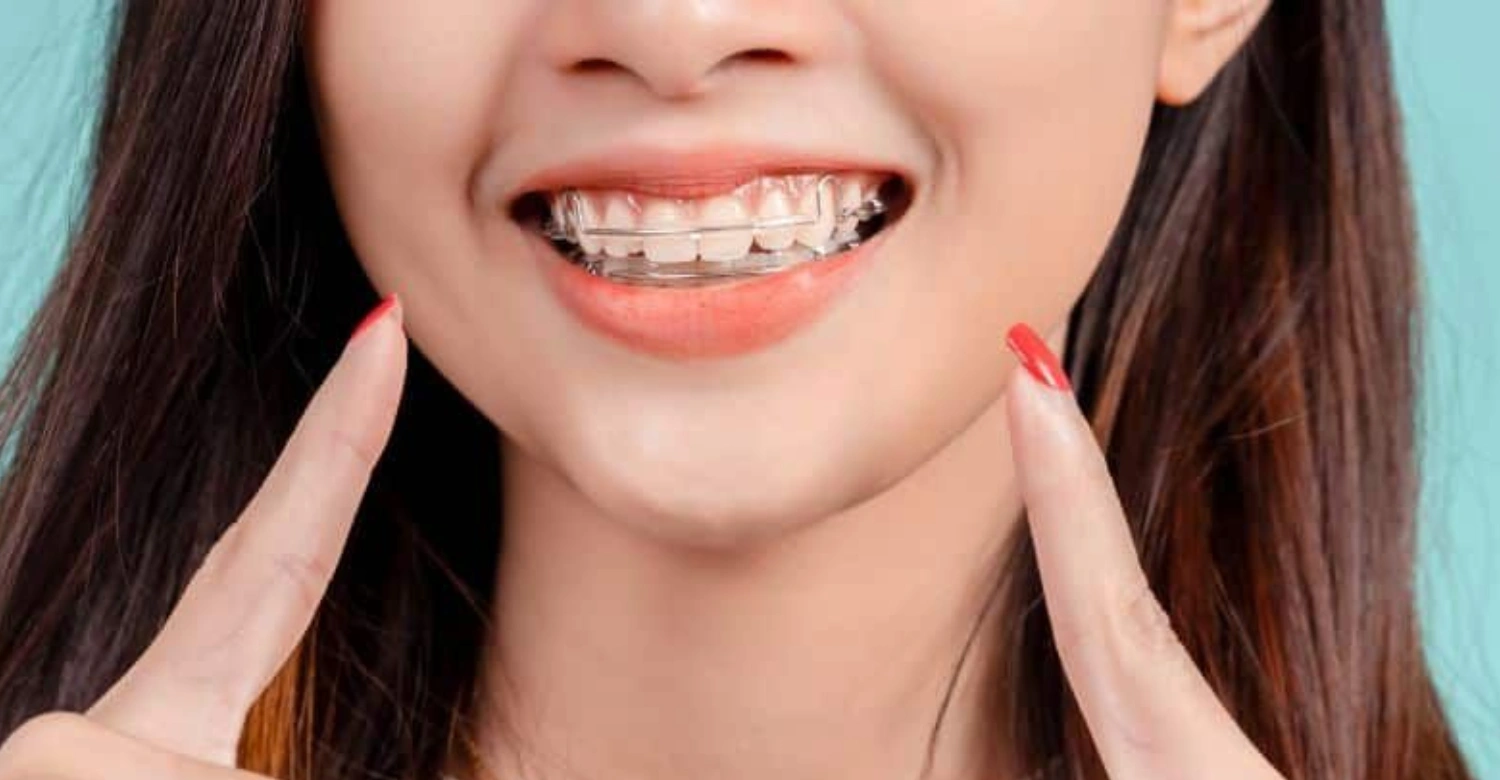
Step by Step Guide on How to Take Care of Retainers
A structured routine is essential for effective retainer care. Start by rinsing your retainer immediately after removal to remove saliva and debris. Gently brush it with a soft-bristled toothbrush and lukewarm water. Use retainer-specific cleaning solutions once or twice a week for deep cleaning. Always store your retainer in a ventilated case. This prevents exposure to dust, heat, or accidental damage. Avoid chemicals like bleach or alcohol, which can degrade the material. Scheduling regular check-ups ensures proper fit and hygiene. Practicing retainer care consistently keeps your appliance odor-free, functional, and long-lasting. It preserves your orthodontic results while protecting your oral health.
Daily Cleaning Routine
Daily cleaning is the cornerstone of retainer care. After removing your retainer, rinse it with lukewarm water to remove saliva and debris. Use a soft-bristled toothbrush with mild soap for gentle brushing. Avoid toothpaste, since it may scratch the surface. Soak your retainer weekly in a professional retainer-cleaning solution. This removes buildup and maintains hygiene. Store it in a ventilated case to prevent bacterial growth. Following this daily routine ensures optimal retainer care. It keeps your retainer clear and odor-free, and prevents the buildup of harmful bacteria. Consistent daily cleaning protects your smile and prolongs the retainer's lifespan.
How to Care for Retainers After Braces
Once braces are removed, teeth can shift quickly. This makes proper retainer care critical. Wear your retainer exactly as prescribed to prevent relapse. Clean it daily and store it in a protective case. Avoid leaving it exposed to dust or heat. Remove your retainer before meals to prevent staining or damage. Soaking it periodically in cleaning solutions removes bacteria and buildup. Professional check-ups at Vitrin Clinic help ensure a perfect fit. They also allow early detection of wear or misalignment. Maintaining consistent retainer care after braces guarantees your teeth remain aligned. Your orthodontic investment then provides long-term results.
Care That Retains Value
Taking care of your retainer isn't just about hygiene — it preserves its value as a critical orthodontic tool. Proper retainer care ensures longer lifespan, fewer replacements, and optimal performance. Avoid exposure to heat, abrasive cleaning, and careless handling. These can damage your retainer. Use recommended cleaning products and store it safely to protect its structure. Regular check-ups reinforce durability and functionality. Investing in consistent retainer care safeguards your orthodontic results. It also keeps your smile healthy. It maximizes the return on your dental investment while promoting confidence and oral hygiene.
Common Mistakes in Retainer Care
Neglecting daily cleaning is a major mistake in retainer care. Many users rinse with water only, leaving plaque and bacteria behind. Using toothpaste on plastic retainers can scratch the surface. This creates areas for bacterial buildup. Exposure to heat, such as leaving the retainer in a car or hot water, can warp it. Failing to use a protective case risks damage or loss. Skipping professional check-ups may result in unnoticed misalignments or cracks. Avoiding these errors and following proper retainer care routines ensures a hygienic, functional appliance. It stays long-lasting and maintains teeth alignment efficiently.
Vitrin Clinic Retainer Care Solutions
Vitrin Clinic offers comprehensive retainer care services. These extend the lifespan and functionality of your appliance. Their team provides professional cleaning, adjustments, and expert guidance on daily maintenance. Using advanced techniques, Vitrin Clinic ensures retainers are free from bacteria, odors, and discoloration. Patients also receive training on proper storage, handling, and maintenance. Whether you have a plastic or wire retainer, personalized retainer care solutions help prevent warping, breakage, and misalignment. Partnering with professionals keeps your retainer in top condition. This preserves your teeth alignment and gives you peace of mind about your smile.
Professional Cleaning Services
Professional cleaning is a vital aspect of retainer care. At Vitrin Clinic, retainers are cleaned with specialized, non-abrasive solutions. These remove plaque, bacteria, and odors. Unlike at-home cleaning, professional services reach areas that are difficult to access. This restores clarity and hygiene. Regular professional maintenance also detects early signs of cracks, wear, or fit issues. This prevents costly replacements. Incorporating professional cleaning into your retainer care routine enhances hygiene, longevity, and overall oral health. It keeps your teeth properly aligned while keeping your retainer in optimal condition.
Expert Tips for Long-Lasting Retainers
To extend the life of your retainer, follow expert retainer care tips. Clean gently with lukewarm water. Avoid abrasive toothpaste or brushes. Soak your retainer weekly in cleaning solutions. Store it in a ventilated case to prevent bacterial growth. Avoid bending wires or chewing with your appliance in place. Keep your retainer away from heat sources such as hot water or direct sunlight. Regular check-ups at Vitrin Clinic ensure proper fit and performance. Following these expert retainer care practices prolongs lifespan and maintains hygiene. It protects your teeth alignment for years to come.
Retainer Care Products You Should Know About
Several products simplify retainer care. Cleaning tablets dissolve plaque and bacteria without damaging plastic or wire components. Soft-bristled brushes allow gentle daily cleaning. Protective cases prevent loss or breakage. Specialized mouth rinses and soaking solutions maintain hygiene and freshness. Avoid harsh chemicals or abrasive toothpaste that could warp or scratch the retainer. Products like Smile Care Club retainer cleaners disinfect retainers and keep them odor-free. Accessories such as Care Retainer Clips also help keep your case secure. They keep your retainer close at hand throughout the day. Using these tools consistently ensures effective retainer care. It prolongs appliance life and keeps your smile healthy and aligned.
Using Care Retainer Clips for Safe Storage
Care Retainer Clips are small accessories designed to keep your retainer case securely closed and easy to carry. Losing a case, or having it pop open in a bag, is one of the most common reasons retainers get lost or damaged. Attaching Care Retainer Clips to your case adds an extra layer of protection during travel, school, or work. Many patients find that Care Retainer Clips also make it easier to spot their case quickly. This reduces the chance of leaving it behind. Pairing Care Retainer Clips with a consistent cleaning routine gives your retainer the best chance of staying safe, clean, and fully functional.
OSHA Guidelines and Retainer Handling
OSHA guidelines affect retainer care in clinical settings by ensuring patient safety. Dental staff must handle retainers with clean, sanitized instruments. They must follow manufacturer instructions. Gloves should be worn during adjustments. Retainers should be stored in hygienic containers. Proper handling prevents contamination, infection, and appliance damage. Adhering to OSHA standards supports professional retainer practices. It ensures safe, effective maintenance in both home and clinic environments.
How to Clean and Floss Around Bonded Wires
Why Cleaning Bonded Wires Matters
Fixed retainers, also called lingual or bonded retainers, are thin wires glued to the back of your front teeth to hold them in place permanently. You don't need to remove them at night. Because they're not removable, learning how to clean a fixed retainer plaque buildup around is one of the most important habits a patient can develop. Food particles and plaque naturally collect around the bonded wire. If you don't know how to clean fixed retainer plaque properly, that buildup can quickly lead to gum irritation, staining, or even cavities right at the bonding points.
Tools That Make It Easier
The most effective way to clean a permanent retainer under wire is with a floss threader or orthodontic floss designed for bonded appliances. Slide the threader gently beneath the wire. Then guide the floss up and down along each tooth. This dislodges trapped food and plaque. A water flosser (oral irrigator) is another excellent option. It can flush out debris from tight spaces without the manual threading step. This makes it easier to clean a permanent retainer under wire every single day. Interdental brushes — small, cone-shaped brushes — can also reach the gaps between the wire and your teeth. These are especially useful for patients who find traditional floss threaders frustrating at first.
Daily Routine Summary
To summarize how to clean fixed retainer plaque effectively: brush thoroughly around the wire twice a day with a soft-bristled toothbrush. Floss underneath it once daily using a threader or water flosser. Consider an antibacterial mouth rinse to reach any remaining bacteria. Patients who master how to clean permanent retainers under wire habits early on tend to have far fewer issues with plaque, decay, or wire detachment down the line. If you're ever unsure whether your technique is effective, Vitrin Clinic can walk you through a hands-on demonstration during a routine check-up.
How to Remove White Buildup and Eliminate Bad Odors
What Causes White Buildup
A cloudy, white film on a clear retainer is one of the most common concerns patients bring to Vitrin Clinic. This buildup is typically a combination of dried saliva, plaque, and mineral deposits. Learning how to remove white buildup on clear retainer surfaces early prevents it from becoming permanent discoloration. Soaking the retainer daily in lukewarm water and gently brushing it with a soft-bristled toothbrush is the first line of defense. For more stubborn residue, try a diluted solution of water and white vinegar in roughly equal parts. Let it sit for 15–20 minutes to help dissolve mineral deposits. Always rinse thoroughly afterward.
Is It Safe to Use Denture Cleaner on Invisalign Retainers
A frequently asked question is: can you use denture cleaner on Invisalign retainer trays or clear plastic retainers safely? The answer is generally yes, but with caution. Most over-the-counter denture-cleaning tablets are formulated to be gentle enough for clear plastic appliances. Many patients successfully use denture cleaner on Invisalign retainer material as part of their weekly routine. That said, not all denture cleaners are created equal. Some contain abrasive or bleaching agents that can scratch or cloud clear plastic over time. Before you use a denture cleaner on Invisalign retainer trays, check with Vitrin Clinic or read the product label. This confirms it's safe for clear orthodontic plastics specifically, rather than dentures alone.
Preventing and Eliminating Odors
Bad odors usually go hand-in-hand with white buildup, since both are caused by trapped bacteria. Beyond removing white buildup on clear retainer surfaces, addressing odor means rinsing the retainer immediately after every removal. Never let it sit in a closed case while still damp. Avoid hot water, which can warp the plastic. This creates even more surface area for bacteria to hide in. Weekly soaks in a dedicated retainer-cleaning solution will keep both odor and buildup under control. You can also use a product that's safe as a denture cleaner on Invisalign retainer trays.
What to Do If Your Retainer Breaks or Goes Missing
Knowing what to do if your retainer breaks can save you from unnecessary tooth movement and an emergency dental bill. The first step is simple: stop wearing the broken piece immediately if it has sharp edges, cracks, or no longer fits securely. A damaged retainer can cut your gums or cheek. It can also press unevenly on your teeth. Save all pieces, even small fragments, and contact Vitrin Clinic as soon as possible. Many minor cracks in wire or acrylic retainers can be repaired rather than fully replaced if you act quickly.
If you're wondering what to do if your retainer breaks over a weekend or while traveling, avoid the temptation to fix it yourself with household glue or tape. These materials aren't safe for the mouth. They can also make professional repair more difficult. In the meantime, try to wear any older retainer you may still have as a temporary stand-in. Even partial retention is better than none for slowing down relapse until you're seen.
Losing a retainer entirely calls for the same urgency. Teeth can begin shifting within days of going without retention. Don't wait for your next scheduled visit — contact Vitrin Clinic right away to arrange a replacement. Depending on how long ago your treatment finished, this may mean new scans or impressions rather than a simple duplicate. Keeping a spare case and taking a photo of your retainer for reference will help. Knowing exactly what to do if your retainer breaks or disappears helps you respond quickly and protect the results of your treatment.
Vitrin Clinic's Approach to Retainer Care
At Vitrin Clinic, retainer care is treated as an ongoing part of your orthodontic treatment. It's not an afterthought once braces or Invisalign come off. Every patient receives personalized guidance on their specific retainer type, whether fixed, wire, or clear plastic. They also get a realistic cleaning routine they can actually stick to at home. Vitrin Clinic's approach focuses on catching small issues, like early plaque buildup or a loose wire, before they turn into bigger problems. This keeps your results protected for the long term.
What We Notice Clinically
Dr. Rifat Alsaman, Head of the Medical Team at Vitrin Clinic and a cosmetic dentist, notes that patients most often struggle with two things. These are how to clean fixed retainer plaque around the bonded wire, and how to remove white buildup on clear retainer surfaces once it has already set in. According to Dr. Rifat Alsaman, most buildup and odor issues stem from inconsistency rather than the wrong products. Patients tend to clean thoroughly for the first week and then taper off. Dr. Rifat Alsaman also points out that many patients are surprised to learn they can use denture cleaner on Invisalign retainer trays safely. The product just needs to be checked for abrasive ingredients first.
On emergencies, Dr. Rifat Alsaman explains that the most common mistake patients make is delaying contact with the clinic. This happens when they're not sure what to do if their retainer breaks. In Dr. Rifat Alsaman's clinical experience, reaching out within the first 24–48 hours dramatically improves the chances of a simple repair instead of a full replacement. Dr. Rifat Alsaman, Head of the Medical Team at Vitrin Clinic, reminds patients that no question about retainer care is too small to ask before it becomes a bigger issue.
Clinical Note
Clinically, Vitrin Clinic emphasizes that most retainer complications are preventable. A consistent, simple routine matters more than expensive products. Whether the concern is how to clean permanent retainer under wire, how to remove white buildup on clear retainer surfaces, or what to do if your retainer breaks, the underlying clinical advice is the same. Address small problems early. Don't skip routine check-ups even after your active treatment has ended. Vitrin Clinic's clinical protocol includes reviewing retainer condition and fit at every follow-up visit. This catches issues before they affect your bite or alignment.
Tips for the Patients
Clean daily, not weekly: build how to clean fixed retainer plaque removal into your normal morning and night routine, not just before a check-up.
Floss under bonded wires: use a threader or water flosser to stay on top of how to clean permanent retainer under wire buildup every day.
Catch discoloration early: address how to remove white buildup on clear retainer surfaces as soon as you notice cloudiness, rather than waiting for it to worsen.
Check before you soak: confirm you can safely use denture cleaner on Invisalign retainer trays by checking the product label or asking Vitrin Clinic.
Act fast on damage: know what to do if your retainer breaks, stop wearing it, save the pieces, and contact Vitrin Clinic right away instead of waiting.
Keep a backup plan: store an older retainer safely as a temporary option, and keep Vitrin Clinic's contact details on hand for retainer emergencies.
References:
Proper retainer care is essential for preserving orthodontic results and preventing unwanted tooth movement. As highlighted in the referenced research, retention plays a crucial role in maintaining alignment after treatment. This makes consistent retainer use, regular cleaning, and professional follow-up key parts of long-term smile stability. With the right care, your retainer can help protect the results of your orthodontic journey for years to come.
https://pmc.ncbi.nlm.nih.gov/articles/PMC10225999/
https://pubmed.ncbi.nlm.nih.gov/16429880/
https://www.tandfonline.com/doi/full/10.1080/19424396.2023.2243016
FAQs
Dr. Rifat Alsaman has more than 5 years of clinical experience in dentistry and currently serves as the Head of the Medical Team at Vitrin Clinic. He is dedicated to providing exceptional patient care, overseeing treatment planning, and ensuring the highest clinical standards across the team. His expertise, attention to detail, and commitment to continuous professional development have helped countless patients achieve healthier, more confident smiles.


.webp&w=3840&q=75)
