
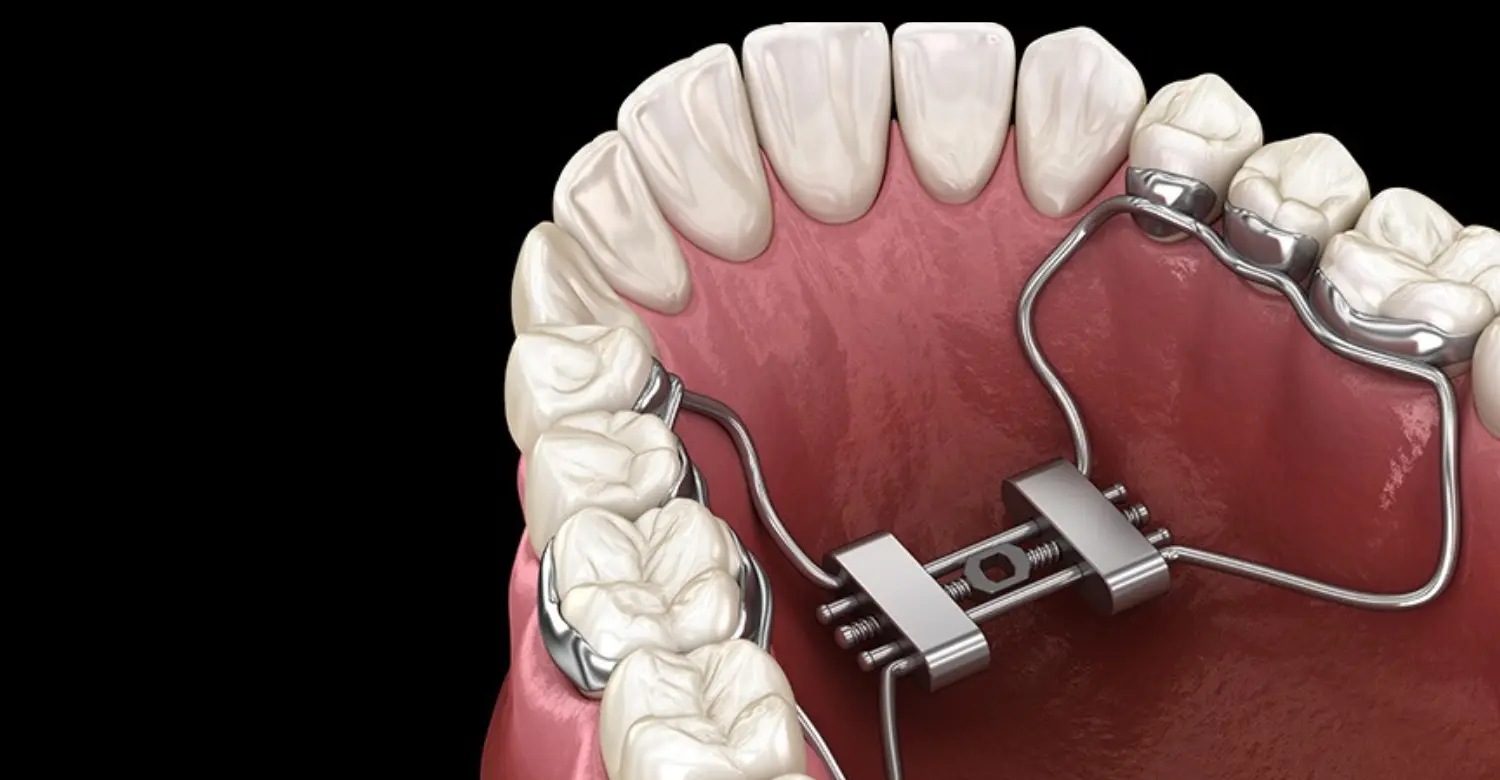
Learning how to clean orthodontic expander appliances is critical for avoiding bad breath, swollen gums, and tooth decay during your treatment. Because a palatal expander sits flat against the roof of your mouth, its central screw mechanism and metal arms easily trap food debris and plaque. If skipped, this bacterial buildup can quickly irritate your soft tissues. Keeping the appliance clean requires diligent daily brushing with a soft-bristled toothbrush, rinsing thoroughly with water or mouthwash after every meal, and using specialized cleaning tools to flush out hard-to-reach spaces under the metal framework.
An orthodontic expander is an important appliance used to widen the upper jaw, create more space for teeth, and improve bite alignment. Because an expander stays inside the mouth for weeks or months, proper cleaning is essential to prevent plaque buildup, food accumulation, bad breath, gum irritation, and tooth decay around the appliance.
Cleaning an orthodontic expander requires a careful routine because its structure contains small areas that can trap food particles. Unlike normal teeth, the expander has metal parts, screws, bands, and wires that need special attention. A consistent oral hygiene routine helps maintain healthy gums and supports successful orthodontic treatment results.
At Vitrin Clinic, patients are educated about maintaining their orthodontic appliances because daily care plays a major role in protecting oral health throughout treatment. A clean orthodontic expander not only improves comfort but also reduces the risk of complications that may delay treatment progress. Since expanders are typically one part of a broader treatment plan, our guide to orthodontic braces in Turkey covers the appliances that often follow the expansion phase
What Is the Best Way to Clean an Orthodontic Expander?
The best way to clean an orthodontic expander is to combine regular brushing, careful cleaning around the appliance, and professional dental checkups. Since the expander is attached to the teeth, patients should clean both the appliance and the surrounding teeth to remove bacteria and food debris.
The recommended cleaning steps include:
Brush Teeth and Expander Twice Daily
Use a soft-bristle toothbrush and fluoride toothpaste at least twice a day. Brush gently around the expander, especially near the metal bands and areas where the appliance connects to the teeth.
Patients should avoid aggressive brushing because excessive pressure may irritate the gums or damage the appliance. Instead, use small circular movements to clean around each part of the expander.
Clean Around the Expansion Screw
The expansion screw is one of the most important areas to clean because it can collect food particles. A small interdental brush can help reach narrow spaces around the screw and metal components.
Move the brush gently around the appliance without forcing it into tight areas. This helps remove hidden debris while protecting the expander structure.
Rinse After Eating
Food can easily become trapped around an orthodontic expander after meals. Rinsing the mouth with water after eating helps remove loose food particles before they become plaque.
For additional protection, some patients may benefit from an orthodontic mouth rinse recommended by their dentist.
Use a Water Flosser Carefully
A water flosser can be useful for cleaning around an orthodontic expander because it helps remove food particles from difficult-to-reach areas. However, the pressure should be adjusted to a comfortable level to avoid irritating the gums.
A water flosser should support brushing, not replace it. Mechanical cleaning with a toothbrush remains essential. For parents managing this stage of their child's treatment, our guide to choosing orthodontic treatment for a child explains how expanders fit into early intervention and jaw development
Which Tools Help Clean an Orthodontic Expander?
Several oral hygiene tools can make cleaning easier during orthodontic treatment:
Soft Toothbrush
A soft toothbrush is the primary tool for cleaning teeth and orthodontic appliances. It removes plaque without causing unnecessary pressure on the expander.
Interdental Brush
An interdental brush is designed to clean small spaces between teeth and around orthodontic appliances. It can reach areas that a regular toothbrush may miss.
Water Flosser
A water flosser can help flush away trapped food around the expander, especially after meals.
Fluoride Toothpaste
Fluoride toothpaste strengthens enamel and helps protect teeth from cavities during orthodontic treatment.
Orthodontic Cleaning Products
Special orthodontic brushes and cleaning tools can make daily maintenance easier, especially for children who may struggle with cleaning around the appliance. Reaching the tight spaces around the expansion screw is exactly what an interdental brush is designed for, and our full guide covers choosing the right size and technique
What Should You Avoid When Cleaning an Orthodontic Expander?
While cleaning an orthodontic expander is important, certain habits should be avoided:
Do not use sharp objects such as toothpicks or metal tools to remove food because they can damage the appliance or injure the gums.
Do not use excessive force while brushing around the expander.
Avoid sticky foods such as caramel, chewing gum, and hard candies because they can attach to the appliance.
Do not skip brushing because plaque buildup around the expander can increase the risk of enamel damage.
Following proper cleaning habits helps maintain the condition of both the teeth and the orthodontic appliance. If cleaning has slipped and gums have started bleeding around the appliance, our guide to bleeding gums explains what those early warning signs mean and how to reverse them
How Often Should an Orthodontic Expander Be Cleaned?
An orthodontic expander should be cleaned every day as part of a normal oral hygiene routine. Ideally, patients should brush their teeth and appliances after breakfast and before bedtime.
Cleaning after meals is also recommended, especially when food becomes trapped around the expander. Regular cleaning prevents bacteria accumulation and helps avoid problems such as gum inflammation and unpleasant odors.
Professional orthodontic visits are also important because the dentist can check whether the appliance remains clean, comfortable, and properly positioned.
Average Cost of Orthodontic Expander Treatment in Turkey
The cost of an orthodontic expander in Turkey varies depending on the type of appliance, the complexity of the case, the patient's age, and the overall orthodontic treatment plan.
On average, orthodontic expander treatment in Turkey may cost approximately $500 to $1,500. More complex cases that require additional orthodontic procedures may have higher costs.
At Vitrin Clinic, the treatment price is determined after a detailed examination because every patient's dental needs are different. The evaluation usually considers jaw development, tooth position, treatment duration, and whether additional orthodontic appliances are required.
Turkey is considered a popular destination for orthodontic treatments because patients often find advanced dental technology, experienced specialists, and competitive treatment costs compared with many European countries. Understanding what unchecked plaque leads to is covered on our periodontal disease page, which explains how buildup around appliances progresses from inflammation to lasting damage
What We Notice Clinically
From a clinical perspective, maintaining excellent hygiene around an orthodontic expander is one of the most important factors affecting treatment success. Food accumulation around the appliance can increase plaque formation and create challenges for maintaining healthy enamel and gums.
Dr. Rifat Alsaman, Head of the Medical Team at Vitrin Clinic and a cosmetics dentist, explains that cleaning an orthodontic expander should become a daily habit rather than an occasional task. According to Dr. Rifat Alsaman, patients who follow proper cleaning techniques usually experience better comfort, healthier gums, and fewer hygiene-related complications during orthodontic treatment.
Dr. Rifat Alsaman also highlights that parents should supervise younger patients because children may find it difficult to clean small areas around the expander. Teaching correct brushing techniques early helps protect oral health and supports successful orthodontic outcomes.
Regular monitoring by an orthodontic professional allows any hygiene problems, appliance issues, or gum concerns to be addressed quickly. Since early gum inflammation is still reversible, our comparison of gingivitis vs. periodontitis clarifies when improved home care is enough and when professional treatment becomes necessary
Can Poor Cleaning Damage an Orthodontic Expander?
Poor cleaning does not usually damage the expander immediately, but it can negatively affect oral health around the appliance. Plaque buildup can lead to gum irritation, cavities, enamel discoloration, and bad breath.
In some cases, poor hygiene may make orthodontic treatment more difficult because unhealthy gums and teeth can affect the overall progress of treatment.
Keeping the orthodontic expander clean protects the teeth supporting the appliance and helps patients achieve better orthodontic results. When plaque around an appliance has hardened into tartar, our periodontal cleaning guide explains what a professional scaling visit involves
How Can Parents Help Children Clean an Orthodontic Expander?
Parents can support children by creating a consistent cleaning routine and checking areas that are difficult to reach. Younger patients may need reminders to brush carefully around the expander and avoid foods that can damage the appliance.
Parents should also encourage regular dental visits and make sure children understand that cleaning the expander is part of achieving a healthy smile.
According to Dr. Rifat Alsaman, Head of the Medical Team at Vitrin Clinic and a cosmetics dentist, patient cooperation is a key element in orthodontic success. Dr. Rifat Alsaman emphasizes that good hygiene habits during treatment contribute significantly to long-term oral health. Since expanders address jaw width as part of overall bite correction, our guide on how orthodontics works explains the biological process behind appliance-driven movement
Final Thoughts
Knowing how to clean an orthodontic expander correctly helps protect teeth, maintain healthy gums, and improve the overall orthodontic experience. Daily brushing, careful cleaning around the appliance, rinsing after meals, and using suitable oral hygiene tools are essential steps.
With proper care and professional monitoring, an orthodontic expander can work effectively while maintaining excellent oral health throughout treatment. At Vitrin Clinic, patients receive guidance on appliance care to help them achieve a healthier and more confident smile. For a sense of the full treatment journey after the expansion phase, our guide on how long orthodontic treatment takes covers realistic timelines by case complexity
Reference
How to Clean Orthodontic Expander involves using proper oral hygiene techniques to remove food particles, plaque, and bacteria that can accumulate around the appliance. Regular cleaning helps maintain oral health, improve comfort, and support successful orthodontic treatment. The following references provide more information about cleaning methods, care instructions, and maintaining an orthodontic expander:
FAQs

Dr. Rifat Alsaman has more than 5 years of clinical experience in dentistry and currently serves as the Head of the Medical Team at Vitrin Clinic. He is dedicated to providing exceptional patient care, overseeing treatment planning, and ensuring the highest clinical standards across the team. His expertise, attention to detail, and commitment to continuous professional development have helped countless patients achieve healthier, more confident smiles.


