.webp&w=3840&q=75)
Inner teeth braces are an innovative orthodontic solution. They straighten teeth from the inside, making them virtually invisible. Unlike traditional braces on the front, they attach to the tongue side. This provides a discreet alternative for those concerned about aesthetics. They are particularly beneficial for adults and teens who want to improve their smile without noticeable metal brackets. Treatment combines precision, customization, and comfort. Patients often report satisfaction with the invisibility factor while still achieving results comparable to traditional braces. The procedure requires specialized orthodontic skills and careful planning to ensure proper alignment and bite correction.
What Are Inner Teeth Braces?
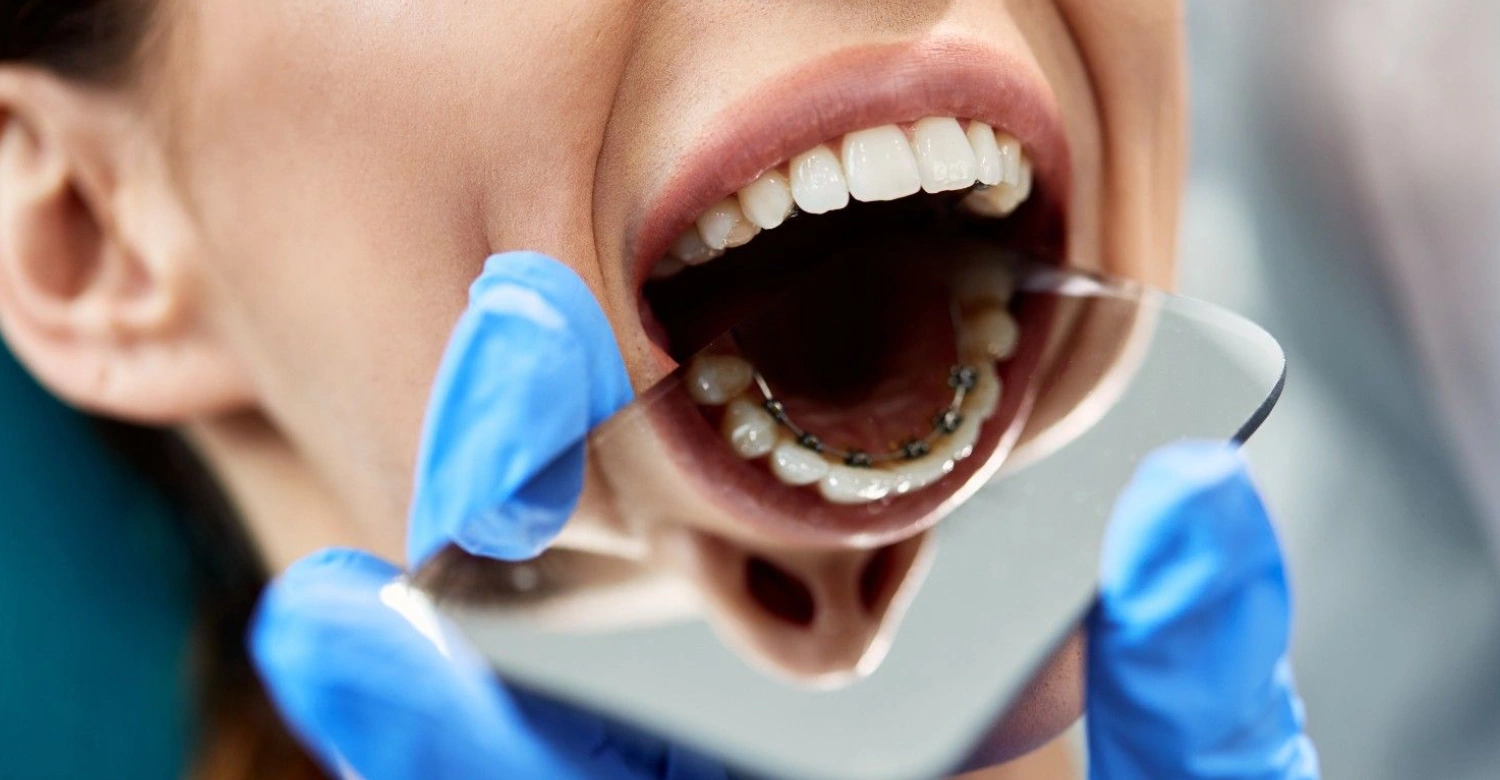
These orthodontic devices, also known as lingual braces, are fixed appliances attached to the back surfaces of teeth. Their primary goal is to realign crooked or misaligned teeth without the visible appearance of front-mounted braces. They are highly customizable, shaped to fit each tooth precisely. The braces are made from high-quality metals or alloys, ensuring durability while minimizing discomfort. One standout feature is that they function similarly to traditional braces, applying gentle pressure over time to move teeth into proper alignment. With advancements in orthodontics, they now offer more comfort, easier maintenance, and faster results than earlier designs. They are ideal for people seeking a cosmetic-friendly orthodontic treatment. If you want invisible treatment, you might ask can you use Invisalign instead of braces rather than lingual wires.
Definition and Overview
These appliances are orthodontic appliances mounted on the lingual (tongue-facing) surfaces of teeth. Unlike conventional braces, they remain hidden when you smile or talk, making them a preferred option for adults in professional or social settings. Each bracket is custom made using digital impressions or molds to fit the exact shape of your teeth. The archwires are also tailored to apply the correct force needed for gradual tooth movement. The treatment addresses common dental issues such as crowding, spacing, crossbites, and rotated teeth. Modern versions are less bulky than traditional models, allowing for improved speech and eating comfort while maintaining effective alignment correction throughout the treatment duration.
Benefits of Braces Inside Your Mouth
The primary benefit of braces inside your mouth is invisibility. These appliances allow patients to undergo orthodontic treatment without the aesthetic concerns associated with traditional braces. Beyond appearance, they are highly effective for correcting complex orthodontic issues, including bite misalignment, overcrowding, and rotated teeth. They provide the same mechanical advantage as conventional braces, ensuring consistent pressure for tooth movement. Additionally, advancements in material technology make them more comfortable and reduce irritation to the tongue. They also minimize the risk of visible stains on the front teeth and allow patients to maintain confidence during social and professional interactions. Overall, these braces offer a discreet yet highly effective orthodontic solution.
Types of Inner Teeth Braces
There are several types of braces to meet different patient needs, including lingual braces, inline braces, and other innovative systems. Choosing the right type depends on the complexity of dental issues, budget, and personal preferences. Each type offers unique features in terms of design, comfort, and treatment duration. Understanding the differences can help patients make an informed decision and maximize the results of their orthodontic care. Consulting with an experienced orthodontist is crucial to determine which type of braces is best suited for your teeth, ensuring effective alignment and minimal disruption to daily life. Lingual hardware is often expensive, leading patients to wonder are traditional braces cheaper than Invisalign in the long run.
Lingual Braces
Lingual braces are the most common type of inner teeth braces. These appliances are attached to the back of the teeth and operate similarly to traditional braces, using brackets and wires to exert controlled pressure on teeth. They are fully customized to fit the contours of your teeth, which enhances comfort and efficiency. Lingual braces are especially ideal for adults and professionals who want orthodontic treatment without affecting their smile's appearance. While they require some adjustment to speaking and tongue movement initially, most patients adapt within a few weeks. They are suitable for correcting mild to severe alignment problems and can offer results comparable to or even faster than traditional braces in some cases. Many find lingual brackets uncomfortable and eventually switch to removable plastic tray alternatives for a smoother, less painful experience.
Inline Braces / Inverted Braces
Inline or inverted braces are a variation of lingual braces. Brackets are positioned slightly differently to improve comfort and efficiency. They reduce tongue irritation while still moving teeth effectively. These appliances are custom made for each patient. They help those with sensitive tongues or discomfort from traditional lingual braces. Inline braces stay invisible and allow precise adjustments. They treat crowding, spacing, and bite issues. Their optimized design can sometimes shorten treatment time.
Braces vs Invisalign
When comparing this type of appliance to Invisalign, there are clear differences. Invisalign uses clear removable aligners. Braces are fixed and hidden behind the teeth. Braces provide continuous pressure, ideal for complex cases. Invisalign works best for mild to moderate issues. Cleaning is easier with removable aligners. But braces offer reliability without daily removal. Both options are discreet.
Who Is a Good Candidate for Inner Teeth Braces?
Not every patient is a match for this treatment. Understanding candidacy is an important first step. Good candidates are adults or teens with fully erupted permanent teeth. They need healthy gums and mild to severe misalignment, crowding, or bite issues. Patients who maintain careful oral hygiene do best. Lingual braces sit close to the tongue and require diligent cleaning. Vitrin Clinic evaluates jaw size, tooth shape, and bite pattern before confirming candidacy.
Lingual Braces Candidacy Criteria
Lingual braces candidacy criteria include sufficient tooth height for bracket bonding. No severe overbite that limits tongue clearance is needed. A commitment to regular adjustment visits is required. Patients in public-facing careers often choose this option. Those with very small teeth or extreme overcrowding may need alternatives. A detailed consultation with digital scans helps confirm if lingual braces will work.
The Pros and Cons of Lingual Braces: An Honest Comparison
Choosing lingual braces is a meaningful decision. Reviewing pros and cons honestly helps set realistic expectations. This option offers strong aesthetic and functional benefits. There is also a genuine adjustment period. Weighing both sides helps patients decide if hidden braces fit their lifestyle and goals.
Key Advantages of Braces on the Back Side
Braces on the back side of teeth remain completely invisible. They are a favorite among adults and professionals. They apply continuous, reliable pressure like traditional braces. This makes them effective for complex bite and crowding cases. Brackets sit against the tongue, not the lips. Front teeth stay free of bracket marks or staining. Results are comparable in speed to conventional braces after adjustment.
Potential Disadvantages and Challenges
Main challenges include a longer initial adjustment for speech and tongue comfort. Cost is higher than conventional braces. Cleaning is more demanding. Some patients have temporary tongue irritation in the first few weeks. Appointments can take longer. Despite these challenges, most patients find the discreet appearance worth the temporary discomfort.
Speech Adjustments: Will Inner Teeth Braces Give Me a Lisp?
A temporary lisp is a common concern. Brackets and wires sit behind the front teeth. The tongue touches them when forming sounds like "s" and "th." Most patients notice this fades within two to four weeks. Practicing reading aloud daily speeds up adjustment.
How Long Speech Changes Typically Last
For most patients, any lisp resolves within the first month. Speaking slowly and reading aloud helps. Persistent difficulty beyond six to eight weeks is uncommon. Patients with prolonged issues should consult their orthodontist. The wire or bracket profile may be adjusted for comfort.
Managing Tongue Irritation and Discomfort During the First Weeks
Tongue irritation from lingual braces is common. It is a normal, temporary part of adapting to hidden brackets. The tongue rubs against the hardware while eating, speaking, and swallowing. Orthodontic wax applied directly over brackets can reduce friction. Rinsing with warm salt water helps soothe irritated tissue during the first one to two weeks.
Practical Tips for Comfort
Patients can ease early discomfort by using orthodontic wax on sharp bracket edges. Choose soft foods for the first few days. Rinse with warm salt water after meals. Sipping cold water can also numb minor soreness. Most tongue irritation improves within seven to ten days as the tissue toughens. If soreness persists, contact your orthodontist to check the brackets or wire ends.
Cost and Affordability
The cost of inner teeth braces can vary. It depends on the type, materials, treatment complexity, and clinic location. They are generally more expensive than traditional braces due to customization and expertise. Despite the higher cost, many patients find the discreet appearance worth the investment. Insurance coverage may apply in some cases. Payment plans are often available at specialized clinics. Understanding cost factors helps patients plan effectively. If aesthetics are your primary concern, the best invisible aligners offer a completely transparent look without sharp metal edges.
Are Lingual Braces More Expensive?
Yes, lingual braces are typically more expensive than conventional braces. The increased cost is due to custom-designed brackets, specialized training, and advanced equipment. The hidden placement behind the teeth requires meticulous attention to detail. Patients should also consider the long-term value. The discreet nature allows for professional and social confidence during treatment. While the initial investment is higher, the aesthetic benefits often justify the cost for many patients.
Factors Affecting Price
Several factors influence the price of these braces. Treatment complexity, including bite issues and crowding severity, affects duration and adjustments. Material type, such as high-quality metal or gold-plated brackets, also contributes to cost. The orthodontist's experience and clinic location can impact pricing. Digital scanning, custom brackets, and follow-up appointments add to the expense. Some clinics offer financing options or insurance coverage. Evaluating these factors allows patients to plan financially and select a treatment plan that balances cost, comfort, and effectiveness.
Treatment Process for Inner Mouth Braces
The treatment process for inner mouth braces involves careful planning, precise installation, and regular adjustments. The journey begins with an orthodontic consultation and digital scanning or molding of teeth. Brackets and wires are then custom made to fit the patient's dental structure. Once installed, the orthodontist schedules periodic checkups to monitor progress. Patients must follow strict oral hygiene practices to prevent complications. Throughout treatment, the orthodontist provides guidance to manage discomfort. Understanding each stage helps patients feel prepared and confident as they undergo lingual braces treatment.
Initial Consultation and Planning
During the initial consultation, the orthodontist evaluates the patient's teeth, bite, and jaw alignment. Digital scans or impressions are taken to design custom brackets and archwires. The orthodontist discusses treatment goals, estimated duration, and costs. Patients receive detailed instructions on oral hygiene and dietary considerations. The consultation ensures that these braces are suitable for the individual's dental condition. By establishing a personalized treatment plan, the orthodontist maximizes the likelihood of achieving optimal alignment while minimizing complications. Clear communication during this stage lays the foundation for a successful orthodontic journey.
Installation and Adjustment
Installation of inner teeth braces is a precise procedure. Brackets are bonded to the back surfaces of teeth. Custom-fitted archwires are then inserted. The orthodontist ensures each bracket aligns perfectly. Adjustment appointments are scheduled periodically. They tighten or reposition wires to guide teeth. Initial discomfort is common but subsides within days. Patients may experience minor speech adjustments. Following care instructions is essential for effective treatment.
Maintenance and Oral Hygiene
Maintaining oral hygiene with these appliances requires diligence. Brush twice daily with a soft-bristled toothbrush. Use interdental brushes and floss carefully around brackets. Rinse with antibacterial mouthwash to reduce plaque. Regular orthodontic checkups help clean hard-to-reach areas. Avoid sticky, hard, or sugary foods. Consistent hygiene contributes to faster treatment outcomes. After an adaptation period, cleaning becomes routine.
Recovery and Results
Recovery from treatment is generally smooth. Initial soreness in the tongue and teeth is normal. It usually subsides within the first few weeks. Good oral hygiene and dietary recommendations speed recovery. Regular checkups allow adjustments and progress monitoring. Many patients are satisfied with the discreet appearance. They see gradual improvement in alignment. With careful attention, the treatment provides long-lasting results.
Timeline for Lingual Braces
The timeline varies depending on case complexity. Mild to moderate misalignments take 12–18 months. Severe cases may require 24 months or longer. Initial adjustments occur every 4–6 weeks. Patients notice minor changes within months. Complete alignment requires consistent treatment. Adhering to hygiene instructions accelerates progress. Orthodontists provide realistic timelines for effective results. For lower jaw crowding, Vitrin Clinic lower arch solutions are often much easier to tolerate than hidden lingual brackets.
Before and After
Before treatment, patients often have misaligned or crowded teeth. The braces gradually shift teeth into proper alignment. After treatment, patients enjoy straighter teeth and improved bite. The results are discreet, as braces remain hidden. Many report increased confidence due to the invisible nature. Properly aligned teeth are easier to clean. This reduces the risk of dental issues. Documented cases demonstrate the effectiveness of this solution.
Vitrin Clinic: Advanced Lingual Braces Solutions
Vitrin Clinic offers state-of-the-art orthodontic care. The clinic combines experienced orthodontists and modern technology. Personalized treatment plans achieve optimal results. Patients benefit from a comfortable environment and expert guidance. The focus on these hidden appliances allows precise customization. This ensures maximum effectiveness while maintaining aesthetics. From consultation to final adjustments, comprehensive care prioritizes satisfaction and oral health. Choosing a specialized clinic enhances outcomes.
Why Choose Vitrin Clinic for Lingual Braces
Patients choose Vitrin Clinic for its expertise and personalized care. Orthodontists design custom brackets and archwires. This ensures comfortable treatment and optimal tooth movement. The clinic emphasizes clear communication and continuous monitoring. Advanced digital impressions minimize discomfort and improve results. With years of experience, Vitrin Clinic has successfully treated many cases. Patients trust the clinic for effective, invisible orthodontic solutions.
Patient Experience and Success Stories
Patients at Vitrin Clinic frequently report satisfaction with their treatment. Success stories include dramatic transformations in smile aesthetics, improved bite alignment, and enhanced oral health. The clinic supports patients at every step, from initial consultations to post-treatment follow-ups, ensuring comfort and effectiveness. Many individuals appreciate the discreet appearance of inner teeth braces, which allows them to undergo orthodontic treatment without affecting social or professional interactions. Case studies and testimonials highlight the clinic's ability to handle mild, moderate, and complex alignment issues. Overall, Vitrin Clinic provides a reliable, patient-focused environment that delivers visible results with invisible orthodontic appliances.
Lingual Braces vs Other Options
When considering orthodontic treatment, patients often compare lingual braces to traditional braces and Invisalign. Each option has distinct advantages and limitations. They offer complete invisibility and continuous pressure for effective tooth movement, whereas traditional braces are visible and may affect aesthetics. Invisalign provides a removable, nearly invisible alternative but may be less effective for complex cases. Understanding the differences helps patients select the most suitable treatment for their needs, considering factors like cost, comfort, convenience, and treatment duration. Expert guidance ensures that patients achieve the best possible outcome, balancing functionality and appearance.
Braces on the Inside vs Traditional Braces
They provide a discreet alternative to traditional braces, remaining hidden behind the teeth. Traditional braces are mounted on the front of teeth, making them more noticeable but slightly easier to clean. Inner braces require specialized care and adjustment but offer the advantage of invisibility. Both options are effective for correcting a variety of dental misalignments, including crowding, spacing, and bite issues. The choice depends on patient priorities, such as aesthetics, comfort, and treatment complexity. For individuals concerned about the visual impact of braces, these appliances provide a practical and reliable solution without compromising orthodontic effectiveness.
Inner Teeth Braces vs Invisalign
Comparing lingual braces to Invisalign involves evaluating visibility, effectiveness, and convenience. Fixed and hidden behind the teeth, they provide continuous, reliable pressure to move teeth efficiently. Invisalign uses removable clear aligners, allowing for easy maintenance and flexibility but may require patient compliance for consistent results. Complex orthodontic issues are often better addressed with lingual braces, while Invisalign is suitable for mild to moderate alignment. Both options are discreet, but inner braces offer the advantage of fixed, hands-off treatment. Ultimately, orthodontist guidance ensures that patients select the most effective approach for their dental condition.
What We Notice Clinically
According to Dr. Rifat Alsaman, Head of the Medical Team and cosmetic dentist at Vitrin Clinic, the majority of patients who choose lingual braces are motivated primarily by their professional image, and their biggest early concern is almost always speech rather than pain. Dr. Rifat Alsaman notes that patients who practice reading aloud during the first two weeks adapt noticeably faster than those who avoid speaking. Dr. Rifat Alsaman also observes that consistent use of orthodontic wax in the first ten days is the single most effective habit for reducing tongue irritation and keeping patients comfortable throughout treatment.
Vitrin Clinic: Comprehensive Orthodontic Care
Vitrin Clinic provides full spectrum orthodontic care, focusing on modern solutions like lingual braces. The clinic integrates advanced technology, expert orthodontists, and customized treatment plans to deliver high-quality results. Comprehensive care includes initial evaluation, personalized treatment design, precise installation of braces, periodic adjustments, and follow-up monitoring. Patients benefit from professional guidance on oral hygiene, diet, and comfort management. Vitrin Clinic's holistic approach ensures not only straight teeth but also improved bite function, oral health, and long-term satisfaction. For those seeking invisible orthodontic solutions, the clinic combines expertise, technology, and personalized attention for optimal outcomes.
State of the Art Technology
Vitrin Clinic utilizes the latest digital tools and imaging technology to plan and execute lingual braces treatments. Digital impressions and 3D modeling ensure accurate bracket placement and effective tooth movement. Customized archwires and brackets enhance comfort and efficiency. Advanced imaging allows orthodontists to monitor progress precisely and make timely adjustments. This technology minimizes errors, reduces treatment time, and enhances patient experience. The clinic's commitment to innovation ensures patients receive effective, invisible, and comfortable orthodontic care tailored to their unique dental structure. State of the art technology is a core element in achieving predictable and satisfactory results with it.
Personalized Follow-Ups and Support
Personalized follow-ups are crucial for successful treatment. Vitrin Clinic schedules regular appointments to adjust wires, monitor progress, and address concerns. Each patient receives guidance on oral hygiene, diet, and comfort. Personalized attention helps prevent complications and ensures optimal results. The staff provides support for adapting to braces behind the teeth, including tips for speech, eating, and cleaning. By combining expertise with tailored care, Vitrin Clinic helps each individual achieve a straighter smile efficiently and confidently.
About Vitrin Clinic
Vitrin Clinic is a cosmetic dental clinic in Istanbul, Turkey. It is trusted by international patients seeking advanced, discreet orthodontic and cosmetic solutions. The clinic is led by Dr. Rifat Alsaman, Head of the Medical Team. His clinical oversight ensures every treatment plan meets high standards of precision and care. Vitrin Clinic combines modern digital technology with personalized, patient-first support in multiple languages. This makes it a trusted destination for patients traveling from abroad to achieve confident, natural-looking smiles.
People Also Ask
Can I do braces on the inside of my teeth?
Yes, braces can be placed on the inside, or lingual side, of the teeth. Known as lingual braces, they use custom-made brackets and wires bonded to the back surfaces. They work the same way as traditional braces while remaining hidden from view during smiling, talking, and social interaction.
Are lingual braces more expensive?
Yes, lingual braces are generally more expensive than traditional braces. Each bracket is custom fabricated to fit the back surface of every tooth. Treatment also requires specialized orthodontist training. The added precision, materials, and chair time contribute to the higher overall cost.
Are there braces on the inner side of teeth?
Yes, braces designed for the inner side of teeth are called lingual braces or hidden braces. They are bonded to the tongue-facing surface rather than the front. This offers an invisible alternative to conventional braces while delivering the same reliable pressure for effective tooth movement.
References:
FAQs

Dr. Rifat Alsaman has more than 5 years of clinical experience in dentistry and currently serves as the Head of the Medical Team at Vitrin Clinic. He is dedicated to providing exceptional patient care, overseeing treatment planning, and ensuring the highest clinical standards across the team. His expertise, attention to detail, and commitment to continuous professional development have helped countless patients achieve healthier, more confident smiles.

.webp&w=3840&q=75)


.webp&w=3840&q=75)