Orthodontics
April 19, 2026
Invisalign vs Braces: Which Is the Best Choice for Your Smile?
 Dr. Rifat Alsaman
.webp&w=3840&q=75)
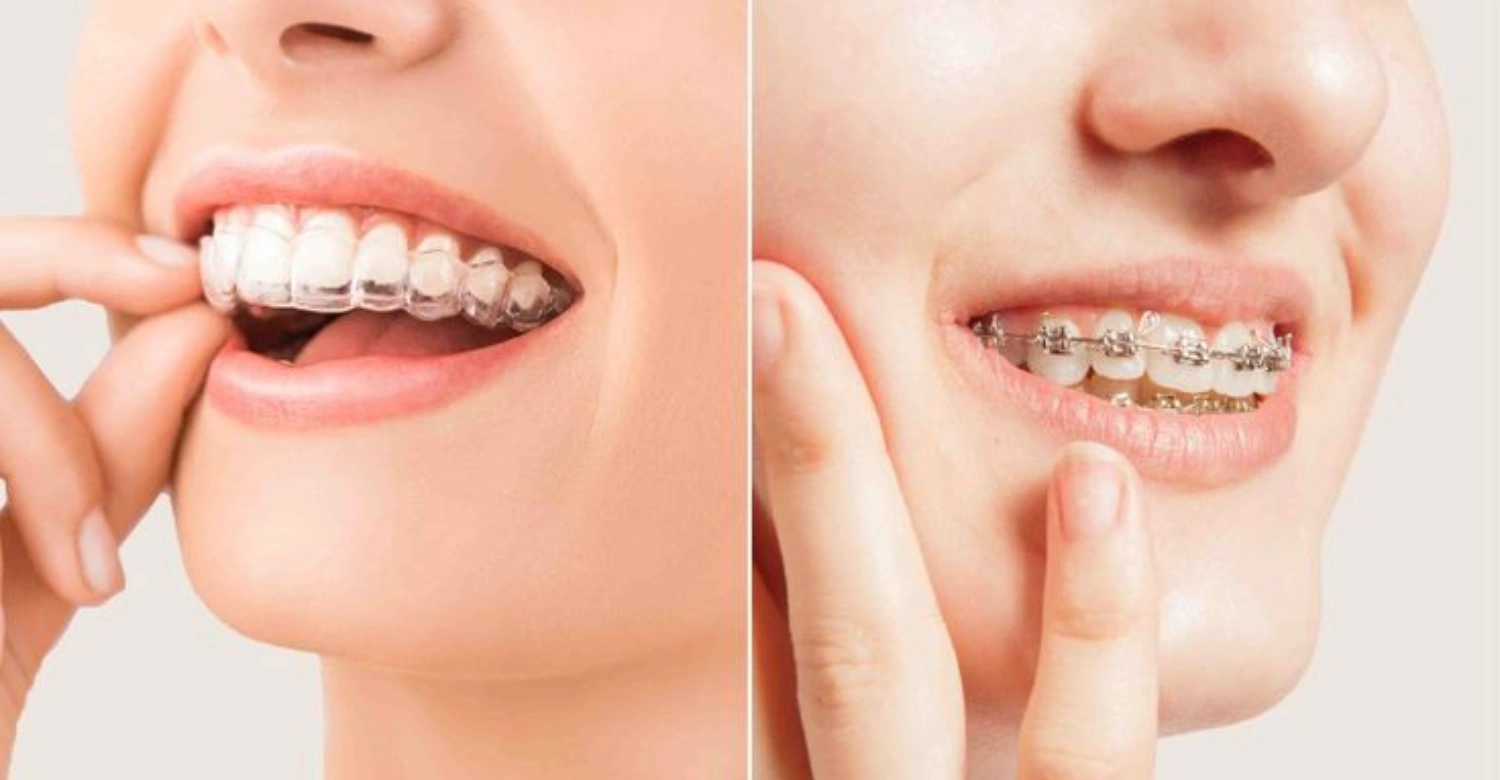
Choosing between Invisalign vs Braces can be a challenging decision for anyone seeking a perfect smile. Both treatments are designed to correct misaligned teeth, improve bite, and enhance oral health. However, they work in very different ways. Braces have been the traditional method for decades. They use brackets and wires to gradually move teeth into the desired position. Invisalign, on the other hand, utilizes clear, removable aligners that are nearly invisible when worn. Understanding the differences in comfort, appearance, cost, and effectiveness is essential. In this comprehensive guide, we will explore the pros and cons of each method and compare costs. We'll also help you determine which solution suits your lifestyle and dental needs best.
Understanding Invisalign and Braces
When deciding between Invisalign vs Braces, it's important to understand how each treatment works. Braces involve brackets attached to the teeth and connected by wires. An orthodontist periodically adjusts these wires to move teeth into alignment. Invisalign uses a series of custom-made, clear plastic aligners that gradually shift teeth. These aligners are removable for eating and cleaning. Both methods require commitment. Braces demand consistent oral hygiene, while Invisalign requires wearing aligners for 20–22 hours a day. Knowing how these options work, along with their benefits and potential challenges, is crucial for making an informed choice about your dental treatment plan.
What Are Braces?
Braces are orthodontic devices that have been widely used for decades to straighten teeth and correct bite issues. They consist of brackets bonded to each tooth and connected with an archwire. This wire is tightened over time to guide teeth into proper alignment. Braces are effective for treating complex dental problems, including severe crowding, overbites, underbites, and gaps. Modern braces come in various types, such as metal, ceramic, and lingual. These options offer a balance between aesthetics and durability. While they are highly effective, braces require regular dental visits for adjustments. They also demand meticulous oral hygiene to prevent staining, cavities, or gum issues during treatment.
What Is Invisalign?
Invisalign is a modern alternative to traditional braces that uses clear, removable aligners to gradually move teeth. Each set of aligners is custom-designed based on a 3D scan of your mouth. This allows precise adjustments for an optimal outcome. Invisalign is virtually invisible, making it a popular choice for adults and teens concerned about appearance during treatment. The aligners can be removed for eating, brushing, and flossing. This offers flexibility and convenience. However, success with Invisalign depends heavily on compliance, as aligners need to be worn most of the day. Invisalign is suitable for mild to moderate alignment issues, but it may require alternative methods for more complex cases of Invisalign vs Braces.
Invisalign vs Braces Cost Comparison
Understanding the financial aspect of Invisalign vs Braces is essential when planning your dental treatment. The cost can vary depending on factors such as the complexity of your case, the duration of treatment, and your geographic location. Braces generally have a lower initial cost. However, they may require additional visits and adjustments, which can add to the overall expense. Invisalign tends to be more expensive upfront due to the technology involved in creating custom aligners. Insurance coverage, payment plans, and clinic-specific offers can also affect total costs. It's important to discuss options with your orthodontist to determine the most cost-effective approach for your smile.
Cost of Braces vs Invisalign
When comparing braces vs Invisalign cost, traditional braces usually range from $3,000 to $7,000. The exact price depends on the type and duration of treatment. Metal braces are generally more affordable, while ceramic or lingual braces can be significantly more expensive. Invisalign typically ranges from $4,000 to $8,000. This reflects the advanced technology used in treatment planning and aligner fabrication. While Invisalign may have a higher upfront cost, some patients find it worthwhile for its convenience and aesthetic appeal. Evaluating both short-term and long-term costs, including maintenance and follow-up visits, will help patients make an informed decision tailored to their budget and dental goals.
Invisalign vs Braces Cost for Kids and Adults
Cost considerations can differ for kids and adults when comparing Invisalign vs Braces. For children, braces are often more practical, as they can handle complex dental issues like misaligned bites or severe crowding. Invisalign offers "Invisalign First" for younger patients. However, the treatment may need more adjustments as teeth develop. Adults often prefer Invisalign for its discreet appearance and flexibility, especially for professional or social situations. Regardless of age, consulting with an orthodontist will provide a personalized treatment plan and a clear cost estimate. Factoring in insurance coverage, payment plans, and the complexity of the case ensures the choice fits both financial and dental needs for Invisalign vs Braces.
Invisalign vs Braces Pros and Cons
Deciding between Invisalign vs Braces requires weighing the pros and cons of each option. Braces are highly effective for complex dental problems. They can handle severe misalignments, overbites, underbites, and teeth crowding. Invisalign, on the other hand, is preferred for its nearly invisible appearance and flexibility. Both treatments require commitment: braces demand careful oral hygiene and periodic visits, while Invisalign needs aligners to be worn 20–22 hours daily. Understanding the strengths and limitations of each method can help patients make informed decisions. The right choice depends on individual lifestyle, comfort preferences, dental complexity, and budget.
Advantages of Braces
Braces offer a number of advantages when treating a wide range of dental issues. They are highly effective for severe misalignment, overbites, underbites, and gaps between teeth. Modern braces come in different types: metal, ceramic, and lingual. This allows patients to balance aesthetics with functionality. Braces are fixed, so patients do not need to remember to wear them, ensuring continuous treatment. They can provide faster results in complex cases and are suitable for both children and adults. With proper care, braces can deliver reliable outcomes for long-term dental health and a beautifully aligned smile.
Advantages of Invisalign
Invisalign has grown in popularity due to its discreet and flexible approach to teeth straightening. Clear aligners are virtually invisible, making them ideal for adults and teens who prefer a subtle treatment. Invisalign is removable, allowing for easy eating, brushing, and flossing. This enhances oral hygiene throughout treatment. Aligners are custom-made using advanced 3D technology, providing precise movement and predictable results. Invisalign also generally causes less irritation to gums and cheeks compared to braces. While ideal for mild to moderate misalignment, Invisalign empowers patients to maintain lifestyle convenience without compromising treatment effectiveness.
Pros and Cons Comparison
Comparing Invisalign vs Braces reveals unique strengths for each treatment. Braces are unmatched for complex dental corrections and severe bite issues, offering consistent results. However, they can be uncomfortable, visible, and require meticulous oral care. Invisalign offers convenience, comfort, and discretion, ideal for social or professional settings. Yet, it may be less effective for severe cases and requires strict compliance for optimal results. Patients must consider factors like dental complexity, lifestyle, aesthetics, and budget. Consulting an orthodontist ensures a personalized plan, enabling the best balance between treatment effectiveness and daily comfort.
Invisalign vs Braces for Specific Conditions
Different dental issues may require a particular approach when choosing between Invisalign vs Braces. While both can handle alignment problems, braces often outperform Invisalign in cases of severe crowding, rotations, or bite discrepancies. Invisalign is suitable for mild to moderate misalignment and offers advantages in comfort and aesthetics. Patients with overbites, underbites, or spacing issues should discuss options with an orthodontist. Treatment planning will assess the severity, age, and compliance level to recommend the optimal solution. Personalized guidance ensures effective correction while minimizing discomfort or treatment duration.
Invisalign vs Braces for Overbite
Overbites are a common dental concern, and choosing the right treatment is crucial for proper correction. Braces can address overbites effectively by applying consistent pressure on teeth. This gradually moves them into correct alignment. Invisalign can also treat overbites, particularly mild to moderate cases, using customized aligners that gently reposition teeth. Treatment success depends on patient compliance and careful monitoring by an orthodontist. Adults and teens may prefer Invisalign for its discreet appearance. However, braces remain the go-to solution for complex overbites requiring precise movement. Choosing the right method ensures long-term dental health and an improved smile.
Invisalign vs Braces Results
The results of Invisalign vs Braces are often similar in terms of achieving a straighter, healthier smile. Braces provide predictable outcomes even for severe cases, ensuring optimal alignment over a set treatment period. Invisalign results depend heavily on adherence to wearing the aligners for 20–22 hours daily, as well as timely progression to new aligners. Both methods improve oral health by correcting misalignment, reducing wear on teeth, and enhancing bite function. Long-term results require proper retention using retainers after treatment. Selecting the right approach based on case complexity, lifestyle, and aesthetics ensures the best possible outcome for each patient.
Vitrin Clinic Expertise in Invisalign and Braces
Vitrin Clinic specializes in orthodontic care, offering expert solutions for both Invisalign vs Braces. The clinic's orthodontists have extensive experience in evaluating dental conditions, creating personalized treatment plans, and delivering successful outcomes. Patients benefit from advanced technology, including digital scans, 3D imaging, and precise treatment monitoring. Whether you seek the subtlety of Invisalign or the reliability of braces, Vitrin Clinic provides tailored guidance and support throughout the process. Their professional expertise ensures that each patient achieves an aligned, healthy smile efficiently and comfortably. This makes Invisalign vs Braces Vitrin Clinic a trusted choice for orthodontic care.
Why Choose Vitrin Clinic for Invisalign?
Choosing Vitrin Clinic for Invisalign ensures a seamless experience from consultation to final results. The clinic uses state-of-the-art digital scans to create precise, custom aligners for each patient. Vitrin's orthodontists monitor treatment progress closely, adjusting plans as needed to achieve optimal results. Patients benefit from discreet, comfortable, and flexible teeth-straightening options. The clinic also provides guidance on proper aligner usage, oral hygiene, and long-term retention. With a focus on patient satisfaction and modern technology, Vitrin Clinic delivers effective and aesthetically pleasing outcomes for those seeking Invisalign treatment.
Why Choose Vitrin Clinic for Braces?
Vitrin Clinic offers expert care for braces, catering to both children and adults with complex dental needs. The clinic provides a range of braces options, including metal, ceramic, and lingual, balancing aesthetics with treatment effectiveness. Orthodontists at Vitrin Clinic create personalized plans, monitor progress, and ensure patient comfort throughout treatment. Advanced techniques allow precise adjustments and predictable results for severe misalignment, crowding, or bite issues. With a commitment to quality care, Vitrin Clinic helps patients achieve a straight, healthy smile while maintaining oral health and confidence throughout the braces journey.
Do Both Braces and Invisalign Require Lifetime Retainers?
One of the most common questions patients ask is: do both braces and Invisalign require retainers? The short answer is yes — both braces and Invisalign require retainers, often for life. Teeth naturally drift back toward their original position over time. This happens due to normal aging, jaw growth, and everyday chewing forces, a process orthodontists call "relapse." This means whether you finish treatment with braces or Invisalign, wearing a retainer isn't optional if you want to protect your results.
After braces are removed, patients typically transition to a fixed (bonded) retainer, a removable retainer, or both. This depends on their treatment plan at Vitrin Clinic. Invisalign patients usually move into Vivera retainers, which are custom clear retainers made by the same technology used for the aligners themselves, offering a similar look and feel.
The retention schedule generally follows a similar pattern for both treatments: full-time wear for the first several months, tapering down to nights only, and eventually a few nights a week for long-term maintenance. So to answer it plainly one more time: do both braces and Invisalign require retainers? Yes, without exception. Do both braces and Invisalign require retainers is one of the first questions Vitrin Clinic addresses with every new patient. Skipping this step, regardless of whether you chose braces or Invisalign, is one of the most common reasons teeth shift back after treatment. At Vitrin Clinic, every treatment plan includes a personalized retention strategy so your results last well beyond your last appointment.
Can You Swap from Braces to Invisalign Partway Through?
A common question from patients researching Invisalign vs Braces is: can you switch from braces to invisalign mid treatment? In many cases, yes — you can switch from braces to invisalign mid treatment. It depends on your specific case and how far along your treatment already is.
Patients sometimes ask can you switch from braces to invisalign mid treatment for comfort reasons, aesthetic preferences (such as an upcoming event), or lifestyle changes. If the case has progressed to a stage where clear aligners can safely take over, new scans and impressions are taken at Vitrin Clinic so Invisalign can pick up where the braces left off. However, cases involving severe crowding, significant bite correction, or complex rotations may need to stay in braces longer. These patients should wait before switching from braces to invisalign mid treatment.
Invisalign Attachments vs Braces Brackets
This is also where the difference between invisalign attachments vs braces brackets matters most. Braces brackets are bonded metal or ceramic pieces connected by a wire, applying constant, targeted pressure on teeth. Invisalign attachments, on the other hand, are small tooth-colored bumps bonded directly to the teeth. They give the clear aligners something to "grip," helping them move teeth with more control. Comparing invisalign attachments vs braces brackets, brackets generally allow for more complex tooth movement. This is why some patients are advised to complete more of their treatment in braces before considering a switch from braces to invisalign mid treatment. Understanding invisalign attachments vs braces brackets also helps explain why a mid-treatment switch isn't always a simple swap.
It's worth noting that switching treatments usually means additional costs, since new aligners must be custom-fabricated. It can also extend total treatment time. This is why an in-person evaluation is essential before making the switch — what looks like a straightforward swap on paper may not be advisable for every case. If you're asking yourself can you switch from braces to invisalign mid treatment, scheduling a consultation at Vitrin Clinic is the best first step to see if your case qualifies.
Vitrin Clinic's Approach to Invisalign vs Braces
At Vitrin Clinic, the decision between Invisalign vs Braces is never treated as a one-size-fits-all answer. Every case is reviewed individually, using digital scans and detailed treatment planning to determine which option will deliver the healthiest, most predictable result for that specific patient. Vitrin Clinic's approach focuses on matching the treatment to the person, not the other way around. This ensures that both the clinical outcome and the day-to-day experience of wearing braces or Invisalign are taken into account.
What We Notice Clinically
Dr. Rifat Alsaman, Head of the Medical Team at Vitrin Clinic and a cosmetic dentist, notes that patients frequently ask which is faster braces or invisalign, and is invisalign more painful than traditional braces. According to Dr. Rifat Alsaman, the answer to which is faster braces or invisalign depends far more on case complexity than on the method itself. Mild to moderate cases often move quickly with Invisalign because tray changes are frequent and predictable. More complex bite corrections tend to progress faster with braces, since wires can apply continuous, targeted force. Dr. Rifat Alsaman is often asked which is faster braces or invisalign during consultations, and he always stresses that the answer changes case by case.
On the question of is invisalign more painful than traditional braces, Dr. Rifat Alsaman explains that braces tend to cause more soreness around brackets and wires, especially right after adjustments. Invisalign discomfort is usually milder, showing up as pressure for the first day or two after switching to a new tray. In Dr. Rifat Alsaman's clinical experience, most patients report that is invisalign more painful than traditional braces is a myth for their case. Still, individual sensitivity can vary from patient to patient. Dr. Rifat Alsaman, Head of the Medical Team at Vitrin Clinic, reminds patients that comfort levels should always be discussed openly at each visit.
Clinical Note
Clinically, Vitrin Clinic emphasizes that "faster" does not always mean "better." When patients ask which is faster braces or invisalign, the honest clinical note is that speed should never come at the expense of long-term stability and bite health. Cases that are pushed too quickly, regardless of whether braces or Invisalign is used, carry a higher risk of relapse or incomplete correction. Vitrin Clinic's clinical protocol includes regular progress checks. These confirm that teeth are moving as planned before advancing to the next stage of treatment.
Tips for the Patients
Stay consistent: wear Invisalign aligners 20–22 hours a day, and keep all scheduled adjustment visits if you're in braces.
Don't skip retention: remember that do both braces and invisalign require retainers is answered with a firm yes, so ask your Vitrin Clinic provider about your retainer schedule before treatment even ends.
Track discomfort patterns: mild soreness after adjustments or new trays is normal. When patients ask is invisalign more painful than traditional braces, most find the answer is no for their own case, but sharp or lasting pain should be reported to Vitrin Clinic promptly.
Understand your appliance: knowing the difference between invisalign attachments vs braces brackets helps you understand why your treatment plan looks the way it does.
Ask before switching: if you're wondering can you switch from braces to invisalign mid treatment, get an in-person evaluation at Vitrin Clinic first.
Compare timelines: ask your provider which is faster braces or invisalign for your specific case before committing to a plan.
Keep oral hygiene consistent: both braces and Invisalign require diligent brushing and flossing to avoid staining, cavities, or gum irritation during treatment.
References:
In conclusion, when comparing Invisalign vs Braces, both treatments can effectively improve dental alignment. The ideal choice depends on the patient's specific orthodontic needs, lifestyle, and treatment goals. The research highlighted in the Texas A&M University repository further emphasizes the importance of personalized orthodontic care, helping patients choose the most suitable option for achieving a healthier, straighter, and more confident smile.
https://oaktrust.library.tamu.edu/items/0e7d969c-6738-4de0-8406-d1d19246b9ba
https://oaktrust.library.tamu.edu/items/cc81a0f1-9349-41d2-b8f1-966f6b635df1
https://dentistry.uiowa.edu/news/2025/05/traditional-braces-vs-invisalign-what-ada-and-nih-say
FAQs
Dr. Rifat Alsaman has more than 5 years of clinical experience in dentistry and currently serves as the Head of the Medical Team at Vitrin Clinic. He is dedicated to providing exceptional patient care, overseeing treatment planning, and ensuring the highest clinical standards across the team. His expertise, attention to detail, and commitment to continuous professional development have helped countless patients achieve healthier, more confident smiles.


.webp&w=3840&q=75)
