Orthodontics
April 20, 2026
Lingual vs Traditional Braces: Which Option Fits Your Lifestyle?
 Dr. Rifat Alsaman
Choosing between lingual vs traditional braces is one of the most important orthodontic decisions you'll make. Both options straighten teeth effectively, but they differ in placement, comfort, cost, and visibility. Whether you prioritize a discreet appearance or a budget-friendly treatment, understanding the key differences helps you make an informed choice. This guide covers everything you need to know about these two systems to find the option that truly fits your lifestyle and smile goals.
Lingual vs Traditional Braces: Which Is Better?
If you prioritize aesthetics and can adapt to a short adjustment period, lingual braces may be the better choice. If you prefer a more cost-effective and straightforward option, traditional braces are excellent. Ultimately, the best choice depends on your lifestyle, budget, and orthodontic needs. Consult with Dr. Rifaat Al-Samman to determine the right fit for you.
Understanding the Basics: Lingual and Traditional Braces
Before comparing lingual vs traditional braces in detail, it's essential to understand what each system involves. Both use brackets and wires to apply consistent pressure to teeth, gradually shifting them into proper alignment. However, their placement and mechanics differ significantly. Knowing these foundational differences helps patients approach their orthodontic consultation with clarity, ensuring they can ask the right questions and feel confident about whatever treatment path they ultimately choose for their smile.
What Are Traditional Braces?
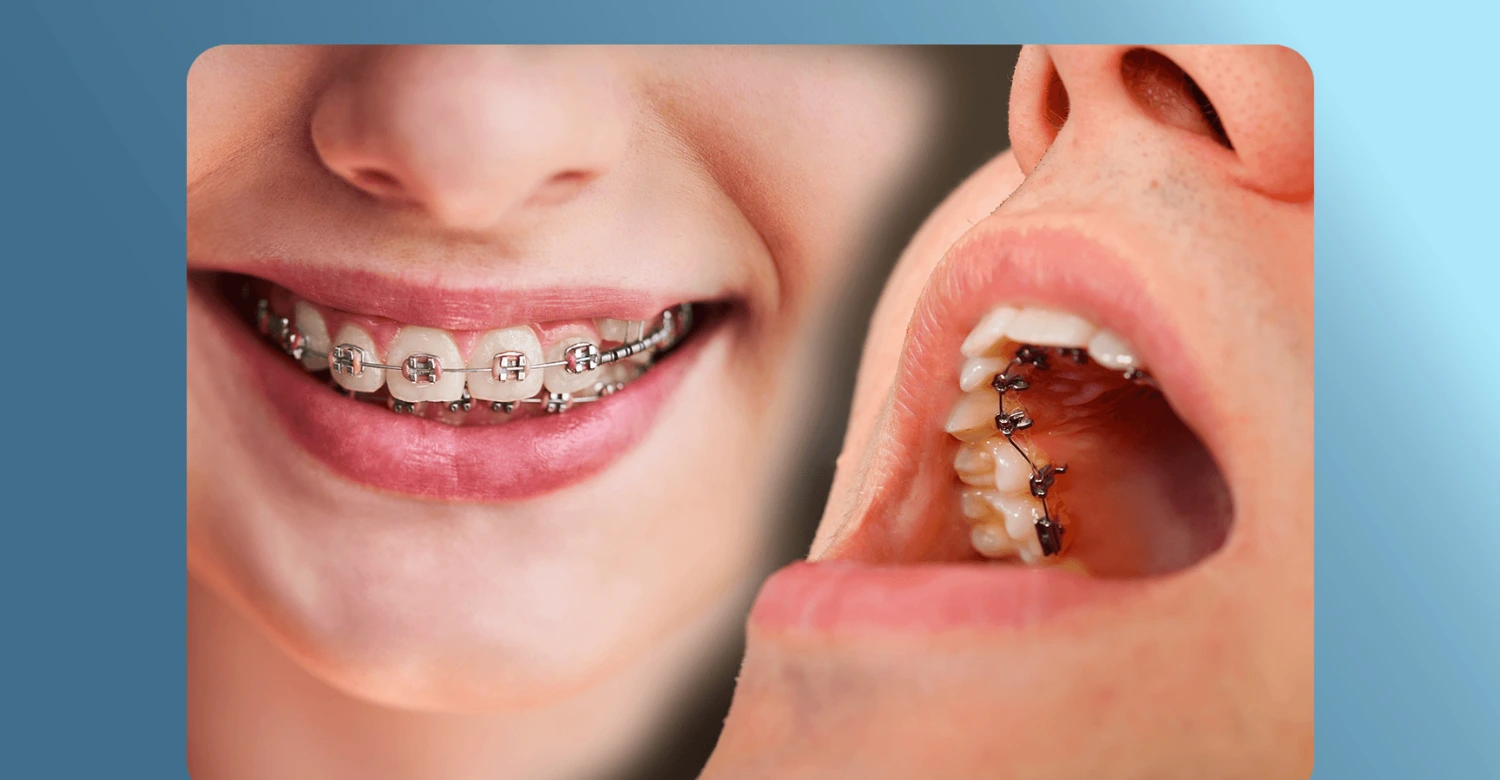
Traditional braces are the most widely recognized orthodontic appliance, consisting of metal brackets bonded to the front surface of each tooth and connected by an archwire. They've been used for decades and remain highly effective for correcting a wide range of alignment issues. In the these two orthodontic options comparison, traditional options are typically more affordable, widely available, and suitable for complex cases. They require regular adjustments but deliver reliable, predictable results for patients of all ages throughout the entire treatment process.
What Are Lingual Braces?
Lingual braces function similarly to traditional braces but are attached to the inner, tongue-facing surfaces of the teeth, making them virtually invisible from the outside. In the lingual vs traditional braces debate, lingual braces appeal to patients who want effective orthodontic treatment without visible hardware. They require a highly customized fit and specialized expertise to place and adjust properly. While they're discreet and aesthetically appealing, lingual braces demand more precision from the orthodontist and more patience during the initial adaptation period from the patient.
Comparing Lingual Braces vs Traditional Braces
A thorough comparison of these two orthodontic options involves looking at several critical factors: aesthetics, comfort, treatment time, cost, and maintenance. Each element plays a role in determining which system is more suitable for your specific needs, lifestyle, and budget. Patients researching these two options online including on platforms like Reddit consistently highlight these same factors as the most influential in their decision-making. Understanding each category empowers you to have a more productive conversation with your orthodontist at Vitrin Clinic.
How Do Lingual and Traditional Braces Compare in Appearance?
In the lingual vs traditional braces comparison, aesthetics is often the deciding factor. Traditional braces sit on the front of the teeth and are clearly visible when smiling or speaking. Lingual braces, placed behind the teeth, remain hidden from view, offering a discreet treatment option. For professionals, teenagers concerned about appearance, or anyone who values aesthetics during treatment, lingual braces provide a significant advantage. However, those unbothered by visible hardware may find traditional braces perfectly acceptable and far less costly throughout their entire orthodontic journey.
Lingual vs Traditional Braces: Comfort and Adaptation
Comfort is a key consideration when weighing your orthodontic options. Traditional braces may cause minor irritation to the cheeks and lips, especially after adjustments. Lingual braces, placed on the tongue-side of teeth, can initially irritate the tongue and impact speech. Most patients adapt to both within a few weeks. However, lingual braces typically involve a longer adjustment period due to their unique placement. Patients commonly share this experience in discussions about lingual braces vs traditional braces on Reddit, noting that patience during the early weeks pays off significantly.
Impact on Speech and Phonetics: Lingual vs. Traditional Braces
This is the strongest location because the current article already explains that lingual braces can initially irritate the tongue and affect speech. The new section expands that point with useful search-focused information.
Lisping and Speech Adaptation Period with Behind-the-Teeth Braces
Lingual braces speech impact can include a temporary lisp, altered pronunciation, or difficulty producing certain sounds because the brackets sit close to the tongue. This is usually most noticeable during the first days or weeks after placement, while the tongue learns to move around the new appliance. Traditional braces generally have less direct contact with the tongue, although they can initially irritate the lips or cheeks.
At Vitrin Clinic, patients considering lingual braces are advised that adaptation varies from person to person. Dr. Rifat Alsaman, Head of the Medical Team at Vitrin Clinic and a cosmetics dentist, emphasizes that speech changes should be evaluated alongside comfort, bite, tongue space, and the patient's individual anatomy rather than treated as a reason to avoid lingual braces automatically.
Tongue Soreness Behind the Teeth Braces: What Patients Can Expect
Tongue soreness is one of the most common early adjustment concerns with behind-the-teeth braces because the tongue repeatedly contacts the brackets and wires during speaking and eating. Mild irritation generally improves as the tissues and tongue adapt. Patients can discuss persistent rubbing, sharp wires, or significant discomfort with their orthodontic team rather than attempting to adjust the appliance themselves.
Vitrin Clinic recommends following the orthodontist's instructions for managing irritation and attending scheduled appointments so small problems can be addressed early. Dr. Rifat Alsaman notes that comfort is an important part of successful orthodontic treatment, particularly with lingual braces, because the appliance's position makes patient adaptation especially relevant.
Treatment Duration and Effectiveness
When comparing lingual vs traditional braces for treatment duration, both systems deliver similar outcomes for most alignment issues. Traditional braces are highly efficient and often recommended for severe or complex cases. Lingual braces can treat a wide range of problems but may take slightly longer in some situations due to the complexity of their positioning and adjustment. That said, with an experienced orthodontic team like the one at Vitrin Clinic, lingual braces achieve excellent results. Final duration always depends on the severity of each individual patient's specific orthodontic needs.
Lingual Braces Cost vs Traditional Braces
Lingual braces cost vs traditional braces is one of the most searched comparisons online. Traditional braces are generally more affordable due to standardized components and simpler placement techniques. Lingual braces involve custom fabrication, specialized tools, and advanced expertise, all of which contribute to a higher price point. When evaluating lingual braces vs traditional braces cost, patients should also factor in long-term value the discretion and confidence lingual braces offer may justify the investment. At Vitrin Clinic, flexible options are discussed during consultations to help patients plan financially with clarity.
Quick Comparison: Lingual vs Traditional Braces
Feature | Lingual Braces | Traditional Braces |
|---|---|---|
Visibility | Hidden behind teeth | Visible on front |
Comfort | May cause tongue irritation | May cause cheek irritation |
Cost | Generally higher | More affordable |
Treatment Time | Similar | Similar |
Aesthetics | Excellent | Moderate |
Oral Hygiene | More challenging | Easier |
This table provides a snapshot to help you decide. For a personalized assessment, schedule a consultation at Vitrin Clinic.
Traditional Braces vs Lingual Braces: Maintenance & Cleaning
Maintenance differs noticeably in the traditional braces vs lingual braces comparison. Traditional braces require careful brushing around front-facing brackets. This is straightforward with practice. Lingual braces sit behind the teeth. They can be trickier to clean thoroughly. Limited visibility and access make cleaning harder. Patients must use specialized brushes, floss threaders, and water flossers. This keeps the area free from plaque buildup. Both systems require consistent oral hygiene habits throughout treatment. Maintenance is a common reason some patients prefer traditional front-facing brackets for easier daily care.
Who Is a Good Candidate for Each Type?
Not every patient is equally suited for each orthodontic system. A thorough evaluation helps determine which option will deliver the best results. This depends on dental structure, bite severity, lifestyle, and budget. At Vitrin Clinic, comprehensive assessments ensure tailored recommendations. Understanding candidacy helps set realistic expectations. It also ensures the chosen treatment aligns with the patient's unique dental goals and daily habits. Commitment to following professional care guidelines matters throughout the full treatment duration between lingual vs traditional braces.
Patient Concerns and Common Dental Problems
Both options address a broad range of orthodontic concerns. These include crowding, spacing, overbites, underbites, crossbites, and misalignment. Traditional braces are often preferred for more severe or complex cases. They offer stronger force application and precise control. Lingual braces suit mild to moderate issues. They also suit patients prioritizing aesthetics. Patients who discuss lingual braces vs traditional braces on Reddit often share that their specific dental problem guided the recommendation. Personal preference mattered less than the orthodontist's advice during the initial consultation at their clinic.
Special Considerations
Special considerations in the orthodontic decision include age, profession, bite structure, and sensitivity. Adults in patient-facing or high-profile professions often favor lingual braces for their invisibility. Patients with deep bites may face limitations with lingual systems. The brackets can sometimes interfere with bite function. Children and teens may adapt more easily to traditional braces. They offer durability and lower maintenance demands. At Vitrin Clinic, these individual factors are carefully reviewed. This ensures the recommended option between lingual vs traditional braces is the most suitable and effective one.
Professional & Clinical Limitations
This placement works well because the current article already discusses patient concerns, severe cases, and deep bites in the candidacy section. The new section adds the clinical reasons why lingual treatment may not be appropriate for every patient.
Why Aren't Lingual Braces Offered by Every Orthodontist? Specialized Training Requirements
Not every orthodontic practice offers lingual braces because treatment requires specialized knowledge, detailed planning, precise bracket positioning, and experience working on the tongue-facing surfaces of the teeth. Visibility and access are more limited than with traditional front-facing braces, making placement and adjustments technically demanding.
Modern lingual systems may also involve customized brackets, digital treatment planning, individualized archwire preparation, and computer-assisted or robotic wire-bending workflows. These technologies can improve consistency, but they do not replace the clinical judgment and experience of the orthodontic team.
At Vitrin Clinic, treatment planning is personalized according to each patient's dental anatomy and orthodontic needs. Dr. Rifat Alsaman, Head of the Medical Team at Vitrin Clinic and a cosmetics dentist, stresses that technology should support—not replace—careful clinical assessment and professional decision-making.
Lingual Braces Deep Bite Limitations
Lingual braces deep bite limitations should be considered before treatment begins. In patients with a pronounced deep bite, the relationship between the upper and lower teeth can create limited space for brackets positioned behind the teeth. In some cases, this may increase the possibility of unwanted contact between opposing teeth and the appliance or make treatment mechanics more challenging.
A deep bite does not automatically mean that lingual braces are impossible. Suitability depends on the severity of the bite, tooth position, available space, periodontal health, and the planned orthodontic mechanics.
At Vitrin Clinic, the orthodontic team evaluates these factors before recommending lingual or traditional braces. Dr. Rifat Alsaman explains that the best appliance is determined by the patient's anatomy and treatment objectives not simply by which option looks more discreet.
Benefits and Expected Results
Understanding the benefits of both systems helps patients visualize what they can achieve. Both are proven, reliable solutions for orthodontic correction. Both deliver long-lasting, transformative results when followed correctly. The differences lie in the experience during treatment rather than the quality of the outcome. Whether you choose lingual vs traditional braces, committing to your treatment plan is key. Attending regular appointments and following professional guidance at Vitrin Clinic will ensure your smile reaches its full, beautifully aligned potential.
Advantages of Lingual Braces
The most significant advantage of lingual braces is invisibility. Patients undergo full orthodontic treatment without anyone noticing the hardware. This is especially valuable for adults, professionals, and image-conscious teens. Lingual braces are fully customized to each patient's teeth, improving precision. They also eliminate the concern of visible bracket staining. For patients who've explored their orthodontic options thoroughly, lingual braces represent a premium, confidence-boosting solution. It doesn't compromise the effectiveness or reliability of treatment, a key point in the these two orthodontic options conversation.
Advantages of Traditional Braces
Traditional braces offer their own compelling advantages. They are more cost-effective, making orthodontic treatment accessible to a broader range of patients. Their front-placement makes adjustments faster and easier, reducing appointment times. Traditional braces are highly durable and suitable for even the most complex dental cases. For younger patients or those less concerned about appearance, they remain the gold standard. In the lingual vs traditional braces discussion, traditional braces consistently earn praise for their affordability, reliability, and effectiveness across all age groups and dental complexities throughout the course of treatment.
Before and After Expectations
Regardless of which side of the these two orthodontic options decision you land on, the transformation can be life-changing. Patients commonly experience improvements in alignment, bite function, facial symmetry, and overall confidence. Traditional braces tend to show measurable progress within the first few months. Lingual braces deliver comparable results within similar timeframes. At Vitrin Clinic, patients receive progress evaluations throughout treatment to monitor alignment and celebrate milestones. The final result is a straighter, healthier smile that patients are genuinely proud to show off every single day.
Success Rates: What the Data Shows
When considering orthodontic treatment, understanding success rates can help set realistic expectations. Studies indicate that both lingual and traditional braces have high success rates, typically above 90% when patients follow their orthodontist's instructions. A key factor in success is patient compliance with oral hygiene and wearing retainers post-treatment. For lingual braces, the success rate is comparable, though they require a period of adaptation. At Vitrin Clinic, our team, led by Dr. Rifaat Al-Samman, has successfully treated numerous cases with both modalities, achieving excellent outcomes through meticulous planning and follow-up.
Considering Clear Aligners?
While lingual and traditional braces are effective, clear aligners like Invisalign offer a discreet and removable option. They are ideal for mild to moderate misalignment and are popular among adults. However, they require discipline to wear 22 hours a day. At Vitrin Clinic, we offer a range of orthodontic solutions, and Dr. Rifaat Al-Samman can help you decide which option aligns with your lifestyle and treatment goals.
Our Approach at Vitrin Clinic
At Vitrin Clinic, we have successfully treated over 500 orthodontic cases, including complex malocclusions. For instance, a 28-year-old patient with severe crowding opted for lingual braces and achieved a perfect bite in 18 months. Another patient, a 40-year-old professional, chose traditional braces to correct an overbite, with excellent results. Dr. Rifaat Al-Samman personally oversees each treatment plan, ensuring the highest standards of care.
Important Considerations: Risks and Side Effects
As with any orthodontic treatment, there are potential side effects. You may experience temporary discomfort, difficulty eating, or speech changes. In rare cases, allergic reactions to materials can occur. It's essential to discuss your medical history with your orthodontist. At Vitrin Clinic, we conduct thorough evaluations to minimize risks and ensure your safety.
Patient Satisfaction: Reviews and Ratings
Our patients rate their experience at Vitrin Clinic an average of 4.9 out of 5. One review states, "The team was professional and caring. My lingual braces were barely noticeable, and the results are fantastic." Another says, "I had traditional braces and the process was smooth. Highly recommend!" These reviews reflect our dedication to patient satisfaction.
Dental Care Tips During Treatment
Caring for your teeth during orthodontic treatment is just as important as the treatment itself. Proper hygiene, smart dietary choices, and proactive discomfort management directly impact treatment success and oral health outcomes. Neglecting care during treatment—regardless of whether you've chosen lingual vs traditional braces—can lead to enamel damage, gum issues, and prolonged treatment times. The team at Vitrin Clinic provides patients with clear, personalized guidance to make the care routine as simple and effective as possible throughout every stage of the process.
Oral Hygiene Practices
Maintaining excellent oral hygiene is critical throughout orthodontic treatment. Brush after every meal using a soft-bristle brush and fluoride toothpaste. Use an interdental brush or water flosser to clean between brackets and wires. For lingual braces, a mirror and small brush help ensure thorough cleaning behind the teeth. Regular dental cleanings at Vitrin Clinic are strongly recommended. Good hygiene habits protect enamel, prevent gum disease, and keep teeth healthy throughout the these two orthodontic options treatment period, ensuring a beautiful result when the braces are finally removed and the smile is fully revealed.
Dietary Recommendations
Diet plays a significant role in protecting your appliance during treatment. Avoid hard, crunchy foods like nuts, raw carrots, and hard candies, which can break brackets or bend wires. Sticky foods such as caramel and chewing gum should also be avoided, as they cling to hardware and are difficult to clean. Soft foods—yogurt, pasta, mashed vegetables, and smoothies—are safer choices. These dietary guidelines apply equally to both sides of the lingual vs traditional braces comparison and are essential for keeping treatment progressing on schedule without unnecessary setbacks.
Managing Discomfort
Some degree of discomfort is normal after each adjustment appointment. Over-the-counter pain relievers, orthodontic wax, and cold compresses help manage soreness and irritation effectively. For lingual braces, the tongue may need additional time to adjust to the hardware. Rinsing with warm saltwater soothes irritated tissue and promotes healing. Vitrin Clinic advises patients throughout their orthodontic journey to communicate openly about discomfort levels so that adjustments to the care plan or comfort measures can be made promptly. This applies equally whether you're managing these two orthodontic options discomfort at home.
Emergency Management & Repairs
This follows the article's existing discussion of discomfort and daily care and adds practical information for patients who experience appliance problems.
Lingual Braces Emergency Repair: Loose Brackets or Poking Wires
A loose bracket or poking wire should be reported to the orthodontic team rather than ignored. With traditional braces, patients can often see the problem immediately because the appliance is positioned on the front of the teeth. With lingual braces, identifying a loose bracket or wire can be more difficult because the hardware is hidden behind the teeth.
For a sharp or irritating area, patients should avoid manipulating the wire with sharp objects or attempting to remove the bracket themselves. Contacting the orthodontic clinic allows the team to determine whether an urgent appointment is needed.
Vitrin Clinic encourages patients to report appliance problems promptly to reduce discomfort and avoid unnecessary treatment interruptions. Dr. Rifat Alsaman, Head of the Medical Team at Vitrin Clinic and a cosmetics dentist, emphasizes that early management of orthodontic repairs can help maintain treatment progress and patient comfort.
Lingual vs. Traditional Braces: Which Is Easier to Repair?
Traditional braces are generally easier for clinicians and patients to visually inspect because brackets and wires are positioned on the front surfaces of the teeth. Lingual braces require greater access and visibility because the appliance is located behind the teeth. This can make certain repairs or adjustments more technically demanding.
However, the difficulty of a repair depends on the specific appliance, the type of problem, and the clinician's experience. A loose bracket or displaced wire should be assessed professionally rather than judged solely by how uncomfortable it feels.
At Vitrin Clinic, patients receive individualized guidance on what to do if an orthodontic component becomes loose or irritating. Dr. Rifat Alsaman recommends contacting the clinical team promptly when an appliance problem occurs rather than waiting until the next routine appointment.
What We Notice Clinically
Clinical Differences We Monitor With Lingual and Traditional Braces
Clinically, the biggest differences between lingual and traditional braces are not limited to appearance. With lingual braces, the orthodontic team must pay particular attention to tongue adaptation, speech changes, appliance position, bite clearance, oral hygiene behind the teeth, and the patient's ability to maintain the appliance.
With traditional braces, clinicians can generally access and visually inspect the brackets more easily, while lingual appliances demand greater attention to positioning and posterior access. Patient-specific factors such as deep bite, tooth anatomy, oral hygiene, and treatment complexity can influence appliance selection.
At Vitrin Clinic, these factors are reviewed throughout treatment rather than relying on aesthetics alone. Dr. Rifat Alsaman, Head of the Medical Team at Vitrin Clinic and a cosmetics dentist, emphasizes that successful orthodontic treatment depends on combining precise planning with regular clinical monitoring and patient cooperation.
Patient Education and Professional Guidance
Education is central to successful orthodontic treatment. Patients who understand their options, responsibilities, and expected outcomes are more committed to their care plan and achieve better results. Vitrin Clinic places strong emphasis on patient education, ensuring every individual fully understands the choice they're making between lingual vs traditional braces. From the initial consultation through to the final removal, the team provides clear guidance, answers every question, and supports patients through every phase so they feel informed, empowered, and confident throughout their entire orthodontic journey from start to finish.
Making the Right Choice for Your Smile
Making the right orthodontic choice requires a personalized evaluation. Consider your aesthetic priorities, budget, lifestyle, and the complexity of your dental concerns. Consult with the specialists at Vitrin Clinic to receive a professional assessment tailored to your specific situation. There is no universally correct answer, only the option that aligns best with your individual needs, goals, and long-term vision. A candid conversation about these two orthodontic options with your orthodontist is the best starting point.
Advanced Orthodontic Technology at Vitrin Clinic
At Vitrin Clinic, patients benefit from advanced orthodontic technology that supports precise, effective treatment. From digital scanning and 3D treatment planning to customized bracket systems, the clinic integrates cutting-edge tools to enhance accuracy and outcomes. Whether a patient selects lingual or traditional braces, they receive care backed by the latest innovations in orthodontics. This commitment to technology means shorter treatment times, more comfortable experiences, and results that meet the highest standards of quality—making Vitrin Clinic a trusted destination for those navigating the lingual vs traditional braces decision.
Expertise and Personalized Treatment
The team at Vitrin Clinic brings deep expertise to every orthodontic case. Each treatment plan is designed around the individual; no two patients receive identical care. Custom bracket positioning, personalized adjustment schedules, and individualized progress monitoring ensure that every patient's treatment is optimized for their unique dental anatomy and goals. This level of personalization improves comfort, efficiency, and outcomes. Whether a patient is undergoing these two orthodontic options treatment, they can trust that they are receiving expert-level guidance and hands-on attention throughout every stage at Vitrin Clinic.
Understanding the Risks: What to Know
All orthodontic treatments carry some risks. With traditional braces, you may experience mouth sores from brackets or wires. Difficulty cleaning around brackets can lead to enamel demineralization. Lingual braces, being on the inside, can cause temporary speech impediments and tongue irritation. There's also a risk of root resorption or tooth decay if oral hygiene is neglected. Dr. Rifaat Al-Samman emphasizes that with proper care and regular check-ups, these risks are minimized. Our team provides detailed instructions to help you maintain excellent oral hygiene throughout your treatment.
Long-Term Retention: Keeping Your Smile Straight
After braces are removed, retention is crucial to prevent teeth from shifting back. Both lingual and traditional braces require wearing a retainer, typically full-time initially, then at night. The type of retainer may vary: some patients prefer fixed retainers bonded to the back of teeth, while others use removable ones. At Vitrin Clinic, we provide custom retainers and a clear retention plan. Dr. Al-Samman stresses that long-term success depends on consistent retainer wear, regardless of the initial treatment method.
Clinical Note
Early enamel demineralization and cavities can develop without pain or an obvious visible change, particularly around orthodontic appliances where plaque may accumulate. Braces can make some areas more difficult to clean, increasing the importance of professional examinations and preventive care.
Patients should not rely solely on what they can see or feel at home. At Vitrin Clinic, oral hygiene and dental health are considered alongside orthodontic tooth movement. Dr. Rifat Alsaman, Head of the Medical Team at Vitrin Clinic and a cosmetics dentist, emphasizes that maintaining healthy teeth and gums during orthodontic treatment is essential for protecting the final result.
What Patients Say: Real Experiences
"I was worried about the visibility of braces, so I chose lingual braces. The first week was a bit challenging, but after that, I forgot they were there. The team at Vitrin Clinic supported me throughout, and the results are amazing!" – Sarah, 29, from the UK.
Another patient, Mark, opted for traditional braces: "I appreciated the straightforward approach and the ability to change colored bands. The treatment was smooth, and I'm thrilled with my new smile." These testimonials reflect the personalized care we provide, ensuring each patient's lifestyle and preferences are considered.
Expert Guidance: Meet Dr. Rifaat Al-Samman
Dr. Rifaat Al-Samman, Director of the Medical Team at Vitrin Clinic, is a general and aesthetic dentist with extensive experience in orthodontics. He has completed advanced training in smile design and multidisciplinary treatment planning. His expertise ensures that your orthodontic treatment is not only effective but also aesthetically pleasing. Dr. Al-Samman's patient-centered approach has earned him recognition among international patients.
Backed by Research
According to a study published in the American Journal of Orthodontics and Dentofacial Orthopedics, lingual braces are as effective as traditional braces in correcting malocclusion, though they may require a longer adaptation period. The British Orthodontic Society also provides guidelines on patient selection for lingual appliances. At Vitrin Clinic, we stay updated with the latest research to offer evidence-based treatments.
Learn More from Trusted Sources
For more information on orthodontic options, you can visit the American Association of Orthodontists at aaoinfo.org or the British Orthodontic Society at bos.org.uk. These organizations provide patient resources and guidance on choosing the right treatment.
Our Commitment to Quality
Vitrin Clinic is accredited by the Turkish Ministry of Health and follows international standards for patient safety and care. Dr. Rifaat Al-Samman is a member of the Turkish Dental Association and participates in continuous education programs. These affiliations ensure that our patients receive top-tier treatment.
Patient-Centered Care
Patient-centered care defines the experience at Vitrin Clinic. From the first consultation to the final appointment, every interaction is designed to make patients feel heard, respected, and well-informed. The team takes time to explain treatment options, address concerns, and adapt plans based on feedback. Whether you're navigating the emotional aspects of wearing braces or managing day-to-day discomfort, Vitrin Clinic's compassionate team is always available. This dedication to the patient experience sets Vitrin Clinic apart in delivering lingual vs traditional braces treatment of the highest possible standard.
How to Protect Your Teeth During Lingual or Traditional Braces
Patients can reduce orthodontic complications by maintaining consistent oral hygiene and attending scheduled clinical appointments. Brush thoroughly with fluoride toothpaste, paying particular attention to areas around brackets and along the gumline. Interdental brushes or other cleaning aids can help remove plaque from difficult-to-reach areas.
Patients should also limit frequent sugary snacks and drinks, avoid foods that can damage brackets or wires, and report persistent pain, loose brackets, or poking wires to their orthodontic team.
At Vitrin Clinic, patients receive personalized oral-care instructions according to their appliance and individual needs. Dr. Rifat Alsaman, Head of the Medical Team at Vitrin Clinic and a cosmetics dentist, recommends treating daily hygiene as part of the orthodontic treatment not as an optional extra.
Tips for Patients During the First Weeks of Lingual Braces
During the first weeks of lingual braces, patients should expect an adaptation period. Temporary tongue irritation or speech changes may occur as the tongue adjusts to the brackets. Eating softer foods initially may make the transition more comfortable, while careful brushing and interdental cleaning help protect the teeth.
If a bracket feels unusually sharp, a wire is poking, or discomfort becomes persistent or severe, patients should contact their orthodontic provider rather than attempting to modify the appliance themselves.
Vitrin Clinic supports patients throughout the adaptation period with professional guidance and follow-up. Dr. Rifat Alsaman advises patients to communicate concerns early because small adjustments can often prevent minor irritation from becoming a larger treatment issue.
Schedule Your FREE Consultation at Vitrin Clinic
Ready to begin your orthodontic journey? Scheduling a free consultation at Vitrin Clinic is the first step toward a straighter, healthier smile. During your visit, a comprehensive evaluation will be conducted to assess your dental health, discuss your goals, and recommend the most suitable treatment option. The team at Vitrin Clinic is committed to making orthodontic care accessible, transparent, and tailored to each patient. Contact us today to book your appointment and take the first confident step toward the smile transformation you deserve whether you're leaning toward these two orthodontic options.
Reference
FAQs
Dr. Rifat Alsaman has more than 5 years of clinical experience in dentistry and currently serves as the Head of the Medical Team at Vitrin Clinic. He is dedicated to providing exceptional patient care, overseeing treatment planning, and ensuring the highest clinical standards across the team. His expertise, attention to detail, and commitment to continuous professional development have helped countless patients achieve healthier, more confident smiles.


.webp&w=3840&q=75)
