Orthodontics
April 12, 2026
Braces Pain Management: How to Ease Discomfort During Orthodontic Treatment?
 Dr. Rifat Alsaman
Experiencing discomfort after getting braces is common, but proper braces pain management can make the process more comfortable. Pain usually occurs due to the pressure braces placed on your teeth and gums as they realign your bite. Understanding the causes, implementing home remedies, and seeking professional guidance are all essential aspects of braces pain management. This guide provides actionable tips for reducing discomfort, methods recommended by orthodontists, and insights into specialized care at facilities like Vitrin Clinic. By following these strategies, patients can maintain oral health while minimizing the pain associated with orthodontic adjustments and daily brace wear.
Understanding Braces Pain and Why It Happens
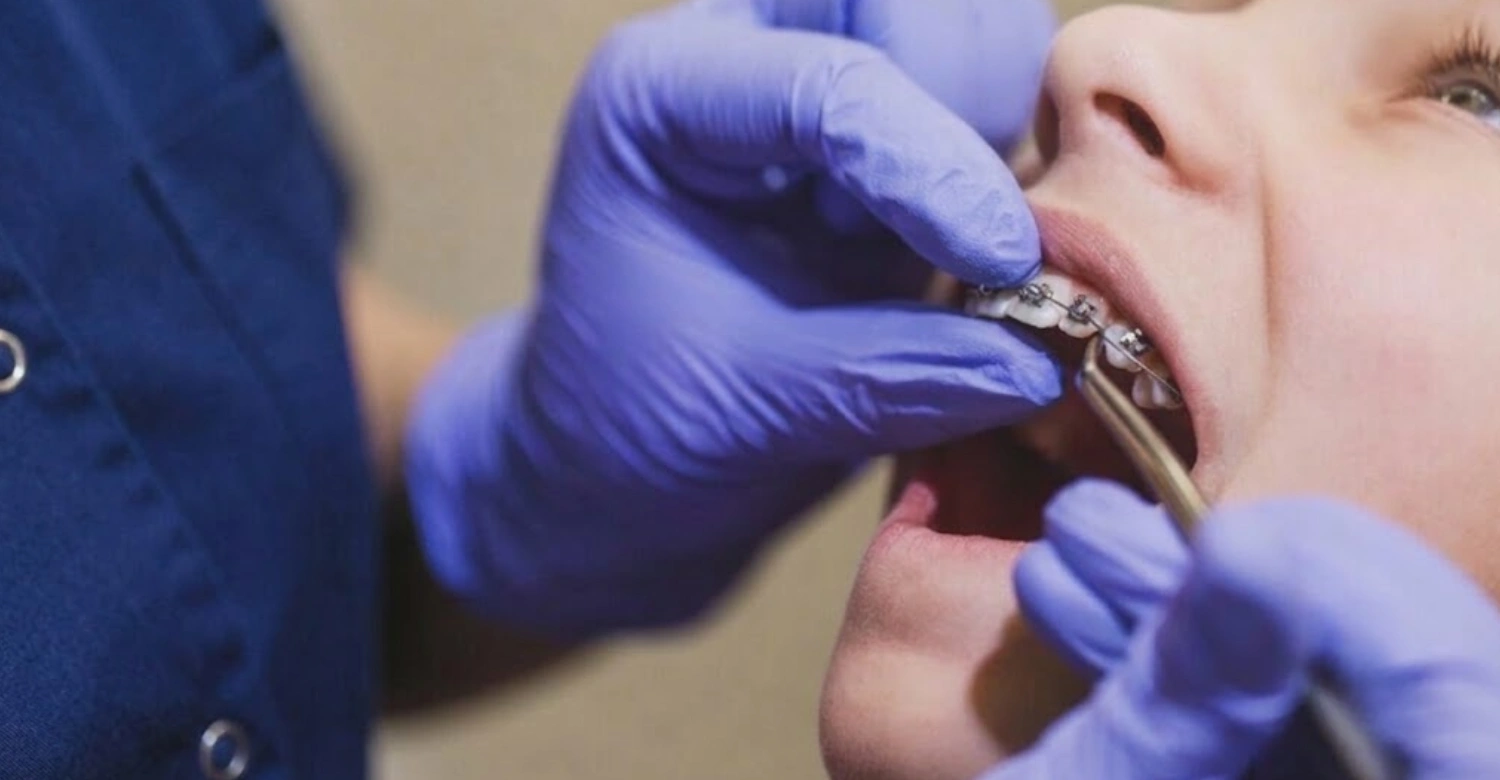
Braces pain typically emerges within the first few days after getting braces or following adjustments. The pressure exerted by wires and brackets triggers inflammation and soreness in the teeth and gums. Understanding this process is a crucial part of braces pain management, as knowing why pain occurs helps in choosing the best strategies for relief. Pain may range from mild discomfort to sharper, more pronounced aches depending on individual sensitivity. Additionally, soft tissues such as lips and cheeks may become irritated. Recognizing these signs early allows patients to implement home remedies, over the counter options, and orthodontist recommended interventions, ensuring that braces pain management is proactive rather than reactive. Maintaining healthy gums through our Braces and Oral Hygiene also reduces inflammation, making your overall experience much less painful.
How to Manage Braces Pain at Home
Managing braces pain at home involves a combination of lifestyle adjustments, pain relief techniques, and protective measures for oral tissues. Effective braces pain management begins with choosing the right foods, maintaining proper oral hygiene, and using safe remedies. Cold compresses can reduce inflammation, while eating softer foods prevents further irritation. Regular rinsing with warm salt water and practicing gentle oral care can also soothe discomfort. By incorporating these strategies, patients can minimize the impact of braces related pain. Homebased approaches are often the first step in comprehensive braces pain management, complementing professional advice and ensuring a smoother orthodontic experience.
Over the Counter Pain Relief Options
Over the counter pain relievers such as ibuprofen and acetaminophen are commonly used in braces pain management to reduce inflammation and discomfort. These medications can help patients manage soreness after initial placement or postadjustment periods. It is important to follow dosage instructions and consult with your orthodontist before starting any pain relief routine, especially for children or individuals with other health conditions. Additionally, topical gels designed for oral use can provide targeted relief to sensitive areas. Combining medication with gentle oral care and dietary adjustments enhances overall braces pain management effectiveness. Patients often find that a combination of approaches yields the most reliable comfort. It is entirely normal to experience some tenderness for a few days following routine braces adjustments at the clinic.
Home Remedies and Comfort Tips
In addition to over the counter options, several home remedies support braces pain management naturally. Rinsing with warm salt water can reduce inflammation, while using orthodontic wax on brackets prevents irritation of cheeks and lips. Cold drinks or ice packs applied externally help numb sensitive areas, offering temporary relief. Chewing soft foods minimizes pressure on teeth, while maintaining meticulous oral hygiene prevents secondary discomfort caused by plaque buildup. Integrating these remedies into a daily routine provides effective and safe braces pain management, allowing patients to maintain their orthodontic schedule without significant interruptions or setbacks.
Braces Pain Management from an Orthodontist's Perspective
Orthodontists have specialized techniques to manage pain throughout treatment. Understanding their approach is crucial for effective braces pain management. Professionals adjust wires gradually, ensuring pressure is tolerable, and recommend specific products like soft wax, oral rinses, and targeted medications. Regular checkups allow orthodontists to monitor patient comfort and adjust treatment plans as needed. They also provide guidance on preventive strategies to reduce discomfort. Partnering with an orthodontist ensures that braces pain management is not solely reactive but anticipatory, reducing both the frequency and intensity of pain while improving treatment outcomes.
How Orthodontists Manage Pain from Braces
Orthodontists employ multiple strategies for braces pain management, including gradual wire adjustments, customized archwires, and patient specific pain relief recommendations. They may use soft brackets or temporary ligatures for sensitive patients. Additionally, orthodontists provide instructions for home care that complement clinical interventions, such as cold compresses and dietary adjustments. By closely monitoring the patient's response to treatment, they can adjust techniques to minimize discomfort, ensuring that braces pain management is both personalized and effective. This approach not only enhances patient comfort but also supports better adherence to the orthodontic plan.
Braces Pain Management at Vitrin Clinic
At Vitrin Clinic, braces pain management is prioritized through a combination of professional expertise and patient centered care. The clinic employs advanced orthodontic technology designed to reduce discomfort, including precision wires and brackets. Patients receive detailed guidance on home care, pain relief options, and dietary strategies. Vitrin Clinic also offers specialized sessions for patients experiencing significant pain, ensuring rapid relief and support. By integrating clinical techniques with educational resources, Vitrin Clinic ensures that braces pain management is comprehensive, tailored, and highly effective for every patient throughout their treatment journey.
Special Considerations: Arthritis and Hand Braces
Pain management is not limited to dental concerns. Individuals with arthritis may require specialized devices for joint comfort. Hand braces for arthritis provide stability and reduce discomfort during daily activities. For patients undergoing orthodontic treatment, managing pain in multiple areas can be challenging, making a coordinated approach crucial. Incorporating strategies for both dental and musculoskeletal pain ensures holistic care. Understanding the best practices for braces pain management alongside arthritis friendly solutions helps patients maintain overall wellbeing without compromising oral health or daily functionality. If the discomfort becomes sharp or unbearable, you might be dealing with one of several orthodontic emergencies requiring immediate attention.
TopRated Hand Braces for Arthritis Pain Management
For arthritis sufferers, top rated hand braces are essential tools in pain management. These devices stabilize joints, reduce inflammation, and improve mobility during daily tasks. By selecting high quality braces, patients can minimize discomfort while performing routine activities, enhancing overall quality of life. Combining this with braces pain management strategies ensures patients maintain comfort both orally and musculoskeletally. Modern hand braces are often lightweight, adjustable, and designed for long term use, making them a practical complement to orthodontic care and overall pain management plans.
Vitrin Clinic's Approach to Comprehensive Pain Management
Vitrin Clinic adopts a multidisciplinary approach to braces pain management, combining dental expertise with patient education and supportive therapies. The clinic's protocols include customized orthodontic adjustments, pain relief guidance, and preventive strategies. For patients with additional needs, such as arthritis, Vitrin Clinic offers tailored solutions to address overlapping discomfort. By emphasizing patient comfort and proactive care, the clinic ensures that braces pain management is both effective and sustainable. Their comprehensive approach empowers patients to navigate orthodontic treatment with minimal pain and maximum confidence.
Preventing Braces Pain Before It Starts
Proactive measures can significantly reduce discomfort during orthodontic treatment. Preventive braces pain management includes careful planning, dietary adjustments, and oral hygiene practices before braces are applied. Understanding potential pain triggers allows patients to prepare mentally and physically for treatment. Choosing the right orthodontist, following pretreatment guidance, and maintaining healthy oral tissues all contribute to minimizing soreness. Prevention focused strategies reduce the need for postplacement interventions, allowing patients to experience smoother and less painful orthodontic journeys. Using dental wax is especially helpful if your traditional steel brackets are rubbing uncomfortably against the inside of your cheeks.
Tips Before Getting Braces
Before getting braces, patients can adopt several strategies to support braces pain management. Maintaining strong oral health, using fluoride toothpaste, and avoiding overly hard foods prepare teeth for adjustments. Discussing sensitivity concerns with the orthodontist allows for tailored treatment plans, including softer wires or specialized brackets. Pretreatment education on expected discomfort and home remedies empowers patients to manage pain proactively. These preparatory steps ensure that braces pain management begins even before the first bracket is placed, setting the stage for a comfortable orthodontic experience. Sticking to soft meals and remembering the foods you shouldn't eat will prevent unnecessary pressure on sensitive teeth.
LongTerm Pain Management During Orthodontic Treatment
Long term braces pain management involves ongoing care, regular orthodontic visits, and adherence to recommended pain relief techniques. Monitoring changes in discomfort and adjusting treatment strategies as needed ensures consistent comfort. Patients are encouraged to maintain soft diets when necessary, use protective wax on brackets, and integrate both over the counter and home remedies into their routines. A collaborative approach with the orthodontist ensures that braces pain management remains effective throughout the duration of treatment, preventing unnecessary interruptions and supporting positive oral health outcomes.
What Do Braces Actually Feel Like?
Many new patients wonder what do braces feel like before their first appointment even happens. In the first 24 to 48 hours, most people describe a dull, generalized pressure across the entire arch rather than sharp pain, as the teeth begin adjusting to the new force applied by the wire. Some patients also feel tightness when biting down, mild tenderness on the gums, and slight soreness on the inner cheeks and lips as they adapt to the brackets. This sensation typically peaks within the first three to five days after placement and gradually fades as the mouth adjusts to the orthodontic system. Knowing what to expect in advance greatly reduces anxiety around treatment.
Specific Scenarios: When Do Braces Hurt the Most?
While general soreness is expected throughout treatment, certain scenarios cause noticeably sharper discomfort than routine adjustments. Understanding these specific triggers helps patients distinguish between normal orthodontic pressure and situations that need clinical attention. Broken components and elastic wear are two of the most common causes of sudden, more intense pain during treatment.
Discomfort Caused by Broken Brackets or Snapped Wires
Broken braces wire pain tends to feel sharper and more localized than typical adjustment soreness, often caused by a loose bracket or a wire end poking into the cheek or gum. This type of pain is a signal that something mechanical has shifted rather than the teeth simply moving, and it usually does not resolve on its own the way normal tightness does. Covering the area with orthodontic wax offers temporary comfort, but a broken bracket or snapped wire should be evaluated by the orthodontist promptly to prevent further irritation or delayed treatment progress.
Why Do Rubber Bands (Elastics) on Braces Hurt So Much?
Rubber bands braces pain is often more intense than standard bracket soreness because elastics apply continuous directional force to reposition the jaw or close specific gaps between teeth. This constant tension can make chewing and biting uncomfortable for the first few days after elastics are introduced or changed. The discomfort usually settles once the muscles and ligaments adapt to the new pulling pattern. Wearing elastics exactly as prescribed, rather than skipping days, actually shortens this adjustment period and prevents the soreness from repeatedly restarting.
Advanced Topical Relief: Numbing Gels and Analgesic Mouthwashes for Braces
For patients seeking more targeted comfort, numbing gel for braces teeth can provide short term relief directly at the source of irritation, particularly on sore gums or areas rubbed by brackets. Over the counter oral analgesic gels containing benzocaine are commonly used before meals to make chewing more comfortable during peak soreness. Similarly, an analgesic mouthwash for braces can calm inflamed soft tissue across the whole mouth rather than one localized spot. These topical options work well alongside oral pain relievers and should always be used according to label instructions or orthodontist guidance, especially for younger patients.
Clinical Question: Does Having Sore Teeth Mean Your Braces Are Working?
A common question patients ask is does sore teeth mean braces work, and clinically, mild to moderate soreness after placement or adjustment is generally a sign that the applied force is successfully moving the teeth through the bone. However, tenderness alone is not a reliable measure of treatment progress; it simply reflects normal biological response to pressure. On average, patients ask how long does orthodontic soreness last, and the honest answer is that it typically improves within three to five days per adjustment cycle, while persistent or worsening pain beyond that window should always be checked by the treating orthodontist.
What We Notice Clinically
Dr. Rifat Alsaman, Head of the Medical Team at Vitrin Clinic and cosmetic dentist, notes that patients frequently mistake normal orthodontic pressure for a problem, when in most cases it is simply the expected biological response to tooth movement. Dr. Rifat Alsaman explains that what genuinely concerns the clinical team is asymmetric pain, a wire consistently poking the same spot, or discomfort that intensifies rather than fades after several days, since these patterns usually point to a mechanical issue rather than normal adaptation. Dr. Rifat Alsaman also emphasizes that patients who wear their elastics consistently, rather than intermittently, report noticeably less recurring soreness over the course of treatment, and that early reporting of a broken bracket or snapped wire prevents both unnecessary pain and treatment delays.
About Vitrin Clinic
Vitrin Clinic is a cosmetic dental clinic based in Istanbul, Turkey, serving international patients seeking both restorative and aesthetic dental care, including orthodontic treatment with braces. The clinic is led clinically by Dr. Rifat Alsaman, Head of the Medical Team at Vitrin Clinic and cosmetic dentist, who oversees treatment planning and clinical standards across every patient case. Vitrin Clinic combines modern orthodontic technology with personalized, patient centered guidance, supporting patients from their initial consultation through every stage of treatment, including pain management, adjustments, and long term aftercare, with the goal of delivering both a healthy bite and a confident, aesthetically pleasing smile.
People Also Ask
What can you do for pain with braces?
Most braces related discomfort can be managed with over the counter pain relievers, cold compresses, warm salt water rinses, and orthodontic wax over irritating brackets or wire ends. Soft foods reduce pressure on sensitive teeth during peak soreness. For sharper pain from a broken bracket, snapped wire, or newly introduced elastics, a numbing gel or analgesic mouthwash for braces can provide targeted relief until the orthodontist can make an adjustment.
When do braces stop hurting?
Braces generally stop causing noticeable discomfort within three to five days after each adjustment, as the teeth and surrounding tissue adapt to the new pressure. Overall sensitivity tends to decrease significantly after the first few months of treatment, though mild tenderness can recur briefly after each routine tightening or elastic change until the final phase of orthodontic care is reached.
References:
FAQs
Dr. Rifat Alsaman has more than 5 years of clinical experience in dentistry and currently serves as the Head of the Medical Team at Vitrin Clinic. He is dedicated to providing exceptional patient care, overseeing treatment planning, and ensuring the highest clinical standards across the team. His expertise, attention to detail, and commitment to continuous professional development have helped countless patients achieve healthier, more confident smiles.


.webp&w=3840&q=75)
