
Mouth sores, redness, and burning can make eating and speaking painful. Oral stomatitis is a general term for inflammation of the soft tissues inside the mouth, and it can have many triggers. This guide explains its causes, symptoms, diagnosis, treatment, contagiousness, and prevention, helping you understand when professional care is needed.
What Is Oral Stomatitis?
Understanding what is oral stomatitis helps you recognize mouth inflammation early and seek the right care when symptoms first appear.
What Is the Oral Stomatitis Definition?
Stomatitis is defined as inflammation of the mucous membranes lining the mouth, including the cheeks, gums, tongue, lips, palate, and floor of the mouth. It is a broad term rather than a single disease, describing irritation that may appear as redness, swelling, or sores, with or without pain.
How Does Stomatitis Affect the Mouth?
Stomatitis can cause the inner lining of the mouth to become red, swollen, tender, or ulcerated. These changes may make eating, drinking, speaking, and brushing uncomfortable. Depending on the cause, it may affect one small area, such as a single ulcer, or spread across larger parts of the mouth.
Clinical Note
Because stomatitis describes inflammation rather than a specific diagnosis, identifying the underlying cause is essential. Similar-looking sores can result from viruses, fungi, injury, allergies, nutritional deficiencies, or medical treatments. Treatment works best when it targets the specific cause, not only the visible symptoms in the mouth.
Learn about the anatomy and health of the dental pulp
What Causes Oral Stomatitis?
Oral stomatitis causes range from minor irritation to infections and systemic conditions, which is why the same symptoms can have very different origins.
What Are the Common Causes of Stomatitis?
Common causes include mouth injuries from biting, sharp teeth, braces, or ill-fitting dentures; irritation from hot foods or certain toothpaste ingredients; viral and fungal infections; allergic reactions; vitamin deficiencies; smoking; dry mouth; and certain medications. Chemotherapy, radiation therapy, and some autoimmune or digestive conditions can also trigger inflammation.
Can Infections Cause Stomatitis?
Yes. Viral infections are a common cause, especially the herpes simplex virus, which causes herpetic stomatitis, and the viruses behind hand, foot, and mouth disease in children. Fungal infections such as Candida, often linked to dentures, weakened immunity, or antibiotics, can also cause inflammation. Bacterial causes are less common.
Can Stress, Irritation, or Nutritional Deficiencies Cause Stomatitis?
Yes. Stress and hormonal changes are linked to recurrent mouth ulcers known as aphthous stomatitis, or canker sores. Physical irritation from rough teeth, dental appliances, or aggressive brushing can inflame tissues. Deficiencies in vitamin B12, folate, iron, or zinc may also make the oral lining more prone to sores.
Tips for the Patients
Note when mouth sores appear and any possible triggers, such as new foods, products, medications, or stress. Use a soft toothbrush and avoid very hot, spicy, or acidic foods while sores heal. Keep dentures clean, maintain a balanced diet, and report recurrent sores to your dentist.
What Are the Symptoms of Oral Stomatitis?
Oral stomatitis symptoms vary with the cause, but most involve discomfort and visible changes in the soft tissues of the mouth.
What Are the Most Common Symptoms of Stomatitis?
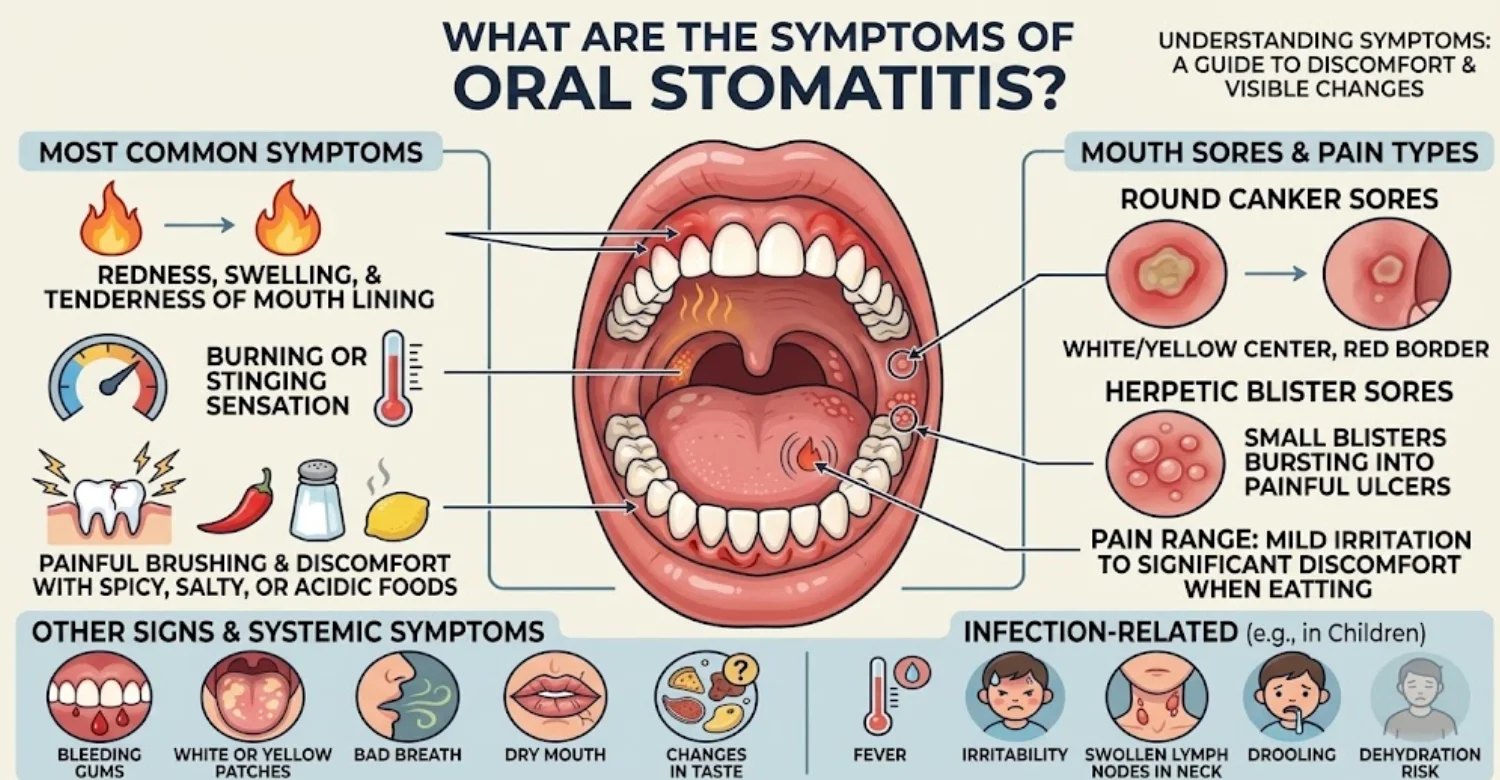
The most common symptoms are redness, swelling, and tenderness of the mouth lining, often with a burning or stinging sensation. Many people develop sores or ulcers on the cheeks, gums, tongue, or lips. Spicy, salty, or acidic foods may worsen discomfort, and brushing can feel painful.
Can Stomatitis Cause Mouth Sores and Pain?
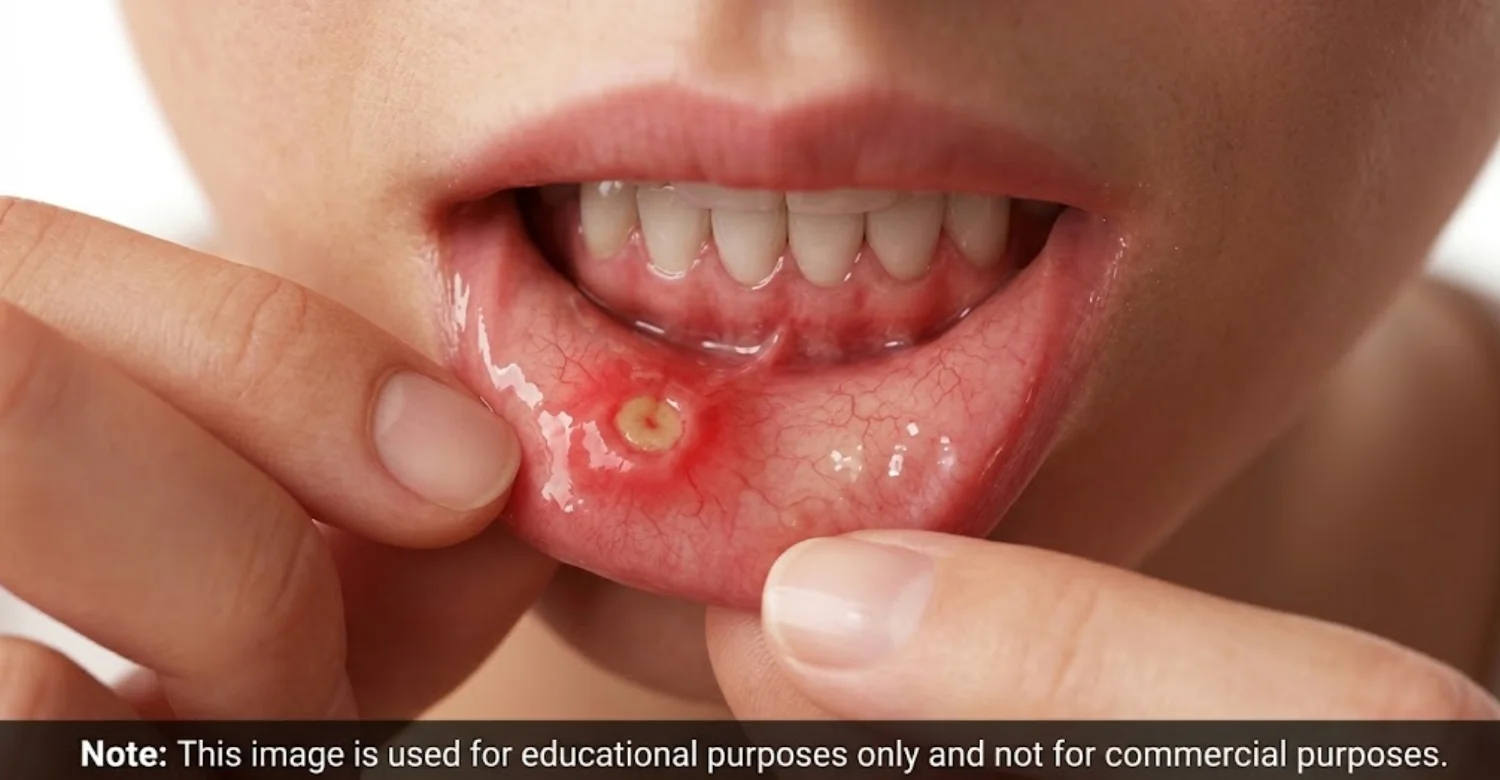
Yes. Mouth sores are one of its main features. Canker sores usually appear as round ulcers with a white or yellow center and a red border, while herpetic sores begin as small blisters that burst into painful ulcers. Pain ranges from mild irritation to significant discomfort when eating.
What Other Signs Can Occur With Stomatitis?
Other signs may include bleeding gums, white or yellow patches, bad breath, dry mouth, and changes in taste. Infection-related cases, especially in children, can cause fever, irritability, swollen lymph nodes in the neck, and drooling. Severe pain may reduce eating and drinking, increasing the risk of dehydration.
Clinical Note
Symptoms alone do not always reveal the cause. Small, isolated ulcers often heal on their own, while widespread sores with fever suggest infection. Any sore lasting more than two weeks, recurring frequently, or accompanied by unexplained weight loss or difficulty swallowing should be professionally evaluated without delay.
See the risks and timeline of smoking after tooth extraction
How Is Oral Stomatitis Diagnosed?
Diagnosis focuses on finding the underlying cause, since effective treatment depends on understanding what triggered the inflammation in the first place.
How Does a Dentist Diagnose Stomatitis?
A dentist reviews your symptoms, medical history, medications, diet, and recent illnesses, then examines the mouth to assess the appearance, size, and location of lesions. Most cases are diagnosed clinically. When needed, swabs, blood tests for deficiencies, or a biopsy of persistent lesions may help confirm the cause.
What Conditions Can Look Similar to Stomatitis?
Several conditions can resemble stomatitis, including oral thrush, oral lichen planus, leukoplakia, allergic reactions, burns from hot food, and hand, foot, and mouth disease. Some systemic conditions, such as Behçet's disease or inflammatory bowel disease, also cause mouth ulcers. Rarely, a non-healing ulcer may indicate oral cancer.
When Should You See a Dentist for Stomatitis?
See a dentist if sores last longer than two weeks, keep returning, are unusually large or painful, or spread across the mouth. Seek prompt care for fever, difficulty swallowing, signs of dehydration, or sores combined with a skin rash or eye irritation. Early evaluation speeds diagnosis and relief.
How to Treat Oral Stomatitis?
Knowing how to treat oral stomatitis starts with identifying the cause, then combining targeted therapy with measures that ease pain and support healing.
What Is Oral Stomatitis Treatment?
Treatment aims to relieve pain, reduce inflammation, speed healing, and address the underlying cause. Mild cases often improve with home care and avoiding irritants. Other cases may need medicated rinses, gels, antiviral or antifungal medicines, nutritional supplements, or correction of dental problems such as sharp edges or poorly fitting dentures.
How Is Stomatitis Treated by a Dentist?
A dentist tailors treatment to the cause. This may include smoothing sharp teeth or fillings, adjusting or relining dentures, prescribing antiseptic mouthwashes, applying topical corticosteroids for ulcers, or prescribing antifungal and antiviral medications when infection is present. The dentist may also refer patients for medical tests when systemic causes are suspected.
What Treatments Can Help Relieve Stomatitis Symptoms?
Symptom relief may include topical numbing gels, protective pastes that cover ulcers, and gentle salt-water rinses. Drinking plenty of fluids, eating soft and cool foods, and avoiding spicy, acidic, or very hot items reduce irritation. Over-the-counter pain relievers can help when used as directed, especially before meals.
Tips for the Patients
Use a soft toothbrush, and choose a toothpaste free of sodium lauryl sulfate if it irritates your mouth. Avoid alcohol-based mouthwashes, smoking, and spicy foods. Stay hydrated, complete prescribed treatments, and use numbing products only as directed, particularly for children. Contact your dentist if symptoms worsen or persist.
Note : All images used are for editorial and illustrative purposes only. They may not originate from the original news provider or associated company.
Is Oral Stomatitis Contagious?
Many patients ask, is oral stomatitis contagious? The answer depends entirely on whether the inflammation is caused by an infection or by another trigger.
Is Stomatitis Contagious in All Cases?
No. Many forms are not contagious. Canker sores, irritation from dentures or sharp teeth, allergic reactions, nutritional deficiencies, and inflammation from cancer treatments cannot spread to others. Only stomatitis caused by certain infections, particularly viral infections such as herpes simplex or hand, foot, and mouth disease, can be transmitted.
When Can an Infection-Related Stomatitis Spread?
Infection-related stomatitis can spread through saliva and direct contact, such as kissing, sharing cups, utensils, or toothbrushes, or touching sores and then touching others. Herpetic infections are most contagious while blisters or open sores are present. Hand, foot, and mouth disease spreads easily among young children, especially in childcare settings.
How Can Patients Reduce the Risk of Spreading an Oral Infection?
Avoid kissing and sharing utensils, cups, towels, or toothbrushes while sores are present. Wash hands frequently, especially after touching the mouth, and avoid touching sores. Replace your toothbrush after an infection. Keep children with contagious infections home from school or daycare as advised by their healthcare provider.
Clinical Note
Because contagious and non-contagious forms can look similar, a professional examination helps determine whether precautions are needed. Recurrent canker sores are not infectious, while first-time widespread blisters with fever in a child may indicate a viral infection that requires hygiene measures to protect others.
Ready to transform your smile?
Talk to our team and get a personal FREE treatment plan.
Oral Stomatitis vs Oral Mucositis: What Is the Difference?
The comparison of oral stomatitis vs oral mucositis often causes confusion, because the two terms overlap and are sometimes used interchangeably.
What Is the Difference Between Stomatitis and Oral Mucositis?
Stomatitis is a broad term for inflammation of the mouth's lining from any cause, including infections, injury, or deficiencies. Oral mucositis specifically describes inflammation and ulceration of the mouth lining caused by cancer treatments, such as chemotherapy or radiation therapy to the head and neck.
Are Stomatitis and Oral Mucositis the Same Condition?
Not exactly. Oral mucositis can be considered a specific type of stomatitis, and some medical sources use the terms interchangeably when discussing cancer therapy side effects. However, most stomatitis cases are unrelated to cancer treatment. The distinction helps clinicians choose the right prevention and treatment strategies for each patient.
How Do Their Causes and Symptoms Differ?
Stomatitis has many causes, while mucositis results from cancer treatments damaging rapidly dividing cells in the mouth lining. Mucositis typically develops within one to two weeks of starting treatment, causing widespread redness, painful ulcers, and difficulty eating. Stomatitis may present as isolated ulcers, blisters, or patches, depending on the cause.
Discover all about endosteal implants
What Do Oral Stomatitis Pictures and Images Show?
Many people search for oral stomatitis images to compare their symptoms, but the visual appearance varies widely depending on the underlying cause.
What Can Stomatitis Look Like?
Stomatitis may appear as red, swollen patches; round ulcers with white or yellow centers and red borders; clusters of small blisters; or white patches that may wipe off, as in fungal infections. Under dentures, it often shows as redness on the palate that matches the denture's outline.
Where Can Stomatitis Lesions Appear?
Lesions can appear anywhere inside the mouth, including the inner cheeks and lips, tongue, gums, palate, and floor of the mouth. Canker sores usually affect the movable soft tissues, while herpetic sores often involve the gums and palate. Denture-related inflammation typically appears on the tissues under the denture.
Why Should Oral Stomatitis Images Not Replace a Dental Examination?
Online photos can help you understand what mouth sores may look like, but many conditions share similar features. Comparing your mouth to images can lead to incorrect self-diagnosis, delayed treatment, or unnecessary worry. A dental examination considers your history, symptoms, and lesion details that a picture cannot show.
Tips for the Patients
Use online images for general awareness only. Note when sores appeared, how they changed, and any related symptoms, as this information helps your dentist. Photographing lesions over several days can be useful for follow-up. Avoid unverified home remedies, and seek examination for unusual or persistent sores.
How Long Does Oral Stomatitis Last?
The duration of stomatitis depends on the cause, its severity, and how early appropriate treatment begins.
How Quickly Can Stomatitis Symptoms Improve?
Minor canker sores usually heal within one to two weeks, and pain often eases within a few days. Herpetic stomatitis typically resolves in about 10 to 14 days. Irritation-related inflammation often improves soon after the trigger is removed, while fungal infections improve with appropriate antifungal treatment.
What Factors Can Affect Recovery?
Recovery depends on the underlying cause, the size and number of sores, overall health, and immune function. Ongoing irritation from sharp teeth or dentures, smoking, poor oral hygiene, nutritional deficiencies, and conditions such as diabetes can slow healing. Following treatment advice and avoiding triggers helps speed recovery.
When Does Persistent Stomatitis Need Professional Evaluation?
Professional evaluation is needed if sores do not heal within two weeks, recur frequently, keep enlarging, or are accompanied by fever, weight loss, or difficulty swallowing. Persistent lesions may indicate an underlying medical condition, a nutritional deficiency, or rarely a more serious problem requiring blood tests or a biopsy.
Clinical Note
Healing time is a useful diagnostic clue. Most common forms resolve within two weeks, so lesions lasting longer deserve closer attention. Recurrent sores may also signal hidden triggers, such as deficiencies or digestive conditions, which are best identified through a structured evaluation rather than repeated self-treatment.
Find out why no exercise after dental implant
How Can Oral Stomatitis Be Prevented?
While not every case can be avoided, many stomatitis triggers can be reduced through good daily habits and regular dental care.
How Can Good Oral Hygiene Help Prevent Stomatitis?
Good oral hygiene reduces the bacteria and fungi that contribute to inflammation. Brush gently twice daily with a soft toothbrush, clean between teeth, and keep dentures clean, removing them at night. Regular dental checkups help detect sharp edges, poorly fitting appliances, and early tissue changes before they cause sores.
What Habits Can Help Protect the Oral Tissues?
Avoid smoking and limit alcohol, as both irritate oral tissues. Chew carefully to prevent cheek and tongue bites, and avoid very hot foods and drinks. Stay hydrated to prevent dry mouth, eat a balanced diet rich in vitamins and minerals, and protect your lips from sun exposure with lip balm.
How Can Patients Reduce Common Stomatitis Triggers?
Identify and avoid personal triggers, such as certain acidic or spicy foods, or toothpaste containing sodium lauryl sulfate. Manage stress through rest and relaxation techniques. Correct deficiencies under medical guidance, have sharp teeth or appliances adjusted, and avoid sharing utensils with people who have active cold sores.
Tips for the Patients
Brush gently, clean dentures daily, and stay hydrated. Eat a balanced diet, limit irritating foods, and avoid tobacco. Keep a simple record of sore outbreaks to spot patterns. Visit your dentist regularly, and seek evaluation promptly if sores recur often or take longer than two weeks to heal.
How Does Vitrin Clinic Approach Oral Stomatitis?
At Vitrin Clinic, we approach oral stomatitis by identifying its underlying cause and creating a treatment plan that fits each patient's needs.
.jpg)
.jpg)
.jpg)
How Does Vitrin Clinic Evaluate Stomatitis?
At Vitrin Clinic, evaluation begins with a detailed history of symptoms, triggers, medications, and general health. Our dental team examines the mouth thoroughly, checking lesions, teeth, fillings, and dental appliances for sources of irritation. When needed, further tests or referrals help confirm infections, deficiencies, or other underlying conditions.
What Treatment Approach Does Vitrin Clinic Recommend?
Vitrin Clinic recommends cause-based treatment. This may include correcting sharp teeth or poorly fitting dentures, prescribing medicated rinses or gels, managing infections, and guiding patients on diet and oral hygiene. We focus on relieving discomfort quickly while preventing recurrence through personalized advice and follow-up care.
Dr. Rifat Alsaman's Opinion on Stomatitis
Dr. Rifat Alsaman, Head of the Medical Team at Vitrin Clinic and a Cosmetic Dentist, emphasizes identifying the underlying cause of oral inflammation before selecting the appropriate treatment. Because similar-looking sores may result from infection, irritation, deficiencies, or systemic conditions, understanding the trigger helps make treatment more effective and reduces the chance of recurrence.
What We Notice Clinically
At Vitrin Clinic, patients can receive a professional oral examination and an individualized approach based on their symptoms and dental needs. Dr. Rifat Alsaman, Head of the Medical Team at Vitrin Clinic and a Cosmetic Dentist, emphasizes the importance of identifying the underlying cause of oral inflammation before selecting the appropriate treatment.
Learn how to detect a tooth infection on x-ray
Resource:
FAQs

Dr. Rifat Alsaman has more than 5 years of clinical experience in dentistry and currently serves as the Head of the Medical Team at Vitrin Clinic. He is dedicated to providing exceptional patient care, overseeing treatment planning, and ensuring the highest clinical standards across the team. His expertise, attention to detail, and commitment to continuous professional development have helped countless patients achieve healthier, more confident smiles.
.webp&w=3840&q=75)


