General Dentistry
October 7, 2026
What Is Oral Vitamin A? Uses, Benefits, Side Effects, and Oral Health
 Dr. Rifat Alsaman
Oral Vitamin A is a fat-soluble nutrient involved in vision, immunity, growth, reproduction, and epithelial maintenance. It occurs as preformed vitamin A and provitamin A carotenoids. Those forms behave differently in the body and have different safety considerations. Nutritional supplements should also be distinguished from prescription retinoid medicines. That distinction matters especially for pregnancy, liver health, and medication interactions. This guide explains nutritional uses, deficiency, oral health relationships, psoriasis treatment, safety, and costs. It also explains when dental symptoms need professional assessment. Vitrin Clinic focuses on evaluating oral findings according to their confirmed dental cause.
What Is Oral Vitamin A?
Taken by mouth, vitamin A can come from foods, supplements, or prescribed nutritional therapy. The body absorbs it through the digestive tract with dietary fat. Preformed forms include retinol and retinyl esters. Provitamin A carotenoids include beta-carotene and related compounds. Their conversion and biological activity are not identical. The correct choice depends on nutritional needs and medical circumstances. NIH guidance emphasizes adequate intake rather than unnecessary high-dose supplementation.
What Does Oral Vitamin A Mean?
The term describes vitamin A consumed through the mouth rather than applied to skin. It can refer to food, dietary supplements, or prescribed replacement therapy. These products may contain different chemical forms and concentrations. Nutritional products are intended to provide a required nutrient. Prescription products may be used when deficiency has been diagnosed. Some medicines are chemically related to vitamin A but act pharmacologically. Therefore, the word “vitamin A” does not always describe the same product. Labels should be checked for the exact ingredient and amount. NIH expresses recommended intake using retinol activity equivalents, or RAE.
What Are the Main Forms of Vitamin A Taken Orally?
Dietary vitamin A comes from two principal categories. Preformed vitamin A includes retinol and retinyl esters. Provitamin A carotenoids include beta-carotene, alpha-carotene, and beta-cryptoxanthin. The body converts some carotenoids into biologically active vitamin A. Conversion depends on the compound, dietary context, and individual physiology. Preformed vitamin A is more directly available and can accumulate at excessive intakes. Carotenoids generally have different toxicity characteristics. Supplement labels may therefore show different ingredients and different measurement units. Understanding the form helps patients interpret safety information correctly.
Preformed vitamin A: retinol, retinal, and retinyl esters
Preformed vitamin A is found mainly in animal-derived foods and fortified products. Retinol is an active transport and metabolic form. Retinyl esters are storage forms found substantially in the liver. Retinal participates directly in the visual cycle. These compounds belong to the retinoid family. Supplements may use retinyl palmitate or related esters. High intakes of preformed vitamin A can cause toxicity. This risk differs from naturally occurring provitamin A carotenoids. The body stores excess preformed vitamin A, which helps explain accumulation during prolonged high intake.
Provitamin A carotenoids: beta-carotene and related compounds
Provitamin A carotenoids come mainly from plant foods. Beta-carotene is the best-known example. Other examples include alpha-carotene and beta-cryptoxanthin. The body can convert some of these compounds into active vitamin A. Conversion is regulated and differs between individuals. Plant sources include leafy greens and orange or yellow vegetables. Carotenoids generally have a wider safety margin than preformed vitamin A. However, high-dose beta-carotene supplements are not automatically appropriate for everyone. Smokers and former smokers should discuss high-dose beta-carotene supplements with a healthcare professional.
How Is Oral Vitamin A Different From Oral Vitamin A Derivatives?
Vitamin A derivatives are retinoids with modified chemical structures or pharmaceutical properties. They include prescription drugs such as acitretin and other retinoid medicines. Nutritional vitamin A supports normal physiological functions. Prescription retinoids are designed to change cellular signaling at therapeutic doses. Their use therefore requires medical supervision. They may cause adverse effects that differ from ordinary nutritional supplementation. Some retinoids also carry strict pregnancy warnings. Patients should never assume that a retinoid prescription is equivalent to a vitamin supplement. The treatment objective, dose, pharmacology, and monitoring requirements can be substantially different.
Is a Vitamin A Supplement the Same as an Oral Retinoid Drug?
No. A vitamin supplement is primarily a nutritional product. A retinoid drug is a pharmacologically active medicine. Supplements may contain retinol, retinyl esters, or carotenoids. Prescription retinoids include medications designed for specific medical conditions. Their doses and monitoring protocols differ considerably. Combining products without reviewing their ingredients can increase avoidable risks. This is especially relevant when a patient already uses an oral retinoid. People should show every supplement and medication to their doctor or pharmacist. NIH specifically identifies interactions involving acitretin and bexarotene.
Nutritional vitamin A versus prescription retinoids
Nutritional vitamin A prevents or corrects inadequate nutrient intake. Prescription retinoids treat selected diseases through controlled pharmacological effects. A supplement generally aims to maintain physiological requirements. A medicine aims to produce a therapeutic response. Therefore, the two products should never be substituted casually. Acitretin, for example, is an oral retinoid approved for severe psoriasis. It is related to vitamin A but is not simply a nutritional replacement product. The distinction becomes especially important when considering pregnancy, liver monitoring, lipid changes, or drug interactions.
Why the distinction matters for safety and treatment
Confusing supplements with medicines can lead to inappropriate self-treatment. High-dose nutrient products can cause toxicity despite their “vitamin” label. Prescription retinoids may also require laboratory and clinical monitoring. Pregnancy creates an especially important safety concern. Excess preformed vitamin A can cause fetal abnormalities. Acitretin has even stricter reproductive restrictions. Patients should therefore identify the exact product before changing treatment. A pharmacist can help interpret labels and ingredient amounts. A physician should supervise therapeutic dosing when deficiency or a disease is being treated.
Evidence base: NIH Office of Dietary Supplements on vitamin A forms, intake, interactions, and toxicity
The NIH Office of Dietary Supplements distinguishes preformed vitamin A from provitamin A carotenoids. It describes roles in vision, immune function, reproduction, growth, and cellular differentiation. It also provides recommended intakes and upper limits. For adults, the recommended intake is generally 700 mcg RAE for women. It is generally 900 mcg RAE for men. The adult upper limit for preformed vitamin A is 3,000 mcg daily. Beta-carotene does not have the same established upper limit. However, high-dose supplements have separate safety concerns in smokers.
What Are the Benefits of an Oral Vitamin A Supplement?
The main benefit of supplementation occurs when dietary intake is inadequate or deficiency is present. Vitamin A supports essential biological processes throughout the body. It is particularly important for vision, epithelial tissues, immunity, and development. Supplements are not automatically beneficial when nutritional needs are already met. Higher intake does not necessarily produce better health outcomes. Appropriate use depends on diet, laboratory findings, medical conditions, and medication history.
What Does Vitamin A Do in the Body?
Vitamin A contributes to normal vision through retinal participation in light detection. It also supports immune defenses and epithelial tissue maintenance. Vitamin A regulates cellular differentiation and development. It contributes to normal reproductive function. The nutrient also supports healthy growth and organ development. Deficiency can impair immune function and produce characteristic ocular problems. These functions explain why adequate intake is important. They do not mean that high supplemental doses are universally beneficial.
What Are the Potential Benefits of Vitamin A Taken Orally?
Supplementation can restore intake when deficiency exists. Correcting deficiency can support normal visual and immune functions. It can also help restore normal epithelial processes. The greatest benefit occurs in people with established deficiency or inadequate intake. People with sufficient intake may not experience comparable benefits. Supplement use should therefore match a documented nutritional need. Diet remains the preferred foundation for obtaining nutrients. A healthcare professional may recommend supplementation when diet alone cannot meet requirements.
Can Oral Vitamin A Support Skin Health?
Vitamin A participates in epithelial cell growth and differentiation. Skin therefore depends on adequate vitamin A availability. Deficiency can produce skin changes and impaired epithelial function. However, supplementation is not an established cosmetic strategy for everyone. High doses can create toxicity rather than healthier skin. Prescription retinoids may treat specific dermatologic conditions through pharmacological effects. Those treatments should not be confused with ordinary supplementation. People considering supplements for skin concerns should first identify the underlying problem. Acne, psoriasis, dermatitis, and nutritional deficiency require different clinical approaches.
Is Oral Vitamin A Good for Skin When There Is No Deficiency?
Evidence does not justify routine high-dose supplementation solely for appearance. Adequate vitamin A supports normal skin biology. Additional intake does not automatically improve healthy skin. Excess preformed vitamin A can produce serious adverse effects. These effects can include headache, nausea, liver abnormalities, and bone problems. Skin changes alone are not proof of deficiency. A dermatologist can assess whether a skin disorder requires treatment. Treatment may involve topical therapy, prescription retinoids, or another medication. Nutritional supplementation should have a clear clinical rationale.
Does Oral Vitamin A Help Vision and Immune Function?
Adequate vitamin A is essential for normal vision and immune function. Severe deficiency can impair dark adaptation and produce night blindness. Advanced deficiency can cause xerophthalmia and potentially permanent visual damage. Vitamin A also supports immune system development and function. Supplementation is particularly important where deficiency is prevalent. Routine high-dose use in well-nourished people is not equivalent to treating deficiency. WHO identifies deficiency as a major public-health concern in several regions. The highest burdens occur particularly among children and pregnant women in affected populations.
When Are the Benefits of Vitamin A Supplements Most Relevant?
Benefits are most relevant when intake is inadequate. They are also relevant when malabsorption causes deficiency. Certain medical conditions can reduce vitamin absorption or storage. Clinicians may use supplements when laboratory or clinical findings support deficiency. Public-health supplementation programs may also target high-risk populations. Individual self-treatment is less appropriate when symptoms are unexplained. The correct dose depends on the clinical context. Treatment should also consider pregnancy and medication interactions.
Oral Vitamin A for Skin: What Should You Know?
Vitamin A has important biological effects on epithelial tissues. That relationship explains its relevance to dermatology. However, nutritional supplements and retinoid medicines are separate concepts. Some skin disorders require prescription retinoids rather than nutritional replacement. Taking extra supplements can be unsafe when nutritional status is already adequate. Dermatology decisions should consider diagnosis, severity, medications, pregnancy status, and laboratory monitoring.
How Does Oral Vitamin A Affect Skin Cells?
Vitamin A influences cellular differentiation and communication. It helps maintain normal epithelial tissues. Adequate levels support normal tissue turnover. Retinoid medicines can produce stronger pharmacological effects. Those effects can modify keratinocyte growth and differentiation. Acitretin, for example, slows rapidly growing skin cells. Nutritional supplementation does not reproduce prescription drug treatment. The biological pathway is related, but the therapeutic purpose differs.
Is Oral Vitamin A Used to Treat Skin Conditions?
Nutritional replacement treats deficiency rather than most skin diseases. Prescription retinoids may treat selected dermatologic conditions. Acitretin is one example used for severe psoriasis. Other retinoid therapies have different indications and restrictions. The correct treatment depends on the diagnosis. A supplement should not replace a prescribed dermatology medicine. It should also not be used to self-treat unexplained rashes. Clinical assessment helps separate nutritional problems from dermatologic diseases.
What Is the Difference Between Oral Vitamin A and Retinoid Skin Treatments?
A supplement provides a nutrient required for normal physiology. A retinoid medicine changes cellular signaling at therapeutic concentrations. Retinoid treatment therefore requires dosing and safety monitoring. Nutritional intake usually occurs through food and standard supplementation. Retinoids may carry restrictions involving pregnancy and liver health. The two approaches can never be considered interchangeable. Patients should use the exact treatment their clinician prescribed.
Why Should High-Dose Vitamin A Not Be Used for Skin Without Medical Advice?
High-dose preformed vitamin A can accumulate in the body. Toxicity can cause neurological, hepatic, musculoskeletal, and gastrointestinal effects. Pregnancy also creates substantial fetal safety concerns. Using a high dose for cosmetic reasons may provide little benefit. It may instead create unnecessary risk. People should check multivitamins and combination products for total intake. A healthcare professional can determine whether supplementation is justified.
What Is the Connection Between ?
Vitamin A Deficiency
Oral Health
Vitamin A supports epithelial tissues throughout the body. This includes tissues lining the oral cavity. Nutritional deficiencies can influence oral tissues during development and maintenance. However, oral findings rarely identify one nutrient deficiency by themselves. Many oral symptoms have multiple causes. Dental assessment therefore remains important.
How Does Not Enough Vitamin A Affect Oral Health?
Lower vitamin A intake has been associated with altered oral epithelial development. Research also reports relationships with tooth development and periodontal conditions. These observations do not establish that every oral problem comes from deficiency. Diet quality, oral hygiene, infections, medications, and systemic diseases can also contribute. Nutritional assessment should therefore complement dental examination. Published reviews describe the evidence as variable rather than definitive.
Can Vitamin A Deficiency Affect the Oral Mucosa?
Vitamin A supports epithelial maintenance and differentiation. Deficiency may therefore affect mucosal integrity. Recent review literature describes keratinization abnormalities and increased susceptibility to oral Candida. However, mucosal findings are not specific to one vitamin. Similar complaints can arise from trauma, infection, medication effects, or other nutritional deficiencies. Persistent changes require clinical examination.
Can Low Vitamin A Status Affect Saliva and Dry Mouth?
Evidence suggests a possible relationship between nutrient status and oral epithelial changes. Dry mouth itself has many more common causes. Medications are among the most frequent contributors. Diabetes, salivary gland disorders, radiation, and nerve injury can also contribute. NIDCR recommends professional evaluation when dry mouth persists. Saliva protects teeth and supports swallowing, taste, and oral microbial balance.
Can Vitamin A Deficiency Affect Tooth Formation or Enamel?
Research associates vitamin A deficiency with altered tooth development. Human and laboratory evidence suggests effects on developing dental tissues. Maternal vitamin A deficiency has also been associated with enamel hypoplasia in observational research. However, enamel defects have many causes. They can involve genetics, illness, nutritional disturbances, trauma, and environmental factors. Therefore, enamel hypoplasia should not automatically be attributed to deficiency.
Is Vitamin A Deficiency Linked With Periodontal Disease?
Some studies report an association between vitamin A status and periodontal health. A 2024 systematic review included six studies and 50,722 participants. Its pooled odds ratio was 0.97, with considerable heterogeneity. The authors described the effect as potentially modest and inconclusive. Therefore, association should not be interpreted as proof of causation. Periodontal disease still requires direct dental evaluation and treatment.
What the current evidence shows about association versus causation
Observational studies can identify relationships between nutrient intake and oral disease. They cannot always prove that one caused the other. Diet quality often correlates with socioeconomic, behavioral, and medical factors. Those factors may influence oral disease independently. Randomized studies provide stronger evidence, but evidence remains limited. Current reviews therefore support caution when interpreting associations. A balanced approach considers nutrition while addressing established dental risk factors.
Evidence base: PubMed reviews on vitamin A, oral tissues, enamel, and periodontal health
PubMed literature reports several biological relationships involving vitamin A. Reviews describe possible effects on epithelial development, tooth formation, enamel, and periodontitis. However, the overall evidence differs by outcome. A systematic review published in 2020 described weak evidence for vitamin associations with oral diseases. A newer periodontal meta-analysis also reported substantial study heterogeneity. These findings support careful interpretation rather than broad claims.
What Causes Vitamin A Deficiency?
Deficiency usually develops when intake is inadequate or absorption is impaired. The liver stores substantial vitamin A, which can delay laboratory changes. Severe disease may therefore develop after prolonged depletion. Causes vary between individuals and geographic populations.
Can a Poor Diet Cause Vitamin A Deficiency?
Yes. A diet lacking vitamin A sources can contribute to deficiency. Risk rises when diets contain little animal-source vitamin A or provitamin carotenoids. Food insecurity can increase vulnerability. Repeated infections can also worsen nutritional problems. A balanced diet usually provides many nutrients simultaneously. WHO emphasizes varied nutrient-dense foods as a foundation for adequate nutrition.
Can Malabsorption Increase the Risk of Vitamin A Deficiency?
Yes. Vitamin A absorption depends partly on normal fat digestion and intestinal function. Disorders affecting fat absorption can reduce uptake. Chronic gastrointestinal disease can therefore increase deficiency risk. Pancreatic disorders may also interfere with absorption. Cystic fibrosis is another recognized example. Treatment may require addressing the underlying condition rather than using routine supplements alone.
Which Health Conditions Can Affect Vitamin A Absorption or Status?
Several gastrointestinal and hepatobiliary conditions can affect status. Examples include pancreatic insufficiency and disorders causing intestinal malabsorption. Liver disease can impair vitamin A storage and metabolism. Chronic infection and inflammation may also alter measured retinol concentrations. Because causes differ, diagnosis should consider the whole clinical picture.
Who Is More Likely to Develop Vitamin A Deficiency?
Risk depends on diet, health status, age, and living conditions. Children in food-insecure settings can face substantial risk. Pregnant women can also be vulnerable in regions with widespread deficiency. People with malabsorption disorders may develop deficiency despite adequate intake. Individuals with liver disease may have altered vitamin A handling. Risk assessment should therefore include nutritional and medical history.
Nutritional and socioeconomic risk factors
Food insecurity can limit access to vitamin A-rich foods. Monotonous diets can provide insufficient micronutrient variety. Poverty can also increase infection exposure and reduce healthcare access. These factors can reinforce one another. Public-health interventions often address dietary diversity and supplementation together.
Gastrointestinal and malabsorption-related risk factors
Malabsorption reduces the amount of nutrients entering circulation. Conditions affecting pancreatic enzymes can impair fat digestion. Certain intestinal diseases can also interfere with absorption. Patients with these problems may require targeted nutritional management. Treatment should address the underlying gastrointestinal disorder whenever possible.
Populations at higher public-health risk
WHO identifies young children and pregnant women as important high-risk groups. The burden is particularly significant in many low-income countries. Africa and South-East Asia carry substantial public-health burdens. Public-health supplementation programs may therefore differ by region.
Is Vitamin A Deficiency Common in Developed Countries?
Clinically significant deficiency is uncommon in many developed countries. However, it can still occur in people with malabsorption or specific medical conditions. Risk should therefore be considered individually. WHO describes deficiency as common in developing countries and rare in developed countries.
WHO and NIH perspectives on global vitamin A deficiency
WHO considers deficiency a major global nutrition problem. NIH notes that deficiency is rare in the United States. Nevertheless, vulnerable individuals can still develop clinically relevant deficiency. Geographic prevalence should never replace individual assessment.
What Are the Symptoms of Vitamin A Deficiency?
Symptoms depend on severity and duration. Eye findings are among the most characteristic manifestations. Skin and immune changes can also occur. Oral findings may appear but are generally less specific. Diagnosis should rely on clinical context and appropriate testing.
What Are the Early Signs of Vitamin A Deficiency?
Early deficiency may cause impaired adaptation to darkness. Night blindness can develop before more severe eye disease. Skin changes and increased susceptibility to infections may also occur. Symptoms can remain nonspecific during earlier stages. A healthcare professional can identify risk factors and determine whether testing is appropriate.
What Oral Symptoms May Occur With Vitamin A Deficiency?
Potential oral manifestations include epithelial changes and altered tissue integrity. Some literature also reports relationships with enamel development and periodontal health. These findings are not specific enough for diagnosis. Mouth soreness, dryness, ulcers, and gum inflammation have many alternative causes. A dental evaluation can identify local disease that requires direct treatment.
Can Dry Mouth or Oral Tissue Changes Mean Vitamin A Deficiency?
They can occur alongside nutritional problems, but they do not prove deficiency. Dry mouth commonly results from medications or systemic conditions. NIDCR advises medical or dental evaluation when symptoms persist. Persistent symptoms should not be treated with high-dose supplements without evaluation.
What Eye Symptoms Are Associated With Vitamin A Deficiency?
Night blindness is a classic early manifestation. More advanced disease can produce conjunctival and corneal dryness. Bitot spots may occur in clinically significant deficiency. Severe disease can progress to corneal damage and blindness. WHO identifies deficiency as a leading preventable cause of childhood blindness globally.
Which Symptoms Are Not Specific to Vitamin A Deficiency?
Fatigue, dry mouth, oral discomfort, skin changes, and recurrent infections have many causes. Nutritional deficiencies beyond vitamin A can produce overlapping symptoms. Medication effects can create similar complaints. Chronic disease can also produce nonspecific symptoms. Therefore, diagnosis should never depend on one symptom.
How Is Vitamin A Deficiency Diagnosed?
Diagnosis combines history, examination, laboratory information, and clinical context. Serum retinol is commonly used to assess status. However, results can be influenced by infection and other factors. Severe clinical findings may make deficiency more apparent.
What Medical History Helps Identify Vitamin A Deficiency?
Clinicians review diet, gastrointestinal symptoms, medications, and chronic illnesses. They may ask about vision changes and night vision problems. Previous surgeries affecting digestion can also matter. Pregnancy and breastfeeding status may influence nutritional requirements. A detailed history helps identify whether deficiency is plausible.
Is a Blood Test Used to Assess Vitamin A Status?
Yes. Serum or plasma retinol can be measured. However, levels may remain normal until deficiency becomes relatively advanced. Inflammation can also lower circulating retinol temporarily. Results should therefore be interpreted with clinical context.
How Are Symptoms and Laboratory Findings Interpreted Together?
A laboratory result should not be interpreted in isolation. Clinicians compare the result with symptoms and risk factors. They may also consider infection, liver function, and nutritional history. A consistent clinical picture strengthens the interpretation.
Can a Dentist Diagnose Vitamin A Deficiency?
A dentist may recognize oral findings that suggest broader nutritional concerns. However, diagnosis usually requires medical evaluation and appropriate laboratory assessment. Dentists can document oral findings and recommend medical follow-up. Vitrin Clinic applies a similar principle during dental evaluations. Oral findings are assessed according to their dental cause rather than assumed nutritional cause.
When Should a Dentist and Physician Work Together?
Coordination is useful when oral symptoms overlap with systemic concerns. It may be particularly relevant with persistent mucosal changes or unexplained enamel findings. It also helps when medications affect oral tissues. Shared information can prevent conflicting treatment decisions.
How Are Vitamin A Deficiency and Oral Symptoms Treated?
Treatment depends on the cause and severity of deficiency. Mild dietary inadequacy may respond to improved food intake. Confirmed deficiency may require supplementation. Malabsorption can require more specialized management. Oral disease should still receive direct dental treatment when indicated.
Can Diet Correct Mild Vitamin A Insufficiency?
A balanced diet can often improve nutrient intake. Animal foods can provide preformed vitamin A. Plant foods can provide provitamin A carotenoids. Fortified foods can also contribute significantly. Dietary improvement is generally preferable to unnecessary high-dose supplementation.
When Is an Oral Vitamin A Supplement Considered?
Supplements may be considered when deficiency is diagnosed. They may also be used when dietary intake cannot meet requirements. Dose selection depends on age, severity, cause, and medical circumstances. High doses should not be selected independently.
What Happens When Vitamin A Deficiency Is Caused by Malabsorption?
The underlying absorption problem must be evaluated. Oral treatment may work differently depending on disease severity. Some severe cases may require non-oral administration under medical supervision. Merck notes that treatment can involve oral or parenteral therapy.
Can Treating the Deficiency Help Oral Symptoms?
Correcting deficiency can support normal epithelial and developmental processes. Improvement depends on whether deficiency caused the oral finding. If a separate dental disease exists, supplementation will not replace dental treatment. This distinction is particularly important for gum disease, decay, and damaged teeth.
How Long Can It Take for Deficiency-Related Symptoms to Improve?
Timing varies with severity, cause, and tissue involved. Some systemic symptoms may improve relatively quickly after correction. Developmental tooth defects cannot simply be reversed after enamel formation. Existing structural defects may require dental management. Clinicians should therefore set realistic expectations.
What Relief Can Be Expected From Treating the Underlying Deficiency?
The primary goal is restoring normal nutritional status. Vision and systemic symptoms may improve when deficiency is corrected. Oral tissue symptoms may improve when deficiency contributes directly. Structural dental defects generally require separate dental solutions.
How Do Oral Vitamin A Type Drugs Help Psoriasis?
The phrase can be confusing because psoriasis treatment uses prescription retinoids. These medications are not ordinary nutritional supplements. Acitretin is an oral retinoid used for severe psoriasis. It alters skin-cell growth and differentiation. Treatment requires careful medical selection and monitoring.
What Are Oral Retinoids for Psoriasis?
Oral retinoids are systemic medicines derived from or related to vitamin A. They act on cellular pathways involved in epidermal growth. Acitretin is an established option for severe psoriasis. It can treat several psoriasis patterns.
How Does Acitretin Work for Psoriasis?
Acitretin slows rapidly growing skin cells. It also reduces redness and swelling. It can help with plaque, guttate, pustular, and erythrodermic psoriasis. Unlike several systemic psoriasis therapies, it does not suppress the immune system.
How Is Oral Vitamin A for Psoriasis Different From a Vitamin A Supplement?
A supplement corrects or supports nutritional intake. Acitretin is prescribed to alter disease activity. Its therapeutic dose is pharmacological rather than nutritional. The medicine also has distinct reproductive and metabolic safety requirements. Patients should never replace acitretin with nutritional supplements.
Which Types of Psoriasis May Be Treated With Oral Retinoids?
Acitretin can be used for several severe psoriasis types. The AAD lists plaque, guttate, pustular, and erythrodermic psoriasis. Clinical selection depends on disease severity and patient factors.
Is Oral Vitamin A Itself a Standard Treatment for Psoriasis?
No. Nutritional vitamin A is not a substitute for prescription retinoid therapy. Psoriasis treatment should follow a confirmed diagnosis and appropriate medical plan. Taking high-dose supplements independently can increase toxicity risk.
Distinguishing vitamin A nutrition from prescription retinoid therapy
Nutrition supports physiological needs. Retinoid medicines intentionally alter biological signaling. The doses, monitoring, and treatment goals are therefore different. Patients should clearly separate the two concepts.
Evidence base: American Academy of Dermatology guidance on oral retinoids and psoriasis
The AAD identifies acitretin as an oral retinoid option for severe psoriasis. It emphasizes patient selection and safety monitoring. It also states that acitretin should not be used during pregnancy.
What Is the Difference?
Oral Vitamin A
Tretinoin
Beta-Carotene
These terms describe different compounds with different uses. Tretinoin is a retinoid medicine commonly used topically. Beta-carotene is a provitamin A carotenoid. Nutritional vitamin A includes several preformed and provitamin forms.
What Is Topical Tretinoin?
Tretinoin is a topical retinoid applied to the skin. It affects cellular turnover and differentiation. It is chemically related to vitamin A but is not a nutritional supplement. Topical administration also creates a different exposure pattern. Its indications and precautions depend on the formulation and condition being treated.
Is Tretinoin the Same as Oral Vitamin A?
No. Tretinoin is a specific retinoid medication. Oral nutritional products provide vitamin A forms used for physiological needs. Their dosing and intended uses are different. Patients should not assume that one can substitute for the other.
What Is Beta-Carotene and How Does It Relate to Vitamin A?
Beta-carotene is a provitamin A carotenoid. The body can convert part of it into active vitamin A. It occurs naturally in many colorful fruits and vegetables. It is also used in some supplements. High-dose supplemental beta-carotene has separate safety considerations.
Can Beta-Carotene Be Converted Into Vitamin A?
Yes. Human metabolism can convert beta-carotene into vitamin A. Conversion is controlled rather than perfectly fixed. This differs from directly consuming preformed retinol. Carotenoid conversion helps provide vitamin A from plant-based foods.
How Do Topical Tretinoin and Oral Vitamin A Differ?
Topical tretinoin acts directly on treated skin areas. Nutritional vitamin A supports systemic physiological processes. Their chemical and pharmacological behavior differs. Topical tretinoin should be used according to medical instructions. Nutritional supplementation should be based on nutritional needs.
Can Oral Vitamin A Be Taken With Retinoid Medicines?
This combination should be reviewed by a healthcare professional. Both products may contribute to retinoid exposure. The combined effect can increase the risk of adverse effects. NIH specifically lists acitretin among relevant vitamin A interactions.
Why combining vitamin A supplements with acitretin may increase toxicity risk
Acitretin is itself a retinoid medicine. Adding supplemental preformed vitamin A can increase overall retinoid exposure. Patients should not add supplements without discussing them with their prescriber. This precaution is especially important with high-dose products.
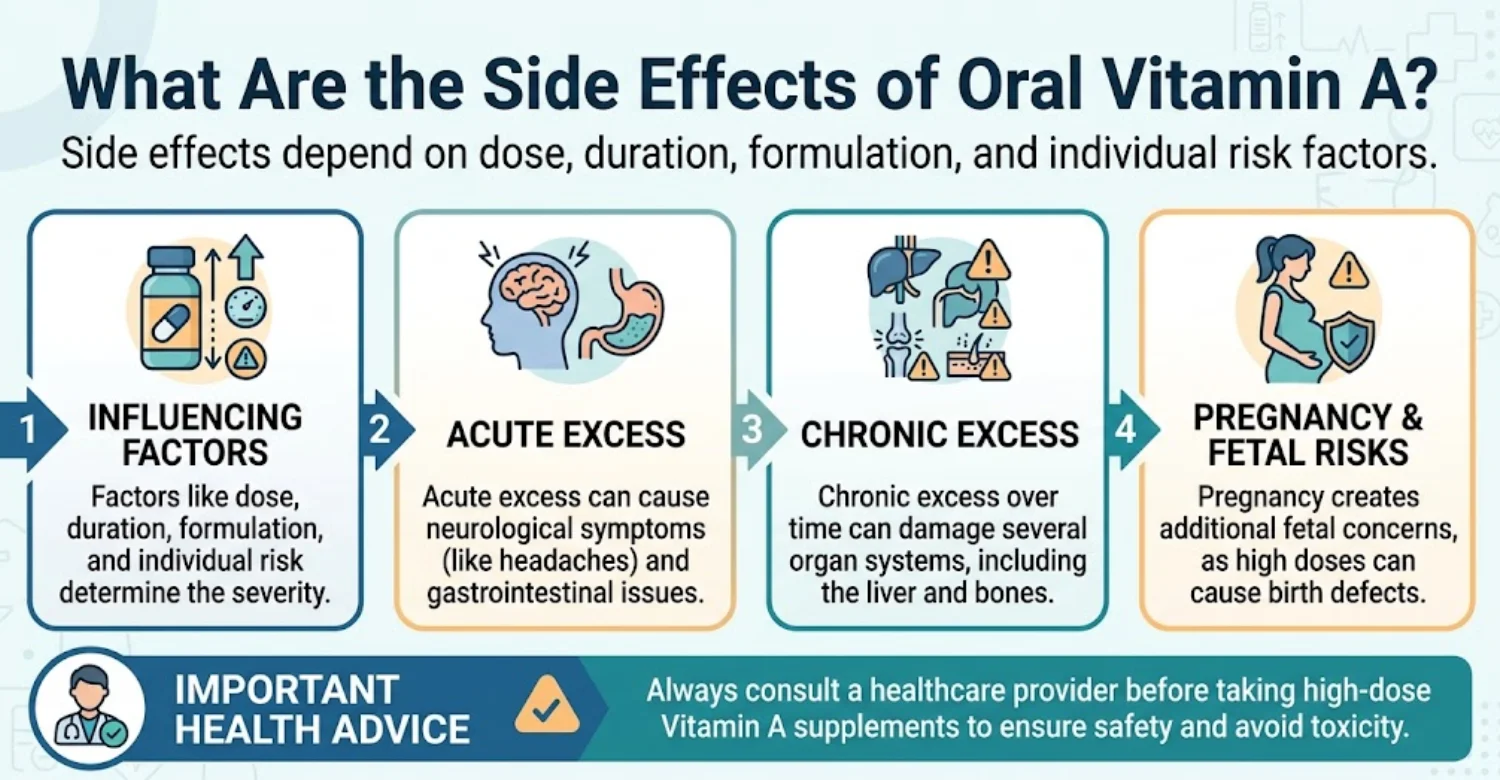
What Are the Common Side Effects of Excess Vitamin A?
Excess intake can cause headache, nausea, dizziness, and blurred vision. Other effects can include muscle aches and impaired coordination. These symptoms can appear with excessive doses. Persistent symptoms require medical review.
What Can Happen With Long-Term High-Dose Vitamin A?
Chronic excess may affect the liver and bones. Headaches, hair loss, and musculoskeletal symptoms can occur. Long-term toxicity can become serious without timely recognition. High-dose use should therefore have a specific medical rationale.
What Are the Side Effects of Oral Retinoid Drugs?
Oral retinoids can cause dry skin, brittle nails, and mucosal dryness. Cholesterol levels can also become abnormal. Joint and muscle pain may occur. Acitretin can also affect vision and bone health. Monitoring helps reduce avoidable risks.
Can Excess Vitamin A Affect the Liver, Bones, or Nervous System?
Yes. Excessive exposure can affect multiple systems. Liver abnormalities and bone pain are recognized concerns. Neurological symptoms can also occur. MedlinePlus lists headache, coordination problems, and increased intracranial pressure among possible toxic effects.
Can High-Dose Vitamin A Cause Birth Defects?
Yes. Excess of vitamin A during pregnancy can cause serious fetal abnormalities. The concern is mainly with preformed vitamin A rather than provitamin A carotenoids. Pregnant patients should avoid inappropriate high-dose supplementation.
Why pregnancy requires special caution with preformed vitamin A
Pregnancy involves rapid fetal growth and organ development. Excess preformed vitamin A can interfere with normal development. The adult upper limit is lower during pregnancy than many therapeutic regimens. Women should discuss supplements with their healthcare professional before use.
What Are the Warning Signs of Vitamin A Toxicity?
Warning symptoms include severe headache, blurred vision, nausea, dizziness, and coordination problems. Liver symptoms and persistent musculoskeletal pain also warrant attention. Pregnancy changes the urgency because fetal harm is possible. Suspected toxicity should be medically assessed promptly.
How Much Oral Vitamin A Is Safe?
Safety depends on age, sex, pregnancy status, and chemical form. The NIH distinguishes recommended intake from the tolerable upper intake level. The upper limit mainly applies to preformed vitamin A. It does not mean that reaching the limit is desirable.
How Much Vitamin A Do Adults Need?
The adult recommended intake is 900 mcg RAE for men. It is 700 mcg RAE for women. Pregnancy raises the recommended intake to 770 mcg RAE. Breastfeeding adults generally require 1,300 mcg RAE.
What Is the Tolerable Upper Intake Level for Preformed Vitamin A?
For adults, the upper limit is 3,000 mcg daily. This limit applies to preformed vitamin A rather than total dietary carotenoids. Exceeding the limit does not automatically cause toxicity. However, it increases concern and should have a clear rationale.
Is Beta-Carotene Safer Than Preformed Vitamin A?
Beta-carotene does not have the same established upper limit. High dietary intake is generally well tolerated. However, high-dose supplements have specific concerns for smokers and former smokers. Safety therefore depends on source and dose.
Should You Take Vitamin A Every Day?
Not everyone needs a supplement every day. Many people obtain adequate amounts through food. Daily supplementation may be appropriate when medically indicated. Unnecessary high-dose use should be avoided. Dietary assessment can help determine whether a supplement is needed.
Who Should Ask a Doctor Before Taking Vitamin A Supplements?
People with pregnancy concerns, liver disease, malabsorption, or prescription retinoid use should seek advice. People taking interacting medicines should also review the product. Children need age-specific guidance. Anyone considering a high-dose product should obtain professional advice.
Pregnancy or plans for pregnancy
Pregnancy requires particular caution with preformed vitamin A. High doses can cause birth defects. The NIH recommends keeping preformed intake below the pregnancy upper limit. Acitretin has even stricter reproductive restrictions.
Liver disease or other relevant medical conditions
The liver stores and metabolizes vitamin A. Liver disease can therefore alter handling and increase concern. Patients should disclose liver conditions before supplementation.
People taking prescription retinoids or interacting medicines
Acitretin and bexarotene are important examples. Orlistat can also reduce vitamin A absorption. Medication review helps avoid unintended interactions.
Evidence base: NIH Office of Dietary Supplements intake and safety guidance
NIH provides age-specific recommended intakes and upper limits. Its guidance separates preformed vitamin A from provitamin A carotenoids. It also highlights medication interactions and toxicity risks.
Note : All images used are for editorial and illustrative purposes only and may not originate from the original news provider or associated company.
What Does the Evidence Tell Us?
Understanding the numbers helps separate established facts from emerging associations. Statistics should be interpreted within their study design and population. They should not be converted into personal medical predictions.
What Does NIH Say About Recommended Intake?
NIH recommends 900 mcg RAE daily for adult men. It recommends 700 mcg RAE for adult women. Pregnancy increases the recommendation to 770 mcg RAE. Breastfeeding increases it further to 1,300 mcg RAE.
How Common Is Vitamin A Deficiency Globally?
WHO identifies deficiency as a public-health problem in more than half of countries. The greatest burdens occur particularly in Africa and South-East Asia. Young children and pregnant women face important risks.
What Did the 2024 Periodontal Meta-Analysis Find?
The review included six studies involving 50,722 participants. The pooled odds ratio was 0.97. Heterogeneity was high at 86.93 percent. The authors concluded that evidence remained inconclusive.
What Do Oral Health Reviews Say About Vitamin Associations?
A 2020 systematic review identified 58 included papers. It concluded that evidence linking vitamins with oral disease was generally weak. This supports balanced interpretation rather than nutrient-based self-diagnosis.
What Is the Most Important Clinical Insight?
Adequate nutrition matters, but isolated supplements rarely solve complex dental problems. Dental diseases often involve local biological and behavioral factors. Persistent findings deserve direct professional assessment.
What We Notice Clinically
Oral symptoms can have nutritional, dental, medication-related, or systemic contributors. The same visible finding may have several possible causes. Therefore, clinical assessment should identify the most likely cause before treatment.
Why Patients Often Confuse Vitamin A Supplements With Retinoid Medicines
Both products are associated with the vitamin A family. However, their purposes and pharmacology differ significantly. A supplement supports nutrition. A retinoid medicine treats a specific disease. Confusing the two can lead to incorrect dosing or interactions.
Why Oral Symptoms Should Not Automatically Be Attributed to Vitamin A Deficiency
Dry mouth, oral sores, gum inflammation, and enamel changes have broad differential diagnoses. Medication effects are common contributors to dry mouth. Dental plaque causes gingival inflammation and periodontal disease. Enamel defects can arise during tooth development from many factors. Therefore, nutritional deficiency should be investigated only when the clinical picture supports it.
Common Patient Patterns: Diet, Supplements, Medications, and Existing Oral Disease
Patients may use multiple supplements without realizing overlapping ingredients. Multivitamins can contain preformed vitamin A. Skin medicines may also involve retinoid pathways. Existing oral disease can produce symptoms unrelated to nutrition. Reviewing food intake, supplements, and medicines can clarify these relationships.
What Oral Findings May Need a Broader Clinical Assessment?
Persistent or unexplained findings deserve broader evaluation. This includes ongoing mucosal changes, unexplained dryness, and recurrent oral problems. Developmental enamel defects may also need historical assessment. The dentist may recommend medical evaluation when findings suggest a broader concern.
Persistent dry mouth, mucosal changes, or recurrent oral problems
Persistent dryness can increase tooth decay and oral infection risk. NIDCR recommends finding the cause rather than ignoring the symptom. Medication review is often important.
Enamel or tooth-development findings that may have multiple causes
Enamel hypoplasia can result from inherited or acquired factors. Developmental disruption may occur during sensitive stages of tooth formation. Nutritional status is one possible contributor, but not the only one.
Gum inflammation or periodontal findings requiring dental evaluation
Periodontal disease requires assessment of plaque, inflammation, periodontal pockets, and supporting tissues. Nutritional status can be considered as part of broader history. It should not replace periodontal treatment.
Clinical Note
A dental symptom should first be characterized accurately. Then possible causes can be assessed according to history and examination. Nutrition may be relevant, but assumptions should be avoided.
Dr. Rifat Alsaman : why identifying the cause of an oral symptom should come before choosing a dental treatment
Clinical perspective: An oral finding deserves an individualized assessment before treatment is selected. Dental symptoms can have several overlapping causes. A careful examination helps separate nutritional concerns from local dental disease. This approach supports more targeted care and avoids unnecessary procedures. At Vitrin Clinic, treatment planning is based on confirmed dental findings and patient-specific needs.
.webp)
.webp)
.jpg)
.jpg)
.jpg)
.jpg)
What Medical Tips Should You Follow When Taking Oral Vitamin A?
Safe supplementation starts with understanding the exact product. Patients should review the ingredient form and total dose. They should also consider all other supplements and medications.
Check the Label for the Form and Amount of Vitamin A
Look for retinol, retinyl palmitate, retinyl acetate, or beta-carotene. The amount may be listed using mcg RAE or international units. Different forms cannot always be compared directly without conversion. Ask a pharmacist when the label is unclear.
Avoid Combining Multiple Vitamin A-Containing Supplements Without Checking Total Intake
Several products may contain the same nutrient. A multivitamin may overlap with a dedicated supplement. Cod liver oil can also contain vitamin A. Adding products can unintentionally increase preformed vitamin A exposure.
Tell Your Dentist and Doctor About All Supplements and Medicines
Healthcare professionals need the complete medication and supplement list. This information can identify interactions and relevant safety concerns. It can also help explain dry mouth or other oral symptoms. NIDCR recommends reviewing medications when evaluating persistent dry mouth.
Do Not Use High-Dose Vitamin A for Skin or Psoriasis Without Appropriate Medical Guidance
High-dose nutritional products are not substitutes for dermatology treatment. Prescription retinoids require medical supervision. Pregnancy restrictions can also be significant. A dermatologist can determine whether a medication or nutritional intervention is appropriate.
Ask About Vitamin A Intake Before Dental Treatment When Relevant to Your Medical History
Most routine dental care does not require special vitamin A management. However, relevant medical conditions should still be disclosed. This includes retinoid therapy, liver disease, pregnancy, and significant nutritional concerns. A complete medical history supports safer treatment planning.
What Can You Do to Support Oral Health While Addressing Vitamin A Intake?
Nutritional care and dental care should work together. Adequate nutrient intake supports general health. It does not replace brushing, professional dental care, or direct treatment.
Maintain Regular Brushing and Interdental Cleaning
Daily plaque removal remains fundamental for oral health. Fluoride toothpaste supports enamel protection against decay. Interdental cleaning helps remove plaque between teeth. Nutrition should complement these established preventive practices.
Stay Hydrated When Dry Mouth Is Present
Regular water intake can improve comfort when dryness occurs. Sugar-free gum may stimulate saliva in suitable patients. NIDCR recommends hydration and sugar-free gum as supportive measures. Persistent dryness still requires professional evaluation.
Maintain a Balanced Diet Rather Than Relying on High-Dose Supplements
A varied diet provides vitamin A alongside other nutrients. Leafy greens, orange vegetables, dairy, eggs, and selected fish contribute to intake. WHO recommends diverse nutrient-dense foods.
Treat Dental Disease Directly When a Separate Dental Cause Is Identified
A vitamin supplement cannot repair a dental abscess. It cannot remove calculus or restore a fractured tooth. Dental disease should receive the treatment appropriate to its diagnosis. Nutritional support can remain part of broader health care when relevant.
When Should Persistent Oral Symptoms Be Evaluated?
Persistent symptoms should not be managed indefinitely with supplements. Recurrent sores, ongoing dryness, bleeding gums, or enamel concerns deserve examination. Early evaluation can identify treatable dental causes.
When Should You See a Doctor or Dentist?
Professional evaluation depends on the symptom and potential severity. Nutritional concerns may require medical assessment. Dental symptoms may require examination by a dentist. Urgent symptoms require prompt attention.
When Should Suspected Vitamin A Deficiency Be Medically Evaluated?
Evaluation is appropriate with night blindness, malabsorption risk, severe dietary restriction, or other consistent findings. Blood testing may help assess status. Clinical context remains important because serum retinol has limitations.
When Should Persistent Dry Mouth, Oral Sores, or Gum Problems Be Checked?
Persistent symptoms warrant dental or medical assessment. Dry mouth can increase the risks of decay and oral infections. NIDCR recommends finding the underlying cause.
When Should High-Dose Supplement Use Be Reviewed?
Review is appropriate when daily intake approaches or exceeds the upper limit. It is also important when several products overlap. Pregnancy or prescription retinoid use increases the need for professional review.
When Do Possible Vitamin A Toxicity Symptoms Require Prompt Medical Attention?
Severe headache, blurred vision, vomiting, confusion, or coordination problems should receive prompt evaluation. Liver symptoms or severe bone pain also warrant attention. Suspected overdose should not be managed by taking more supplements.
When Is Urgent Dental Care Needed for Severe Pain, Swelling, or Difficulty Swallowing?
Severe swelling, spreading infection, uncontrolled bleeding, or difficulty swallowing can indicate urgent dental disease. Breathing difficulty is an emergency. These symptoms should not be attributed to nutritional deficiency without examination.
How Much Does Oral Vitamin A Cost in ?
US
UK
Turkey
Prices for oral vitamin A vary widely by country, formulation, dose, brand, pack size, pharmacy, retailer, and insurance coverage. Nutritional supplements and prescription medicines should not be treated as equivalent products. The figures below are planning references rather than fixed clinical costs because retail prices and availability can change.
Average US Cost of Oral Vitamin A Supplements: About $11 Per Pack
A basic retail vitamin A supplement may cost around this level depending on its strength, formulation, and pack size. There is no reliable universal national average for all oral vitamin A products. Prescription vitamin A medicines can cost considerably more, while insurance and pharmacy pricing may change the patient's final expense.
US Product Category | Approximate Cost | Pricing Context |
Retail oral vitamin A supplements | ~8–16 per pack | Varies by brand, strength, and pack size |
Approximate planning figure | ~$11 per pack | Broad retail reference, not a national average |
Prescription vitamin A products | Varies considerably | May be higher and affected by insurance |
Average UK Cost of Oral Vitamin A Supplements: About $12 Per Pack
UK prices differ according to brand, dose, pack size, retailer, and product availability. Some basic products may cost only a few pounds, while imported or specialty formulations may be more expensive. Approximately $12 can therefore be used as a broad planning reference rather than a fixed national average.
UK Product Category | Approximate Cost | Pricing Context |
Retail oral vitamin A supplements | ~6–20 per pack | Varies by product and retailer |
Approximate planning figure | ~$12 per pack | Broad planning reference |
Imported or specialty products | Can exceed this range | Depends on availability and supplier |
Average Turkey Cost of Oral Vitamin A Supplements: About $300 Per Pack
A $300 figure should not be presented as a typical Turkish supplement price. Current examples can vary substantially between products and formulations. One listed 60-capsule supplement was approximately $248.96, while a prescription retinol product was listed at approximately $106.62. These examples illustrate variation rather than a reliable national average.
Turkey Product Category | Example Price | Pricing Context |
Vitamin A supplement, 60 capsules | ~$248.96 | Example retail listing |
Prescription retinol product | ~$106.62 | Example medicine listing |
Broader retail examples | ~209–532 | Planning range; varies by product |
Approximate headline figure | ~$300 per pack | Broad planning reference, not a national average |
Prices in Turkey can be particularly sensitive to exchange-rate movements, imported-product availability, brand, and pharmacy pricing.
Average Oral Vitamin A Cost Comparison
Country | Approximate Planning Cost | Broad Example Range | Important Note |
United States | ~$11 per pack | ~8–16 | Retail supplement reference |
United Kingdom | ~$12 per pack | ~6–20 | Broad retail planning range |
Turkey | ~$300 per pack | ~209–532 | Highly product- and availability-dependent |
What Factors Change the Price of Oral Vitamin A?
Price depends primarily on formulation and purchasing channel. Prescription medicines may have substantially different pricing from nutritional supplements. Imported products may also carry additional costs because of supply, distribution, and availability.
Vitamin A Form, Dosage, and Strength
Higher-dose products may cost more than standard supplements. Prescription-strength preparations should not be compared directly with basic nutritional products. The specific chemical form of vitamin A can also affect formulation and pricing.
Number of Capsules or Servings Per Pack
Pack size can substantially affect the unit cost. A larger package may have a lower or higher cost per serving depending on the product. Comparing the price per capsule or serving can provide a more useful basis for evaluating different products.
Brand, Pharmacy, Retailer, and Prescription Status
Retail and prescription products follow different pricing structures. Insurance may reduce patient costs for eligible medicines, while discounts and promotions can change retail prices. Prices can also differ between pharmacies selling the same product.
The Difference Between Nutritional Supplements and Prescription Oral Retinoids
Prescription oral retinoids are medicines rather than ordinary nutritional supplements. Their prices may reflect prescription, pharmacy, insurance, and clinical monitoring systems. They may also involve additional healthcare costs related to medical supervision and laboratory monitoring.
Are These Prices Fixed Medical Treatment Costs?
No. Oral vitamin A prices can change frequently and differ significantly by product, strength, brand, pharmacy, and purchasing channel. Prescription medicines may also have different costs depending on insurance coverage and eligibility.
Use Country Prices as Planning References, Not Personalized Treatment Quotes
Published prices should not be interpreted as guaranteed patient costs. Product strength, formulation, brand, insurance, taxes, exchange rates, and pharmacy availability can all change the final amount. Patients should verify current local pricing before purchasing.
Current Retail Examples Show Substantial Variation by Product and Pack Size
Market | Broad Planning Example |
US | ~8–16 |
UK | ~6–20 |
Turkey | ~209–532 |
These ranges represent broad planning examples rather than verified national averages. Turkish examples may be particularly sensitive to currency fluctuations and product availability. Current local pharmacy or retailer information should be checked before publication or purchase.
At Vitrin Clinic: Oral Health Assessment for Vitamin A-Related Concerns
Dental findings require dental assessment even when nutrition is suspected. The purpose is to identify the actual oral problem and its likely cause. A medical referral may be appropriate when findings suggest broader nutritional concerns. Vitrin Clinic focuses on individualized dental evaluation before treatment selection.
How Can a Dental Assessment Help When Oral Symptoms Are Present?
A dental examination can identify caries, gum disease, mucosal abnormalities, tooth wear, fractures, and other conditions. It can also distinguish local dental causes from broader concerns. When necessary, the dental team can recommend medical evaluation.
What Does a Topic-Specific Oral Health Assessment Look For?
Assessment can include teeth, gums, oral tissues, chewing muscles, and jaw joints. The specific focus depends on symptoms and clinical history. Digital X-rays, CBCT, or 3D scanning may be used when clinically appropriate. The aim is to identify likely causes before treatment.
When Might Gum Assessment Be Relevant?
Gum assessment becomes important when bleeding, swelling, recession, or persistent inflammation is present. Periodontal measurements can help determine disease severity. Nutrition may be reviewed when medical history suggests a relevant concern. Direct periodontal treatment remains necessary when disease is confirmed.
When Might Endodontic or Restorative Evaluation Be Relevant?
Pain, sensitivity, fractures, or deep decay may require restorative or endodontic assessment. These problems usually have direct dental causes. Nutritional supplementation should not delay treatment of infection or structural damage.
How Vitrin Clinic Supports Your Treatment Journey
Vitrin Clinic combines clinical assessment with digital planning and international patient coordination. The process is designed around the confirmed dental need. Medical information can be considered when it affects treatment planning.
Initial Consultation and Review of Your Dental Concerns
The process begins with reviewing the patient’s main concern and relevant dental history. Previous treatment and current medications may also be discussed. This helps identify what requires examination.
Personalized Clinical Assessment Before Treatment
The dental team evaluates the mouth according to individual findings. The assessment can include teeth, gums, oral tissues, and supporting structures. Treatment recommendations are based on clinical needs rather than assumptions.
Digital X-Rays and 3D Imaging When Clinically Appropriate
Digital imaging can provide additional information about teeth and surrounding structures. CBCT may help evaluate complex anatomy when clinically justified. Three-dimensional scanning can support digital planning where indicated.
Treatment Planning Based on the Confirmed Dental Finding
Treatment begins with identifying the actual dental problem. The plan may involve restorative, periodontal, endodontic, implant, or cosmetic care. The approach depends on diagnosis and patient-specific requirements.
Coordination Between Dental Care and Relevant Medical Information
Patients should disclose relevant medications and medical conditions. This information can help identify potential treatment considerations. When appropriate, dental care can be coordinated with medical professionals.
Follow-Up and Post-Treatment Support
Follow-up helps monitor healing and treatment outcomes. International patients can also receive coordination support throughout the journey. Aftercare remains an important part of long-term dental care.
Ready to transform your smile?
Talk to our team and get a personal FREE treatment plan.
Key Takeaways
The most important principles involve understanding the difference between nutrition and pharmacological treatment. Safety should remain central when supplements are used.
Oral Vitamin A Is a Nutrient, While Oral Retinoids Are Medicines
These terms should never be treated as interchangeable. Nutritional products support physiological requirements. Retinoid medicines treat selected diseases at therapeutic doses.
Vitamin A Supports Normal Vision, Immunity, and Epithelial Tissues, but More Is Not Always Better
Adequate intake is essential. Excessive preformed intake can become toxic. The goal is appropriate intake rather than maximum intake.
Vitamin A Deficiency Can Have Oral Manifestations, but Oral Findings Usually Have Multiple Possible Causes
Some studies report relationships with oral epithelial health, enamel development, and periodontal disease. However, the evidence does not support diagnosing deficiency from oral findings alone.
High-Dose Vitamin A Can Cause Side Effects and Toxicity
Excess can affect the nervous system, liver, bones, and other tissues. Pregnancy requires particular caution with preformed vitamin A.
Psoriasis Treatment With Oral Retinoids Requires Medical Supervision
Acitretin can treat several severe psoriasis patterns. It requires careful patient selection and has major pregnancy restrictions.
Persistent Oral Symptoms or Possible Deficiency Should Be Evaluated by the Appropriate Healthcare Professional
Dental findings deserve dental evaluation. Suspected nutritional deficiency may require medical assessment. Treatment should address the confirmed cause.
Reference
FAQs
Dr. Rifat Alsaman has more than 5 years of clinical experience in dentistry and currently serves as the Head of the Medical Team at Vitrin Clinic. He is dedicated to providing exceptional patient care, overseeing treatment planning, and ensuring the highest clinical standards across the team. His expertise, attention to detail, and commitment to continuous professional development have helped countless patients achieve healthier, more confident smiles.


.webp&w=3840&q=75)

