General Dentistry
October 7, 2026
Oral Health Appetite Loss: Why Dental Problems Can Change How You Eat?
 Dr. Rifat Alsaman
Oral health appetite loss can start quietly. You may notice that food no longer feels enjoyable. You might avoid certain textures, or eat smaller meals because chewing hurts. Appetite changes have many causes, so a dental problem should never be assumed to be the only explanation. Still, oral comfort, chewing, nutrition, and food choices are closely connected. This article explains possible dental contributors, what you can do at home, when professional assessment is needed, and how treatment may help.
How Oral Health Appetite Loss Can Affect the Way You Eat
Oral health appetite loss does not always mean your hunger has disappeared. Often, the mouth simply makes eating harder. Pain may make you hesitate before a meal. Difficulty chewing may push you toward softer foods. Missing teeth can make some foods hard to manage. Dry mouth may make chewing and swallowing less comfortable. Inflamed gums can make biting painful. Even dental anxiety or fear of pain may slowly change your habits. Each of these affects eating in a different way.
“I’m Hungry, But I Don’t Feel Like Eating”
Physical hunger and the wish to eat comfortably are not the same thing. You may feel hungry, yet avoid food because chewing feels unpleasant. Pain, sensitivity, or difficulty biting can make a meal feel like work. So you eat less, even though your body wants food. This distinction matters. When you discuss dental problems and appetite with a dentist or doctor, explain which one you feel. It helps them judge whether the cause is likely oral or something broader.
“I Keep Choosing Soft Foods”
You may not notice this change at first. Gradually, you stop buying raw vegetables, nuts and seeds, tough meats, crisp fruits, and hard or crunchy foods. Softer options feel safer, so they take over your plate. For a few days, that is a sensible adjustment. If it continues for months, your dietary variety can narrow. Many of the foods people avoid are rich in fiber, protein, and vitamins. That is why long-term soft diets deserve attention in oral health nutrition.
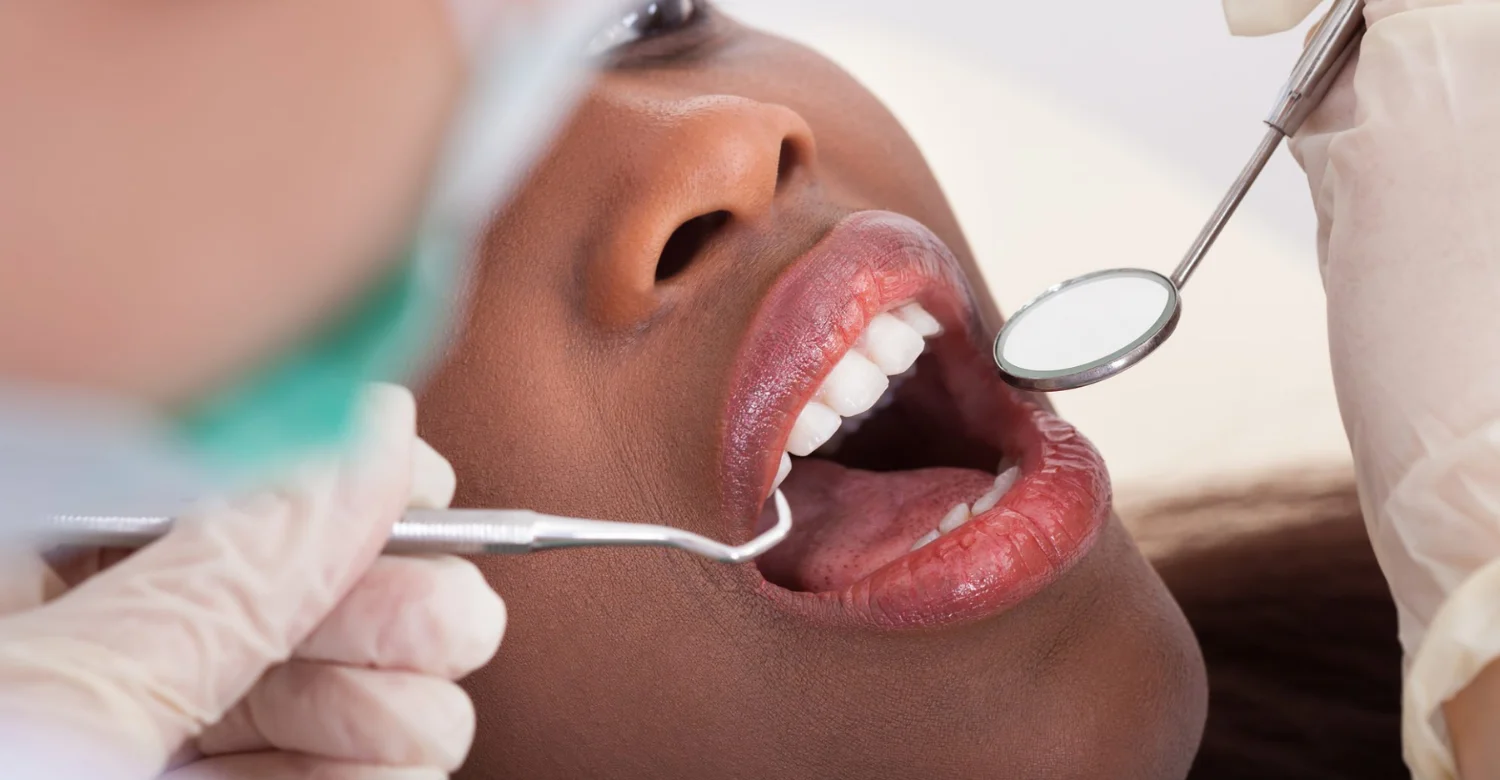
Note: All images used are for editorial and illustrative purposes only and may not originate from the original news provider or associated company.
What Dental Problems Can Affect Appetite?
Several conditions in the mouth can interfere with eating. Some are very common and easy to treat early. Others are more concerning and need prompt care. The main ones are tooth decay, gum disease, tooth sensitivity, missing teeth, and dry mouth. They often overlap, and one can worsen another. None of them automatically causes oral health appetite loss. However, each can make biting, chewing, or swallowing uncomfortable enough to change your eating. The sections below explain how each one works.
Tooth Decay and Oral Pain
Tooth decay is damage caused by acids that mouth bacteria produce from sugars. It dissolves enamel first, then reaches the softer dentin beneath. Deep decay can eventually reach the pulp, where the nerve sits. Early decay may cause little or no discomfort. Deeper decay can cause sharp or lingering pain and may need prompt treatment. You might chew on one side or drop foods that trigger pain. This is a common route between oral pain and appetite changes.
Gum Disease and Tender Gums
Gingivitis is inflammation of the gums, usually caused by plaque along the gumline. Gums may look red, feel tender, and bleed when you brush. It is usually reversible with good cleaning. Periodontitis is the more advanced stage. It damages the bone and tissues that hold teeth in place, so teeth may loosen. Biting and chewing can then feel uncomfortable. Gum disease does not automatically reduce appetite. Still, poor oral health appetite changes can follow when eating becomes sore.
Tooth Sensitivity
Sensitivity usually happens when dentin becomes exposed. This can follow gum recession, enamel wear, or erosion. Decay, cracks, and worn fillings can cause similar symptoms. The result is a short, sharp discomfort with cold foods, hot drinks, sweet foods, or acidic foods. The pain usually fades quickly once the trigger is gone. Even so, repeated jolts teach you to avoid certain items. You may skip ice cream, fruit, or hot soup. Over time, these small choices can narrow your diet.
Missing Teeth and Tooth Loss
Missing teeth reduce chewing efficiency, especially when back teeth are lost. Food is harder to break down, so meals take longer. You may avoid items that need strong or prolonged chewing. Softer, processed, or easier foods can then replace them. A single gap often has a small effect. Several missing teeth usually have a greater functional impact. This is how tooth loss appetite changes tend to develop. It is less about hunger and more about what your teeth can manage.
Dry Mouth and Difficulty Eating
Xerostomia is the medical term for the feeling of a dry mouth. It often occurs when saliva flow is reduced. Saliva moistens food and helps you form it into a soft ball for swallowing. Without enough, food feels hard to move around the mouth. Dry foods like bread or crackers become difficult to chew and swallow. Saliva also protects teeth, so dryness raises the risk of decay and soreness. Oral health appetite loss linked to dryness is often overlooked.
Tips for Patients
These steps help you prepare for an appointment.
Notice patterns: Write down which foods cause pain or chewing difficulty.
Do not ignore persistent pain: Temporary relief does not mean the problem has resolved.
Make meals easier: Choose softer, nutrient-rich foods meanwhile.
Protect your chewing side: Avoid forcing food onto a painful area.
Mention appetite changes: Tell your dentist if you are eating less, losing weight, or avoiding foods.
How Chewing Problems Can Change Appetite and Food Choices
Chewing is the first step of digestion, and it takes real effort. When it becomes difficult, your daily eating behavior often shifts. Meals get slower, portions shrink, and menus become repetitive. People sometimes describe this as a chewing problems appetite decline. In truth, hunger may be normal while eating is simply tiring. Recognizing the pattern early is useful. It points toward a mechanical cause that a dentist can examine. It also helps separate oral health appetite loss from other reasons for eating less.
When Chewing Becomes Tiring or Uncomfortable
You may start taking longer to finish meals. You might chew mostly on one side. Eventually, you may simply stop choosing foods that take too much effort. This rarely happens overnight. Chewing difficulty can result from tooth loss, painful teeth, or gum problems. Dentures that do not fit properly are another frequent cause. Jaw joint or muscle problems and other oral conditions can contribute too. Because the causes differ, the solutions differ. With oral health appetite loss, an examination identifies which one applies.
When Oral Pain Makes You Avoid Meals
Pain changes behavior quickly. If you expect pain before eating, you hesitate. If pain appears during chewing, you stop sooner and eat less. If it keeps returning, you start avoiding specific foods altogether. Some people skip meals to avoid the discomfort. This pattern is typical of oral health appetite loss with a painful cause. However, do not assume the mouth explains everything. Persistent appetite changes still warrant assessment for non-dental causes, especially if eating stays low after the pain settles.
Other Symptoms You Might Notice Alongside Appetite Changes
Appetite change alone tells you little. Other signs may point toward an oral problem. Look for toothache or sensitivity, bleeding or swollen gums, and loose or missing teeth. Difficulty chewing, bad breath, dry mouth, and mouth sores also matter. So do jaw discomfort, changes in taste, and difficulty wearing dentures. Unintentional weight loss is especially important to report. The combination and duration of symptoms matter more than appetite change alone. Several signs together make oral health appetite loss more likely.
Common Causes of Appetite Loss That May Not Be Dental
Dental problems do not explain every case of reduced appetite. Many medicines list appetite change, nausea, or taste disturbance as side effects. Gastrointestinal problems can make eating unappealing. Stress, low mood, and anxiety often reduce interest in food. Infections commonly suppress appetite for a short time. Chronic medical conditions can do so for longer. Changes in smell or taste and age-related changes also play a role. If your mouth feels fine, look beyond the teeth. A doctor is the right starting point.
Appetite Loss in Older Adults
Appetite loss elderly relatives experience is often noticed first by caregivers. Usually, several factors overlap. Tooth loss and denture problems can make chewing hard. Dry mouth is common, partly because many older adults take several medicines. Taste and smell may decline. Preparing or eating meals can become physically difficult. Medical conditions add further strain. Because causes overlap, a single explanation is rarely enough. Persistent appetite loss or unexplained weight loss should always be discussed with a healthcare professional.
What We Notice Clinically
Dr. Rifat Alsaman, Head of the Medical Team and cosmetic dentist at Vitrin Clinic, emphasizes looking beyond the symptom itself. The assessment considers whether pain, tooth loss, gum inflammation, sensitivity, chewing difficulty, or dry mouth is making eating uncomfortable. Dr. Rifat Alsaman, Head of the Medical Team and cosmetic dentist at Vitrin Clinic, would also consider whether the change appears primarily oral. If not, broader medical assessment may be appropriate. Oral health appetite loss is therefore treated as a clue, not a conclusion.
Why the Reason Behind the Appetite Change Matters
Treatment should target the underlying problem, not simply encourage you to eat more. A painful tooth needs different care from a loose denture. Dry mouth needs a different approach again. If the cause is missed, eating may stay difficult despite your best efforts. If the cause is not dental, dental treatment will not solve it. That is why diagnosis comes first. With oral health appetite loss, the useful question is not how to eat more. It is what makes eating hard.
.jpg)
What You Can Try at Home First
A few low-risk measures may improve eating comfort while you wait for an assessment. They will not cure decay, gum disease, or a poorly fitting denture. They can, however, help you keep eating reasonably well in the meantime. The ideas below focus on food texture, pain triggers, gentle cleaning, and simple record keeping. Use them as a bridge, not a replacement for care. If symptoms are severe or worsening, skip home measures and seek professional advice promptly.
Choose Foods That Are Easier to Chew
If chewing is uncomfortable, choose softer foods that are still nutrient-dense. Good examples include eggs, yogurt, soft fish, lentils, beans, and well-cooked vegetables. Oatmeal, soups, and smoothies can also help. Ripe bananas and stewed fruit are gentler than crisp apples. Try to include protein at each meal. Cut food into small pieces and chew slowly. This approach supports your nutrition for a short period. It should be temporary, because the goal is to return to a varied diet.
Reduce Foods That Trigger Pain
Notice which foods or temperatures set off your pain. Very cold, very hot, sweet, or acidic items are common triggers. Hard foods can hurt a cracked or decayed tooth. Avoiding a specific trigger for a short time is reasonable. It can make meals calmer while you arrange an appointment. However, avoidance only hides the signal. The cause remains and may progress. With oral health appetite loss, trigger avoidance should never replace diagnosis and treatment. Treat it as a short-term comfort measure.
Maintain Gentle Oral Hygiene
It is tempting to stop brushing when your mouth feels sore. Unfortunately, plaque then builds up, and gum inflammation and decay can worsen. Keep brushing twice daily with a soft toothbrush and fluoride toothpaste. Use gentle pressure and small movements. Continue cleaning between your teeth with floss or interdental brushes. If one area is very painful, clean around it as carefully as you can. Then tell your dentist. Bleeding gums usually need better cleaning, not less.
Keep Track of Your Eating Changes
A simple record makes your appointment more useful. Note when your appetite changed and which foods became difficult. Write down where pain occurs and what triggers it. Record whether chewing or swallowing is affected. Check your weight every week or two and note any change. Bring a list of your medicines as well. These details help a dentist or doctor see patterns. They also help distinguish oral health appetite loss from a broader medical issue that needs different care.
Assistive Options That May Make Eating Easier
Some options sit between home care and definitive treatment. They do not fix the underlying cause, but they can make eating more manageable. Examples include adjusting a denture, modifying food texture, and using products that relieve dryness. A dentist can advise which ones suit your situation. These measures are especially helpful when treatment takes time. Healing after an extraction, for instance, does not happen overnight. During that period, supportive steps help you maintain comfort and reasonable nutrition.
Denture Adjustments
Dentures that fit poorly can rub, move, or press unevenly on the gums. Sore spots then make chewing uncomfortable. The jawbone and gums also change shape over time, so a denture that once fitted may loosen. A dentist can ease pressure points and check the bite. Do not try to file or bend a denture yourself, because this can damage it. Professional adjustment may improve comfort and function. Poor denture fit is a frequent, fixable contributor to oral health appetite loss.
Temporary Dietary Modifications
Texture and portion changes can reduce strain on a sore mouth. Softer textures need less chewing force. Smaller portions, eaten more often, may feel less tiring than three large meals. Moist foods, sauces, and gravies make swallowing easier. Chopping, mashing, or slow cooking can soften foods you already enjoy. Keep the diet as varied as possible. If you are losing weight or struggling to eat enough, ask a doctor or dietitian for guidance. These modifications are a temporary support.
Oral Moisturizing Measures for Dry Mouth
Sipping water regularly, especially with meals, is a simple first step. Sugar-free chewing gum or lozenges can stimulate saliva if your glands still work. Saliva substitutes, available as sprays or gels, may give temporary relief. Limiting caffeine, alcohol, and tobacco may also help. Results depend on the cause of the dryness. If a medicine is responsible, speak with your doctor. Never stop a prescribed medicine on your own. Easing dryness can reduce oral health appetite loss in some people.
When Should You See a Dentist or Doctor?
Seek prompt professional advice if you notice any of the following:
Persistent or worsening dental pain
Significant difficulty chewing
A loose or newly lost tooth
Persistent mouth swelling
Mouth sores that do not heal within two to three weeks
Difficulty swallowing
Bleeding that does not settle
Unexplained weight loss
Appetite changes that continue without an obvious explanation
Difficulty swallowing, breathing problems, rapidly increasing swelling, or severe systemic symptoms such as high fever require urgent medical attention.
How Dental Problems That Affect Eating Are Treated
There is no single treatment for appetite itself. Care is directed at whatever is making eating difficult. That may be decay, gum disease, missing teeth, a denture problem, or dry mouth. Sometimes more than one issue is present, so treatment is staged. A dentist will examine your mouth, take X-rays if needed, and explain the findings. You then agree on a plan together. Managing oral health appetite loss is therefore cause-specific. The sections below outline the usual approaches.
Treating Tooth Decay
Treatment depends on how deep the decay has gone. Very early decay may be managed with fluoride and preventive care. A cavity usually needs a dental filling. If decay reaches the pulp, root canal treatment may be needed to remove infected tissue and keep the tooth. A badly weakened tooth may also need a crown. Extraction is considered when a tooth cannot be predictably restored. Treating the source of pain often makes chewing more comfortable. Early treatment is usually simpler.
Treating Gum Disease
Care begins with a periodontal assessment, which measures the gums and checks bone support. Professional cleaning removes plaque and hardened tartar. Your dentist or hygienist will also coach you on improved home care. Periodontitis usually needs non-surgical periodontal treatment, which cleans below the gumline. More advanced treatment, including surgery, is used when clinically indicated. Gingivitis can usually be reversed. Periodontitis can be controlled, but lost bone generally does not return on its own. Regular maintenance visits are essential.
Replacing Missing Teeth
Several options can restore chewing function. A dental bridge is fixed to neighboring teeth. Removable dentures replace several or all teeth. Dental implants are placed in the jawbone and support crowns, bridges, or dentures. No option suits everyone. Suitability depends on oral health, bone availability, general health, and individual treatment planning. Each option also needs an adaptation period. Replacing teeth may improve chewing and ease oral health appetite loss, yet outcomes vary between individuals.
Managing Denture-Related Chewing Problems
The first step is an assessment of the denture, the gums, and the bite. Small sore spots may only need an adjustment. A loose denture can sometimes be relined, which reshapes the fitting surface. Worn or damaged dentures may need replacement. If a denture remains unstable, alternative tooth-replacement options can be discussed. These include implant-retained dentures, when appropriate. New dentures take time to get used to. Starting with soft foods and small bites usually helps during that period.
Managing Dry Mouth
Management starts with identifying the cause where possible. Common causes include medicines, some medical conditions, and radiotherapy to the head and neck. Your doctor may review your medicines if they are involved. Supportive measures include frequent sips of water, saliva substitutes, and sugar-free gum. Because dryness increases decay risk, stronger prevention is important. This may include high-fluoride toothpaste, when a dentist recommends it, and more frequent check-ups. Relief can make eating easier and may lessen oral health appetite loss.
What Can You Expect After Treatment?
Expectations should be realistic. Dental treatment aims to remove pain, restore function, and stabilize the mouth. It does not directly treat appetite. Many people find eating easier once the underlying problem is managed. Others need time to adapt, especially after tooth replacement. Some still have a reduced appetite because another factor is involved. Comparing how you ate before and after treatment helps you and your dentist judge progress. It also shows whether oral health appetite loss was the main issue.
Before Treatment
Before treatment, you may find yourself avoiding certain foods. You might chew on one side only. Meals may take longer, and portions may be smaller. You may also feel worried about pain each time you sit down to eat. Some people stop eating with others because they feel self-conscious. These habits can build so slowly that they seem normal. Recognizing them is useful. They give your dentist a clear starting point and a way to measure change later.
After the Underlying Problem Is Addressed
Once pain is controlled and chewing function improves, eating may feel easier. Some people gradually return to foods they had avoided. Others need time to rebuild confidence, especially with new dentures or after implant treatment. Follow your dentist’s advice about when to reintroduce harder foods. No treatment can promise that appetite will return automatically. Appetite has multiple causes. If oral health appetite loss improves only partly, or eating stays low, a medical review is a sensible next step.
Prevention: Protecting Your Oral Health and Nutrition
A healthy mouth may reduce the problems behind oral health appetite loss.
Brush twice daily with fluoride toothpaste.
Clean between your teeth regularly.
Attend dental examinations based on your individual risk.
Address tooth pain instead of waiting for it to worsen.
Replace missing teeth when clinically appropriate.
Keep dentures clean and have them assessed if they become uncomfortable.
Discuss persistent dry mouth with a healthcare professional.
Maintain a varied, nutritious diet whenever eating comfortably allows.
Clinical Note
Dr. Rifat Alsaman, Head of the Medical Team and cosmetic dentist at Vitrin Clinic, notes that appetite changes should be interpreted in context. A dental problem may make eating uncomfortable. However, it does not necessarily explain a persistent loss of appetite. Both possibilities should be considered together. Identifying the underlying cause comes before selecting any treatment. When the cause is oral, dental care is appropriate. When the picture is unclear, a medical opinion is advised alongside dental assessment.
Listen to What Your Mouth Is Telling You
Changes in eating habits may sometimes be connected to pain, tooth loss, gum problems, dry mouth, dentures, or chewing difficulty. These problems are common, and most can be assessed easily. Oral health appetite loss should not be treated as a diagnosis by itself. It is a sign that something needs attention. Identifying the underlying cause is the key step. If eating has become harder, mention it at your next visit. If you are losing weight, do not wait.
Vitrin Clinic: Professional Dental Assessment in Istanbul
Vitrin Clinic offers comprehensive dental and periodontal assessment for people concerned about oral health appetite loss. The team examines teeth, gums, bite, and missing teeth, then prepares an individualized treatment plan. CBCT/3D imaging is used when clinically indicated, and intraoral scanning when appropriate. Restorative, periodontal, implant, and cosmetic care are coordinated when needed. You receive clear education about options and expected outcomes. Consultation with Dr. Rifat Alsaman, Head of the Medical Team and cosmetic dentist at Vitrin Clinic, is available when appropriate.
Ready to transform your smile?
Talk to our team and get a FREE treatment plan.
References:
FAQs
Dr. Rifat Alsaman has more than 5 years of clinical experience in dentistry and currently serves as the Head of the Medical Team at Vitrin Clinic. He is dedicated to providing exceptional patient care, overseeing treatment planning, and ensuring the highest clinical standards across the team. His expertise, attention to detail, and commitment to continuous professional development have helped countless patients achieve healthier, more confident smiles.


.webp&w=3840&q=75)


