General Dentistry
October 7, 2026
Vitamin C for Teeth: Is It Good or Bad for Your Teeth and Gums?
 Dr. Rifat Alsaman
Vitamin C is an essential nutrient with important roles in collagen formation and wound healing. It also supports normal immune function and antioxidant protection. These functions matter because gums contain collagen-rich connective tissues. However, taking more vitamin C does not automatically create stronger teeth. The form of the supplement also matters for enamel safety. Acidic tablets, chewables, and drinks can repeatedly expose teeth to acid. This exposure may increase the risk of dental erosion over time. Adequate nutrition supports oral tissues, but it does not replace dental treatment. Bleeding gums can have several causes besides nutritional deficiency. Tooth pain usually requires identification of its dental source. This guide on Vitamin C for Teeth explains benefits, risks, supplement forms, deficiency signs, and treatment considerations. It also explains when professional assessment becomes important.
What Is Vitamin C and Why Does It Matter for Oral Health?
Vitamin C, also called ascorbic acid, is a water-soluble vitamin. The body uses it for collagen formation, antioxidant activity, immune support, and iron absorption. Collagen is essential for healthy connective tissues throughout the body. Oral tissues therefore depend on adequate vitamin C availability. Adults generally need 75 mg to 90 mg daily, depending on sex. People who smoke need an additional 35 mg daily. Most people can obtain enough vitamin C through fruits and vegetables. Supplements of Vitamin C for teeth can help when dietary intake is inadequate. They are not automatically necessary for people with balanced diets. The adult upper limit is 2,000 mg daily from all sources. Excessive intake can cause gastrointestinal side effects.
What Does Vitamin C Do for Teeth and Gums?
Vitamin C supports tissues surrounding the teeth rather than directly rebuilding mature enamel. Its main oral relevance comes from collagen production and connective tissue maintenance. Healthy collagen contributes to normal gingival structure and wound healing. Severe deficiency can produce swollen, fragile, and bleeding gums. However, most gum bleeding results from local plaque-related inflammation. Vitamin C for teeth should therefore be viewed as nutritional support. It is not a replacement for brushing or professional periodontal treatment. It also does not dissolve calculus or remove established tartar. Teeth themselves contain mineralized tissues with different nutritional requirements. Enamel cannot simply absorb vitamin C and become stronger. A balanced diet supports general oral health, but clinical conditions still need diagnosis.
How Vitamin C Supports Collagen and Oral Tissues
Collagen provides structural support throughout periodontal connective tissues. Vitamin C is required for normal collagen synthesis. Without adequate vitamin C, collagen formation becomes impaired. This can weaken blood vessels and connective tissue integrity. Severe deficiency may therefore produce fragile gums and delayed wound healing. Healing also depends on blood supply, infection control, nutrition, and local tissue conditions. Vitamin C for teeth is only one component of that healing process. People undergoing dental procedures should maintain adequate nutrition whenever possible. Supplementation beyond nutritional adequacy is not automatically beneficial. High doses can create side effects without solving a dental problem. A clinician can help determine whether nutritional support is appropriate.
What Is the Link Between Vitamin C and Gum Health?
Research has associated vitamin C status with periodontal health. Lower dietary intake and lower blood concentrations have been observed in some periodontal populations. However, the association does not prove that deficiency caused the periodontal disease. A 2024 systematic review included 16 studies and 17,853 participants. It reported an association between higher vitamin C intake and periodontal outcomes. Study heterogeneity was very high, reaching an I² value above 95%. That finding limits how confidently the results apply to every patient. Another systematic review found improved gingival bleeding with supplementation in gingivitis. It did not find the same effect for established periodontitis. These findings support adequate Vitamin C for teeth and gums, not megadosing.
Vitamin C Intake, Blood Levels, and Periodontal Health
Vitamin C intake and blood levels can reflect different aspects of nutritional status. A person may consume vitamin C but still have inadequate status. Absorption, dietary patterns, smoking, illness, and overall nutrition can influence levels. Research has found lower vitamin C status in some periodontal disease groups. However, periodontal disease also changes local inflammation and tissue metabolism. Therefore, low vitamin C cannot automatically be labeled the cause. Statistics and insights should be interpreted cautiously because observational studies vary widely. The 2024 meta-analysis included 17,853 participants across 16 studies. Its heterogeneity was extremely high. This means results should guide questions, not replace clinical judgment.
Why Adequate Vitamin C Is Different From Taking High-Dose Supplements
Adequate intake means meeting the body's physiological requirement. High-dose supplementation means consuming amounts far beyond usual dietary needs. These concepts should not be treated as interchangeable. Adults generally require 75 mg to 90 mg daily. Smoking increases recommended intake by another 35 mg. The adult upper limit is 2,000 mg daily from all sources. Larger amounts can cause diarrhea, nausea, and stomach cramps. High doses may also matter in people with certain medical conditions. Taking more Vitamin C for teeth does not mean more enamel protection. A clinician should consider dietary intake, symptoms, medicines, and medical history. Nutritional adequacy remains the primary goal.
Is Vitamin C Good for Teeth and Gums?
Vitamin C is generally beneficial when it helps correct inadequate intake. Its role is especially relevant to collagen, connective tissues, and wound healing. It supports the normal condition of gums and other oral tissues. However, Vitamin C for Teeth should not be described as a direct tooth-strengthening treatment. It cannot remove plaque, eliminate calculus, or repair advanced enamel loss. Acidic formulations can create a separate risk for dental erosion. This means the nutrient and the product form must be considered together. Food sources often provide vitamin C without prolonged acidic contact from supplements. Dental advice should therefore distinguish nutritional benefit from product-related exposure.
Potential Benefits of Vitamin C for Teeth
The strongest benefit for teeth is indirect. Adequate vitamin C supports surrounding periodontal tissues and normal connective tissue function. It also contributes to normal collagen formation during healing. Healthy gums help maintain the tissues that support teeth. However, this does not mean vitamin C directly rebuilds damaged enamel. Early enamel mineral loss depends mainly on saliva, fluoride, and controlling acid exposure. Tooth decay develops through bacterial acids acting on tooth surfaces. Vitamin C does not remove those bacteria or repair established cavities. A balanced diet may still support overall oral health. Supplement choices should consider both nutritional adequacy and enamel exposure.
Potential Benefits of Vitamin C for Gums
Gum tissues depend on collagen and adequate nutritional support. Severe deficiency can produce bleeding and swollen gums. Research also suggests that vitamin C status may influence periodontal outcomes. Some intervention studies found improvements in gingival bleeding. However, effects are not consistent across all periodontal conditions. Established periodontitis involves bacterial biofilm, inflammation, attachment loss, and bone changes. Those problems require periodontal management. Vitamin C may support general nutrition during that process. Vitamin C for teeth and gums should not be presented as a standalone gum treatment. Statistics and insights from systematic reviews support this distinction. Evidence suggests potential benefit, but study quality and outcomes remain variable.
Can Vitamin C Support Healing After Dental Procedures?
Vitamin C supports collagen synthesis and wound healing. These roles make adequate intake relevant during normal tissue recovery. Healing after dental procedures also depends on infection control, blood supply, oral hygiene, and surgical factors. A deficiency may impair the body's normal repair processes. Supplementation may be appropriate when a clinician identifies inadequate intake. However, taking large doses of Vitamin C for teeth does not guarantee faster recovery. Different procedures also have different healing requirements. Extractions, periodontal surgery, implants, and restorative treatment cannot be managed identically. Follow your dentist's postoperative instructions first. Seek medical advice before taking unusually high doses.
What Vitamin C Can and Cannot Do for Oral Health
Vitamin C can support collagen formation and normal connective tissue maintenance. It can help correct deficiency-related oral manifestations. It may also contribute to general nutritional support during healing. However, it cannot replace plaque control or periodontal treatment. It cannot remove hardened calculus from teeth. It cannot reverse deep cavities or treat dental infections. It cannot restore enamel lost through irreversible erosion. It does not bleach teeth like professional whitening agents. Understanding these limits of Vitamin C for Teeth prevents unrealistic expectations. A dental diagnosis should guide treatment whenever symptoms persist.
Can Vitamin C Repair Tooth Enamel?
Vitamin C for Teeth cannot rebuild enamel that has been physically lost. Enamel is a highly mineralized tissue and does not regenerate like soft tissue. Early mineral loss can sometimes be stopped or reversed. Saliva and fluoride contribute to this natural remineralization process. The key strategy is reducing ongoing acid attacks. Frequent acidic supplement exposure can work against this goal. Advanced enamel erosion is irreversible because lost tooth structure does not grow back. Treatment may involve preventive care, desensitization, bonding, or restorative dentistry. The correct option depends on the amount and location of tissue loss.
Can Vitamin C Prevent Cavities?
Vitamin C for Teeth is not a primary cavity-prevention treatment. Dental caries develop when bacteria metabolize sugars and produce acids. Repeated acid exposure causes mineral loss from enamel. Fluoride, plaque control, diet, saliva, and professional care have stronger direct roles. Vitamin C can support overall nutritional health. It does not neutralize all bacterial acids or remove plaque. Sugary chewables can introduce an additional caries concern. Formulation therefore matters as much as the active nutrient. People with frequent cavities should discuss diet and preventive fluoride strategies with their dentist.
Can Vitamin C Remove Tartar or Calculus?
Vitamin C does not remove hardened dental calculus. Calculus forms when plaque mineralizes on tooth surfaces. Once hardened, it generally requires professional instrumentation for removal. Acidic substances may affect surfaces, but they should not be used as home calculus removers. Strong acids can damage enamel and dentin. Trying to dissolve tartar chemically can create more harm than benefit. Professional cleaning targets deposits without intentionally eroding healthy tooth structure. Home care should focus on plaque removal and interdental cleaning.
Can Vitamin C Whiten Teeth?
Vitamin C for Teeth is not a recognized tooth-whitening treatment. It does not work like peroxide-based bleaching agents. Acidic fruit and supplement products may sometimes create a temporary surface-cleaning impression. That effect should not be confused with true bleaching. Repeated acid contact can damage enamel and increase sensitivity. Professional whitening uses controlled peroxide chemistry under dental supervision. Existing restorations also respond differently from natural teeth. At Vitrin Clinic, whitening assessment starts with an oral health check. Cavities, gum inflammation, and sensitivity are considered before cosmetic treatment.
Is Vitamin C Bad for Teeth?
The nutrient itself is not generally the main enamel concern. The greater concern involves acidic formulations and repeated oral exposure. Ascorbic acid has an acidic nature. Chewable or dissolving products can remain in contact with tooth surfaces. Frequent exposure may contribute to erosive tooth wear. This risk depends on formulation, concentration, frequency, saliva, and existing enamel condition. Swallowing a tablet quickly creates less direct tooth contact. Chewing or holding an acidic product increases contact time. Therefore, oral exposure patterns deserve attention whenever you use Vitamin C for teeth.
Why Acidic Vitamin C Products May Affect Tooth Enamel
Dental erosion occurs when acids chemically dissolve dental hard tissues. It differs from bacterial acid attacks that cause tooth decay. Acidic drinks and products can lower the local oral environment around teeth. Frequent exposure increases the opportunity for mineral loss. The ADA identifies dietary acids as an important extrinsic erosion factor. The effect depends on more than pH alone. Buffering capacity, calcium content, frequency, and exposure duration also matter. Vitamin C products can therefore be relevant when used repeatedly. A person with existing erosion may have greater sensitivity.
Are Vitamin C Tablets Bad for Your Teeth?
Swallowed tablets usually create limited direct tooth contact. They may still matter when they dissolve slowly in the mouth. Some formulations are acidic and may affect enamel with frequent use. The overall risk of Vitamin C for Teeth depends on exposure frequency and oral habits. A standard swallowed tablet is different from a chewable tablet. People with erosion or sensitivity should consider less erosive options. Drinking water after an acidic product can reduce residual exposure. Avoid brushing immediately after acid exposure. Saliva needs time to help restore the oral environment.
Is Chewing Vitamin C Bad for Teeth?
Chewable products deserve more attention because they contact teeth directly. Chewing increases the duration and surface area of exposure. Some chewables are acidic and contain sugars or sweeteners. Research has associated chewable vitamin C tablets with erosive tooth wear. This does not mean every chewable product causes damage. Risk varies with acidity, frequency, saliva, and formulation. People who use chewables daily should avoid unnecessary prolonged contact. Swallowing a suitable tablet may provide less direct exposure. Your dentist can help select an appropriate formulation of Vitamin C for Teeth.
Can Vitamin C Chewables Increase the Risk of Dental Erosion?
Evidence supports a relationship between chewable vitamin C tablets and erosive tooth wear. A 2012 meta-analysis identified chewable vitamin C among exposure factors. The ADA continues to highlight this evidence in its nutrition guidance. Erosion becomes more concerning with repeated exposure. The risk also rises when products are held in the mouth. Reduced saliva can further weaken natural acid clearance. Existing enamel wear can increase susceptibility. The practical goal is reducing exposure rather than eliminating vitamin C entirely.
Chewable Tablets vs Swallowed Tablets
Chewable tablets dissolve around the teeth and create direct oral exposure. Swallowed tablets usually pass through the mouth more quickly. That difference can change the duration of acidic contact. Chewables may also include flavorings, sweeteners, or acids for taste. Standard tablets may reduce that direct contact. This does not make every swallowed tablet risk-free. Coated products can still have different dissolution patterns. People prone to erosion should minimize prolonged acidic exposure. Product labels should be reviewed for formulation details. Dental sensitivity should prompt a professional assessment.
Effervescent and Acidic Vitamin C Products
Effervescent products dissolve in water before consumption. They may contain acids that contribute to the beverage's taste and chemistry. Drinking them slowly can increase tooth exposure. Sipping over a long period may be more concerning than drinking quickly. Repeated use throughout the day increases cumulative exposure. Using water afterward can help clear residual acids. A straw may reduce contact with front teeth for certain drinks. The safest approach depends on the formulation and your oral condition.
Is Too Much Vitamin C Bad for Your Teeth?
Excess vitamin C is mainly associated with systemic side effects. High intakes can cause diarrhea, nausea, and abdominal cramps. The adult upper limit is 2,000 mg daily from all sources. High-dose use also deserves caution in certain medical conditions. Dental risks may arise when high intake requires repeated acidic products. Several chewable doses can create more frequent acid exposure. The risk therefore involves both dose and delivery form. More Vitamin C for Teeth is not automatically better for oral health.
Is Vitamin C Bad for Your Teeth and Gums in Certain Forms?
The formulation can change oral exposure substantially. Chewables and acidic dissolving products spend more time near tooth surfaces. Sweetened products can also contribute to caries risk. Capsules and swallowed tablets generally reduce direct exposure. Powdered products can vary depending on how they are prepared. Gummies may remain sticky against teeth for longer periods. Effervescent drinks may encourage prolonged sipping. Product selection should therefore consider acidity, sugar, frequency, and contact time. Nutritional goals should be separated from oral exposure concerns.
Vitamin C Tablets for Teeth and Gums: Which Forms Matter?
When choosing Vitamin C for Teeth, the active nutrient is only one part of the decision. The delivery system changes how vitamin C interacts with the mouth. Tablets, capsules, chewables, powders, gummies, and effervescent products differ substantially. Some are swallowed quickly. Others dissolve slowly beside the teeth. Some contain added sugars or acids. People with erosion should pay attention to exposure patterns. A dentist or pharmacist can help identify practical options. Food sources are another way to meet nutritional requirements.
Vitamin C Tablets vs Chewable Vitamin C
Standard tablets are usually swallowed with water. Chewable products are designed to dissolve within the mouth. That creates substantially greater direct tooth exposure. Chewables may also contain acids for flavor. The ADA cites evidence linking chewable vitamin C with erosive tooth wear. This does not make chewables universally harmful. It means frequent use deserves attention. People with enamel erosion may prefer a swallowed form. Product labels should be checked for acids and sugars.
Vitamin C Capsules, Powders, Gummies, and Effervescent Products
Capsules usually create little direct tooth exposure when swallowed promptly. Powders depend on how they are mixed and consumed. Gummies may adhere to teeth and contain sweeteners or sugars. Effervescent products can create acidic drinks. Each form has a different exposure profile. People should consider how often the product is used. They should also consider how long it stays around the teeth. Water rinsing can reduce residual exposure after acidic use. Individual recommendations should reflect dental history and nutritional needs.
What Should You Look for in a Vitamin C Product for Oral Health?
Product selection should begin with nutritional need rather than marketing claims. Look for a formulation that meets the intended dietary purpose. Consider whether the product needs to be chewed or dissolved. Check the ingredient list for acids and added sugars. Review the dose per serving and servings per day. Consider how frequently the teeth contact the product. People with erosion should prioritize lower exposure patterns. The goal with Vitamin C for Teeth is adequate intake with minimal unnecessary enamel contact.
Acidity and Formulation
Acidity is important because enamel can be damaged by repeated acid exposure. Product acidity cannot be judged from vitamin C content alone. The complete formulation influences oral effects. Effervescent and chewable products may create greater tooth contact. Flavored formulations may include additional acids. Ask pharmacists about alternative formulations when erosion is present. A swallowed product may reduce direct exposure.
Added Sugar and Sweeteners
Added sugar can increase cavity risk when oral bacteria metabolize it. Sticky products can remain around teeth longer. Sugar-free products may reduce caries risk but can still be acidic. Therefore, sugar-free does not automatically mean enamel-safe. Check the full ingredient panel. Consider how the product interacts with your existing diet. Frequent exposure remains more important than one occasional dose.
Dose and Frequency of Exposure
A single daily exposure differs from repeated doses throughout the day. Frequent exposure gives saliva less time to restore the oral environment. Sipping acidic drinks for long periods increases contact duration. The same principle can apply to dissolving supplements. Taking a product quickly may reduce cumulative exposure. Avoid unnecessary repeated contact between doses.
What Is the Best Vitamin C for Teeth and Gums?
There is no single universally best formulation. The appropriate product depends on nutritional needs and dental condition. A swallowed tablet may reduce direct enamel exposure. Food sources may also provide vitamin C without prolonged supplement contact. People with diagnosed deficiency may need medically guided supplementation. People without deficiency may need no supplement at all. Those with erosion should be especially cautious with acidic chewables. The best choice balances adequate intake with minimal unnecessary tooth exposure.
Is a High-Dose Vitamin C Supplement Necessary for Healthy Teeth?
High-dose supplementation is not routinely necessary for healthy teeth. Adults generally need 75 mg to 90 mg daily. Food can often provide these amounts. Higher doses may be recommended for specific medical reasons. Those decisions should involve a qualified healthcare professional. The adult upper limit is 2,000 mg daily. Excess intake can produce gastrointestinal side effects. Dental health depends on multiple factors beyond vitamin dosage.
Can Vitamin C Help With Gum Problems?
Vitamin C can matter when inadequate intake contributes to poor tissue health. Severe deficiency can cause bleeding, swelling, and fragile gums. Mild dietary insufficiency may have more subtle effects. However, plaque-induced inflammation remains a major cause of gingivitis. Periodontitis involves deeper supporting tissue destruction and requires dental care. Nutritional support with Vitamin C for Teeth may complement treatment. It should not replace plaque removal or periodontal therapy.
Can Vitamin C Help Bleeding Gums?
Vitamin C may help bleeding when deficiency contributes to tissue fragility. Research has also reported improved gingival bleeding in some intervention studies. However, bleeding gums commonly result from plaque-related inflammation. Other causes include periodontal disease, trauma, medications, and systemic disorders. Persistent bleeding should therefore not be blamed on low vitamin C. A dental examination can identify the local cause. This distinction matters because untreated gum disease can progress.
Can Vitamin C Help Gum Inflammation?
Adequate vitamin C supports normal connective tissue function. Some research suggests antioxidant and anti-inflammatory effects. Yet established gingival inflammation usually involves bacterial plaque. Reducing plaque remains a central treatment strategy. Supplementation cannot mechanically remove plaque or calculus. Evidence for supplementation is promising but inconsistent. Statistics and insights from systematic reviews show substantial variation between studies. Therefore, Vitamin C for Teeth should be considered supportive rather than curative.
Vitamin C and Gingivitis vs Periodontitis
Gingivitis affects gum tissues and can often improve with plaque control. Periodontitis affects deeper supporting structures around teeth. The difference changes the treatment required. A systematic review reported improved gingival bleeding with vitamin C in gingivitis. It did not show equivalent benefit for periodontitis. Periodontitis may involve attachment loss, periodontal pockets, and bone destruction. It requires professional assessment and structured treatment. Nutritional adequacy remains useful, but it is not enough alone.
When Vitamin C May Be Helpful as Part of a Broader Oral Health Plan
Vitamin C can be considered when dietary intake is inadequate. It may also support nutritional status during healing. A broader plan includes brushing, interdental cleaning, professional examination, and appropriate treatment. Dietary quality should be considered alongside other risk factors. Smoking, poor plaque control, and systemic conditions may strongly influence gum health. Treatment should address the dominant cause rather than one nutrient.
Why Vitamin C Should Not Replace Professional Periodontal Treatment
Periodontal disease involves bacterial biofilm and inflammatory tissue destruction. Professional care can assess pocket depth, bleeding, attachment, and supporting bone. Treatment may include professional cleaning and deeper instrumentation. Advanced cases may require surgical approaches. Vitamin C cannot remove calculus or eliminate periodontal pockets. It also cannot regenerate lost support by itself. EFP guidance emphasizes plaque control, professional treatment, reassessment, and maintenance.
Can Vitamin C Help With Tooth Pain?
Vitamin C for Teeth is not an established treatment for most tooth pain. Pain commonly reflects decay, cracks, pulp inflammation, infection, trauma, or sensitivity. Nutritional deficiency can cause oral discomfort indirectly. However, taking a supplement does not identify or remove the underlying dental problem. Acidic products can even aggravate sensitivity in some patients. Persistent pain should therefore trigger dental assessment. Temporary self-care can reduce discomfort while arranging care.
Can Vitamin C Relieve Tooth Pain?
Vitamin C does not generally function as a dental analgesic. Some research examines ascorbic acid as an adjunct in specific clinical settings. That research does not support using oral supplements for unexplained toothache. Tooth pain can arise from infection or structural damage. These problems require diagnosis. Using a supplement alone may delay needed treatment. Patients should avoid putting acidic vitamin products directly against painful teeth.
What Can Cause Tooth Pain Despite Adequate Vitamin C?
Adequate nutrition does not prevent every dental disease. Cavities can expose dentin and irritate the pulp. Cracks can produce sharp pain during biting. Erosion can cause sensitivity to acidic or cold foods. Gum recession can expose sensitive root surfaces. Pulp infection can cause severe spontaneous pain. An abscess can cause swelling and fever. Adequate vitamin C does not treat these conditions.
Safe Short-Term Relief While Arranging Dental Care
Short-term relief should focus on reducing triggers. Avoid very hot, cold, sweet, and acidic foods when they worsen symptoms. Keep the mouth clean without aggressive brushing. Rinsing with water can reduce residual acids. Appropriate over-the-counter pain medicine may help suitable adults. Always follow package directions and personal medical restrictions. Severe symptoms require prompt dental assessment.
Rinsing With Water After Acidic Vitamin C Products
Water can help clear acids from oral surfaces. It also reduces the time acids remain in contact with enamel. Do not use highly acidic rinses afterward. Plain water is a simple practical option. The ADA recommends water rinsing after acidic foods and drinks.
Avoiding Additional Acidic Foods and Drinks
Reducing additional acid exposure gives saliva more time to restore the oral environment. Avoid repeated citrus drinks, soft drinks, and acidic supplements. Do not sip acidic drinks continuously. Grouping acidic consumption with meals can reduce isolated exposure. Water can be used afterward.
Using Appropriate Over-the-Counter Pain Relief When Suitable
Nonprescription pain medicine can help some adults temporarily. It does not treat infection, decay, or a cracked tooth. Follow the product label and dosing limits. Check for interactions with existing medicines. People with relevant medical conditions should ask a pharmacist or doctor. Severe pain should not be repeatedly masked without dental evaluation.
Why Persistent Tooth Pain Needs a Dental Evaluation
Persistent tooth pain usually indicates an underlying problem that needs identification. The cause may be caries, pulp inflammation, infection, crack, erosion, or sensitivity. Dental examination can distinguish these conditions. Imaging may be needed when deeper disease is suspected. Early evaluation can prevent complications. This is especially important when pain is severe or progressive. NIDCR notes that untreated decay can lead to infection and tooth loss.
Vitamin C Deficiency and Oral Signs
Severe vitamin C deficiency can produce recognizable oral changes. The classic condition is scurvy. It occurs when vitamin C intake remains severely inadequate. Oral manifestations can include swollen and bleeding gums. Tissue fragility and delayed wound healing may also occur. Modern severe deficiency is uncommon in many settings. It can still occur with restrictive diets or malnutrition. Diagnosis requires more than isolated gum bleeding. Medical assessment should consider dietary history and systemic symptoms.
What Happens to the Mouth When Vitamin C Intake Is Too Low?
Very low vitamin C intake impairs collagen formation. Oral connective tissues become more fragile. Gums may become swollen, tender, and prone to bleeding. Healing can become slower. Teeth may become less stable in severe longstanding disease. These effects occur because collagen supports periodontal structures. Deficiency can also cause broader systemic symptoms. Severe deficiency requires medical treatment rather than cosmetic dental care alone.
Possible Oral Signs Associated With Vitamin C Deficiency
Possible signs include bleeding gums, gingival swelling, and tissue fragility. Delayed healing can also occur. Tooth mobility may appear in severe periodontal involvement. However, these findings are not specific to deficiency. Plaque-related gingivitis is much more common. The clinical context therefore matters greatly. Doctors may also look for bruising and other systemic signs.
Bleeding or Swollen Gums
Severe deficiency can produce swollen and bleeding gums. The gums may also appear unusually fragile. These symptoms can resemble common periodontal disease. A clinician should consider plaque levels, periodontal pockets, and other causes. Vitamin C deficiency becomes more plausible when systemic signs accompany oral findings.
Delayed Wound Healing
Vitamin C contributes to collagen synthesis and normal healing. Severe deficiency can delay repair of damaged tissues. Delayed healing after dental treatment has multiple possible causes. Infection, smoking, poor blood supply, uncontrolled systemic disease, and nutritional issues can contribute. Persistent delayed healing should be evaluated professionally.
Increased Tissue Fragility
Collagen supports connective tissue structure and blood vessel integrity. Severe deficiency can increase tissue fragility and bleeding. The mouth may therefore develop easily injured tissues. This is one reason severe deficiency can present to dental professionals first. However, isolated tissue fragility has many possible causes.
Who May Be at Higher Risk of Vitamin C Inadequacy?
Risk may increase with severe dietary restriction and general undernutrition. Certain malabsorption conditions can also reduce nutrient availability. People with highly limited food variety may have lower intake. Older adults can be vulnerable when appetite or food access is reduced. Restrictive diets may matter when fruits and vegetables are consistently absent. Some chronic conditions can complicate nutritional status. A healthcare professional can assess individual risk.
When Vitamin C Deficiency Should Be Discussed With a Doctor
Discuss deficiency when oral symptoms occur alongside broader nutritional signs. Fatigue, bruising, skin changes, and poor wound healing can increase suspicion. A severely restricted diet also deserves attention. The doctor can review diet, symptoms, medications, and relevant conditions. Laboratory assessment may be considered when clinically appropriate. Self-treating unexplained bleeding with high doses is not ideal.
Can Vitamin C Cause Dental Erosion?
Acidic vitamin C products can contribute to dental erosion. The risk relates to repeated acid exposure rather than vitamin function alone. Erosion is irreversible loss of dental hard tissue after chemical acid dissolution. It differs from bacterial decay. The ADA identifies frequent acidic beverages and chewable vitamin C among recognized risks. Contact time, frequency, saliva, and existing enamel condition also matter. The practical goal is reducing acid exposure, not avoiding Vitamin C for Teeth entirely.
What Is Dental Erosion?
Dental erosion is chemical loss of tooth mineral caused by acids. The acids are not produced by bacteria. Dietary drinks, fruit juices, and acidic supplements can contribute. Repeated exposure may thin enamel progressively. Advanced erosion can expose dentin and increase sensitivity. Diagnosis requires clinical evaluation of tooth surfaces and wear patterns. The process is generally considered irreversible. Preventive measures are therefore important.
How Acid Exposure Can Wear Away Enamel
Acid exposure softens and dissolves mineral from enamel surfaces. Repeated exposure can create cumulative tissue loss. Saliva helps buffer acids and supports mineral recovery. Fluoride can strengthen enamel against future acid challenges. However, severe chemical loss cannot be regenerated. Frequent exposure creates repeated opportunities for demineralization. This is why exposure frequency matters greatly.
Factors That Increase the Risk of Erosion From Vitamin C Products
Risk increases when acidic exposure is repeated. Longer contact times allow acids to remain around enamel. Chewing and holding products inside the mouth increase contact. Reduced saliva weakens natural acid clearance. Existing erosion can make teeth more vulnerable. When using Vitamin C for Teeth, your goal should be reducing repeated acidic challenges.
Frequent Use
Using acidic products several times daily can create repeated enamel challenges. Frequent exposure limits recovery time between acid episodes. The same issue applies to sipping acidic beverages. A once-daily swallowed formulation may create less exposure.
Long Contact Time With the Teeth
Longer contact gives acids more opportunity to affect enamel. Slowly dissolving products can therefore increase exposure. Sipping drinks over an extended period has a similar effect. Drinking promptly can reduce cumulative contact.
Chewing or Holding Tablets in the Mouth
Chewing exposes multiple tooth surfaces directly. Holding the product against one area may create localized exposure. Both behaviors increase contact time. Swallowing an appropriate product reduces direct tooth contact.
Reduced Saliva Flow
Saliva helps buffer acids and supports natural remineralization. Reduced saliva makes acid clearance less efficient. Dry mouth can therefore increase erosion susceptibility. People with persistent dry mouths should seek professional advice.
Existing Enamel Erosion or Tooth Sensitivity
Existing enamel loss reduces the protective thickness of tooth structure. Dentin exposure can also create sensitivity. Acidic supplements may feel more uncomfortable in already sensitive mouths. Individual preventive advice becomes especially important.
What to Do After Taking an Acidic Vitamin C Product
Rinse with water after acidic exposure. This helps clear residual acid from oral surfaces. Avoid brushing immediately afterward. Brushing softened enamel can contribute to additional mechanical wear. Reduce unnecessary repeated exposure during the day. Consider a less erosive formulation of Vitamin C for teeth when appropriate.
Rinse With Water
Plain water is a simple first step. It removes residual acids and supports quicker oral recovery. Avoid replacing one acidic drink with another rinse. Water is usually the practical option.
Avoid Brushing Immediately After Acid Exposure
Acid can temporarily soften enamel surfaces. Immediate brushing may increase mechanical wear. Rinsing first allows the oral environment to recover. The ADA recommends rinsing rather than brushing immediately after acidic exposure.
Reduce Repeated Acidic Exposure
Reducing frequency is one of the most practical preventive strategies. Avoid repeated acidic sipping throughout the day. Review whether chewable supplementation is actually necessary. Combine nutritional planning with dental risk assessment.
Note : All images used are for editorial and illustrative purposes only and may not originate from the original news provider or associated company.
What About SunnyD and Other Vitamin C Drinks for Teeth?
Vitamin C drinks can provide dietary vitamin C. They can also expose teeth to acids and, depending on formulation, sugars. The nutritional value of Vitamin C for Teeth therefore does not eliminate oral concerns from drinks. The key issue is the complete beverage composition. Frequent acidic drinks can increase erosive tooth-wear risk. Sweetened drinks can also contribute to caries risk. Water remains the simplest tooth-friendly beverage.
Does SunnyD Provide Vitamin C for Healthy Teeth?
Vitamin C-containing beverages can contribute to daily intake. Their nutritional contribution depends on the specific product and serving size. This does not make them necessary for healthy teeth. The product should be evaluated for sugars, acids, and drinking patterns. Nutrient intake can often be obtained from whole foods. People seeking oral-health benefits should consider the full dietary context.
Can Vitamin C Drinks Be Harmful to Enamel?
Yes, frequent acidic beverages can increase erosion risk. The ADA notes that soft drinks, sports drinks, and fruit juices can contribute to erosive tooth wear. Exposure frequency and contact time are important. Sipping slowly prolongs acid contact. Drinking water afterward can reduce residual exposure. Using a straw may limit contact with front teeth.
How Acidic Drinks Compare With Vitamin C Tablets
Both drinks and supplements can expose teeth to acid. The difference depends on concentration, formulation, and contact pattern. A chewable tablet may directly bathe teeth in an acidic solution. A swallowed tablet may create much less exposure. Acidic beverages can create broader exposure across many tooth surfaces. Frequent sipping can make beverages especially concerning.
Safer Drinking Habits for Teeth
Drink acidic beverages on limited occasions rather than repeated sips. Avoid holding drinks in the mouth. Do not swish acidic beverages around the teeth. Consider using a straw positioned away from front teeth. Rinse with water afterward. Avoid immediate brushing. Choose water between acidic drinks.
for Teeth
Vitamin C
Vitamin D
Vitamin K
Magnesium
These nutrients have different biological roles. Vitamin C supports collagen and connective tissues. Vitamin D contributes to calcium and phosphate metabolism and bone health. Vitamin K participates in blood clotting and bone-related processes. Magnesium contributes to normal mineral metabolism and many enzymatic reactions. Combining Vitamin C for Teeth with the other three does not automatically improve dental health. Deficiency should be considered individually. The best nutritional approach depends on diet and medical needs. Supplements should not replace oral hygiene or dental care.
What Roles Do Vitamin C, Vitamin D, Vitamin K, and Magnesium Have in Oral Health?
Vitamin C supports collagen formation and tissue healing. Vitamin D supports calcium homeostasis and bone metabolism. Vitamin K contributes to normal coagulation and bone-related pathways. Magnesium supports numerous biochemical processes and mineral metabolism. None of these nutrients replaces fluoride for cavity prevention. None removes plaque or calculus. Nutritional adequacy supports health, while dental treatment addresses structural disease.
Does Taking Vitamin C, D, K, and Magnesium Together Improve Teeth?
There is no general rule that combining these supplements improves teeth. Benefits depend on whether an individual has an actual deficiency or increased requirement. Unnecessary supplementation may increase cost and pill burden. Some nutrients can interact with medicines or medical conditions. Supplement plans should therefore be individualized. The goal should be nutritional sufficiency rather than maximal dosing.
When a Combined Supplement May Not Be Appropriate
A combined supplement may contain doses you do not need. It may also include ingredients that interact with medicines. Some people have specific restrictions involving mineral or vitamin intake. High-dose supplementation can create avoidable side effects. Discuss complex supplement combinations with a doctor or pharmacist. This is especially important during medical treatment.
Why Diet and Individual Nutritional Needs Matter
Food provides vitamins, minerals, fiber, protein, and other nutrients together. Fruits and vegetables can supply vitamin C without acidic chewable exposure. Individual nutritional needs vary with age, diet, health, and lifestyle. Supplements should fill genuine nutritional gaps when appropriate. Oral health benefits from an overall healthy dietary pattern.
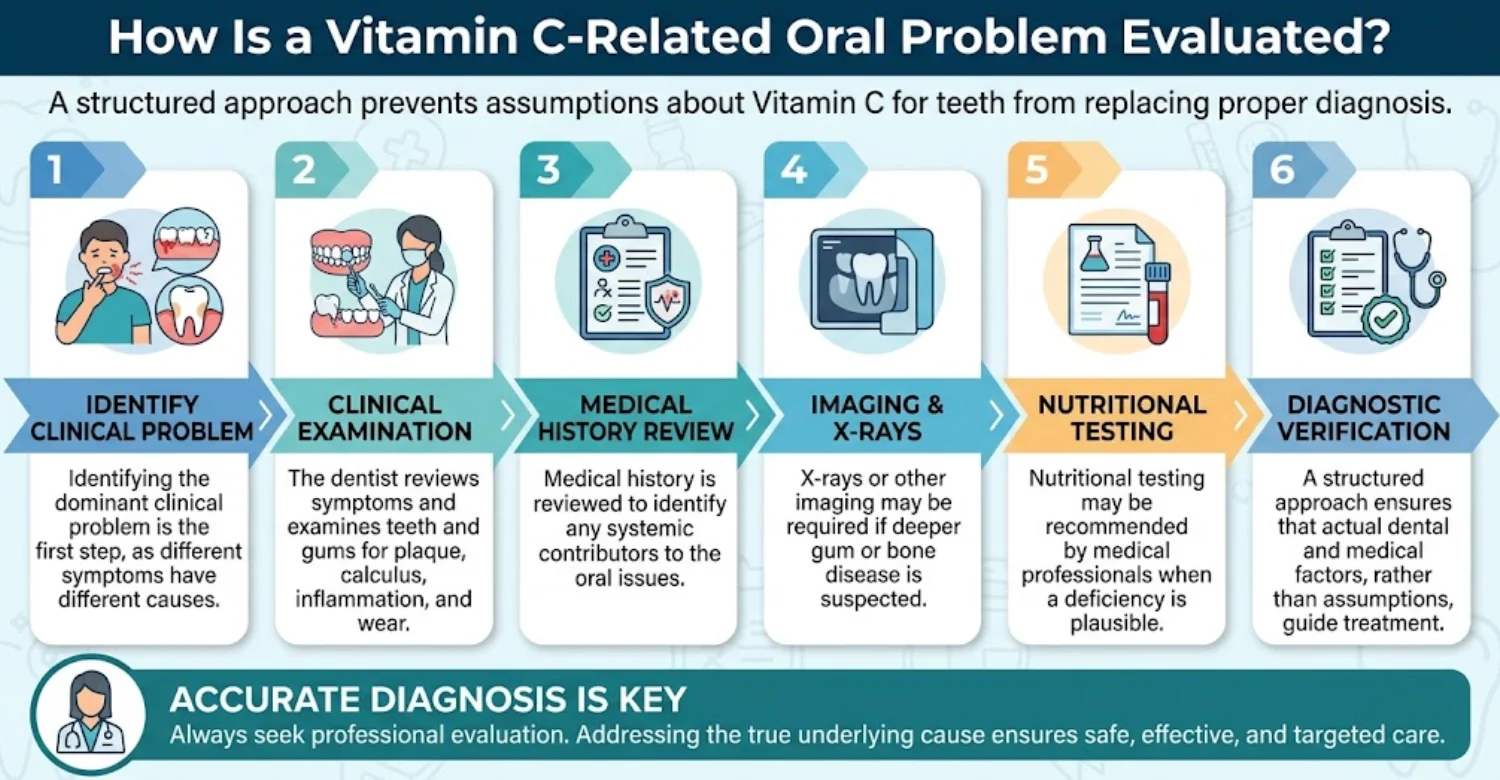
What Does a Dentist Look for When Gums or Teeth Are the Main Concern?
The dentist may examine gum color, swelling, bleeding, recession, and pocket depth. Tooth surfaces may be checked for caries, cracks, erosion, and wear. Sensitivity patterns can provide clues about the source. Bite and occlusion may also be relevant. Existing restorations can create localized problems. A history of acidic supplements helps establish exposure patterns. These findings guide treatment decisions.
How Dentists Distinguish Gingivitis, Periodontitis, Caries, Sensitivity, and Erosion
Gingivitis primarily involves inflamed gum tissue. Periodontitis involves deeper supporting tissues and attachment damage. Caries result from bacterial acids associated with plaque and dietary sugars. Sensitivity often involves exposed dentin or enamel loss. Erosion results from chemical acid dissolution. Similar symptoms can occur across conditions. Clinical examination helps separate them.
When Dental X-Rays or Other Imaging May Be Needed
Imaging is not required for every nutritional concern. It may be indicated when pain has an unclear cause. X-rays can help identify deeper decay or periapical changes. Three-dimensional imaging may help in complex cases. The choice depends on symptoms and clinical findings. Imaging should be used when it can change diagnosis or management.
When Medical Testing for Vitamin C Deficiency May Be Considered
Testing may be considered when symptoms and dietary history suggest deficiency. Severe restriction or malnutrition can increase suspicion. Systemic bruising and poor wound healing add supporting evidence. A clinician may use medical history and laboratory information together. Isolated gum bleeding is usually not enough to diagnose deficiency.
Medical and Dietary History
Dietary history can reveal consistently low fruit and vegetable intake. Medical history may identify absorption problems or chronic conditions. Smoking also increases recommended vitamin C intake. Medication use can influence supplement decisions. A complete history reduces incorrect assumptions.
Laboratory Assessment When Clinically Appropriate
Laboratory assessment can support suspected nutritional deficiency. Testing should be selected by a healthcare professional. Results need clinical interpretation. A low result should be considered alongside symptoms and dietary history. Supplement decisions should not rely on marketing claims.
What We Notice Clinically
Nutritional questions often appear alongside common dental complaints. Patients may notice bleeding gums and immediately search for Vitamin C for Teeth. Others may blame tooth pain on inadequate nutrition. Acidic supplements can also create sensitivity that resembles dental disease. Clinical assessment helps separate these issues. At Vitrin Clinic, dental findings are considered before treatment planning. The aim is to identify the likely source before choosing a procedure.
Patients Often Confuse Gum Bleeding With a Vitamin C Problem
Bleeding gums are often caused by plaque-related inflammation. Severe deficiency is possible, but it is much less common. A dentist can assess plaque levels and periodontal inflammation. This helps distinguish common gum disease from nutritional problems. EFP guidance considers bleeding gums an important reason for professional evaluation.
Vitamin C Is Sometimes Used as a Substitute for Necessary Dental Treatment
Supplements can feel easier than professional treatment. However, they cannot remove calculus or treat advanced periodontal disease. They cannot drain dental infections or restore fractured teeth. Delaying care can allow disease to progress. Nutritional support should complement clinical treatment, not replace it.
Chewable and Acidic Products Deserve More Attention Than the Vitamin Alone
Product form changes oral exposure. Chewables may contact teeth for longer periods. Acidic drinks can expose multiple surfaces repeatedly. Added sugars create another concern. Looking only at vitamin dosage misses these oral factors. The formulation should be part of the discussion.
Tooth Pain Usually Requires Identification of the Underlying Dental Cause
Tooth pain has many possible sources. Decay, cracks, pulp inflammation, infection, erosion, and recession can all produce symptoms. Nutritional supplements do not identify those causes. Diagnosis is therefore more important than increasing a vitamin dose.
Clinical Note: Dr. Rifat Alsaman on Vitamin C and Oral Health
At Vitrin Clinic, Dr. Rifat Alsaman emphasizes individualized dental assessment before treatment planning. Nutritional support can be relevant when intake is inadequate. However, bleeding, pain, erosion, and swelling still require clinical evaluation. Dental findings should determine the primary treatment direction. Vitamin C for Teeth should not replace periodontal or restorative care. This distinction helps patients avoid treating symptoms without addressing their source. Vitrin Clinic's treatment planning process considers teeth, gums, symptoms, and overall oral condition.
How Is Vitamin C-Related Tooth or Gum Damage Treated?
Treatment depends on what actually caused the problem. Acid-related erosion requires exposure reduction and enamel protection. Gingivitis requires effective plaque control. Periodontitis may require professional periodontal therapy. Tooth pain may require fillings, endodontic care, or other restorative treatment. Nutritional deficiency requires medical management when confirmed or strongly suspected. There is no universal treatment plan built around Vitamin C for Teeth alone.
Treatment When the Main Problem Is Dental Erosion
Management begins with reducing acidic exposure. Patients may need changes to supplements and beverages. Water rinsing can reduce residual acid. Fluoride-based oral hygiene supports enamel protection. Sensitivity can be managed with appropriate desensitizing strategies. Advanced structural loss may need restorative treatment. The exact approach depends on severity and location.
Treatment When the Main Problem Is Gingivitis
Gingivitis usually requires better plaque control. Professional cleaning may be needed when deposits are present. Daily brushing and interdental cleaning remain central. Dietary adequacy should still be addressed. Persistent bleeding after improved hygiene deserves reassessment. EFP guidance emphasizes plaque control and regular professional care.
Treatment When Periodontitis Is Suspected
Periodontitis requires a structured periodontal assessment. Treatment may involve professional debridement and root surface instrumentation. More advanced disease can require additional procedures. Maintenance is essential because periodontitis is a chronic condition. Nutritional support does not remove periodontal bacteria or calculus.
Treatment When Tooth Pain Has Another Dental Cause
Treatment follows the actual diagnosis. A cavity may require a filling. A damaged pulp may require endodontic treatment. A crack may require stabilization or restorative care. Infection may require urgent intervention. Sensitivity from erosion may require preventive and restorative strategies. Supplements alone cannot correct these structural problems.
Tooth Decay and Cavities
Cavities develop through bacterial acid damage to enamel. Early lesions may sometimes be controlled with fluoride and risk reduction. Established cavities may require fillings. Advanced infection can require more extensive treatment. Nutritional support is secondary to dental care.
Enamel Wear and Dentin Exposure
Enamel erosion can expose dentin and increase sensitivity. Early management focuses on stopping continued acid exposure. Fluoride can support protection against future mineral loss. Advanced damage may require bonding or other restorative procedures.
Cracked or Damaged Teeth
Cracks can cause sharp pain during chewing. They do not heal through vitamin supplementation. Dental examination is needed to determine the crack's extent. Treatment may range from monitoring to restorative or endodontic care.
Dental Infection
Dental infection can cause severe pain, swelling, and fever. These symptoms should not be managed with supplements alone. Prompt dental treatment is important. Urgent care may be necessary when swelling progresses.
When Vitamin C Supplementation May Be Considered Alongside Dental Care
Supplementation may be appropriate when intake is inadequate. It may also be discussed during recovery when nutritional status is a concern. The dose should reflect the person's needs. High doses are not automatically better. Dental treatment should continue according to the diagnosed condition.
.jpg)
.jpg)
.jpg)
.webp)
.webp)
.webp)
How Can You Prevent Problems From Vitamin C Products?
Prevention focuses on adequate nutrition with minimal unnecessary acid exposure. Choose an appropriate formulation for your dental condition. Avoid prolonged exposure to acidic products. Maintain fluoride-based brushing and daily plaque control. Schedule dental examinations regularly. Review supplements with a healthcare professional when needed. These steps can reduce confusion between Vitamin C for Teeth and actual dental treatment.
Choose the Appropriate Form of Vitamin C
A swallowed tablet may reduce direct tooth exposure. People with erosion may avoid frequent acidic chewables. Food sources can also provide vitamin C. The most suitable choice depends on nutritional needs and dental risk.
Limit Repeated Acid Exposure to the Teeth
Frequency is one of the strongest practical erosion factors. Avoid sipping acidic drinks throughout the day. Avoid repeated chewable doses unless clinically necessary. Drink water between exposures.
Maintain Fluoride-Based Oral Hygiene
Fluoride supports enamel protection against acid-related mineral loss. Brush regularly with fluoride toothpaste. Use appropriate interdental cleaning methods. Your dentist may recommend additional fluoride depending on risk.
Support Gum Health With Daily Plaque Control
Plaque control remains central to preventing gingivitis and periodontitis. Brush at least twice daily. Clean between teeth daily. Professional cleaning helps remove calculus that home care cannot remove.
Get Regular Dental Examinations
Routine examinations help identify disease before it becomes advanced. Gum bleeding, enamel wear, and early decay can be assessed. CDC data indicate that nearly 42% of adults aged 30 years and older have periodontitis.
Discuss Supplements With a Dentist, Doctor, or Pharmacist When Needed
Professional advice is useful when symptoms are unexplained. It is especially important with high-dose supplements. Medical conditions and medicines can affect supplement safety. Dental history can also influence formulation choice.
Tips for Patients
Small changes can reduce unnecessary oral exposure. The goal is not to avoid Vitamin C for Teeth. The goal is to meet nutritional needs while protecting tooth surfaces. Formulation, timing, frequency, and oral hygiene all matter. People with sensitivity should observe whether certain products trigger symptoms. Persistent symptoms should be professionally evaluated.
How to Take Vitamin C Without Unnecessary Tooth Exposure
Swallow suitable tablets with water when appropriate. Avoid chewing tablets that are not designed to be chewed. Avoid holding dissolving products in the mouth. Rinse with water afterward when the product is acidic. These habits reduce direct contact.
What to Do if Vitamin C Makes Your Teeth Sensitive
Stop prolonged exposure and review the formulation. Rinse with water after acidic products. Avoid brushing immediately after exposure. Reduce other acidic foods and beverages temporarily. If sensitivity persists, arrange a dental examination.
What to Avoid With Chewable or Acidic Vitamin C
Avoid chewing products for longer than necessary. Do not hold them against your teeth. Avoid prolonged sipping of acidic drinks. Avoid frequent repeated doses without a clinical reason. Do not brush immediately after acidic exposure.
Questions to Ask Your Dentist About Vitamin C and Your Oral Health
Ask whether your bleeding gums have a local periodontal cause. Ask whether enamel erosion or dentin exposure is present. Ask whether your supplement form may increase acid exposure. Ask whether your diet provides adequate vitamin C. Ask whether any dental treatment should come first.
Relief and Medical Tips for Vitamin C-Related Tooth and Gum Concerns
Temporary relief should never replace diagnosis. Water rinsing can help after acidic exposure. Sensitivity may improve when acidic triggers decrease. Appropriate pain relief may help while arranging treatment. Supplement doses should follow professional or label guidance. Severe oral symptoms need timely assessment.
Practical Relief for Temporary Tooth Sensitivity
Use lukewarm foods and drinks when possible. Avoid extreme temperatures during symptom flares. Reduce acidic exposure. Use fluoride toothpaste regularly. A dentist can recommend desensitizing treatments when appropriate. Persistent symptoms deserve examination.
Medical Tips for Choosing and Using Vitamin C Supplements
Check the dose and formulation before use. Review the ingredient list for sugars and acids. Avoid unnecessary megadoses. Consider interactions with medicines and medical conditions. Adults should not exceed 2,000 mg daily from all sources without professional direction.
Side Effects of Excessive Vitamin C Intake
High vitamin C intake can cause diarrhea, nausea, and abdominal cramps. The adult upper limit is 2,000 mg daily. Certain medical conditions may increase the need for caution. More is not always safer.
Oral Side Effects That Should Not Be Ignored
Persistent bleeding should not automatically be blamed on supplements. Increasing sensitivity may indicate enamel or dentin problems. Swelling can indicate infection or periodontal disease. Persistent pain requires diagnosis. Professional assessment becomes more important when symptoms worsen.
When Should You See a Dentist or Doctor?
Professional evaluation is important when symptoms persist or become severe. Gum bleeding may indicate periodontal disease. Tooth pain may indicate decay or infection. Swelling can signal an urgent problem. Suspected nutritional deficiency belongs within medical evaluation when appropriate.
Dental Warning Signs That Need Professional Assessment
Several symptoms deserve timely evaluation. Persistent pain should not be ignored. Facial or gum swelling can indicate infection. Pus or foul taste may indicate an abscess. Ongoing bleeding may indicate periodontal inflammation. Increasing sensitivity can accompany enamel loss.
Persistent or Severe Tooth Pain
Severe or prolonged pain can indicate pulp inflammation or infection. It may also result from cracks or advanced decay. Pain medication does not remove the cause. Dental examination is recommended.
Swelling of the Face or Gums
Swelling can indicate infection or significant inflammation. Facial swelling deserves prompt professional attention. Rapidly increasing swelling can become urgent.
Pus, Foul Taste, or Suspected Infection
Pus suggests an inflammatory or infectious process. A foul taste can accompany drainage from an abscess. These signs should not be managed with supplements. Prompt dental care is appropriate.
Ongoing Gum Bleeding or Significant Gum Swelling
Persistent bleeding may indicate gingivitis or periodontitis. Severe nutritional deficiency is possible but uncommon. A dentist should evaluate local periodontal factors.
Increasing Tooth Sensitivity or Visible Enamel Loss
Sensitivity can result from erosion, recession, cracks, or decay. Visible enamel loss suggests structural damage. Reducing acidic exposure is helpful, but diagnosis remains important.
When Possible Vitamin C Deficiency Warrants Medical Evaluation
Medical assessment becomes more appropriate when oral findings accompany systemic symptoms. Severe dietary restriction can increase suspicion. Bruising, fatigue, and delayed wound healing may provide additional clues. A doctor can evaluate nutritional status and possible underlying causes.
When Urgent Dental Care May Be Necessary
Urgent care may be needed for severe pain, facial swelling, fever, or suspected dental infection. The new EFP 2026 guideline highlights timely management of acute periodontal conditions. Rapid tissue destruction can occur in some acute periodontal disorders.
How Much Does Vitamin C for Teeth Cost in the US, UK, and Turkey?
Supplement costs vary by brand, dose, quantity, and formulation. Retail prices for Vitamin C for Teeth are not dental treatment costs. Basic vitamin C supplements are generally inexpensive, while premium formulations may cost more. These figures are planning references rather than medical quotes.
Average Vitamin C Supplement Cost by Country
Country | Indicative Cost | Typical Example |
United States | 5–15 per bottle | Standard tablets, chewables, or effervescent products |
United Kingdom | 2–11 per pack | Standard vitamin C tablets and larger packs |
Turkey | 9–16 per pack | Standard and branded 500 mg products |
Prices vary by brand, dose, package size, retailer, promotions, and formulation. These are retail planning references and not dental treatment prices.
Average US Cost of Vitamin C Supplements for Oral Health: About 5–15 Per Bottle
Basic vitamin C products can cost around $5 to $15 per bottle in retail examples. Brand, tablet count, dose, and formulation influence the final price. Chewable and effervescent products may cost more.
Average UK Cost of Vitamin C Supplements for Oral Health: About 2–11 Per Pack
UK prices can be relatively low for standard tablets, with some products costing only a few pounds. Larger or premium formulations can cost more. Retail promotions and package size also affect the final price.
Average Turkey Cost of Vitamin C Supplements for Oral Health: About 9–16 Per Pack
Current examples show standard and branded vitamin C products costing several hundred Turkish lira. Imported brands and specialty formulations can be considerably more expensive than basic tablets.
What Changes the Price of Vitamin C Supplements?
Price Factor | Effect on Cost |
Dose | Higher-dose products may cost more |
Quantity | Larger bottles may reduce cost per tablet |
Formulation | Chewable and effervescent products may cost more |
Brand | Premium brands often have higher prices |
Additional ingredients | Added ingredients may increase cost |
Retailer | Pharmacy, marketplace, and promotional prices differ |
Vitamin C Supplement Cost vs Dental Treatment Cost
Supplements are generally inexpensive compared with professional dental treatment. However, Vitamin C supplements cannot replace procedures such as fillings, periodontal treatment, root canals, or restorations when these are clinically needed.
Why Retail Vitamin C Prices Should Be Treated as Planning References, Not Medical Quotes
Supplement prices change with promotions, package sizes, retailers, and currency rates. These figures do not represent Vitrin Clinic treatment fees. Dental treatment costs depend on diagnosis, procedures, materials, and clinical complexity.
How Vitrin Clinic Evaluates Tooth and Gum Health
Vitrin Clinic approaches dental treatment through individualized assessment. Oral findings are reviewed before a procedure is selected. Periodontal examination can include gum measurements and diagnostic imaging. The clinic's periodontics service describes assessment of pocket depth, digital X-rays, three-dimensional imaging, risk factors, and personalized planning. Treatment selection depends on the diagnosed condition.
How Oral and Dental Findings Are Evaluated Before Recommending Treatment
Assessment begins with the main complaint and clinical examination. Teeth, gums, symptoms, bite, and oral condition are considered together. Diagnostic imaging may be used when clinically appropriate. The aim is to understand the likely source before recommending treatment.
Assessing Whether Sensitivity, Gum Bleeding, Erosion, or Pain Has a Dental Cause
Sensitivity can originate from erosion, recession, decay, or exposed dentin. Gum bleeding may reflect plaque-related inflammation. Pain can indicate decay, cracks, pulp disease, or infection. These problems require different treatments. Nutritional supplements should not be assumed to be the primary answer.
Personalized Treatment Planning When Vitamin C Is Not the Main Solution
When dental disease is the main cause, treatment should target that condition. Plans may involve periodontal care, restorative treatment, endodontics, or whitening. Vitrin Clinic describes personalized planning according to clinical findings and treatment needs.
Relevant Internal Link: Periodontics Treatment Page
For patients with bleeding gums or suspected periodontal disease, the relevant resource is the Periodontics treatment page. It explains assessment, periodontal measurements, imaging, risk assessment, treatment planning, and maintenance. This service is designed around gum disease, recession, and supporting bone concerns.
Relevant Internal Link: Gum Laser Treatment Page
Patients exploring laser-based gum care can review Vitrin Clinic's periodontal treatment resources. Laser approaches may be considered within a broader periodontal assessment. The appropriate technique depends on diagnosis and tissue condition. Treatment should not be selected from technology alone.
Relevant Internal Link: Teeth Whitening Treatment Page
For cosmetic discoloration, patients can review the Teeth Whitening treatment page. Vitrin Clinic states that oral health is evaluated before whitening. Cavities, gum inflammation, and sensitivity should be addressed before cosmetic whitening.
How Vitrin Clinic Supports Your Treatment Journey
International dental care requires more than the clinical procedure itself. Patients may need appointment coordination and treatment scheduling. Vitrin Clinic describes support for international patients and individualized treatment planning. The process is structured around assessment, diagnosis, treatment, and follow-up. The exact journey varies by patient and treatment complexity.
Initial Consultation and Individualized Assessment
The consultation helps clarify the patient's main dental concern. Clinical findings are reviewed before treatment is recommended. This allows nutritional questions to be considered alongside dental causes. The objective is a treatment plan based on actual findings.
Digital Dental Diagnostics When Clinically Appropriate
Digital X-rays and three-dimensional imaging may be used when indicated. These tools can help visualize bone levels and hidden structural changes. Imaging selection should depend on the clinical question. It should not be performed simply because technology is available.
Personalized Treatment Planning Based on Teeth and Gum Findings
Treatment planning considers the health of the teeth and surrounding tissues. Active gum disease should be identified before restorative treatment. Treatment sequencing may therefore change based on clinical findings.
Coordinating Treatment for International Patients
International patients may need appointments arranged around travel schedules. Vitrin Clinic describes support for dental tourism logistics. Treatment timing can depend on diagnosis and procedure requirements. Patients should receive a clear plan before travel.
Follow-Up and Aftercare Support
Aftercare supports recovery and maintenance after treatment. Periodontal conditions may require long-term maintenance. The need for follow-up varies with procedure and diagnosis. Patients should follow individualized instructions from their dental team.
Ready to transform your smile?
Talk to our team and get a personal FREE treatment plan.
Key Takeaways
Vitamin C has an important biological role in collagen formation and tissue healing. It supports healthy gums when intake is adequate. It does not directly rebuild lost enamel. Acidic chewables and beverages can increase dental erosion risk. Persistent gum bleeding should not automatically be blamed on nutritional deficiency. Tooth pain usually requires identification of an underlying dental cause. Professional assessment remains important when symptoms continue. With Vitamin C for Teeth, nutrition and dentistry should work together rather than compete.
Vitamin C Supports Healthy Oral Tissues but Does Not Replace Dental Treatment
Adequate intake supports collagen and wound healing. Dental disease still requires condition-specific management.
Vitamin C May Be Relevant to Gum Health, Especially When Intake Is Inadequate
Deficiency can produce serious gum abnormalities. Research suggests possible periodontal benefits, but evidence remains variable.
Acidic and Chewable Vitamin C Products Can Increase Enamel-Erosion Risk
Product form matters. Repeated acidic contact can contribute to irreversible tooth wear.
Tooth Pain, Persistent Bleeding, Swelling, or Suspected Infection Should Be Professionally Evaluated
These symptoms can indicate common dental diseases or acute conditions. Delaying diagnosis can increase risk.
The Best Approach Is Adequate Nutrition, Daily Oral Hygiene, and Appropriate Dental Care
No supplement replaces brushing, interdental cleaning, professional care, or necessary treatment. Oral health depends on several interacting factors.
Reference
FAQs
Dr. Rifat Alsaman has more than 5 years of clinical experience in dentistry and currently serves as the Head of the Medical Team at Vitrin Clinic. He is dedicated to providing exceptional patient care, overseeing treatment planning, and ensuring the highest clinical standards across the team. His expertise, attention to detail, and commitment to continuous professional development have helped countless patients achieve healthier, more confident smiles.


.webp&w=3840&q=75)


