Orthodontics
April 27, 2026
What Are the Biggest Orthodontics Myths and How Can Patients Avoid Them?
 Dr. Rifat Alsaman
Orthodontics myths have long prevented people from seeking the care they need. From believing braces are only for teenagers to assuming treatment is unbearably painful, common myths about orthodontic treatment create unnecessary fear and hesitation. These misconceptions often circulate through social media, outdated information, or personal anecdotes. Understanding the truth behind myths about orthodontics is the first step toward making informed decisions. Patients who separate fact from fiction are far more likely to pursue treatment at the right time and achieve lasting, healthy results.
Understanding Common Myths About Orthodontic Treatment
The landscape of orthodontics myths is broad and deeply rooted in cultural assumptions and outdated perceptions. Many patients arrive at their first consultation carrying false beliefs about pain, cost, and outcomes. Addressing common myths about orthodontic treatment early is essential for building patient confidence and ensuring realistic expectations. When patients understand what orthodontic care truly involves, they become more committed to their treatment plans and more satisfied with their results. Dispelling myths about orthodontics is, therefore, a vital part of any modern orthodontic practice.
Why Orthodontics Myths Persist
Orthodontics myths persist for several reasons. Outdated information passed down through generations, exaggerated social media content, and a general lack of public education contribute to the ongoing spread of myths about orthodontics. Many people rely on the experiences of friends or family rather than consulting qualified professionals. Fear and embarrassment also prevent patients from asking questions, leaving misconceptions unaddressed. Common myths about orthodontic treatment continue to circulate because accessible, accurate information is not always easy to find. Awareness campaigns and open consultations play a crucial role in breaking this cycle.
Examples of Orthodontic Myths Debunked
When it comes to orthodontic myths debunked, some of the most common include beliefs that braces are purely cosmetic, that adults cannot benefit from treatment, and that clear aligners are ineffective for complex cases. Myths about orthodontics also include the idea that treatment takes decades or causes irreversible enamel damage. In reality, orthodontic treatment is medically beneficial, accessible to all ages, and more comfortable than ever. Understanding these orthodontic myths debunked examples empowers patients to seek care without unnecessary fear or hesitation, guided by accurate clinical information.
Patient Concerns and Common Dental Problems Addressed by Orthodontics
Many patients approach orthodontics with a mix of curiosity and concern. Beyond orthodontics myths, real questions about specific dental problems deserve clear answers. Common conditions treated by orthodontics include bite misalignments, overcrowded teeth, and spacing irregularities. These issues are not merely cosmetic; they affect speech, chewing, jaw health, and overall oral hygiene. Addressing common myths about orthodontic treatment alongside genuine patient concerns helps build a clearer picture of how orthodontic care improves both function and appearance. Understanding your options is the first step toward lasting dental health and confidence.
Bite and Alignment Issues
Bite problems such as overbites, underbites, crossbites, and open bites are among the most frequently treated orthodontic conditions. These issues arise from jaw misalignment, genetics, or childhood habits and can cause significant discomfort if left untreated. Despite the orthodontics myths suggesting these problems are minor or cosmetic, misaligned bites can lead to TMJ disorders, uneven tooth wear, and difficulty chewing. Effective orthodontic treatment corrects bite alignment by gradually repositioning teeth and guiding jaw development, producing functional improvements that protect long-term oral and overall health for patients of all ages.
Crowding and Spacing
Crowded or widely spaced teeth are common issues that affect both appearance and oral health. Crowding makes thorough cleaning difficult, increasing the risk of decay and gum disease, while excessive spacing can interfere with proper biting and speech. Myths about orthodontics often suggest these problems are only cosmetic concerns, but untreated crowding or spacing can worsen over time. Orthodontic treatment uses braces or aligners to move teeth into healthier, more functional positions, reducing long-term dental risks while creating a more balanced and harmonious smile for every patient undergoing care.
Oral Hygiene Challenges During Treatment
Maintaining good oral hygiene during orthodontic treatment can be challenging but is absolutely essential. Braces create additional surfaces where plaque and food particles accumulate, increasing the risk of decay and gum inflammation. One of the common myths about orthodontic treatment is that patients inevitably develop dental problems during the process. In truth, with proper brushing, flossing, and regular professional cleanings, excellent oral health can be maintained throughout treatment. Patients who commit to thorough hygiene routines experience far fewer complications and enjoy healthier smiles upon completing their entire orthodontic journey.
What Are the Biggest Orthodontics Myths and How Can Patients Avoid Them?
Many orthodontic myths continue confusing patients despite modern research and improved treatment techniques available at Vitrin Clinic every single day.
Believing inaccurate information may delay treatment, increase oral health risks, and reduce long-term orthodontic success for many patients.
Understanding scientific facts helps patients make confident decisions while achieving healthier smiles through personalized orthodontic care at Vitrin Clinic.
Dr. Rifat Alsaman, Head of the Medical Team at Vitrin Clinic, explains that education remains one of the strongest tools for successful orthodontic treatment.
Dentists vs. Orthodontists: Understanding the Crucial Difference in Specialist Training
Many patients mistakenly believe every dentist performs orthodontic treatment with the same education and level of specialized clinical experience.
A general dentist provides comprehensive oral healthcare, while an orthodontist completes additional years of advanced education focused on tooth movement.
Orthodontists diagnose bite problems, jaw relationships, and complex alignment issues using specialized knowledge beyond general dental training.
At Vitrin Clinic, every orthodontic case receives detailed evaluation before recommending braces, clear aligners, or other suitable treatment options.
Dr. Rifat Alsaman explains that choosing experienced specialists greatly improves treatment planning, efficiency, comfort, and long-term smile stability for patients.
Why Specialist Training Matters
Specialized orthodontic training allows accurate diagnosis of complex bite problems before they become permanent oral health complications.
Proper treatment planning reduces unnecessary tooth movement while protecting gums, supporting bone health, and improving functional bite relationships.
Patients receiving specialist-guided care often experience safer treatment, predictable results, and fewer complications throughout their orthodontic journey.
Available Orthodontic Treatments and Procedures
Modern orthodontics offers a wide range of treatments tailored to different needs, lifestyles, and budgets. Dispelling orthodontics myths about limited options is important because today's patients have more choices than ever before. Whether you need comprehensive tooth movement, minor alignment correction, or post-treatment maintenance, there is a solution available. Common myths about orthodontic treatment often suggest that braces are the only option, but advances in technology have introduced clear aligners, surgical orthodontics, and more. Understanding all available treatments helps patients and clinicians select the most appropriate and effective path forward.
Traditional Braces
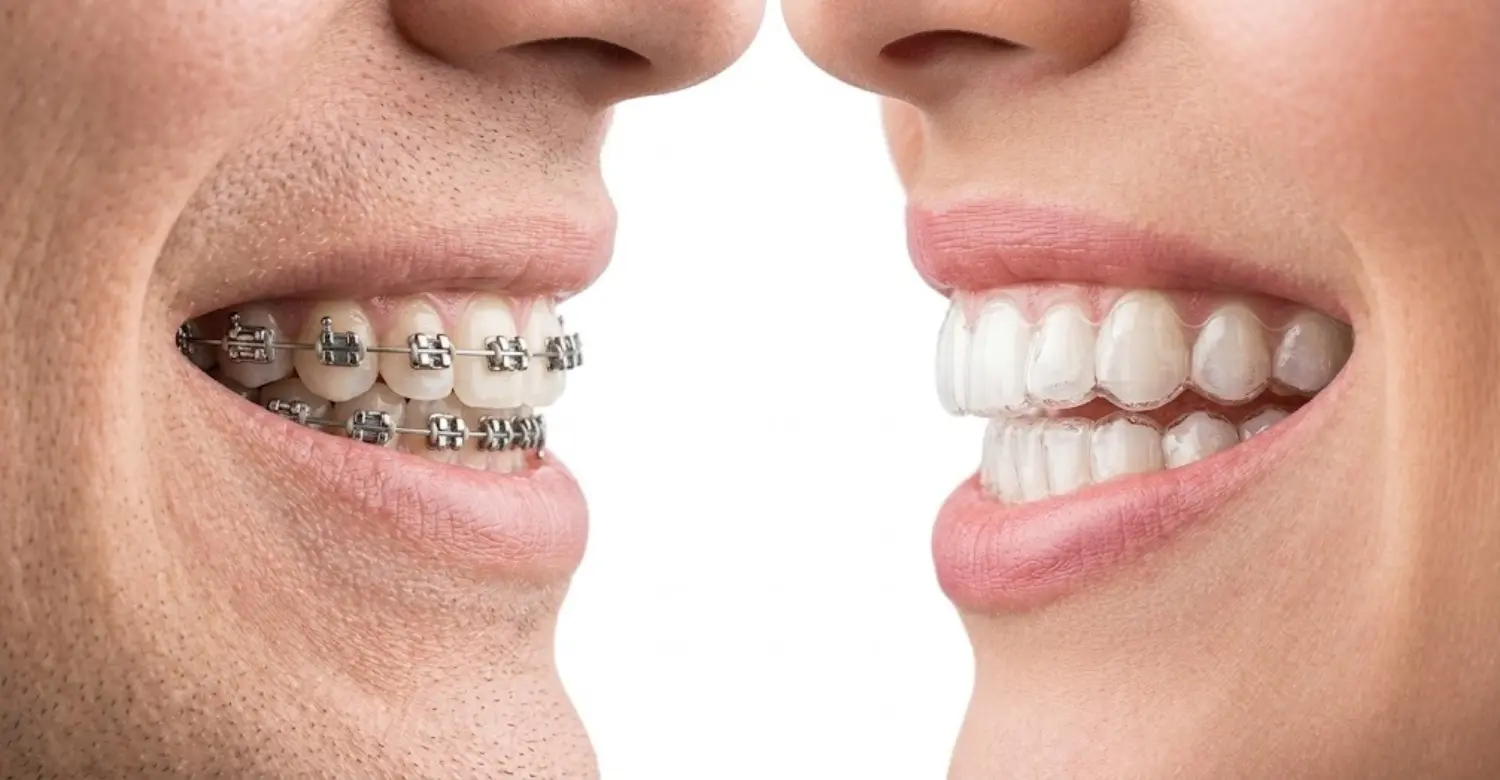
Traditional metal braces remain one of the most reliable and effective orthodontic treatments available. Despite the orthodontics myths suggesting they are outdated or uncomfortable, modern braces are far more refined and efficient than earlier versions. They consist of metal brackets bonded to teeth and connected by wires that gradually shift teeth into alignment. Traditional braces are highly effective for treating complex cases, including severe crowding, bite issues, and significant misalignment. They are also more affordable than many alternatives, making them a practical choice for patients of all ages seeking dependable, proven orthodontic results.
Clear Aligners
Clear aligners have revolutionized orthodontic treatment by offering a discreet, removable alternative to traditional braces. One of the most persistent orthodontics myths is that clear aligners are only suitable for minor corrections, but modern aligner systems can effectively treat a wide range of complex cases. Patients wear a series of custom-fitted trays that gradually move teeth into the desired position. Their near-invisibility makes them especially popular among adults and image-conscious teens.
Surgical Orthodontics
Surgical orthodontics, also known as orthognathic surgery, is recommended for patients whose jaw discrepancies cannot be corrected by braces or aligners alone. Myths about orthodontics often cause patients to fear surgery unnecessarily, but it is a well-established, safe procedure that dramatically improves bite function and facial balance. It is typically combined with braces to achieve precise dental alignment alongside skeletal correction. Candidates include those with severe overbites, underbites, or asymmetrical jaw growth. Recovery is carefully managed, and the functional and aesthetic improvements that result from surgical orthodontics are often genuinely life-changing.
Retainers and Post-Treatment Care
Retainers are a critical component of orthodontic treatment that patients often overlook. One of the most common orthodontics myths is that once braces come off, the work is done. In reality, teeth naturally tend to shift back toward their original positions after treatment. Retainers whether fixed or removable maintain the alignment achieved through braces or aligners. Patients are typically advised to wear retainers full-time initially, transitioning to nighttime use over time. Consistent retainer use protects the investment made in treatment and ensures a beautiful, stable smile for many years to come.
Benefits of Orthodontic Treatment
The benefits of orthodontic treatment extend far beyond aesthetics, yet orthodontics myths continue to reduce its perceived value to cosmetic improvement alone. Properly aligned teeth are easier to clean, reducing the risk of decay and gum disease. A corrected bite alleviates strain on the jaw joints and surrounding muscles. Speech clarity and chewing efficiency also improve significantly with proper alignment. Beyond function, a confident smile positively impacts self-esteem and social interactions. Understanding the full scope of these benefits encourages more patients to seek treatment and directly challenges the common myths about orthodontic treatment holding them back.
Functional Improvements
One of the most underappreciated aspects of orthodontic care is its functional impact. Myths about orthodontics often frame treatment as purely cosmetic, but the reality is far more significant. Correcting misaligned teeth and bites improves chewing efficiency, reduces abnormal tooth wear, and alleviates jaw pain caused by uneven bite force distribution. Speech difficulties related to misalignment can also be resolved through treatment. Breathing patterns may improve in patients with certain structural issues. These functional gains contribute to overall health and quality of life, making orthodontic care a medically meaningful investment rather than a purely aesthetic one.
Aesthetic Enhancements
While orthodontics myths tend to oversimplify treatment as purely cosmetic, the aesthetic benefits are nonetheless real and significant. A well-aligned smile enhances facial balance and symmetry, contributing to a more harmonious overall appearance. Patients frequently report increased confidence and a greater willingness to smile, laugh, and engage socially after completing orthodontic treatment. The psychological impact of an improved smile should not be underestimated. Whether using traditional braces or clear aligners, orthodontic treatment delivers meaningful aesthetic results that positively affect patients' daily lives, self-perception, and interpersonal relationships well beyond the treatment period itself.
Before-and-After Expectations
Managing expectations is a key part of the orthodontic process, and dispelling orthodontics myths helps set a realistic foundation from the start. Before treatment, a comprehensive assessment establishes a personalized plan with realistic timelines and outcomes. Patients should understand that progress is gradual and that some stages may appear uneventful before significant changes become visible. After treatment, retainers preserve results and prevent relapse. Before-and-after transformations vary depending on case complexity, but most patients experience both functional and aesthetic improvements. Open communication with your orthodontic team ensures expectations remain grounded in accurate, realistic clinical outcomes.
Dental Care Tips and Preventive Advice During Orthodontics
Good dental care during orthodontic treatment is essential for achieving the best possible results. Unfortunately, myths about orthodontics sometimes discourage patients from pursuing care due to concerns about hygiene complications. With the right tools, habits, and professional guidance, maintaining excellent oral health throughout treatment is entirely achievable. Regular dental check-ups, consistent cleaning routines, and mindful dietary choices all contribute to a smoother treatment experience.
Oral Hygiene Best Practices
Maintaining oral hygiene with braces or aligners requires a few adjustments to your daily routine. Brushing after every meal removes food debris that accumulates around brackets and wires. Using an interdental brush or water flosser makes cleaning between teeth more effective. Fluoride toothpaste strengthens enamel and helps prevent decalcification. Clear aligner users should brush their trays daily and rinse them thoroughly after each use. One of the common myths about orthodontic treatment is that hygiene is impossible to maintain with the right techniques and tools, it is entirely manageable and highly achievable for all committed patients.
Lifestyle and Maintenance
Lifestyle adjustments during orthodontic treatment help protect your appliances and support faster, more consistent progress. Patients with braces should avoid hard, sticky, and chewy foods that can damage brackets or wires. Cutting food into smaller pieces reduces strain on appliances. Contact sports require a properly fitted mouthguard. Clear aligner users must remove trays before eating or drinking anything other than water. Myths about orthodontics often exaggerate these restrictions as excessively burdensome, but most patients adapt quickly.
The Dangers of DIY: Why Mail-Order and At-Home Aligners Are Highly Risky
DIY orthodontic systems often promise convenience without providing professional examinations, digital monitoring, or regular orthodontic adjustments throughout treatment.
Moving teeth without clinical supervision may damage roots, gums, supporting bone, and overall bite function over time.
Hidden dental problems including cavities, gum disease, or bone loss frequently remain undetected before unsupervised aligner treatment begins.
At Vitrin Clinic, every patient receives detailed imaging, bite analysis, and continuous professional monitoring during orthodontic treatment.
Dr. Rifat Alsaman emphasizes that safe tooth movement requires continuous biological assessment instead of relying solely on home impressions.
Why Professional Monitoring Is Essential
Regular orthodontic appointments allow treatment adjustments whenever teeth respond differently than originally expected during movement.
Professional monitoring also helps detect early complications before permanent damage affects teeth, gums, or jaw function.
Patients achieve more predictable outcomes because treatment changes occur immediately whenever necessary under experienced orthodontic supervision.
Lifestyle Myths: Can You Play Wind Instruments or Set Off Metal Detectors with Braces?
Many people incorrectly believe braces prevent musicians from playing wind instruments comfortably during orthodontic treatment.
Most musicians successfully continue practicing after a short adjustment period while adapting their technique and mouth positioning.
Traditional orthodontic braces rarely trigger airport metal detectors because orthodontic materials contain minimal amounts of metal.
Patients should continue enjoying sports, travel, music, and daily activities while following professional orthodontic recommendations.
Dr. Rifat Alsaman reassures patients that modern orthodontic treatment rarely interferes with normal lifestyles or personal hobbies.
Everyday Activities During Orthodontic Treatment
Most patients quickly adapt to speaking, eating, exercising, and traveling after receiving braces or clear aligners.
Following orthodontic instructions helps minimize discomfort while maintaining excellent treatment progress throughout every stage.
Vitrin Clinic provides personalized guidance helping every patient confidently continue everyday routines during orthodontic treatment.
About Orthodontics Myths
Modern research shows that orthodontic myths continue influencing treatment decisions despite greater access to professional dental information online.
Approximately one in three orthodontic patients today is an adult, proving treatment is no longer limited to teenagers alone.
Studies found that nearly two-thirds to three-fourths of adults have some degree of malocclusion requiring orthodontic evaluation or treatment.
The British Orthodontic Society reported that eighty-two percent of orthodontists worry increasing numbers of patients may choose unsafe DIY aligners.
Research also shows that more than one-third of adults considering orthodontic treatment are influenced by celebrities and social media.
The American Association of Orthodontists continues emphasizing that misinformation frequently causes delayed treatment, inappropriate provider selection, and unnecessary oral health risks.
At Vitrin Clinic, these statistics reinforce the importance of evidence-based diagnosis, personalized treatment planning, and continuous professional orthodontic supervision.
Dr. Rifat Alsaman, Head of the Medical Team at Vitrin Clinic, explains that reliable information protects patients from costly mistakes and unnecessary complications.
Vitrin Clinic: Expertise and Advanced Orthodontic Solutions
Vitrin Clinic stands as a leading destination for patients seeking accurate, evidence-based orthodontic care. With a commitment to debunking orthodontics myths and providing clear, honest guidance, Vitrin Clinic supports patients at every stage of their journey. From comprehensive consultations to advanced treatment options, the clinic combines clinical excellence with a patient-first philosophy. Whether you are exploring traditional braces, clear aligners, or more complex orthodontic interventions, Vitrin Clinic offers the expertise and technology needed to deliver outstanding, personalized results that address both functional concerns and aesthetic goals effectively and compassionately.
Why Choose Vitrin Clinic
Vitrin Clinic offers a unique combination of clinical precision, modern technology, and compassionate patient care. The team is dedicated to addressing common myths about orthodontic treatment through transparent communication and individualized planning. Advanced diagnostic tools allow for highly accurate assessments and customized treatment strategies tailored to each patient. Patients benefit from a wide range of orthodontic solutions under one roof, ensuring continuity of care throughout their entire journey. Vitrin Clinic's track record of successful outcomes and consistently high patient satisfaction makes it a trusted choice for those seeking reliable, effective orthodontic treatment.
Patient-Centered Approach
At Vitrin Clinic, the patient experience is at the heart of everything. Recognizing that orthodontics myths can cause anxiety, the team takes time to educate and reassure patients before, during, and after treatment. Every treatment plan is tailored to the individual's unique dental profile, lifestyle, and personal goals. Open communication is consistently encouraged, ensuring patients fully understand their options and feel confident in their decisions. This patient-centered philosophy, combined with clinical expertise, creates an environment where patients feel supported, informed, and motivated throughout their entire orthodontic journey at Vitrin Clinic.
Clinical Insights from Vitrin Clinic
Our clinical team frequently meets patients who postponed orthodontic treatment because they believed myths shared through social media platforms.
Many patients incorrectly assume braces only improve appearance while overlooking significant benefits for bite function and long-term oral health.
We also examine patients who attempted unsupervised aligner treatments before requiring comprehensive corrective orthodontic therapy under professional supervision.
Patients who receive early orthodontic assessments generally require less complicated treatment than individuals waiting until problems significantly worsen.
Vitrin Clinic combines advanced digital imaging, detailed bite analysis, and personalized monitoring to improve treatment accuracy throughout every orthodontic stage.
Dr. Rifat Alsaman believes patient education should begin before treatment because informed patients consistently achieve safer outcomes and greater long-term satisfaction.
Tips for Patients
Always seek evaluation from qualified orthodontic professionals before beginning braces, clear aligners, or any orthodontic treatment.
Avoid mail-order orthodontic systems because professional supervision remains essential for protecting teeth, gums, and supporting bone structures.
Maintain excellent oral hygiene throughout treatment because healthy gums improve orthodontic movement and overall treatment success.
Attend every scheduled appointment because regular monitoring allows orthodontists to adjust treatment safely and efficiently.
Immediately report pain, broken appliances, or unexpected tooth movement to your orthodontic provider for prompt professional evaluation.
Dr. Rifat Alsaman recommends asking questions during consultations because informed patients consistently achieve better orthodontic treatment experiences.
What We Notice Clinically
At Vitrin Clinic, we frequently observe patients delaying orthodontic treatment because they believed common myths shared through social media.
Many patients arrive after unsuccessful self-treatment attempts requiring longer treatment times and more comprehensive orthodontic correction.
Patients choosing professional orthodontic care usually experience healthier gum tissues, improved bite function, and more predictable treatment progress.
Dr. Rifat Alsaman regularly explains that early diagnosis significantly reduces treatment complexity while protecting long-term oral health.
Continuous monitoring allows the clinical team at Vitrin Clinic to identify minor problems before they develop into major orthodontic complications.
Clinical Note
Orthodontic treatment involves controlled biological tooth movement supported by healthy bone and surrounding periodontal tissues.
Every patient's teeth respond differently depending on age, bone quality, oral hygiene, and individual biological healing capacity.
Clinical examinations remain essential because treatment decisions should never rely only upon online advice or marketing advertisements.
Dr. Rifat Alsaman emphasizes that successful orthodontic treatment combines scientific diagnosis, personalized planning, and consistent professional follow-up appointments.
Patients receiving customized treatment plans generally experience safer tooth movement with greater long-term smile stability.
Book a FREE Consultation With Vitrin Clinic
If orthodontics myths have been holding you back from seeking the smile you deserve, now is the time to take action. Vitrin Clinic offers a FREE consultation to help you understand your orthodontic needs, explore available treatments, and get answers to all your questions in a comfortable, pressure-free environment. Whether you are concerned about costs, comfort, treatment duration, or outcome expectations, the Vitrin Clinic team is ready to guide you. Do not let common myths about orthodontic treatment delay your journey, book your free consultation today and take the first step toward a healthier, more confident smile.
Conclusion
Orthodontic myths often sound convincing, yet scientific evidence consistently demonstrates that professional diagnosis remains essential for safe and successful treatment.
Understanding the difference between myths and evidence helps patients make informed decisions while protecting their teeth, gums, and long-term oral health.
Choosing qualified orthodontic professionals provides accurate diagnosis, personalized treatment planning, and continuous monitoring throughout every stage of care.
At Vitrin Clinic, every orthodontic treatment plan is designed around clinical evidence, advanced technology, and each patient's unique dental needs.
Dr. Rifat Alsaman, Head of the Medical Team at Vitrin Clinic, emphasizes that lasting orthodontic success depends on expert supervision rather than internet myths or marketing promises.
Reference
Adult Orthodontics & Age Limitations
Myth: Orthodontic treatment is only effective for children and teenagers.
Academic Evidence: Studies demonstrate that bone remodeling occurs at any age provided the periodontal tissue is healthy. Research from King's College London and published in the AJODO confirms high success rates and psychological benefits in adult patients.
Citation: Johal, A., Damanhuri, S. H., & Colonio-Salazar, F. (2024). Adult orthodontics: motivations for treatment, choice and impact of braces. American Journal of Orthodontics and Dentofacial Orthopedics (AJODO).
Pain Perception & Force Mechanics
Myth: Orthodontic treatment causes continuous, unbearable pain.
Academic Evidence: Discomfort associated with orthodontic appliances peaks within 24–48 hours post-adjustment and rapidly declines as tissue adapts. Modern light-force wires and self-ligating systems significantly reduce peak force loads compared to traditional appliances.
Citation: Mohanty, B., et al. (2024). Evaluation of Pain and Discomfort Associated with Orthodontic Adjustments. Journal of Pharmacy & Bioallied Sciences.
. Direct-To-Consumer (DIY) Aligners vs. Professional Supervision
Myth: Teeth can be safely straightened at home using mail-order aligners or DIY methods without in-person clinical monitoring.
Academic Evidence: Unmonitored tooth movement can result in irreversible periodontal damage, root resorption, bite dysfunction, and tooth loss. Clinical oversight is mandatory to manage bone adaptation and track root position.
Institutional Guidance: American Association of Orthodontists (AAO) Clinical Safety Briefings.
Link: AAO Official Guidelines: Common Myths & Patient Safety
Clear Aligners vs. Fixed Braces Performance
Myth: Clear aligners (e.g., Invisalign) are only suitable for minor, cosmetic adjustments.
Academic Evidence: Comprehensive clear aligner systems using optimized attachments and 3D digital planning effectively treat complex malocclusions, deep bites, and rotational movements.
Citation: Systematic Reviews published in the European Journal of Orthodontics (Oxford University Press).
Link: European Journal of Orthodontics (EJO) - Oxford Academic
. Academic Programs & Clinical Syllabi
For curriculum-level details on craniofacial growth, biomechanics, and evidence-based orthodontics:
King’s College London (Faculty of Dentistry, Oral & Craniofacial Sciences): KCL Orthodontics Postgraduate Programme
World Federation of Orthodontists (WFO): WFO International Standards & Literature
FAQs
Dr. Rifat Alsaman has more than 5 years of clinical experience in dentistry and currently serves as the Head of the Medical Team at Vitrin Clinic. He is dedicated to providing exceptional patient care, overseeing treatment planning, and ensuring the highest clinical standards across the team. His expertise, attention to detail, and commitment to continuous professional development have helped countless patients achieve healthier, more confident smiles.


.webp&w=3840&q=75)
