
Periodontal surgery is a dental procedure used to treat certain advanced problems affecting the gums and supporting tissues. It may become necessary when inflammation, infection, deep pockets, or tissue destruction cannot be adequately managed with non-surgical treatment. Treatment usually begins with a detailed periodontal examination and professional cleaning. Surgery is considered when disease remains active or when damaged tissues require correction or regeneration. The exact procedure depends on the location and severity of gum and bone damage. Some procedures remove diseased tissue and improve access for cleaning. Others aim to restore lost gum tissue or supporting bone. A periodontist may recommend surgery after evaluating probing measurements, X-rays, symptoms, and treatment response. At Vitrin Clinic, periodontal concerns can be assessed alongside digital dental diagnostics and individualized treatment planning. The objective is to control disease while preserving healthy teeth and supporting tissues whenever possible.
What Is Periodontal Surgery?
Periodontal surgery refers to several surgical procedures designed to manage advanced gum disease and damage around teeth. These procedures may involve gum tissue, periodontal pockets, tooth roots, or supporting bone. Surgery is not automatically required for every person with gum disease. Dentists commonly begin with professional cleaning, improved oral hygiene, and other non-surgical treatments. Surgery may become appropriate when deeper disease remains after initial therapy. It can also address specific problems such as gum recession or localized bone defects. The treatment goal depends on the diagnosis and may include reducing infection, improving access for cleaning, covering exposed roots, or regenerating damaged tissues. A periodontal examination helps determine whether surgery is appropriate. The American Academy of Periodontology describes several surgical approaches, including periodontal pocket procedures, gum grafts, and regenerative procedures.
How Does Periodontal Surgery Work?
Periodontal surgery generally involves accessing affected tissues beneath or around the gumline. The dentist or periodontist first numbs the treatment area with appropriate local anesthesia. Depending on the procedure, the gum tissue may be gently repositioned to expose deeper areas. Diseased deposits and infected tissue can then be removed under direct visualization. Some procedures reshape irregular bone surfaces or reduce periodontal pockets. Other techniques place grafting materials or membranes around damaged areas. The gum tissue is then positioned carefully and secured with sutures when necessary. The specific steps vary significantly between procedures. Surgery therefore cannot be described as one standardized operation. The objective is to create healthier conditions around the affected teeth. Appropriate infection-control procedures are particularly important during oral surgery because surgical treatment can expose normally protected tissues.
What Problems Can Periodontal Surgery Treat?
Periodontal surgery can address several problems caused by advanced periodontal disease or gum recession. Deep periodontal pockets may make effective professional and home cleaning difficult. Surgical pocket procedures can improve access and reduce areas where harmful bacteria accumulate. Gum grafting can address exposed tooth roots caused by recession. Regenerative procedures may be considered when periodontal disease has created suitable bone or tissue defects. Some patients also require procedures that reshape gum or supporting tissues before restorative treatment. The appropriate approach depends on the underlying condition rather than symptoms alone. Bone loss does not automatically mean that surgery or extraction is required. A complete examination helps determine whether the affected tooth remains maintainable. NIDCR explains that advanced gum disease can damage supporting bone and cause loose teeth.
Is Periodontal Surgery the Same as Gum Surgery?
Periodontal surgery and gum surgery are closely related terms, but they can describe different procedures. Periodontal surgery generally focuses on diseases or defects involving tissues supporting the teeth. Gum surgery can refer more broadly to procedures involving gum tissue. For example, gum grafting can treat recession and exposed tooth roots. Periodontal pocket surgery can treat areas affected by advanced gum disease. Regenerative procedures can address selected defects involving periodontal bone and tissue. Therefore, the terms should not always be considered exact synonyms. Your dentist or periodontist should explain the specific procedure recommended for your condition. The name of the procedure matters because recovery, risks, objectives, and aftercare can differ. A clinical examination is necessary before determining which terminology and treatment apply to an individual patient.
Why Is Periodontal Surgery Needed?
Periodontal surgery may be needed when periodontal disease has caused tissue damage that cannot be adequately managed through non-surgical treatment alone. The initial approach often includes professional plaque and calculus removal and improved daily oral hygiene. Scaling and root planing may also be used for deeper periodontal pockets. If disease remains active, surgical treatment may provide better access to affected areas. Surgery may also be recommended for selected defects where tissue regeneration or gum coverage is possible. The decision depends on disease severity, anatomy, risk factors, treatment response, and the ability to maintain oral hygiene. Periodontitis is considered irreversible because destroyed supporting tissues do not naturally return to their original condition. However, professional treatment can slow progression and help manage the condition.
When Is Surgery Needed for Advanced Gum Disease?
Surgery may be considered when advanced gum disease continues despite appropriate non-surgical treatment. Persistent deep pockets can make complete plaque control difficult. Areas with complex anatomy may also remain challenging to clean without surgical access. A periodontist may evaluate bleeding, probing depths, attachment loss, bone levels, and treatment response. Surgery can then be considered for specific sites rather than the entire mouth. The decision is individualized because periodontal disease does not affect every tooth equally. Some areas may respond well to non-surgical treatment, while others may require additional intervention. NIDCR states that advanced gum disease may require surgical treatment after other approaches have been considered.
Who Needs Periodontal Surgery?
People with specific advanced periodontal problems may need surgical treatment. This can include individuals with persistent deep periodontal pockets, localized bone defects, significant gum recession, or continuing disease activity. Surgery may also be considered when non-surgical treatment cannot provide adequate access to affected areas. However, the presence of gum disease alone does not mean surgery is necessary. Treatment decisions require clinical examination and diagnostic information. Smoking, diabetes, oral hygiene, and other risk factors can influence periodontal disease and healing. NIDCR identifies tobacco use as a major periodontal risk factor. Diabetes is also associated with oral health complications and periodontal disease.
How Do Deep Gum Pockets Lead to Periodontal Surgery?
Deep gum pockets develop when periodontal tissues detach from the tooth surface. These spaces can collect plaque and calculus below the gumline. As pockets become deeper, cleaning them effectively becomes more difficult. Persistent inflammation can contribute to further destruction of supporting tissues and bone. A periodontal examination uses a small probe to measure these spaces around teeth. Healthy periodontal pockets are generally around 1–3 millimeters. Deeper measurements can indicate periodontal disease, although diagnosis requires more than pocket depth alone. If non-surgical treatment does not sufficiently control disease, periodontal surgery may be considered. Surgical access allows the clinician to visualize and clean areas that are difficult to reach through conventional treatment.
Can Periodontal Surgery Treat Bone Loss From Gum Disease?
Selected periodontal surgical procedures can address certain forms of bone loss caused by periodontal disease. Regenerative treatment may be considered when the remaining anatomy provides a suitable environment for tissue regeneration. Depending on the defect, clinicians may use bone graft materials, membranes, or tissue-stimulating materials. The goal is not simply to replace every area of lost bone. Predictable regeneration depends on factors such as defect shape, disease control, oral hygiene, and patient-specific biology. The American Academy of Periodontology describes regenerative procedures for selected cases involving periodontal bone destruction. Severe or generalized bone loss may have different treatment requirements. Therefore, an examination and appropriate imaging are necessary before discussing regenerative treatment.
What Are the Types of Periodontal Surgery?
Different surgical procedures address different periodontal problems. Some procedures primarily control infection and improve access to affected root surfaces. Others address gum recession or attempt to regenerate lost supporting tissues. The procedure selected depends on periodontal diagnosis, anatomy, disease activity, and treatment objectives. Common approaches include periodontal flap surgery, pocket reduction procedures, gum grafting, bone grafting, and guided tissue regeneration. These techniques are not interchangeable. A gum graft, for example, addresses exposed roots and recession rather than simply removing periodontal infection. Regenerative treatment has different objectives and indications. The American Academy of Periodontology recognizes multiple periodontal surgical approaches. Your treatment plan should explain why a particular procedure is being recommended and what outcome can reasonably be expected.
Periodontal Flap Surgery
Periodontal flap surgery involves temporarily repositioning gum tissue to provide access to deeper periodontal areas. The clinician can then clean affected root surfaces and remove diseased tissue. In some cases, irregular bone surfaces may also be reshaped. The gum tissue is subsequently repositioned and secured. This approach can improve access where deep periodontal pockets make non-surgical cleaning difficult. It does not mean that every patient with periodontitis requires flap surgery. The decision depends on disease severity and response to previous treatment. Good postoperative plaque control remains essential after surgery. The American Academy of Periodontology describes pocket procedures involving gum repositioning and removal of disease-causing bacteria.
Pocket Reduction Surgery
Pocket reduction surgery aims to reduce periodontal pockets that remain difficult to clean. The clinician accesses the affected area and removes bacteria, calculus, and diseased tissue. The gum is then positioned to create an environment that is easier to maintain. Bone irregularities may sometimes be corrected during the procedure. The objective is better periodontal health rather than simply changing the appearance of the gums. Pocket reduction can be considered when non-surgical therapy has not adequately controlled specific sites. Long-term maintenance remains important because surgery does not eliminate the need for plaque control. The American Academy of Periodontology notes that deeper pockets can provide spaces where disease-causing bacteria accumulate.
Gum Tissue Graft
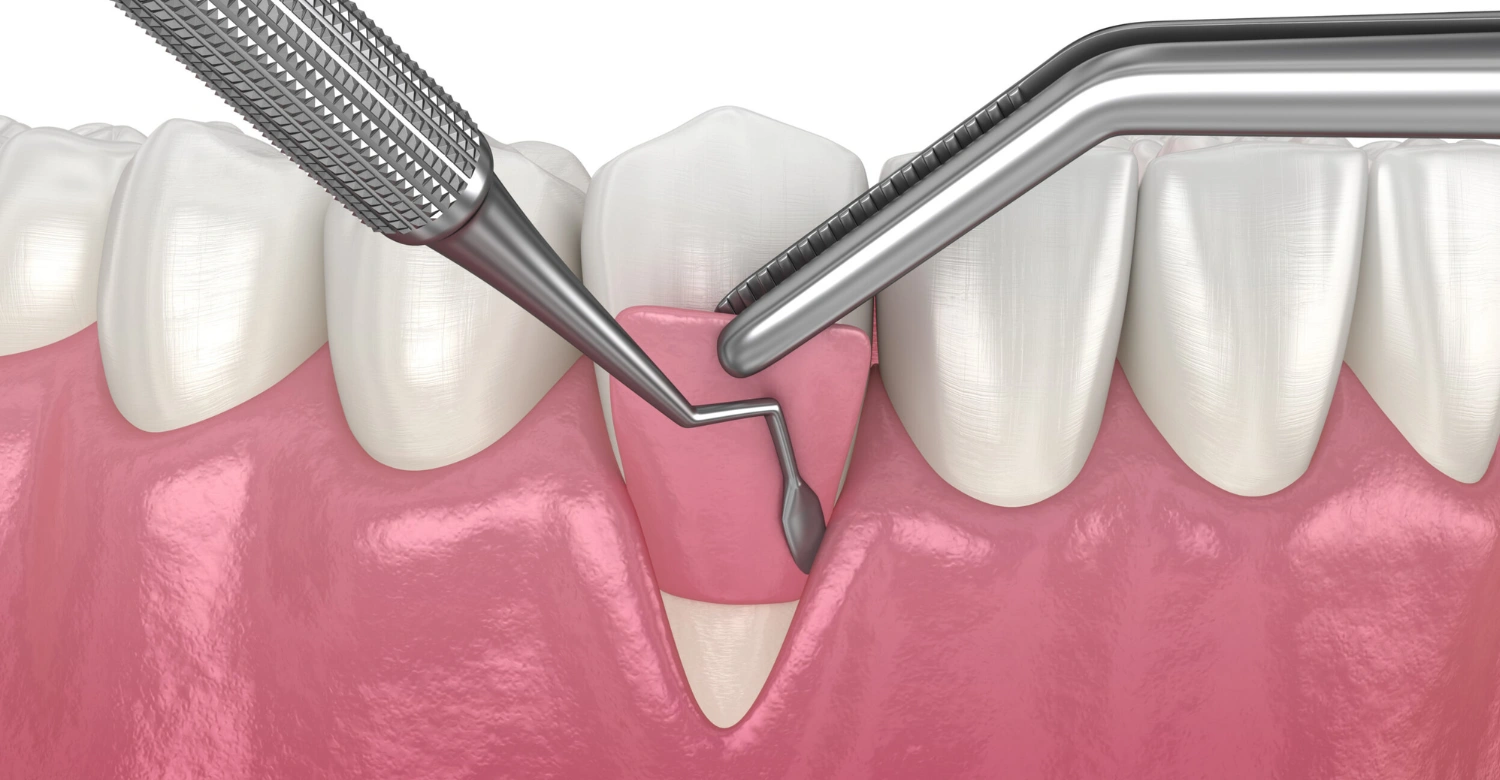
A gum tissue graft is commonly used to treat gum recession and exposed tooth roots. During the procedure, tissue may be taken from another area or obtained from an appropriate donor source. The tissue is positioned over the exposed root and secured during healing. Treatment may help protect vulnerable root surfaces and reduce sensitivity. It can also improve the appearance of recession in selected cases. The exact technique depends on recession severity, tissue thickness, tooth position, and periodontal health. Gum grafting is different from pocket reduction surgery because its primary purpose is often root coverage. The American Academy of Periodontology states that grafting can help cover exposed roots and reduce additional recession and bone loss.
Bone Grafting
Bone grafting may be considered when periodontal disease has produced specific areas of supporting bone loss. The clinician places graft material into an appropriate defect after cleaning the affected area. The material provides a framework or environment that can support bone regeneration. Results depend heavily on the type and shape of the defect. Bone grafting is therefore not suitable for every pattern of periodontal bone loss. Successful disease control and postoperative maintenance are also important. The procedure may sometimes be combined with other regenerative techniques. A periodontist should assess the defect using clinical examination and imaging before recommending grafting. The American Academy of Periodontology recognizes bone grafts as one component of selected regenerative periodontal procedures.
Guided Tissue Regeneration
Guided tissue regeneration is a regenerative periodontal technique designed to encourage appropriate tissue healing around selected defects. A membrane may be positioned to help separate rapidly growing soft tissues from areas where periodontal regeneration is desired. Bone graft materials or biological agents may also be used depending on the treatment plan. The technique is most appropriate for carefully selected periodontal defects. It should not be presented as a universal method for reversing all bone loss. The anatomy of the defect strongly influences regenerative potential. The American Academy of Periodontology describes membranes, graft materials, and tissue-stimulating proteins as possible components of regenerative procedures.
Receding Gums Surgery
Receiving gum surgery is generally performed to address gum tissue that has moved away from the tooth surface. Recession can expose the tooth root and increase sensitivity or vulnerability. Gum grafting is one commonly used surgical approach. The clinician evaluates the amount of recession, tissue thickness, tooth position, and surrounding periodontal health. Treatment may involve covering part or all of the exposed root. The expected result depends on the specific recession pattern. Surgery should be considered alongside the cause of recession. Aggressive brushing, periodontal inflammation, anatomical factors, and other causes may contribute. Addressing these factors helps protect the result after treatment.
How Is Periodontal Surgery Diagnosed and Planned?
Planning begins with a detailed periodontal assessment rather than the surgical procedure itself. The clinician examines the gums, teeth, periodontal pockets, bleeding, recession, mobility, and supporting tissues. Periodontal probing provides measurements around individual teeth. Dental X-rays can help identify supporting bone loss. Additional digital imaging may be appropriate for selected cases. Medical history and risk factors are also important because systemic conditions can influence periodontal health and healing. Smoking is particularly relevant because tobacco use is associated with periodontal disease and delayed healing. Treatment planning should identify which sites require intervention and which areas can be managed conservatively. At Vitrin Clinic, digital diagnostics can support the assessment and communication of individualized dental treatment plans.
Periodontal Examination
A periodontal examination evaluates the condition of the gums and supporting structures around the teeth. The clinician checks for redness, swelling, bleeding, recession, tenderness, and changes in gum attachment. Tooth mobility and bite changes may also provide useful information. Periodontal probing is performed around individual teeth to identify pocket depths. The clinician may also evaluate plaque, calculus, and other local contributing factors. A medical history can reveal risk factors that influence disease progression or treatment. NIDCR identifies smoking, diabetes, genetics, and certain medical conditions among periodontal risk factors. A complete examination helps determine whether non-surgical care or surgical treatment is appropriate.
Periodontal Pocket Measurements
Periodontal pocket measurements help clinicians assess the spaces between gums and teeth. A periodontal probe is gently inserted around the tooth to measure pocket depth. Healthy pockets are usually approximately 1–3 millimeters. Deeper measurements may indicate periodontal breakdown, particularly when accompanied by bleeding or attachment loss. However, pocket depth alone does not determine whether surgery is necessary. Clinicians also consider bone levels, recession, bleeding, mobility, and treatment response. Measurements can be recorded over time to monitor changes. This makes periodontal charting useful for both diagnosis and maintenance. Persistent abnormal measurements may indicate areas requiring additional treatment.
Dental X-Rays and Imaging
Dental X-rays can help identify bone loss that cannot be evaluated fully through visual examination. They provide information about supporting bone levels and changes around tooth roots. The imaging required depends on the clinical situation. Standard dental radiographs may be sufficient for many periodontal assessments. More advanced digital imaging may be useful for selected complex cases. CBCT provides three-dimensional information but should be used when clinically justified. Imaging should complement clinical findings rather than replace them. At Vitrin Clinic, digital diagnostic technologies can support treatment planning when appropriate. The purpose is to understand the patient's anatomy before selecting a treatment approach.
Evaluating Gum and Bone Loss
Evaluating gum and bone loss requires more than identifying visible recession. Clinicians assess attachment levels, pocket depths, bleeding, tooth mobility, and radiographic bone changes. These findings help establish the extent and pattern of periodontal destruction. Some defects may be localized around individual teeth. Others can affect multiple areas throughout the mouth. The shape and remaining support can influence treatment possibilities. Periodontal disease can progress without obvious pain, making professional assessment important. The American Academy of Periodontology notes that gum disease can remain relatively silent until advanced stages. A complete evaluation allows the clinician to separate treatable periodontal inflammation from permanent structural damage.
When Is Surgery Recommended After Non-Surgical Treatment?
Surgery may be considered after appropriate non-surgical treatment has been completed and specific periodontal sites remain problematic. Scaling and root planing can reduce inflammation and improve periodontal conditions. However, some deep or anatomically complex pockets may remain difficult to manage. The clinician reassesses periodontal measurements, bleeding, plaque control, and other findings. Surgery may then be recommended for selected sites. Not every treated area necessarily requires surgery. This targeted approach can avoid unnecessary procedures while addressing persistent disease. NIDCR states that treatment varies according to disease extent and that advanced disease may require surgical treatment.
How Does Periodontal Surgery Work?
The surgical process depends on the procedure selected. Most treatments begin with a review of medical history and clinical findings. Local anesthesia is commonly used to keep the treatment area comfortable. The clinician then performs the specific surgical steps required for the diagnosed condition. These steps can include accessing periodontal pockets, removing diseased deposits, repositioning gum tissue, placing graft material, or covering exposed roots. Sutures may be used depending on the technique. Postoperative instructions are provided before the patient leaves. Oral surgical procedures require careful infection prevention because surgical tissues may expose normally protected areas. Recovery varies according to the extent and type of surgery.
What Happens Before Surgery?
Before surgery, the clinician reviews the diagnosis and explains the proposed procedure. The treatment area is assessed using periodontal measurements and appropriate imaging. Medical history and current medications should also be discussed. Smoking status and systemic conditions can affect periodontal treatment and healing. Patients should understand expected benefits, possible risks, alternatives, and postoperative instructions. The clinician may also recommend professional cleaning before surgery. Good plaque control is particularly important because postoperative healing occurs within a bacterial environment. Patients should follow medication instructions provided by their dental team. At Vitrin Clinic, treatment planning can incorporate clinical examination and digital diagnostic information.
What Happens During Surgery?
During surgery, local anesthesia is used to numb the treatment area. The clinician performs the procedure according to the periodontal defect and treatment objective. Flap procedures involve carefully accessing tissues beneath the gumline. Diseased deposits and inflammatory tissue can then be removed. Bone contours may be modified when clinically indicated. Regenerative procedures may involve membranes or graft materials. Gum grafting uses tissue to cover selected exposed root surfaces. The procedure is completed by positioning the tissues and placing sutures when required. The exact sequence varies considerably between procedures. Patients should ask their clinician which technique is being proposed and why it fits their periodontal condition.
How Long Does Periodontal Surgery Take?
The duration depends on the number of teeth treated and the complexity of the procedure. A localized procedure may require considerably less time than treatment involving multiple areas. Gum grafting, pocket surgery, and regenerative procedures also have different operating times. Additional time may be required when several techniques are combined. Your clinician can provide a more accurate estimate after reviewing the treatment plan. Procedure length should not be judged independently of treatment quality. Complex periodontal defects may require careful tissue management. Patients should also allow additional time for preparation and postoperative instructions.
What Happens After the Procedure?
After surgery, the clinical team provides instructions for protecting the treated area. Mild discomfort, swelling, or bleeding can occur during the early recovery period. The clinician may recommend specific medications or rinsing instructions. Eating may temporarily require softer foods. Brushing and interdental cleaning may need modification around the surgical site. Patients should avoid disturbing sutures or manipulating the treated tissues. Follow-up visits allow the clinician to evaluate healing and remove sutures when necessary. Recovery instructions vary by procedure, so generic advice should not replace the treating clinician's guidance.
Is Periodontal Surgery Painful?
Discomfort varies according to the procedure, treatment area, and individual sensitivity. Local anesthesia is used during most periodontal surgical procedures. Patients should therefore generally expect pressure rather than sharp pain during treatment. After anesthesia wears off, soreness and swelling can develop. These symptoms are usually managed according to instructions from the treating dental professional. The extent of discomfort can differ between pocket surgery, gum grafting, and regenerative procedures. Postoperative care also affects comfort and healing. Patients should contact their dental team if pain becomes severe, progressively worsens, or occurs with significant swelling or other concerning symptoms.
What Does Periodontal Surgery Pain Feel Like?
Postoperative discomfort can feel like soreness, tenderness, pressure, or sensitivity around the treated tissues. Gum grafting may produce discomfort at both the grafted site and the donor area. Pocket procedures may cause localized tenderness around treated teeth. Swelling can also create a feeling of pressure during the first days. The experience differs among patients and procedures. Pain should generally be assessed alongside other symptoms. Severe or increasing pain may require professional evaluation. Patients should follow their clinician's medication instructions rather than changing doses independently.
How Is Pain Managed After Surgery?
Pain management commonly combines appropriate medication with careful protection of the surgical area. Your dentist or periodontist may recommend specific pain-relief medicines based on your health history. Cold compresses may sometimes be recommended during the early period. Patients should avoid touching or disturbing the surgical site. Smoking can interfere with periodontal healing and should be avoided. Follow the exact instructions provided for your procedure. Contact the dental team if pain remains severe or unexpectedly increases.
What Symptoms Are Normal During Recovery?
Some soreness, mild swelling, minor bleeding, and temporary sensitivity can occur after periodontal surgery. The intensity depends on the procedure and individual healing response. Mild changes usually improve progressively during recovery. Patients should follow the specific instructions supplied by their clinician. Persistent heavy bleeding, severe pain, significant swelling, fever, or other concerning symptoms require professional assessment. Infection prevention is particularly important after oral surgery. CDC guidance emphasizes appropriate infection prevention and control during surgical dental procedures.
How Much Does Periodontal Surgery Cost?
The cost varies substantially between countries, procedures, clinics, and individual cases. A simple localized gum procedure can have a different price from extensive regenerative treatment. The number of teeth involved also affects the overall cost. Additional diagnostic imaging, grafting materials, sedation, or follow-up care may add to treatment expenses. Insurance coverage varies by plan and medical necessity. International patients should also consider whether the quoted price includes diagnostics, medications, follow-up visits, and transportation. A treatment plan should clearly identify what is included. Vitrin Clinic can provide individualized treatment planning after reviewing the patient's clinical needs. Exact pricing should be confirmed after assessment rather than estimated from symptoms alone.
What Is the Average Periodontal Surgery Cost in the US?
There is no single U.S. price that accurately represents every periodontal surgical procedure. Costs vary according to the procedure, geographic area, provider, and complexity. Gum grafting, pocket reduction, and regenerative procedures can have different fee structures. Treating multiple teeth can also increase the total cost. Dental insurance may cover some medically necessary periodontal procedures depending on the policy. Patients should request a written estimate before treatment. The estimate should distinguish professional fees from additional imaging, medications, graft materials, and follow-up care. Because prices change between practices, current local quotations are more reliable than broad online averages.
What Is the Average Periodontal Surgery Cost in the UK?
UK treatment costs vary between NHS services, private practices, regions, and individual procedures. Availability and eligibility also depend on the patient's circumstances. Private periodontal surgery can involve separate fees for consultation, imaging, surgery, and follow-up. Gum grafting and regenerative procedures may have different prices from periodontal pocket treatment. Patients should ask whether the quoted amount covers all required appointments. Travel costs can also matter when comparing treatment locations. Current quotations from individual clinics provide more reliable information than generalized online figures.
What Is the Average Periodontal Surgery Cost in Turkey?
Turkey offers periodontal treatment through both private dental clinics and specialist practices. Prices vary according to the procedure, clinic, materials, diagnostic requirements, and number of treatment sites. International patients should compare the complete treatment plan rather than a single advertised procedure price. Important questions include whether imaging, consultations, medications, follow-up visits, and translation support are included. At Vitrin Clinic, international dental care can be coordinated around diagnostic assessment and personalized treatment planning. Patients should receive a case-specific quotation after their dental condition is reviewed.
What Is Periodontal Surgery Cost Without Insurance?
Without insurance, the patient generally pays the clinic's full applicable fee. The total depends on the surgical procedure and additional services required. A localized procedure may have a different price from treatment involving multiple teeth or regenerative materials. Diagnostic imaging and follow-up appointments can also contribute to total costs. Patients should ask for a complete written estimate before scheduling treatment. They should also confirm whether postoperative reviews and necessary medications are included. Comparing complete treatment plans provides more useful information than comparing headline procedure prices alone.
What Factors Affect Gum Surgery Cost?
Several factors can influence the cost of gum surgery. These include the procedure type, number of teeth, disease severity, graft materials, imaging requirements, and clinician expertise. Geographic location can also affect professional fees. Complex regenerative procedures may involve additional materials and appointments. Sedation, laboratory services, or other treatments can create additional costs. Patients should also consider follow-up care when comparing treatment options. The cheapest initial quotation may not represent the lowest overall treatment expense if important services are excluded.
Does Dental Insurance Cover Periodontal Surgery?
Insurance coverage depends on the specific dental plan and the procedure being performed. Some plans provide benefits for medically necessary periodontal treatment. Other procedures may have limitations, waiting periods, exclusions, or annual maximums. Patients should contact their insurance provider before treatment. The dental office can often provide diagnostic codes or treatment estimates for insurance review. Coverage should never be assumed based solely on the procedure name. Ask whether the policy covers periodontal surgery, grafting, imaging, and follow-up appointments separately.
What Is Periodontal Surgery Recovery Like?
Recovery depends on the surgical technique, number of treated sites, and individual healing. Early recovery may involve soreness, swelling, sensitivity, or mild bleeding. The treated tissues gradually stabilize as healing progresses. Patients usually receive specific instructions about eating, oral hygiene, medications, and activity. Protecting the surgical site is particularly important during the early period. Smoking should be avoided because tobacco can impair periodontal healing and treatment success. Follow-up appointments help clinicians monitor healing and address complications promptly. Recovery should therefore be viewed as a process rather than a single healing date.
What Is the Periodontal Surgery Healing Time?
Healing time varies significantly between procedures. Soft tissues may begin improving during the first days, but deeper tissue healing takes longer. Gum grafts, regenerative procedures, and pocket surgery can have different recovery patterns. Your clinician can provide a personalized timeline based on the procedure performed. Patients should not judge healing only by how the gums look immediately after surgery. Internal tissues can continue healing after visible symptoms decrease. Follow-up examinations help determine whether healing is progressing appropriately.
What Happens During the First Few Days?
The first few days usually focus on protecting the surgical area. Some swelling, tenderness, and mild bleeding can occur. Soft foods may be easier to tolerate during this period. Patients should follow instructions regarding brushing, rinsing, and medication. Physical activity may need temporary modification depending on the procedure. The surgical site should not be repeatedly touched or inspected with fingers. Any severe or worsening symptom should be reported to the treating dental team.
When Can You Return to Normal Activities?
Return to normal activities depends on the procedure and individual recovery. Some patients resume light daily activities relatively quickly. More extensive procedures may require additional rest. Exercise should be restarted according to the clinician's instructions. Work requirements also matter because physically demanding jobs may require more recovery time. Patients should prioritize the surgical team's recommendations over generic timelines. If swelling, bleeding, or pain remains significant, additional recovery time may be appropriate.
What Factors Can Affect Healing?
Several factors can influence periodontal healing. Smoking is a particularly important risk factor because tobacco can impair healing and reduce treatment success. Poor plaque control can also compromise periodontal health. Diabetes and other medical conditions may affect oral health and healing. The surgical technique and size of the treated area also matter. Following postoperative instructions supports the healing process. Regular periodontal maintenance remains important after the surgical phase.
What to Eat After Periodontal Surgery?
Food choices should protect healing tissues while providing adequate nutrition. Soft foods are often easier to tolerate during the initial recovery period. Patients should avoid foods that can traumatize or lodge around the surgical area. Extremely hot foods may also be uncomfortable immediately after treatment. The exact diet depends on the surgical procedure and clinician instructions. Hydration remains important unless another medical condition requires fluid restriction. Patients should gradually return to normal foods as healing progresses. The surgical team can provide procedure-specific dietary guidance.
What Foods Are Recommended After Surgery?
Soft foods are commonly easier to manage after periodontal procedures. Examples can include yogurt, eggs, soft vegetables, smoothies consumed without aggressive suction, and appropriately prepared grains. Foods should be comfortable to chew and unlikely to injure the treated tissue. Adequate protein and overall nutrition support normal healing. Patients should follow any individual dietary restrictions from their healthcare providers. If a graft or surgical site is particularly sensitive, the clinician may provide additional food recommendations.
What Foods Should You Avoid?
Hard, sharp, crunchy, or sticky foods may irritate healing tissues. Examples include hard nuts, chips, tough meats, and foods that can become trapped around the surgical area. Very spicy or extremely hot foods may also cause discomfort. Alcohol and tobacco should be avoided according to the treating clinician's instructions. Patients should not use food choices as a substitute for professional postoperative guidance. The location and type of surgery determine which foods pose the greatest concern.
When Can You Return to Your Normal Diet?
The timing depends on how the surgical tissues are healing. Some patients gradually reintroduce normal foods after the early recovery period. Others need a softer diet for longer. The clinician may recommend avoiding chewing directly over the treated area until sufficient healing occurs. Patients should increase food texture gradually and stop if discomfort develops. Follow-up appointments provide an opportunity to confirm whether normal chewing can resume.
What Is Periodontal Surgery Aftercare?
Aftercare protects the surgical site and supports predictable healing. Instructions can include medication use, oral hygiene modifications, diet changes, and activity restrictions. Patients should avoid manipulating sutures or surgical tissues. Brushing may need to be modified around the treated area. Interdental cleaning should follow the clinician's specific instructions. Some patients may receive a prescribed mouth rinse. Follow-up appointments allow the dental team to evaluate healing. Long-term periodontal maintenance remains essential because surgery does not eliminate the underlying risk of periodontal disease.
How Should You Brush and Clean Your Teeth?
Oral hygiene remains important after periodontal surgery, but the surgical area may require temporary modification. Patients should follow the clinician's instructions regarding brushing near sutures. Other teeth should generally continue receiving appropriate plaque control. Cleaning between teeth may require temporary changes depending on the treated site. NIDCR recommends regular brushing and interdental cleaning as part of maintaining oral health. Do not force a toothbrush or interdental device into a healing surgical area without professional guidance.
Should You Use Mouthwash After Surgery?
Some patients may be prescribed a specific mouth rinse after surgery. The appropriate product and timing depend on the procedure. Patients should not automatically use a strong commercial mouthwash on fresh surgical tissues. Alcohol-containing products may be uncomfortable for some patients. Follow the exact instructions provided by the dental team. If a prescribed rinse causes unexpected irritation, contact the treating clinic rather than stopping treatment without advice.
How Should You Protect the Surgical Site?
Protecting the surgical site means avoiding unnecessary pressure, trauma, and manipulation. Patients should not pull at sutures or repeatedly touch the treated tissue. Chewing may need to occur away from the surgical area. Tobacco use should be avoided because it can interfere with healing. Patients should also follow instructions regarding exercise and oral hygiene. Proper protection helps minimize avoidable irritation during early healing.
When Is the Follow-Up Appointment?
Follow-up timing depends on the surgical procedure and clinician's protocol. Some patients require an early review to assess healing or remove sutures. Additional appointments may monitor periodontal measurements and tissue response. Regenerative procedures may require longer-term evaluation. Follow-up is important because periodontal treatment is not complete when the surgical procedure ends. The clinician needs to assess healing and establish an appropriate maintenance schedule.
Note : All images used are for editorial and illustrative purposes only and may not originate from the original news provider or associated company.
What We Notice Clinically
Clinical decision-making should focus on the individual periodontal condition rather than one measurement. Deep pockets, recession, or bone loss can have different causes and treatment implications. Surgery should therefore follow a comprehensive examination. The objective is usually disease control and preservation of maintainable teeth. Long-term maintenance is essential after active periodontal treatment. Vitrin Clinic approaches dental treatment through individualized assessment and digital planning when appropriate. Clinical findings should always guide the selected procedure. Patients should ask which findings justify surgery and what alternative treatments remain available.
Deep Gum Pockets Do Not Always Mean Immediate Surgery
Deep periodontal pockets do not automatically mean that surgery is immediately required. Initial treatment may include scaling and root planing and improved plaque control. The clinician then reassesses the periodontal response. Some pockets can improve substantially after inflammation decreases. Others may remain difficult to clean because of anatomy or persistent disease. Surgical treatment can then be considered for selected areas. NIDCR describes scaling and root planing as an important non-surgical periodontal treatment.
Gum Recession and Periodontal Disease Are Not the Same Condition
Gum recession describes movement of the gum margin away from the normal tooth position. Periodontitis involves inflammatory destruction of periodontal supporting tissues. The two conditions can occur together but are not identical. Recession can result from several factors, including traumatic brushing and anatomical characteristics. Periodontitis can also contribute to tissue loss. Treatment must therefore address the underlying cause. Gum grafting may be appropriate for selected recession cases. Periodontal infection requires appropriate periodontal management.
Bone Loss Does Not Automatically Mean Tooth Extraction
Bone loss around a tooth does not automatically mean that extraction is necessary. The long-term prognosis depends on remaining support, disease control, mobility, anatomy, and the ability to maintain the tooth. Selected periodontal defects may be treated using regenerative approaches. Other teeth may require different treatment. NIDCR notes that advanced disease can cause loose teeth or tooth loss, but treatment aims to control disease and preserve oral health when possible. A periodontist should evaluate the tooth before extraction is considered.
Long-Term Periodontal Maintenance Remains Important
Periodontal surgery does not remove the need for long-term maintenance. Plaque can accumulate again after treatment and trigger inflammation. Regular professional monitoring helps identify recurrent problems. Daily brushing and interdental cleaning remain essential. Smoking cessation can also improve periodontal health and healing outcomes. NIDCR recommends routine dental visits, professional cleaning, brushing, and interdental cleaning for periodontal health. Maintenance intervals should be individualized according to periodontal risk.
Clinical Note
The decision to perform surgery should follow diagnosis rather than symptoms alone. Some patients have advanced periodontal destruction without significant pain. Others may have gum discomfort without requiring surgical treatment. Periodontal probing, clinical attachment findings, imaging, and treatment response provide a more complete picture. A qualified dental professional should interpret these findings together. The goal is appropriate disease control and preservation of oral function.
What Are the Risks and Complications of Periodontal Surgery?
Like other surgical procedures, periodontal surgery carries potential risks. Common short-term effects can include soreness, swelling, bleeding, and sensitivity. Gum appearance can also change depending on the surgical technique. Recession may become more noticeable after certain pocket procedures. Infection and delayed healing are less common but require professional attention. Risk depends on the procedure, patient health, smoking status, oral hygiene, and surgical site. Patients should receive procedure-specific risk information before treatment. CDC emphasizes infection prevention during periodontal and other oral surgical procedures.
Pain, Swelling, and Bleeding
Mild pain, swelling, and bleeding can occur after periodontal surgery. The intensity varies according to the procedure and the number of treated areas. Patients should follow instructions for controlling discomfort and protecting the site. Persistent heavy bleeding requires professional assessment. Severe or worsening swelling can also indicate a complication. Patients should contact their dental team if symptoms appear significantly different from the expected recovery pattern.
Tooth Sensitivity
Tooth sensitivity can occur when gum tissue changes or previously covered root surfaces become exposed. Sensitivity may be noticeable with cold foods or drinks. The duration varies between patients and procedures. Your clinician may recommend appropriate desensitizing products or other measures. Persistent sensitivity should be assessed if it does not improve. Sensitivity can also result from periodontal disease itself, so the underlying cause should be considered.
Gum Recession and Changes in Gum Appearance
Some periodontal procedures can change the visible position of gum tissue. Pocket reduction may leave teeth appearing longer because inflamed tissue decreases. Gum grafting aims to cover selected exposed root surfaces. The final appearance depends on tissue thickness, recession pattern, and healing. Patients should discuss aesthetic expectations before surgery. The primary objective should remain periodontal health and function.
Infection and Delayed Healing
Infection after periodontal surgery requires professional assessment. Increasing pain, significant swelling, fever, or abnormal discharge can require prompt evaluation. Delayed healing may be associated with smoking, poor plaque control, systemic health factors, or local complications. CDC emphasizes the importance of infection prevention during oral surgical procedures. Patients should follow all postoperative instructions and report concerning changes promptly.
When Should You See a Dentist or Periodontist?
Professional evaluation is important when gum symptoms persist or worsen. Bleeding gums, recession, loose teeth, persistent bad breath, and painful chewing can indicate periodontal disease. The American Academy of Periodontology identifies several of these symptoms as warning signs. Early assessment can help determine whether the condition is gingivitis, periodontitis, recession, or another dental problem. Severe swelling or systemic symptoms require more urgent attention. A periodontist specializes in diagnosing and treating diseases affecting the gums and supporting tissues.
Warning Signs of Advanced Gum Disease
Warning signs can include persistent gum bleeding, recession, loose teeth, pus, bad breath, and changes in how teeth fit together. Advanced disease can also cause chewing difficulties and supporting bone destruction. Some patients may have few symptoms despite significant periodontal damage. Regular dental examinations are therefore important. Patients should not wait for severe pain before seeking assessment.
When Gum Bleeding Requires Professional Evaluation
Bleeding during brushing or flossing can indicate gingival inflammation. Repeated bleeding should not simply be ignored. Plaque accumulation can trigger inflammation and eventually contribute to more advanced periodontal disease. Professional evaluation is particularly important when bleeding continues despite improved oral hygiene. A dental professional can identify whether gingivitis, periodontitis, trauma, medication, or another condition is involved.
H3: When Loose Teeth Require Prompt Assessment
Loose permanent teeth require professional assessment because mobility can have several causes. Advanced periodontal disease can destroy supporting bone and tissues around teeth. Trauma and other dental conditions can also cause mobility. NIDCR identifies loose teeth as a possible sign of advanced gum disease. Early assessment may help determine whether the tooth can be stabilized or treated.
When Facial Swelling or Severe Symptoms Require Urgent Care
Facial swelling can indicate an infection requiring prompt dental assessment. Severe pain, fever, difficulty swallowing, or difficulty breathing requires urgent medical attention. These symptoms should not be managed solely with home remedies. Dental infections can potentially spread into surrounding tissues. Patients should seek appropriate emergency care when severe symptoms occur.
How Can You Prevent Further Periodontal Disease?
Preventing further periodontal disease requires consistent daily plaque control and professional monitoring. Brushing twice daily helps remove plaque from accessible tooth surfaces. Cleaning between teeth addresses areas a toothbrush cannot reach effectively. Professional cleanings remove calculus that cannot be removed through normal brushing. Tobacco cessation is particularly important because smoking is a major periodontal risk factor. Diabetes and other health conditions should also be appropriately managed. Periodontal maintenance should continue even after successful treatment. The objective is to reduce inflammation and preserve healthy supporting tissues.
Daily Oral Hygiene
Daily oral hygiene is central to periodontal disease prevention. NIDCR recommends brushing twice daily and cleaning between teeth regularly. Interdental brushes, floss, or water flossers may be appropriate depending on individual needs. Patients with periodontal disease should receive personalized cleaning instructions. Technique matters because aggressive brushing can damage gum tissue. Consistency is more important than using complicated products.
Professional Dental Cleanings and Periodontal Maintenance
Professional cleaning removes hardened calculus that cannot be removed effectively at home. Patients with periodontal disease may require more frequent monitoring than patients with healthy gums. Maintenance appointments allow clinicians to monitor pocket depths, bleeding, and other changes. The recommended interval depends on individual periodontal risk. Skipping maintenance can allow recurrent inflammation to progress unnoticed.
Smoking and Gum Health
Smoking is one of the major modifiable periodontal risk factors. It can increase periodontal disease risk and interfere with healing. NIDCR identifies tobacco use as the most significant periodontal risk factor among those listed on its patient information page. Quitting smoking can therefore support periodontal treatment and long-term oral health. Patients who need help quitting should discuss appropriate resources with a healthcare professional.
Managing Periodontal Risk Factors
Periodontal risk factors include smoking, diabetes, oral hygiene problems, genetics, age, and certain medical conditions. Managing these factors can support periodontal stability. Patients with diabetes should work with their healthcare team to manage blood glucose appropriately. Regular dental monitoring can identify changes before they become severe. Risk management should be individualized rather than based on a single factor.
Tips for Patients
Patients can improve their treatment experience by understanding the diagnosis and proposed procedure. Ask what problem the surgery is intended to treat. Ask whether non-surgical options have already been considered. Request an explanation of expected benefits, risks, recovery, and maintenance. Patients should also understand which teeth or sites require treatment. Before international treatment, ask whether diagnostics, transportation, accommodation, medications, and follow-up are included. Vitrin Clinic can coordinate dental treatment planning for international patients after clinical assessment. Clear communication helps patients understand the treatment journey before committing to care.
What Should You Ask Before Periodontal Surgery?
Ask which periodontal condition requires surgery and which areas are affected. Ask whether scaling and root planing or other non-surgical treatment has been attempted. Ask what procedure is being recommended and why. Discuss expected healing time, possible complications, and long-term maintenance. Ask whether graft materials or additional procedures are required. Patients should also ask about alternatives and the consequences of delaying treatment. Written treatment information can make the decision easier to understand.
How Should You Prepare for Surgery?
Follow the clinic's instructions before the appointment. Provide an accurate medical history and medication list. Tell the dental team about allergies and relevant health conditions. Arrange appropriate transportation if sedation or extensive treatment is planned. Prepare soft foods and any recommended postoperative supplies. Avoid smoking according to clinical advice. Most importantly, understand the postoperative instructions before treatment begins.
What Should You Avoid During Recovery?
Avoid smoking because it can interfere with periodontal healing. Avoid manipulating the surgical site or sutures. Hard and sharp foods may also irritate healing tissues. Do not resume strenuous activity sooner than recommended. Avoid changing prescribed medication without consulting the dental team. Contact the clinic if bleeding, swelling, or pain becomes unusually severe.
What Are the Side Effects of Periodontal Surgery?
Most side effects after periodontal surgery are temporary and improve as the tissues heal. Common effects include gum soreness, swelling, mild bleeding, bruising, and tooth sensitivity. Some patients may notice temporary changes in gum appearance after treatment. The severity depends on the procedure, treatment area, and individual healing response. Gum grafting can cause discomfort at both the treated and donor sites. Pocket procedures may cause temporary sensitivity around treated teeth. Patients should follow their clinician's instructions carefully during recovery. Increasing pain, persistent heavy bleeding, fever, significant swelling, or unusual discharge requires professional evaluation. Oral surgery also carries infection risks, making appropriate postoperative care important.
Gum Pain and Tenderness
Gum tenderness is common during the early recovery period. The treated tissues may feel sore when touched or during eating. Discomfort can vary depending on the surgical technique and number of treated areas. Patients should avoid unnecessary pressure around the surgical site. Following prescribed pain-management instructions can help control discomfort. Soft foods may also make eating easier during the initial recovery period. Severe or worsening pain should be reported to the dental team.
Swelling and Bruising
Swelling can occur after periodontal procedures as part of the body's normal healing response. It may be more noticeable during the first few days. Some patients may also develop mild bruising around the treatment area. Your clinician may recommend cold compresses during the early recovery period. Patients should follow the specific instructions provided after surgery. Significant or progressively worsening swelling should receive professional evaluation.
Bleeding After Surgery
Minor bleeding or blood-stained saliva can occur after periodontal surgery. Patients should follow the clinic's instructions for managing the surgical site. Excessive or persistent bleeding requires prompt contact with the dental team. Avoid repeatedly disturbing the area because this can interfere with clot formation and healing. Patients should also follow any instructions regarding physical activity and oral hygiene.
Tooth Sensitivity
Tooth sensitivity can occur when gum tissue changes after surgery. Previously covered root surfaces may become more exposed, particularly after some periodontal procedures. Cold drinks or foods may temporarily trigger discomfort. Your dentist may recommend appropriate desensitizing products. Sensitivity that persists or becomes severe should be professionally assessed.
How Can You Relieve Discomfort After Periodontal Surgery?
Relief after periodontal surgery focuses on protecting the surgical site while controlling discomfort. Your dental professional may recommend appropriate pain medication based on your medical history. Cold compresses can sometimes help reduce early swelling. Soft foods can minimize pressure during eating. Patients should avoid smoking because tobacco can interfere with periodontal healing. Good oral hygiene should continue according to the modified instructions provided by the clinician. Patients should never place unapproved substances directly onto surgical tissues. If pain becomes severe, persistent, or progressively worse, contact your dental professional.
Use Pain Relief as Directed
Take pain medication only according to your dentist's or doctor's instructions. Your medical history and other medications can affect which pain relievers are appropriate. Do not exceed the recommended dose. Patients should also avoid combining medications without professional advice. If pain remains uncontrolled, contact the dental clinic rather than increasing medication independently.
Use Cold Compresses
A cold compress may help manage swelling during the early postoperative period. Place it externally against the cheek rather than directly against the surgical tissues. Use it according to the instructions provided by your dental team. Avoid excessive pressure around the treated area. Your clinician can provide specific recommendations based on the procedure performed.
Choose Soft Foods
Soft foods can reduce pressure on healing gums. Suitable choices may include yogurt, eggs, soft vegetables, oatmeal, and appropriately prepared grains. Avoid hard, crunchy, sharp, or sticky foods during the recommended recovery period. Extremely hot foods may also irritate sensitive tissues. Gradually return to your normal diet according to your clinician's instructions.
Protect the Surgical Site
Avoid touching the surgical area with your fingers or repeatedly checking the tissues. Do not pull on sutures or disturb protective materials. Follow your clinician's instructions for brushing and interdental cleaning. Avoid chewing directly over the treated area when instructed. These precautions help reduce unnecessary irritation during healing.
Medical Tips for a Safer Periodontal Surgery Recovery
Good postoperative care can support healing and reduce avoidable complications. Follow every instruction provided by your dentist or periodontist. Take prescribed medications exactly as directed. Maintain appropriate oral hygiene without traumatizing the surgical area. Avoid smoking because tobacco use can negatively affect periodontal health and healing. Attend scheduled follow-up appointments even when symptoms improve. Inform your dental team about unusual pain, persistent bleeding, fever, or increasing swelling. Patients should also disclose relevant medical conditions and medications before surgery. At Vitrin Clinic, patients can discuss their clinical findings, treatment plan, and postoperative requirements with the dental team.
Avoid Smoking During Recovery
Smoking can negatively affect periodontal health and interfere with healing. NIDCR identifies tobacco use as an important risk factor for periodontal disease. Avoiding tobacco during recovery can help protect healing tissues. Patients who smoke should discuss cessation support with their healthcare professional.
Follow Your Medication Instructions
Use prescribed medications exactly as directed. Do not stop antibiotics early if they have been prescribed unless your clinician advises otherwise. Do not combine pain medications without checking whether they are safe together. Tell your dentist about allergies and current medications before treatment.
Maintain Oral Hygiene Carefully
Keeping the mouth clean remains important after surgery. However, the surgical area may require temporary modifications. Follow your clinician's instructions regarding brushing, flossing, interdental cleaning, and mouthwash. Avoid aggressive brushing around healing tissues. Proper plaque control supports long-term periodontal health.
Attend Follow-Up Appointments
Follow-up appointments allow your dental professional to evaluate healing. Sutures may need to be removed depending on the procedure. The clinician can also check for inflammation, infection, or other complications. Follow-up visits help determine when normal oral hygiene and eating habits can resume.
Know When to Seek Urgent Care
Contact your dental team if pain becomes severe or progressively worse. Significant swelling, persistent heavy bleeding, fever, or unusual discharge also requires prompt assessment. Difficulty breathing or swallowing can require emergency medical attention. Do not attempt to manage severe symptoms with home remedies alone.
At Vitrin Clinic
Vitrin Clinic approaches dental care through clinical assessment, digital diagnostics, and individualized treatment planning. Periodontal concerns should first be evaluated according to the patient's oral condition. Digital imaging may help clinicians understand tooth and supporting tissue structures when clinically appropriate. Treatment options can then be discussed according to the findings. The appropriate treatment may involve periodontal care, restorative treatment, implants, or other dental procedures. International patients can also receive coordinated support throughout their treatment journey. The clinic's approach emphasizes communication between diagnostics, treatment planning, clinical care, and follow-up.
Periodontal Assessment and Consultation
A periodontal consultation begins with reviewing the patient's dental concerns and clinical history. The dental team evaluates the gums, teeth, supporting structures, and symptoms. Periodontal measurements help identify areas requiring attention. Imaging may provide additional information about supporting bones. The assessment helps distinguish periodontal disease from other dental conditions. Vitrin Clinic can then develop a personalized treatment plan based on the clinical findings.
Digital Dental Diagnostics
Digital diagnostics can support modern dental assessment and treatment planning. Depending on clinical requirements, technologies may include digital X-rays, CBCT imaging, and three-dimensional intraoral scanning. These technologies can improve visualization of relevant dental structures. However, diagnostic technology should be selected according to clinical need. Vitrin Clinic uses digital dental workflows to support individualized treatment planning for appropriate cases.
Personalized Treatment Planning
Every periodontal case can involve different disease patterns and treatment requirements. Personalized planning considers periodontal findings, tooth condition, bone support, medical history, and patient goals. The plan can identify which procedures are necessary and which areas may be managed conservatively. Patients should receive an explanation of the recommended sequence and expected recovery. At Vitrin Clinic, treatment planning is coordinated around the patient's clinical assessment and dental objectives.
Related Dental Treatment Options
Periodontal concerns can sometimes occur alongside other dental needs. Depending on clinical findings, related treatments may include dental implants, crowns, veneers, restorative dentistry, or comprehensive rehabilitation. Periodontal health should generally be addressed before definitive restorative treatment when active disease is present. Vitrin Clinic can coordinate appropriate dental services according to the patient's treatment plan. The correct sequence depends on the clinical diagnosis.
How Vitrin Clinic Supports Your Treatment Journey
International dental treatment involves more than the procedure itself. Patients may need assistance with diagnostics, scheduling, treatment coordination, and follow-up. Vitrin Clinic supports international patients through a coordinated dental care experience. Treatment planning begins with clinical information and diagnostic findings. The dental team then organizes appropriate treatment steps according to the individual case. Patients can discuss their concerns and understand the planned sequence before treatment. Follow-up support helps monitor progress after clinical procedures.
Initial Consultation and Assessment
The initial consultation establishes the patient's concerns and dental objectives. Clinical findings are reviewed alongside available dental records and imaging. The dental team can identify areas requiring further examination. Patients can discuss symptoms, previous treatments, and expectations. This information contributes to a more individualized treatment plan. Vitrin Clinic can coordinate consultations for international patients as part of their dental treatment journey.
Reviewing Dental Imaging and Clinical Findings
Dental imaging can provide additional information about teeth and supporting structures. The clinical team reviews imaging alongside examination findings rather than relying on images alone. This helps identify areas that may require periodontal or restorative treatment. Digital records can also support communication between clinical team members. At Vitrin Clinic, digital diagnostic workflows can contribute to treatment planning when appropriate.
Digital Treatment Planning
Digital treatment planning can help organize complex dental treatment into a clear sequence. The approach may incorporate digital scans, radiographs, photographs, and other clinical information. The final plan depends on the diagnosis and patient's treatment needs. Digital tools should support clinical decision-making rather than replace professional examination. Vitrin Clinic integrates digital dental workflows into appropriate treatment planning processes.
Treatment Coordination and Follow-Up
Treatment coordination helps patients understand appointments and treatment stages. International patients may also require coordination around travel schedules. Follow-up is important after periodontal and restorative procedures. The dental team can assess healing and determine whether additional maintenance is needed. Long-term periodontal stability requires ongoing oral hygiene and professional monitoring.
Key Takeaways
Periodontal disease can damage gums, periodontal tissues, and supporting bone. Surgery is one possible treatment for selected advanced or persistent periodontal problems. It is not automatically required whenever gum disease is diagnosed. Diagnosis should include clinical examination, periodontal measurements, and appropriate imaging. Treatment decisions depend on disease severity, anatomy, risk factors, and response to non-surgical care. Long-term maintenance remains essential after treatment. NIDCR and CDC both emphasize professional care and daily oral hygiene for managing periodontal disease.
Periodontal Surgery Treats Specific Advanced Gum Problems
Surgical treatment is designed for specific periodontal problems that require additional intervention. It can improve access to diseased areas or address selected tissue and bone defects. The procedure depends on the clinical diagnosis. Surgery should not be presented as a universal treatment for gum disease.
The Type of Surgery Depends on the Periodontal Condition
Different procedures address different periodontal problems. Pocket procedures target deep periodontal areas. Gum grafts address selected recession defects. Regenerative procedures target appropriate tissue or bone defects. The anatomy and disease pattern determine which procedure may be appropriate.
Costs Vary by Procedure, Location, and Complexity
Treatment costs vary according to procedure type, number of treated areas, materials, imaging, clinician fees, and location. International patients should compare complete treatment plans rather than headline prices. Written estimates can clarify what is included. Insurance coverage should also be confirmed before treatment.
Proper Recovery and Aftercare Support Healing
Recovery depends on the surgical procedure and individual healing response. Protecting the surgical area is important during early recovery. Patients should follow instructions regarding diet, oral hygiene, medication, and activity. Smoking should be avoided because it can impair healing.
Professional Evaluation Is Important for Persistent or Severe Symptoms
Persistent bleeding, loose teeth, gum recession, swelling, or severe symptoms should receive professional evaluation. Periodontal disease can progress without substantial pain. Early diagnosis can help identify appropriate treatment options and protect remaining periodontal support.
Reference
FAQs

Dr. Rifat Alsaman has more than 5 years of clinical experience in dentistry and currently serves as the Head of the Medical Team at Vitrin Clinic. He is dedicated to providing exceptional patient care, overseeing treatment planning, and ensuring the highest clinical standards across the team. His expertise, attention to detail, and commitment to continuous professional development have helped countless patients achieve healthier, more confident smiles.


