Endodontics
June 3, 2026
What Is Irreversible Pulpitis and How Is It Treated?
.webp&w=3840&q=75)
Irreversible pulpitis is a severe dental condition. In this state, the tooth's pulp the soft tissue inside becomes inflamed and cannot heal naturally. This condition often results in persistent pain. Discomfort is common in response to hot, cold, or sweet stimuli. If left untreated, it can progress to infection, abscess formation, and even tooth loss. Modern dentistry offers effective treatments. Options such as root canal therapy or pulp removal preserve the tooth structure and relieve discomfort. Timely intervention is crucial. Once pulp inflammation reaches this stage, natural healing is impossible. Patients should seek professional care immediately to prevent further complications and maintain oral health.
What is Irreversible Pulpitis?
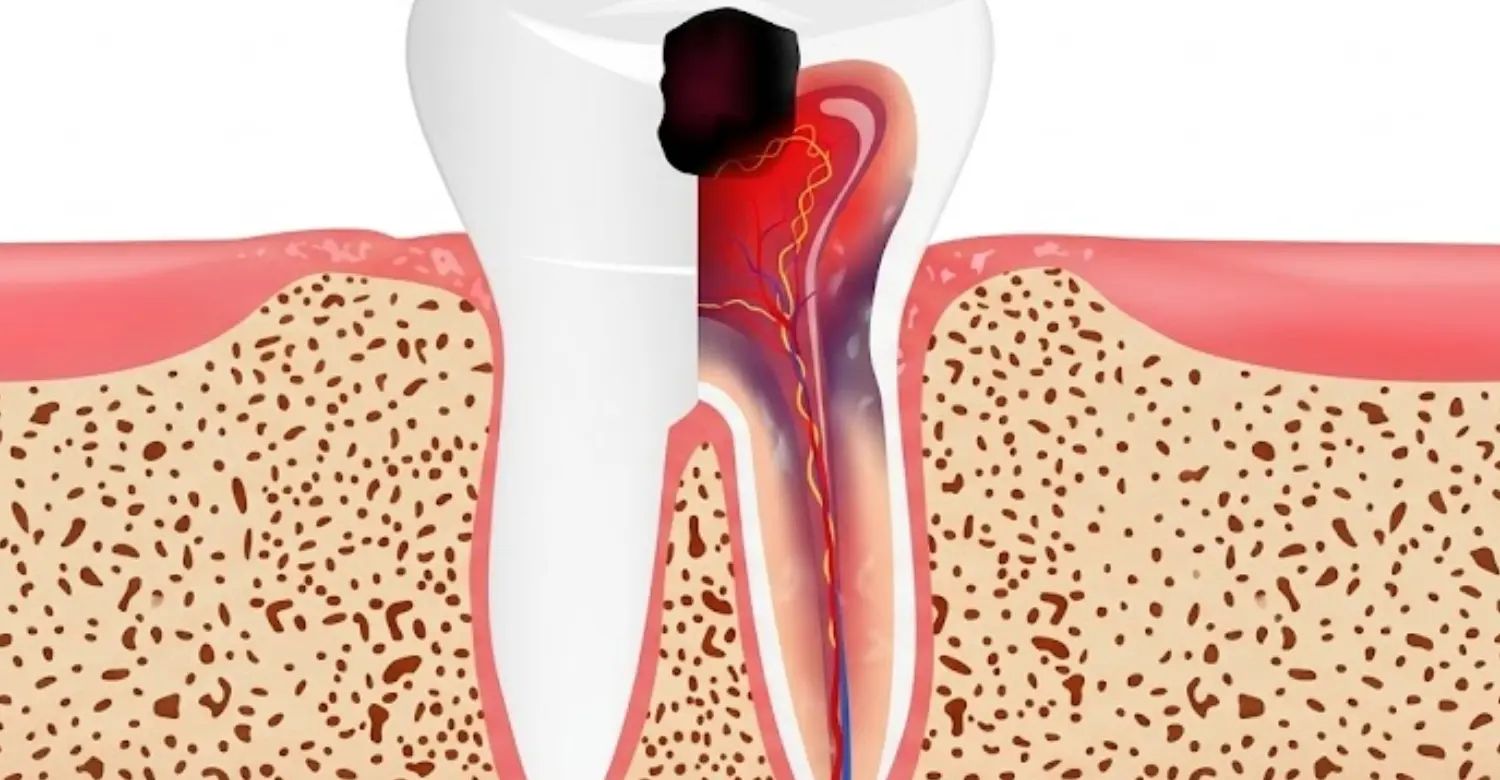
Irreversible pulpitis occurs when the dental pulp sustains inflammation or infection that cannot self-repair. The pulp contains nerves, blood vessels, and connective tissue. This makes it highly sensitive to trauma or bacterial invasion. Common triggers include deep cavities, repeated dental procedures, or cracks in teeth. Reversible pulpitis can resolve with minimal treatment. In contrast, irreversible pulpitis persists and often worsens over time. Patients typically experience sharp, throbbing pain that may last for hours or intensify at night. Early diagnosis is essential. Untreated pulp damage can lead to abscesses and systemic infection. Dental professionals rely on clinical examinations, sensitivity tests, and imaging to identify and treat this condition promptly.
Difference Between Reversible and Irreversible Pulpitis
Reversible pulpitis is mild inflammation of the tooth pulp. It can heal after removing the irritant, such as a cavity or minor trauma. Symptoms usually involve brief sensitivity to hot, cold, or sweet foods. In contrast, irreversible pulpitis represents severe inflammation where the pulp tissue is damaged beyond repair. Pain is more intense, prolonged, and often spontaneous. Reversible pulpitis responds to conservative treatments like fillings. However, irreversible pulpitis generally requires root canal therapy or tooth extraction to prevent further complications. Differentiating between these two types is critical for appropriate treatment and long-term dental health. Accurate diagnosis often combines patient history, clinical tests, and radiographic imaging.
Causes of Irreversible Pulpitis
Several factors contribute to the onset of irreversible pulpitis. Deep tooth decay is the most common cause. It allows bacteria to penetrate the pulp chamber. Trauma, such as a cracked or fractured tooth, can also expose the pulp to infection. Repeated dental procedures or improper restorations may irritate the pulp tissue. In addition, untreated reversible pulpitis can progress to an irreversible stage if unaddressed. Certain systemic conditions and bacterial infections can exacerbate pulp inflammation. Understanding the root causes enables dentists to implement effective treatment strategies. It also helps prevent further complications and allows dentists to educate patients on proper oral hygiene to maintain healthy teeth and gums.
Symptoms of Irreversible Pulpitis
The symptoms of irreversible pulpitis are often unmistakable. Patients may experience sharp, throbbing pain. This can occur spontaneously or in response to hot, cold, or sweet stimuli. Unlike mild pulp inflammation, the discomfort does not subside quickly. It may persist for hours and often worsens at night. Other common signs include sensitivity when biting or chewing, swelling near the affected tooth, and occasional radiating pain to the jaw or ear. In some cases, the affected tooth may darken due to internal pulp damage. Identifying these symptoms early is crucial for preventing complications like pulp infection or abscess formation. Consulting a dental professional promptly ensures appropriate intervention and reduces the risk of permanent tooth loss. Distinguishing between reversible vs irreversible pulpitis is the first step in formulating a treatment plan.
Recognizing Pulp Inflammation in Your Teeth
Detecting pulp inflammation involves both self-awareness and professional evaluation. Patients should monitor for prolonged tooth sensitivity and sharp pain during eating. Discomfort that lingers after stimulus removal is also a warning sign. Dentists utilize pulp vitality tests, percussion tests, and cold or heat sensitivity assessments to evaluate the pulp’s health. In cases of irreversible pulpitis, the pulp is no longer capable of healing. Spontaneous pain and persistent throbbing are typical indicators. Awareness of these signs helps in differentiating between reversible and irreversible pulp conditions. Timely diagnosis allows dental professionals to recommend effective treatments like root canal therapy. This prevents progression to more serious infections or abscesses that could compromise oral health.
Pulpitis on Xray and Other Diagnostic Signs
Radiographic imaging plays a key role in diagnosing pulpitis. Early inflammation may not appear clearly on X-rays. However, X-rays can reveal deep cavities, pulp chamber changes, or periapical lesions in advanced cases. Dentists also consider tooth discoloration, sensitivity test results, and patient-reported pain patterns. Acute pulp inflammation may not always show significant radiographic changes. Therefore, clinical assessment remains essential. Combined with advanced imaging, these diagnostic tools allow professionals to confirm irreversible pulpitis. They can then plan root canal treatment or consider extraction if necessary. Proper interpretation of diagnostic signs ensures the best treatment outcomes and helps prevent the spread of infection beyond the affected tooth.
Pulpitis Treatment Options
Treating pulp inflammation depends on the severity of the condition. For irreversible pulpitis, the pulp tissue has been permanently damaged. Conservative approaches like fillings or medication are insufficient. The main goal is to remove the inflamed or infected pulp, relieve pain, and prevent further complications such as abscess formation or tooth loss. Dentists assess the extent of pulp infection using clinical tests and imaging. They then recommend the most appropriate treatment plan. Early intervention improves success rates and helps maintain the tooth structure. Ignoring symptoms can lead to worsening infection, swelling, or systemic complications. Timely dental care ensures both comfort and long-term oral health. When the pain is spontaneous and severe, it is classified as symptomatic irreversible pulpitis.
Professional Treatments for Irreversible Pulpitis
The standard professional treatment for irreversible pulpitis is root canal therapy. During the procedure, the dentist removes the inflamed pulp and disinfects the canal system. Then, they seal it to prevent reinfection. In severe cases where the tooth structure is compromised, extraction may be recommended. This is followed by replacement with a dental implant or bridge. Pain management before, during, and after the procedure is crucial. Dentists often prescribe analgesics or antibiotics if infection is present. Modern endodontic techniques, including digital imaging and rotary instruments, increase precision and reduce treatment time. Prompt professional intervention prevents further complications and preserves oral function. This ensures the patient can resume normal activities without persistent tooth pain. Unlike milder inflammation, you cannot just wait and see how long for pulpitis to settle; it requires action.
Home Remedies and Pain Relief
Professional treatment is essential for irreversible pulpitis. However, temporary home remedies can help alleviate discomfort before a dental visit. Over-the-counter pain relievers like ibuprofen or acetaminophen can reduce inflammation and pain. Applying a cold compress externally may help with swelling. Saltwater rinses can also soothe gum irritation. Avoiding extreme temperatures and sticky or hard foods reduces pulp stimulation and pain flare-ups. However, these measures do not cure the condition; they only provide short-term relief. The inflamed pulp will not heal on its own, so scheduling a professional evaluation is critical. Combining temporary relief strategies with prompt dental care ensures better outcomes and reduces the risk of infection progression.
Vitrin Clinic Approach to Irreversible Pulpitis
At Vitrin Clinic, managing irreversible pulpitis combines advanced diagnostics with patient-centered care. Each case is evaluated thoroughly using clinical examination, pulp vitality testing, and radiographic imaging. This determines the extent of inflammation or infection. The clinic emphasizes early detection to prevent progression into abscesses or systemic complications. Treatment plans are personalized, considering tooth structure, severity of pulp infection, and patient comfort. Using modern endodontic techniques, the clinic ensures precision during root canal procedures. This minimizes pain and optimizes outcomes. Posttreatment follow-up is integral to ensure proper healing. Patient education on oral hygiene and diet also helps prevent recurrence. Without intervention, this condition will inevitably degrade and cause severe tooth necrosis symptoms.
Advanced Diagnosis and Treatment
Advanced diagnosis at Vitrin Clinic uses digital imaging, 3D scans, and pulp vitality tests to assess the health of dental pulp accurately. These tools allow dentists to detect inflammation before extensive damage occurs. Treatments include root canal therapy using rotary instruments, laser-assisted disinfection, and biocompatible sealing materials that prevent reinfection. Complex cases may involve surgical endodontics to remove infected tissue beyond the root canal. Pain management is prioritized with local anesthesia and sedation options for anxious patients. This comprehensive approach ensures a higher success rate for treating irreversible pulpitis while maintaining the tooth’s structural integrity and long-term function, giving patients reliable and lasting relief. Treating this irreversible condition requires completing all stages of RCT to remove the dying nerve.
Patient Care and Comfort
Patient comfort is a top priority at Vitrin Clinic. Modern anesthesia techniques, gentle handling, and minimally invasive procedures reduce pain during treatment. For those with dental anxiety, sedation dentistry is available to ensure a stress-free experience. The clinic provides clear instructions for posttreatment care. These include dietary guidelines, pain management, and follow-up schedules. Regular checkups help monitor healing and prevent secondary infections. The supportive environment, combined with advanced technology, ensures patients feel confident and informed throughout their treatment for irreversible pulpitis. This focus on comfort enhances recovery and encourages proactive oral health maintenance.
Preventing Pulpitis and Maintaining Healthy Teeth
Preventing pulp inflammation is easier than treating irreversible pulpitis. Maintaining proper oral hygiene with regular brushing, flossing, and professional cleanings reduces bacterial buildup. Early treatment of cavities, cracks, or dental trauma prevents pulp exposure and subsequent infection. Limiting sugary foods, acidic drinks, and habits like teeth grinding further protects tooth health. Regular dental checkups allow early detection of pulpitis symptoms. They also enable intervention before the condition becomes irreversible. Education on oral care and timely professional care are key to preserving natural teeth and avoiding invasive procedures like root canals. A proactive approach significantly decreases the risk of pulp inflammation and ensures long-term oral health.
Understanding Tooth Anatomy and Pulp Function
To understand why irreversible pulpitis is so painful, it helps to look inside a tooth. Each tooth has three main layers: the enamel ( hard outer shell), the dentin ( softer, sensitive layer beneath), and the pulp ( innermost chamber). The pulp houses nerves, blood vessels, and connective tissue. These elements keep the tooth alive and able to sense heat, cold, and pressure. Understanding tooth anatomy and pulp function explains why the tooth cannot repair itself. Once bacteria or trauma reach this chamber, natural healing fails unlike skin or bone. The pulp is enclosed by hard dental tissue on all sides. When it becomes inflamed, pressure has nowhere to escape. This is why irreversible pulpitis produces intense, throbbing pain.
Why Emergency Root Canal Treatment May Be Necessary
Not every case of pulp inflammation can wait for a routine appointment. Emergency root canal treatment becomes necessary when pain is spontaneous, severe, and unrelenting. It is also urgent if accompanied by facial swelling, fever, or a foul taste suggesting spreading infection. In these situations, the inflamed pulp releases pressure and byproducts. These can move beyond the tooth into surrounding bone and soft tissue if left untreated. Patients experiencing these red-flag symptoms should not wait to see if it settles. Same-day or next-day evaluation allows the dentist to relieve pressure and begin disinfection. This prevents the infection from progressing into an abscess or a more serious systemic issue.
Differentiating Odontogenic Pain from Non-Odontogenic Orofacial Pain
Not all facial or jaw pain comes from a tooth, even when it feels that way. Odontogenic pain originates directly from a tooth or its supporting structures. Examples include a cavity, a cracked tooth, or inflamed pulp. Non-odontogenic orofacial pain originates elsewhere but is felt in the teeth or jaw. Sinus infections, jaw muscle tension, nerve-related pain, and cardiac-related referred pain can mimic a toothache. This distinction matters clinically. Treating a healthy tooth with a root canal will not resolve non-odontogenic orofacial pain. The true source has to be identified first.
A thorough orofacial pain diagnosis combines pulp vitality testing, imaging, and a review of pain patterns and triggers. This helps the dentist confirm whether the pain is truly odontogenic before recommending irreversible treatment. Getting the orofacial pain diagnosis right at this stage is essential. It prevents patients from undergoing a root canal on a tooth that was never the source of discomfort.
Temporomandibular Disorders (TMD) and Pulpitis Misdiagnosis
Temporomandibular disorders (TMD) affect the jaw joint and chewing muscles. The resulting pain can radiate into back teeth in a way that closely resembles pulpitis. Patients with TMD may report aching, pressure, or sensitivity that seems to come from a tooth. However, the true source is muscle tension or joint dysfunction. This overlap is a recognized cause of pulpitis misdiagnosis. It is one reason a careful clinical work-up is so important before proceeding with root canal therapy. Signs pointing toward TMD include pain that worsens with jaw movement or clenching, clicking or stiffness in the jaw joint, and normal responses to cold or percussion tests.
Post-Traumatic Trigeminal Neuropathic Pain (PTTN) Considerations
In a small number of cases, pain persists after a root canal, extraction, or other dental procedure. This is not always due to residual infection. Instead, it can stem from injury to a nearby nerve branch during treatment or trauma. This is known as post-traumatic trigeminal neuropathic pain (PTTN). Trigeminal neuropathic pain typically presents as a burning, aching, or electric-shock-like sensation in the area of a previously treated tooth. This occurs even when imaging shows successful treatment without ongoing infection. Recognizing PTTN is important because further dental intervention will not resolve nerve-related pain and may not be appropriate. These cases are usually best managed with a combined dental and pain-specialist approach.
Intra Operative Pain Management and Supplementary Anaesthetic Techniques
Teeth affected by irreversible pulpitis are notoriously difficult to numb completely. Dentists sometimes call this condition a "hot tooth." Standard local anaesthetic blocks may only partially control pain once treatment begins. This makes intraoperative pain management a real clinical challenge. This is where supplementary anaesthetic techniques come in. Options include intraligamentary (PDL) injections, intraosseous anaesthesia, and intrapulpal anaesthesia delivered once access to the pulp chamber is achieved. Effective pain management often combines more than one technique over the initial block. This ensures the patient remains comfortable throughout the procedure. Communicating openly with the dentist about lingering sensations allows supplementary methods to be applied promptly.
Risk Factors for Developing Persistent Orofacial Pain Post-Treatment
Most patients recover fully and comfortably after root canal therapy. However, a small subset experiences persistent pain extending beyond normal healing time. Recognized risk factors include high pain intensity before treatment and a history of chronic pain conditions. Heightened dental anxiety and technical complications like nerve irritation also contribute. Identifying these risk factors in advance allows the dental team to set realistic expectations. They can plan closer follow-up and involve pain-management support earlier if symptoms persist. Screening for risk factors before treatment gives both dentist and patient a clearer picture of recovery expectations.
Do you need antibiotics for pulpitis?
Not always. Irreversible pulpitis is an inflammatory process inside the tooth. Antibiotics do not reach the inflamed pulp tissue effectively to resolve pain. Instead, the pulp needs direct treatment through root canal therapy or extraction. Antibiotics are generally reserved for cases with clear evidence of spreading infection, such as facial swelling, fever, or systemic symptoms. Taking antibiotics without addressing the root cause will not stop pain and can delay definitive treatment.
The Vitrin Clinic Approach to Irreversible Pulpitis
Vitrin Clinic approaches every case of irreversible pulpitis with a structured, patient-first process. Diagnosis begins with a full clinical examination, pulp vitality testing, and digital imaging to confirm the pain source before any irreversible treatment. Vitrin Clinic places particular emphasis on ruling out non-odontogenic orofacial pain—such as temporomandibular disorders (TMD) or referred pain—so patients are never treated for the wrong condition. Once confirmed, Vitrin Clinic uses modern endodontic protocols. These include supplementary anaesthetic techniques for difficult-to-numb teeth to maximize comfort. Follow-up care and clear home-care guidance are built into every treatment plan to support long-term healing.
What We Notice Clinically
"In our day-to-day practice, one common mistake is assuming tooth pain automatically means pulp involvement," says Dr. Rifat Alsaman, Head of the Medical Team at Vitrin Clinic. "Before committing a patient to root canal therapy, we ensure the pain genuinely originates from the tooth itself. It must not stem from the jaw joint, sinuses, or a recovering nerve from an earlier procedure. That extra step of careful diagnosis protects patients from unnecessary treatment," explains Dr. Rifat Alsaman.
Clinical Note
Pain from irreversible pulpitis often doesn't stay confined to one tooth. Patients frequently struggle to point to the exact tooth because inflamed pulp can refer pain to neighboring teeth or the opposite jaw. This is why pulp testing on several teeth is routine before starting root canal treatment.
Tips for the Patients
Avoid chewing on the painful side and steer clear of very hot or cold foods and drinks until evaluated. Both temperatures can trigger or intensify throbbing pain. Rinsing gently with warm salt water offers short-term comfort, but it will not resolve underlying inflammation. Only timely root canal treatment or extraction addresses the actual cause.
References:
Early diagnosis and timely treatment are essential to prevent the progression of irreversible pulpitis and preserve long-term oral health. While root canal therapy remains the standard treatment for relieving pain and saving the affected tooth, the linked Cochrane review found insufficient evidence that antibiotics alone provide meaningful pain relief. These findings reinforce the importance of definitive dental treatment rather than relying on antibiotics as a substitute.
https://pmc.ncbi.nlm.nih.gov/articles/PMC6542501/
http://pmc.ncbi.nlm.nih.gov/articles/PMC8228104/


