Orthodontics
April 12, 2026
Retainers After Braces: Do You Really Need to Wear Them to Keep Your Smile?
 Dr. Rifat Alsaman
After braces are removed, teeth are more likely to shift back to their original positions. This happens because the surrounding tissues need time to stabilize. This is where post-orthodontic retainers come in. They help maintain the results achieved by braces.
Dentists usually recommend wearing a retainer full-time at first. The wearing time is then gradually reduced based on their guidance. There are different types of retainers after braces, such as clear removable ones and fixed bonded retainers. Each type has its specific use.
Regular use of a retainer after braces minimizes the risk of teeth moving and losing alignment. Some people may need to wear a retainer after braces for life, especially if they had significant alignment issues before braces. Neglecting to wear a retainer after braces can cause teeth to shift back within a few months. Keeping the retainer after braces clean and well-maintained is essential to prevent bacterial buildup.
Regular dental check-ups help monitor teeth stability and ensure lasting results. In the end, a retainer after braces is key to maintaining a stable and beautiful smile.
Why Wearing Retainers After Braces Is Crucial
Wearing retainers after braces is absolutely essential for maintaining orthodontic results. Teeth naturally tend to shift following active treatment without passive retention preventing relapse. Understanding retention importance helps patients commit to protocols that ensure their orthodontic investment produces lasting benefits.
Several biological factors create continuous pressure that moves teeth. These include periodontal fiber rebound, occlusal forces, and potential growth changes. Retention is needed to counteract these forces.
Do You Have to Wear a Retainer After Braces?
Yes, do you have to wear a retainer after braces? Absolutely. Retention is mandatory, not optional, for maintaining orthodontic results long-term. Teeth begin shifting within hours of braces removal without retention support, making immediate retainer placement critical.
Orthodontic treatment moves teeth through bone, but surrounding tissues require extended time to stabilize in new positions. Retainers passively maintain alignment during this stabilization period. Long-term, they also prevent the natural shifting tendencies that affect teeth throughout life, regardless of whether orthodontic treatment occurred.
Effects of Not Wearing a Retainer After Braces
Effects of not wearing a retainer after braces include tooth relapse, meaning teeth shift back toward their original positions. Spacing or crowding can also recur. Bite changes may compromise function, and aesthetic deterioration can require potential retreatment. This means the time and money invested in the original orthodontic correction can be wasted.
Relapse can occur rapidly, within weeks to months, or gradually over years. Either way, it occurs inevitably without proper retention. Severity varies: some patients experience minor shifting while others develop significant relapse requiring comprehensive retreatment. Prevention through consistent retainer wear costs far less than addressing relapse consequences.
How Long Do You Have to Wear Retainers After Braces?
Retention duration varies by individual case, treatment type, age, and orthodontist protocols. The general principle involves initial full-time wear that transitions to long-term nighttime use. Understanding retention phases helps patients comply with protocols that ensure optimal long-term stability. Most orthodontists recommend indefinite retention, recognizing that teeth can shift at any age without passive retention maintaining their positions.
How Long to Wear Retainer After Braces: Initial Phase
How long to wear a retainer after braces initially? Typical protocols require full-time wear, around 20-22 hours daily, for the first 3-6 months following braces removal. Retainers are removed only for eating and oral hygiene.
This critical initial phase allows bone remodeling around newly positioned teeth, periodontal fiber reorganization, and soft tissue adaptation to new alignment. Full-time wear prevents any shifting during the vulnerable early retention period, when relapse risk is highest. Compliance during this phase establishes the foundation for long-term stability and a successful transition to reduced wearing schedules.
Long-Term Retainer Use: Do You Have to Wear Retainers Forever After Braces?
Do you have to wear retainers forever after braces? While "forever" sounds extreme, indefinite nighttime retention is current best-practice advice from orthodontic experts. This is because shifting can happen at any stage of life.
After the initial full-time phase, most patients transition to nighttime-only wear during sleeping hours, often continuing indefinitely. Teeth can shift at any age due to aging, wisdom teeth eruption, grinding or clenching, periodontal changes, or normal physiological processes. Nighttime wear is a minimal inconvenience that provides insurance against relapse, protecting the orthodontic investment permanently.
After Braces: How Long Are Retainers Worn?
After braces, how long are retainers worn? This depends on individual protocols, but the typical progression involves 3-6 months of full-time wear, then nighttime wear indefinitely. Some orthodontists recommend gradual reduction, wearing it every night at first, then every other night, then just a few nights weekly. However, many now advocate consistent nightly wear indefinitely.
Duration also depends on the retention type. Fixed retainers provide continuous retention for as long as they remain bonded properly. Removable retainers require patient compliance with wearing schedules. Best outcomes occur when patients view retention as a permanent commitment rather than a temporary inconvenience.
What to Expect When You First Start Wearing Retainers
It's completely normal to experience some discomfort when you first begin wearing retainers. Your teeth are adjusting to a new position, and your mouth is getting used to the foreign object. You might notice increased saliva flow, slight pressure, or even minor soreness in your teeth and gums. This typically subsides within a few days to a week.
To ease the transition, try eating soft foods initially. Over-the-counter pain relievers can also help if needed. Some people find that speaking feels a bit different at first, but your tongue and lips will quickly adapt. If you experience sharp pain, persistent irritation, or the retainer feels too tight, contact your orthodontist. They may need to adjust it.
Types of Retainers After Braces
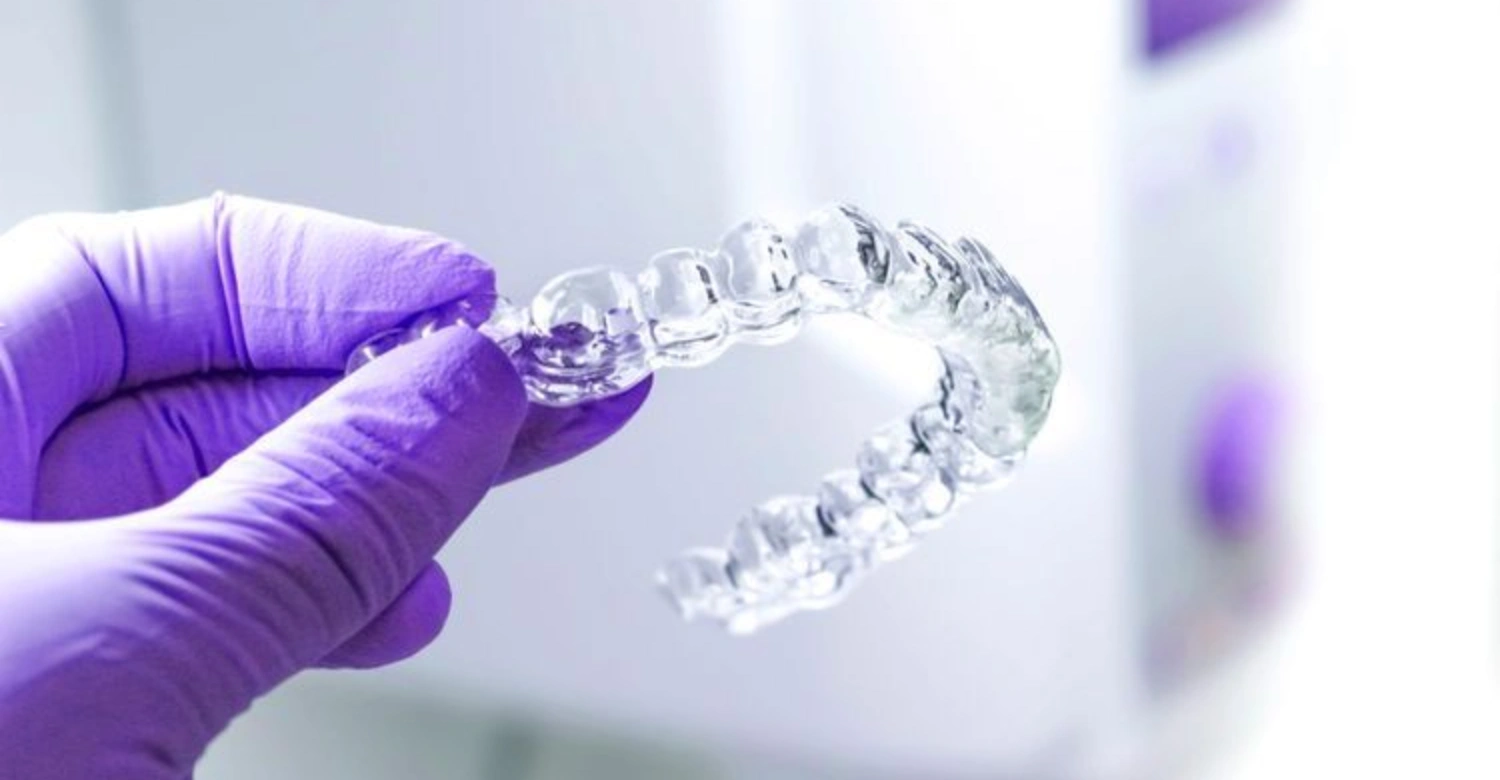
Retainers after braces come in three main types. Removable clear plastic retainers, removable Hawley retainers, and fixed wire retainers each suit different needs. Understanding your options helps you choose the best fit. Many orthodontists combine a fixed lower retainer with a removable upper one.
Clear Retainers After Braces
Clear post-orthodontic retainers are also called Essix retainers. They are made from clear plastic that fits snugly over your teeth. They are nearly invisible, which many adults prefer. They cost between $100 and $300 to replace. However, they can stain or crack over time. Most need replacement every one to two years.
Metal and Permanent Retainers After Braces
A Hawley retainer has a metal wire and an acrylic base. It is durable and can be adjusted if needed. A permanent retainer is a fixed wire bonded behind the teeth. It works without you needing to remember it. But it requires careful cleaning and can break.
Brace Retainers and Dental Retainers After Braces
Brace post-orthodontic retainers are passive devices. They hold teeth in place after active treatment. Dental retainers after braces can be removable or fixed. Your orthodontist will fit them precisely to your final tooth positions. Good retention planning prevents relapse.
Which Retainer Is Best After Braces?
The best retainer depends on your treatment and lifestyle. Teens may prefer clear retainers for looks. But they might lose them more often. Adults often choose clear retainers for aesthetics. If you grind your teeth, a Hawley retainer may last longer. Your orthodontist can help you decide.
Can Clear Aligners Double as Retainers?
Yes, clear aligners can work as retainers after braces. Many orthodontists give a final set of aligners for retention. They are comfortable and nearly invisible. But they may not be as durable as traditional retainers. They can also stain if you drink coffee while wearing them.
Tips for Maintaining Your Retainer
Proper care keeps your retainer working well. Follow your orthodontist's instructions. Clean it daily and store it safely. Professional guidance from Vitrin Clinic can help you maintain your retainer.
How to Wear a Retainer After Braces Properly
Wear your retainer exactly as prescribed. At first, you may need to wear it all day. Later, you might only wear it at night. Remove it before eating. Store it in its case when not in use. Never wrap it in a napkin. If it feels tight, contact your orthodontist.
Cleaning and Care Tips
Clean your retainer daily with a soft toothbrush and mild soap. Avoid hot water, which can warp plastic. Do not use bleach or harsh chemicals. Soak it in a retainer cleaner occasionally. For fixed retainers, use floss threaders to clean under the wire.
Cost and Replacement
A single retainer can cost between $100 and $500. Clear retainers are often more expensive. Your initial set may be included in your treatment fee. Replacements are usually out-of-pocket. Check your dental insurance for coverage. Ask about replacement costs upfront.
Lost or Broken Retainer? Act Fast
If you lose or break your retainer, contact your orthodontist right away. Do not try to fix it with glue. A broken retainer may not fit properly. Your orthodontist can order a replacement. Quick action helps prevent your teeth from shifting.
Best Retainers After Braces: Expert Advice
Experts often recommend a fixed lower retainer plus a removable upper one. This combination offers strong protection. Fixed retainers work all the time. Removable retainers cover more teeth. Regular check-ups ensure your retainer still fits well.
After Braces Retainers at Vitrin Clinic
Vitrin Clinic provides comprehensive retention programs. These programs ensure orthodontic results last a lifetime. We use personalized protocols, quality retainer fabrication, and ongoing monitoring. Our philosophy emphasizes patient education about retention importance.
We also focus on compliance facilitation through comfortable, well-fitting retainers. Lifetime support maintains treatment stability. We recognize retention as equally critical as active treatment for successful long-term outcomes.
Vitrin Clinic Approach to Retainers
Our retention approach begins during active treatment. We educate patients about retention importance and protocols. This ensures understanding and commitment before braces removal. We provide multiple retainer options and discuss the advantages and limitations of each type.
We then recommend combinations that optimize effectiveness for individual cases. Retention planning considers treatment type, relapse risk factors, patient lifestyle, and compliance potential. It also considers long-term maintenance requirements.
We include initial retainers in comprehensive treatment fees, and we provide detailed wearing instructions. We schedule regular retention checks to monitor stability and retainer condition.
Personalized Retainer Plans for Long-Term Results
Personalized retention plans at Vitrin Clinic tailor protocols to individual needs. We avoid one-size-fits-all approaches. High-risk cases may require more aggressive retention protocols. These include severe initial crowding, extraction treatment, or adult patients.
Such cases may need longer full-time wear periods. They may also need permanent retention for more teeth. We adjust wearing schedules based on observed stability, patient compliance, and individual response to retention.
Long-term monitoring includes annual retention checks. These checks ensure retainers fit properly and teeth remain stable. Any concerns are addressed promptly to prevent relapse requiring intervention.
Advanced Retainer Options Available at Vitrin Clinic
Advanced retainer options at Vitrin Clinic include premium clear retainers. These use durable materials that resist wear and staining better than standard versions. We also offer custom Hawley retainers with aesthetic wire designs and colored acrylic options.
CAD/CAM designed fixed retainers optimize fit and comfort, and combination retention protocols maximize effectiveness. We utilize digital scanning for retainer fabrication when available, which improves fit accuracy and patient comfort.
Replacement retainers can be fabricated from stored digital records. This facilitates quick replacement if retainers are lost or damaged, minimizing time without retention protection.
Detailed Pros & Cons Comparison Across All Retainer Types
Choosing between retainer types becomes easier once you compare their real-world advantages and drawbacks side by side. Below is a detailed hawley retainer pros and cons, clear plastic retainer pros and cons, and bonded retainer pros and cons breakdown. It helps you and your orthodontist decide which option fits your case best.
Reviewing this hawley retainer pros and cons, clear plastic retainer pros and cons, and bonded retainer pros and cons comparison before your consultation can make the decision process much faster.
Hawley Retainer: Detailed Pros and Cons Analysis
The Hawley retainer remains one of the most trusted options in orthodontic retention. Understanding its hawley retainer pros and cons helps set realistic expectations. On the positive side, it is highly durable and can last many years with proper care. It is fully adjustable by your orthodontist if minor tooth movement occurs.
It is also easy to clean since it can be removed and brushed like a normal appliance, and it allows completely normal eating and drinking without restriction. On the other hand, the Hawley retainer is more visible than clear alternatives due to its metal wire. It can affect speech slightly during the first few days of wear.
It also has a bulkier feel in the mouth compared to plastic retainers, and it requires a case for storage since it is easy to misplace when removed. Weighing these hawley retainer pros and cons together, patients who prioritize longevity and adjustability over aesthetics often find the Hawley retainer the more practical long-term choice.
Tips for the Patients
Always store your Hawley retainer in its case when eating or exercising. Rinse it after every meal. Bring it to every follow-up visit so your orthodontist can check the wire and acrylic fit.
Clear Plastic Retainer (Essix): Detailed Pros and Cons Analysis
Clear plastic retainers, also called Essix retainers, are popular for their discreet appearance. It's worth reviewing the clear plastic retainer pros and cons in detail before committing. In terms of advantages, they are virtually invisible, making them a preferred choice for teens and adults. They are comfortable to wear with no metal components.
They also hold all teeth firmly in one snug piece and are simple to insert and remove throughout the day. As for the drawbacks, they are more prone to cracking or warping, especially with heat exposure. They can trap saliva against the teeth, requiring diligent daily cleaning to avoid odor.
They are also not adjustable, meaning a new retainer is needed if teeth shift or the fit changes, and they typically need replacement every one to two years. Because the clear plastic retainer pros and cons lean toward less durability than a Hawley retainer, consistent care and safe storage matter even more with this type.
Permanent Bonded Retainer: Detailed Pros and Cons Analysis
A permanent bonded retainer is fixed behind the teeth, offering continuous retention without relying on patient compliance. Understanding the bonded retainer pros and cons helps set the right expectations. Among the benefits, it works around the clock without needing to remember to wear it. It cannot be lost or forgotten unlike removable retainers.
It also provides strong and continuous resistance to relapse and stays invisible from the front since it sits behind the teeth. Among the drawbacks, it requires more careful oral hygiene since food and plaque can build up around the wire. It can occasionally debond or loosen, especially when biting hard foods.
Flossing takes extra time and usually requires a floss threader or water flosser, and repairs need a dental visit rather than a simple at-home fix. Balancing these bonded retainer pros and cons is essential, since the convenience of a fixed wire comes with a real hygiene commitment.
Patients often ask how to flossing with permanent retainer wires correctly. The safest method is to use a floss threader or orthodontic floss designed to slide beneath the wire, followed by a water flosser for a deeper daily clean. Learning how to flossing with permanent retainer properly from day one prevents plaque buildup. This buildup could otherwise lead to gum irritation or decalcification around the bonded wire.
Tips for the Patients
Avoid biting directly into hard or sticky foods with your front teeth. Floss under the wire daily using a threader. Schedule regular check-ups so any loosening is caught early before it affects tooth alignment.
Key Factors When Choosing the Right Retainer Type
Selecting the ideal retainer is not one-size-fits-all. Several factors when choosing retainer after braces should guide the decision alongside your orthodontist's recommendation. Reviewing these factors when choosing retainer after braces early helps avoid switching retainer types later.
Lifestyle, Oral Hygiene Capabilities, and Compliance Level
Your daily habits play a major role in which retainer suits you best. Active patients or those involved in contact sports may prefer a removable option they can take out safely. Patients who struggle with remembering to wear removable retainers consistently may benefit more from a fixed bonded retainer, since it removes the compliance factor entirely.
Oral hygiene ability also matters. Patients comfortable with flossing threaders and detailed daily cleaning routines tend to do well with bonded retainers. Those who prefer simpler care often lean toward removable clear or Hawley retainers that can be brushed like a regular appliance. Lifestyle and compliance remain among the most important factors when choosing retainer after braces, often outweighing appearance alone.
Durability, Long-Term Cost, and Replacement Frequency
Long-term cost depends heavily on retainer type and how well it is maintained. Clear plastic retainers are generally the least durable, often needing replacement every one to two years, with each replacement costing between $100 and $300. Hawley retainers tend to last longer due to their sturdier construction and adjustability, reducing replacement frequency over time.
Bonded retainers can last many years without replacement, but repair costs apply if the wire debonds or breaks. When comparing durability, long-term cost, and replacement frequency, it becomes clear that the cheapest option upfront is not always the most economical choice over a lifetime of retention. This is why these remain key factors when choosing retainer after braces for most patients.
Emergency Retainer Care & Troubleshooting
Retainer emergencies happen, and knowing how to respond quickly can prevent unwanted tooth movement while you arrange a professional fix.
What to Do If Your Removable Retainer Cracks or Warps
If your retainer cracks or shows signs of warping, stop wearing it immediately. A distorted or damaged retainer can apply uneven pressure and shift teeth incorrectly. A warped clear retainer replacement is usually necessary rather than attempting a repair, as reshaping plastic at home is unreliable and can worsen the fit.
Keep the damaged retainer in its case and contact your orthodontist as soon as possible. They can arrange a warped clear retainer replacement or a temporary alternative, so your teeth remain protected during the gap.
What to Do If a Permanent Bonded Wire Comes Loose or Breaks
A broken permanent retainer wire emergency should be treated as urgent, since a loose wire can poke soft tissue or allow teeth to drift out of alignment. If you notice the wire feels loose, wiggly, or has detached from one or more teeth, avoid touching it with your fingers or tools. Refrain from chewing on that side of your mouth.
Contact your orthodontist promptly, as they may be able to rebond the wire quickly if you're seen soon after it happens. In any broken permanent retainer wire emergency, waiting too long increases the risk that teeth begin relapsing before repair.
Tips for the Patients
If a sharp wire end is irritating your cheek or tongue, cover it temporarily with orthodontic wax until you can be seen. Never attempt to remove a partially detached bonded retainer yourself.
Retainer Care and Expertise at Vitrin Clinic
At Vitrin Clinic, retention is treated as a critical part of every orthodontic journey, not an afterthought after braces come off. From selecting the right retainer type to responding quickly to emergencies like a warped clear retainer replacement or a broken permanent retainer wire emergency, Vitrin Clinic supports patients through every stage of the retention process with personalized guidance and prompt clinical care.
What We Notice Clinically
Dr. Rifat Alsaman, Head of the Medical Team at Vitrin Clinic and a cosmetic dentist, shares what he observes most often in daily practice: "In our clinical experience at Vitrin Clinic, the majority of relapse cases we see are not caused by the retainer type itself, but by inconsistent wear during the first few months after braces removal. Patients who stay consistent, even with a simple clear retainer, tend to maintain their results far better than those who switch retainers frequently but wear them irregularly." Dr. Rifat Alsaman adds that bonded retainer emergencies are almost always linked to biting hard foods directly with the front teeth, a habit he routinely addresses during follow-up visits at Vitrin Clinic.
Clinical Note
According to Dr. Rifat Alsaman, patients should never view a retainer emergency as something to postpone. "A retainer that has cracked, warped, or debonded is no longer protecting the bite the way it should. Even a short delay of a few weeks can allow measurable shifting, especially in the lower front teeth," he explains, emphasizing why Vitrin Clinic prioritizes same-week appointments for retention concerns.
Tips for the Patients
Bring your retainer to every scheduled check-up at Vitrin Clinic, even if it feels fine. This lets your dentist catch early signs of wear, warping, or wire loosening before they become a bigger problem.
Reference:
Retainers After Braces are essential for maintaining your newly aligned smile and reducing the risk of teeth shifting back. A Cochrane review found that both fixed and removable retainers can help stabilize tooth position, although the available evidence is still limited. Therefore, following your orthodontist's retainer-wearing instructions is key to protecting your results long term.
https://pmc.ncbi.nlm.nih.gov/articles/PMC10202160/
https://pubmed.ncbi.nlm.nih.gov/27459974/
https://pmc.ncbi.nlm.nih.gov/articles/PMC11039304/
FAQs
Dr. Rifat Alsaman has more than 5 years of clinical experience in dentistry and currently serves as the Head of the Medical Team at Vitrin Clinic. He is dedicated to providing exceptional patient care, overseeing treatment planning, and ensuring the highest clinical standards across the team. His expertise, attention to detail, and commitment to continuous professional development have helped countless patients achieve healthier, more confident smiles.


.webp&w=3840&q=75)
