Same Visit Dentistry
August 10, 2026
Can Same Day Veneers and Smile Makeover Transform Your Smile in One Day?
 Dr. Rifat Alsaman
Can Same Day Veneers and Smile Makeover Transform Your Smile in One Day? Same day Veneers and Smile Makeovers can create noticeable cosmetic changes within one treatment day. Suitability always depends on dental health, treatment goals, and clinical complexity. Modern digital dentistry has shortened planning and fabrication time considerably. Compared to conventional workflows, these advancements allow many patients to improve tooth color, shape, proportions, and minor cosmetic imperfections during a single coordinated appointment.
The process usually begins with a comprehensive examination and digital smile assessment. Dentists evaluate tooth structure, gum health, bite relationships, and aesthetic expectations before any restoration is designed. Digital scanning supports precise veneer design and can enable laboratory-free workflows in selected clinics. Advanced chairside technology is then used to fabricate certain restorations directly on site.
However, single-day treatment does not mean every patient qualifies. Active decay, gum disease, severe structural damage, or complex bite problems may require preliminary treatment. Vitrin Clinic evaluates these factors carefully before recommending an accelerated approach. This careful assessment helps balance convenience, aesthetics, oral health, and long-term function.
What Are Same Day Veneers and a Smile Makeover?
Same day veneers are cosmetic dental restorations designed, fabricated, and placed within a shortened treatment workflow. They can improve visible characteristics such as tooth color, shape, length, and symmetry. A full makeover combines several cosmetic considerations to improve the overall appearance of a smile. This process may involve veneers, whitening, gum contouring, bonding, or restorative procedures depending on individual dental conditions and aesthetic objectives. Curious how this compares to the general same-day approach? See same-day treatment vs. traditional multi-visit treatment.
Digital technologies help dentists visualize proportions before treatment begins. Still, the overall procedure focuses on efficiency without eliminating necessary clinical assessment. Patients still need appropriate diagnosis, treatment planning, and occlusal evaluation.
Research in digital dentistry supports the increasing use of computer-assisted workflows for restorative treatment. However, the final result still depends on material selection, preparation quality, bonding, bite forces, and ongoing maintenance. Speed should never become the primary measure of treatment quality.
What Are Same Day Dental Veneers?
Same day dental veneers are restorations completed through an accelerated clinical and manufacturing workflow. They are commonly associated with chairside CAD/CAM dentistry and digital fabrication. These systems reduce reliance on conventional laboratory turnaround times.
Depending on the case, veneers may be milled from ceramic blocks or produced using other digitally supported techniques. Material selection depends on aesthetic requirements, strength, available technology, and tooth condition.
An accelerated approach can address selected cosmetic concerns affecting visible teeth. These issues include discoloration, minor shape differences, small gaps, and uneven proportions. Not every restoration can or should be completed immediately. Complex aesthetic cases may require additional laboratory design or multiple appointments. Get the full picture on this material and process in porcelain veneers.
Dentists must determine whether sufficient healthy tooth structure exists. The American Dental Association emphasizes that cosmetic treatment should follow appropriate diagnosis and professional evaluation. Therefore, treatment should complement clinical judgment rather than replace it.
Who Is a Good Candidate for One Visit Veneers?
Good candidates generally have healthy teeth and gums with primarily cosmetic concerns. These concerns include discoloration, minor chips, uneven edges, or small aesthetic gaps. Candidates should also hold realistic expectations, since restorations change visible tooth characteristics but cannot correct every underlying dental problem.
A suitable candidate typically has adequate enamel and stable periodontal health. Strong enamel supports predictable adhesive bonding when preparation and isolation are properly controlled. Patients with significant tooth destruction may require crowns or restorative treatment instead. Orthodontic treatment may also be preferable when tooth position creates substantial functional problems.
A comprehensive examination remains essential before proceeding. Dentists evaluate radiographs, periodontal health, tooth vitality, occlusion, and existing restorations when appropriate. The ideal candidate is not simply someone wanting faster treatment. The best candidate has a dental condition that allows safe and predictable treatment within a shortened timeframe.
Teeth Conditions That May Need Treatment First
Several dental conditions may require care before cosmetic work can begin. Active cavities can weaken teeth and compromise restorative outcomes. Gum inflammation or periodontal disease may also require stabilization first. Healthy gingival tissues help support proper aesthetics and long-term maintenance around restorations. Discover how grinding affects restorations long-term in night guards for bruxism.
Cracked teeth, significant fractures, and large defective fillings require thorough restorative evaluation. Some of these cases may need crowns instead of veneers. Severe enamel loss can also influence treatment selection, as dentists must determine whether enough suitable enamel remains for reliable adhesive bonding.
Bite problems deserve particular attention, as excessive forces can damage restorations over time. Bruxism, for example, may increase mechanical risks and require protective strategies such as a custom night guard. Addressing these conditions first improves the predictability of any cosmetic plan. It also prevents restorations from masking underlying dental disease.
When Same day Veneers May Not Be Recommended
Accelerated treatment may not be recommended when dental disease remains untreated. Active decay and uncontrolled gum inflammation should generally receive appropriate management first. Severe malocclusion can also make immediate placement unsuitable, as excessive bite forces increase the risk of chipping, debonding, or premature wear. Learn why healthy gums come first in the stages of periodontal disease.
Patients with insufficient tooth structure may require alternative restorations. Extensive structural damage can make crowns or other restorative procedures more appropriate. Very complex aesthetic cases may also benefit from laboratory-supported fabrication. Advanced characterization sometimes requires additional design and manufacturing stages. See when crowns are the better option instead in the types of dental crowns.
Patient expectations matter just as much. Unrealistic expectations regarding tooth color, shape, or permanence require careful discussion before proceeding. The fastest treatment is not necessarily the most appropriate one. A personalized clinical assessment should always determine whether an accelerated approach is suitable.
How Does Same Day Veneers and Smile Makeovers Work?
A comprehensive makeover follows several coordinated stages. Each step contributes directly to the final appearance, fit, function, and durability of the restorations. Digital dentistry connects scanning, design, manufacturing, and clinical placement. This integration significantly reduces waiting periods between stages. The exact workflow still depends on the number of restorations, the patient's dental condition, material availability, and clinic technology.
Consultation and smile assessment.
The dentist examines teeth, gums, bite relationships, and existing restorations. Photographs document the initial smile and support aesthetic analysis. Facial proportions may influence tooth shape and length. The consultation is also an opportunity to discuss materials, maintenance, limitations, and potential risks. Digital smile previews help communicate proposed changes, though they should be treated as planning tools rather than guaranteed outcomes.
Digital smile design and planning.
Photographs, scans, and measurements guide the design process. This allows the dentist to evaluate tooth width, length, symmetry, and relationship with surrounding structures. This step helps determine how many restorations are actually needed. Some smiles require fewer changes than patients initially expect. Facial features influence appropriate proportions, as the goal is harmony rather than an artificially uniform appearance. Get the complete picture on how your smile gets mapped out digitally in Digital Smile Design.
Tooth preparation.
The dentist creates the space necessary for the selected material while preserving healthy tooth structure. Preparation requirements vary according to material, tooth position, existing restorations, and desired aesthetic changes. Some cases require only minimal preparation. Accurate margins and controlled depth contribute directly to fit, aesthetics, and long-term restoration performance.
Digital scanning and design.
A scanner captures three-dimensional information about the prepared teeth. This includes surfaces, margins, neighboring teeth, and occlusal relationships. This data moves into CAD software, where the dental team designs the restorations according to the treatment plan. Accurate scanning is especially important when placing multiple restorations, as small discrepancies become more noticeable across several teeth.
Fabrication.
Chairside CAD/CAM technology can mill ceramic blocks into individually designed restorations. Finishing, polishing, staining, or glazing is applied afterward. This process significantly shortens conventional laboratory turnaround times. However, highly complex characterization may still require traditional laboratory processes. Material strength, translucency, thickness, and bonding characteristics should guide selection—fabrication speed should never determine material choice by itself.
Trying, bite check, and shade evaluation.
Before permanent bonding, the dentist checks appearance, fit, contacts, phonetics, and occlusion. Shade evaluation is particularly important because lighting conditions and surrounding teeth influence perceived color. Bite evaluation helps identify excessive contacts or interference, which matters most for patients with strong bite forces. This stage protects against avoidable problems, as major changes become considerably more difficult once restorations are permanently bonded.
Bonding and final adjustments.
Proper isolation and bonding techniques are essential for adhesive success. Excess cement is carefully removed from margins and contact areas. Bite relationships are checked again, and final polishing improves surface smoothness. Patients receive detailed instructions regarding eating, hygiene, and followup. Small adjustments may be needed once normal jaw movement resumes. A successful outcome combines aesthetics, bonding, periodontal compatibility, and occlusal stability.
Can You Really Get Veneers in One Day?
Yes, selected patients can receive restorations within one treatment day. Feasibility depends on dental health, case complexity, available technology, and material choice. Chairside CAD/CAM systems reduce traditional laboratory waiting periods.
However, single-day treatment does not mean every stage is rushed. Dentists still need to evaluate tooth structure, gum health, bite, and aesthetics. Some patients require preliminary treatment or laboratory fabrication for highly customized requirements.
Clinical studies of digital restorative workflows show improved efficiency in selected cases. Still, outcomes depend heavily on proper diagnosis and clinical execution. Single-day care is best viewed as a structured clinical option rather than a shortcut around necessary dental assessment.
How Long Does the Treatment Take?
Treatment duration varies considerably between patients and treatment plans. A limited number of restorations requires less clinical time. A larger transformation generally requires more planning, preparation, scanning, fabrication, and evaluation.
A single-day makeover may occupy several hours when completed through a coordinated digital workflow. Exact timing should always be confirmed during consultation. Patients should avoid choosing treatment solely because of an advertised appointment length. A longer appointment sometimes provides a safer and more predictable result.
Single-day treatment may become unsuitable when additional dental problems are discovered during the visit. Cavities, gum disease, infections, or damaged teeth may require prior treatment. Complex bite relationships or extensive aesthetic customization can also extend the timeline.
In these situations, care may become a staged treatment instead. Dentists use temporary restorations to protect prepared teeth while definitive work is completed. Additional appointments are not a sign of poor planning. They often reflect appropriate clinical decision-making that prioritizes long-term oral health over an artificial deadline.
What Results Can You Expect?
Before-and-after changes can involve tooth color, shape, length, spacing, and overall smile symmetry. Results vary because every smile has different tooth proportions and facial characteristics. Restorations should always be designed individually rather than copied from another patient.
Digital planning can help predict proportions before treatment begins, though final appearance can differ slightly from digital simulations. Excessively uniform or opaque teeth may produce an artificial result. Therefore, natural-looking translucency and appropriate proportions remain important goals.
What a Same day Veneers and Smile Makeover Cannot Correct
Veneers primarily modify the visible surfaces and dimensions of selected teeth, and they cannot independently resolve severe malocclusion or active periodontal disease. Extensive decay requires restorative treatment first, severely damaged teeth may need crowns, significant tooth rotation may require orthodontics, and jaw discrepancies call for entirely different diagnostic approaches. Veneers should be considered one component of cosmetic dentistry rather than a universal replacement for orthodontic or restorative treatment. Learn what a more complex case actually requires in orthodontics and jaw surgery.
Same day Veneers vs Traditional Veneers
The main difference between these options involves workflow and timing. Traditional procedures commonly involve laboratory fabrication and multiple appointments. Conversely, accelerated workflows use digital technology to shorten several stages when clinically appropriate.
Both methods can produce excellent results when properly planned, and neither is automatically superior for every patient. Material selection, preparation, bonding, design, and maintenance remain the major determinants of outcome. See how this same speed-vs-customization tradeoff applies to crowns too in same-day crowns vs. lab-made crowns.
Treatment time and visits.
Accelerated workflows reduce waiting time between preparation and placement. They can also lower the total number of appointments needed, which benefits patients with limited availability.
Traditional workflows generally involve additional laboratory time and separate visits for consultation, preparation, impressions, try-ins, and final placement. Temporary restorations are often worn in between. However, complex single-day cases may still require additional appointments or follow-up visits.
Materials and fabrication.
Chairside CAD/CAM systems use materials compatible with in-office milling. Traditional laboratory methods provide access to specialized manufacturing techniques and advanced characterization. Ceramic systems differ in translucency, strength, thickness requirements, and bonding protocols. Material should always be selected individually rather than chosen purely for speed.
Digital planning.
Digital data can support both approaches. The important difference is how quickly information moves through design and manufacturing, rather than whether digital tools are used at all. Computer-assisted design helps evaluate proportions, symmetry, and occlusal relationships. However, experienced clinicians must still interpret that information correctly.
Durability, aesthetics, and cost.
Longevity depends on material properties, bonding, preparation, occlusion, hygiene, and maintenance rather than on appointment count. Single-visit care does not automatically produce shorter-lasting restorations, nor does a traditional laboratory approach guarantee longer-lasting ones.
Pricing varies by clinic, material, technology, and treatment complexity. Patients should compare complete treatment plans rather than individual restoration prices.
Traditional workflows may be preferable for highly complex aesthetic cases requiring specialized laboratory customization. Accelerated options may suit patients seeking faster treatment with suitable clinical conditions. The dentist should explain benefits, limitations, alternatives, and expected maintenance. This transparency helps patients choose the option that provides appropriate aesthetics without compromising oral health.
What Determines the Cost of a Same day Veneers and Smile Makeover?
There is no universal price for treatment because complexity differs from patient to patient. The number of teeth treated, material selected, digital planning involved, preparation needs, and any additional procedures all influence total cost. Clinic location and dentist experience can affect pricing as well.
Patients should avoid comparing prices based solely on tooth count. Two treatments with identical restoration numbers can have very different clinical requirements. A detailed quotation should identify all planned procedures and materials so patients understand exactly what they are paying for.
The number of teeth involved strongly influences overall cost. A single restoration requires fewer resources than a full transformation. The dentist should determine the appropriate number through smile analysis rather than treating unnecessary teeth.
Material choice also affects cost significantly. Different ceramics carry different manufacturing requirements and aesthetic characteristics. Advanced characterization can increase expense as well. Digital smile design itself can influence cost because it requires specialized technology and professional expertise. Patients should always ask whether digital planning is included in a quoted price.
Additional dental procedures such as fillings, periodontal treatment, or whitening—can increase the total investment. Necessary oral health issues should always be addressed before or alongside cosmetic treatment.
Dentist experience and clinic technology also play a key role. However, equipment alone does not demonstrate clinical expertise. Qualifications, treatment planning, and aftercare matter just as much.
Single-day options are not necessarily more expensive than traditional ones, or vice versa. Reduced laboratory involvement can offset advanced equipment costs in some cases. Extensive laboratory customization can make traditional treatment costly in others.
Price should never become the primary clinical decision factor, as treatment often involves irreversible changes to tooth structure. A very low price may reflect fewer included services, while a higher price does not automatically guarantee superior treatment.
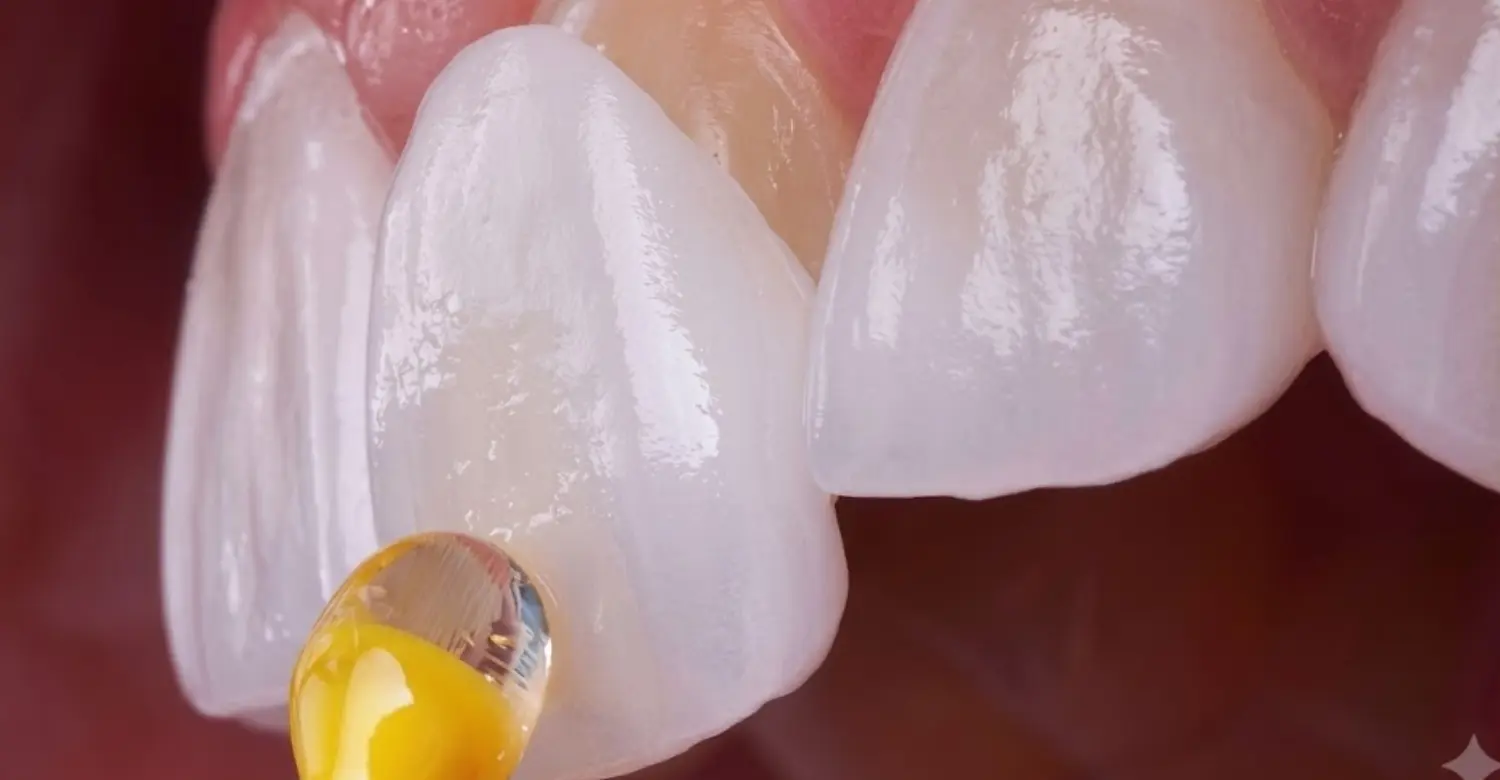
Digital Smile Design and Planning
A digital smile makeover combines cosmetic dentistry with computer-assisted planning and visualization. Digital photographs, facial measurements, and intraoral scans guide the design process. This allows dentists to evaluate tooth proportions before making irreversible changes, improving communication between patients and the dental team.
This technology does not replace clinical examination or professional judgment. Instead, it provides additional information for controlled treatment planning that considers facial features, tooth proportions, gum display, phonetics, and bite relationships.
Digital scanners create three-dimensional representations of teeth and surrounding oral structures. They reveal surfaces, margins, contacts, and occlusal relationships that inform the design process. Scanning also tends to improve patient comfort compared to conventional impression materials. It reduces the need for repeated physical impressions, though accuracy still depends on equipment, operator technique, and scan quality.
Who Can Benefit From a Same day Veneers and Smile Makeover and Who May Need Alternative Treatment?
Patients with primarily cosmetic concerns may benefit from a Same day Veneers and Smile Makeover, particularly those with healthy gums, stable teeth, and realistic expectations about color, shape, spacing, or symmetry changes. Patients with limited time may especially value a Same day Veneers and Smile Makeover, since digital fabrication reduces waiting periods in appropriately selected cases. Those with persistent discoloration, minor shape irregularities, or small cosmetic gaps are often good candidates, though whitening should generally be considered before veneer shade selection, and conservative options such as bonding should be compared for very minor defects. Patients seeking a broader transformation may need several restorations, but treating every visible tooth is not always necessary; the dentist should identify the smallest appropriate treatment scope. See how this fits into a same-day treatment plan in same-day teeth whitening.
Not every cosmetic concern is best treated with veneers, however. Severely damaged teeth may lack enough structure for predictable results and may need crowns instead. Active periodontal disease should generally be stabilized first, since inflamed gums affect aesthetics, margins, and long-term maintenance. Severe occlusal problems can increase mechanical stress on veneers and may call for orthodontic or other functional treatment first, and extensive decay must always be treated before cosmetic work begins rather than concealed beneath it. A thorough examination is the only reliable way to determine which category a given patient falls into. Explore this less invasive alternative in cosmetic bonding.
Aftercare and LongTerm Maintenance
Proper aftercare helps protect veneers and the surrounding teeth long after treatment day. Good oral hygiene remains essential regardless of material; patients should maintain consistent brushing and flossing, using a soft bristled toothbrush and fluoride toothpaste unless otherwise directed, and clean carefully around the gumline where plaque tends to accumulate near restoration margins. Veneers resist staining well, but the natural teeth around them can still change color over time, so regular professional cleaning helps maintain overall smile appearance. Get the full daily care routine in veneer maintenance tips.
Patients should avoid excessive forces on restored teeth. Nail biting, chewing ice, and opening packages with the teeth all increase the risk of chipping or debonding, and extremely hard foods such as unpopped popcorn kernels or very hard candy should generally be limited. Patients who grind or clench may benefit from a custom night guard, since bruxism increases mechanical risk considerably. Regular dental examinations allow the dentist to monitor margins, gum health, bite, and restoration condition over time, and early detection generally makes any necessary intervention simpler and less invasive. Patients should report sensitivity, rough edges, looseness, or bite changes promptly rather than waiting for the next scheduled visit, since delayed assessment can allow minor issues to progress into larger complications. Lifestyle factors such as smoking, inconsistent hygiene, and excessive sugar intake can also affect long-term restoration health. Curious if straightening comes first? Read our guide to orthodontic braces.
Why Choose Vitrin Clinic for a Same day Veneers and Smile Makeover?
Choosing a cosmetic dental provider involves more than comparing treatment speed. Vitrin Clinic combines cosmetic planning with restorative and digital dentistry considerations, evaluating dental health before recommending a Same day Veneers and Smile Makeover in order to identify conditions that could affect predictability. Digital planning supports customized smile design and clear communication, and every treatment decision remains grounded in individual dental anatomy and aesthetic goals rather than a standardized template.
Patients can discuss preferred tooth shape, color, proportions, and overall smile appearance, and the plan is adjusted according to clinical findings from a comprehensive assessment covering tooth structure, gum health, bite, existing restorations, and aesthetic concerns. When underlying problems are identified, additional treatment may be recommended first to protect the biological foundation of the cosmetic result. The clinic's approach to a Same day Veneers and Smile Makeover always aims to balance aesthetics, function, and biological considerations rather than pursuing speed for its own sake.
The treatment journey begins with consultation and digital smile assessment, moves through personalized design and preparation, and concludes with careful trying, bite evaluation, and bonding. Throughout the process, patient communication remains central, discussing expectations, treatment stages, maintenance, and potential limitations so that outcomes align with what the patient actually wants and what their teeth can safely support. Protect your investment long-term with night guards for bruxism.
Conclusion
Veneers can provide significant cosmetic improvements when patients are appropriately selected and treatment is carefully planned. Digital dentistry has made it possible to accelerate several stages of a Same day Veneers and Smile Makeover, but treatment speed should never replace diagnosis or clinical judgment. Healthy teeth, stable gums, appropriate bite relationships, and realistic expectations remain essential regardless of how quickly a case moves. Digital scanning and chairside fabrication can meaningfully reduce waiting periods for suitable cases, while traditional laboratory workflows may remain preferable for complex aesthetic requirements.
The number of veneers placed should always reflect individual smile characteristics rather than a fixed formula conservative treatment can often deliver excellent results while preserving healthy tooth structure. Patients considering a Same day Veneers and Smile Makeover should compare materials, technology, dentist experience, treatment planning, cost, and aftercare before deciding. The best cosmetic outcome is the one that combines aesthetics, function, oral health, and long term maintenance, not simply the fastest one available.
Reference
FAQs
Dr. Rifat Alsaman has more than 5 years of clinical experience in dentistry and currently serves as the Head of the Medical Team at Vitrin Clinic. He is dedicated to providing exceptional patient care, overseeing treatment planning, and ensuring the highest clinical standards across the team. His expertise, attention to detail, and commitment to continuous professional development have helped countless patients achieve healthier, more confident smiles.


.webp&w=3840&q=75)