Cosmetic Dentistry
September 16, 2025
What Is Cosmetic Bonding and Why Is It Popular in Turkey in 2026?
 Dr. Rifat Alsaman
cosmetic bonding is a fast, affordable, and non-invasive dental procedure that enhances smiles by correcting minor imperfections like chips, gaps, and discoloration. In Turkey, this procedure has become increasingly popular among both local and international patients. Its affordability, quality, and natural-looking results attract many people. This blog covers everything you need to know about this treatment in Turkey, from procedure details to cost comparisons and patient experiences.
Quick Answer: What Is Cosmetic Bonding?
The procedure involves applying a tooth-colored composite resin to the teeth to improve their appearance. It can fix chips, gaps, discoloration, and minor misalignments in a single visit. It is popular in Turkey due to its affordability, high-quality dental care, and the expertise of dentists like Dr. Rifaat Al-Samman at Vitrin Clinic. The treatment is minimally invasive, cost-effective, and provides immediate results, making it an attractive option for many patients.
What Exactly Is Cosmetic Bonding in Dentistry?
The process involves applying a tooth-colored composite resin to the surface of the teeth to improve their appearance. It’s an ideal treatment for people looking to enhance their smile without undergoing extensive dental work.
How Does Cosmetic Bonding Differ From Veneers or Crowns?
Bonding is quicker, less invasive, and more affordable than veneers or crowns.
Veneers require more tooth reshaping and are made of porcelain.
Crowns cover the entire tooth and are used for more severe damage.
Discover the story behind the actress’s stunning Leah Lewis teeth makeover. Get a fast, affordable smile fix with Composite veneers Turkey
What Materials Are Used in Cosmetic Bonding?
The primary material is composite resin, which is:
Tooth-colored
Moldable and shapeable
Hardened with a curing light
Polished to match surrounding teeth
Why Is Composite Resin the Preferred Material?
Matches natural teeth
Easy to apply and sculpt
Cost-effective
Minimally invasive
How Long Does Composite Resin Typically Last?
With proper care, it typically lasts 4 to 8 years, and sometimes up to 10 years. See the quarterback’s remarkable new smile after his Joe Flacco teeth transformation
What Dental Issues Can Cosmetic Bonding Correct?
Small gaps between teeth
Chipped or cracked teeth
Uneven shape
Tooth discoloration
Can Tooth bonding Fix Gaps Between Teeth?
Yes. It’s commonly used to fill minor spaces between front teeth.
Does Bonding Work for Chipped or Cracked Teeth?
Absolutely. It restores shape, strength, and appearance instantly.
Can Bonding Improve Tooth Color and Shape?
Yes. It helps mask stains and reshape uneven or worn teeth. Achieve your ideal smile with expert Dental aesthetics services
Why Do Patients Choose Cosmetic Bonding in Turkey?
Affordable Prices
This treatment in Turkey is significantly more cost-effective than in the US, UK, or Europe, often 60–70% cheaper.
Quick & Minimally Invasive
The procedure is usually completed in one visit, without drilling or removing natural tooth enamel.
High-Quality Clinics
Modern Turkish clinics like Vitrin Clinic use advanced materials and adhere to international standards.
English-Speaking Staff
Clear communication and patient-focused service make the process smooth for international visitors.
Medical Tourism Experience
Patients combine treatment with travel, enjoying beautiful cities like Istanbul or Antalya while improving their smile.
Short Waiting Times
Clinics in Turkey often offer immediate appointments, unlike long waiting lists in some countries.
Natural-Looking Results
Turkish dentists are known for aesthetic expertise, delivering natural and well-blended tooth enhancements. Make an informed choice by understanding the Risks of veneers
How Does the Cost of Cosmetic Bonding in Turkey Compare Internationally?
Turkey: $50–$150 per tooth
Europe/US: $300–$600 per tooth
Patients save up to 70% without compromising on quality.
Add a unique sparkle to your grin with stylish Dental jewelry options and also quickly fix minor damage with expert Repairing chipped teeth
Why Is Turkey a Leading Destination for Cosmetic Dentistry?
Affordable treatments
Highly trained dentists
Advanced technology
Medical tourism infrastructure
How Do Turkish Clinics Ensure High Quality and Safety Standards?
🇹🇷 Government Regulation & Licensing
Clinics are overseen by the Turkish Ministry of Health. They must meet national standards for hygiene, safety, and professional qualifications.
Highly Trained Dentists
Dentists are trained in top Turkish and international universities.
Many hold certifications in cosmetic dentistry, implantology, and laser dentistry.
International Accreditation
Leading clinics pursue ISO 9001 and JCI (Joint Commission International) certifications to align with global healthcare standards.
Modern Equipment & Materials
Clinics use advanced digital dentistry tools (CAD/CAM, 3D imaging, dental lasers).
High-quality materials from brands like 3M, Volar Viv dent, and GC are commonly used. Discover the subtle changes behind the actor’s Cillian Murphy teeth makeover
Strict Sterilization Protocols
Autoclaves, single-use instruments, and medical-grade disinfectants are used to maintain sterile environments.
Pre-Treatment Planning
Clinics often use Digital Smile Design or mock-up tools to carefully plan procedures and minimize risks.
Multilingual Communication
English-speaking coordinators help ensure clear understanding of procedures, risks, and aftercare.
Informed Consent & Transparency
Clinics provide detailed treatment plans, consent forms, and cost breakdowns upfront ensuring full transparency.
Post-Treatment Follow-Up
Many clinics offer structured aftercare support, including remote check-ins for international patients.
At Vitrin Clinic, patient safety, comfort, and satisfaction are top priorities all treatments are carried out by licensed professionals using the latest techniques in a clean, modern facility. Enhance your smile shape and color with Composite bonding Turkey 2025
What Role Does Technology Play in Turkish Dental Clinics?
Digital X-rays and imaging
Laser-assisted procedures
3D smile design software
How Experienced Are Dentists in Composite bonding Procedures in Turkey?
Many Turkish dentists:
Trained internationally
Handle numerous cosmetic cases yearly
Specialize in minimally invasive aesthetic procedures
Correct minor imperfections with precise Tooth reshaping dentistry and Transform your smile with affordable Composite veneers treatment
Who Is a Good Candidate for Cosmetic Bonding?
Minor Tooth Damage
Chips, cracks, or slight fractures on front teeth.
Discoloration or Stains
Teeth that are stained or discolored and don’t respond well to whitening.
Gaps Between Teeth
Small spaces or gaps (diastema) that don’t require orthodontic treatment.
Uneven or Misshapen Teeth
Irregularly shaped teeth that need aesthetic reshaping.
Worn Teeth
Mild wear due to grinding (bruxism) or aging.
Looking for a Non-Invasive Option
Ideal for patients who want to avoid drilling or removing natural tooth structure (unlike veneers or crowns).
Short-Term or Budget-Friendly Fix
Great for those who want quick results or are not yet ready to commit to permanent cosmetic treatments.
Can You Have This cosmetic dental procedure with Gum Disease?
Dental bonding can sometimes be possible for patients with gum disease, but the condition of the gums must be evaluated before starting treatment. Healthy gums provide the foundation for a balanced and attractive smile, while active gum inflammation, bleeding, or periodontal problems may affect the final appearance and long-term stability of bonding.
At Vitrin Clinic, every dental bonding consultation includes an assessment of the teeth and gums to ensure the treatment plan is suitable for the patient’s oral health. Dr. Rifat Alsaman, Head of the Medical Team at Vitrin Clinic and a cosmetics dentist, explains that treating gum problems first can improve treatment predictability and help achieve more natural and lasting the bonding treatment results.
How Gum Health Affects Cosmetic Bonding Results
Yes, dental bonding can be performed for some patients with gum disease, but healthy gums are an important foundation for long-lasting aesthetic results. Active gum inflammation, bleeding, or untreated periodontal problems may affect bonding stability and the final appearance of the smile.
At Vitrin Clinic, every dental bonding case begins with a detailed dental examination to evaluate tooth structure, gum condition, and overall oral health before treatment. According to Dr. Rifat Alsaman, Head of the Medical Team at Vitrin Clinic and a cosmetics dentist, treating existing gum problems before cosmetic procedures helps create a healthier environment and improves the predictability of it outcomes.
Why Gum Evaluation Is Important Before Dental Bonding
Before applying composite material, dentists need to ensure that the surrounding gums are healthy and stable. Gum disease can cause swelling, recession, or changes around the teeth, which may influence the shape and symmetry of the final smile.
At Vitrin Clinic, the this procedure process includes a comprehensive assessment to identify whether patients need periodontal care before enhancing their smile. Dr. Rifat Alsaman, Head of the Medical Team at Vitrin Clinic and a cosmetics dentist, explains that successful cosmetic dentistry depends not only on improving tooth appearance but also on maintaining healthy supporting tissues.
What Age Groups Benefit Most From Such treatment?
Teenagers (typically 16+)
Adults of all ages
Can Patients With Tooth Decay or Gum Disease Get Bonding?
No. These conditions must be treated before bonding is performed.
What Are the Limitations of Dental bonding Compared to Other Treatments?
Less durable than veneers or crowns
Can stain more easily
Not suitable for major structural issues
Fix minor damage to bonded teeth with Dental bonding repair and See the stunning results of the actress’s Issa Rae teeth makeover
What Is the Procedure for Tooth bonding?
Here’s a step-by-step overview of the composite bonding procedure, especially as performed in modern clinics like Vitrin Clinic in Turkey:
This cosmetic dental procedure Procedure: Step-by-Step
Consultation & Evaluation
The dentist examines your teeth, discusses your aesthetic goals, and ensures bonding is the right treatment.
Photos or digital scans may be taken.
Shade Matching
A resin color is selected to closely match the natural shade of your teeth for a seamless look.
Tooth Preparation
Minimal prep is needed.
The surface of the tooth is lightly roughened, and a conditioning liquid is applied to help the bonding material adhere.
Application of Composite Resin
The dentist applies the tooth-colored resin to the tooth in layers and sculpts it into the desired shape.
Curing with UV Light
A special curing light hardens the resin within seconds.
Shaping & Polishing
After hardening, the dentist further trims, smooths, and polishes the bonded tooth to match the sheen of surrounding teeth.
Time Required
The entire process usually takes 30 to 60 minutes per tooth, and can often be completed in one visit.
How Should Patients Prepare Before the Treatment?
Practice good oral hygiene
Discuss expectations with your dentist
Avoid coffee and smoking prior to treatment
Explore the director’s unique Greta Gerwig teeth transformation and also Discover the natural charm of the actress’s Anamaria Vartolomei teeth makeover
What Happens During a Typical The bonding treatment Session?
Tooth is cleaned and prepped
Composite resin is applied and shaped
Resin is hardened with a curing light
Tooth is polished for a natural finish
How Long Does Each Step of the Procedure Take?
Around 30–60 minutes per tooth
Is It Painful or Uncomfortable?
No. It’s typically painless, and anesthesia is rarely needed.
How Many Appointments Are Usually Needed?
One session for most cases
Complex cases may need a follow-up
What Are the Benefits of This procedure?
Here are the key benefits of such treatment, especially for patients seeking a fast, affordable, and natural-looking smile enhancement:
Benefits of Dental bonding
Quick Results
Most procedures are completed in just one visit perfect for busy schedules or last-minute smile fixes.
Minimally Invasive
No drilling or removal of enamel; bonding preserves your natural tooth structure.
Natural Appearance
The resin material is matched to your tooth color for seamless, realistic results.
Cost-Effective
One of the most affordable cosmetic dental procedures ideal for patients on a budget.
No Downtime
You can eat, talk, and smile immediately after the procedure.
Reversible & Adjustable
Since no enamel is removed, bonding can be reversed or replaced with veneers later if desired.
Versatile Use
Corrects chips, gaps, discoloration, uneven edges, and even slightly crooked teeth.
No Anesthesia Needed (in most cases)
The procedure is usually painless, making it stress-free and comfortable.
At Vitrin Clinic, tooth bonding is performed by experienced cosmetic dentists using high-quality composite resins to ensure durability and aesthetic excellence.
How Can Bonding Improve Smile Aesthetics Immediately?
Results are visible immediately after treatment
Why Is Composite bonding Considered Affordable?
Less time-consuming
No lab work
Uses accessible materials
How Does Bonding Preserve Natural Tooth Structure?
Requires minimal enamel removal
Non-invasive compared to veneers or crowns
What Are the Risks and Limitations of This cosmetic dental procedure?
Risks of The bonding treatment
Staining Over Time
Composite resin is more porous than enamel and can stain from coffee, tea, red wine, or smoking.
Less Durable Than Other Materials
Bonding is not as strong as veneers or crowns it may chip or wear down more easily, especially if you grind your teeth.
Shorter Lifespan
It typically lasts 3 to 7 years, depending on care, compared to 10–15 years for porcelain veneers.
Not Suitable for Major Corrections
It’s best for minor cosmetic issues large gaps, misalignments, or severe discoloration may need other treatments.
May Require Touch-Ups
Over time, you may need to refinish or replace bonded areas due to wear, discoloration, or chipping.
Limitations to Consider
Color Not Easily Changeable
Once placed, the resin doesn’t respond to whitening so teeth should be whitened beforehand if desired.
Less Glossy Finish Than Porcelain
Bonding may not have the same sheen or light-reflecting quality as porcelain veneers.
Not Ideal for Heavy Biters
If you bite your nails, chew ice, or grind your teeth, bonding is more likely to chip or break.
How Susceptible Is Bonding to Stains and Discoloration?
More than veneers or crowns. Common staining sources:
Coffee
Red wine
Smoking
Can Bonding Chip or Break Easily?
Yes, especially with habits like:
Nail biting
Chewing ice
Using teeth as tools
Potential Complications and Who Should Avoid Bonding
This procedure is generally safe, but it is not suitable for everyone. Contraindications include:
Severe tooth decay or gum disease: These must be treated before bonding.
Bruxism (teeth grinding): Excessive forces can cause the composite to chip or fracture.
Large restorations: Bonding is not ideal for extensive structural damage; crowns or veneers may be better.
Poor oral hygiene: Bonding can stain and decay if not maintained.
Possible complications include:
Chipping or wear: Composite is softer than natural enamel and can wear over time.
Staining: The resin can discolor with coffee, tea, or smoking.
Sensitivity: Some patients experience temporary sensitivity to hot or cold.
Debonding: Rarely, the bonding may separate from the tooth.
Dr. Al-Samman advises, "A thorough examination is essential to determine if bonding is appropriate. We always assess the patient's occlusion and oral habits before proceeding."
Bonding vs. Lumineers and No-Prep Veneers
When considering cosmetic enhancements, patients often compare bonding with lumineers or no-prep veneers. Here's a breakdown:
Composite Bonding: A tooth-colored resin is applied directly to the tooth, shaped, and hardened with a curing light. It requires minimal to no enamel removal, is completed in one visit, and is the most affordable option. However, it is less durable and more prone to staining than porcelain.
Lumineers: These are ultra-thin (about 0.3 mm) porcelain veneers that require little or no tooth preparation. They are highly aesthetic and stain-resistant but are more expensive and require a laboratory. The procedure typically involves two visits.
No-Prep Veneers: Similar to Lumineers, these are thin porcelain shells that bond to the front of the teeth without significant enamel reduction. They offer excellent aesthetics and durability but are costlier than bonding.
Dr. Al-Samman notes, "For patients seeking a minimally invasive and budget-friendly solution, bonding is often the best choice. However, if long-term aesthetics are the priority, porcelain veneers may be worth the investment."
The Science Behind Composite Resin Bonding
Such treatment uses a composite resin—a mixture of glass-filled and acrylic-based materials—that is color-matched to your natural teeth. The procedure involves several steps:
Etching: The tooth surface is etched with a mild acid to create a rough texture, increasing the surface area for bonding.
Priming and Bonding: A bonding agent is applied, which penetrates the etched enamel and forms a micromechanical bond.
Layering: The composite resin is applied in thin layers, each hardened with a curing light. This allows the dentist to sculpt the material to the desired shape and contour.
Finishing and Polishing: The final restoration is shaped, adjusted, and polished to match the gloss of natural teeth.
The bond strength is remarkable, often exceeding 20 MPa, which is sufficient for most anterior restorations. Advances in adhesive technology have significantly improved the durability and aesthetics of composite bonding, making it a reliable choice for many patients.
Quick Answers to Common Questions
How long does bonding last? Typically 3-10 years, depending on care and habits.
Is bonding painful? Usually not; anesthesia is rarely needed unless the tooth is being prepared.
Can bonding stain? Yes, but professional polishing can help.
How much does bonding cost? In Turkey, it ranges from $50 to $150 per tooth, significantly less than in Western countries.
Is bonding reversible? Yes, it can be removed, but some enamel may be lost during the process.
How Often Does Dental bonding Need Replacement?
Usually every 4–8 years, depending on use and oral care.
What Signs Show That Bonding Needs Repair or Renewal?
Visible discoloration
Chipping or cracking
Uneven or rough surface
How Long Does the Treatment Last With Proper Care?
Up to 10 years with:
Daily brushing
Avoiding staining foods
Regular dental visits
Success Rates: What the Data Shows
Long-term studies on this procedure are limited. However, research shows composite resin restorations have a survival rate of about 70–80% at 5 years. At 10 years, the rate drops to 50–60%. This comes from a 2015 systematic review in the Journal of Adhesive Dentistry.
For anterior teeth, where the treatment is most common, success rates are higher. They often exceed 85% at 5 years when performed by experienced clinicians. Dr. Rifaat Al-Samman notes, "In our practice, we see high patient satisfaction and durability. This is especially true when patients follow proper oral hygiene and avoid habits like nail-biting or chewing on hard objects."
Individual outcomes vary. They depend on the size of the restoration, the patient's bite, and oral care habits.
How Should Patients Care for Their Teeth After the Procedure?
Daily Habits
Brush twice a day with a soft-bristle toothbrush and non-abrasive toothpaste.
Floss daily to remove plaque between teeth and around the bonded area.
Use a fluoride mouthwash to strengthen enamel and support gum health.
Avoid Staining Agents
Limit or avoid coffee, tea, red wine, cola, and tobacco, especially in the first 48 hours.
Rinse your mouth with water after consuming any staining food or drink.
Protect Against Damage
Do not bite hard objects like ice, pens, or fingernails.
Avoid using your teeth to open packages.
Skip sticky candies or very crunchy snacks that could chip the material.
Wear a Night Guard (If Needed)
If you grind your teeth (bruxism), use a custom night guard to prevent cracks or wear.
Schedule Regular Dental Visits
Visit your dentist every 6 months for cleanings and checkups.
Ask your dentist to polish bonded areas occasionally to maintain shine and smoothness.
Avoid Abrasive Toothpastes
Steer clear of whitening or gritty toothpastes that can dull or scratch the bonded resin.
At Vitrin Clinic:
We provide each patient with a custom aftercare plan and recommendations for keeping your smile in top condition. Regular follow-ups help ensure your smile stays beautiful for years.
What Daily Habits Protect Bonded Teeth?
Use a soft toothbrush
Avoid hard chewing
Rinse after acidic drinks
Which Foods or Drinks Should Be Avoided?
Coffee and tea
Red wine
Soda
Dark berries
Eating and Drinking After the Treatment: Recovery and Lifestyle Adjustments
After the procedure, most patients can return to their normal daily activities quickly because it is minimally invasive. However, following certain lifestyle recommendations can help maintain the appearance and durability of the bonded teeth. Patients are usually advised to avoid biting very hard foods, reduce habits such as chewing ice, and be mindful of highly staining foods and drinks.
At Vitrin Clinic, patients receive detailed aftercare instructions to protect their new smile. Dr. Rifat Alsaman, Head of the Medical Team at Vitrin Clinic and a cosmetics dentist, recommends maintaining good oral hygiene and following professional advice to preserve the natural appearance and longevity of the treatment.
What Can You Eat After Dental Bonding?
After the procedure, patients can usually return to normal activities quickly, but some lifestyle adjustments can help protect the new restoration. Avoiding very hard foods, excessive biting pressure, and staining drinks immediately after treatment may support better long-term results.
At Vitrin Clinic, patients receive personalized aftercare instructions designed around their lifestyle and treatment goals. Dr. Rifat Alsaman, Head of the Medical Team at Vitrin Clinic and a cosmetics dentist, recommends following professional guidance after the procedure to preserve the material’s appearance and durability.
Drinks to Limit After the Treatment
Certain beverages such as coffee, tea, and highly pigmented drinks may contribute to staining over time. While the materials used are designed to look natural, maintaining good oral hygiene and mindful eating habits can help preserve the smile’s appearance.
At Vitrin Clinic, patients are guided on practical maintenance strategies after treatment. According to Dr. Rifat Alsaman, Head of the Medical Team at Vitrin Clinic and a cosmetics dentist, proper daily care plays an important role in extending the aesthetic benefits of the procedure.
How Important Are Regular Dental Checkups After the Procedure?
Very important for maintaining results and catching wear early.
How Dental Anxiety Can Affect Cosmetic Treatment Decisions
Dental anxiety can influence how patients approach cosmetic treatments, especially if they had negative dental experiences during childhood. Fear of discomfort, uncertainty about procedures, or concerns about the final result may prevent some people from seeking smile improvements even when they desire a change.
At Vitrin Clinic, creating a comfortable and reassuring experience is an essential part of cosmetic dentistry. The team focuses on explaining each step, answering patient questions, and creating a personalized treatment journey. Dr. Rifat Alsaman, Head of the Medical Team at Vitrin Clinic and a cosmetics dentist, believes that patient confidence and clear communication are important factors in achieving successful cosmetic treatment outcomes.
Important Disclaimer
Individual results may vary. The success and longevity of the treatment depend on various factors, including the skill of the dentist, the condition of your teeth, and your oral hygiene habits. While many patients enjoy their results for years, some may experience chipping or staining sooner. It is essential to follow your dentist's aftercare instructions and attend regular check-ups to maintain your smile. This article is for informational purposes only and does not replace professional dental advice. Always consult a qualified dentist to determine the best treatment for your specific needs.
Understanding Dental Anxiety and Fear from Childhood
Dental anxiety is common. It often starts in childhood. Uncomfortable visits can create lasting fear. This fear may stop people from seeking cosmetic treatments. Even when they want a better smile, anxiety holds them back.
At Vitrin Clinic, comfort is a priority. The team explains every step clearly. They help patients feel confident before starting. Dr. Rifat Alsaman leads the medical team. He is a cosmetics dentist. He believes understanding patient concerns is essential. This approach delivers stress-free cosmetic dentistry.
How Vitrin Clinic Helps Patients Feel Comfortable During Bonding
This procedure is minimally invasive. It suits many nervous patients. The process removes little or no natural tooth structure. This makes it a more comfortable option.
Patients receive personalized explanations. They learn about the procedure, results, and aftercare. Dr. Rifat Alsaman highlights patient education and trust. These are key to a positive experience.
How Does Tooth bonding Compare to Other Cosmetic Dental Treatments?
Feature | Composite bonding | Porcelain Veneers | Teeth Whitening | Dental Crowns |
|---|---|---|---|---|
Purpose | Fix minor chips, gaps, stains | Enhance shape, color, alignment | Brighten natural tooth color | Restore damaged or weak teeth |
Material Used | Composite resin | Porcelain or E.MAX | Bleaching agents | Porcelain, zirconia, or metal |
Tooth Prep Needed | Minimal or none | Moderate enamel removal | None | Significant tooth reshaping |
Durability | 3–7 years | 10–15 years | 6 months – 2 years | 10–15+ years |
Cost (Per Tooth) | $150–$180 | $250–$400+ | $200–$400 (full set) | $250–$600+ |
Time Required | 30–60 minutes per tooth (1 visit) | 1–2 visits | 1–2 visits | 2 visits |
Aesthetic Quality | Good, but can dull over time | Excellent, highly natural look | Brightens only existing teeth | Very natural with proper shading |
Reversibility | Yes | No (irreversible enamel removal) | Yes | No |
Stain Resistance | Low to moderate | High | Depends on habits post-treatment | High |
Ideal For | Minor flaws | Major aesthetic changes | Discoloration or dull teeth | Severely damaged or worn teeth |
This cosmetic dental procedure vs Veneers – Which Is Better?
Feature | Bonding | Veneers |
|---|---|---|
Cost | Low | High |
Durability | 4–8 years | 10–15+ years |
Procedure | Non-invasive | Requires enamel removal |
Time | 1 visit | 2+ visits |
Stain Resistance | Moderate | High |
The bonding treatment vs Crowns – What Are the Key Differences?
Bonding: For minor flaws, quick fix
Crowns: For severely damaged or weakened teeth
Is Teeth Whitening a Substitute for It?
No. Whitening treats discoloration, but bonding reshapes teeth and closes gaps. Both can be used together for a full smile makeover.
Does Age Affect This procedure Results?
Age itself is not the main factor. Tooth health, enamel condition, bite function, and aesthetic goals matter more. This treatment can suit different age groups. The teeth must be healthy and the treatment appropriate.
At Vitrin Clinic, plans are based on individual needs. Age alone does not decide treatment. Dr. Rifat Alsaman explains that success depends on proper diagnosis, material selection, and precise application. A personalized approach helps patients achieve natural-looking improvements at any stage of life.
Such treatment Age Concerns: Who Can Benefit From Treatment?
Age alone does not determine candidacy. Tooth health, enamel condition, bite relationship, and smile goals are key. Teenagers, adults, and older patients may all benefit. The teeth must be suitable for treatment.
At Vitrin Clinic, each patient receives an individualized smile assessment. Treatment is not based only on age. Dr. Rifat Alsaman explains that bonding can provide natural-looking improvements. The plan must match the patient’s dental condition and expectations.
Debunking Common Dental bonding Age Myths
One common myth is that bonding is only for young patients. In reality, it can address various concerns at different life stages. These include small chips, uneven edges, discoloration, and minor gaps.
At Vitrin Clinic, dentists evaluate each smile individually. They determine whether bonding is the right choice. Dr. Rifat Alsaman emphasizes that outcome quality depends on proper diagnosis, technique, and maintenance. Age is not the deciding factor.
Ceramic Bonding vs. Composite Resin
Composite resin is the most common material for this procedure. Ceramic bonding offers an alternative. It often comes as thin veneers. Ceramic materials like feldspathic porcelain or lithium disilicate are more stain-resistant. They can better mimic natural tooth translucency.
Ceramic bonding typically requires more tooth reduction. It also involves a laboratory process. This makes it more expensive and time-consuming. Composite bonding is a direct procedure. It is completed in a single visit. It is more repairable and generally more affordable.
Dr. Al-Samman explains, "For patients with minor chips, gaps, or discoloration, composite bonding is an excellent minimally invasive option. For more extensive cosmetic changes, ceramic veneers may provide superior aesthetics and longevity." The choice depends on the patient's goals, budget, and tooth condition.
Expert Insights on Tooth bonding
Other dental professionals also share their views. Dr. Emily Carter, a cosmetic dentist in London, says, "Composite bonding is a fantastic option for minor aesthetic issues. It's conservative, cost-effective, and can be completed in a single visit. However, it requires meticulous technique and patient compliance to ensure longevity."
Dr. Mehmet Yilmaz, a prosthodontist in Istanbul, adds, "In my experience, bonding is most successful when used for small to medium restorations. For larger cases, I often recommend ceramic veneers for better durability and color stability." These expert opinions reinforce the importance of proper case selection and dentist skill.
How Much Does Composite bonding Cost in Turkey?
Number of Teeth | Typical Price per Tooth or Case |
|---|---|
Single tooth (minor edge repair / small chip) | ≈ $100 – $250 per tooth |
1‑3 teeth (small corrections) | ≈ $100 – $500 total |
4‑6 teeth | ≈ $500 – $1,200 total |
Full smile make‑over (e.g. 8‑10 front teeth) | ≈ $800 – $2,500 |
What Factors Affect the Price of This cosmetic dental procedure?
Does Tooth Condition Impact the Final Cost?
Yes. Severely damaged or uneven teeth may require extra prep work.
How Does the Number of Teeth Treated Affect Price?
More teeth = higher total cost. Some clinics offer multi-tooth discounts.
How Does The bonding treatment Cost in Turkey Compare to Europe and the US?
Turkey: $50–$150/tooth
Europe/US: $300–$600/tooth
Are Payment Plans Available for International Patients?
Yes. Many clinics offer:
Installment options
All-inclusive medical tourism packages
Pre-payment discounts
Insurance and Financing: What to Expect
It is usually elective. Most dental insurance plans do not cover it. However, if bonding restores a decayed or fractured tooth, a portion may be covered under restorative benefits. Check with your insurance provider.
In Turkey, dental tourism is popular. Many clinics offer package deals that include treatment, accommodation, and transfers. At Vitrin Clinic, we provide transparent pricing and flexible payment plans. International patients often find that even without insurance, the cost of bonding in Turkey is significantly lower than in the US or Europe. We recommend requesting a detailed treatment plan and cost breakdown before committing.
How Do Patients Choose the Right Clinic in Turkey for This procedure?
Check Dentist Credentials
Verify the dentist’s qualifications, training, and experience in such treatment.
Review Patient Testimonials & Reviews
Look for authentic feedback about bonding results, patient care, and clinic professionalism.
Examine Before-and-After Photos
Ask to see examples of dental bonding cases to evaluate the quality and aesthetics.
Assess Technology & Materials Used
Ensure the clinic uses modern composite resins and advanced dental technology.
Inquire About Customized Treatment Plans
Good clinics tailor the bonding procedure to your individual smile and needs.
Transparency in Pricing
Clinics should provide clear, upfront pricing without hidden fees.
Consider Clinic Accreditation
Look for clinics accredited by Turkish health authorities or international dental organizations.
Language Support
Choose clinics with English-speaking staff or translators to ensure smooth communication.
Evaluate Patient Care & Support
Clinics offering post-treatment follow-up, travel assistance, and comfortable facilities score higher.
Location & Accessibility
Clinics in major cities with easy transport and accommodation options can simplify your trip.
At Vitrin Clinic, we prioritize all these aspects: experienced dentists, high-quality materials, transparent pricing, and personalized care. Would you like me to help you schedule a consultation or provide more info on Vitrin Clinic’s tooth bonding services?
What Should Patients Look for in a Cosmetic Dentistry Clinic?
Certification by Turkish Ministry of Health
Experience with international patients
Up-to-date equipment and sterile practices
How Important Are Dentist Qualifications and Experience?
Very. Choose dentists who:
Have cosmetic dentistry training
Show before/after photos
Speak your language or offer translators
Why Should Patients Check Reviews and Before/After Photos?
They provide real insights into:
Result quality
Patient satisfaction
Treatment consistency
Visual Transformations: Before and After
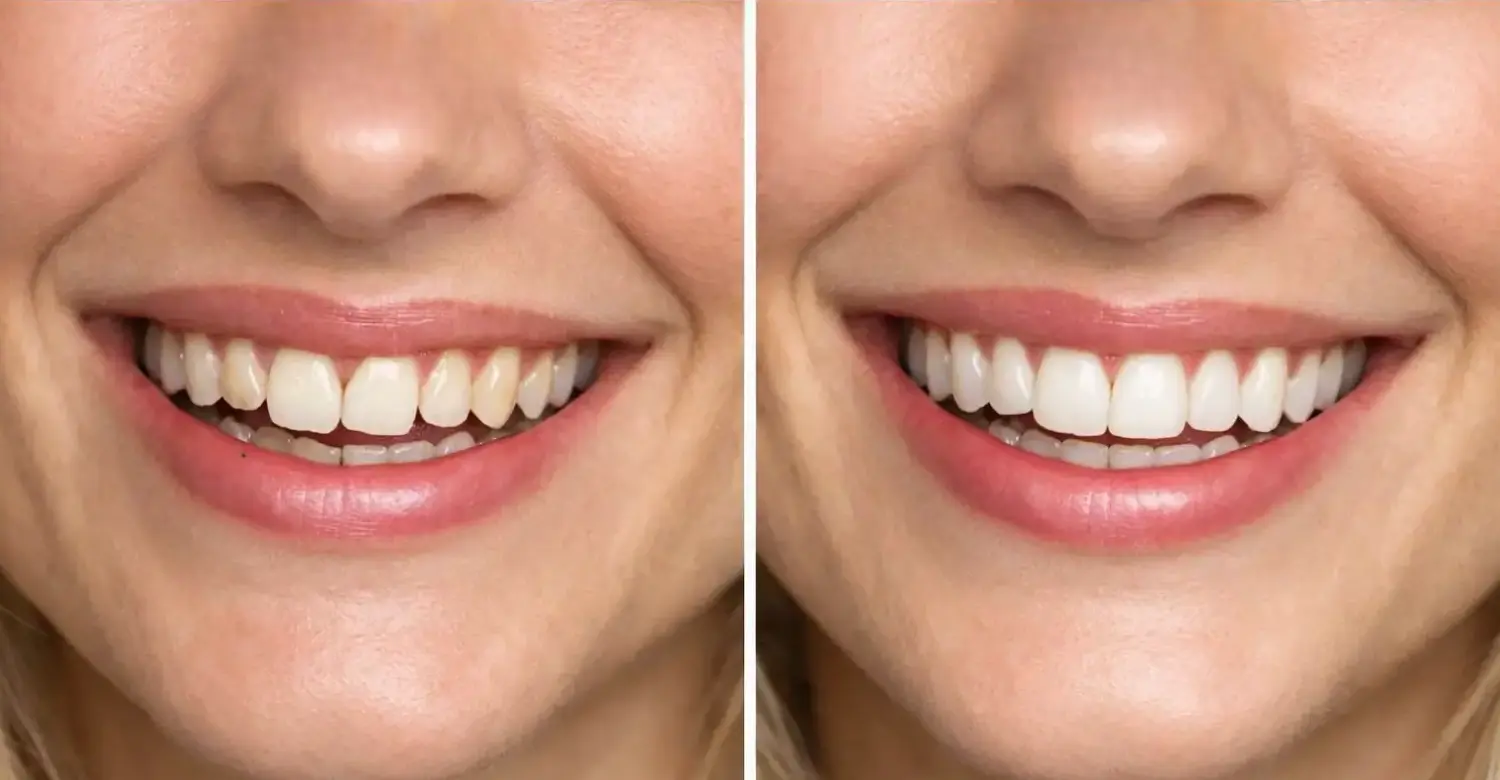
While we cannot display images in this article, we encourage you to visit our clinic's website or social media pages to see real before-and-after photos of composite bonding cases. In one typical case, a patient with a small gap between her front teeth had bonding applied to close the space, resulting in a more uniform smile. Another patient with a discolored tooth had bonding to match the shade of adjacent teeth, achieving a seamless appearance.
These examples demonstrate how bonding can address:
Chipped or cracked teeth
Gaps between teeth
Discoloration or staining
Misshapen or uneven teeth
For a personalized preview, we offer digital smile design consultations where you can see a simulation of your potential results.
What Do Patients Say About Their This cosmetic dental procedure Experience in Turkey?
Patients who have undergone the bonding treatment at Vitrin Clinic in Turkey consistently praise the clinic for its professionalism, quality of care, and transformative results. The clinic maintains a strong reputation on platforms like Trustpilot, with an overall rating of 4.4 out of 5 stars, based on over 430 reviews.
Patient Experiences at Vitrin Clinic
Exceptional Staff and Support: Patients frequently highlight the clinic’s friendly and supportive staff. One reviewer noted, “The Doctors and surgeons were fantastic throughout my whole experience. The staff were really helpful and friendly.” Another mentioned the assistance of medical consultant Banu, who was instrumental in coordinating flights and providing continuous support. (Trustpilot)
High-Quality Results: Many individuals express satisfaction with the aesthetic outcomes of their treatments. A patient from the UK shared, “I am so so happy with my teeth and would highly recommend this clinic to anyone thinking about having their teeth done.” Another reviewer from Poland described the experience as “stress-free,” praising the modern equipment and professional, gentle doctors. (Trustpilot)
Comprehensive Care: The clinic’s holistic approach to patient care is frequently commended. Patients appreciate the seamless coordination of services, including airport transfers, hotel accommodations, and personalized treatment plans. One reviewer expressed, “I had a great experience with Vitrin clinic! The entire staff from the ladies at the front desk, to the case manager, to all the dentists were extremely professional.” (Trustpilot)
What Are the Most Common Positive Testimonials?
“Affordable and fast results”
“Pain-free experience”
“Highly skilled dentists”
“Clinic staff were professional and kind”
Do Patients Report Any Negative Experiences?
Some note:
Minor sensitivity
Language barriers
Short lifespan compared to veneers
How Does It Improve Confidence and Quality of Life?
Enhances smile instantly
Boosts self-esteem
Encourages better oral care
Makes social and professional interactions easier
This article was reviewed and approved by Dr. Rifaat Al-Samman, Director of the Medical Team at Vitrin Clinic in Istanbul, Turkey. Dr. Al-Samman is a general and aesthetic dentist with extensive experience in cosmetic dentistry and dental tourism. He leads a multidisciplinary team that has successfully treated thousands of international patients. His expertise ensures that the information provided is accurate and up-to-date.
Cosmetic and Restorative Dental Treatment Options at Vitrin Clinic
Composite bonding (composite veneers) can provide a quick and relatively affordable cosmetic improvement, although this treatment is not offered at Vitrin Clinic. While it may initially appear to be a cost-effective solution, composite bonding is more prone to staining, chipping, cracking, and discoloration over time. For international patients, these issues can become particularly inconvenient after returning home, often requiring ongoing maintenance, repairs, or replacements.
As a result, the long-term cost of composite bonding may exceed that of more durable and predictable treatments such as porcelain veneers or comprehensive smile rehabilitation. For patients traveling for dental treatment, investing in longer-lasting solutions can provide greater aesthetic stability, reduced maintenance, and better value over time.
More reliable treatment options includes:
Veneers, which deliver a natural-looking, highly durable smile with strong resistance to staining
Hollywood Smile, a full smile makeover designed to achieve a balanced, bright, and symmetrical aesthetic
Dental Crowns, which restore both function and appearance for damaged or weakened teeth with long-lasting strength
Dental Bridges, which replace missing teeth while maintaining bite stability and natural appearance
Teeth Whitening, a fast and non-invasive option to significantly enhance brightness and overall smile freshness.
What Patients Notice After This procedure Treatment
After dental bonding, many patients notice immediate improvements in their smile appearance, including better tooth shape, smoother edges, and a more balanced overall look. Beyond the physical changes, many patients experience increased confidence and feel more comfortable smiling in social and professional situations.
At Vitrin Clinic, this treatment is designed to create subtle enhancements that complement each patient’s facial features while maintaining a natural appearance. Dr. Rifat Alsaman, Head of the Medical Team at Vitrin Clinic and a cosmetics dentist, highlights that successful cosmetic dentistry is not only about improving teeth but also about helping patients feel more confident and satisfied with their smiles.
Real-World Responses From Family and Friends After Smile Enhancement
Many patients report that one of the most rewarding parts of this procedure is the noticeable improvement in their confidence. Friends and family members often recognize changes such as improved tooth shape, a brighter smile appearance, and increased willingness to smile naturally.
At Vitrin Clinic, the treatment is planned to create subtle improvements that maintain a natural appearance rather than an artificial look. Dr. Rifat Alsaman, Head of the Medical Team at Vitrin Clinic and a cosmetics dentist, explains that the goal of cosmetic dentistry is not only improving teeth but also helping patients feel more comfortable and confident in daily interactions.
What We Notice Clinically
From a clinical perspective, the success of this procedure depends on careful case evaluation, proper shade selection, tooth preparation, and understanding the patient’s expectations. At Vitrin Clinic, dentists carefully analyze tooth proportions, smile symmetry, bite relationship, and facial aesthetics before performing the treatment.
Dr. Rifat Alsaman, Head of the Medical Team at Vitrin Clinic and a cosmetics dentist, explains that the most successful cases are those where aesthetics and function are carefully balanced. He notes that even small adjustments in tooth shape, length, or contour can create a noticeable improvement when they are planned according to each patient’s unique smile characteristics.
Clinical Observations During Such treatment Cases at Vitrin Clinic
From a clinical perspective, the success of this treatment depends on several factors, including proper case selection, accurate shade matching, tooth preparation, and patient maintenance. At Vitrin Clinic, dentists carefully analyze tooth proportions, smile harmony, and facial aesthetics before designing the final result.
Dr. Rifat Alsaman, Head of the Medical Team at Vitrin Clinic and a cosmetics dentist, explains that the best results come from balancing aesthetics with function. He highlights that even small adjustments in tooth shape or contour can create a significant improvement when they are carefully planned according to each patient’s facial features and smile design.
Tips for Patients Before and After Dental bonding
Patients can improve their experience by preparing properly before treatment and maintaining good habits afterward. Before the procedure, it is important to discuss smile goals, existing dental concerns, and expected results with the dentist. After the treatment, regular brushing, flossing, dental check-ups, and avoiding damaging habits can help maintain the restoration.
At Vitrin Clinic, patients receive personalized guidance throughout their journey. Dr. Rifat Alsaman, Head of the Medical Team at Vitrin Clinic and a cosmetics dentist, recommends choosing a treatment plan based on professional evaluation and maintaining good oral care habits to enjoy a healthy and attractive smile for longer.
How to Maintain Your Tooth bonding Results
Patients can protect their results with good oral hygiene. Regular dental check-ups are also important. Avoid habits such as nail biting or chewing hard objects. Limit excessive exposure to staining foods and drinks.
At Vitrin Clinic, patients receive detailed guidance to maintain their smile after treatment. Dr. Rifat Alsaman, Head of the Medical Team at Vitrin Clinic and a cosmetics dentist, recommends treating this procedure as an investment in both appearance and oral health. Follow professional maintenance advice.
Important Questions to Ask Before the Procedure
Before choosing this treatment, patients should understand whether it matches their dental needs. Ask how long results may last and what maintenance is required. Inquire about material quality, expected appearance, and possible alternatives. This helps patients make informed decisions.
At Vitrin Clinic, consultations focus on educating patients about every available option. Dr. Rifat Alsaman, Head of the Medical Team at Vitrin Clinic and a cosmetics dentist, believes that informed patients are more likely to achieve satisfying and long-lasting cosmetic dentistry results.
Conclusion: Is This Treatment the Right Choice for Your Smile?
This procedure offers a simple, effective, and minimally invasive way to improve the appearance of teeth. It corrects small chips, uneven edges, discoloration, and minor gaps. Factors such as gum health, age, lifestyle habits, and personal expectations can influence results. A professional evaluation helps determine whether it is the right solution for each patient.
At Vitrin Clinic, every treatment is planned with a focus on achieving natural aesthetics while maintaining dental health and function. Dr. Rifat Alsaman, Head of the Medical Team at Vitrin Clinic and a cosmetics dentist, emphasizes that successful smile enhancement comes from combining accurate diagnosis, advanced techniques, and personalized care.
With proper maintenance and professional guidance, this procedure can help patients achieve a more confident smile and enjoy long-lasting aesthetic improvements. If you are considering it in Turkey, Vitrin Clinic provides personalized consultations to help design a smile that matches your goals. Book your FREE Treatment Plan today and start your journey toward a New Smile, New Life.
Reference
Composite bonding is a minimally invasive cosmetic dental procedure that uses tooth-colored composite resin to improve the appearance of teeth affected by discoloration, chips, gaps, or uneven shapes. It can enhance smile aesthetics while preserving most of the natural tooth structure and is often completed in a single visit. The following references provide more information about this treatment, its steps, materials, benefits, limitations, and clinical considerations:
FAQs
Dr. Rifat Alsaman has more than 5 years of clinical experience in dentistry and currently serves as the Head of the Medical Team at Vitrin Clinic. He is dedicated to providing exceptional patient care, overseeing treatment planning, and ensuring the highest clinical standards across the team. His expertise, attention to detail, and commitment to continuous professional development have helped countless patients achieve healthier, more confident smiles.


