Dental Implant
August 5, 2026
Subperiosteal Implant Cost Breakdown: What Is Included in the Total Cost?
 Dr. Rifat Alsaman
A subperiosteal implant cost breakdown helps patients understand exactly what they're paying for before committing to treatment. Because this option is used for complex bone-loss cases, pricing reflects far more than a single surgical fee. It includes diagnostics, custom manufacturing, surgical time, and prosthetic work. Understanding this subperiosteal implant cost breakdown in detail allows patients to compare clinics fairly and recognize hidden costs. It also helps them evaluate quality rather than chasing the lowest number. This guide walks through every component that shapes subperiosteal implant cost, from imaging to final restoration. That way, decisions can be based on full information.
Subperiosteal Implant Cost Breakdown: What Determines the Total Price?
Subperiosteal Implant Cost Breakdown depends on several factors: case complexity, the number of missing teeth, diagnostic procedures, implant materials, and the dental clinic's expertise. Unlike traditional implants, subperiosteal implants require a customized metal framework designed to fit over the jawbone beneath the gum tissue. This custom fit can affect the overall cost. Expenses may include initial consultations, 3D imaging or CT scans, surgical placement, the implant framework, prosthetic teeth, and follow-up appointments. The final price varies by country, materials used, and the patient's individual oral health needs. A detailed treatment plan after a clinical evaluation provides the most accurate cost estimate.
What is a subperiosteal implant?
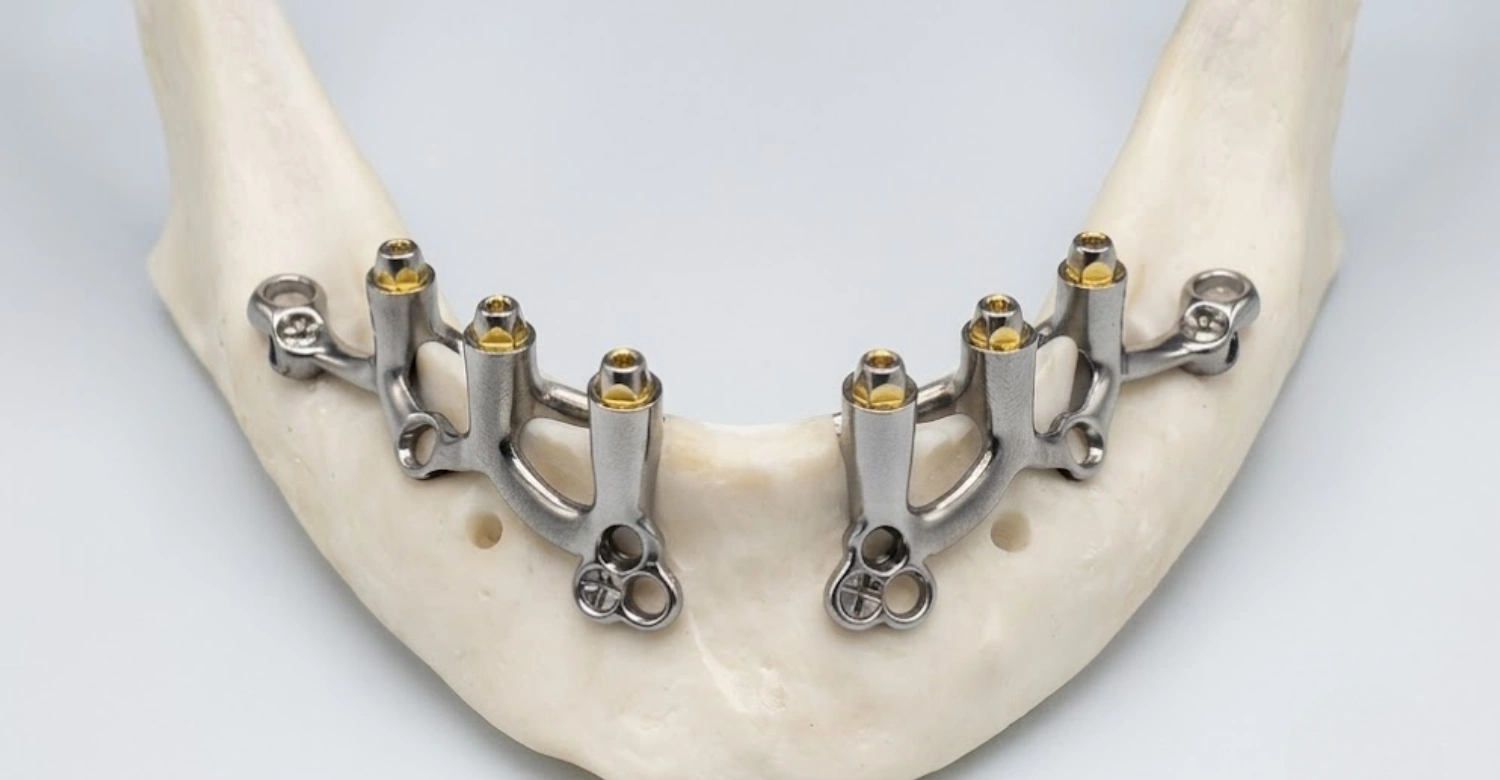
A subperiosteal implant is a custom-made metal framework placed on top of the jawbone, beneath the gum tissue, rather than inside the bone itself. It's designed for patients who lack enough bone density for standard implants. Each frame is built from a 3D scan of the patient's unique jaw structure, so no two devices are identical. This custom design directly affects subperiosteal implant cost. Manufacturing requires precision imaging and specialized laboratory work rather than off-the-shelf components used in conventional implant treatment. For the full clinical service page, see Subperiosteal Implants at Vitrin Clinic.
Who is a candidate for this treatment?
Candidates are typically patients with severe bone resorption who aren't suitable for traditional implants, even with grafting. This includes long-term denture wearers, patients with advanced periodontal damage, or those who want to avoid extensive bone grafting procedures. A thorough evaluation, including CBCT imaging, determines candidacy. Age, oral health, and healing capacity also play a role. Candidacy assessment is individualized. As a result, the subperiosteal dental implant price varies significantly between patients depending on anatomy and the number of teeth being restored. Candidacy is closely tied to our broader guides on whether you can get dental implants with bone loss and implants with bone loss in Turkey.
Why are subperiosteal implants more specialized than conventional implants?
Unlike standard implants that follow fairly predictable protocols, subperiosteal implants require personalized design, advanced digital planning, and precise surgical placement on irregular bone surfaces. Every framework is custom-milled to match the patient's exact anatomy. This specialization demands more diagnostic work, more laboratory involvement, and more surgical expertise. These added layers are why factors affecting subperiosteal implant cost differ so much from conventional implant pricing. Patients should expect a more involved, and typically costlier, treatment pathway overall.
What services are typically included in the treatment fee?
A complete subperiosteal implant cost usually includes consultation, CBCT scanning, and digital planning. It also covers custom framework fabrication, surgical placement, follow-up visits, and the final prosthetic restoration. Many clinics also include post-operative check-ups and warranty coverage within the total price. Patients should always confirm what's bundled into their quote, since incomplete packages can lead to unexpected charges later. A transparent subperiosteal implant cost breakdown should clearly separate these components so nothing is left ambiguous before treatment begins. Healthy choices: Best Drinks For Dental Health
How Much Does a Subperiosteal Implant Cost?
A subperiosteal implant cost breakdown typically shows a wide pricing range, since fees depend on case complexity, materials, and clinic location. Answering how much does a subperiosteal implant cost isn't straightforward, because no two patients receive identical treatment plans. Some cases involve single-arch restoration, while others involve full-mouth rehabilitation. Because pricing spans such a broad spectrum, patients are encouraged to request itemized quotes. Online averages rarely reflect the true subperiosteal implant cost for a specific anatomy.
Average price ranges internationally
Internationally, subperiosteal implant cost varies widely between countries due to differences in labor, laboratory fees, and clinical overhead. Prices in Western Europe and North America tend to sit at the higher end. Countries like Turkey offer significantly reduced rates without necessarily compromising technology or expertise. Patients researching how much does a subperiosteal implant cost should compare multiple regions. Currency exchange rates and package inclusions can make raw price comparisons misleading without full context.
Why prices differ between countries
Price differences stem from clinic overhead, staff wages, real estate costs, and regulatory environments rather than the implant procedure itself. Countries with lower operating costs can offer competitive subperiosteal dental implant price points. They often still use the same imaging technology and materials found in higher-cost countries. Currency value also plays a major role, particularly for patients traveling internationally. This is one reason dental tourism has grown, especially for complex procedures where cost differences between countries can be substantial.
Why the lowest price isn't always the best value
Choosing based purely on the lowest subperiosteal implant cost can be risky. Ultra-low pricing sometimes signals shortcuts in imaging quality, framework materials, or surgical experience. Complications from a poorly designed subperiosteal implant can lead to additional corrective procedures, ultimately costing more than a properly planned treatment. Patients should weigh price against technology, experience, and included aftercare. Cost shouldn't be the only deciding factor when evaluating subperiosteal implant cost breakdown quotes from different clinics.
Understanding complete treatment packages
A complete treatment package should clearly outline every stage: consultation, imaging, framework design, surgery, restoration, and follow-up. Comparing packages rather than isolated numbers gives a more accurate subperiosteal implant cost breakdown. Some quotes appear lower simply because they exclude imaging or follow-up visits, which are later billed separately. Requesting a full written breakdown before committing helps patients avoid surprise charges. It also clarifies exactly what their subperiosteal implant cost covers from start to finish. Acid impact: Can Acid Reflux Affect Teeth And Gums
Factors Affecting Subperiosteal Implant Cost
Multiple variables shape the final price of treatment. Understanding these factors helps patients set realistic expectations. Bone condition, number of teeth restored, materials chosen, and surgical complexity all contribute. No two treatment plans are identical, so pricing must be personalized. Reviewing each factor individually gives patients a clearer subperiosteal implant cost breakdown. It also helps explain why quotes can vary so widely between clinics, even for seemingly similar cases.
Bone anatomy and case complexity
Severe or irregular bone loss requires more detailed imaging and a more intricate custom framework design. Complex anatomy takes longer to plan and manufacture, directly increasing subperiosteal implant cost. Patients with unusual jaw shapes or significant asymmetry often need additional scans and design revisions before the framework is finalized. This extra precision work protects long-term stability, but it adds to the overall investment. Anatomy is one of the most influential factors affecting subperiosteal implant cost for any individual case.
Digital planning and CBCT imaging
Accurate 3D imaging is essential for designing a properly fitting framework. CBCT scans map bone density, shape, and available space in fine detail, forming the foundation of the entire treatment plan. This diagnostic stage requires specialized equipment and interpretation time, both of which factor into subperiosteal implant cost. Skipping thorough imaging can lead to poor-fitting devices. For this reason, the step is considered non-negotiable, regardless of how it affects the final subperiosteal dental implant price.
Custom titanium framework manufacturing
Each subperiosteal implant framework is milled from titanium using CAD/CAM technology based on the patient's unique scan data. This manufacturing process requires specialized laboratories, skilled technicians, and quality-control testing before the framework is approved for surgery. Because no two frameworks are alike, mass production isn't possible, which keeps custom subperiosteal implant price higher than standardized implant systems. This precision manufacturing is one of the largest contributors to overall subperiosteal implant surgery cost. Alternative implant materials are covered in our guide to ceramic implants, and the parts of a dental implant more generally.
Number of teeth being restored
Treatment involving a single arch differs significantly in cost from full-mouth restoration. More teeth mean a larger framework, additional prosthetic units, and longer surgical time. Pricing typically scales with the number of teeth restored. Still, full-mouth cases can offer better value per tooth compared to isolated single-implant treatment. This is one reason full mouth subperiosteal implant cost is often evaluated separately from partial treatment plans.
Surgical complexity
Some cases require straightforward placement, while others involve additional procedures like soft tissue management or framework adjustments during surgery. More complex surgeries take longer and demand greater surgical skill, which affects subperiosteal implant surgery cost. Operating room time, anesthesia, and post-surgical monitoring are all factored into pricing. Patients with more complicated anatomy or previous failed implant history should expect this. Surgical complexity noticeably influences their final subperiosteal implant cost breakdown.
Prosthetic materials
The materials used for the final restoration, whether zirconia, ceramic, or hybrid acrylic, affect both durability and price. Higher-grade materials tend to last longer and resist wear better, but they also increase subperiosteal dental implant price. Patients should discuss material options during consultation to understand the trade-offs between longevity, aesthetics, and budget. Prosthetic choice is often one of the more flexible cost factors within an otherwise fixed surgical and diagnostic fee structure. The final crown component is covered in more depth in our guide to zirconia crowns.
Laboratory costs
Framework design and prosthetic fabrication both require specialized dental laboratories equipped with CAD/CAM systems. Lab fees vary depending on technology used, turnaround time, and the complexity of the case. These costs are typically bundled into the overall quote but still represent a meaningful share of subperiosteal implant cost. Clinics working with advanced in-house or partner laboratories may offer more consistent quality control. This can justify a higher custom subperiosteal implant price.
Experience of the surgical team
Surgical skill directly affects outcomes, particularly for a procedure as technique-sensitive as subperiosteal implant placement. Highly experienced teams often charge more, reflecting years of training and case volume in complex bone-loss situations. While this can raise subperiosteal implant surgery cost, it also reduces the risk of complications requiring corrective treatment later. Patients are encouraged to review team experience alongside pricing rather than selecting based on cost alone.
Follow-up care and warranty
Post-operative appointments, adjustments, and warranty coverage should be factored into the total investment. Some clinics include follow-up visits within the initial quote, while others charge separately. Warranty terms vary widely, covering framework issues, prosthetic repairs, or replacement under specific conditions. Understanding these terms upfront prevents unexpected costs later. It also ensures patients get a complete picture of their subperiosteal implant cost breakdown before finalizing their treatment plan. Adult symptoms: Does Growing Teeth Cause Fever In Adults
Full Mouth Subperiosteal Implant Cost
Full mouth subperiosteal implant cost applies to patients needing complete arch restoration due to widespread bone loss. This approach replaces an entire row of teeth using a single custom framework, offering a fixed alternative to removable dentures. Pricing reflects the larger scale of manufacturing, longer surgical time, and more extensive prosthetic work involved. While the upfront investment is higher than single-tooth treatment, many patients find full-mouth rehabilitation delivers stronger long-term value and function. For a general cost comparison, see our guides to dental implants cost in Turkey and Turkey vs. UK dental costs.
When full-mouth treatment is recommended
Full-mouth treatment is typically recommended when a patient has lost most or all of their natural teeth and lacks sufficient bone for conventional implants across the arch. It's also considered for long-term denture wearers experiencing bone deterioration or discomfort. A thorough evaluation determines whether full-arch subperiosteal treatment offers better stability and function compared to partial solutions. This directly influences the recommended full mouth subperiosteal implant cost for that individual case.
What influences full-mouth pricing?
Full-mouth pricing depends on the extent of bone loss, the complexity of the custom framework, and the number of prosthetic teeth required. Additional diagnostic imaging and longer surgical sessions also contribute. Because the entire arch is restored simultaneously, laboratory work is more extensive than single-implant cases. These combined factors typically place full mouth subperiosteal implant cost higher than isolated treatments. Still, per-tooth value often improves with full-arch restoration.
Additional procedures that may affect the total cost
Some patients require supplementary procedures such as soft tissue correction or extractions before framework placement. These additions increase the overall treatment fee beyond the base subperiosteal implant cost. Sedation preferences, extended recovery monitoring, and temporary prosthetics during healing can also add to the total. Discussing potential additional procedures during consultation helps patients anticipate these costs rather than encountering them unexpectedly partway through treatment.
Long-term value compared with removable dentures
While removable dentures carry a lower initial price, they often require relining, replacement, and ongoing adjustments over time. Full mouth subperiosteal implant cost, though higher upfront, provides a fixed solution with improved chewing function and facial support. Over several years, cumulative denture-related expenses can approach or exceed the cost of a well-planned subperiosteal solution. This makes long-term value an important consideration beyond initial pricing alone. This comparison is explored further in our guide to alternatives to dentures and implants.
Subperiosteal Implant Surgery Cost Explained
Subperiosteal implant surgery cost covers several distinct stages rather than a single procedure fee. From consultation through final restoration, each phase adds time, expertise, and resources to the total investment. Understanding this staged structure helps patients see something important. The surgery itself represents only part of the overall subperiosteal implant cost breakdown. Reviewing each stage individually clarifies where the investment goes and why thorough planning is essential for predictable results.
Consultation and diagnosis
The process begins with a clinical evaluation, medical history review, and initial imaging to assess bone condition. This stage determines candidacy and outlines potential treatment approaches. Diagnostic accuracy at this point shapes every later decision, including framework design and surgical technique. Consultation fees are sometimes included in the total subperiosteal implant cost. Patients should confirm this directly, since practices vary between clinics regarding upfront diagnostic charges.
Digital treatment planning
Following diagnosis, detailed digital planning maps the exact framework design using CBCT data. This stage involves collaboration between the surgical team and laboratory technicians to ensure precise fit. Digital planning reduces surgical guesswork and improves predictability. It does require specialized software and expertise, which adds to subperiosteal implant surgery cost. Thorough planning at this stage significantly reduces the likelihood of complications during placement.
Surgical placement
During surgery, the custom titanium framework is positioned directly on the jawbone beneath the gum tissue. This requires precise handling to ensure stability and proper healing conditions. Surgical time varies depending on case complexity and the number of teeth involved. This stage represents a major portion of subperiosteal implant surgery cost. It reflects the surgical team's expertise and the operating resources required for safe, accurate placement.
Healing and recovery appointments
After surgery, follow-up visits monitor healing, gum integration, and framework stability. These appointments are essential for catching potential issues early and ensuring proper recovery before the final restoration is attached. Some clinics include these visits within the total subperiosteal implant cost, while others charge per appointment. Patients should clarify this before treatment to avoid confusion about ongoing costs during the healing period.
Final prosthetic restoration
Once healing is confirmed, the permanent prosthetic teeth are attached to the framework. This final stage requires precise fitting to ensure comfort, function, and natural appearance. Material choice at this point affects both durability and price. Completing this step marks the conclusion of active treatment. Follow-up monitoring often continues afterward, as part of the broader subperiosteal implant cost breakdown patients agreed to at the outset. Bacterial risks: Vibrio Vulnificus And Oral Health
Custom Subperiosteal Implant Price: Why Customization Matters
Custom subperiosteal implant price reflects the fact that every framework is individually designed rather than mass-produced. Personalized manufacturing improves fit, comfort, and long-term stability, but it also requires more diagnostic and laboratory work. Understanding why customization drives cost helps patients recognize the value behind a higher price tag. This matters most for complex cases, where a generic solution simply wouldn't provide the same functional or aesthetic outcome.
How custom implants are designed
Custom implants begin with detailed CBCT scanning, which captures the patient's exact bone contours. This data is used to digitally design a framework that fits precisely against the jaw's unique surface. Any anatomical irregularities are accounted for during this stage, ensuring optimal contact and stability. This individualized design process is fundamentally different from standard implant systems, directly influencing custom subperiosteal implant price for each patient.
CAD/CAM manufacturing process
Once the design is finalized, CAD/CAM technology mills the titanium framework with high precision. This computer-guided process ensures accuracy that manual fabrication cannot match. Quality checks confirm the framework meets exact specifications before it's approved for surgery. This advanced manufacturing pipeline requires specialized equipment and technical expertise. Both contribute meaningfully to the overall subperiosteal dental implant price patients ultimately pay.
Benefits of patient-specific implants
Patient-specific frameworks offer better fit, reduced irritation, and improved long-term stability compared to generic alternatives. Because the device matches the patient's exact bone structure, pressure distribution is more even, reducing complication risk. These benefits translate into fewer follow-up corrections and better functional outcomes over time. While custom subperiosteal implant price is higher upfront, the improved precision often supports stronger long-term results.
Why customized treatment affects pricing
Customization requires additional imaging, digital design time, and specialized laboratory involvement. All of this adds cost compared to standardized implant options. Each framework essentially represents a one-of-a-kind medical device built for a single patient. This individualized approach naturally increases custom subperiosteal implant price. It's this same customization, though, that allows subperiosteal implants to work for patients who wouldn't qualify for conventional treatment. Infection signs: Does Malaria Affect The Tongue
Subperiosteal Implant Cost in Turkey
Subperiosteal implant cost in Turkey has become an attractive option for international patients seeking advanced treatment at more accessible pricing. Vitrin Clinic and similar providers combine modern digital planning technology with significantly lower operating costs compared to many Western countries. This makes subperiosteal implant cost in Turkey competitive without necessarily compromising quality. That holds true provided patients choose clinics with proven experience in complex implant cases.
Why Turkey has become a leading destination
Turkey has grown into a major destination for dental tourism, thanks to its combination of skilled specialists, modern clinics, and lower treatment costs. International patients are drawn by the ability to receive advanced procedures, including subperiosteal implants, at a fraction of prices found elsewhere. This growth has been supported by clinics investing in digital technology and English-speaking patient coordination services for international visitors.
Cost advantages without compromising quality
Lower labor costs, reduced clinic overhead, and favorable currency exchange rates allow subperiosteal implant cost in Turkey to remain competitive. Many clinics use the same imaging systems, materials, and CAD/CAM technology found in higher-cost countries. This means patients can access comparable quality at a lower price point, provided they verify a clinic's technology, experience, and case history before committing to treatment abroad.
Technology and internationally trained specialists
Many Turkish clinics, including Vitrin Clinic, invest heavily in digital planning tools and CBCT imaging systems comparable to leading international standards. Surgical teams often include specialists trained or certified internationally, bringing global best practices to local treatment. This combination of advanced technology and trained expertise supports safe, predictable outcomes for complex subperiosteal cases, reinforcing Turkey's reputation as a serious option for implant treatment.
What's commonly included in treatment packages
Treatment packages in Turkey often include consultation, imaging, surgery, accommodation assistance, and follow-up care within a single quoted price. This bundled approach can make subperiosteal implant cost in Turkey more transparent for international patients planning travel around treatment. Patients should still request an itemized breakdown to confirm exactly what's covered, ensuring no essential component of care is excluded from the initial quote. Medication safety: How Long Can You Take Ibuprofen For Tooth Pain
Subperiosteal Implant vs Endosteal Implant Cost
Comparing subperiosteal implant vs endosteal implant cost helps patients understand which option suits their bone condition and budget. Endosteal implants are placed directly inside the jawbone and are generally used when adequate bone volume exists. Subperiosteal implants, by contrast, sit on top of the bone and are reserved for cases with significant bone loss. This structural difference is the main driver behind their cost variation. For a full breakdown of the standard alternative, see our guide to all-on-4 dental implants and dental implants all-on-6.
Price comparison
Endosteal implants are typically less expensive due to more standardized components and simpler manufacturing. Subperiosteal implants involve custom framework design and more complex surgical planning, which raises overall pricing. When comparing subperiosteal implant vs endosteal implant cost, patients should remember that the two options usually aren't interchangeable. Candidacy depends primarily on bone condition, not personal price preference alone.
Clinical differences
Endosteal implants integrate directly with the jawbone through osseointegration, requiring sufficient bone density and volume. Subperiosteal implants rest above the bone, supported by the framework itself, making them suitable for patients who cannot undergo extensive grafting. These structural differences affect healing time, surgical technique, and long-term maintenance requirements, all of which contribute to the cost distinctions between the two implant approaches.
Which patients benefit from each option?
Patients with healthy, sufficient bone volume are typically better candidates for endosteal implants due to their long track record and lower cost. Those with severe bone loss, especially older patients or long-term denture wearers, often benefit more from subperiosteal solutions. A proper evaluation, including imaging, determines which approach offers better stability and function for each individual case and budget.
Long-term maintenance costs
Endosteal implants generally require standard maintenance similar to natural teeth, with occasional adjustments over time. Subperiosteal implants may require more specialized monitoring due to their custom framework design. Long-term maintenance costs should be factored into the initial decision. Ongoing care requirements can affect the overall value of each treatment option, beyond the upfront subperiosteal implant vs endosteal implant cost comparison.
Value beyond the initial investment
Value isn't determined by upfront price alone. Endosteal implants may offer lower initial cost but aren't suitable for every patient. Subperiosteal implants provide a viable, effective solution for complex bone-loss cases that would otherwise require extensive grafting. When evaluated based on suitability and long-term outcomes, subperiosteal implant vs endosteal implant cost reflects appropriate treatment matching rather than simply which option is cheaper.
Clinical Note
Treatment selection should always be guided by bone assessment rather than price comparison alone. Choosing an implant type based solely on cost, without proper diagnostic evaluation, increases the risk of complications or implant failure. A clinical evaluation, including CBCT imaging, should determine whether a patient is better suited to an endosteal or subperiosteal approach before any final decision is made regarding treatment cost. Respiratory medications: Asthma Inhaler Side Effects And Teeth
Subperiosteal Implant Financing Options
Subperiosteal implant financing options make treatment more accessible for patients facing a significant upfront investment. Many clinics, including Vitrin Clinic, offer payment plans that spread the total cost over several months. Understanding available subperiosteal implant financing options allows patients to plan their treatment around their budget without delaying necessary dental care due to cost concerns alone.
Why financing can make treatment more accessible
Financing removes the barrier of paying the full subperiosteal implant cost upfront, allowing patients to begin necessary treatment sooner. This is particularly valuable for full-mouth cases where total investment is higher. Structured payment options reduce financial strain while still allowing access to advanced, custom-designed treatment. For many patients, financing is the deciding factor in moving forward with complex implant care.
Monthly payment plans
Monthly payment plans divide the total treatment cost into manageable installments over a set period. Terms vary by clinic, with some offering interest-free options for shorter durations. Patients should review total repayment amounts carefully, since longer plans may include added fees. Comparing available subperiosteal implant financing options helps patients choose a plan that fits their monthly budget without unexpected long-term costs.
International patient payment options
International patients often have additional payment considerations, including currency exchange, deposit requirements, and remote payment methods before travel. Some clinics accept partial payment in advance with the remainder due upon arrival. Clear communication about accepted payment methods and currencies helps avoid confusion. Reviewing these details ahead of time ensures a smoother experience when coordinating international treatment and travel logistics.
Questions to ask before choosing financing
Before committing to financing, patients should ask about interest rates, total repayment amount, early repayment penalties, and what happens if treatment plans change. It's also worth confirming whether financing covers the entire subperiosteal implant cost or only specific components. Asking these questions upfront prevents misunderstandings and ensures the chosen financing option truly supports long-term affordability rather than adding hidden expense. Natural cleaning: Foods That Naturally Help Clean Your Teeth
Patient Concerns Before Choosing Treatment
Patients considering subperiosteal implants often have concerns beyond pricing, including comfort, recovery, and long-term results. Addressing these questions honestly helps set realistic expectations before treatment begins. While cost is an important factor, understanding the full experience, from surgery through healing, ensures patients feel confident and informed about their decision regarding this specialized implant option.
Is the procedure painful?
Surgery is performed under appropriate anesthesia or sedation, so discomfort during the procedure itself is minimal. Some soreness and swelling are expected afterward, similar to other oral surgeries, and are typically managed with prescribed pain relief. Discomfort generally subsides within a few days. Following post-operative instructions closely helps reduce pain and supports smoother healing during the initial recovery period after placement.
Is recovery difficult?
Recovery varies depending on case complexity, but most patients manage healing with prescribed medication and a modified diet during the initial weeks. Swelling and mild discomfort are common early on. Follow-up appointments allow the clinical team to monitor healing progress and address any concerns. While not entirely without adjustment, most patients find recovery manageable when instructions are followed carefully throughout the process.
Will the implant look natural?
Final prosthetic restorations are designed to match natural tooth color, shape, and alignment. Digital planning allows the clinical team to customize aesthetics based on facial structure and patient preference. Most patients report satisfaction with the natural appearance of their new teeth. Material choice also plays a role in achieving a realistic look, particularly for visible front teeth within the restored arch.
How long do subperiosteal implants last?
With proper care and regular follow-up, subperiosteal implants can last many years, though individual results vary based on oral hygiene, bone condition, and overall health. Routine check-ups help catch potential issues early, extending the device's functional lifespan. While not necessarily permanent, a well-maintained subperiosteal implant offers a durable, long-term solution for patients who previously had limited treatment options available.
Are there risks or complications?
As with any surgical procedure, risks exist, including infection, framework exposure, or discomfort during healing. Choosing an experienced surgical team and following aftercare instructions significantly reduces these risks. Regular follow-up appointments allow early detection of any issues. While complications aren't common when treatment is properly planned, patients should discuss potential risks openly during consultation before proceeding with surgery. A broader look at implant risks generally is covered in our guide to the side effects of dental implants.
Who should avoid this treatment?
Patients with uncontrolled systemic health conditions, active infections, or certain bone disorders may not be suitable candidates. A thorough medical history review during consultation helps identify any contraindications. In some cases, alternative treatments may be recommended instead. Open communication about medical history ensures the clinical team can determine whether subperiosteal treatment is truly appropriate for each individual patient's situation. Patients managing diabetes specifically should also review our guide to dental implants in diabetic patients.
Benefits of Subperiosteal Implants
Subperiosteal implants offer significant advantages for patients with severe bone loss who aren't candidates for conventional implants. Beyond restoring appearance, these implants improve everyday function and comfort. Understanding the full range of benefits helps patients weigh the investment against long-term quality-of-life improvements. This matters most for those who have struggled with removable dentures or extensive bone grafting in the past.
Improved chewing function
Unlike removable dentures, which can shift during eating, subperiosteal implants provide a fixed solution that restores stable chewing function. This stability allows patients to eat a wider variety of foods comfortably. Improved chewing also supports better digestion and nutrition overall. For patients who have struggled with loose dentures for years, this functional improvement is often one of the most immediately noticeable benefits.
Better facial support
Bone loss can cause facial sagging and a sunken appearance over time. Subperiosteal implants help restore structural support to the lower face, improving overall facial contours. This benefit extends beyond dental function, contributing to a more youthful and balanced appearance. Many patients notice improved confidence not just in their smile, but in their overall facial structure following successful treatment.
Fixed teeth without extensive bone grafting
One of the most significant advantages is avoiding lengthy, invasive bone grafting procedures typically required for conventional implants. Subperiosteal implants work directly with existing bone structure, regardless of significant resorption. This shortens overall treatment time and reduces the number of surgical procedures required. For patients with severe bone loss, this represents a meaningful alternative to prolonged, multi-stage grafting protocols. Traditional grafting is covered separately in our guide to bone grafting for implants and bone graft options in Turkey.
Increased confidence and quality of life
Restoring a stable, natural-looking smile often has a significant impact on self-confidence and social comfort. Patients frequently report feeling more comfortable eating, speaking, and smiling in public after treatment. This improvement in daily quality of life is one of the most valued outcomes of subperiosteal implant treatment, extending well beyond the clinical and functional benefits of the procedure itself.
Before treatment expectations
Before treatment, patients undergo thorough evaluation, including imaging and medical history review, to confirm candidacy. This stage also involves discussing expected timelines, costs, and the overall treatment plan. Setting clear expectations upfront helps patients feel prepared for each stage ahead, reducing anxiety about surgery and recovery while ensuring realistic understanding of the process from consultation through final restoration.
During treatment expectations
During treatment, patients undergo surgical placement followed by a healing period before the final prosthetic is attached. Temporary solutions may be used while the framework integrates with surrounding tissue. Regular follow-up appointments monitor progress throughout this phase. Understanding what to expect during each stage helps patients feel more confident and prepared as they move through the treatment timeline.
After treatment expectations
After treatment, patients can expect improved chewing function, facial support, and appearance, along with an adjustment period as they adapt to their new teeth. Ongoing oral hygiene and periodic check-ups help maintain long-term results. Most patients settle into normal eating and speaking patterns within weeks. Long-term success depends on consistent aftercare and attending scheduled follow-up appointments as recommended.
Tips for Patients
Patients should request a detailed written quote, ask about the clinical team's experience with complex cases, and confirm what's included in follow-up care before committing to treatment. Bringing prior dental records or imaging to consultation can also streamline evaluation. Being proactive with questions helps ensure informed decisions and reduces the likelihood of unexpected costs or complications later in the treatment process. Full timeline for All On 4 Recovery Timeline Week By Week Healing Guide
Dental Care After Subperiosteal Implant Treatment
Proper aftercare is essential for long-term success following subperiosteal implant treatment. Good oral hygiene, regular professional cleanings, and attentiveness to warning signs all contribute to lasting results. Patients who follow recommended care routines typically experience fewer complications and greater satisfaction with their restored smile over time, making aftercare an important extension of the overall treatment investment.
Daily oral hygiene routine
A consistent daily hygiene routine, including brushing, flossing, and possibly specialized cleaning tools recommended by the clinical team, helps maintain the health of surrounding gum tissue. Proper hygiene reduces the risk of infection or inflammation around the implant framework. Patients should follow personalized care instructions provided after treatment to protect their investment and support long-term implant stability and function.
Professional cleaning schedule
Regular professional cleanings, typically every few months, allow the clinical team to monitor gum health and framework stability closely. These visits also provide an opportunity to catch potential issues early, before they become more serious. Maintaining a consistent cleaning schedule is one of the most effective ways patients can protect their long-term results and overall implant longevity.
Foods to avoid during healing
During the initial healing period, patients should avoid hard, crunchy, or sticky foods that could disrupt the surgical site. A soft-food diet is typically recommended for the first few weeks. Gradually reintroducing normal foods as healing progresses helps protect the framework and surrounding tissue. Following dietary guidance closely supports smoother recovery and reduces the risk of complications during this sensitive period.
Signs you should contact your dentist
Persistent pain, unusual swelling, discharge, or a feeling of looseness around the implant should prompt immediate contact with the clinical team. Early intervention can prevent minor issues from becoming more serious complications. Patients shouldn't hesitate to reach out with concerns, even between scheduled appointments, since prompt attention often makes a significant difference in resolving issues quickly and effectively. Nutritional guide to Best Calcium And Phosphate Rich Foods For Stronger Teeth
Patient Education: How to Choose the Right Clinic
Choosing the right clinic significantly affects treatment outcomes and overall satisfaction. Beyond price, patients should evaluate experience, technology, and transparency before committing to treatment. Taking time to research these factors carefully helps ensure a positive experience and reduces the risk of complications associated with less experienced or under-equipped providers offering subperiosteal implant treatment.
Experience with complex implant cases
Subperiosteal implants require specialized surgical skill, particularly for patients with severe bone loss. Clinics with extensive experience handling complex cases are better equipped to manage unexpected challenges during treatment. Reviewing a clinic's case history and patient outcomes provides valuable insight into their expertise level before deciding where to receive treatment for this specialized procedure.
Digital planning technology
Advanced digital planning, including CBCT imaging and CAD/CAM design, improves the accuracy and predictability of subperiosteal implant treatment. Clinics investing in this technology, such as Vitrin Clinic, are generally better positioned to deliver precise, well-fitting frameworks. Asking about available imaging and planning tools during consultation helps patients gauge whether a clinic meets modern treatment standards.
Quality of implant materials
Material quality directly affects durability, appearance, and long-term performance. Patients should ask about the specific titanium grade and prosthetic materials used before committing to treatment. Higher-quality materials may cost more upfront but often provide better longevity and fewer complications. Understanding material options helps patients make informed decisions aligned with their long-term expectations for their restored smile.
Transparent pricing
A trustworthy clinic provides a clear, itemized breakdown of costs before treatment begins, avoiding vague estimates or hidden fees. Transparent pricing allows patients to understand exactly what their subperiosteal implant cost covers, from diagnostics through final restoration. Requesting this information in writing protects patients from unexpected charges and supports confident, informed decision-making throughout the treatment process.
Long-term follow-up care
Ongoing support after treatment is just as important as the surgery itself. Clinics offering structured follow-up schedules and accessible communication demonstrate genuine commitment to patient outcomes. Asking about post-treatment support during consultation helps patients understand what long-term care to expect and ensures continuity of care well beyond the initial surgical and restoration phases.
What We Notice Clinically
Dr. Rifat Alsaman, Head of the Medical Team at Vitrin Clinic, notes that outcomes in complex bone-loss cases depend far more on diagnostic accuracy and individualized planning than on pricing alone. In his clinical experience, patients presenting with significant resorption benefit most from thorough imaging and custom framework design rather than standardized protocols. Dr. Rifat Alsaman emphasizes that personalized treatment planning remains central to achieving predictable, lasting results with subperiosteal implant treatment.
Why Choose Vitrin Clinic for Subperiosteal Implant Treatment?
Vitrin Clinic combines experienced clinical teams, advanced digital technology, and transparent pricing to support patients considering subperiosteal implant treatment. From initial consultation through long-term follow-up, the focus remains on individualized planning and predictable outcomes. This comprehensive approach helps international patients feel confident in both the clinical quality and overall value of their treatment.
Experienced multidisciplinary implant team
Treatment at Vitrin Clinic involves a coordinated team with experience managing complex bone-loss cases. This multidisciplinary approach ensures thorough evaluation and planning at every stage. Working across specialties allows the clinical team to address each patient's unique anatomical and functional needs, supporting more predictable outcomes for subperiosteal implant treatment from consultation through final restoration.
Clinical leadership in complex implant cases
Vitrin Clinic's medical team brings extensive experience managing complex, high-difficulty implant cases involving significant bone loss. This leadership ensures treatment plans are grounded in careful diagnostic evaluation rather than standardized protocols. Patients benefit from this depth of clinical expertise when undergoing custom subperiosteal implant treatment, particularly in cases requiring more advanced surgical judgment and planning.
Advanced digital planning and CAD/CAM technology
Vitrin Clinic utilizes CBCT imaging and CAD/CAM manufacturing to design precise, patient-specific frameworks. This technology improves fit accuracy and reduces the likelihood of complications during placement. Investing in advanced digital planning tools reflects a broader commitment to precision and predictability throughout every stage of subperiosteal implant treatment offered at the clinic. This diagnostic step is explained fully in our guide to CBCT and 3D imaging.
Customized implant solutions
Every subperiosteal implant provided through Vitrin Clinic is individually designed based on the patient's unique bone structure. This customized approach ensures a better fit and improved long-term stability compared to generic solutions. Personalized treatment planning remains central to the clinic's approach, particularly for complex cases involving significant bone loss or previous failed treatment attempts.
Comprehensive care for international patients
Vitrin Clinic supports international patients with coordinated consultation scheduling, treatment planning, and travel-related assistance. This comprehensive approach reduces logistical stress for patients traveling from abroad for treatment. Combining clinical expertise with practical patient support helps ensure a smoother overall experience for those pursuing subperiosteal implant cost in Turkey as part of their treatment journey.
Transparent pricing and personalized treatment plans
Vitrin Clinic provides detailed, itemized pricing so patients understand exactly what their subperiosteal implant cost includes. Personalized treatment plans are based on individual diagnostic findings rather than standardized packages. This transparency helps patients make informed decisions with confidence, avoiding unexpected charges while ensuring their treatment plan reflects their specific clinical needs.
Long-term follow-up and patient support
Ongoing follow-up care is built into the treatment approach at Vitrin Clinic, supporting patients well beyond the initial surgical and restoration phases. Accessible communication and scheduled check-ups help monitor long-term stability and address concerns promptly. This continued support reflects a commitment to lasting outcomes rather than treatment ending once the final restoration is placed.
Conclusion
Understanding the full subperiosteal implant cost breakdown empowers patients to make informed, confident decisions about their treatment. From diagnostics and custom manufacturing to surgery and aftercare, every stage contributes to the total investment. Prioritizing experience, technology, and transparency over price alone leads to better long-term outcomes for patients considering this specialized treatment option.
References
FAQs
Dr. Rifat Alsaman has more than 5 years of clinical experience in dentistry and currently serves as the Head of the Medical Team at Vitrin Clinic. He is dedicated to providing exceptional patient care, overseeing treatment planning, and ensuring the highest clinical standards across the team. His expertise, attention to detail, and commitment to continuous professional development have helped countless patients achieve healthier, more confident smiles.


