General Dentistry
August 30, 2026
Worst Drinks for Your Teeth: What Dentists Recommend Avoiding

Worst Drinks for Your Teeth is a topic many patients only think about once sensitivity or visible damage appears. Everyday beverages can weaken enamel, feed plaque bacteria, increase sensitivity, and raise the risk of cavities over time. Two factors matter most, sugar content and acidity, and many popular drinks contain both. Frequency and sipping habits can matter just as much as total volume consumed in a day. During routine examinations, dental professionals often recognize clear patterns of drink-related enamel wear and decay. This is exactly why understanding these risks early supports stronger long-term oral health for every patient.
Worst Drinks for Your Teeth: Which Drinks Should You Limit?
Drinks That Are Bad for Your Teeth often share one thing in common, a combination of sugar and acidity that attacks enamel repeatedly through the day. Several everyday beverage categories fall into this group, from fizzy drinks to sweetened coffee. Drinks that are bad for your teeth are not always obvious, since some feel refreshing or seem harmless. Regular exposure to these combinations can gradually weaken enamel, encourage plaque build-up, and contribute to tooth decay. Recognizing which categories carry the highest risk helps patients make small daily changes that protect their smile over time.
1. Fizzy Drinks and Soft Drinks
Soft drinks and teeth do not mix well, since most fizzy drinks combine sugar, carbonation, and acidic ingredients in one glass. Frequent consumption raises the risk of enamel erosion and cavities, especially when sipped slowly across the day. Sugar-free versions are not automatically safer, because acidity alone can still soften enamel over repeated exposure. Patients often assume that avoiding sugar solves the problem entirely. In reality, fizzy drinks and tooth enamel remain closely linked regardless of sugar content, making moderation and rinsing with water important habits worth building.
2. Energy Drinks
Energy drinks and dental health are closely connected, largely due to high acidity and, depending on the brand, significant added sugar. Frequent consumption throughout the day increases the risk of enamel erosion, since each sip renews the acid attack on tooth surfaces. Athletes and people who drink energy drinks regularly during long shifts should be particularly cautious. Worst Drinks for Your Teeth lists like this one often place energy drinks near the top. This is not because of one drink, but because of how often and how quickly people consume them without pausing.
3. Fruit Juices
Fruit juice looks like a healthy choice, yet it can still affect teeth through natural sugars and notable acidity. Even one hundred percent juice carries enough acid to soften enamel with frequent exposure. Whole fruit is generally gentler on teeth, since chewing stimulates saliva and fibre slows sugar absorption, unlike a glass of juice consumed quickly. Drinks that damage your teeth are not always the ones patients expect, and juice is a common example. Limiting portions and drinking juice with meals rather than alone can reduce this risk.
4. Sports Drinks
Sports drinks expose teeth to both sugar and acid at once, often during exercise when saliva flow may already be reduced. Repeated sipping during long workouts keeps acid levels elevated in the mouth for extended periods. Drinks That Are Bad for Your Teeth research often points to sports drinks as an overlooked category. People often assume they are purely functional rather than harmful. Water is generally a better everyday alternative for hydration. Sports drinks are best reserved for intense or prolonged activity where electrolyte replacement is genuinely needed.
5. Sweetened Tea and Coffee
Added sugar changes the dental impact of tea and coffee considerably. It turns a relatively gentle drink into one linked with sugary drinks and tooth decay. Both beverages can also contribute to staining and plaque-related concerns over time. Syrups, flavoured creamers, and repeated stirring in extra sugar increase overall sugar exposure throughout the day. Worst Drinks for Your Teeth concerns rise sharply once these additions become a daily habit. Choosing unsweetened versions, or reducing added sugar gradually, can meaningfully lower the associated risk to enamel and gums.
6. Alcoholic and Acidic Mixed Drinks
Acidic mixers and added sugars in cocktails can affect enamel in similar ways to other acidic drinks and enamel erosion concerns. Alcohol can also contribute to dry mouth, reducing saliva that normally helps protect teeth naturally. Reduced saliva flow limits the mouth's ability to neutralize acid and clear away sugar residue after drinking. This section focuses specifically on dental health rather than alcohol consumption generally. Staying hydrated with water alongside mixed drinks can help offset some of this reduced natural protection.
Drinks That Are Bad for Your Teeth: How Do They Cause Damage?
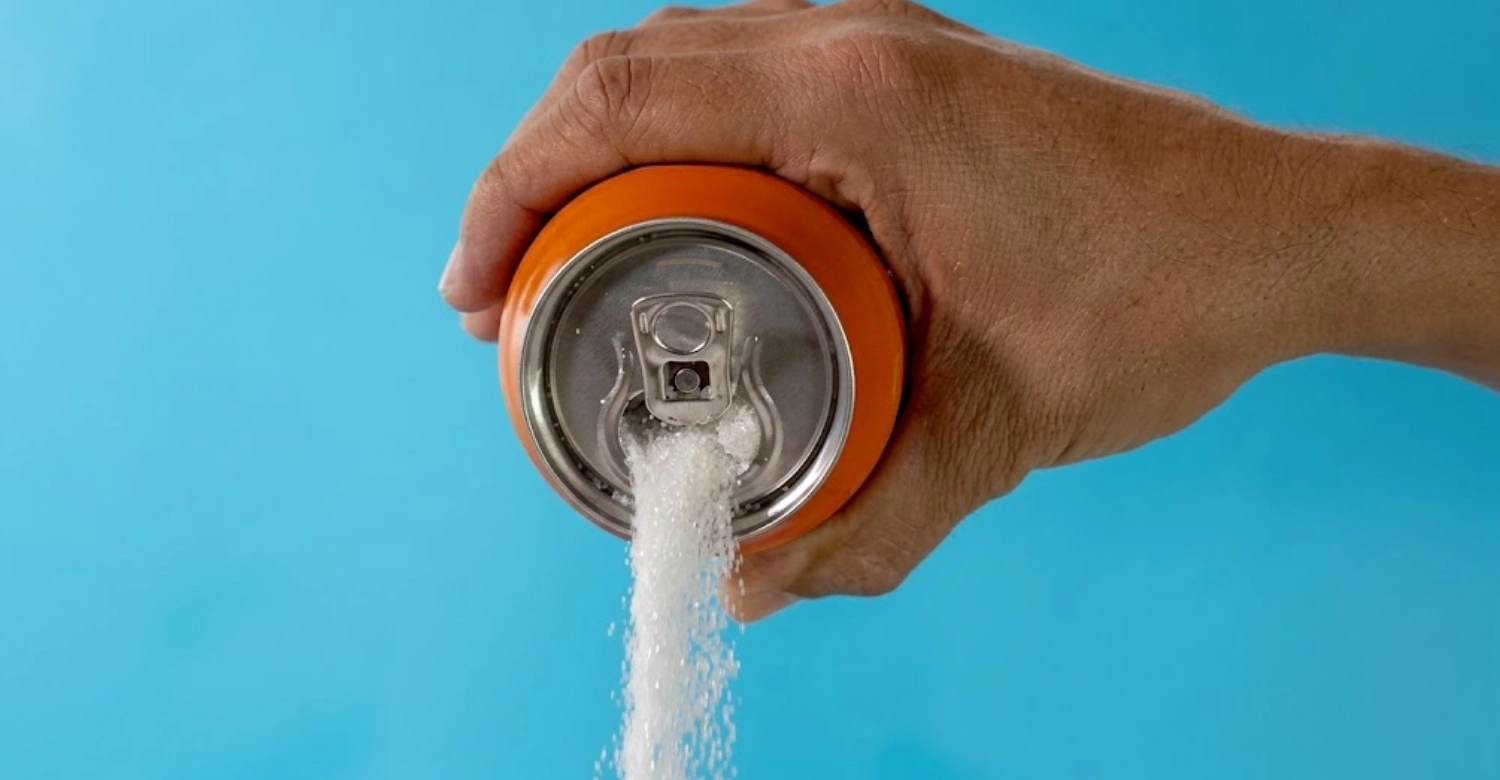
Drinks that are bad for your teeth generally cause harm through one of two mechanisms, feeding bacteria that produce acid or introducing acid directly. Sugary drinks and tooth decay are closely linked because oral bacteria convert sugar into acids that attack enamel. Acidic drinks and enamel erosion follow a different but related path, softening enamel structure directly without bacteria involved. Understanding these two mechanisms helps explain why Worst Drinks for Your Teeth lists usually include both sweet and sour options rather than sugar alone.
Sugary Drinks and Tooth Decay
Sugary drinks and tooth decay are connected through oral bacteria, which use fermentable sugars to produce acids inside the mouth. Repeated acid attacks throughout the day can contribute to demineralization and eventually cavities if left unaddressed. Drinking sugary beverages slowly over several hours is particularly problematic, since it extends the time teeth spend under acid attack. A quick sugary drink causes less prolonged exposure than one sipped continuously. This pattern is a major reason dentists ask patients about drinking habits, not just brushing routines.
Acidic Drinks and Enamel Erosion
Acidic drinks and enamel erosion describe a process where enamel gradually softens after repeated exposure to low pH beverages. Dental erosion differs from decay, since it involves chemical softening rather than bacterial acid production. Symptoms can include increased sensitivity, smooth or worn tooth surfaces, visible changes in tooth appearance, and greater susceptibility to wear over time. Worst Drinks for Your Teeth in this category tend to be highly acidic even without added sugar. Recognizing early signs allows patients to adjust habits before more significant damage develops.
Fizzy Drinks and Tooth Enamel
Fizzy drinks and tooth enamel are often linked mainly through carbonation, though carbonation itself is not the primary concern. The acids commonly present in fizzy beverages are usually the more significant factor behind enamel softening. Frequency of exposure plays a major role, since sipping fizzy drinks across hours keeps acid levels elevated far longer than drinking quickly. Worst Drinks for Your Teeth patterns often show up clearly in patients who drink fizzy beverages throughout the working day rather than with meals.
Tips for Patients
Choose water as the primary everyday beverage.
Reduce the frequency of sugary and acidic drinks.
Avoid continuously sipping acidic beverages.
Use a straw where appropriate to reduce direct contact with teeth.
Rinse the mouth with water after acidic drinks.
Wait before brushing after consuming highly acidic drinks.
Avoid adding unnecessary sugar to tea and coffee.
Maintain regular brushing with fluoride toothpaste.
Keep up with routine dental examinations.
Do not rely on sugar-free labels alone; check acidity as well.
How Drinks Affect Your Teeth
How drinks affect your teeth depends on several overlapping factors rather than one single cause. Beverages can influence enamel erosion, tooth decay, sensitivity, plaque accumulation, tooth staining, and dry mouth, sometimes all at once. Worst Drinks for Your Teeth do not affect every patient identically. Oral hygiene, saliva flow, diet, and frequency of consumption all shape individual outcomes. Two people drinking the same beverage may experience very different results depending on these variables. This is part of why personalized dental assessment remains important rather than relying on general assumptions alone.
Best and Worst Drinks for Teeth
Best and worst drinks for teeth can be compared directly to help patients make simpler daily choices without needing to memorize every ingredient list.
Drink | Potential Dental Concern | Dentist's Advice |
Water | Minimal | Best everyday choice |
Milk | Contains natural sugar | Generally tooth-friendly |
Unsweetened tea | Possible staining | Good option in moderation |
Sugary fizzy drinks | Sugar and acidity | Limit |
Energy drinks | Acidity and possible sugar | Limit significantly |
Fruit juice | Sugar and acidity | Keep portions controlled |
Sports drinks | Sugar and acidity | Use selectively |
Water remains the preferred choice for everyday hydration in almost every case. Frequency and timing of consumption often matter just as much as which drink is chosen.
Clinical Note
Not every discoloured, sensitive, or worn tooth is caused by beverages alone, even when Worst Drinks for Your Teeth patterns are present. Other contributing factors can include acid reflux, bruxism, aggressive brushing, poor oral hygiene, certain dietary habits, and reduced saliva flow. A dental examination is important before assuming that drinks are the sole cause of any visible change. Early assessment matters most when patients experience persistent sensitivity or noticeable enamel changes, since several causes can overlap and require different approaches to treatment.
What Treatments Are Available for Drink-Related Dental Damage?
Treatment for drink-related damage depends on whether the primary concern is decay, erosion, sensitivity, staining, or structural change. Drinks That Are Bad for Your Teeth cases vary widely, so no single treatment applies to every patient equally. Some cases respond well to preventive care, while others require more structural intervention. A proper assessment determines which combination of treatments is appropriate. The sections below outline the main options generally considered, ranging from simple cleaning through to more involved restorative or cosmetic procedures depending on severity.
Professional Dental Cleaning
Professional cleaning helps remove plaque and surface stains that build up from frequent exposure to sugary or acidic drinks. It is often the first step considered after drink-related concerns are identified during examination. Cleaning does not rebuild lost enamel, since enamel does not regenerate once it has eroded away. It remains useful for managing staining and reducing bacteria linked to sugary drinks and tooth decay. Regular cleaning alongside better daily habits generally produces the most noticeable long-term improvement for most patients.
Fluoride Treatments
Professionally applied fluoride can support enamel remineralization in areas weakened by acidic drinks and enamel erosion. It also helps manage sensitivity linked to thinning enamel and reduces ongoing decay risk in vulnerable areas. Fluoride treatment is often recommended alongside changes to drinking habits rather than as a standalone solution. Drinks That Are Bad for Your Teeth cases involving early erosion often respond well to this approach. Results vary depending on how advanced the enamel changes are before treatment begins.
Dental Bonding
Bonding may be considered for selected cases involving worn or damaged tooth surfaces caused by repeated acid exposure. Suitability depends heavily on the extent and exact location of the damage present. Smaller areas of wear often respond well, while more extensive damage may require a different approach entirely. Bonding restores shape and protects the tooth surface from further exposure. It is generally considered a conservative option compared with more invasive restorative or cosmetic procedures for damaged teeth.
Veneers or Crowns for Advanced Damage
Veneers or crowns may be considered when erosion or wear has progressed beyond what bonding alone can address effectively. These options are only recommended after carefully assessing tooth structure and overall oral health first. Worst Drinks for Your Teeth cases involving long-term acidic exposure sometimes fall into this category. Cosmetic and restorative goals are both considered together during planning. The decision depends on individual circumstances rather than a fixed rule applied to every patient equally.
What Patients Can Expect Before and After Treatment
Before treatment, patients may notice sensitivity, visible wear, staining, weakened tooth surfaces, or decay depending on the underlying condition present. After treatment, most patients experience improved protection, better function, restored appearance, or more manageable sensitivity depending on which option was used. Restorative treatment does not replace the need to change harmful drinking habits going forward. Without adjusting frequency and choice of drinks, similar damage can gradually return over time, even after successful treatment has been completed.
When Should You See a Dentist?
Persistent tooth sensitivity that does not improve on its own. Pain when consuming cold or hot drinks. Noticeable changes to enamel appearance or texture. Teeth appear more yellow due to enamel thinning. Chipped or worn tooth edges that seem to be developing gradually. Frequent cavities despite maintaining regular brushing habits. General concerns about enamel erosion or personal dietary habits. Any of these signs can indicate that Drinks That Are Bad for Your Teeth patterns may be affecting oral health. A professional assessment is the most reliable next step.
What We Notice Clinically
Dr. Rifat Alsaman is Head of the Medical Team at Vitrin Clinic and a cosmetic dentist. Dr. Rifat Alsaman emphasizes recognizing beverage-related enamel damage early, rather than after symptoms become severe. Dr. Rifat Alsaman notes that patients often focus heavily on brushing technique. Many overlook how frequently their teeth are exposed to acidic or sugary drinks throughout the day. According to Dr. Rifat Alsaman, assessing a patient's complete dietary and oral-health habits is far more useful than treating isolated symptoms alone. Drinks That Are Bad for Your Teeth patterns rarely exist in isolation.
Vitrin Clinic: Professional Dental Care and Patient Guidance
Vitrin Clinic offers a setting where patients can receive professional dental assessment alongside personalized treatment planning suited to their needs. Identifying the underlying cause of enamel wear, sensitivity, decay, or aesthetic concerns remains central to effective care. Modern diagnostic and treatment-planning technologies support more accurate assessment where appropriate for each case. Treatment recommendations at Vitrin Clinic are personalized according to each patient's dental condition and goals. Patients experiencing persistent symptoms or visible tooth damage are encouraged to arrange a professional dental assessment promptly.
References:
FAQs

Dr. Rifat Alsaman has more than 5 years of clinical experience in dentistry and currently serves as the Head of the Medical Team at Vitrin Clinic. He is dedicated to providing exceptional patient care, overseeing treatment planning, and ensuring the highest clinical standards across the team. His expertise, attention to detail, and commitment to continuous professional development have helped countless patients achieve healthier, more confident smiles.


