General Dentistry
August 30, 2026
Worst Foods for Your Teeth: Foods That Damage Teeth and Enamel ?

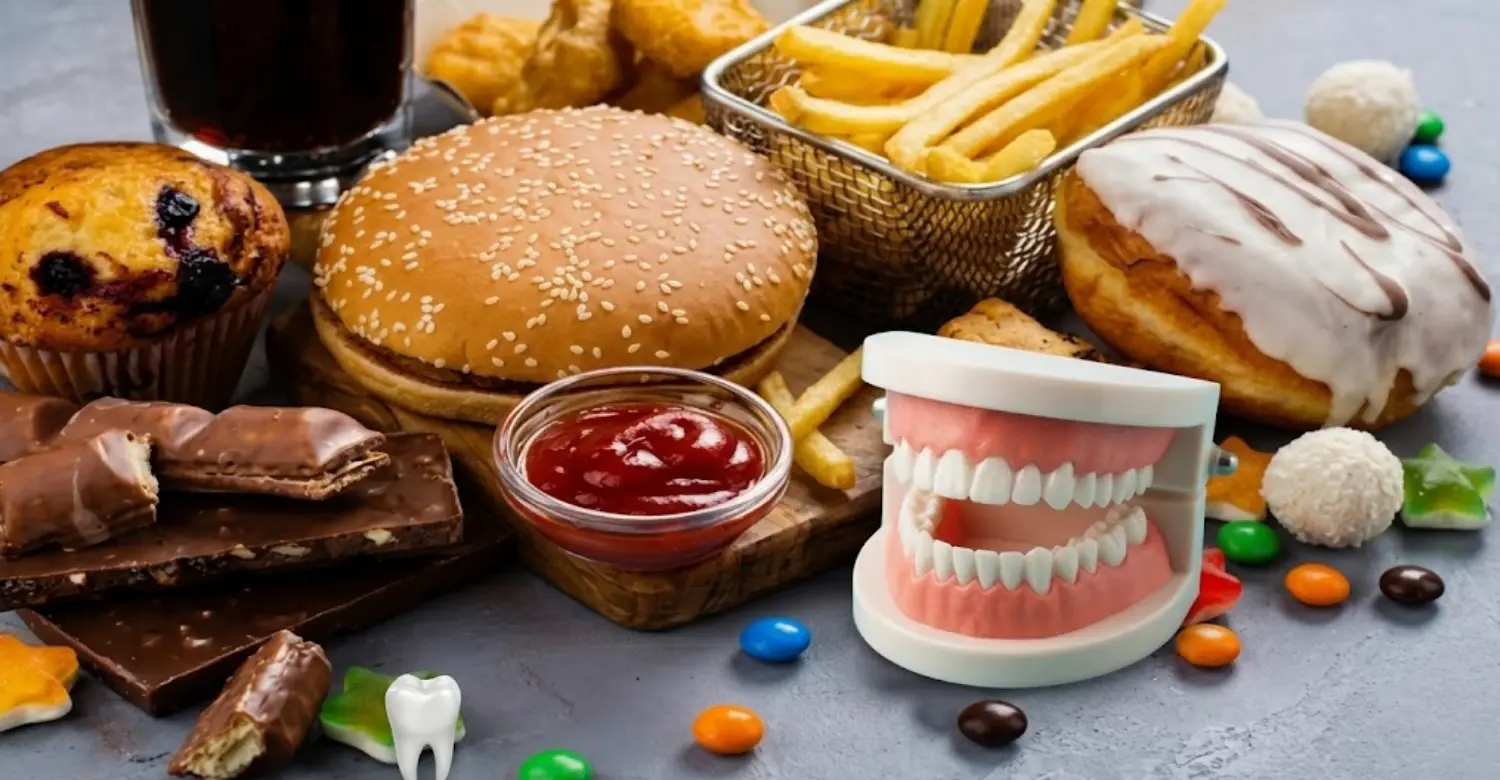
Diet can strongly influence your teeth, gums, enamel, and cavity risk. Some foods expose teeth to sugar, acids, or sticky residues. The Worst Foods for Your Teeth are generally high in free sugars, acids, or refined carbohydrates. Frequent exposure can increase bacterial acid production and weaken enamel over time.
However, individual risk varies with saliva, fluoride exposure, hygiene, genetics, and eating frequency. A food is not automatically harmful simply because it contains sugar. WHO reports that dental caries affect approximately 2.5 billion people worldwide, and free sugar intake remains a major dietary risk factor.
Understanding how foods interact with plaque helps you make better daily choices. It also supports earlier prevention and professional dental care. At Vitrin Clinic, dietary habits are reviewed alongside every dental examination, helping identify risks before they become extensive, costly problems.
What Are the Worst Foods for Your Teeth?
The foods most likely to harm teeth contain sugar, strong acids, or refined carbohydrates. Sticky textures can increase exposure time considerably. Candy, sweetened drinks, pastries, dried fruit, sour candy, and refined snacks deserve particular attention here. Their effects depend heavily on frequency and portion size.
Sugar fuels plaque bacteria, which then produce acids that lower pH around teeth. Acidic foods and beverages can also directly erode enamel over time. Sugar and acid together create an especially challenging environment for teeth. The goal is not complete avoidance but reducing frequency. Vitrin Clinic encourages smarter choices rather than strict elimination.
How Food Choices Affect Your Teeth and Gums
Food affects oral health through several distinct pathways at once. Sugar supports bacterial acid production, while acids weaken enamel directly. Highly processed foods often contain refined carbohydrates that break down rapidly. This process feeds plaque metabolism and increases cavity risk.
Sticky foods create another concern entirely. They can remain around grooves and gumlines for longer periods. A balanced diet supports saliva production and supplies nutrients teeth need. WHO recommends a diet low in free sugars, with water as the main daily beverage for lasting oral protection.
Why Sugar and Acid Are Major Dental Concerns
Sugar and acid affect teeth through different mechanisms entirely. Sugar mainly contributes to bacterial acid production inside dental plaque. Acidic foods expose enamel directly to low pH conditions. Repeated exposure can contribute to gradual mineral loss from tooth surfaces.
When both factors occur together, the challenge increases sharply. Sugary, acidic drinks illustrate this combination clearly. WHO identifies free sugars as a leading dietary risk factor, recommending intake stay below ten percent of daily energy. Protective factors include fluoride, saliva, water, and consistent plaque removal habits.
How Often You Eat Matters as Much as What You Eat
Eating frequency influences how often teeth face acid challenges daily. Frequent snacks can repeatedly restart bacterial acid production throughout the day. Someone eating dessert with a meal differs from someone grazing constantly. This does not mean meals are automatically safe from risk.
Between-meal snacking becomes problematic with fermentable carbohydrates present. Sugary drinks sipped slowly can create repeated exposure over hours. A practical strategy groups sugary foods with meals instead of snacks. Drinking water afterward reduces residue and supports healthy saliva flow.
Frequent Snacking and Repeated Acid Attacks
Frequent snacking gives teeth less recovery time between exposures. Plaque bacteria repeatedly metabolize whatever sugars remain available throughout the day. Repeated acid challenges contribute to steady mineral loss over time. Saliva needs time to neutralize acids and restore balance.
Sipping sweetened drinks throughout the day is particularly problematic for teeth. Each sip extends the period of harmful exposure. Reducing eating frequency complements broader dietary changes effectively. Regular meals paired with tooth-friendly snacks are easier to manage long term.
Why Sticky Foods Stay on Teeth Longer
Sticky foods adhere to pits, grooves, and spaces between teeth easily. This prolongs contact between carbohydrates and plaque bacteria significantly. Caramel, gummies, dried fruit, and some snack bars are common examples. Their texture makes mechanical removal noticeably more difficult.
Sticky foods are not automatically harmful in every case. Risk depends on ingredients, frequency, portion size, and hygiene habits. Rinsing with water helps remove loose residues quickly. Brushing and interdental cleaning remain essential for controlling plaque buildup.
Clinical Note: What Makes a Food Harmful to Teeth?
A food becomes more concerning when several risk factors overlap. High sugar, high acidity, stickiness, and frequency are key examples. Saliva flow also changes outcomes considerably between individuals. People with reduced saliva face greater vulnerability to dietary acids.
Fluoride exposure provides another important protective factor for teeth. Regular fluoride toothpaste use helps strengthen enamel against challenges. Clinical assessment can identify whether diet contributes to cavities or erosion. Vitrin Clinic evaluates these dietary patterns during every preventive examination visit.
What Foods Cause the Most Tooth Decay?
Foods contributing most to decay are usually rich in sugars. Candy, sweet pastries, sugary cereals, dried fruit, cookies, and sweetened beverages stand out. WHO explains that plaque bacteria convert free sugars into damaging acids. Decay does not result from one isolated meal alone.
Risk develops from repeated dietary exposure combined with other factors. Fluoride, saliva, plaque removal, and dental care significantly influence individual susceptibility. Among the Worst Foods for Your Teeth, sugary and sticky combinations stand out most clearly for consistent, repeated damage.
Sugary Candy and Sweets
Sugary candy provides readily available carbohydrates for plaque bacteria. Hard, chewy, and soft candies create different exposure patterns entirely. Hard candy can remain in the mouth for extended periods. This repeatedly exposes teeth to dissolved sugar over time.
Soft sweets can become trapped around teeth surfaces easily. Their residue is difficult to remove without effective brushing habits. Portion size matters considerably in overall risk assessment. Choosing candy less frequently reduces repeated sugar exposure meaningfully over time. Sugary candy is a textbook example of the Worst Foods for Your Teeth in daily life.
Sticky Candy and Caramel
Sticky candy attaches to tooth surfaces and dental grooves easily. This increases the duration of carbohydrate exposure considerably. Caramel can become lodged between teeth without easy removal. Removing it is difficult without floss or interdental cleaning tools.
Frequent consumption creates greater concern than occasional treats. Eating sticky candy repeatedly between meals may increase cavity risk. If you choose these foods, pair them with a meal. Follow with water and maintain your normal hygiene routine.
Cookies, Cakes, and Pastries
Cookies, cakes, and pastries commonly contain added sugars and refined flour. Some also contain sticky fillings or heavy frosting layers. Their carbohydrate content contributes to bacterial acid production over time. Frequent consumption may therefore increase cavity risk substantially.
Portion size and frequency remain important considerations here. An occasional dessert differs from several sweet snacks daily. Pairing dessert with meals reduces the number of separate exposures. Water afterward helps clear remaining food particles from teeth. Sticky pastries frequently appear on lists of the Worst Foods for Your Teeth.
Sugary Cereals and Breakfast Foods
Some breakfast cereals contain substantial amounts of added sugar. Sweetened cereal bars and flavored breakfast products also contribute meaningfully. The concern increases when these foods are eaten frequently. Milk does not eliminate the effects of added sugars.
Reading nutrition labels helps identify products with lower added sugar. Unsweetened cereals provide a practical, tooth-friendly alternative choice. Adding nuts, seeds, or fresh fruit improves nutritional quality overall. A tooth-friendly breakfast supports both oral and general health.
Dried Fruits and Fruit Snacks
Dried fruit contains concentrated natural sugars in small portions. Its chewy texture allows pieces to stick to teeth. Fruit snacks may also contain significant added sugars themselves. Some products resemble candy more than actual whole fruit.
Whole fruit generally contains more water and requires chewing. This changes how sugars ultimately contact the mouth's surfaces. Portion control remains important when choosing dried fruit snacks. Drinking water afterward helps reduce lingering sugar residues. Dried fruit often surprises patients by ranking among the Worst Foods for Your Teeth.
Why Sticky Sugars Increase Cavity Risk
Sticky sugars remain around teeth longer than less adhesive foods. Longer contact provides bacteria with more available carbohydrate fuel. This becomes more concerning when consumption happens repeatedly throughout the day. Frequent exposures maintain a cycle of bacterial acid production.
Interdental cleaning becomes particularly valuable for managing sticky foods. Floss removes residues that toothbrush bristles simply cannot reach. This is one reason sticky sweets rank among the Worst Foods for Your Teeth in most dental guidance.
Worst Foods for Dental Health: High-Sugar Foods to Limit
High-sugar foods are among the most important concerns for cavities. Their effects depend heavily on amount and consumption frequency. Free sugars include those added during manufacturing, cooking, or preparation. They also include sugars naturally present in honey and syrups.
WHO recommends keeping free sugar intake below ten percent of daily energy, suggesting five percent may offer additional benefits. Reducing sugary snacks and drinks supports meaningfully better oral health outcomes over time. High-sugar products remain central examples of the Worst Foods for Your Teeth in nearly every dietary guideline.
Hard Candy and Lollipops
Hard candy dissolves gradually inside the mouth over time. This prolongs sugar exposure compared with quickly eaten foods. Lollipops create a similar, extended exposure pattern for children especially. Children may hold them in their mouths for long periods.
The concern is particularly relevant with frequent consumption patterns. Daily or repeated exposure increases cumulative dental risk considerably. Water and fluoride toothpaste remain useful, simple protective measures. Hard candy is often cited among the Worst Foods for Your Teeth because of prolonged dissolving time.
Gummy Candy
Gummy candy adheres strongly to tooth surfaces and grooves. Small pieces become trapped between teeth and around molars. Its sticky texture makes cleaning noticeably more challenging afterward. Sugar remains available to bacteria after the candy disappears.
Eating gummies occasionally is less concerning than frequent snacking. Interdental cleaning helps remove trapped residues effectively. This category remains firmly among the Worst Foods for Your Teeth due to prolonged contact time.
Chocolate and Sugar-Coated Snacks
Chocolate varies considerably in its overall dental impact. Plain dark chocolate may contain less sugar than coated varieties. Sugar-coated chocolate products can contain substantial added sugar amounts. Fillings may also increase overall stickiness and residue.
The important factors are sugar content, texture, frequency, and portion. Choose smaller portions and pair them with meals when possible. Water afterward helps clear remaining sugars from tooth surfaces. Sugar-coated snacks can quietly become one of the Worst Foods for Your Teeth if eaten daily.
Ice Cream and Frozen Desserts
Ice cream commonly contains meaningful amounts of added sugar. Some varieties also contain caramel, chocolate pieces, or sticky toppings. Cold temperature does not eliminate sugar-related cavity risk at all. The ingredient profile matters far more than serving temperature.
Frequent servings can increase overall dietary sugar exposure significantly. Choosing lower-sugar options may help reduce this risk. Good oral hygiene remains important regardless of dessert temperature choices. Ice cream can rival soda among the Worst Foods for Your Teeth when eaten often.
Sweet Baked Goods
Sweet baked goods include cakes, pastries, muffins, and sweetened breads. Many contain both refined carbohydrates and added sugar together. Frosting and fillings can increase overall sugar content noticeably. Sticky textures may also increase residue left around teeth.
Occasional consumption can fit within a genuinely balanced diet. Frequency and portion size matter more than total avoidance. Frosted baked goods are frequently listed among the Worst Foods for Your Teeth.
Sweet Snack Bars
Some snack bars appear healthy but contain significant hidden sugars. Syrups, honey, and dates increase carbohydrate exposure considerably. Sticky bars may also adhere firmly to teeth surfaces. Reading labels helps identify genuinely lower-sugar snack choices.
Choose bars containing nuts, seeds, fiber, and less added sugar. This simple swap reduces one common source of hidden sugar exposure. Sweet snack bars can easily hide among the Worst Foods for Your Teeth despite healthy marketing.
What Happens When Sugar Meets Plaque?
Plaque contains bacteria capable of metabolizing dietary sugars quickly. Their metabolism produces acids that lower local pH levels. Repeated acid exposure removes minerals from enamel over time. This process may eventually contribute to visible cavities forming.
Saliva helps buffer acids and supply minerals back to teeth. Fluoride further strengthens enamel and supports remineralization processes. Vitrin Clinic notes that early mineral loss is often reversible with proper intervention and reduced sugar frequency.
Oral Bacteria and Acid Production
Oral bacteria use fermentable carbohydrates as their primary energy source. Acid production directly follows this bacterial metabolic process. The resulting acidic environment can challenge enamel repeatedly. Frequent sugar exposure therefore increases cumulative dental risk over time.
Plaque removal reduces the bacterial load on tooth surfaces. Fluoride toothpaste adds another important layer of protection.
Demineralization and Cavity Development
Demineralization occurs when mineral loss exceeds the body's natural repair. Saliva supports remineralization under generally favorable oral conditions. Cavities develop when repeated mineral loss eventually causes structural damage. Early changes often do not cause any noticeable pain.
Regular dental examinations help identify developing problems much earlier. Preventive care reduces the need for extensive future treatment.
Foods That Harm Tooth Enamel
Enamel is the hard outer layer protecting each tooth. Unlike many tissues, mature enamel cannot regenerate after substantial loss. Acidic foods and beverages can soften enamel temporarily upon contact. Repeated exposure may contribute to gradual, visible erosion.
Citrus, vinegar, sour candy, carbonated drinks, and acidic sauces deserve attention. Their effects depend on acidity level and exposure frequency. Sugar creates a separate pathway through bacterial acid production entirely.
Citrus Fruits and Acidic Foods
Citrus fruits contain natural acids that can affect enamel. Oranges, lemons, grapefruits, and limes can temporarily lower oral pH. Whole fruit is generally preferable to concentrated, acidic juice. Chewing whole fruit also stimulates helpful saliva production.
The concern increases with frequent acidic food consumption patterns. Constantly sipping lemon water creates repeated acid exposure over hours. Rinsing with water afterward helps clear lingering acids effectively. Acidic fruit juices are sometimes overlooked among the Worst Foods for Your Teeth.
Pickles and Vinegar-Based Foods
Pickles often contain vinegar or other genuinely acidic ingredients. Vinegar can lower the pH around tooth surfaces noticeably. Occasional consumption is generally less concerning for most people. Frequent exposure may contribute to enamel erosion in susceptible individuals.
Pairing acidic foods with a meal reduces separate exposure episodes. Water afterward helps neutralize and clear remaining residues quickly.
Acidic Sauces and Dressings
Some sauces and dressings contain vinegar, citrus, or acidic ingredients. Tomato-based sauces can also have relatively low pH levels. The overall dietary pattern matters more than any single sauce. Small amounts within meals create less exposure than standalone consumption.
Water helps clear acids after eating these types of foods. Avoid prolonged contact between acidic sauces and exposed teeth. Acidic dressings rarely top lists of the Worst Foods for Your Teeth but still deserve moderation.
Sour Candy
Sour candy combines acidity with sugar in a single product. This creates two simultaneous dental concerns at once. The acids directly challenge enamel while sugar fuels bacteria. Hard sour candy may remain in the mouth extendedly.
Reducing frequency is particularly important with this candy category. Water afterward helps clear both acids and sugars efficiently. Sour candy sits firmly among the Worst Foods for Your Teeth for this exact reason.
Carbonated Drinks
Many carbonated beverages are inherently acidic by nature. Sugar-sweetened varieties also contain substantial free sugars typically. Diet versions may contain little or no sugar content. However, their acidity can still contribute to enamel erosion.
WHO specifically recommends water as the main everyday beverage over sweetened or carbonated alternatives, citing both dental and general health benefits. Carbonated soft drinks remain consistent fixtures among the Worst Foods for Your Teeth worldwide.
How Acids Weaken Tooth Enamel
Dental acids dissolve minerals directly from enamel surfaces. Repeated exposure gradually reduces overall surface hardness over time. Saliva helps neutralize acids and restore lost minerals naturally. Fluoride provides additional protection against further mineral loss.
Acid erosion differs meaningfully from ordinary bacterial tooth decay. It can occur without bacteria converting sugar into acid.
Clinical Note: Acid Erosion vs. Tooth Decay
Acid erosion results from direct chemical exposure to acids. Tooth decay involves bacterial activity and repeated acid production instead. Both conditions can cause noticeable sensitivity in affected teeth. Their appearance and treatment needs often differ meaningfully.
A dentist can distinguish erosion from decay during examination. Vitrin Clinic assesses enamel changes and identifies contributing dietary habits during every routine visit, helping separate true Worst Foods for Your Teeth patterns from unrelated dental issues.
Worst Drinks for Your Teeth
Drinks can be especially challenging because they contact many surfaces. Slow sipping also extends exposure time considerably longer. Soft drinks, energy drinks, sports drinks, sweetened teas, and juices contain sugar or acids. Liquid sugar reaches areas sticky foods might otherwise avoid.
Acidic beverages can also soften enamel directly on contact. Water remains generally the most tooth-friendly beverage available.
Soft Drinks and Soda
Regular soda contains substantial amounts of free sugar. Many varieties are also meaningfully acidic in composition. The combination creates two distinct dental challenges at once. Sugar supports bacterial acid production while acidity affects enamel directly.
Sipping soda slowly prolongs harmful exposure considerably over time. Drinking it quickly with a meal is comparatively less problematic. Water remains a genuinely better everyday alternative choice. Soda consistently ranks near the top of the Worst Foods for Your Teeth list.
Energy Drinks
Energy drinks may contain both sugar and acids together. Some products therefore expose teeth to multiple risk factors. Frequent consumption may be particularly concerning for regular users. Athletes should consider water as their primary hydration choice.
Sugar-free energy drinks remove the sugar component entirely. However, acidity often remains a relevant dental concern regardless. Energy drinks deserve a place among the Worst Foods for Your Teeth for frequent users.
Sports Drinks
Sports drinks can contain both sugars and acids together. Their intended purpose is hydration during prolonged exercise specifically. Routine consumption outside exercise may provide unnecessary sugar exposure. Water is often sufficient for ordinary daily hydration needs.
Dental risk depends heavily on frequency and total contact time. Avoid prolonged sipping when these drinks are consumed.
Sweetened Iced Tea
Sweetened iced tea contains significant amounts of added sugar. Bottled varieties may also contain meaningful acidity levels. Unsweetened tea is a genuinely more tooth-friendly alternative choice. Water remains the simplest, safest option overall.
Adding sugar repeatedly throughout the day creates multiple exposures. Consuming sweetened beverages with meals reduces separate exposure periods.
Fruit Drinks and Sugary Juices
Fruit juices contain naturally occurring sugars in concentrated form. Under WHO's definition, juice sugars count as free sugars. Juices can also be meaningfully acidic in composition. Frequent consumption increases both cavity and erosion concerns.
Whole fruit provides fiber and requires natural chewing instead. Water should remain the clearly preferred primary beverage choice. Sweetened fruit juices are among the more surprising Worst Foods for Your Teeth entries.
Flavored Coffee Drinks
Flavored coffee drinks can contain syrups, cream, and sweetened toppings. Their sugar content varies substantially between different products. Some beverages resemble desserts more than ordinary coffee. Frequent consumption increases daily free sugar exposure meaningfully.
Choosing unsweetened coffee reduces added sugar considerably over time. Water alongside the drink also helps clear residues. Sweetened coffee drinks can quietly join the Worst Foods for Your Teeth category over time.
Why Acidic and Sugary Drinks Are Especially Harmful
Sugar and acidity create genuinely different mechanisms of damage. Sugar feeds plaque bacteria while acids challenge enamel directly. A drink containing both factors presents a greater overall concern. Frequency and sipping behavior remain absolutely critical factors here.
This combination explains why sweetened sodas often top lists of the Worst Foods for Your Teeth.
Why Sipping Drinks Throughout the Day Can Be Worse
Continuous sipping repeatedly exposes teeth to dietary ingredients constantly. Saliva has less opportunity to restore a neutral environment. This pattern can be more problematic than drinking once quickly. Water between meals meaningfully reduces overall exposure time.
Foods That Increase Plaque and Cavities
Plaque accumulation is influenced by residues, hygiene, saliva, and bacteria. Sticky foods can remain around teeth for extended periods. Refined carbohydrates also provide fermentable substrates for bacteria. White bread, crackers, chips, and processed snacks deserve attention here.
They may become trapped in grooves or interdental spaces easily. The solution is not avoiding every carbohydrate entirely. Choosing nutrient-dense foods and maintaining plaque removal is more practical.
Sticky and Chewy Foods
Sticky foods remain attached to teeth after swallowing occurs. Chewy textures increase the amount of residue left behind. Dried fruit and chewy snack bars are common examples. Candy is particularly problematic because of its sugar content.
Water helps loosen some residues after eating these foods. Flossing and brushing remove remaining plaque and food particles. Chewy snack foods often make quiet appearances among the Worst Foods for Your Teeth.
Refined Carbohydrates
Refined carbohydrates can break down into smaller sugars quickly. Oral bacteria also access carbohydrates present within various foods. Highly processed snacks may therefore contribute to overall cavity risk. The complete meal pattern still matters considerably in this equation.
Choosing whole grains and minimally processed foods improves nutritional quality. Good oral hygiene remains essential regardless of carbohydrate choice.
White Bread and Crackers
White bread can become soft and sticky while chewing. Some pieces remain around molars and between teeth afterward. Crackers also break into small particles during chewing. These particles may lodge in grooves and interdental spaces.
Choosing higher-fiber alternatives can be genuinely useful here. Drinking water afterward also helps clear loose particles effectively. White bread rarely gets flagged, yet it fits the Worst Foods for Your Teeth pattern.
Potato Chips
Potato chips contain starch that becomes available to bacteria. Small fragments may also remain between teeth after eating. The issue is not simply that chips contain starch. Frequency and overall plaque accumulation also influence risk substantially.
Flossing after meals helps remove trapped particles effectively. Water helps rinse loose residues from tooth surfaces too. Starchy chips are an underrated entry among the Worst Foods for Your Teeth.
Processed Snack Foods
Processed snacks may combine refined starch, sugar, salt, and flavorings. Their texture influences how long residues remain around teeth. Frequent grazing creates repeated carbohydrate exposures throughout the day. Eating structured meals may reduce this problematic pattern.
Processed snacks remain a recurring theme among the Worst Foods for Your Teeth discussed by dental professionals.
How Starchy Foods Break Down Into Sugars
Starch can be broken down into smaller carbohydrate units. Oral enzymes begin carbohydrate digestion during ordinary chewing. Some starchy foods therefore become available to bacteria within plaque. Sticky starches can increase retention around teeth noticeably.
How Food Particles Remain Between Teeth
Food particles can become trapped between neighboring teeth easily. Toothbrushes often cannot fully clean these tight spaces. Interdental cleaning removes plaque and debris from difficult areas. Daily flossing or another method supports meaningful prevention.
What We Notice Clinically
Diet-related dental damage often develops gradually over months. Patients may notice sensitivity, rough enamel, staining, or recurring cavities. Clinical examination reveals patterns that patients cannot see themselves. Dentists may identify erosion, plaque retention, or early decay.
Diet history helps identify repeated exposures accurately. Vitrin Clinic uses this history to make preventive counseling more personalized and effective for each patient.
Dr. Rifat Alsaman's Opinion
Dr. Rifat Alsaman emphasizes that prevention requires more than eliminating foods. The eating pattern matters, including frequency, timing, and beverages. A balanced approach helps patients enjoy foods without unnecessary dental risk. At Vitrin Clinic, personalized recommendations are based on clinical findings, not generic food lists.
Foods That Cause Enamel Erosion
Enamel erosion develops when acids remove minerals directly from teeth. This differs meaningfully from ordinary bacterial tooth decay. Acidic fruits, sour foods, vinegar, and carbonated drinks can contribute. Risk increases with frequent or prolonged exposure patterns.
Saliva helps buffer acids and supports mineral recovery naturally. Fluoride can strengthen enamel against future acid challenges.
Acidic Fruits
Citrus fruits contain citric acid that can affect enamel. Their nutritional benefits do not mean automatic elimination is needed. Whole fruit is generally preferable to frequent juice consumption. Whole fruit also provides fiber and stimulates chewing naturally.
Avoid holding acidic foods in the mouth for long. Rinsing with water afterward reduces residual acidity meaningfully. Citrus overuse can push a diet toward the Worst Foods for Your Teeth category.
Sour Foods and Candies
Sour products often contain acids added intentionally during manufacturing. Candy may also contain substantial amounts of sugar. This combination challenges enamel and increases bacterial acid production. Frequent consumption can therefore be particularly problematic overall.
Reducing frequency is more practical than complete avoidance here. Water helps clear remaining acids after consumption. Sour candies remain a textbook example within the Worst Foods for Your Teeth group.
Vinegar-Based Foods
Vinegar is acidic and can contribute to enamel erosion. Frequent exposure deserves moderation for susceptible individuals especially. Eating vinegar-containing foods with meals reduces isolated exposure episodes. Water afterward provides a simple, effective protective step.
Carbonated Beverages
Carbonated beverages often have inherently acidic formulations. Some also contain meaningful amounts of added sugar. Sugar-free versions may reduce cavity risk somewhat. However, they do not necessarily eliminate erosion concerns entirely.
Water remains the preferred, routine beverage choice for dental health. Carbonated beverages generally rank among the more common Worst Foods for Your Teeth in modern diets.
Signs of Enamel Erosion
Enamel erosion can produce several noticeable physical changes. Sensitivity is one of the most common early symptoms. Other signs include altered tooth shape and increased translucency. Smoother or flattened surfaces may also appear over time.
Increased Tooth Sensitivity
Sensitivity occurs when enamel becomes noticeably thinner over time. Exposed dentin responds more strongly to temperature changes. Hot, cold, sweet, or acidic foods may trigger discomfort. Persistent sensitivity deserves prompt professional assessment and evaluation.
Changes in Tooth Appearance
Eroded teeth can appear more translucent near the edges. Yellowish areas may become more visible as enamel things. These changes can stem from multiple different underlying causes. A dentist should evaluate any unexplained appearance changes promptly.
Flattened or Worn Tooth Surfaces
Repeated erosion can alter overall tooth contours meaningfully. Surfaces may appear smoother, shorter, or unusually flattened. Bruxism can create similar wear patterns independently as well. Professional evaluation can distinguish between these different causes.
Unhealthy Foods for Teeth and Gums
Diet affects oral health well beyond cavities alone. Food choices influence plaque accumulation and gum tissue health. High-sugar foods and refined snacks contribute to plaque-related problems. Acidic foods may affect teeth without directly causing gum disease.
A balanced diet supports overall nutritional health broadly. Good oral hygiene remains essential for protecting gum tissue.
Foods High in Added Sugar
Frequent added sugar consumption increases cavity risk substantially. Sugary drinks are particularly important since they're consumed repeatedly. Reducing frequency is more practical than eliminating all sweets. Water between meals meaningfully reduces overall sugar exposure.
Highly Processed Snacks
Highly processed snacks often combine refined carbohydrates with added sugars. Some are sticky or easily trapped between teeth. Replacing frequent processed snacks with whole foods improves dietary quality. Vegetables, nuts, cheese, and plain yogurt are practical alternatives.
Acidic Foods and Drinks
Acidic foods can contribute to gradual enamel erosion. Their effect depends on acidity, frequency, and exposure duration. Rinsing with water after acidic meals genuinely helps. Avoid brushing immediately after strong acid exposure occurs.
Sticky Foods
Sticky foods remain on tooth surfaces noticeably longer. This increases contact between carbohydrates and plaque bacteria. Chewy candy and dried fruit are common everyday examples. Frequency remains an important determinant of overall risk here.
Refined Carbohydrates and Plaque
Refined carbohydrates contribute meaningfully to plaque metabolism over time. Frequent consumption increases overall dietary exposure to sugars. Whole-grain alternatives provide more fiber and nutritional value. However, they still require consistent, good oral hygiene habits.
Why Overall Diet Quality Matters for Oral Health
Oral health connects closely with broader dietary patterns. Diets high in free sugars affect both oral and general health. WHO identifies unhealthy diets high in free sugars as a modifiable oral-health risk factor worldwide, affecting billions of people.
A balanced diet should emphasize nutrient-dense foods consistently. Water and limited free sugars support meaningful long-term prevention.
Foods That Destroy Tooth Enamel: What to Limit
Enamel can withstand normal dietary exposure thanks to saliva and fluoride. Repeated acid exposure can overwhelm these natural defenses. Acidic drinks, sour products, and frequent sugar intake deserve attention. The goal is reducing cumulative exposure over time.
The Most Acidic Foods and Drinks
Citrus juices, carbonated beverages, vinegar products, and sour candies rank highly acidic. Their effect depends on pH, frequency, and contact time. Rinsing with water helps after consuming these items. Avoid swishing acidic drinks around the mouth repeatedly.
Sugary Foods That Increase Acid Exposure
Sugar does not usually attack enamel directly by itself. Plaque bacteria metabolize sugar and produce damaging acids instead. Frequent sugary foods therefore create repeated acid challenges. Reducing between-meal sugar exposure genuinely helps protect teeth.
Foods That Combine Sugar and Acidity
Sweetened sodas, sour candies, sports drinks, and fruit drinks combine both. This creates direct and bacterial acid exposure simultaneously. Frequent consumption increases cumulative dental stress considerably over time. These combination products consistently appear among the Worst Foods for Your Teeth.
Understanding Enamel Demineralization
Demineralization occurs when acids remove minerals from enamel. Saliva can help reverse early mineral loss naturally. Fluoride also supports remineralization and increases enamel resistance. Persistent acid exposure can eventually produce irreversible structural changes.
Can Damaged Enamels Grow Back?
Enamel cannot regenerate like other living body tissue. Early mineral loss can sometimes be repaired through remineralization. Fluoride, saliva, and dietary changes support this natural process. Significant enamel loss cannot simply grow back on its own.
Professional treatment may be needed when damage becomes advanced.
Clinical Note on Diagnosis
Not every sensitivity or discoloration indicates dietary erosion specifically. Cavities, cracks, gum recession, and tooth wear cause similar symptoms. A clinical examination helps identify the actual underlying cause. Early diagnosis may prevent unnecessary loss of tooth structure.
amel changes deserve attention since lost enamel cannot regenerate. Vitrin Clinic supports patients through this evaluation process consistently.
The Role of Chewing and Texture in Protecting Teeth
Texture influences how food interacts with teeth and saliva. Crunchy, fibrous foods encourage more chewing and saliva flow. This natural saliva helps buffer acids and clear food debris. Soft, sticky foods generally require far less chewing effort.
Increased saliva flow from chewing can help offset some dietary risk, though it does not eliminate the need for good hygiene. Choosing crunchy vegetables over soft, sticky snacks supports this protective mechanism naturally.
Worst Foods for Your Teeth and Gums: Quick Comparison
Different foods create different types of dental risk overall. Some primarily increase cavities, while others mainly challenge enamel. The table below highlights common items and simple strategies.
Food or Drink | Main Concern | Better Strategy |
Sticky candy | Sugar retention | Limit frequency |
Soda | Sugar and acidity | Choose water |
Sour candy | Acid and sugar | Eat rarely |
Chips | Starch retention | Clean between teeth |
Dried fruit | Sticky sugars | Choose whole fruit |
Citrus juice | Acidity | Drink less often |
Sugary cereal | Added sugar | Choose lower-sugar options |
CDC reports that approximately 21% of U.S. adults aged 20–64 have at least one untreated cavity, underscoring how common these dietary risks remain.
Top Foods That Increase Cavities
Candy, sweetened beverages, pastries, sugary cereals, and sticky snacks are important concerns. Their effects grow substantially with frequent consumption patterns. Plaque bacteria repeatedly convert available sugars into damaging acids. This category represents the clearest examples of the Worst Foods for Your Teeth overall.
Top Foods That Harm Tooth Enamel
Sour candies, citrus juices, vinegar-heavy foods, and acidic beverages challenge enamel. Repeated exposure matters more than occasional consumption here. Saliva and fluoride provide important, natural protective effects throughout the day.
Top Foods That Increase Plaque
Sticky sweets, refined snacks, chips, crackers, and processed carbohydrates promote residue retention. Effective brushing and interdental cleaning help control plaque buildup. Dietary choices complement, rather than replace, consistent oral hygiene.
Top Foods to Limit for Better Gum Health
Gum health depends heavily on consistent plaque control habits. Sugary and highly processed diets contribute indirectly to inflammation. Water, nutrient-dense foods, and consistent hygiene support genuinely healthier gums overall.
Worst Overall Choices
The most concerning choices combine sugar, acidity, stickiness, and frequency together. Sweetened acidic drinks are a particularly strong example here. Sticky sour candy creates a very similar combination of risks.
Are Some "Healthy" Foods Actually Bad for Your Teeth?
Some foods marketed as healthy can still affect teeth negatively. Nutritional benefits and dental effects are not always identical. Dried fruit, smoothies, flavored yogurt, citrus, and granola bars can contain sugars or acids. This does not make them unhealthy overall.
Preparation and frequency ultimately determine their true dental impact.
Dried Fruit
Dried fruit provides nutrients and fiber in concentrated form. However, dehydration concentrates sugars and creates a sticky texture. Whole fruit generally creates less concentrated sugar exposure overall. Water afterward helps remove lingering sugar residues effectively.
Citrus Fruits
Citrus provides vitamin C and other beneficial nutrients. Its acidity can temporarily lower oral pH levels. Whole citrus is generally preferable to frequent citrus juice. Avoid prolonged contact with acidic liquids and juices.
Smoothies
Smoothies can contain fruit sugars and acidic ingredients together. Drinking them slowly may extend overall exposure time. Using whole ingredients and limiting added sugars improves the profile. Drinking through a straw can also help slightly.
Flavored Yogurt
Flavored yogurt may contain meaningful amounts of added sugar. Plain yogurt provides a genuinely lower-sugar alternative choice. Cheese and plain yogurt also provide calcium and protein. Check labels carefully when selecting flavored yogurt products.
Granola and Snack Bars
Some granola bars contain syrups, honey, or concentrated fruit ingredients. Their sticky texture can increase residue retention around teeth. Choose lower-sugar products with nuts, seeds, and whole grains. Portion size still matters considerably even with healthier options. Granola bars can surprisingly slip into the Worst Foods for Your Teeth list.
Why Preparation and Frequency Matter
Preparation changes how quickly sugars and acids contact teeth. Frequency changes how often teeth experience those exposures overall. Whole fruit eaten with a meal differs from juice sipped constantly.
What Foods Should You Avoid for Healthy Teeth?
Complete food avoidance is rarely necessary for most patients. A more practical strategy reduces frequent exposure to high-risk products. Prioritize water, whole foods, and nutrient-dense meals daily. Keep sugary and acidic foods occasional rather than routine.
Foods to Eat Less Often
Limit candy, sugary drinks, sweet pastries, and highly processed snacks. These products increase overall free sugar exposure substantially. Occasional consumption fits within a genuinely balanced diet. Frequency remains one of the most important variables here. This list overlaps closely with the broader Worst Foods for Your Teeth discussed throughout this guide.
Foods to Avoid Frequent Snacking On
Avoid grazing on candy, cookies, chips, or sweetened drinks. Repeated exposure increases cumulative acid challenges over time. Structured meals simplify dietary control considerably for most people. Tooth-friendly snacks help fill gaps between meals safely.
Foods to Avoid Before Bed
Sugary snacks before sleeping can be particularly problematic. Saliva production naturally decreases during sleep hours. A sugary residue may therefore remain in the mouth longer. Brush with fluoride toothpaste before bedtime every night.
Foods and Drinks to Limit Between Meals
Between-meal exposure creates separate, additional acid challenges. Water is a genuinely better routine option here. If you need a snack, choose cheese, vegetables, or nuts.
A Practical Approach to Moderation
Moderation focuses on frequency rather than complete perfection. Enjoy sweets occasionally, preferably alongside regular meals. Avoid sipping sugary drinks throughout the entire day. Maintain consistent brushing, flossing, and regular dental examinations.
Tips for Patients: Protecting Teeth After Problematic Foods
Dietary choices can improve without eliminating every favorite food. Simple habits reduce exposure meaningfully after eating problematic items. Water, fluoride toothpaste, interdental cleaning, and dental visits provide real protection. At Vitrin Clinic, patients receive personalized preventive guidance based on findings.
Drink Water After Eating
Water helps wash away loose food particles effectively. It also avoids adding sugar or acid to the mouth. Water is especially useful after sugary or acidic foods. It can become a simple, sustainable daily dental habit.
Rinse Your Mouth After Acidic Foods
Water rinsing helps reduce residual acidity meaningfully afterward. Avoid adding acidic ingredients to any rinse mixture. A simple water rinse is practical after citrus, soda, or sour foods.
Avoid Brushing Immediately After Acidic Foods
Acid exposure can temporarily soften enamel on contact. Aggressive brushing immediately afterward may increase mechanical wear. Rinsing with water first is a safer immediate step. Ask your dentist for personalized timing advice.
Choose Tooth-Friendly Snacks
Cheese, plain yogurt, vegetables, nuts, and whole foods are useful options. Choose snacks with lower added sugar when possible. Water should accompany snacks whenever practical throughout the day.
Limit Frequent Sugary Snacking
Reducing snack frequency lowers repeated sugar exposure meaningfully. This strategy is often easier than eliminating desserts completely. Eat sweets with meals rather than throughout the day.
Maintain Regular Brushing and Flossing
Brush twice daily with fluoride toothpaste unless advised otherwise. Clean between teeth regularly using floss or another tool. Plaque removal reduces bacterial accumulation and food residue buildup significantly.
Use Fluoride Toothpaste
Fluoride supports enamel remineralization and resistance to acid. WHO identifies fluoride exposure as a key preventive factor globally. Use toothpaste containing appropriate fluoride concentration for your age.
When to Wait Before Brushing After Acidic Foods
There is no single timing rule for every patient. Acid exposure, enamel condition, and dietary pattern all matter. Rinsing with water immediately is generally helpful advice. Your dentist can provide individualized guidance when erosion exists.
Clinical Note on Sensitivity
Patients with sensitivity should not automatically blame one food. Erosion, decay, recession, and cracks can overlap in symptoms. Professional examination identifies the actual underlying cause accurately. Early intervention helps preserve remaining tooth structure long term.
Dr. Rifat Alsaman on Prevention
Dr. Rifat Alsaman recommends combining dietary awareness with preventive dental care. Patients should focus on reducing repeated exposures over strict restriction. Consistent hygiene and regular examinations remain central to lasting protection. Vitrin Clinic builds these principles into every patient consultation.
Best and Worst Foods for Dental Health
Dental nutrition is not simply a list of forbidden foods. The goal is identifying foods that support oral health broadly. This means reducing repeated exposure to sugar and acids consistently.
Worst Foods for Your Teeth: Summary
Candy, sweetened beverages, sticky sweets, sour candy, and processed snacks deserve attention. Their risk increases considerably when consumed frequently throughout the day. Combining sugar and acidity creates additional dental concerns overall. This summary reflects the full range of the Worst Foods for Your Teeth covered throughout this guide.
Best Foods for Your Teeth
Water, cheese, plain yogurt, vegetables, nuts, and whole fruits fit well. These foods provide nutrients while generally containing less added sugar. They actively support saliva flow and overall oral health.
Tooth-Friendly Alternatives to Common Snacks
Small substitutions reduce dietary sugar without making meals restrictive. Choose water instead of soda whenever possible daily. Choose plain yogurt instead of sweetened yogurt regularly.
Swap Sugary Snacks for Crunchy Vegetables
Carrots, cucumber, celery, and other vegetables provide satisfying textures. They also contain little or no added sugar. Their water and fiber content supports a genuinely balanced diet.
Choose Water Instead of Sugary Drinks
Water eliminates the sugar and acid exposure found in beverages. It also helps rinse food particles from the mouth naturally.
Choose Cheese or Plain Yogurt Instead of Sugary Desserts
Cheese and plain yogurt provide protein and calcium reliably. They generally contain less added sugar than many desserts. These options serve as useful substitutions between meals daily.
How to Build a Tooth-Friendly Diet
A tooth-friendly diet should support both oral and general health. Focus on nutrient-dense foods, hydration, and balanced meals daily. WHO recommends diets low in free sugars and encourages water as the primary daily beverage choice.
Prioritize Nutrient-Dense Foods
Choose vegetables, whole fruits, whole grains, proteins, nuts, and dairy. These foods provide nutrients needed for overall body health. They also reduce reliance on highly processed, sugary snacks.
Include Calcium-Rich Foods
Calcium supports mineralized tissues, including both teeth and bones. Dairy products, fortified alternatives, and leafy vegetables provide calcium. Individual dietary needs vary, so discuss concerns with a professional.
Choose Foods That Support Saliva Production
Chewing stimulates saliva flow naturally throughout the day. Whole vegetables and crunchy foods encourage more chewing overall. Saliva helps buffer acids and supports remineralization consistently.
Drink Plenty of Water
Water is an excellent everyday beverage choice overall. It does not add sugar or dietary acids at all. Fluoridated water can provide additional cavity protection where available locally.
Reduce Added Sugar and Acid Exposure
Reducing frequency is particularly important for long-term protection. Avoid repeated sugary snacks and prolonged acidic drink exposure. Choose water between meals and keep desserts occasional.
Why Saliva Is Important for Protecting Teeth
Saliva dilutes and buffers acids effectively throughout the day. It also provides minerals that support enamel repair naturally. Reduced saliva flow increases vulnerability to cavities and erosion. Patients with persistent dry mouth should discuss it with a professional.
When Should You See a Dentist About Diet-Related Damage?
Diet-related damage can develop without obvious symptoms initially. Regular examinations help identify early changes before they worsen. WHO describes dental caries as largely preventable and treatable when caught early. Do not wait for severe pain before seeking assessment.
Persistent Tooth Sensitivity
Sensitivity to cold, hot, sweet, or acidic foods has several causes. Enamel erosion and exposed dentin are possible explanations here. Cavities and gum recession can also cause sensitivity.
Visible Enamel Changes
Chalky areas, translucency, discoloration, or unusual surface changes deserve assessment. Early examination helps determine whether erosion, decay, or another condition is responsible.
Frequent Cavities
Repeated cavities may indicate dietary, hygiene, saliva, or fluoride factors. A dentist can evaluate the broader pattern accurately. Dietary counseling then becomes more personalized and effective.
Tooth Pain After Eating
Pain triggered by food should never be ignored casually. Cavities, cracks, pulp inflammation, and sensitivity can all cause discomfort. Professional evaluation identifies the underlying problem accurately and quickly.
Bleeding or Swollen Gums
Bleeding gums can indicate underlying gingival inflammation. Persistent swelling should always receive prompt professional attention. Diet alone does not explain every gum problem fully.
Why Early Dental Evaluation Matters
Early diagnosis reduces the risk of further disease progression. It may also allow more conservative, less invasive treatment. CDC notes untreated cavities can cause pain and infection, and severe untreated disease can lead to abscesses.
Why Choose Vitrin Clinic for Your Dental Health?
Protecting your smile requires more than avoiding problematic foods. Professional evaluation helps determine your individual risk factors accurately. Vitrin Clinic combines preventive assessment with personalized dental planning for every patient. Dietary recommendations reflect your actual dental condition, not generic lists.
This approach avoids unnecessary restrictions and focuses on practical prevention.
Personalized Dental Evaluation
A dental examination assesses cavities, enamel changes, gum health, and plaque. Your dentist identifies areas requiring closer attention specifically. Vitrin Clinic tailors every recommendation to your actual findings.
Preventive Oral Health Guidance
Preventive advice covers brushing, flossing, fluoride, diet, and visit frequency. Recommendations reflect individual needs rather than generic online lists. Vitrin Clinic emphasizes practical, sustainable guidance over rigid rules.
Professional Assessment of Enamel and Cavities
Clinical evaluation helps distinguish erosion from decay accurately. This distinction matters because causes and management strategies differ. Vitrin Clinic uses this distinction to guide appropriate treatment planning.
Personalized Recommendations Based on Your Oral Health
A personalized plan considers your dietary habits, hygiene routine, and history. At Vitrin Clinic, prevention is incorporated into broader long-term dental care planning.
How Vitrin Clinic Helps Protect Your Smile
Protecting teeth requires consistent prevention and timely treatment together. Vitrin Clinic supports patients through examinations, preventive care, and personalized planning. The objective is identifying problems early and preserving natural tooth structure.
Comprehensive Dental Checkups
Regular checkups identify cavities, enamel wear, gum inflammation, and other problems. Professional cleaning also helps manage plaque and calculus buildup. Vitrin Clinic recommends consistent checkup intervals tailored to individual risk.
Preventive and Restorative Dental Care
Preventive care focuses on reducing future disease risk overall. Restorative treatment addresses teeth already affected by existing damage. The appropriate approach depends entirely on clinical findings.
Personalized Treatment Planning
Each patient's dental condition is genuinely different from others. Treatment planning reflects tooth structure, gum health, and long-term needs. Vitrin Clinic builds every plan around the individual patient.
Patient Education and Long-Term Oral Health
Education helps patients understand why certain habits create risk. Simple dietary changes become sustainable when practical and personalized. Vitrin Clinic prioritizes education as part of every visit.
From Prevention to Treatment
Prevention is preferable whenever realistically possible for patients. However, existing damage may require professional treatment regardless. Vitrin Clinic evaluates the condition and discusses appropriate options clearly.
A New Consideration: How Vitrin Clinic Personalizes Dietary Prevention
Vitrin Clinic does not treat nutrition advice as a generic checklist for every patient. Each patient's saliva flow, fluoride exposure, enamel condition, and eating habits differ meaningfully. A personalized plan starts with a thorough clinical examination and honest diet history. This allows the team to pinpoint specific exposures worth addressing first.
Patients who receive individualized guidance often report better adherence than those given generic food lists, since specific, realistic advice feels more achievable. Vitrin Clinic combines this personalized approach with regular follow-up visits. This ensures dietary changes translate into measurable improvements in enamel health and cavity rates over time. The clinic views nutrition counseling as an ongoing partnership rather than a single conversation.
Reference
FAQs

Dr. Rifat Alsaman has more than 5 years of clinical experience in dentistry and currently serves as the Head of the Medical Team at Vitrin Clinic. He is dedicated to providing exceptional patient care, overseeing treatment planning, and ensuring the highest clinical standards across the team. His expertise, attention to detail, and commitment to continuous professional development have helped countless patients achieve healthier, more confident smiles.


