General Dentistry
October 21, 2026
Mouth Taping Dental Benefits: Can It Improve Your Oral Health?
 Dr. Rifat Alsaman

Mouth taping dental benefits have become a popular topic on social media, where people share videos of placing adhesive tape over their lips before sleep. The aim is to keep the mouth closed and encourage nasal breathing. Many people try it to reduce dry mouth or improve morning breath. However, the evidence for mouth taping dental benefits remains limited. Mouth taping may also carry risks, especially for people with nasal obstruction or sleep-related breathing disorders such as obstructive sleep apnea. This guide explains what is known, what is not, and when professional advice matters.
Mouth Taping Dental Benefits: What Does the Evidence Say?
Mouth taping dental benefits are mostly reported through personal experience rather than clinical research. Supporters suggest that keeping the lips closed may reduce overnight dryness and improve breath. These ideas have some logic, because mouth breathing is linked to dry mouth and gum inflammation. Yet no well-designed study has confirmed that taping prevents cavities or gum disease. The sections below cover what mouth taping is, how it might relate to oral health, and what the research actually shows.
What Is Mouth Taping and Why Do People Try It?
Mouth taping means placing a strip of tape across the lips before sleep. Some people use general skin-safe tape, while others buy products designed for this purpose. The goal is to keep the mouth closed so that air passes through the nose. People try it for different reasons. Some want to reduce snoring, while others hope to wake without a dry mouth. Interest in mouth taping dental benefits has grown largely through social media. Popularity, however, is not proof of safety or effectiveness.
How Does Mouth Taping Relate to Oral Health?
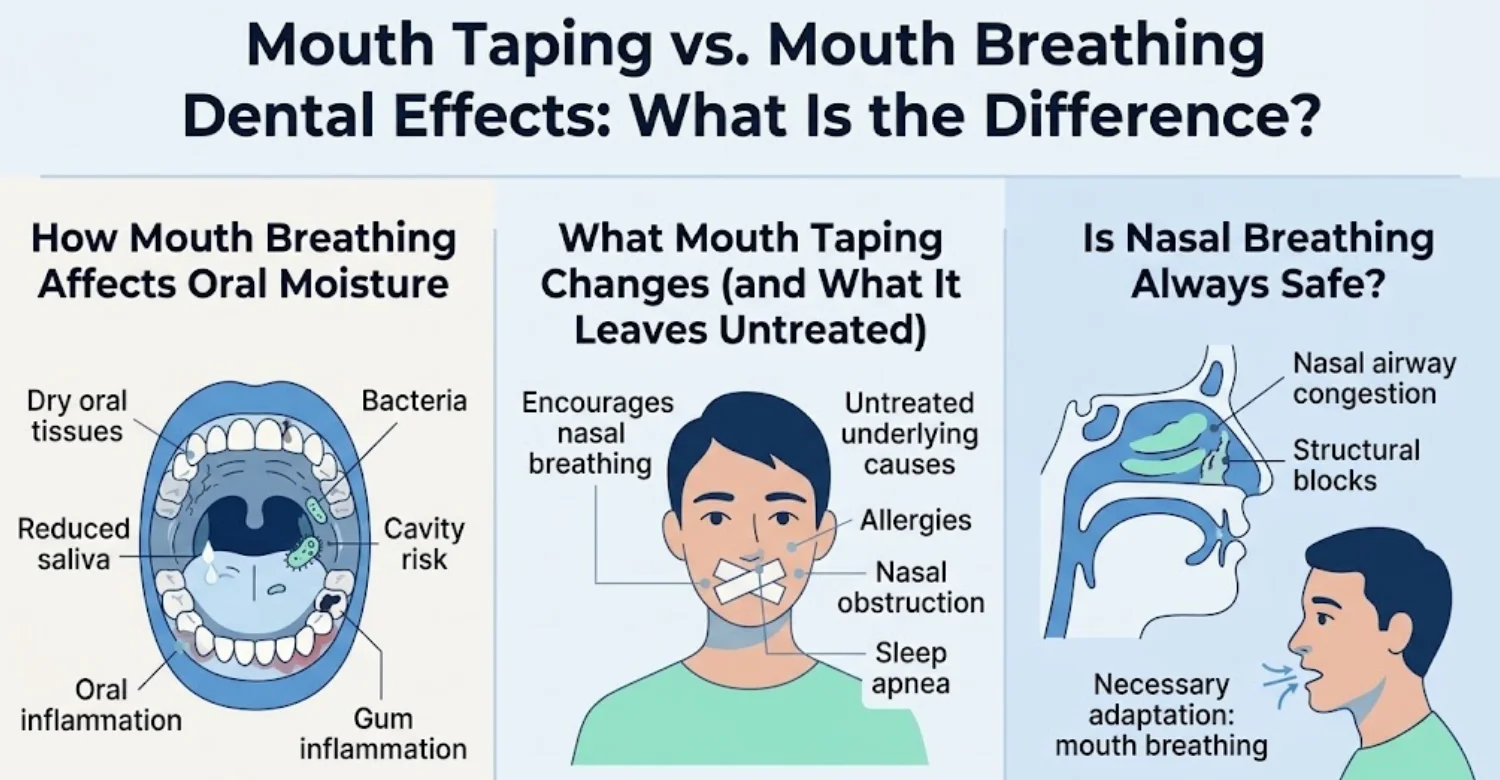
Saliva protects your teeth and gums. It washes away food particles, neutralizes acids, and supplies minerals that help repair early enamel damage. Breathing through the mouth during sleep can dry the oral tissues and reduce this protection. In theory, keeping the mouth closed could limit that drying effect. This is the main idea behind claims about mouth taping and dental health. The link is plausible, but plausibility alone does not prove that taping improves oral health outcomes.
Are the Reported Dental Benefits Supported by Research?
Research on mouth taping is limited. A few small studies have looked at snoring and mild obstructive sleep apnea in people who breathe through their mouths, with mixed results. Reviews of the available evidence describe it as low in quality. Importantly, these studies have not measured cavities, gum disease, or enamel health as outcomes. This means the reported mouth taping dental benefits remain unproven. Claims you see online usually come from personal accounts rather than controlled clinical trials.
.jpg)
.jpg)
.jpg)
.jpg)
.jpg)
.jpg)
Ready to transform your smile?
Talk to our team and get a FREE treatment plan.
What Oral Symptoms Might Make You Consider Mouth Taping?
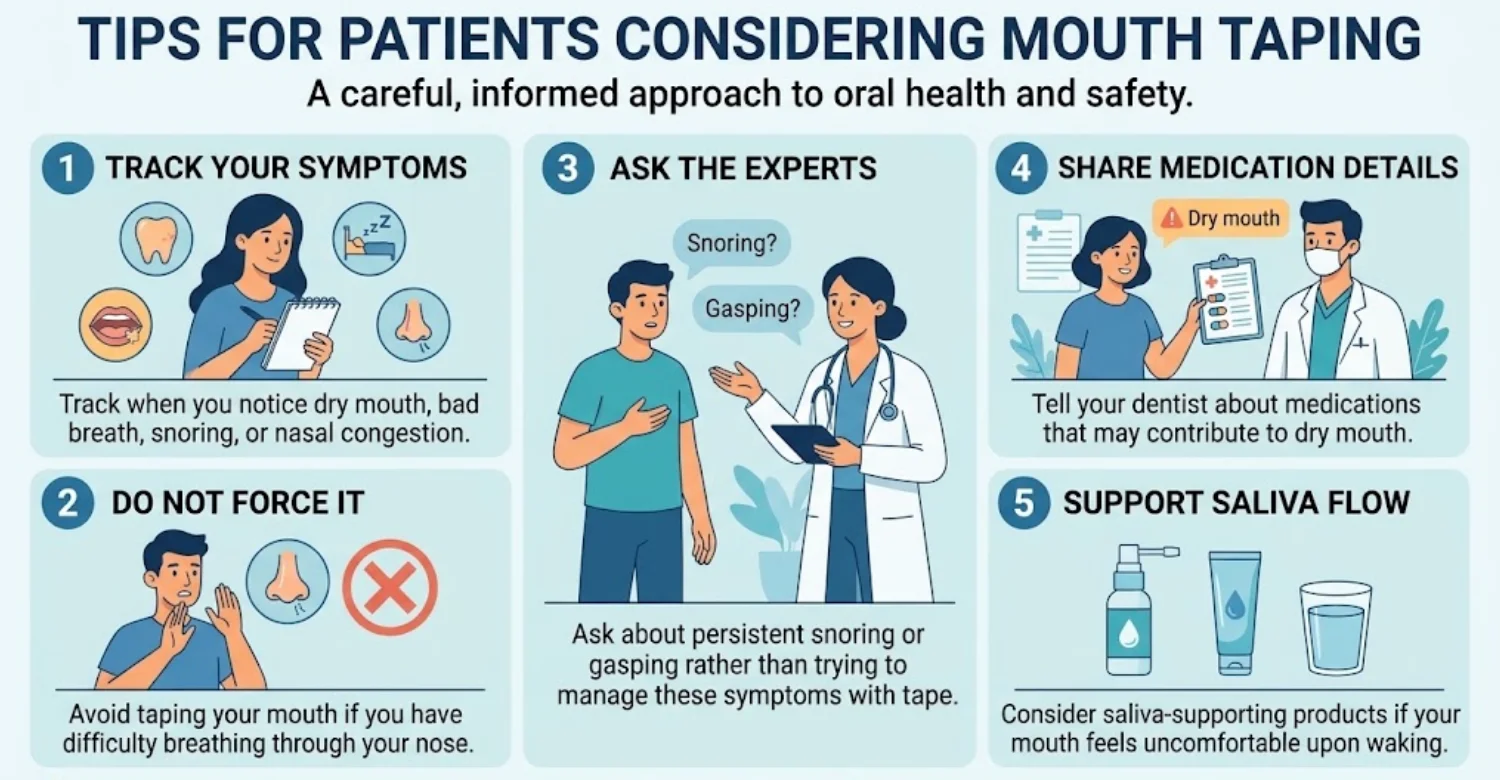
Several oral symptoms may lead people to search for mouth taping dental benefits. Waking with a dry mouth, persistent bad breath, or an unpleasant taste can be frustrating. These signs may suggest mouth breathing during sleep, but they can also have other causes. Medications, dehydration, gum disease, and certain medical conditions can produce similar symptoms. Understanding what each symptom might mean helps you decide whether a professional assessment would be more useful than trying tape at home.
Why Does Your Mouth Feel Dry When You Wake Up?
Saliva flow naturally drops during sleep, so a slightly dry mouth in the morning can be normal. Breathing through your mouth overnight can make this dryness worse, because moving air evaporates moisture from the tongue, gums, and lips. Other contributors include snoring, dehydration, alcohol before bed, smoking, and dry bedroom air. Many common medications, such as antihistamines and some antidepressants, also reduce saliva. Dryness that lasts throughout the day deserves assessment, as it may indicate a condition called xerostomia.
Why Do You Still Have Bad Breath After Brushing?
Morning breath is common because saliva flow slows during sleep, allowing bacteria to multiply. These bacteria, often found on the back of the tongue, produce sulfur compounds with an unpleasant smell. Mouth breathing can intensify this by drying the mouth further. However, bad breath that persists after brushing may relate to tongue coating, gum disease, tooth decay, or sinus and throat conditions. Cleaning your tongue and flossing daily often help, but persistent odor should be checked by a dentist.
Do You Wake Up With Sticky Saliva or an Unpleasant Taste?
Thick or sticky saliva on waking often reflects reduced saliva flow or moisture loss through mouth breathing. An unpleasant or bitter taste can follow, because bacteria and debris build up when the mouth stays dry. Other possible causes include dehydration, certain medications, acid reflux, and sinus drainage. Occasional symptoms are usually not serious. If they happen most mornings, note when they occur. Mention them during your next dental or medical visit so the underlying cause can be explored.
Could You Be Sleeping With Your Mouth Open Without Realizing It?
Many people breathe through their mouths during sleep without knowing it. Clues include a dry mouth or throat on waking, cracked lips, drooling on your pillow, and snoring. A partner may also notice your mouth hanging open. Children who breathe from their mouth may show restless sleep or daytime tiredness. These signs are worth noting before trying any product. Identifying why your mouth stays open matters more than chasing mouth taping dental benefits, because the cause guides the right approach.
.webp)
What Causes Mouth Breathing During Sleep?
Mouth breathing during sleep usually has a reason. Often, the nose cannot carry enough air comfortably, so the body switches to the mouth. In other cases, habit, sleep position, or medications play a role. Understanding the cause is essential before considering mouth taping dental benefits, because taping does not treat any of these underlying factors. In some situations, such as significant nasal blockage or sleep apnea, restricting the mouth may even be unsafe.
Nasal Congestion and Allergies
Nasal congestion is one of the most common reasons people breathe through their mouths at night. Colds, sinus infections, and allergic rhinitis cause swelling of the nasal lining and extra mucus. Allergens such as dust mites, pet dander, and pollen often worsen symptoms at night. Lying down can also increase congestion. When the nose is blocked, breathing through the mouth becomes necessary rather than optional. This is why taping the lips is not advisable during congestion.
Structural Nasal Obstruction
Some people have physical features that narrow the nasal airway. A deviated septum, enlarged turbinates, nasal polyps, or a previous nasal injury can all limit airflow. In children, enlarged adenoids and tonsils are a common cause of mouth breathing. These problems do not resolve with tape. They usually need assessment by a doctor, often an ear, nose, and throat specialist. Treatment may include medication or, in selected cases, surgery to improve nasal breathing.
Sleep-Related Breathing Disorders
Obstructive sleep apnea occurs when the upper airway repeatedly narrows or closes during sleep. Signs include loud snoring, gasping, choking, pauses in breathing, and daytime sleepiness. Many people with sleep apnea breathe through their mouths. Covering the mouth will not treat the airway collapse and may delay diagnosis. Sleep apnea is linked to high blood pressure and heart problems. It therefore requires medical evaluation, usually through a sleep study, rather than home experimentation.
Habitual Mouth Breathing and Sleep Position
Some people continue to breathe through the mouth out of habit, even after an earlier cause, such as congestion, has improved. Sleeping on your back can also let the jaw drop open and the tongue fall backward. This encourages mouth breathing and snoring. Side sleeping may help some people. Habitual mouth breathing is where interest in mouth taping dental benefits is most common. Even so, a professional check should come first to rule out other causes.
Medication-Related Dry Mouth and Reduced Saliva Flow
Many medications reduce saliva production. Common examples include antihistamines, decongestants, certain antidepressants, some blood pressure medicines, diuretics, and drugs for overactive bladder. Radiotherapy to the head and neck can also damage the salivary glands. In these cases, dry mouth comes from reduced saliva rather than mouth breathing alone. Mouth tape cannot restore saliva flow. Never stop a prescribed medication on your own. Instead, discuss your options with your doctor or pharmacist.
Mouth Taping and Dental Health: How Are They Connected?
The connection between mouth taping and dental health rests on one idea: a moist mouth is a healthier mouth. Saliva protects enamel, supports gum tissue, and helps control bacteria. Mouth breathing can weaken these defenses. In theory, keeping the lips closed may reduce overnight dryness. However, the specific mouth taping dental benefits discussed below have not been tested directly in clinical studies. Each section separates what is plausible from what is proven.
Mouth Taping and Dry Mouth Prevention: Can It Help?
Mouth taping and dry mouth prevention are often discussed together. Less dryness is one of the most cited mouth taping dental benefits. If mouth breathing is the main cause of your morning dryness, closing the lips may reduce moisture loss. Some users report waking with a less dry mouth. However, robust trials have not confirmed this. Taping will not help dryness caused by medications, dehydration, or salivary gland conditions. It could also mask a symptom that needs attention.
Mouth Taping and Saliva Production: Does Closing Your Mouth Increase Saliva?
Mouth taping and saliva production are frequently misunderstood. Closing your mouth does not make your salivary glands produce more saliva. Saliva output is controlled by your nervous system and naturally falls during sleep. What closing the mouth may do is reduce evaporation, so existing saliva stays in place longer. If your glands produce less saliva because of medication or a medical condition, taping will not correct this. Those situations need targeted assessment and management.
Mouth Taping and Bad Breath: What Might Change?
Mouth taping and bad breath are linked mainly through dryness. A dry mouth allows odor-causing bacteria to thrive. Reducing overnight drying might therefore make morning breath slightly milder for some people. Fresher breath is among the most commonly claimed mouth taping dental benefits, yet it remains anecdotal. Most bad breath comes from bacteria on the tongue, plaque between teeth, or gum disease. These need cleaning and dental care, not tape.
Mouth Taping and Tooth Decay Risk: Is There a Connection?
Mouth taping and tooth decay risk are connected in theory only. Dry mouth reduces saliva's ability to neutralize acids and repair early enamel damage, which increases cavity risk. If taping reduced overnight dryness, it might lower that risk slightly. However, no study has shown that mouth taping prevents cavities. Proven decay prevention includes fluoride toothpaste and limiting sugary foods and drinks, especially before bed. Regular dental check-ups also allow early detection.
Mouth Taping and Gum Health: Can It Protect Your Gums?
Mouth taping and gum health are also linked indirectly. Studies show that mouth breathers often have more gum inflammation, particularly around the upper front teeth, where tissues dry out. Keeping the mouth closed might reduce this drying. Yet gum disease is mainly caused by plaque bacteria. Healthier gums are a claimed mouth taping dental benefit, but tape cannot remove plaque or treat gingivitis. Brushing, interdental cleaning, and professional cleanings remain essential.
Mouth Taping Side Effects on Teeth and Oral Tissues
Mouth taping side effects on teeth have not been well studied. Direct damage to teeth is unlikely, because tape mainly affects the lips and surrounding skin. Reported issues include lip irritation, redness, dryness, and small skin tears when removing adhesive. Some people feel anxious or wake frequently. Before weighing any mouth taping dental benefits, consider these effects. If you clench or grind your teeth, there is no evidence that taping helps.
Mouth Taping Oral Health Risks: Who Should Avoid It?
Mouth taping oral health risks are often overlooked in online content. Restricting the mouth during sleep is not suitable for everyone. Certain groups should avoid it, including people with nasal blockage, suspected sleep apnea, or breathing conditions. People who have consumed alcohol or sedatives, or who may vomit during sleep, should also avoid it. Children should not use mouth tape. Weighing mouth taping dental benefits against these risks is essential, and medical advice should come first.
Can Mouth Taping Make Breathing Difficult During Sleep?
Yes, it can. If your nose cannot carry enough air, taping your mouth may make breathing harder during sleep. This is a particular concern with heavy congestion, nasal obstruction, or conditions that affect breathing. Sedating medications or alcohol can make it harder to wake and remove the tape if breathing becomes difficult. For these reasons, anyone who struggles to breathe comfortably through the nose while awake should not use mouth tape at night.
What If You Have a Blocked Nose or Chronic Allergies?
If you have a blocked nose or chronic allergies, mouth taping is not a sensible option. Your body breathes through the mouth because nasal airflow is limited. Covering the mouth removes that backup route. Instead, address the congestion first. Saline rinses, allergen reduction, and medications recommended by a doctor or pharmacist can help. Once nasal breathing becomes comfortable, the reasons for considering mouth taping dental benefits often change.
Could Mouth Taping Be Unsafe If You Have Sleep Apnea?
Yes, mouth taping could be unsafe if you have sleep apnea. Taping does not stop the airway from collapsing during sleep. It may also reduce snoring, which can hide an important warning sign and delay diagnosis. Untreated sleep apnea is linked to high blood pressure, heart disease, stroke, and daytime fatigue. Anyone with loud snoring, gasping, or witnessed breathing pauses should seek a medical assessment before considering any sleep aid.
Can Adhesive Cause Irritation Around Your Lips?
Yes. The skin around the lips is delicate, and adhesives can cause redness, itching, dryness, or contact dermatitis. Removing tape can also pull at facial hair or damage chapped skin. People with sensitive skin, eczema, or adhesive allergies are more likely to react. Cold sores or cracked lips may worsen under tape. If irritation develops, stop using it and let the skin heal. Persistent rashes should be checked by a doctor or pharmacist.
When Should You Stop Mouth Taping and Seek Medical Advice?
Stop mouth taping immediately if you feel short of breath or wake up panicked. Also stop if you notice morning headaches, worse sleep, or daytime tiredness. Skin or lip irritation is another reason to stop. Seek medical advice if you snore loudly, gasp during sleep, or a partner notices breathing pauses. Persistent dry mouth, bad breath, or recurring cavities should prompt a dental visit. These symptoms need their cause identified, not a workaround.
What Can You Do at Home to Reduce Mouth Breathing and Dry Mouth?
Several simple habits can help reduce mouth breathing and dry mouth without restricting your breathing. These measures focus on keeping the mouth moist, improving nasal airflow, and limiting common triggers. They are generally safe and supported by sound dental principles. For many people, they offer a more reliable starting point than chasing mouth taping dental benefits. If symptoms continue despite these steps, a professional assessment is the next sensible move.
Keep Your Mouth Moisturized and Maintain Good Oral Hygiene
Sip water throughout the day and keep a glass by your bed. Brush twice daily with fluoride toothpaste and clean between your teeth with floss or interdental brushes. Gently clean your tongue to reduce odor-causing bacteria. Avoid alcohol-based mouthwashes, which can dry the mouth further. Lip balm can soothe cracked lips. After brushing at night, spit out toothpaste without rinsing. This leaves more fluoride on your teeth while you sleep.
Address Nasal Congestion With Appropriate Care
Saline sprays or rinses can clear mucus and soothe the nasal lining. If allergies are involved, reducing dust, washing bedding regularly, and keeping pets out of the bedroom may help. A pharmacist or doctor can advise on antihistamines or steroid nasal sprays. Do not use decongestant nasal sprays for longer than the label recommends, usually a few days. Prolonged use can cause rebound congestion. Persistent blockage should be assessed by a doctor.
Reduce Common Triggers of Dry Mouth
Several everyday factors make dry mouth worse. Alcohol, smoking, and vaping dry the oral tissues. Caffeine may add to dryness for some people. Salty or spicy foods in the evening can increase thirst overnight. Dry indoor air, especially with heating or air conditioning, adds to the problem. If you take medications that cause dry mouth, ask your doctor or pharmacist whether alternatives or adjustments are possible. Never stop medication without advice.
Support Healthy Sleep Habits Without Restricting Your Breathing
Good sleep habits can reduce mouth breathing without restricting airflow. Try sleeping on your side, which helps keep the airway open for many people. Raising the head of the bed slightly may ease congestion. Avoid alcohol and heavy meals close to bedtime, as both can worsen snoring. Keep a regular sleep schedule. Maintaining a healthy weight also supports better breathing during sleep, particularly for people who snore regularly.
.jpg)
Ready to transform your smile?
Talk to our team and get a FREE treatment plan.
Which Assistive Tools Might Help With Dry Mouth or Mouth Breathing?
Several assistive tools can ease dry mouth or support nasal breathing. They are widely available and generally low risk when used correctly. Unlike tape, most do not restrict any breathing route. However, they manage symptoms rather than cure causes. Before relying on mouth taping dental benefits as a solution, it helps to know these alternatives and their limits. A dentist or pharmacist can help you choose suitable products for your needs.
Saliva Substitutes and Dry Mouth Product's
Saliva substitutes, such as gels, sprays, and rinses, coat and moisten the mouth. Some contain ingredients like carboxymethylcellulose, hyaluronic acid, or xylitol. Sugar-free gum or lozenges stimulate natural saliva flow during the day. Bedside gels may help with overnight dryness. For severe dry mouth caused by certain conditions, a doctor may prescribe medication that stimulates saliva. Always choose sugar-free products to avoid increasing your cavity risk.
Humidifiers and Bedroom Air Quality
A humidifier adds moisture to bedroom air. This may reduce overnight dryness of the mouth, throat, and nose, especially in winter or air-conditioned rooms. Clean the humidifier regularly, following the manufacturer's instructions, because stagnant water can grow mold and bacteria. Avoid over-humidifying, which can encourage dust mites and mold. Good ventilation, regular dusting, and reducing allergens in the bedroom also support easier nasal breathing.
Nasal Strips and Other Nasal Breathing Aids
Nasal strips stick across the bridge of the nose and gently lift the nostrils open. Internal nasal dilators sit inside the nostrils for a similar effect. These devices may improve airflow and reduce snoring in some people. Unlike mouth tape, they do not block any breathing route. However, they do not treat sleep apnea, structural obstruction, or chronic congestion. If snoring continues despite these aids, a medical assessment is advisable.
Why Breathing Aids Cannot Replace an Appropriate Diagnosis
Breathing aids can relieve symptoms, but they do not explain why symptoms occur. Dry mouth may come from medication, a salivary gland condition, or diabetes. Snoring may signal sleep apnea. Gum problems may reflect plaque buildup. Using aids without a diagnosis can delay proper care. The same caution applies to mouth taping dental benefits. A proper assessment identifies the cause so treatment can be targeted and effective.
Patient Reviews
Ready to transform your smile?
Talk to our team and get a FREE treatment plan.
When Should You Seek Professional Advice About Mouth Breathing?
Some symptoms suggest that home measures are not enough. Persistent dryness, bad breath, frequent cavities, or signs of disturbed breathing during sleep need professional attention. A dentist can assess oral changes, while a doctor evaluates nasal and sleep-related concerns. Seeking advice early can prevent dental damage and identify medical conditions sooner. It is far safer than relying on unproven mouth taping dental benefits to manage symptoms you do not fully understand.
Persistent Dry Mouth, Bad Breath, or Recurrent Cavities
If dry mouth, bad breath, or new cavities keep returning despite good oral care, book a dental assessment. These signs may point to reduced saliva, mouth breathing, gum disease, or dietary factors. Your dentist can check your teeth and gums and review your medications. They may also recommend preventive measures, such as stronger fluoride products. If a medical cause is suspected, they may advise you to see your doctor for further investigation.
Snoring, Gasping, or Pauses in Breathing During Sleep
Loud snoring, gasping, choking, or breathing pauses during sleep are warning signs of obstructive sleep apnea. Other signs include morning headaches, daytime sleepiness, poor concentration, and waking unrefreshed. These symptoms need medical evaluation, which usually includes a sleep study. Do not try to manage them with mouth tape. Early diagnosis matters, because untreated sleep apnea can affect heart health, mood, and safety, including the risk of drowsy driving.
Gum Bleeding, Oral Pain, or New Changes in Your Mouth
Gum bleeding when brushing is often a sign of gingivitis and should be assessed. Oral pain, swelling, and loose teeth also need a prompt dental review. Mouth ulcers that do not heal within two to three weeks need checking too. The same applies to new white or red patches or unexplained lumps. These changes are not caused by mouth taping and should never be ignored. Early assessment allows simpler treatment and helps rule out serious conditions.
Clinical Note
Research on mouth taping remains limited. A small number of studies suggest possible benefits, such as reduced snoring, in selected people with mild sleep apnea who breathe through their mouths. However, these studies are small, short, and of low quality. None has assessed cavities, gum disease, or enamel health. The evidence does not establish routine mouth taping as a safe or effective dental treatment. Mouth taping dental benefits remain unconfirmed, and taping should not replace diagnosis or treatment of underlying breathing problems.
What Treatments Can Address the Causes of Mouth Breathing?
Effective treatment depends on finding the cause of mouth breathing. Options range from managing allergies to treating sleep apnea and repairing dental damage. Often, both medical and dental professionals contribute to care. These approaches target the underlying problem rather than covering a symptom. Compared with uncertain mouth taping dental benefits, they are supported by clinical evidence. They are also guided by an assessment of your individual needs and medical history.
Treating Nasal Congestion and Allergies
Treatment for nasal congestion depends on its cause. Allergic rhinitis is often managed with steroid nasal sprays, antihistamines, and allergen avoidance. Saline rinses help with many types of congestion. Chronic sinus problems may need further evaluation by a doctor. Structural issues, such as a deviated septum, enlarged turbinates, or nasal polyps, may require specialist care, sometimes including surgery. Improving nasal airflow often reduces mouth breathing naturally.
Managing Dry Mouth and Supporting Saliva Function
Managing dry mouth starts with identifying its cause. A doctor may review medications that reduce saliva. Saliva substitutes, sugar-free gum, and frequent sips of water can relieve symptoms. In some conditions, such as Sjögren's syndrome or after head and neck radiotherapy, prescription medicines may stimulate saliva flow. Your dentist may also recommend extra fluoride protection. This matters because dry mouth significantly raises the risk of tooth decay.
Improving Oral Hygiene and Preventing Tooth Decay
Preventing tooth decay is especially important when the mouth is often dry. Brush twice daily with fluoride toothpaste and clean between your teeth every day. Depending on your risk, your dentist may recommend high-fluoride toothpaste, fluoride varnish, or fissure sealants. Limiting sugary snacks and drinks, especially at night, reduces acid attacks. When detected early, some cavities can be managed without fillings through remineralization and preventive care.
Evaluating and Managing Sleep-Related Breathing Disorders
Sleep apnea is diagnosed by a doctor, usually through a sleep study. Treatment depends on severity. Continuous positive airway pressure, known as CPAP, is a common and effective option. Some people with mild to moderate sleep apnea may benefit from a custom oral appliance that holds the lower jaw forward. A trained dentist makes this appliance after a medical diagnosis. Weight management, positional therapy, and surgery may also be considered.
When Might Further Medical or Dental Intervention Be Needed?
Further intervention may be needed if symptoms persist despite first-line care. This could include an ear, nose, and throat assessment, allergy testing, or a sleep medicine referral. On the dental side, restorations may be needed for cavities, and periodontal treatment for advanced gum disease. Children with persistent mouth breathing may need assessment of their tonsils, adenoids, and jaw development. Care should always be guided by individual findings.
How Can You Protect Your Oral Health and Prevent Recurring Symptoms?
Long-term oral health depends on consistent daily habits and regular monitoring. Whether or not you are curious about mouth taping dental benefits, the core principles stay the same. Clean your teeth thoroughly and support healthy saliva flow. Stay alert to changes in your breathing and sleep. Seek assessments when symptoms persist. These steps reduce the risk of decay and gum disease and help catch problems before they become harder to treat.
Maintain a Consistent Oral Hygiene Routine
Brush for two minutes twice a day with fluoride toothpaste, including before bed. Clean between your teeth daily with floss or interdental brushes. Gently clean your tongue as part of your routine. Replace your toothbrush every three months, or sooner if the bristles fray. Avoid eating or drinking sugary items after brushing at night. A consistent routine protects your teeth, even when dry mouth makes them more vulnerable to decay.
Support Healthy Saliva Flow and Hydration
Drink water regularly throughout the day. Chewing sugar-free gum after meals stimulates saliva and helps neutralize acids. Limit alcohol, caffeine, and tobacco, which can dry the mouth. Fibrous foods, such as raw vegetables, encourage chewing and saliva flow. If you take medications that cause dryness, ask about supportive products. Healthy saliva flow is one of your mouth's strongest natural defenses against cavities and gum problems.
Monitor Changes in Your Breathing and Sleep Quality
Keep track of how you breathe and sleep. Notice whether you wake with a dry mouth, snore loudly, feel tired during the day, or have morning headaches. Ask a partner whether you stop breathing or gasp at night. A simple sleep diary can reveal useful patterns. Tracking symptoms also helps you judge claimed mouth taping dental benefits more objectively. Share this information with your doctor or dentist to guide appropriate care.
Arrange Dental Assessments When Symptoms Persist
If dry mouth, bad breath, tooth sensitivity, or bleeding gums persist, arrange a dental assessment. Regular check-ups allow early detection of cavities and gum problems, often before you notice symptoms. Your dentist can tailor advice to your risk level, including extra fluoride or more frequent professional cleanings. Do not wait for pain to appear. Many dental problems progress silently in their early stages and are easier to treat when found early.
What We Notice Clinically
Dr. Rifat Alsaman, Head of the Medical Team and Cosmetic Dentist at Vitrin Clinic, explains that an oral examination may reveal findings associated with dry mouth. These can include cavities near the gumline, dry or inflamed gums, a coated tongue, and plaque buildup. Gum inflammation around the upper front teeth may also appear in mouth breathers. However, these signs alone cannot establish why someone breathes through the mouth during sleep.
Why an Individual Assessment Matters More Than Assumed Dental Benefits
Dr. Rifat Alsaman, Head of the Medical Team and Cosmetic Dentist at Vitrin Clinic, emphasizes evaluating each patient's oral health, symptoms, medications, and relevant medical history before recommending any approach. Assumed mouth taping dental benefits may not apply to someone whose dry mouth comes from medication, or whose snoring signals sleep apnea. A dental assessment guides oral care, but it does not replace medical evaluation for nasal obstruction or sleep apnea.
Takeaway: Should You Try Mouth Taping for Dental Benefits?
Mouth taping is popular, but popularity is not proof. Potential mouth taping dental benefits, such as less dry mouth or milder morning breath, remain largely anecdotal. Established evidence does not support mouth taping as a dental treatment, and it may be unsafe for some people. Persistent dry mouth, bad breath, gum symptoms, or sleep-related breathing concerns deserve assessment of their underlying causes. Seek appropriate dental or medical advice before trying anything that restricts mouth opening during sleep.
How Does Vitrin Clinic Approach Oral Health Concerns Related to Mouth Breathing?
Vitrin Clinic follows an individualized, diagnosis-first approach to oral health concerns linked to mouth breathing. Rather than focusing on assumed mouth taping dental benefits, the dental team may evaluate tooth decay, gum health, saliva-related symptoms, and existing restorations. The clinic provides a wide range of dental treatments tailored to each patient's needs, from preventive and restorative care to gum disease treatment and cosmetic dentistry. Imaging is used when clinically indicated, and medications and medical history are reviewed as part of the assessment. When nasal obstruction or sleep apnea is suspected, patients are advised to seek appropriate medical assessment, because a dental examination alone cannot diagnose these conditions.






This article is for general information and does not replace a personal assessment by a qualified dentist. Prices are approximate 2026 averages, with UK and Turkey figures converted to US dollars, and may vary by clinic and case.
Not sure whether Dental implants or Hollywood Smile is right for you?
Book your FREE treatment plan with Vitrin Clinic and get a personalized assessment and treatment plan from our dental team.
Ready to transform your smile?
Talk to our team and get a FREE treatment plan.
References:
FAQs
Dr. Rifat Alsaman has more than 5 years of clinical experience in dentistry and currently serves as the Head of the Medical Team at Vitrin Clinic. He is dedicated to providing exceptional patient care, overseeing treatment planning, and ensuring the highest clinical standards across the team. His expertise, attention to detail, and commitment to continuous professional development have helped countless patients achieve healthier, more confident smiles.


