General Dentistry
October 22, 2026
Dental Antibiotic Prophylaxis and Heart Infection Risk: Who Needs Antibiotics Before Dental Treatment?
 Dr. Rifat Alsaman

Most people with a heart condition do not need antibiotics before dental treatment. Current American Heart Association (AHA) guidance limits preventive antibiotics to a small high-risk group. Understanding Dental Antibiotic Prophylaxis and Heart Infection Risk helps patients ask the right questions before treatment. This guide explains who qualifies, which procedures matter, and which symptoms need urgent care. It also compares typical costs in the US, UK, and Turkey.
Ready to transform your smile?
Talk to our team and get a personal FREE treatment plan.
What Is Dental Antibiotic Prophylaxis and How Does It Prevent Heart Infections?
Dental antibiotic prophylaxis means taking a single antibiotic dose before certain dental procedures. The goal is to reduce bacteria that enter the blood during treatment. These bacteria can sometimes settle on damaged or artificial heart tissue. Prophylaxis is a preventive step, not a treatment for an existing infection.
What Is Infective Endocarditis?
Infective endocarditis is an infection of the heart's inner lining or valves. It is rare, affecting roughly 3 to 10 people per 100,000 each year. Despite its rarity, in-hospital mortality remains around 15 to 20 percent. Up to one in three patients dies within a year of diagnosis. Bacteria form clumps called vegetations, which can damage valves or break away. Oral streptococci cause an estimated 17 to 20 percent of cases worldwide.
How Can Oral Bacteria Enter the Bloodstream During Dental Work?
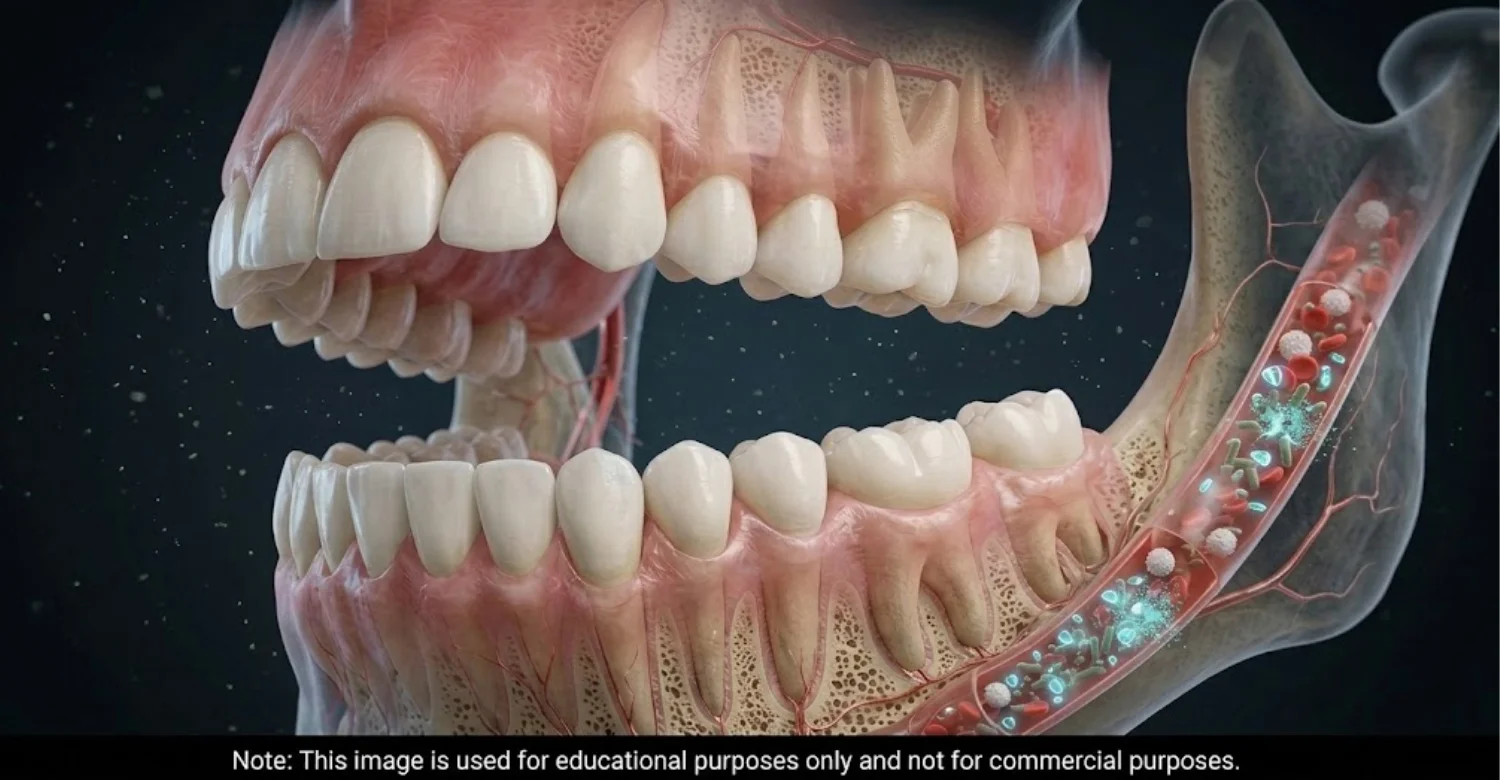
The mouth contains more than 700 bacterial species. Procedures that cut or manipulate gum tissue open small blood vessels. Bacteria then pass briefly into the bloodstream, a state called bacteremia. A 2008 study in Circulation found endocarditis-related bacteremia in about 60 percent of untreated extraction patients. The same study found it in 23 percent of people after simple toothbrushing. Most episodes clear within 30 to 60 minutes in healthy people. The concern arises only when bacteria reach vulnerable heart tissue.
What Is the Difference Between Dental Antibiotic Prophylaxis and Antibiotics for an Existing Dental Infection?
Prophylaxis is a single dose taken before a procedure in a patient without infection. Its purpose is prevention for people with specific high-risk heart conditions. Antibiotics for an existing dental infection treat swelling, abscess, or spreading infection. These courses usually last several days and accompany drainage or tooth treatment. Confusing the two can lead to unnecessary prescriptions or untreated infections.
Does Every Dental Procedure Carry the Same Heart Infection Risk?
No, the risk depends on how much the procedure disturbs gum tissue. Extractions, implant surgery, and deep cleaning release more bacteria than a simple filling. Routine X-rays and anesthetic injections through healthy tissue carry minimal risk. This is why the dentist reviews both the procedure and the heart diagnosis. Dental Antibiotic Prophylaxis and Heart Infection Risk decisions always depend on that pairing.
Why Is Antibiotic Prophylaxis Recommended Only for Certain High-Risk Patients?
In 2007, the AHA narrowed its recommendations after reviewing decades of evidence. Daily chewing and brushing cause far more cumulative bacteremia than occasional dental visits. Antibiotics before treatment may prevent only a very small number of cases. Every prescription also carries a risk of allergy, side effects, and resistance. The 2021 AHA scientific statement confirmed this targeted approach. Experts concluded prophylaxis is justified only where endocarditis outcomes would be most severe. Patients who understand Dental Antibiotic Prophylaxis and Heart Infection Risk can avoid unnecessary antibiotics safely.
.jpg)
.jpg)
.jpg)
.jpg)
Who Needs Antibiotics Before Dental Procedures?
Only patients with specific cardiac conditions and planned higher-risk procedures usually qualify. The AHA lists four main high-risk groups. Each patient still needs an individual assessment by their dentist and cardiologist.
Which Heart Conditions May Require Dental Antibiotic Prophylaxis?
The AHA identifies conditions where endocarditis would cause the most severe outcomes. These groups make up a small share of all heart patients. Your dentist will confirm whether your exact diagnosis appears on this list.
Prosthetic Heart Valves and Prosthetic Material Used for Valve Repair
Patients with mechanical or biological replacement valves are in the highest-risk group. This includes transcatheter valves, such as TAVR, and valve repair rings or artificial cords. Prosthetic valve endocarditis accounts for about 20 to 30 percent of all endocarditis cases. Its mortality can reach 20 to 40 percent, depending on the organism. These patients typically need prophylaxis before qualifying dental procedures.
Previous Infective Endocarditis
Anyone who has had endocarditis before faces a higher risk of another episode. Previous infection often leaves valves scarred and more vulnerable. Studies report recurrence rates of roughly 2 to 6 percent over several years. These patients should mention their history at every dental appointment.
Certain Congenital Heart Conditions
Some people are born with heart defects that increase infection risk. Prophylaxis applies to unrepaired cyanotic congenital heart disease, including palliative shunts and conduits. It also applies for six months after complete repair with prosthetic material or devices. Repaired defects with residual leaks beside prosthetic patches also qualify. Most other congenital conditions do not need antibiotics.
Heart Transplant Recipients With Qualifying Valve Abnormalities
Heart transplant recipients may develop valve problems in the new heart, called cardiac valvulopathy. In these patients, the AHA considers prophylaxis reasonable. Transplant recipients also take immune-suppressing medicines, which raise overall infection risk. Their transplant team should confirm the plan before invasive dental work.
Do Patients With Heart Valve Disease Need Antibiotics Before Dental Treatment?
Most patients with native valve disease, such as stenosis or regurgitation, do not need prophylaxis. Under AHA guidance, native valve disease alone is not a qualifying condition. The exception is a valve replaced or repaired with prosthetic material. European guidance may consider some additional cases individually. Your cardiologist is the best person to clarify where you stand.
Do People With Heart Stents, Pacemakers, or Coronary Artery Disease Need Antibiotics?
Coronary stents, bypass grafts, and coronary artery disease do not require dental prophylaxis. Pacemakers and implantable defibrillators are also excluded under AHA dental guidance. Device infections are usually linked to skin bacteria rather than dental procedures. Patients should still share all device details with their dentist.
Do Patients With Heart Murmurs or Mitral Valve Prolapse Need Prophylaxis?
An innocent heart murmur does not require antibiotics before dental treatment. Mitral valve prolapse, which affects about 2 to 3 percent of people, also does not qualify. Before 2007, many of these patients routinely received antibiotics. Current evidence shows the benefit does not outweigh the risks for them. This change is a key part of modern Dental Antibiotic Prophylaxis and Heart Infection Risk guidance.
Which Dental Procedures May Require Antibiotic Prophylaxis?
The AHA recommends prophylaxis for procedures involving gum tissue, the root tip, or oral lining perforation. These actions release the most bacteria into the bloodstream. The rule applies only when the patient also has a qualifying heart condition.
Tooth Extractions and Oral Surgery
Extractions are among the procedures most likely to cause bacteremia. Surgical wisdom tooth removal, biopsies, and gum surgery also fall into this category. High-risk patients usually receive prophylaxis before these treatments. The dentist may also plan extra steps to reduce bleeding and tissue trauma.
Dental Implant Placement and Procedures Involving Gingival Tissue
Implant placement involves cutting gum tissue and drilling into the jawbone. This makes it a qualifying procedure for high-risk cardiac patients. Bone grafts and sinus lifts follow the same rule. Patients with prosthetic valves should plan implant treatment with both their dentist and cardiologist.
Periodontal Procedures and Scaling That Manipulates Gum Tissue
Deep scaling and root planing work below the gumline, where inflamed tissue bleeds easily. Periodontal surgery and some professional cleanings also manipulate gum tissue. Patients with gum disease may experience more bacteremia because inflamed gums bleed more. Treating gum disease early may lower overall bacterial exposure over time.
When Routine Dental X-Rays, Adjustments, or Noninvasive Procedures Generally Do Not Require Prophylaxis
Many common treatments do not need prophylaxis, even in high-risk patients. These include routine anesthetic injections through non-infected tissue and dental X-rays. Placing or adjusting removable dentures or orthodontic appliances is also excluded. Shedding baby teeth and bleeding from lip trauma do not qualify. Your dentist will explain which steps of your treatment fall into each group.
What Should Patients Tell Their Dentists About Their Heart History?
Patients should share their full heart history, even if it seems minor. Include valve surgery dates, device types, and any previous endocarditis. Mention congenital heart repairs and the materials used, if known. Bring a cardiologist letter if one is available. Clear information makes Dental Antibiotic Prophylaxis and Heart Infection Risk assessment faster and more accurate.
What Are the Current Dental Antibiotic Prophylaxis Guidelines?
Current guidance comes mainly from the AHA, the American Dental Association (ADA), and European and UK bodies. All agree that prophylaxis should be limited and targeted. The details differ slightly between countries.
How Do ADA and AHA Recommendations Guide Antibiotic Use?
The AHA published its major update in 2007 and reaffirmed it in a 2021 scientific statement. The ADA endorses these recommendations for dental practice in the United States. In the UK, NICE has advised against routine prophylaxis since 2008. The 2023 European Society of Cardiology guidelines recommend it for high-risk patients. Following these sources keeps Dental Antibiotic Prophylaxis and Heart Infection Risk decisions consistent and evidence-based.
How Do Dentists Determine Whether a Patient Meets Prophylaxis Criteria?
Dentists start with a detailed medical history and medication review. They match the heart diagnosis against the high-risk categories. They then check whether the planned procedure involves gum tissue or the root tip. If both criteria are met, prophylaxis is usually recommended. When records are unclear, the dentist contacts the cardiologist before proceeding.
What Antibiotic Is Commonly Prescribed Before Dental Treatment?
Amoxicillin is the first-choice antibiotic for most patients. The usual adult dose is 2 grams taken as a single oral dose. Children typically receive 50 mg per kilogram, up to the adult dose. Amoxicillin works well against oral streptococci, the main dental culprits. Your dentist or doctor confirms the exact medicine and dose for you.
When Should the Prescribed Antibiotic Be Taken Before a Dental Procedure?
The AHA advises taking the dose 30 to 60 minutes before the procedure. This timing allows the antibiotic to reach effective blood levels during treatment. Patients should follow the exact time written on their prescription. Taking the dose too early or too late may reduce its protective effect.
What Happens if a Patient Forgets a Prescribed Pre-Procedure Dose?
If the dose is missed, patients should tell the dentist before treatment begins. AHA guidance allows the dose up to two hours after the procedure in that case. This is a backup option, not the preferred plan. The dentist may also choose to reschedule. Patients should never take a double dose to compensate.
What Should Patients With a Penicillin Allergy Discuss With Their Dentist?
About 10 percent of people report a penicillin allergy. However, the CDC estimates fewer than 1 percent are truly allergic. Patients should describe exactly what reaction happened and when. Alternatives include cephalexin, azithromycin, clarithromycin, or doxycycline, depending on the allergy type. Cephalexin should be avoided after anaphylaxis, angioedema, or hives with penicillin. Allergy testing may help some patients remove an incorrect label.
Why Should Patients Never Choose Their Own Antibiotics or Dose?
Antibiotic choice depends on allergies, kidney function, current medicines, and the heart condition. Leftover tablets may be the wrong drug, strength, or quantity. Some antibiotics interact with blood thinners such as warfarin. Self-medication can mask infection symptoms and delay correct diagnosis. Safe Dental Antibiotic Prophylaxis and Heart Infection Risk management always requires a professional prescription.
Clinical Note
Prophylaxis guidance is a framework, not a substitute for individual judgment. Some patients, such as those with ventricular assist devices, need specialist input. When advice differs, the treating cardiologist's view usually guides the final decision. Patients should keep a written record of their recommendation for future visits. This record supports consistent Dental Antibiotic Prophylaxis and Heart Infection Risk planning across clinics.
What Are the Symptoms of Infective Endocarditis?
Endocarditis often starts with vague, flu-like symptoms that are easy to overlook. Fever is present in up to 90 percent of patients. Recognizing early signs is especially important for people with high-risk heart conditions.
What Are the Early Warning Signs of a Heart Infection?
Common early signs include fever, chills, night sweats, and unusual tiredness. Many patients also report aching joints, muscle pain, and reduced appetite. A new or changed heart murmur appears in about 75 to 85 percent of cases. Some people notice small red spots on the skin, eyes, or inside the mouth. Painful red nodules on fingers or toes may also develop.
Can Infective Endocarditis Develop Without Obvious Symptoms at First?
Yes, subacute endocarditis can develop slowly over weeks or months. Symptoms may be mild, such as low-grade fever or general weakness. Older adults may show only confusion or tiredness. Because signs are vague, diagnosis is often delayed. High-risk patients should report any unexplained fever lasting more than a few days.
Which Symptoms May Appear Days or Weeks After Dental Treatment?
Symptoms linked to oral streptococci usually appear within two weeks to three months. Patients may notice repeated fevers, weight loss, or persistent fatigue. Shortness of breath or swollen ankles can signal valve damage. Any of these signs after dental work deserves a medical review. Mention the recent dental procedure to your doctor, as it helps guide testing.
When Should a Patient Seek Emergency Medical Care?
Some symptoms suggest complications that need same-day or emergency assessment. High-risk heart patients should act quickly rather than wait. The following warning signs require urgent medical attention.
Persistent Fever or Chills With a Known High-Risk Heart Condition
A fever lasting more than 48 hours needs urgent medical review in high-risk patients. Shaking chills or night sweats increase the level of concern. Patients should ask for blood cultures before starting any antibiotics. Starting antibiotics first can hide the bacteria and delay diagnosis. Understanding Dental Antibiotic Prophylaxis and Heart Infection Risk includes knowing when fever matters.
New or Worsening Shortness of Breath
Breathlessness may mean an infected valve is leaking and straining the heart. It can also appear with swollen legs or difficulty lying flat. Heart failure develops in roughly 40 to 60 percent of endocarditis patients. This complication is a leading reason for emergency valve surgery. Seek urgent care if breathing worsens suddenly.
Chest Pain, Confusion, Fainting, or Sudden Severe Weakness
These symptoms may signal a stroke, heart rhythm problem, or severe infection. Sudden facial drooping, slurred speech, or weakness on one side needs an ambulance immediately. Confusion in an older high-risk patient should never be dismissed. Call emergency services rather than driving yourself to hospital.
Does a Fever After Dental Treatment Always Mean a Heart Infection?
No, most fevers after dental work have simpler causes. A mild temperature can follow surgery as part of normal healing. Local infection, dry socket, or an unrelated virus are far more common explanations. Still, high-risk patients should not assume fever is harmless. Balanced awareness is central to Dental Antibiotic Prophylaxis and Heart Infection Risk education.
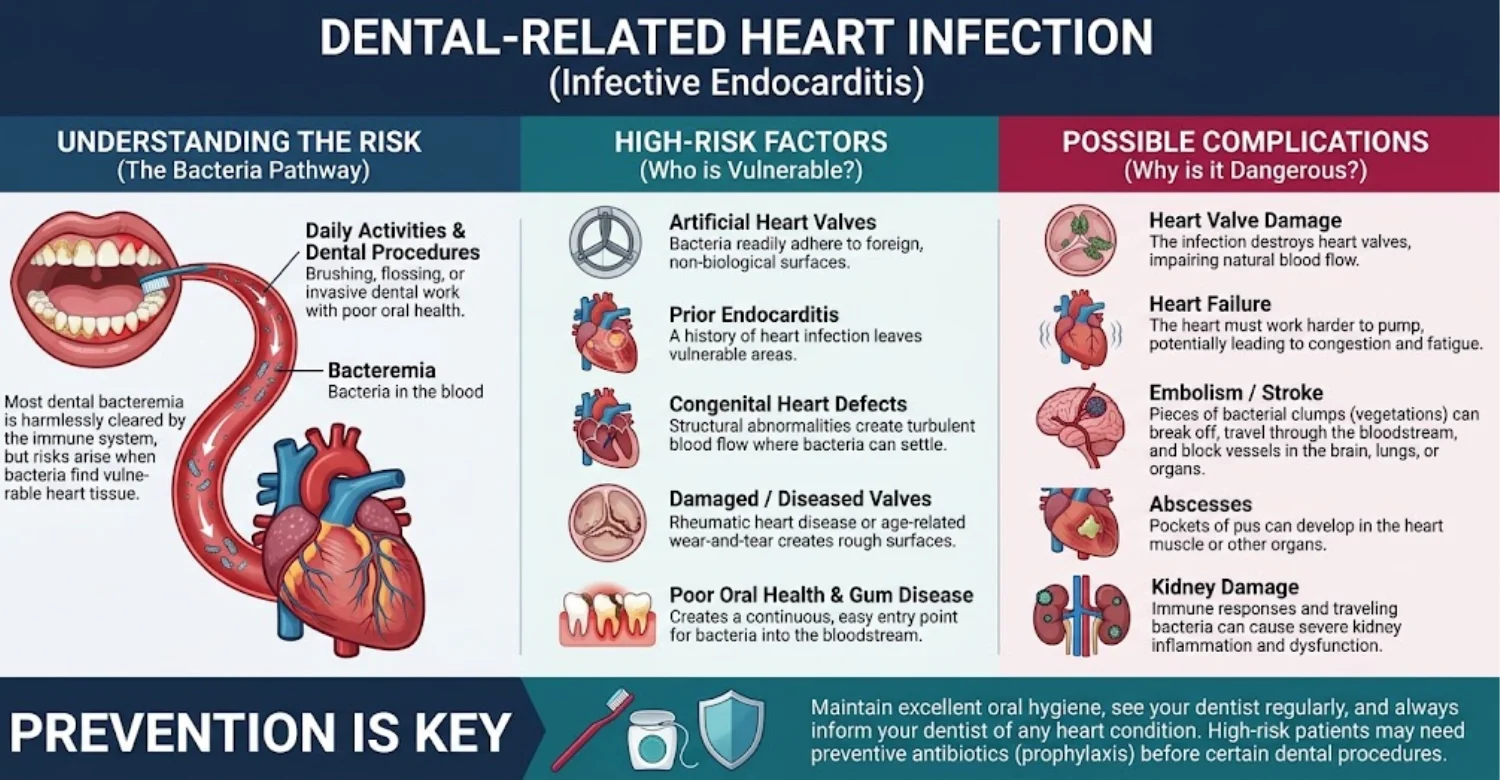
How Do Damaged or Artificial Heart Valves Affect Infective Endocarditis Risk?
Damaged valves create rough surfaces and turbulent blood flow. Bacteria attach more easily to these areas than to healthy tissue. Artificial valves and repair material provide surfaces where bacteria can form protective biofilms. Patients with prosthetic valves have a lifetime endocarditis risk estimated at 1 to 6 percent. This is why Dental Antibiotic Prophylaxis and Heart Infection Risk guidance focuses on these patients.
Can Poor Oral Health and Untreated Dental Infections Increase Bacterial Exposure?
Yes, inflamed gums bleed easily and release bacteria during everyday chewing and brushing. Periodontitis affects about 40 percent of US adults over 30, according to CDC data. Untreated abscesses can also seed bacteria into the blood. Studies show bleeding gums greatly increase the chance of bacteremia after brushing. Good oral health therefore lowers daily bacterial exposure for every heart patient.
Do Everyday Activities Such as Brushing, Flossing, and Chewing Cause Bacteremia?
Yes, everyday activities cause frequent, brief bacteremia. Research estimates daily brushing and chewing produce far greater yearly exposure than a single extraction. Some estimates suggest this cumulative exposure may be millions of times higher. This finding is a key reason guidelines limit antibiotics before dental care. Protecting the gums every day matters more than any single prescription.
What Complications Can Infective Endocarditis Cause?
Endocarditis can harm the heart and other organs through infection and traveling clots. Complications are common, even with prompt treatment. About 40 to 50 percent of patients eventually need heart surgery.
Heart Valve Damage and Heart Failure
Infection can destroy valve leaflets, causing severe leakage. Abscesses may form around the valve and disturb heart rhythm. Heart failure is the most common serious complication and the leading cause of death. Early surgery often improves outcomes when valve damage is severe.
Stroke and Other Embolic Complications
Pieces of infected vegetation can break off and travel through the bloodstream. Embolic events occur in about 20 to 50 percent of patients. Stroke affects roughly 15 to 20 percent of patients with endocarditis. Large or mobile vegetations over 10 millimeters carry the highest risk.
Infection-Related Damage to Other Organs
Infected clots can reach the kidneys, spleen, lungs, or spine. Kidney injury may also result from immune reactions or strong antibiotics. Some patients develop abscesses in distant organs that need drainage. These complications can lengthen hospital stays and recovery time.
Can Antibiotic Resistance and Unnecessary Prescriptions Create Additional Risks?
Yes, unnecessary antibiotics harm patients without adding protection. A 2019 JAMA Network Open study found about 81 percent of dental prophylaxis prescriptions were unnecessary. Dentists write roughly 10 percent of US outpatient antibiotic prescriptions, according to the CDC. Overuse promotes resistant bacteria and infections such as Clostridioides difficile. Responsible Dental Antibiotic Prophylaxis and Heart Infection Risk practice protects both patients and communities. Accurate Dental Antibiotic Prophylaxis and Heart Infection Risk assessment keeps antibiotics effective for those who truly need them.
How Is Infective Endocarditis Diagnosed?
Doctors diagnose endocarditis by combining symptoms, blood cultures, and heart imaging. They use the updated Duke criteria to weigh this evidence. Early diagnosis improves survival and reduces complications.
What Medical History and Symptoms Raise Suspicion of Endocarditis?
Suspicion rises when fever appears in someone with a high-risk heart condition. A recent invasive procedure, including dental surgery, adds to the concern. Doctors also look for new murmurs, skin spots, and signs of embolism. Intravenous drug use and recent hospital devices are other important risk factors. Sharing your full history speeds up the right tests.
Which Blood Tests Help Identify the Bacteria Causing the Infection?
Blood cultures are the most important test for endocarditis. Doctors usually take at least three sets from different sites before antibiotics. Cultures identify the organism in about 85 to 90 percent of cases. Blood tests also check inflammation markers, such as CRP, and kidney function. Results guide the exact antibiotic choice and treatment length.
How Are Echocardiography and Other Imaging Tests Used?
Echocardiography uses ultrasound to look for vegetations and valve damage. Transthoracic echo is usually the first test, performed from the chest wall. Its sensitivity is about 70 percent for native valves and lower for prosthetic valves. Transesophageal echo, passed through the throat, detects over 90 percent of vegetations. It is especially useful for patients with artificial valves.
When Might Additional Imaging or Specialist Assessment Be Necessary?
Some cases remain unclear after echocardiography. Cardiac CT can show abscesses and complex damage around prosthetic valves. PET-CT scans help detect infection around artificial valves and devices. Brain MRI may be used when stroke or embolism is suspected. An endocarditis team of specialists often reviews complicated cases.
How Do Doctors Distinguish Infective Endocarditis From a Routine Dental Infection?
A dental infection usually causes localized pain, swelling, and a visible source. Endocarditis causes systemic signs, positive blood cultures, and findings on heart imaging. Both can cause fever, so careful testing is essential. Doctors may treat the dental source and investigate the heart at the same time. Clear Dental Antibiotic Prophylaxis and Heart Infection Risk records help doctors interpret recent dental events. Good Dental Antibiotic Prophylaxis and Heart Infection Risk communication between dentist and doctor prevents delays.
Ready to transform your smile?
Talk to our team and get a personal FREE treatment plan.
How Is Infective Endocarditis Treated?
Treatment usually involves weeks of high-dose intravenous antibiotics in hospital. Some patients also need heart surgery. Care is led by cardiologists, infectious disease specialists, and cardiac surgeons working together.
Why Does Suspected Infective Endocarditis Require Urgent Medical Assessment?
The infection can destroy a valve within days. Delayed treatment raises the risk of stroke, heart failure, and death. Mortality is higher when diagnosis is delayed or complications develop. Quick blood cultures and imaging allow targeted treatment to start sooner. Patients should never wait to see if symptoms pass.
How Are Antibiotics Selected to Treat a Confirmed Heart Infection?
Doctors choose antibiotics based on the bacteria found in blood cultures. Laboratory testing shows which drugs work best against that organism. Oral streptococci often respond to penicillin or ceftriaxone. Staphylococcus aureus, the most common overall cause, may need different drugs. Combination therapy is common for prosthetic valve infections.
Why May Treatment Require Intravenous Antibiotics and Hospital Care?
Bacteria inside vegetations are hard to reach with low drug levels. Intravenous treatment delivers high, steady antibiotic levels into the blood. Courses usually last four to six weeks, and longer for prosthetic valves. Hospital care allows monitoring of heart function, kidneys, and complications. The 2019 POET trial showed some stable patients can safely switch to oral antibiotics later.
When Is Heart Valve Surgery or Another Intervention Considered?
Surgery is considered for heart failure, uncontrolled infection, or high embolism risk. It may also be needed for abscesses or infected prosthetic valves. Around 40 to 50 percent of patients undergo surgery during treatment. Surgeons repair or replace the damaged valve. Infected pacemaker or defibrillator systems are usually removed completely.
How Does Follow-Up Help Monitor Recovery and Possible Complications?
Follow-up checks for relapse, valve function, and heart failure. Doctors usually repeat echocardiography after treatment ends. Patients must complete a full dental assessment, ideally before discharge. Survivors then become lifelong candidates for prophylaxis under current guidance. Ongoing Dental Antibiotic Prophylaxis and Heart Infection Risk planning helps prevent a second episode. Every survivor should carry written Dental Antibiotic Prophylaxis and Heart Infection Risk instructions to future appointments.
What Are the Side Effects of Dental Antibiotic Prophylaxis?
A single preventive dose is usually well tolerated. Serious reactions are rare but possible. Knowing what to expect helps patients respond quickly and safely.
What Are the Common Side Effects of Preventive Antibiotics?
Most side effects are mild and short-lived. They typically affect the digestive system or skin. A single dose carries much lower risk than a full antibiotic course.
Nausea, Diarrhea, and Abdominal Discomfort
Amoxicillin can irritate the stomach and disturb gut bacteria. Taking it with a small amount of food may reduce nausea. Mild diarrhea after one dose usually settles within a day or two. Severe, watery, or bloody diarrhea needs prompt medical attention.
Skin Rash and Other Possible Allergic Reactions
A mild, itchy rash can appear hours or days after the dose. Hives, which are raised itchy welts, suggest a true allergic reaction. Patients should photograph any rash and report it to their dentist. This record helps doctors decide on future antibiotic choices.
Can a Single Preventive Dose Cause a Serious Reaction?
Yes, but it is very uncommon. A large 2015 UK study reviewed amoxicillin prophylaxis safety data. It found no reported deaths and about 22.6 non-fatal reactions per million prescriptions. Serious reactions are more likely in people with previous drug allergies. Dentists must keep emergency medicines ready when prescribing in a clinic.
What Are the Warning Signs of a Severe Antibiotic Allergy?
Warning signs include swelling of the lips, tongue, or throat. Difficulty breathing, wheezing, or a tight chest are also emergencies. Dizziness, fainting, or a rapid heartbeat may signal anaphylaxis. Widespread hives or blistering skin need urgent assessment. Call emergency services immediately if these symptoms appear.
Why Is Clindamycin No Longer Recommended as a Routine Alternative in AHA Dental Prophylaxis Guidance?
The 2021 AHA statement removed clindamycin as an alternative for penicillin-allergic patients. The main concern is Clostridioides difficile infection, which can cause severe colitis. The same 2015 UK study found 13 fatal and 149 non-fatal clindamycin reactions per million prescriptions. Safer alternatives, such as azithromycin or doxycycline, are now preferred. This update reflects evolving Dental Antibiotic Prophylaxis and Heart Infection Risk evidence.
How Can Unnecessary Antibiotics Contribute to Antimicrobial Resistance?
Every antibiotic dose pressures bacteria to adapt. Resistant strains then spread within families, communities, and hospitals. The WHO lists antimicrobial resistance among the top global public health threats. Resistant infections were linked to about 1.27 million deaths worldwide in 2019. Limiting prescriptions to qualifying patients is a core Dental Antibiotic Prophylaxis and Heart Infection Risk principle.
What Should Patients Do if They Experience Side Effects After a Prescribed Dose?
Mild symptoms can usually be managed with rest, fluids, and light meals. Patients should contact their dentist or pharmacist to report any reaction. Severe or allergic symptoms require emergency care without delay. Ask for the reaction to be added to your medical record. Accurate records improve future Dental Antibiotic Prophylaxis and Heart Infection Risk decisions.
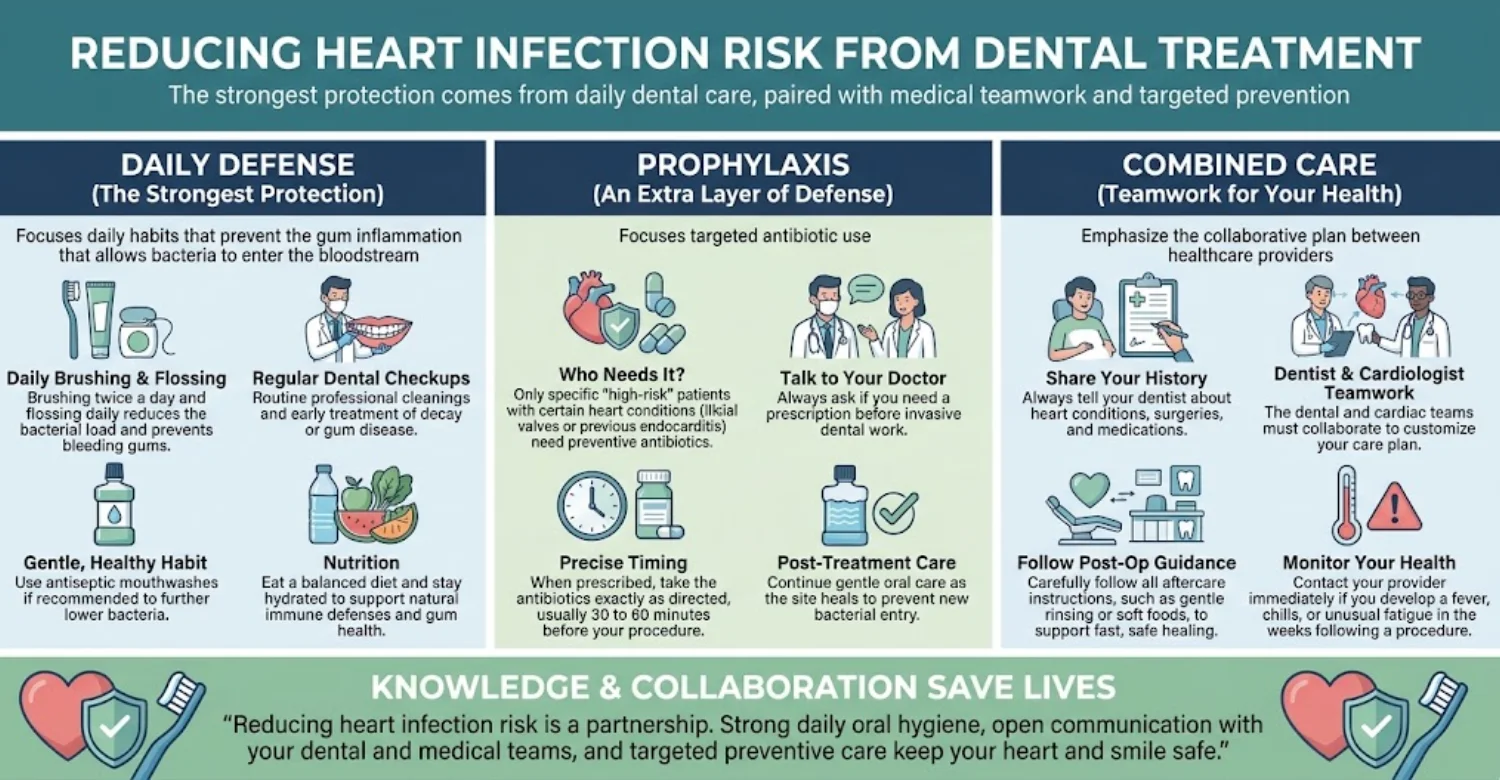
How Does Good Oral Hygiene Help Reduce Exposure to Oral Bacteria?
Healthy gums bleed less, so fewer bacteria enter the blood daily. Brush twice a day for two minutes using fluoride toothpaste. Clean between teeth daily with floss or interdental brushes. Research links plaque buildup and gum bleeding to more frequent bacteremia after brushing. Both the AHA and ESC call oral hygiene more important than antibiotics. Daily care is the foundation of Dental Antibiotic Prophylaxis and Heart Infection Risk prevention.
Why Are Regular Dental Checkups Important for Patients With High-Risk Heart Conditions?
Checkups catch decay and gum disease before they become infections. The ESC advises high-risk patients to see a dentist twice a year. Other patients should follow the schedule their dentist recommends. Early treatment avoids emergency extractions and urgent antibiotic courses. Regular visits also keep your medical history up to date.
How Should Dentists and Cardiologists Coordinate Care Before Invasive Dental Procedures?
The dentist shares the planned procedure, its timing, and expected bleeding. The cardiologist confirms the heart diagnosis and prophylaxis need. Both review blood thinners, antiplatelet drugs, and any recent heart procedures. A written plan reduces confusion on the day of treatment. Coordinated Dental Antibiotic Prophylaxis and Heart Infection Risk care is safer and more efficient.
What Should Patients Do if They Have an Untreated Dental Infection Before Planned Heart Surgery?
Patients should have a dental check before elective valve surgery. Guidelines recommend removing infection sources at least two weeks before surgery when possible. This allows healing before a new valve is implanted. Urgent heart surgery may proceed with dental treatment planned afterward. Your surgical team will confirm the safest sequence.
Can Routine Antibiotics Replace Daily Oral Hygiene and Preventive Dental Care?
No, antibiotics cannot replace brushing, cleaning between teeth, or dental visits. A single dose protects only during one procedure. Daily bacteremia from inflamed gums continues without good hygiene. Repeated antibiotics also raise resistance and side effect risks. Real Dental Antibiotic Prophylaxis and Heart Infection Risk reduction starts at home.
Ready to transform your smile?
Talk to our team and get a personal FREE treatment plan.
What We Notice Clinically
In daily practice, many patients arrive with outdated advice about antibiotics. Some take antibiotics they do not need, while others miss a dose they do need. Clear explanations help patients feel confident and safe.
Why Patients Sometimes Assume Every Heart Condition Requires Antibiotics
Many patients received antibiotics routinely before the 2007 guideline change. Family members or older doctors may still repeat that advice. Patients also worry that any heart problem makes dental work dangerous. In reality, most heart patients do not meet prophylaxis criteria. We explain the change calmly and confirm details with the cardiologist when needed.
Why a Heart Stent, a Pacemaker, and a Prosthetic Heart Valve Are Not Equivalent
A stent sits inside a coronary artery and becomes covered by tissue within weeks. A pacemaker lead runs through veins and is not linked to dental bacteremia risk. A prosthetic valve sits directly in the blood flow where oral bacteria can attach. Only the prosthetic valve qualifies for routine prophylaxis under AHA guidance. Patients often find this comparison reassuring.
Why the Procedure and the Patient's Cardiac Diagnosis Must Be Considered Together
A high-risk patient having a simple X-ray does not need antibiotics. A low-risk patient having an extraction also does not need them. Prophylaxis is considered only when both conditions meet the criteria. This two-part check is the core of Dental Antibiotic Prophylaxis and Heart Infection Risk assessment. It avoids both overtreatment and missed protection.
Why Daily Oral Health Matters Even When Antibiotic Prophylaxis Is Prescribed
Some patients believe the preventive dose protects them for weeks. In fact, it covers only the hours around one procedure. Bleeding gums at home continue to release bacteria daily. We encourage high-risk patients to treat gum disease and keep regular hygiene visits. Healthy gums remain the most effective long-term protection.
Clinical Note
We record each patient's cardiac diagnosis, prophylaxis decision, and the medical source behind it. This avoids repeating questions at every visit and prevents errors. Updated cardiology letters are requested after any new heart procedure. Consistent records make Dental Antibiotic Prophylaxis and Heart Infection Risk planning safer for returning patients.
How Much Does Dental Antibiotic Prophylaxis Cost in the US, UK, and Turkey?
The antibiotic itself is usually inexpensive in all three countries. Most of the cost comes from consultations and any medical clearance. The figures below are typical 2026 planning estimates and vary by clinic and city. The averages shown are calculated from the ranges provided, rather than independently verified national averages.
What Is the Average Cost of a Preventive Antibiotic Prescription Before Dental Treatment?
A standard adult prophylactic dose may involve four 500 mg amoxicillin capsules when this regimen is prescribed. In the US, generic amoxicillin can cost approximately 5–15 for four capsules. In England, an NHS prescription costs $9.90 per item, while NHS prescriptions are free in Scotland, Wales, and Northern Ireland. In Turkey, a pharmacy pack usually costs roughly $3–$8.
Country | Estimated cost range | Average estimated cost |
United States | 5–15 | $10 |
United Kingdom — NHS prescription in England | $9.90 | $9.90 |
United Kingdom — private antibiotic cost estimate | $10–$25 | $17.50 |
Turkey | $3–$8 | $5.50 |
The English NHS prescription charge is a fixed fee per item for patients who are not exempt; it is not the retail price of the medicine. US prices vary by pharmacy and available discounts.
How Much Does a Dental Consultation Cost When Medical Clearance Is Needed?
A dental exam is usually needed to plan treatment and determine whether prophylaxis is appropriate. Costs rise if a cardiologist's letter or appointment is required. Some patients may need only a review of existing records, while others require a separate specialist consultation.
United Kingdom
From $27.90
Dental consultation
Fixed fee $27.90
Private dental consultation
Average $85
Range $50–$120
The NHS Band 1 charge in England has been $27.90 since 1 April 2026 and includes examination and diagnosis, with X-rays when necessary. Private fees vary between clinics.
Average Cost Comparison: US vs UK vs Turkey
The following table compares the estimated average costs of the main components. Figures remain in local currencies to avoid misleading comparisons based on exchange-rate fluctuations.
United Kingdom
From $9.90
Average cost
Dental exam or consultation $85
private $27.90 NHS England
Preventive antibiotic or prescription $17.50
private $9.90 NHS England
Cardiology consultation, if needed $225 private
Turkey
From $5.50
Average cost
Dental exam or consultation $40
Preventive antibiotic or prescription $5.50
Cardiology consultation, if needed $100
United States
From $10
Average cost
Dental exam or consultation $125
Preventive antibiotic or prescription $10
Cardiology consultation, if needed $350
Average figures are planning estimates based on the ranges provided. The UK figures distinguish private fees from NHS charges in England. Not every patient needs all three services.
United States: Private Consultation and Prescription Costs
US patients usually pay the highest consultation fees. A dental consultation is estimated at an average of $125 based on the range above, while the antibiotic may cost around $10 for the required dose. Specialist appointments, imaging, or additional tests can increase the total when clinically necessary. Insurance coverage varies by plan.
Expense | Estimated range | Average estimated cost |
Dental consultation | 50–200 | $125 |
Amoxicillin prophylaxis dose | 5–15 | $10 |
Cardiology consultation, if needed | 200–500 | $350 |
United Kingdom: NHS and Private Dental Assessment Costs
From 1 April 2026, the NHS Band 1 charge in England is $27.90. The Band 2 charge is $76.60, and the Band 3 charge is $332.10. Private dental assessments typically cost $50–$120 according to the estimates above. Patients should confirm whether prescription charges apply and whether they qualify for an exemption.
NHS England
From $9.90
Fixed NHS charges
NHS Band 1 assessment $27.90
NHS prescription charge $9.90
Private
From $17.50
Average estimated cost
Private dental consultation $85 $50–$120
Private antibiotic cost $17.50 $10–$25
Cardiology consultation, if needed $225 $150–$300
Turkey: Private Dental Assessment and Prescription Costs
Private Turkish clinics may include consultations in a wider treatment package. Based on the estimates provided, the average dental consultation costs $40, and the estimated antibiotic cost is $5.50. A private cardiology appointment may add approximately $100. International patients should bring complete cardiac records and confirm any required medical clearance before travelling.
Dental consultation
$40
Average estimated cost.
Average $40
Estimated range $20–$60
Preventive antibiotic
$5.50
Average estimated cost
Average $5.50
Estimated range$3–$8
Cardiology consultation, if needed
$100
Average estimated cost
Average$100
Estimated range$50–$150
What Factors Affect the Total Cost?
The total depends on medical complexity rather than the antibiotic itself. Three factors usually make the biggest difference.
Consultation Fees and Medical Clearance
Fees vary by country, city, and clinic type. Patients with clear medical records may not need an additional appointment. Complex cardiac histories may require formal cardiology advice, which can increase the overall cost.
Prescription and Pharmacy Charges
Generic antibiotics are usually inexpensive, but prices vary by country, pharmacy, and prescription arrangements. Alternative antibiotics may have different costs and must be selected by the treating clinician when appropriate. Insurance and national health systems also affect what patients pay.
Additional Tests or Specialist Appointments When Clinically Necessary
Blood tests, ECGs, or echocardiograms are ordered only when clinically indicated. An echocardiogram in the US may cost approximately 1,000–3,000 without insurance, giving an estimated midpoint of $2,000.
Additional investigation | Estimated cost range | Average estimated cost |
Echocardiogram in the US, if required | 1,000–3,000 | $2,000 |
These additional investigations are not routine requirements for every patient receiving Dental Antibiotic Prophylaxis and Heart Infection Risk assessment. The need for tests and preventive antibiotics should be determined by the patient's medical history and current clinical guidelines.
Does Dental Antibiotic Prophylaxis Cost More When Combined With an Extraction or Dental Implant Procedure?
The antibiotic cost stays the same whatever the procedure. However, surgical procedures may need extra planning visits or medication reviews. Patients on blood thinners may need coordination with their doctor. Implants and extractions also carry their own separate treatment fees.
How Can Patients Request an Itemised Treatment Estimate Before Their Appointment?
Ask the clinic for a written estimate listing each fee separately. Request details on consultation, imaging, procedure, medicines, and follow-up costs. Ask whether a cardiology letter is required and who arranges it. Clear estimates make Dental Antibiotic Prophylaxis and Heart Infection Risk planning easier to budget.
What Should a Cost Comparison Include?
A fair comparison includes consultation, imaging, procedure, medicines, and aftercare. International patients should add travel, accommodation, and follow-up costs. Check whether medical clearance is included or charged separately. Comparing complete packages gives a truer picture of Dental Antibiotic Prophylaxis and Heart Infection Risk costs.
Tips for Patients: Preparing for Dental Treatment With a Heart Condition
Good preparation makes appointments safer and quicker. Bring clear information and follow your medical team's instructions. These tips cover what to share, what to take, and what to avoid.
What Medical Information Should Patients Bring to a Dental Appointment?
Accurate records help the dentist make the right decision the first time. Keep copies on your phone and in paper form.
Heart Diagnosis, Valve Replacement Details, and Previous Endocarditis
Bring your exact diagnosis, surgery dates, and valve or repair type. Note whether the valve is mechanical, biological, or transcatheter. Include any history of endocarditis and when it happened. A discharge summary or cardiology letter is ideal.
Current Medicines, Antibiotic Allergies, and Previous Drug Reactions
List every medicine, including blood thinners, supplements, and herbal products. Describe any previous antibiotic reaction in detail, including timing and symptoms. Mention kidney or liver conditions that affect drug choice. This information prevents interactions and repeated allergic reactions.
Contact Details for the Cardiologist or Treating Physician
Share the name, clinic, phone number, and email of your cardiologist. Give the dentist permission to contact them if questions arise. Quick communication avoids postponed treatment. Overseas patients should arrange this contact before travel.
What Should Patients Do Before Taking a Prescribed Preventive Antibiotic?
Check the medicine name, dose, and timing on the label. Confirm the prescriber knows about your allergies and current medicines. Set a phone reminder for 30 to 60 minutes before the appointment. Take the dose with water and, if advised, a light snack.
What Should Patients Do if They Miss the Prescribed Dose?
Tell the dentist as soon as you arrive. Guidance allows the dose up to two hours after the procedure. The dentist will decide whether to proceed or reschedule. Never double the dose or take extra tablets later.
Should Patients Stop Blood Thinners or Other Heart Medicines Before Dental Work?
No, patients should never stop heart medicines without medical advice. Stopping anticoagulants can increase stroke or clot risk. Many extractions can proceed safely while patients continue warfarin or newer anticoagulants. Warfarin users may need an INR test within 24 to 72 hours beforehand. Your doctor and dentist will agree on any timing changes.
How Can Patients Maintain Oral Hygiene Without Irritating Their Gums?
Use a soft-bristled or electric toothbrush with gentle pressure. Choose interdental brushes sized correctly for your gaps. Avoid aggressive scrubbing near healing sites after surgery. Alcohol-free mouthwash may help when brushing is temporarily difficult. Ask your hygienist to demonstrate techniques suited to your gums.
What Should Patients Avoid When Using Antibiotics?
Safe antibiotic use protects both your heart and your future treatment options. Avoid these common mistakes.
Taking Leftover Antibiotics Without Medical Advice
Leftover tablets may be expired, the wrong drug, or the wrong amount. They may also hide symptoms that need proper diagnosis. Return unused antibiotics to a pharmacy for safe disposal.
Doubling a Dose Without Professional Guidance
Extra doses do not provide extra protection. They increase the risk of nausea, diarrhea, and allergic reactions. Follow the prescription exactly as written.
Ignoring Allergy Symptoms or Significant Side Effects
Rash, swelling, or breathing trouble must never be ignored. Seek urgent care for severe symptoms. Report all reactions so your records stay accurate. Accurate records strengthen Dental Antibiotic Prophylaxis and Heart Infection Risk safety at future visits.
Ready to transform your smile?
Talk to our team and get a personal FREE treatment plan.
Medical Tips and Relief: What Can Patients Safely Do Before and After Dental Treatment?
Simple steps can ease discomfort and support healing. Heart patients should check medicines with a doctor or pharmacist first. Antibiotics should never replace proper dental treatment.
How Can Patients Reduce Dental Discomfort Before Their Appointment?
Rinse gently with warm salt water to soothe sore gums. Avoid very hot, cold, or sugary foods if teeth are sensitive. A desensitizing toothpaste may reduce sharp sensitivity within a few weeks. Tell your dentist about anxiety, as calming options are often available.
Which Oral Hygiene Measures Can Help Reduce Gum Inflammation and Bacterial Plaque?
Brush twice daily and clean between teeth once a day. Studies show interdental cleaning can reduce gum bleeding significantly within weeks. Replace your toothbrush every three months. Limit sugary snacks and drinks between meals. Professional cleaning removes hardened tartar that brushing cannot.
What Should Patients Do if They Develop Tooth Pain or Gum Swelling Before Planned Dental Work?
Contact your dentist promptly rather than waiting for the planned date. Swelling may signal an abscess that needs earlier treatment. Mention your heart condition when booking an urgent appointment. Seek emergency care if swelling spreads to the eye, neck, or affects swallowing.
Why Should Patients With High-Risk Heart Conditions Seek Prompt Assessment for a Suspected Dental Infection?
Dental infections can release large numbers of bacteria into the blood. High-risk patients are more vulnerable to these bacteria settling on heart tissue. Early drainage or treatment removes the source quickly. Delays can turn a simple infection into a hospital admission. Prompt care is central to Dental Antibiotic Prophylaxis and Heart Infection Risk prevention.
Which Pain-Relief Medicines Should Heart Patients Discuss With Their Doctor or Pharmacist?
Paracetamol, also called acetaminophen, is often the first choice for heart patients. Ibuprofen and other NSAIDs can raise blood pressure and worsen heart failure. NSAIDs also increase bleeding risk with blood thinners. Aspirin for pain may interact with prescribed antiplatelet drugs. Always confirm the safest option with your pharmacist.
Why Should Patients Never Use Antibiotics as a Substitute for Treating the Source of Dental Pain?
Antibiotics do not fix decay, cracked teeth, or inflamed nerves. Most toothache comes from problems that need dental treatment. Antibiotics alone may delay care and allow infection to return. The ADA advises against antibiotics for most toothaches without spreading infection. Treating the source is safer and more effective.
At Vitrin Clinic: How Is Dental Treatment Planned for Patients With Heart Conditions?
At Vitrin Clinic, heart patients receive a structured review before any invasive treatment. Our team follows current international guidance and confirms decisions with the patient's medical team. Safety and clear communication guide every step.
How Does Vitrin Clinic Review a Patient's Medical and Dental History Before Treatment?
We begin with a detailed medical questionnaire and medication list. Our dentists review cardiac records, allergy history, and previous dental treatment. Patients can send documents securely before their visit. Missing details are clarified before treatment planning begins. This review forms the basis of every Dental Antibiotic Prophylaxis and Heart Infection Risk decision we make.
How Are the Planned Dental Procedure and Relevant Cardiac Risks Evaluated?
We assess whether each planned step involves gum tissue, the root tip, or surgery. We then match those steps against the patient's confirmed cardiac diagnosis. Blood thinners and bleeding risk are reviewed at the same time. Treatment may be staged to reduce the number of invasive sessions.
When May Consultation With a Cardiologist Be Needed Before Invasive Dental Treatment?
We contact the cardiologist when the diagnosis or device type is unclear. Consultation is also needed after recent heart surgery or a new valve. Patients on complex anticoagulant plans may need specialist input. Patients with previous endocarditis always receive coordinated planning.
How Is the Need for Antibiotic Prophylaxis Confirmed With the Appropriate Medical Team?
We share the planned procedure and timing with the treating physician. The cardiologist confirms whether prophylaxis is indicated and suitable for any allergies. The final recommendation is recorded clearly in the patient's file. Patients receive written instructions on the medicine, dose, and timing.
How Are Treatment Options, Medication Considerations, and Expected Costs Explained Before Care Begins?
Patients receive a written plan explaining each recommended treatment. We discuss benefits, risks, alternatives, and any medicine changes. An itemised estimate lists consultation, procedure, medicine, and follow-up costs. Patients have time to ask questions before agreeing to treatment.






How Vitrin Clinic Supports Your Treatment Journey
International patients need careful coordination before and after travel. Our team supports each stage of the process. The aim is safe, predictable care from first contact to follow-up.
Coordinating Consultation and Medical Information Before Travel
We request cardiac records, medication lists, and recent dental images before travel. Our dentists review them and flag any missing information. Patients know in advance whether a cardiology letter is required. This avoids delays after arrival.
Arranging Appropriate Dental Assessment and Clinically Indicated Imaging
Each patient receives a full clinical examination on arrival. Imaging, such as panoramic X-rays or 3D scans, is taken only when needed. Results guide accurate diagnosis and treatment planning. Images can be shared with the patient's home dentist.
Creating a Personalized Treatment Plan Based on Oral Findings and Medical Clearance
The plan combines oral findings with confirmed medical advice. Treatment order may change to prioritize infection control. Invasive steps are scheduled only after medical clearance is confirmed. Patients receive a clear timeline for each stage.
Coordinating Appointments Around the Patient's Confirmed Medical Requirements
Appointments are timed around prophylaxis doses and medication schedules. Surgical sessions may be grouped to limit repeated antibiotic exposure. Morning appointments are often preferred for patients on anticoagulants. Rest days are planned between longer procedures when needed.
Explaining Aftercare Instructions, Follow-Up Arrangements, and When to Seek Further Medical Advice
Patients receive written aftercare instructions before leaving the clinic. We explain warning signs such as persistent fever or spreading swelling. Follow-up can be arranged in person or remotely. Patients know exactly when to contact us, their cardiologist, or emergency services.
Ready to transform your smile?
Talk to our team and get a personal FREE treatment plan.
Key Takeaways about Dental Antibiotic Prophylaxis and Heart Infection Risk
Antibiotics are not necessary for every dental patient. Dental antibiotic prophylaxis is recommended only for specific patients at the highest risk of serious complications from infective endocarditis.
Certain heart conditions require special precautions. Patients with artificial heart valves, a history of infective endocarditis, or certain congenital heart conditions may need preventive antibiotics before specific invasive dental procedures.
The cost depends on the patient's needs. Expenses may include the dental consultation, prescription, and cardiology assessment when clinically necessary. Antibiotics are generally inexpensive compared with specialist appointments.
Medical history matters. Patients should inform their dentist about heart conditions, medication use, and antibiotic allergies. The treating dental and medical professionals can determine whether prophylaxis is appropriate.
Good oral hygiene remains essential. Regular dental check-ups, brushing, and flossing help reduce oral bacteria and support the prevention of infective endocarditis. Preventive antibiotics do not replace good oral health.
Who May Benefit From Dental Antibiotic Prophylaxis?
Prophylaxis mainly benefits patients with prosthetic valves or valve repair material. It also applies after previous endocarditis and certain congenital heart conditions. Heart transplant recipients with valve problems may also qualify. Most other heart patients do not need antibiotics.
Why Are Medical History and Procedure Type Important?
Both the heart diagnosis and the procedure must meet the criteria. A high-risk patient having an X-ray needs no antibiotics. Accurate history is the foundation of Dental Antibiotic Prophylaxis and Heart Infection Risk planning.
How Can Good Oral Hygiene Help Reduce Heart Infection Risk?
Daily brushing and cleaning between teeth reduce bleeding and bacterial exposure. Healthy gums lower the bacteremia caused by chewing and brushing. Regular checkups catch problems early.
What Side Effects and Warning Signs Should Patients Recognize?
Mild nausea or diarrhea can follow a dose. Swelling, hives, or breathing trouble require emergency care. Persistent fever after dental work needs medical review.
When Should Patients Contact a Dentist, Cardiologist, or Emergency Medical Service?
Contact your dentist for pain, swelling, or questions about treatment. Contact your cardiologist for prophylaxis or medication decisions. Call emergency services for chest pain, stroke signs, or severe allergic reactions.
How Does the Vitrin Clinic Plans Dental Care Around Your Medical Needs?
Our dental treatments at Vitrin Clinic are planned around each patient's medical history and individual needs. Before invasive procedures, our team reviews heart conditions and coordinates with cardiologists when necessary to determine whether antibiotic prophylaxis is indicated. Patients receive personalised treatment plans, transparent costs, and detailed aftercare instructions. Our approach to Dental Antibiotic Prophylaxis and Heart Infection Risk prioritises patient safety at every stage. Contact our team to begin your personalised assessment.
Sources
FAQs
Dr. Rifat Alsaman has more than 5 years of clinical experience in dentistry and currently serves as the Head of the Medical Team at Vitrin Clinic. He is dedicated to providing exceptional patient care, overseeing treatment planning, and ensuring the highest clinical standards across the team. His expertise, attention to detail, and commitment to continuous professional development have helped countless patients achieve healthier, more confident smiles.


