Endodontics
June 4, 2026
What Is an Apico Dental Procedure and How Can It Save Your Tooth?
 Dr. Rifat Alsaman
When a persistent infection threatens a root-canaled tooth, patients often fear extraction. Fortunately, modern endodontic surgery offers an effective alternative. An apico dental procedure is a minor surgical treatment. It targets the tooth root tip, removes infected tissue, and seals the area to stop bacteria. Understanding what an apicoectomy is helps patients make confident decisions. Rather than losing a tooth, many patients find lasting relief through this treatment. This comprehensive guide covers everything you need to know.
What is Apicoectomy Procedure
The apicoectomy procedure is a targeted surgical intervention. A dental specialist performs it when root canal therapy fails to resolve an infection. During treatment, the dentist accesses the bone near the root. They remove the infected root tip (apex) and seal the end with biocompatible material. Commonly known as an apico dental procedure, it preserves teeth that might otherwise require extraction. The process uses local anesthesia to ensure patient comfort. It typically takes place in a specialized endodontic practice.
Defining Apico Root Canal Treatment
To define apicoectomy clearly: it is an endodontic surgical procedure. It addresses persistent root tip infection when non-surgical treatments fail. The apico root canal treatment goes beyond standard therapy by accessing periapical tissue directly. Unlike a conventional root canal, which works downward from the crown, this treatment works through a small gum incision. This approach is highly effective for complex cases, such as calcified or missed canals. Understanding what an apicoectomy is helps patients value this tooth-saving technique.
Common Reasons a Dental Apicoectomy Procedure Is Needed
A dental apicoectomy procedure is a carefully considered treatment step. Dentists perform it when other interventions prove insufficient. Understanding the clinical reasons helps patients decide if an apico dental procedure is right for them. Dentists evaluate teeth using digital X-rays and 3D CBCT imaging before recommending surgery. Proceeding with apicoectomy treatment shows a commitment to preserving the natural tooth. Knowing these reasons helps patients discuss options confidently with their dental team.
Persistent Infection After Root Canal
A persistent infection after a root canal is a top reason for surgery. Bacteria can survive deep in canal branches that standard tools cannot reach. This lingering infection causes recurring pain, swelling, or abscess formation. The apicoectomy procedure directly removes the infected root tip and surrounding tissue. This eliminates the bacterial source that non-surgical care missed. Patients with repeated flare-ups are often ideal candidates for this targeted intervention.
Tooth Anatomy Challenges
Certain teeth have unusually curved, narrow, or calcified root canals. These structural challenges make standard root canal therapy difficult or impossible to complete. In these cases, the dental apicoectomy procedure offers an effective alternative. Bypassing internal barriers, the surgeon accesses the root tip through a small gum incision. This makes the treatment valuable for patients facing treatment failure or tooth loss.
Trauma or Injury to the Tooth
Dental trauma from sports, accidents, or falls can damage the root tip. Left untreated, it can cause cysts, abscesses, or progressive bone loss. In such cases, surgical intervention is necessary to remove damaged tissue. The apicoectomy tooth treatment addresses the specific area while preserving healthy tooth structure. This precision is ideal when the broader tooth remains strong and worth saving.
Step-by-Step Guide to Apicoectomy Surgery
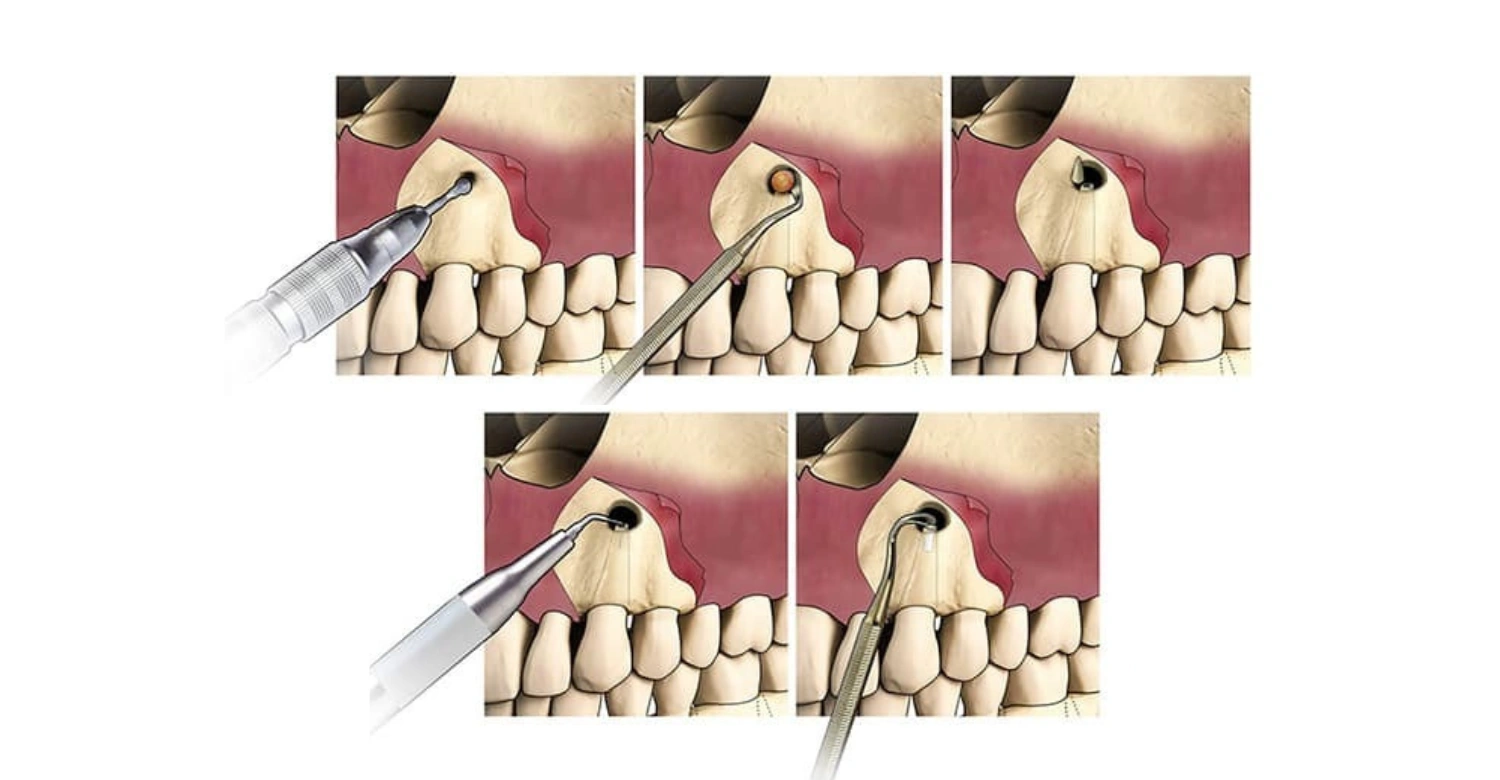
Understanding what happens during apicoectomy surgery helps reduce patient anxiety. An endodontist or oral surgeon typically performs the apico dental procedure. They use local anesthesia and modern microsurgical techniques to minimize discomfort. Each step follows a clear protocol prioritizing safety, accuracy, and long-term success. Patients should ask questions before their appointment to ensure a smooth, well-supported experience.
Preparing for Your Apicoectomy Dental Treatment
Proper preparation is essential for successful apicoectomy dental treatment. Your dental team will review your medical history, imaging, and current medications. Dentists may prescribe antibiotics or anti-inflammatory drugs before surgery. Arranging transportation is advised, as local anesthesia can briefly affect coordination. Eat a light meal beforehand unless instructed otherwise. Getting a good night's rest helps ensure a smooth treatment experience.
The Surgical Process Explained
The apico dental procedure starts with local anesthesia to ensure complete comfort. Once the area is numb, the surgeon creates a small, precise incision in the gum. They carefully remove a tiny section of bone to access the root tip. The surgeon trims the infected root tip and cleans away diseased tissue. Next, they clean the canal end using ultrasonic tools and seal it with biocompatible material. Finally, the gum incision is sutured closed. Surgery usually takes 30 to 90 minutes.
Recovery Timeline and Aftercare
Recovery after root-end surgery is generally fast and manageable. Mild swelling and discomfort are common for 3 to 5 days. You can easily manage these symptoms with prescribed or over-the-counter medication. Applying a cold compress during the first 24 hours reduces swelling significantly. Patients should eat soft foods and avoid strenuous activity during initial healing. A follow-up visit is scheduled in 1 to 2 weeks to monitor healing. Complete bone regeneration may take several months.
Benefits and Expected Results of Apico Dental Procedures
The benefits of an apico dental procedure go beyond removing infection. This treatment restores comfort and preserves the natural tooth for years. When performed by a specialist, patients avoid extraction and expensive implants or bridges. Clinical research shows high success rates for this microsurgery. The advantages include an improved quality of life and significant long-term cost savings.
Saving Natural Teeth vs. Extraction
Saving a natural tooth is a major benefit of the apicoectomy treatment. Natural teeth maintain jawbone density and keep neighboring teeth aligned. They also provide superior chewing function over a lifetime. The treatment removes only the diseased root tip, leaving the tooth intact. Compared to implants, this procedure is often a faster, more cost-effective solution.
Pain Relief and Infection Control
Chronic tooth pain and recurring infections severely impact daily life. The apico dental procedure resolves the underlying cause by removing infected tissue. It seals the root canal end to prevent re-infection. Unlike temporary medications, apicoectomy treatment addresses the root problem directly. Most patients experience complete pain relief once healed. Maintaining good oral hygiene ensures lasting infection control.
Before and After: What Patients Can Expect
Before surgery, patients often suffer from aching pain or gum swelling. X-rays typically reveal a dark shadow near the root tip, indicating bone loss. After a successful apico dental procedure, symptoms rapidly improve. Patients enjoy restored chewing function and complete comfort. Follow-up X-rays at 6 to 12 months usually confirm healthy bone regeneration around the root.
Apicoectomy Tooth Care and Preventive Advice
Proper care after surgery is essential for long-term treatment success. The surgical procedure removes infection, but sustained health requires good habits. Investing time in post-surgical care leads to better long-term outcomes. Preventive advice combines daily home care with regular dental check-ups. These steps protect your investment and lower the risk of future complications.
Maintaining Oral Hygiene After Surgery
Careful oral hygiene after an apico dental procedure supports quick healing. Avoid brushing directly over sutures for the first few days. Instead, rinse gently with an antiseptic or warm saline solution. After one week, resume gentle brushing with a soft toothbrush. An antibacterial mouthwash helps keep the area clean. Proper hygiene protects the long-term success of your treatment.
Foods and Habits to Support Healing
Dietary choices directly affect recovery after surgery. Choose soft, nutrient-dense foods like yogurt, soups, eggs, and smoothies. Vitamin C promotes gum healing, while vitamin D and calcium support bone strength. Avoid smoking completely, as it restricts blood flow and increases infection risk. Eliminate alcohol during recovery, especially when taking antibiotics.
Regular Dental Check-Ups and Monitoring
Follow-up check-ups after surgery are essential. The first appointment occurs 1 to 2 weeks post-surgery to check healing and remove sutures. Visits at 6 and 12 months evaluate bone regeneration using X-rays or CBCT scans. Regular monitoring allows early detection of potential issues. Ongoing check-ups ensure long-term stability and overall oral health.
Why Choose Expert Clinics for Apicoectomy Treatment
Clinic quality and surgeon expertise directly influence treatment success. Not all clinics possess the specialized equipment required for precision surgery. An apico dental procedure performed by an experienced endodontist yields predictable outcomes. Evaluate clinics based on experience, imaging technology, and safety standards. Choosing the right specialist is critical for a successful recovery.
The Role of Technology in Precision Apico Procedures
Advanced technology has transformed the modern root surgery. CBCT imaging provides clear 3D views of roots and surrounding bone before surgery. High-powered dental microscopes allow surgeons to work with incredible accuracy. Ultrasonic instruments ensure precise root-end preparation with minimal tissue trauma. These tools raise success rates and shorten patient recovery times.
Experienced Dental Surgeons and Specialized Care
Surgeon skill is a major factor in endodontic surgery success. Endodontists undergo specialized training focused on root pathology and microsurgery. They understand complex root anatomy, biocompatible materials, and surgical protocols. This expertise leads to precise treatment and lower complication rates. Choosing a specialist over a general practitioner ensures superior care.
Case Studies and Patient Success Stories
Real-world outcomes highlight the effectiveness of the apico dental procedure. Documented case studies show patients saving teeth that seemed lost. Follow-up imaging frequently confirms complete bone regeneration and symptom relief. Many patients sought second opinions before choosing surgery over extraction. These success stories offer confidence to those facing similar dental decisions.
Spotlight on Vitrin Clinic
Vitrin Clinic is a top choice for expert apicoectomy treatment in Turkey. The clinic serves both local patients and international medical tourists. Featuring skilled endodontists, Vitrin Clinic offers advanced diagnostic imaging and microsurgical care. Every patient receives a tailored treatment plan from consultation to recovery. Vitrin Clinic’s dedication to excellence makes it a trusted destination for dental care.
Advanced Apicoectomy Dental Treatment at Vitrin
At Vitrin Clinic, endodontic specialists perform every root treatment. The clinic uses dental microscopes, 3D CBCT imaging, and ultrasonic tools. Every treatment plan is tailored to individual tooth anatomy and infection severity. This personalized clinical approach ensures high-quality outcomes exceeding international standards.
State-of-the-Art Facilities and International Expertise
Vitrin Clinic features modern facilities equipped for advanced apicoectomy surgery. Digital imaging provides high diagnostic clarity in sterile surgical environments. The clinic attracts patients worldwide by offering world-class care at competitive prices. International coordinators assist with travel logistics, translation, and scheduling. Vitrin Clinic delivers a seamless experience for dental tourism patients.
Patient-Friendly Experience and Personalized Care
Vitrin Clinic ensures patients feel comfortable and informed throughout treatment. Specialists explain every stage of the apico dental procedure clearly. Multilingual staff members support international visitors at every step. Tailored aftercare plans help guide patients through a smooth recovery. At Vitrin Clinic, patient well-being remains the highest priority.
Apicoectomy vs. Dental Implants: Evaluating Your Options After a Failed Root Canal
When a root canal fails, patients choose between an apicoectomy or an implant. Choosing the right path depends on tooth structure and bone loss. An apicoectomy preserves your natural root and offers quick recovery. Conversely, implants are better for severely fractured teeth.
Comparing Long-Term Success Rates
Both apicoectomy surgery and dental implants show high success rates (85–95%). The best choice depends on your specific clinical situation.
What to Do If Root Canal Fails: Next Steps to Consider
If a root canal fails, schedule a CBCT evaluation promptly. Early intervention preserves more treatment options for your tooth.
When Is an Apicoectomy Surgery Not Recommended?
The surgical treatment is effective, but it is not suitable for everyone. Knowing contraindications helps set realistic treatment expectations.
Local and Structural Contraindications
Apicoectomy surgery is not recommended for severely fractured roots or poor bone support. Limited surgical access near nerves can also rule out this procedure.
Systemic Health Considerations
Uncontrolled diabetes or radiation therapy may require delaying surgery. A detailed diagnostic workup confirms whether you are a suitable candidate.
Materials Used to Secure the Root End
A critical step in an apicoectomy is placing a retrograde root seal. Modern filling materials have significantly improved procedure success rates.
MTA and Bioceramic Sealers
MTA is a widely used material known for supporting bone regeneration. Bioceramic sealers offer similar biocompatibility with faster setting times.
Why Material Choice Matters for Long-Term Success
Modern MTA and bioceramics have replaced older materials like amalgam. Quality material selection ensures long-term treatment durability.
Vitrin Clinic: A Trusted Destination for Apicoectomy Care
Vitrin Clinic focuses on minimally invasive endodontic microsurgery. Every case receives personalized evaluation backed by advanced imaging.
Clinical Standards at Vitrin Clinic
At Vitrin Clinic, apicoectomy procedures follow strict surgical protocols. This ensures high predictability and safety for all patients.
Diagnostic and Surgical Technology
The clinic uses CBCT scans, microscopes, and ultrasonic instruments. This technology provides precise treatment for complex cases.
What We Notice Clinically
According to Dr. Rifat Alsaman, remaining tooth structure dictates treatment viability. Preserving healthy bone is essential before attempting surgery.
Insights from the Vitrin Clinic Medical Team
"Patients benefit most when seeking early treatment," notes Dr. Rifat Alsaman. Thorough diagnostics guide every clinical decision at Vitrin Clinic.
Clinical Note
Every case is unique. Factors like bone density and health influence final results. Individual evaluations ensure optimal treatment planning.
Tips for the Patients
Simple care steps before and after surgery ensure smooth recovery.
Before Your Apicoectomy
Share your full medical history with your dental team.
Ask if your case is suitable for an apicoectomy.
Arrange transportation after your appointment.
Eat a light meal beforehand unless instructed otherwise.
After Your Apicoectomy
Avoid direct brushing over the surgical site initially.
Eat soft, nutrient-rich foods during initial recovery.
Avoid smoking and alcohol while taking medications.
Attend all scheduled follow-up visits.
References
The Apico Dental Procedure is a key tooth-saving option. PMC studies emphasize proper planning to support natural tooth healing.
https://pmc.ncbi.nlm.nih.gov/articles/PMC11175566/
FAQs
Dr. Rifat Alsaman has more than 5 years of clinical experience in dentistry and currently serves as the Head of the Medical Team at Vitrin Clinic. He is dedicated to providing exceptional patient care, overseeing treatment planning, and ensuring the highest clinical standards across the team. His expertise, attention to detail, and commitment to continuous professional development have helped countless patients achieve healthier, more confident smiles.


