
Yes, mild pain after root canal treatment is normal and usually short-lived. The tissues around the tooth's root can stay tender for a few days while they heal. This discomfort typically improves day by day and is managed with simple pain relievers. Severe, worsening, or lasting pain, however, should be checked by a dentist.
What Is Pain After Root Canal Treatment?
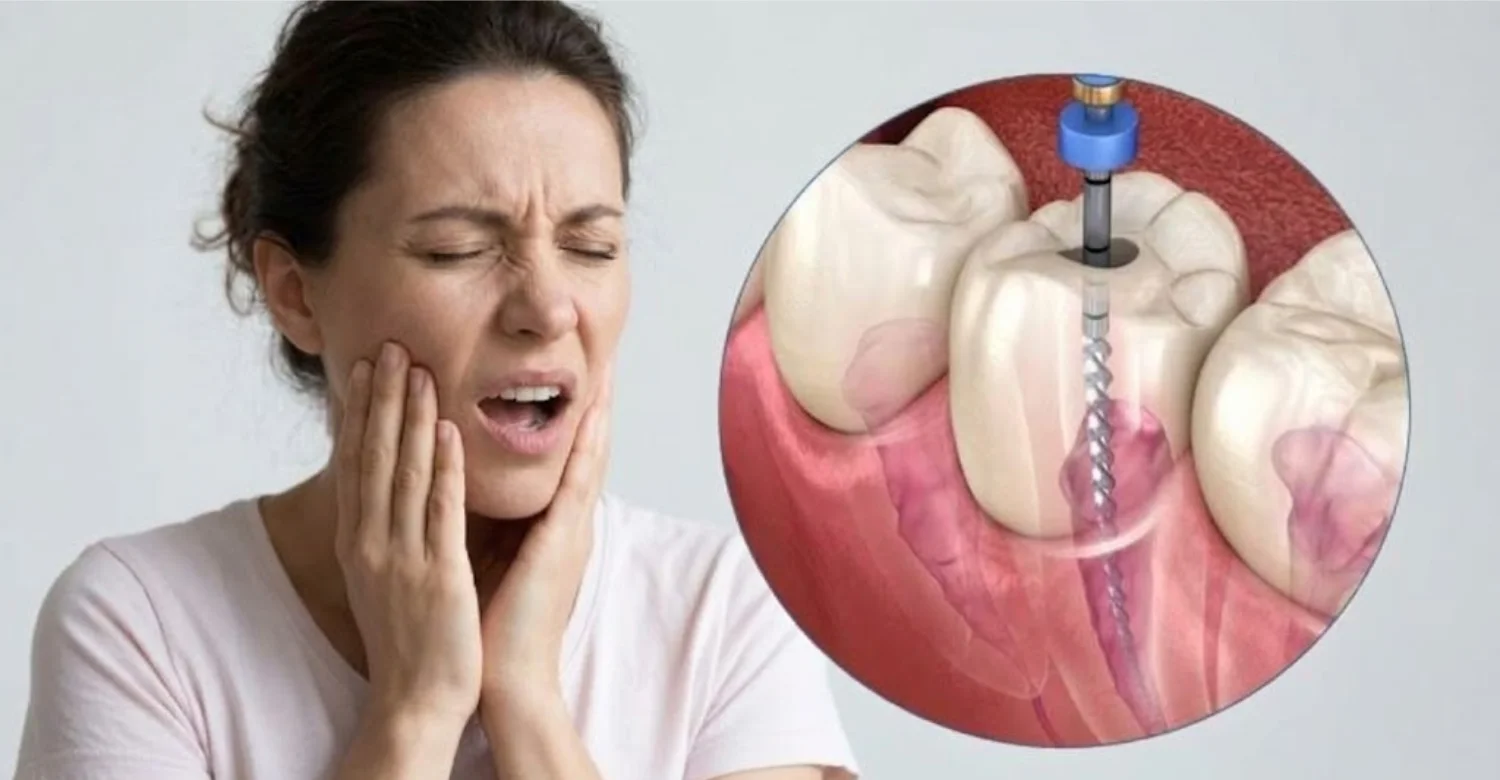
Pain after root canal treatment is the tenderness or ache some patients feel once the anesthetic wears off. A root canal removes inflamed or infected pulp from inside the tooth, but the surrounding ligament and bone need time to settle. This healing response, not the empty canal, causes most discomfort.
What Causes Pain After Root Canal Treatment?
Most root canal treatment pain comes from inflammation in the tissues around the root tip. Cleaning and shaping the canals can irritate these tissues, and an infection present before treatment may still be calming down. Jaw strain from keeping the mouth open and a slightly high temporary filling can also contribute.
How Long Does Pain Last After Root Canal Treatment?
For most patients, pain after root canal treatment lasts a few days. Discomfort is usually strongest in the first 24 to 72 hours, then fades steadily. Mild tenderness when biting can occasionally linger for a week or so. Pain that worsens instead of improving should be reported to your dentist.
What Is Normal Root Canal Soreness?
Normal root canal soreness feels like a dull ache or tenderness when you bite or tap on the tooth. The gum nearby may feel slightly sore, and the jaw may feel tired. This soreness responds well to over-the-counter pain relievers and becomes noticeably milder each day as healing continues.
Clinical Note
Mild tenderness is an expected part of healing and does not mean the treatment failed. Normal healing discomfort gradually improves. Severe pain, swelling, fever, pain that worsens after a few days, or tenderness lasting beyond a week or two are different, and these symptoms require further dental evaluation.
Understand what factors affect your bite strength
Why Does Your Tooth Hurt After Root Canal Treatment?
Although the nerve inside the tooth has been removed, the tooth is still surrounded by living tissue, including the periodontal ligament, bone, and gums. These tissues contain nerves that can feel pressure and inflammation. That is why tooth pain after root canal procedures is common, even though the tooth itself no longer has a pulp.
Inflammation Around the Tooth
The ligament that holds the tooth in its socket can become inflamed during treatment. This inflammation makes the tooth feel tender, slightly raised, or sensitive to biting pressure. It is one of the most common reasons for post-treatment pain and usually settles on its own within several days.
Infection or Inflammation That Was Present Before Treatment
If the tooth had an abscess or significant infection before treatment, the surrounding bone and tissues were already inflamed. Removing the source of infection starts healing, but the body needs time to clear the remaining inflammation. Patients with pre-existing infection often notice more tooth pain after root canal than those without.
High Filling or Bite Pressure
If the temporary or permanent filling sits slightly higher than the surrounding teeth, the treated tooth takes extra force every time you bite. This repeated pressure irritates the healing tissues and can prolong root canal soreness. A dentist can fix this quickly by adjusting the filling to balance your bite.
Irritation of the Tissues Around the Root
During cleaning, small amounts of debris, irrigation solution, or filling material can occasionally pass beyond the root tip. This irritates the tissues around the root and causes temporary tenderness. The body usually resolves this irritation on its own, and the resulting root canal treatment pain fades as healing progresses.
Root Canal Treatment Complications
Less commonly, root canal treatment pain is caused by complications such as a missed or untreated canal, a crack in the tooth, a broken instrument, or a persistent infection. These problems do not usually settle by themselves. If the pain persists or intensifies, your dentist will investigate these possible causes carefully.
Tips for the Patients
Avoid putting excessive pressure on the treated tooth by chewing on the other side. Follow your dentist's post-treatment instructions closely, including medication advice. Monitor whether your discomfort is improving or becoming worse each day, and contact your dentist promptly if it is not getting better.
Note - All images used are for editorial and illustrative purposes only. They may not originate from the original news provider or associated company.
How Much Pain Is Normal After Root Canal Treatment?
The amount of post-treatment pain varies from person to person. Many patients feel only mild tenderness, while some experience moderate discomfort for a few days. Understanding the difference between normal healing and warning signs helps you know when home care is enough and when to call your dentist.
Mild Pain and Tenderness
Mild pain and tenderness are the most common experience. The tooth may feel sore when biting or pressing on it, and the gums nearby may feel slightly tender. This level of discomfort is usually well controlled with over-the-counter medication and improves noticeably within a few days.
Moderate Pain After Root Canal Treatment
Moderate tooth pain after root canal may occur, especially when the tooth was badly infected before treatment. The ache may be noticeable without biting and may need regular pain relievers for a few days. As long as it is gradually improving, moderate pain is usually part of the normal healing process.
Severe or Persistent Tooth Pain After Root Canal
Severe or persistent tooth pain after root canal is not typical. Pain that keeps you awake, is not relieved by medication, or continues beyond a week may signal infection, a high bite, a crack, or another problem. Severe root canal treatment pain should always be assessed by a dentist.
When Should You Be Concerned About Pain?
Be concerned if pain after root canal treatment becomes worse instead of better, lasts longer than a week or two, or comes with swelling, fever, or a bad taste. Also seek help if your filling falls out or your bite feels uneven. These signs need prompt professional evaluation.
Understand potential causes for a metallic taste in mouth
How Long Does Pain After Root Canal Treatment Last?
For most people, post-treatment pain is temporary, peaking in the first one to three days and improving steadily afterward. Most patients feel close to normal within a week. The exact timeline depends on the tooth's condition before treatment, the complexity of the canals, and how the tissues heal.
Pain During the First 24 Hours
As the anesthetic wears off, you may notice tenderness, a dull ache, or soreness in the jaw. This early tooth pain after root canal is usually at its strongest during the first day. Taking pain relievers as directed and avoiding chewing on the treated tooth will help keep you comfortable.
Pain During the First Few Days
Over the next few days, the discomfort should gradually ease. The tooth may still feel tender when biting, but the ache should become less frequent and less intense. Most patients can return to normal activities right away while following their dentist's instructions on eating and medication.
Pain After One Week
By one week, most patients have little or no discomfort. Some mild tenderness on biting can remain, particularly if the tooth was heavily infected. However, root canal soreness that is still significant at one week, or is getting worse, is not typical and should be checked by your dentist.
When Pain Lasts Longer Than Expected
Pain after root canal treatment that lasts longer than expected may point to an underlying problem, such as remaining infection, an untreated canal, a cracked tooth, or a high filling. These issues rarely resolve on their own. Early assessment allows your dentist to identify the cause and recommend the right treatment.
Clinical Note
Some patients feel tenderness for several days because the tissues around the root were inflamed or infected before treatment and need time to heal. This is expected. However, persistent or worsening pain should always be assessed, so the underlying cause can be identified and treated appropriately.
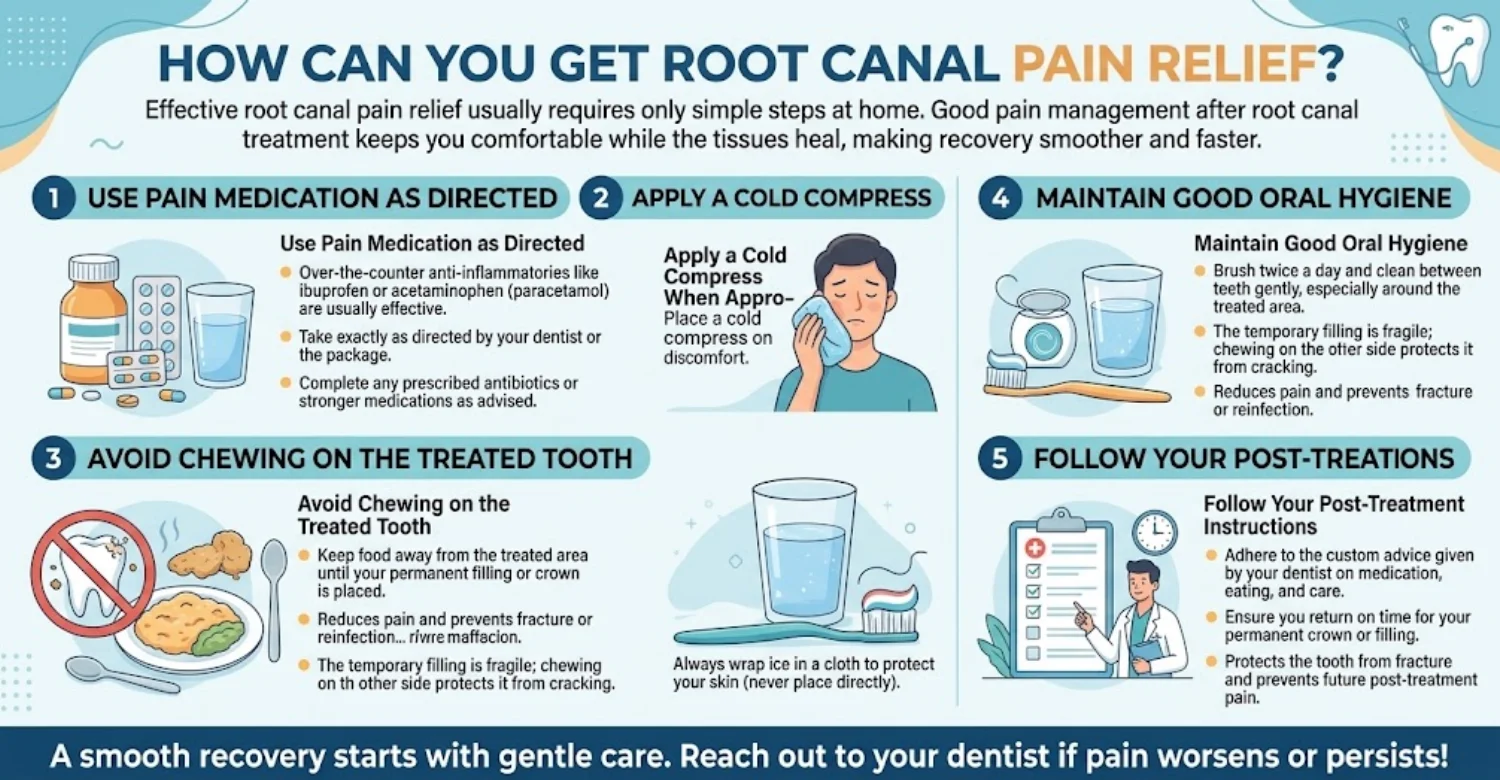
How Can You Get Root Canal Pain Relief?
Effective root canal pain relief usually requires only simple steps at home. Pain medication, a cold compress, careful chewing, and good oral hygiene all help. Good pain management keeps you comfortable while the tissues heal, and following your dentist's instructions makes recovery smoother and faster.
Use Pain Medication as Directed
Over-the-counter anti-inflammatory medicines such as ibuprofen, or acetaminophen (paracetamol), are usually effective for pain after root canal treatment. Take them exactly as directed by your dentist or the package label. If your dentist prescribed antibiotics or stronger medication, complete the course and never take more than the recommended dose.
Apply a Cold Compress When Appropriate
A cold compress on the outside of your cheek can reduce swelling and numb discomfort during the first day or two. Apply it for about 15 minutes at a time, with breaks in between. Wrap ice in a cloth rather than placing it directly on the skin to protect it.
Avoid Chewing on the Treated Tooth
Until your permanent filling or crown is placed, avoid chewing on the treated tooth. The temporary filling is not as strong as a permanent restoration, and the tooth may be more fragile. Chewing on the other side reduces root canal treatment pain and protects the tooth from cracking.
Maintain Good Oral Hygiene
Keep brushing twice a day and cleaning between your teeth, being gentle around the treated area. Good oral hygiene keeps bacteria levels low and supports healing of the surrounding gums. Rinsing gently with warm salt water may also soothe tender gums, unless your dentist has advised otherwise.
Follow Your Post-Treatment Instructions
Your dentist's instructions are tailored to your tooth and treatment. Follow advice on medication, eating, and when to return for the permanent restoration. Completing the final crown or filling on time protects the tooth from fracture and reinfection, both of which can cause post-treatment pain later on.
Tips for the Patients
Do not exceed recommended medication doses, even if pain persists; contact your dentist instead. Choose softer foods if chewing causes discomfort. Avoid delaying follow-up care when symptoms do not improve, because early evaluation of lingering symptoms makes problems easier and quicker to resolve.
Learn about causes and treatment options for an oral mucocele
What Can Cause Severe Tooth Pain After Root Canal Treatment?
Severe tooth pain after root canal is uncommon and usually has a specific cause. Possible reasons include persistent or recurrent infection, a missed canal, a cracked tooth, or a problem with the final restoration. Identifying the cause requires a clinical examination and often a dental X-ray before the right treatment can be chosen.
Persistent Infection
Sometimes bacteria survive in the complex root canal system or in the tissues around the root tip. This persistent infection can keep the area inflamed, causing ongoing or worsening pain, swelling, or a gum boil. Additional treatment, such as root canal retreatment, may be needed to resolve it.
Incomplete Removal of the Infection
Teeth can have extra or curved canals that are difficult to locate and clean. If a canal is missed or not fully cleaned, infected tissue may remain inside the tooth. This can cause root canal soreness to continue, and retreatment is often needed to clean and seal the remaining canal.
Reinfection
A treated tooth can become reinfected if bacteria re-enter through a leaking temporary filling, a delayed crown, new decay, or a cracked restoration. Reinfection may cause root canal treatment pain weeks, months, or even years later. Placing the permanent restoration promptly helps seal the tooth and prevent this.
Cracked or Damaged Tooth
Teeth that need root canals are often already weakened by decay or large fillings. Without a crown, they can crack under biting forces. A crack may cause sharp pain on chewing and can sometimes make post-treatment pain hard to resolve, depending on how far it extends.
Problems With the Final Restoration
A crown or filling that is too high, poorly fitted, or leaking can cause discomfort. A high restoration overloads the tooth when biting, while gaps allow bacteria to enter. Both can lead to tooth pain after root canal, and both can usually be corrected by adjusting or replacing the restoration.
Ready to transform your smile?
Talk to our team and get a personal FREE treatment plan.
When Should You See a Dentist for Pain After Root Canal?
You should see a dentist for root canal soreness if the pain is severe, keeps increasing, or does not improve after several days. Swelling, fever, or difficulty biting are also reasons to call. Prompt evaluation helps identify problems early and protects the treated tooth.
Severe or Increasing Pain
Pain that becomes stronger each day, or is severe enough that medication does not help, is not part of normal healing. This type of pain after root canal treatment may indicate infection, a high bite, or a crack. Contact your dentist promptly rather than waiting for your next scheduled visit.
Swelling Around the Tooth or Face
Swelling of the gum, cheek, or face after treatment can signal infection. Mild swelling may occur in the first day, but swelling that increases or appears days later needs urgent attention. If swelling spreads or affects swallowing or breathing, seek emergency medical care immediately, not just a dental appointment.
Fever or Feeling Unwell
A fever, chills, or feeling generally unwell alongside root canal treatment pain may mean an infection is spreading. These symptoms should never be ignored. Contact your dentist the same day, and seek urgent medical care if you feel very unwell or symptoms worsen quickly.
Pain That Does Not Improve
Normal tenderness should get better each day. If post-treatment pain stays the same or does not improve after about a week, there may be an underlying cause, such as a missed canal or high filling. Your dentist can examine the tooth and take an X-ray to find out.
Difficulty Biting or Chewing
If biting feels painful, or your teeth do not meet the way they did before treatment, your filling or crown may be too high. This extra pressure can keep the tissues inflamed and prolong the healing discomfort. A simple bite adjustment usually relieves the problem quickly.
Clinical Note
Warning signs that require professional evaluation include severe or worsening pain, swelling, fever, pus or a gum boil, a loose or lost filling, and pain on biting that does not settle. Persistent symptoms should not be ignored, because tooth pain after root canal of this kind rarely resolves without care.
Learn about causes and treatment options for mucoceles
Can Root Canal Treatment Cause Pain Again After Several Weeks or Months?
Yes. Although most root canals heal successfully, pain after root canal treatment can occasionally return weeks, months, or even years later. Common causes include recurrent infection, a tooth fracture, problems with the restoration, or incomplete healing. Many of these issues can be treated successfully when they are diagnosed early.
Recurrent Infection
Bacteria can re-enter a treated tooth through new decay, a leaking restoration, or a missed canal, causing recurrent infection. Symptoms may include returning root canal soreness, tenderness when biting, swelling, or a pimple-like bump on the gum. Root canal retreatment or other procedures may be recommended to save the tooth.
Tooth Fracture
A root-treated tooth without adequate protection may crack over time. A fracture can cause sudden pain on chewing, gum swelling near the crack, or recurring infection. The treatment depends on the location and extent of the crack, and some fractured teeth may unfortunately need to be extracted.
Problems With the Restoration
A crown or filling may wear down, loosen, or develop gaps over time. This can allow bacteria to leak back into the tooth or change how the tooth meets the opposite teeth. Either problem can bring back root canal treatment pain and should be assessed and repaired promptly.
Incomplete Healing
In some cases, the bone and tissues around the root do not heal fully, even when the tooth initially felt fine. This may cause mild discomfort or appear only on an X-ray. Follow-up appointments allow your dentist to monitor healing and decide whether further treatment is needed.
How Does Vitrin Clinic Approach Pain After Root Canal Treatment?
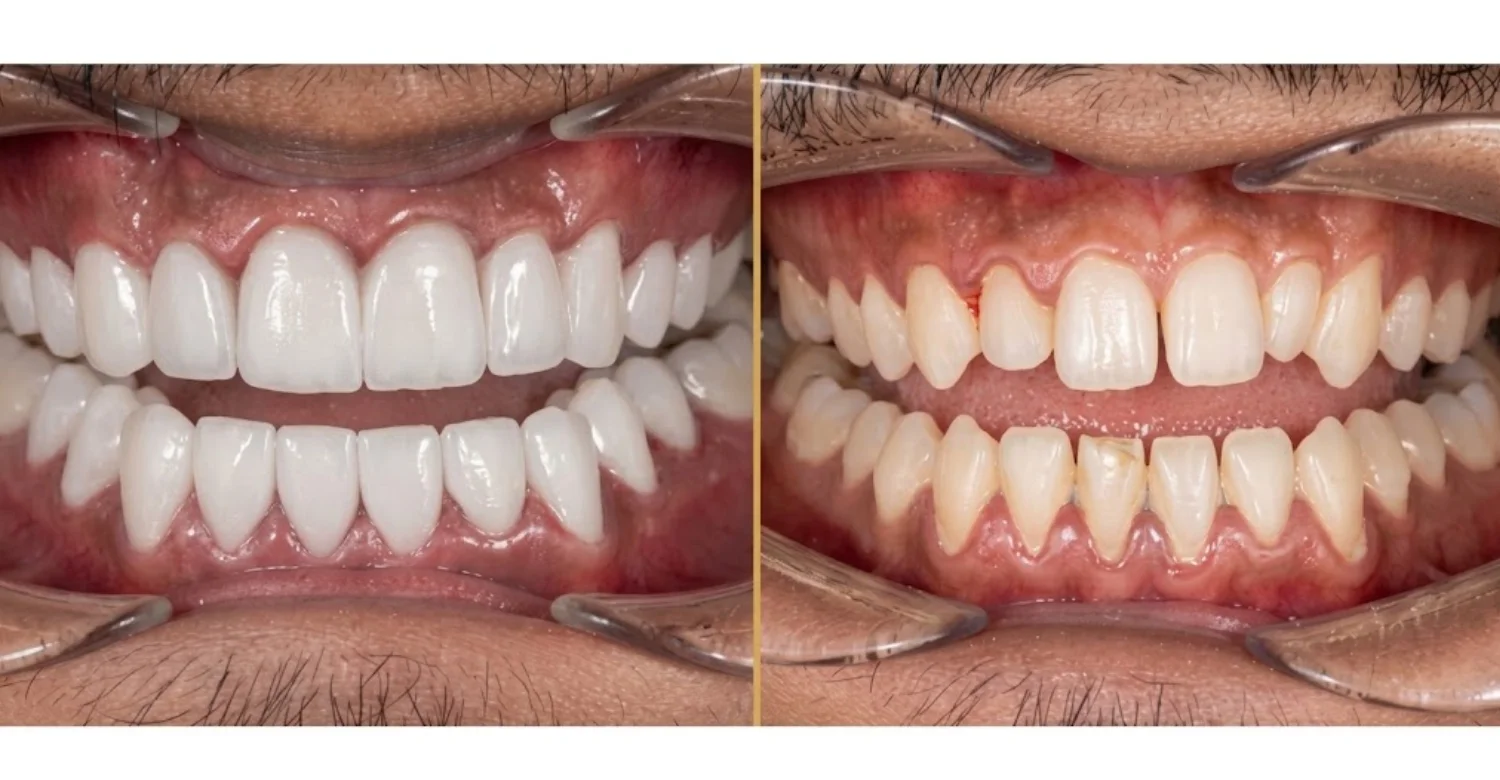
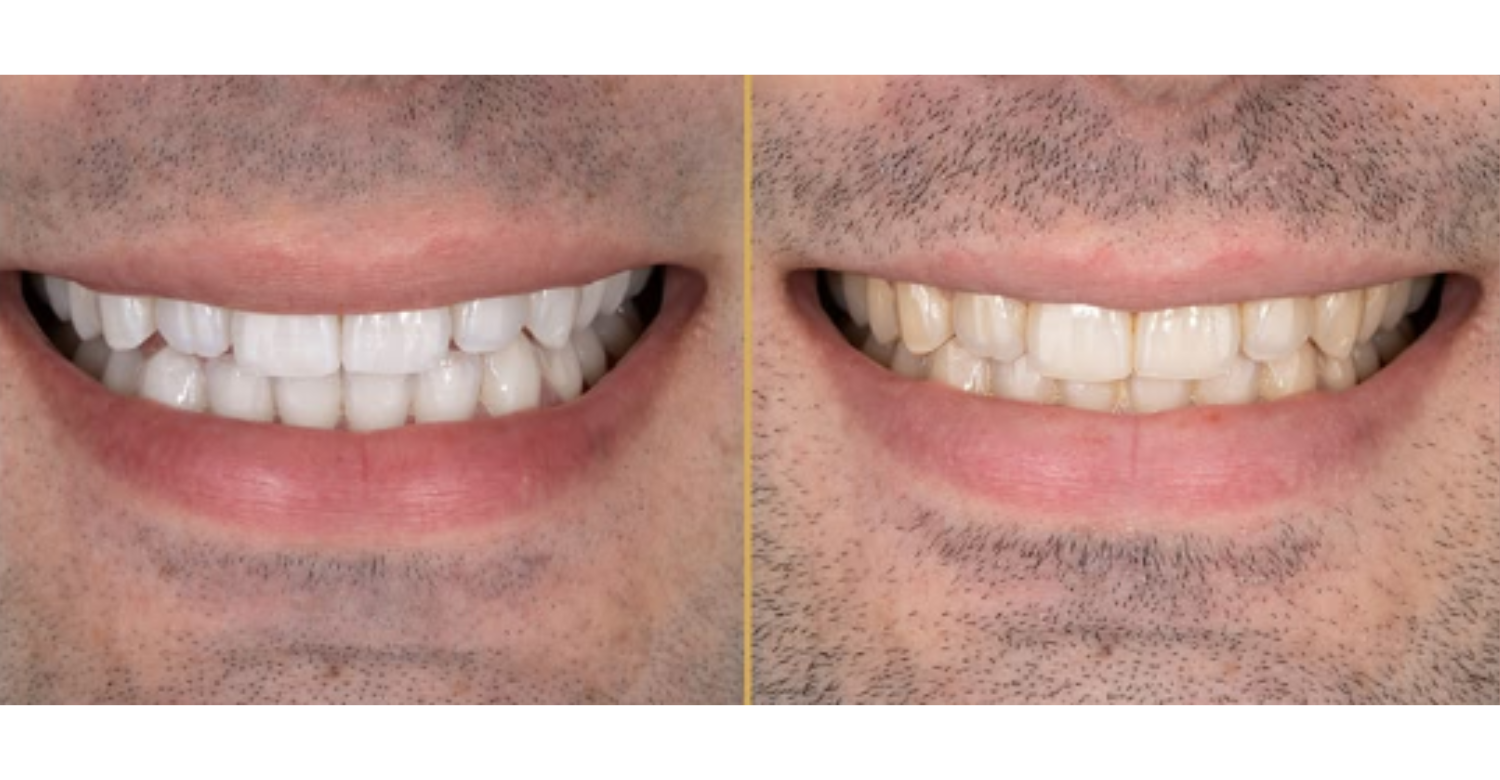
At Vitrin Clinic, we treat pain after root canal treatment as an important signal rather than something to simply endure. Our approach combines careful examination, accurate diagnosis, and personalized pain management, so that normal healing is supported and any underlying problem is identified and treated as early as possible.
.webp)
Comprehensive Evaluation of the Treated Tooth
Our dentists examine the treated tooth, surrounding gums, and bite, and take dental X-rays when needed to assess the root and surrounding bone. We check the filling or crown for leaks, cracks, or high spots. This thorough evaluation helps us understand exactly what is causing post-treatment pain.
Identifying the Cause of Persistent Pain
Persistent tooth pain after root canal can have several causes, so we never assume. We look for signs of infection, missed canals, cracks, or bite problems, and compare current findings with earlier records. Identifying the true cause allows us to recommend the most appropriate and conservative treatment for your tooth.
Patient-Centered Pain Management
Every patient experiences pain differently. At Vitrin Clinic, we provide clear advice on medication, diet, and home care, tailored to your medical history. Our pain management plan focuses on keeping you comfortable while healing progresses, and on adjusting the plan if your symptoms change.
Follow-Up After Root Canal Treatment
Follow-up visits are an important part of successful care. We check that healing is progressing, adjust the bite if needed, and make sure the permanent crown or filling is placed on time. Regular reviews help prevent reinfection and catch any recurring symptoms early.
Dr. Rifat Alsaman's Clinical Perspective
Dr. Rifat Alsaman, Head of the Medical Team at Vitrin Clinic and a cosmetic dentist, explains that mild pain after root canal treatment is expected, but persistent or worsening discomfort always deserves evaluation. At Vitrin Clinic, every case is assessed clinically and radiographically to decide the right follow-up care.
What We Notice Clinically
At Vitrin Clinic, we often see that prolonged root canal soreness is linked to a high bite, a delayed permanent restoration, or an infection that was severe before treatment. Most cases improve quickly once the cause is identified, which is why we encourage patients to report symptoms early.
Tips for the Patients
Take pain medication only as directed and avoid chewing on the treated tooth until it is fully restored. Keep brushing and cleaning gently. Attend your follow-up appointments, complete your crown or filling on time, and contact Vitrin Clinic if pain after root canal treatment worsens or does not improve.
Explore fast-acting options with liquid pain relief for toothache
Resource:
https://pubmed.ncbi.nlm.nih.gov/20113779/
https://www.sciencedirect.com/science/article/abs/pii/S030057122600309X
FAQs

Dr. Rifat Alsaman has more than 5 years of clinical experience in dentistry and currently serves as the Head of the Medical Team at Vitrin Clinic. He is dedicated to providing exceptional patient care, overseeing treatment planning, and ensuring the highest clinical standards across the team. His expertise, attention to detail, and commitment to continuous professional development have helped countless patients achieve healthier, more confident smiles.


