Endodontics
October 12, 2026
Root Canal Pain Relief: How to Relieve Pain and Support Recovery?
 Dr. Rifat Alsaman
Root canal treatment can involve temporary symptom management, protecting the treated tooth, and following your dentist’s recovery instructions. Mild tenderness after treatment is common and usually improves over several days. Paracetamol may help temporarily when appropriate for the individual. However, persistent or worsening pain requires dental assessment rather than repeated self-treatment.
What Is Root Canal Pain Relief, and Is Pain After Treatment Normal?
Root Canal Pain Relief means managing discomfort while the tissues surrounding a treated tooth recover. Mild tenderness can occur after the procedure, particularly when chewing or touching the tooth. The surrounding ligament and tissues may remain temporarily inflamed.
Pain should generally trend downward rather than intensify. Your dentist may recommend paracetamol according to your circumstances and the product instructions. Severe, increasing, or persistent symptoms need professional review. Medication cannot correct a high filling, untreated infection, or structural damage.
Why Can a Tooth Hurt After Root Canal Treatment?
A tooth may hurt because tissues around its root were irritated during treatment. Cleaning the canals involves instruments and materials that can temporarily affect surrounding tissues. Pre-existing inflammation may also take time to settle.
Some tenderness when biting can occur during early recovery. However, intense pain or worsening swelling should not be dismissed as normal. Post-treatment comfort measures should be paired with monitoring for changes in symptoms. Contact your dentist if discomfort becomes severe or fails to improve.
How Long Does Root Canal Tooth Pain Usually Last?
Mild soreness often improves within several days, although some tenderness may last longer. Recovery depends on the original infection, treatment complexity, and surrounding tissue condition.
Pain relief may be needed temporarily while symptoms settle. Follow the instructions provided by your treating dentist. Arrange a review if pain persists, returns, or worsens instead of improving. A dentist can determine whether healing is progressing as expected.
What Is the Difference Between Normal Post-Treatment Discomfort and Persistent Pain?
Normal post-treatment discomfort is generally mild and gradually improves. Persistent pain continues, returns unexpectedly, or becomes increasingly intense.
Pain that prevents sleep, interferes with eating, or worsens when biting deserves assessment. Discomfort management should not delay a necessary examination. Contact your dentist promptly if symptoms are not following the expected recovery pattern. Facial swelling or fever may indicate a complication requiring urgent care.
What Causes Pain After Root Canal Treatment?
Pain after root canal treatment can arise from temporary inflammation, bite problems, infection, or another dental condition. Identifying the cause helps determine the appropriate treatment.
Can Inflammation Around the Tooth Root Cause Tenderness?
Yes, inflammation around the root can make a treated tooth temporarily tender. The ligament supporting the tooth may become sensitive after instrumentation or because of pre-existing disease.
This discomfort usually improves as the tissues recover. Short-term relief options may include suitable pain management and avoiding pressure on the tooth. Persistent tenderness requires examination, especially when accompanied by swelling or increasing pain.
Can a High Filling or Crown Cause Pain When Biting?
Yes, a filling or crown that contacts too early can overload the treated tooth during chewing. Patients may notice sharp tenderness when closing their teeth together.
The dentist can assess the bite and adjust the restoration when indicated. Medication will remain limited if excessive biting pressure is the actual cause. Do not attempt to reshape a filling or crown yourself.
Can Persistent Infection or an Untreated Canal Cause Continued Pain?
Yes, persistent infection or an untreated canal can cause ongoing symptoms after treatment. Complex root anatomy may make some canals difficult to locate or clean completely.
Other causes can include leakage around a restoration or reinfection. Pain relief options alone cannot eliminate these problems. Your dentist may recommend further examination and imaging. Additional endodontic treatment may be considered when clinical findings support it.
Can Gum Irritation or Nearby Dental Problems Mimic Root Canal Pain?
Yes, gum irritation and nearby dental problems can feel similar to pain from a treated tooth. A neighbouring tooth may have decay, a crack, or inflammation.
Pain can also originate from the gums or tissues around the tooth. Effective care depends on identifying the correct source. Tell your dentist where pain occurs and what triggers it. Avoid assuming that every symptom comes from the previously treated tooth.
How to Relieve Root Canal Pain at Home
Root Canal Pain Relief at home focuses on protecting the tooth, reducing irritation, and following professional instructions. Home care supports recovery but does not replace assessment when symptoms worsen.
Which Non-Medication Methods May Help Reduce Discomfort?
Gentle eating, resting the jaw, and avoiding pressure on the treated tooth may help. Continue brushing carefully and keep the surrounding teeth clean.
A cold compress may help with external swelling when recommended. Do not apply ice directly to the skin. Recovery also depends on following your dentist’s instructions for temporary restorations and follow-up appointments. Avoid unverified remedies placed directly on the tooth.
Can a Cold Compress Help Relieve Swelling and Tenderness?
A cold compress placed against the outside of the cheek may temporarily ease discomfort. Wrap it in cloth and apply it for short intervals.
Never place ice directly against the skin or gums. A compress does not treat an underlying infection. Discomfort management should not rely on cold applications if swelling is increasing. Seek prompt dental advice when swelling progresses or other concerning symptoms appear.
What Foods Should Patients Eat During Root Canal Recovery?
Choose soft foods that require little chewing while the tooth remains tender. Examples include yoghurt, eggs, soft vegetables, and lukewarm soup.
Avoid foods that are extremely hot, cold, sticky, or hard if they trigger discomfort. Chew on the opposite side when practical. Managing post-procedure pain is easier when the treated tooth is not repeatedly stressed. Follow any specific dietary instructions from your dentist.
Why Should Patients Avoid Chewing Hard Foods on the Treated Tooth?
Hard foods can stress a tooth that has not received its final restoration. Root canal treatment may leave a tooth more vulnerable to fracture, depending on how much natural structure remains.
Avoid ice, hard sweets, and chewing directly on the tooth until your dentist approves. Managing discomfort does not protect against mechanical damage. Arrange the recommended permanent filling or crown promptly.
How Can Patients Protect the Temporary Filling Between Appointments?
Protect a temporary filling by chewing carefully and avoiding sticky or hard foods. Brush gently around the treated tooth without neglecting oral hygiene.
If the filling loosens or falls out, contact your dental practice promptly. Do not try to seal the tooth with household materials. Home remedies cannot compensate for a compromised temporary seal. The dentist will advise whether an earlier appointment is necessary.
What Is Root Canal Pain Medication, and When May It Be Needed?
Pain medication may be useful when post-treatment discomfort affects daily activities. Paracetamol is one option for temporary pain relief when suitable for the patient.
When Might a Dentist Recommend a Painkiller After Root Canal Treatment?
A dentist may recommend temporary pain relief when tenderness interferes with eating, sleeping, or routine activities. The choice depends on medical history, age, other medicines, and the procedure performed.
Paracetamol may be appropriate for some patients when used according to the product label or professional advice. Root Canal Pain Relief should remain part of a broader recovery plan. Do not use medication to postpone assessment of worsening symptoms.
What Should Patients Know About Medicine After Root Canal Treatment?
Patients should check the product formulation, instructions, and maximum permitted amount before taking paracetamol. Different formulations may have different directions and strengths.
Avoid taking multiple products that contain paracetamol. Ask a pharmacist or clinician if you are unsure whether a product is suitable. Root Canal Pain Relief must be individualized, especially for children or people with existing health conditions.
What Factors Affect the Safety of Pain Relief Options?
Safety depends on age, weight where relevant, formulation, medical history, and other medicines being taken. Liver or kidney problems and heavy alcohol consumption may require professional advice before use.
People who are pregnant or breastfeeding should seek individualized guidance when needed. Root Canal Pain Relief should never involve exceeding the label instructions. If you have questions about suitability, ask a pharmacist, doctor, or dentist before taking it.
What Are the Possible Side Effects and Safety Considerations of Pain Relief Treatments?
Paracetamol is generally well tolerated when taken correctly, but excessive amounts can cause serious liver damage. Allergic reactions are possible, although uncommon.
Seek immediate medical advice if you suspect an overdose, even if you feel well. Do not wait for symptoms to appear. Root Canal Pain Relief must never involve exceeding the recommended dose. If a serious reaction occurs, seek emergency assistance.
Why Should Patients Avoid Combining Treatments Without Professional Advice?
Combining medicines or using multiple products can increase the risk of accidental overdose or interactions. Some combination products already contain paracetamol.
Tell your clinician about all medicines and supplements you use. Follow professional instructions if you have been prescribed treatment for another condition. Root Canal Pain Relief should be coordinated carefully when several treatments are involved.
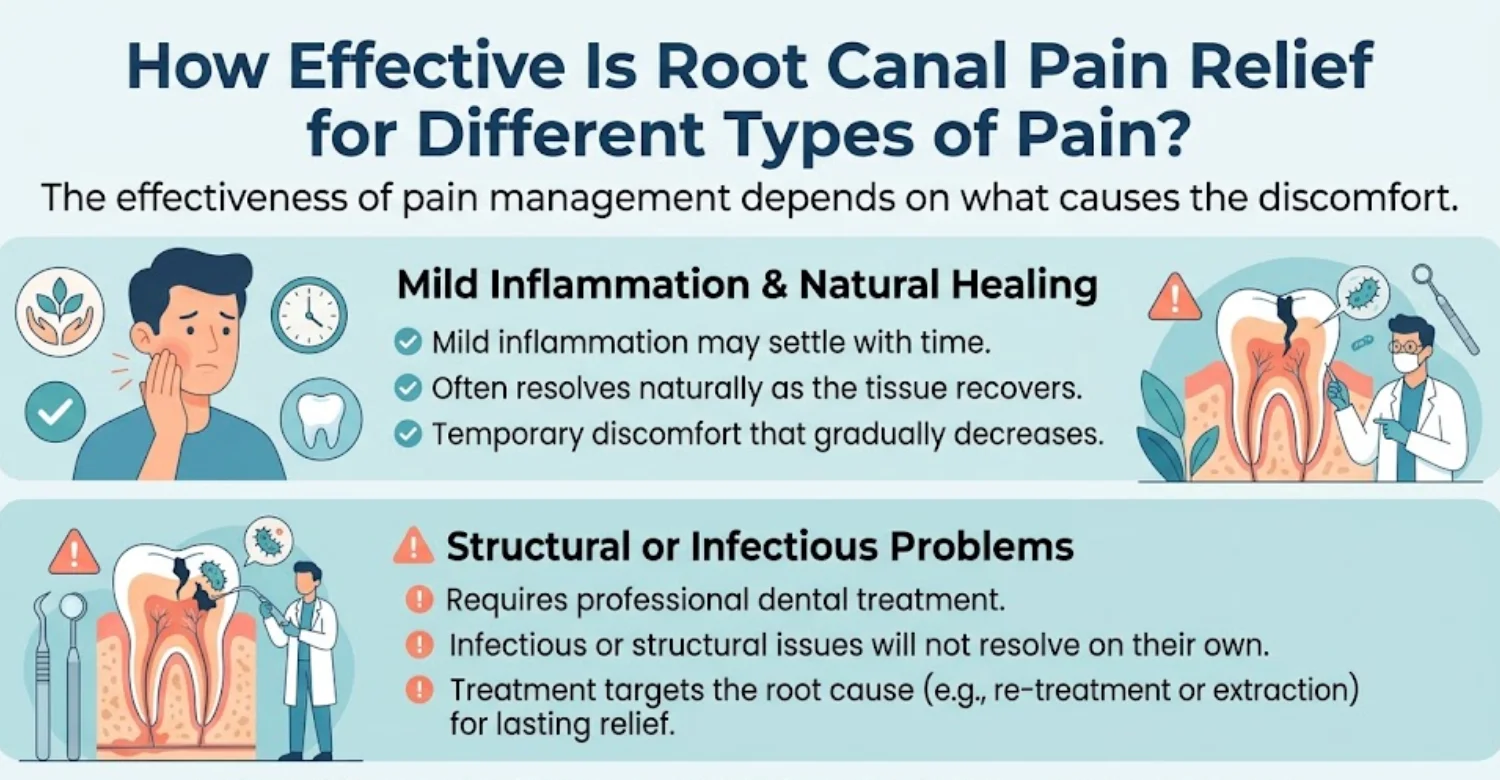
Which Approaches May Help With Mild Pain After Treatment?
Mild tenderness may improve with gentle chewing, careful oral hygiene, and suitable short-term pain management. Paracetamol may help when it is appropriate for the individual.
Follow the product instructions and your dentist’s advice. Root Canal Pain Relief should be reassessed if discomfort increases or does not improve. Do not increase the dose because the initial amount seems ineffective.
What Should Patients Do About Severe or Throbbing Root Canal Pain?
Severe or throbbing pain warrants prompt contact with your dentist. It may indicate significant inflammation, a bite problem, or a complication requiring assessment.
Do not rely on repeated doses to control worsening symptoms. Root Canal Pain Relief should not delay care when pain is intense or escalating. Seek urgent assessment if severe pain occurs with swelling or fever.
Why Might Pain Relief Not Resolve the Underlying Dental Problem?
Pain relief changes symptoms but does not correct the cause of dental pain. It cannot remove infected tissue, repair a crack, or adjust an uneven bite.
Persistent symptoms may require examination, imaging, or additional treatment. Root Canal Pain Relief is therefore temporary support, not proof that the tooth has healed. Contact your dentist when the expected improvement does not occur.
How Does Treating the Cause Compare With Managing Symptoms Temporarily?
Treating the cause addresses the problem responsible for pain, while symptom management offers temporary comfort. A bite adjustment, restoration repair, or further endodontic care may be needed, depending on findings.
Medication alone cannot resolve every complication. Root Canal Pain Relief works best as part of a plan based on clinical assessment. Your dentist can explain the available options and their expected benefits and limitations.
How Long Does Root Canal Recovery Take?
Recovery varies with the original condition, the complexity of treatment, and the tooth’s remaining structure. Mild tenderness should generally improve over time.
What Is Normal During the First 24–48 Hours After Treatment?
Some tenderness when chewing or touching the tooth can occur during the first two days. The surrounding tissues may remain sensitive after the procedure.
Avoid unnecessary pressure on the treated tooth and follow your dentist’s instructions. Root Canal Pain Relief may be needed temporarily. Contact your dentist if pain becomes severe, swelling develops, or symptoms worsen rather than settle.
How Should Pain Change Over the Following Days?
Pain should generally become less noticeable over the following days. Some tenderness may last longer, particularly when inflammation existed before treatment.
A worsening pattern deserves attention. Root Canal Pain Relief should not require steadily increasing medication use. Contact your dentist if pain remains significant, returns after improving, or interferes with normal activities.
When Can Patients Return to Normal Eating and Daily Activities?
Many patients resume normal activities soon after treatment, depending on comfort and any instructions received. Eating should remain cautious until the tooth has been properly restored.
Avoid chewing hard foods on the treated tooth meanwhile. Do not ignore pain that prevents normal eating. Your dentist can advise when normal chewing is appropriate for your specific restoration.
What Should Patients Expect After Permanent Filling or Crown Placement?
A permanent restoration seals and protects the treated tooth. Some brief tenderness may continue after placement, particularly if the surrounding tissues remain sensitive.
A new or persistent high-bite sensation should be checked. Contact your dentist if the restoration feels uneven or chewing remains painful. Timely review can help identify whether an adjustment or further assessment is needed.
What Are the Warning Signs of Complications After Root Canal Treatment?
Warning signs include worsening pain, increasing swelling, fever, drainage, or symptoms that fail to improve. These findings need professional assessment rather than continued self-treatment.
When Does Persistent Pain Require a Dental Examination?
Persistent pain requires an examination when it fails to improve, returns, or affects sleep and eating. The cause cannot be confirmed reliably from symptoms alone.
Your dentist may check the tooth, bite, gums, and restoration. Root Canal Pain Relief should not become a substitute for reassessment. Seek advice promptly if discomfort is increasing or remains unexplained.
Can Increasing Swelling Indicate an Infection or Another Complication?
Yes, increasing swelling can indicate infection or another complication. Swelling around the gums or face deserves prompt professional attention, especially when it spreads.
Do not try to drain the area yourself. Root Canal Pain Relief cannot treat an abscess or stop a spreading infection. Seek urgent dental care if swelling increases rapidly or accompanies fever.
What Does It Mean if the Tooth Still Hurts When Biting?
Pain when biting may result from inflammation around the root or a restoration that contacts too early. A crack or another dental problem may also be responsible.
Your dentist can examine the bite and surrounding tissues. Avoid repeatedly testing the tooth by biting down hard. Arrange an assessment if the symptom persists or worsens.
When Do Fever, Facial Swelling, or Difficulty Swallowing Require Urgent Care?
Fever or facial swelling with dental pain requires urgent assessment. Rapidly spreading swelling, difficulty swallowing, or difficulty breathing requires emergency medical attention.
Do not wait for pain medicine to work before seeking emergency help. Root Canal Pain Relief cannot manage a potentially spreading infection. If breathing or swallowing is affected, use local emergency services immediately.
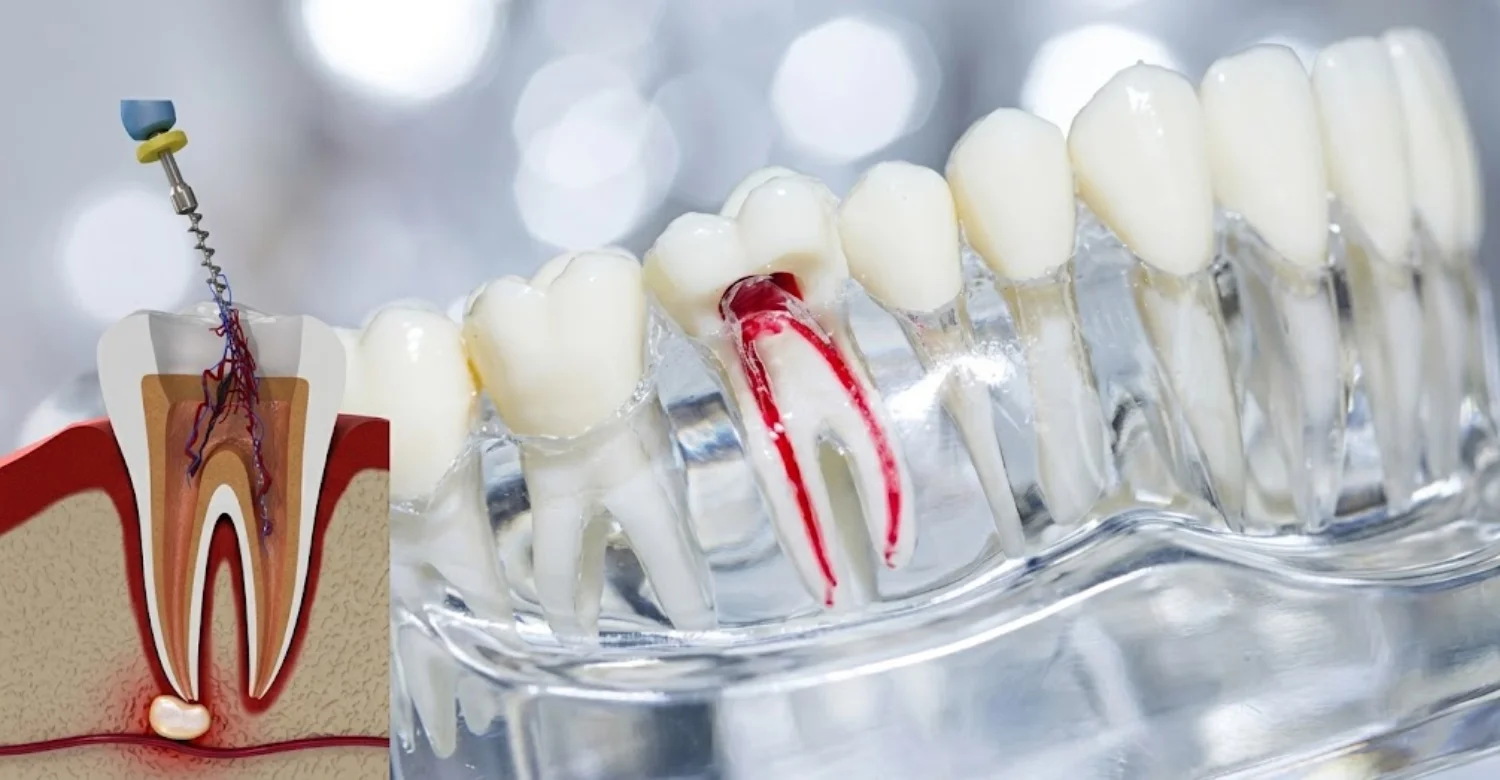
Note : All images used are for editorial and illustrative purposes only and may not originate from the original news provider or associated company.
How Can Patients Prevent Prolonged Pain After Root Canal Treatment?
Following aftercare instructions, protecting the tooth, and attending follow-up appointments can reduce avoidable problems. Prevention cannot guarantee that complications will never occur.
Why Are Follow-Up Appointments Important?
Follow-up appointments allow the dentist to check healing and confirm that planned treatment is completed. They also provide an opportunity to review persistent symptoms.
Attend appointments even if the tooth feels better. Early review can identify restoration problems or signs requiring further care. Contact the practice sooner if symptoms change before the scheduled visit.
How Can Proper Oral Hygiene Support Healing?
Brush gently twice daily and clean between the teeth carefully. Keep the treated area clean without irritating tender tissues.
Follow any specific instructions provided after treatment. Good oral hygiene helps protect the surrounding gums and remaining teeth. It does not replace a needed restoration or professional review.
Why Should Patients Complete the Recommended Restoration?
A permanent filling or crown helps seal and protect a treated tooth. The type of restoration depends on the tooth’s location, remaining structure, and biting forces.
Delaying recommended restoration can leave the tooth vulnerable to damage or leakage. Ask your dentist about timing and temporary precautions. Do not assume that pain resolution means the tooth is fully protected.
When Should a Dentist Reassess the Treated Tooth?
A dentist should reassess the tooth if pain persists, increases, returns, or develops with swelling. A restoration that feels high or loose also needs review.
Do not wait for a routine appointment if symptoms are worsening. Your dentist can decide whether examination, imaging, or further treatment is appropriate.
What We Notice Clinically
Clinicians assess the treated tooth alongside the surrounding tissues and bite. The location and timing of symptoms can help guide further investigation.
Why Can a Successfully Treated Tooth Still Feel Tender?
A successfully treated tooth can remain tender while the ligament and tissues around its root recover. Previous inflammation may take time to settle after the procedure.
Tenderness alone does not establish treatment failure. However, symptoms should generally improve rather than worsen. Root Canal Pain Relief may support comfort while the dentist monitors the recovery pattern.
How Do Dentists Distinguish Root Canal Pain From Pain Caused by the Bite or Surrounding Tissues?
Dentists review the symptoms, examine the gums, and assess how the teeth meet during biting. They may test nearby teeth and inspect the restoration.
Imaging may be appropriate when examination findings suggest a deeper problem. These steps help distinguish inflammation from bite interference, cracks, or neighbouring dental disease. Treatment should follow the findings rather than assumptions.
Clinical Note: Dr. Rifat Alsaman's Perspective on Persistent Root Canal Pain
Dr. Rifat Alsaman’s clinical perspective emphasizes identifying the source of pain before choosing further treatment. Persistent symptoms deserve an individualized assessment rather than automatic assumptions about treatment failure.
The dentist should review the procedure history, restoration, bite, and surrounding tissues. Imaging may help when clinically indicated. Treatment decisions should reflect the findings, the tooth’s condition, and the patient’s overall needs.
.jpg)
.jpg)
.jpg)
.jpg)
.jpg)
.jpg)
Tips for Patients Managing Root Canal Pain
Practical aftercare can protect the treated tooth and help patients notice symptoms that need review. Follow the instructions provided by the clinician who performed the procedure.
What Should Patients Do During the First Few Days After Treatment?
Eat carefully, avoid heavy chewing on the treated tooth, and maintain gentle oral hygiene. Use paracetamol only when suitable and according to the label or professional advice.
Keep your follow-up appointment and monitor whether symptoms improve. Root Canal Pain Relief should not depend on taking more than the recommended amount. Contact your dentist if pain increases or new symptoms appear.
What Should Patients Avoid During Root Canal Recovery?
Avoid hard or sticky foods that may damage a temporary restoration. Do not chew directly on the treated tooth until your dentist advises it is safe.
Avoid exceeding medication instructions or combining products without professional guidance. Do not place household substances on the tooth or attempt to adjust a restoration yourself.
What Information Should Patients Share With Their Dentist About Ongoing Pain?
Describe when the pain started, where it occurs, and whether it is improving. Explain whether biting, temperature, or touching the area triggers discomfort.
Mention swelling, fever, drainage, medication use, allergies, health conditions, and other medicines. Tell the dentist if a temporary filling or crown feels loose. These details help guide a focused assessment.
Vitrin Clinic Perspective: Assessing Pain After Root Canal Treatment
At the Vitrin Clinic, assessment should begin by identifying the actual cause of discomfort. Treatment planning depends on the examination findings and the tooth’s condition.
How Does Clinical Examination Help Identify the Cause of Persistent Pain?
A clinical examination helps distinguish tenderness from bite problems, restoration issues, and nearby dental conditions. The dentist reviews symptoms and examines the tooth, gums, and surrounding tissues.
Root Canal Pain Relief is only one part of care when symptoms persist. The next step depends on the findings and whether further investigation is necessary. No single treatment is suitable for every patient.
When May Dental X-Rays or Additional Diagnostic Tests Be Necessary?
Dental X-rays may help assess root anatomy, surrounding bone, and signs of disease when clinically appropriate. The dentist decides whether imaging is necessary after reviewing the examination.
Additional tests may be considered if the cause remains unclear. Imaging does not always explain every symptom by itself. Results must be interpreted alongside the clinical findings.
How Is a Personalized Treatment Plan Developed for Persistent Root Canal Pain?
A personalized plan reflects the diagnosis, symptoms, restoration condition, and remaining tooth structure. Some cases need monitoring or bite adjustment, while others require further endodontic or restorative treatment.
The dentist should explain the options, expected steps, limitations, and estimated costs. Root Canal Pain Relief should be considered alongside treatment of the underlying problem. Outcomes cannot be guaranteed before individual assessment.
When Might Further Endodontic Treatment or Another Dental Procedure Be Considered?
Further treatment may be considered when examination suggests persistent disease, an untreated canal, leakage, or structural damage. The appropriate option depends on whether the tooth can be predictably restored.
A dentist may recommend specialist assessment when the case is complex. Root Canal Pain Relief alone will not resolve these causes. Ask about the reasoning, alternatives, likely stages, and follow-up requirements.
How Vitrin Clinic Supports Your Treatment Journey
Vitrin Clinic can discuss assessment and treatment planning for patients experiencing ongoing dental pain. Care should be based on clinical findings and clearly explained options.
How Can Patients Arrange a Consultation for Persistent Tooth Pain?
Patients can contact Vitrin Clinic to discuss their symptoms and request an assessment. Share available dental records and recent X-rays if possible.
Severe symptoms should be assessed locally rather than postponed for international travel. Root Canal Pain Relief should not delay urgent care. The clinic can explain what information is needed before planning an appointment.
How Are Diagnostic Findings and Treatment Options Explained?
Diagnostic findings should be explained in clear language, including uncertainty where the cause is not yet confirmed. The dentist should describe recommended procedures and why they may be appropriate.
Ask which costs include consultation, imaging, treatment, restoration, and follow-up. A written estimate should distinguish planned care from possible additional procedures. Final recommendations may change after examination.
How Can International Patients Coordinate Appointments and Follow-Up Care?
International patients should clarify appointment timing, treatment stages, expected recovery, and follow-up arrangements before travelling. Ask who to contact if symptoms worsen after returning home.
Bring relevant records and a list of current medicines. Do not travel with untreated emergency symptoms. A realistic plan should account for clinical needs, travel time, and the possibility of additional appointments.
Dental Treatment Costs in the United States, United Kingdom, and Turkey
Costs depend on diagnosis, tooth location, complexity, and required follow-up. Published prices are estimates, not guaranteed quotes.
Treatment | United States | United Kingdom | Turkey |
Exam and X-rays | 120–480 | NHS England: $27.90 | $53* |
Filling | 90–450 | NHS England: $76.60 | $60–$90 |
Root canal | 550–1,850 | NHS England: $76.60 | $60–$135 |
Extraction | 90–600 | NHS England: $76.60 | From $30 |
Abscess treatment | Varies | NHS urgent care: $27.90 | Varies |
Key Takeaways About Root Canal Pain Relief
Recovery involves monitoring symptoms, protecting the treated tooth, and following professional advice. Pain management can support comfort but cannot replace diagnosis or necessary treatment.
What Patients Should Know About Pain Management and Recovery
Mild tenderness may improve over several days, although recovery varies. Paracetamol may help temporarily when appropriate and used according to its instructions.
Why Symptom Relief Does Not Always Resolve the Underlying Cause
Medication may reduce discomfort without correcting infection, bite problems, or damage. Root Canal Pain Relief should accompany appropriate dental care, not replace it.
When Professional Dental Assessment Is Necessary
Seek dental advice for worsening pain, persistent tenderness, swelling, or pain when biting. Difficulty breathing or swallowing requires emergency medical attention.
Ready to transform your smile?
Talk to our team and get a personal FREE treatment plan.
Medical Disclaimer
This article provides general educational information and does not replace individualized dental or medical advice. Medication suitability depends on personal circumstances and product instructions. Seek immediate professional advice after a suspected overdose, even without symptoms. Contact a dentist for persistent or worsening pain. Use emergency services for breathing difficulties, swallowing difficulties, or rapidly spreading facial swelling.
Sources
FAQs
Dr. Rifat Alsaman has more than 5 years of clinical experience in dentistry and currently serves as the Head of the Medical Team at Vitrin Clinic. He is dedicated to providing exceptional patient care, overseeing treatment planning, and ensuring the highest clinical standards across the team. His expertise, attention to detail, and commitment to continuous professional development have helped countless patients achieve healthier, more confident smiles.


