Endodontics
October 19, 2026
What Causes Postoperative Pain After Root Canal Treatment, and How Can You Find Relief?
 Dr. Rifat Alsaman

Postoperative pain after root canal treatment is common, usually mild, and often settles within a few days. Studies suggest around 40% of patients notice some pain in the first 24 hours. By the end of the first week, that figure typically falls to about 11%. This guide explains why the tooth may hurt, how long recovery usually takes, and which relief options are safe. It also covers warning signs, root canal costs in the US, UK, and Turkey, and when reassessment is needed. At Vitrin Clinic, we assess each painful tooth individually before recommending further care.
Key facts at a glance:
Typical recovery: mild discomfort for two to three days
Pain at 24 hours: reported by about 40% of patients
Pain at 7 days: reported by about 11% of patients
Long-term outcome: around 97% of treated teeth retained after eight years in a large study
.jpg)
.jpg)
.jpg)
.jpg)
.jpg)
.jpg)
What Is Postoperative Pain After Root Canal Treatment?
Postoperative pain after root canal treatment describes discomfort that begins or continues after endodontic therapy. It usually feels like tenderness, aching, or soreness when biting. The pain comes mainly from the tissues around the root, not from the nerve. The nerve inside the tooth has already been removed during treatment. However, the ligament and bone surrounding the root still contain sensitive nerve endings. A systematic review by Pak and White (2011) found pain prevalence of about 40% after one day. Most cases are mild and respond to simple measures. Understanding this difference helps patients judge their recovery calmly and accurately.
Why Can a Tooth Hurt After Root Canal Treatment?
A treated tooth no longer has a living pulp, yet the surrounding tissues remain alive. Instruments, irrigating solutions, and filling materials can briefly irritate the area beyond the root tip. Bacteria or debris may also be pushed slightly past the root end. The body responds with inflammation, which causes pressure and tenderness. This inflammatory response is the main source of discomfort after treatment. Clamps, prolonged mouth opening, and anaesthetic injections can add jaw and gum soreness. These reactions are part of normal healing in most cases. They usually fade as inflammation settles over several days.
Is Pain After Root Canal Treatment Normal?
Mild to moderate pain is a normal and expected response for many patients. Research reviews report postoperative pain after root canal treatment in roughly 3% to 58% of cases. This wide variation reflects differences in teeth, infection levels, and measurement methods. Severe pain is far less common. Flare-ups, meaning severe pain or swelling needing an unscheduled visit, occur in roughly 2% to 20% of cases. Most studies place flare-up rates below 10%. So, mild discomfort is normal, but escalating pain is not. A steady daily improvement is the key sign of healthy recovery.
What Types of Pain Can Occur After Root Canal Treatment?
Patients describe several distinct sensations after treatment. Each type points to a slightly different source in the tooth or surrounding tissues. Recognising them helps you explain your symptoms clearly to your dentist. It also helps you judge whether your recovery is following a normal course. The three most common types are described below.
Mild tenderness around the treated tooth
Mild tenderness is the most frequently reported sensation after treatment. The tooth may feel bruised, sore, or slightly "different" when touched. This comes from inflammation of the periodontal ligament around the root. It is usually strongest on the first day after the appointment. Most patients find it fades noticeably within 48 to 72 hours. Simple pain relievers and soft foods normally control it well.
Pain when chewing or applying pressure
Pain on biting is very common after endodontic treatment. Pressure compresses the inflamed ligament, creating a sharp or aching sensation. A filling that sits slightly high can intensify this pain considerably. Clinical studies show bite adjustment can reduce pain in teeth already tender to tapping. If biting pain worsens rather than improves, a bite check is usually worthwhile. Chewing on the opposite side meanwhile reduces unnecessary pressure.
Throbbing pain or sensitivity around the tooth and gums
Throbbing pain suggests more active inflammation or pressure within the tissues. It may follow treatment of a tooth that was already infected. The gums around the tooth may also feel sore from clamps or injections. Throbbing that steadily intensifies, especially with swelling, needs prompt assessment. Mild throbbing that fades over a couple of days is generally less concerning. Keeping track of its pattern helps your dentist interpret it.
Ready to transform your smile?
Talk to our team and get a personal FREE treatment plan.
How Long Does Root Canal Pain Last?
Most root canal pain follows a fairly predictable pattern. It usually peaks within the first 24 to 48 hours. It then declines steadily over the following days. The Pak and White review found average pain levels dropped sharply within two days. By day seven, pain had reached minimal levels in most patients. The duration of postoperative pain after root canal treatment varies with the tooth, infection, and restoration. The timeline below describes what many patients typically experience.
Root Canal Pain During the First 24 Hours
The first day usually brings the most noticeable discomfort. Pain often begins as the local anaesthetic wears off, after two to four hours. The tooth may feel tender, and the jaw may ache from prolonged mouth opening. Research shows around 40% of patients report some pain at this stage. Taking recommended pain relief before numbness fades can help some patients. Avoid chewing on the treated side until sensation returns fully. Rest and soft foods make this first day more comfortable.
Pain After Root Canal Treatment at 48–72 Hours
By the second and third days, most patients notice clear improvement. Tenderness when biting may remain, but it should feel milder. Pain intensity at this stage is typically lower than on day one. If pain is increasing instead, inflammation or a high bite may be responsible. New swelling at this stage also deserves a call to your dentist. Improvement, rather than complete absence of pain, is the realistic goal. Many patients return to normal routines during this period.
Root Canal Treatment Recovery Time: What to Expect Over the Following Days
Between days four and seven, discomfort usually becomes occasional and mild. Many patients only notice it when chewing firmly on the treated side. Studies indicate roughly 11% of patients still report some pain after one week. Most of these cases involve minor tenderness rather than severe pain. At this stage, discomfort should rarely interrupt daily life. Normal eating on the other side can usually continue comfortably. The tooth should still be protected until its final restoration is placed.
Can Root Canal Pain Last for One or Two Weeks?
Yes, mild tenderness can sometimes last one to two weeks. This is more likely when the tooth had infection or severe pain beforehand. Bone and ligament healing around the root naturally takes time. However, the pain should be gradually improving, not worsening. Pain that remains strong after two weeks warrants a dental review. Healing of bone lesions on X-rays can take six to twelve months. This slow bone healing can continue even after symptoms have fully resolved.
Why Is My Tooth Still Hurting Weeks After Root Canal Treatment?
Pain lasting several weeks suggests something beyond normal healing. Possible causes include a high bite, persistent infection, or a missed canal. A crack in the tooth or a leaking restoration may also be responsible. Sometimes the pain actually originates from a neighbouring tooth or the jaw joint. A meta-analysis by Nixdorf and colleagues found persistent pain in about 5% of treated teeth after six months. Persistent postoperative pain after root canal treatment should not be ignored. A thorough examination is the safest next step.
Causes of Postoperative Root Canal Pain
Postoperative pain after root canal treatment can arise from biological, mechanical, or restorative causes. Biological causes include inflammation and infection around the root. Mechanical causes include excessive bite pressure and structural cracks. Restorative causes involve problems with temporary fillings, permanent fillings, or crowns. Often, more than one factor contributes at the same time. Identifying the main cause guides the right treatment. The sections below explain each possible cause in turn.
Inflammation of the Tissues Around the Tooth Root
Inflammation of the periapical tissues is the most common cause of discomfort. This area includes the periodontal ligament and the surrounding jawbone. Cleaning and shaping the canals can irritate these tissues slightly. The body then releases inflammatory chemicals that sensitise local nerve endings. This creates tenderness and pain when biting. Anti-inflammatory medicines target this process directly, which explains their effectiveness. In most patients, this type of postoperative pain after root canal treatment settles within days.
Pre-Existing Tooth Infection or Periapical Inflammation
Teeth with infection before treatment often hurt more afterwards. Bacteria and their by-products may already have inflamed the bone around the root tip. Treatment disturbs this environment as the canals are cleaned and disinfected. Several studies link pre-existing periapical lesions with higher postoperative pain levels. Healing in these teeth may also take longer. Your dentist may monitor these cases more closely during recovery. Follow-up X-rays help confirm the infection is resolving.
Root Canal Pain When Biting Down: Could the Bite Be Too High?
A high bite is a frequent and easily corrected cause of pain. If the filling or temporary restoration is slightly raised, that tooth contacts first. Each bite then delivers extra force to an already inflamed ligament. Patients often notice pain specifically when their teeth meet together. Numbness during the appointment can make a high spot difficult to detect. A simple bite adjustment often brings rapid relief within a day or two. This is why bite checks are usually the first step.
Incomplete Cleaning or Persistent Infection Inside the Root Canal System
Root canal systems are complex, with branches, fins, and accessory canals. Bacteria may survive in areas that instruments and irrigants cannot fully reach. Studies show upper first molars have a second mesiobuccal canal in more than half of cases. If an extra canal is missed, infection can persist inside the tooth. This may cause ongoing pain, swelling, or a draining gum spot. Persistent pain sometimes reflects this hidden infection. Retreatment can often address these problems effectively.
Irritation of the Tissues Around the Root During Treatment
During treatment, small amounts of irrigant, debris, or filling material may pass beyond the root tip. This process is sometimes called extrusion. Even small amounts can trigger a local inflammatory reaction. Over-instrumentation beyond the root end can produce a similar effect. These reactions usually settle as the body gradually clears the irritant. Larger extrusions, though rare, may need monitoring or further management. Modern apex locators help dentists control working length more precisely.
Cracked Tooth or Structural Damage After Root Canal Treatment
Root-treated teeth can be more vulnerable to fracture, especially without a crown. Loss of tooth structure from decay and access weakens the remaining walls. A crack may cause sharp pain when biting or when releasing pressure. Vertical root fractures are particularly difficult to diagnose and treat. Aquilino and Caplan reported uncrowned treated teeth were lost about six times more often. Cracks can also cause pain that appears weeks later. This highlights the value of timely final restorations.
Problems With a Temporary Filling, Permanent Filling, or Dental Crown
Restorations protect the treated tooth from bacteria and fracture. A temporary filling may wear, crack, or fall out between visits. Saliva and bacteria can then re-enter the cleaned canal system. A permanent filling or crown may leak, fit poorly, or sit too high. Each problem can produce pain, sensitivity, or renewed infection. Research consistently links a good coronal seal with better long-term outcomes. Report any loose or damaged restoration to your dentist promptly.
Why Pre-Treatment Pain May Continue After Root Canal Therapy
Pain before treatment is one of the strongest predictors of pain afterwards. Prolonged pain can sensitise the nervous system, a process called central sensitisation. The brain may then continue registering pain even as the tissues heal. Pak and White found pre-treatment pain affected about 81% of patients in included studies. Patients with severe pain beforehand may experience postoperative pain after root canal treatment for longer. Good pain control and reassurance both play important roles in recovery.
Symptoms Associated With Postoperative Pain After Root Canal Treatment
Symptoms vary in intensity, location, and character from one patient to another. Some symptoms are expected parts of normal healing. Others suggest a problem that needs professional assessment. Tracking your symptoms daily helps your dentist interpret them accurately. A simple 0–10 pain score each morning and evening is very useful. The sections below describe the most common symptom patterns.
Mild Pain and Tenderness When Touching the Tooth
Many patients notice the tooth feels sore when touched with a finger or tongue. This reflects inflammation in the ligament that holds the tooth in place. Tapping the tooth may produce a dull, bruised ache. This symptom is usually strongest in the first two days. It typically fades gradually as healing progresses. Avoid repeatedly pressing the tooth to check how it feels. Constant testing can keep the tissues irritated for longer.
Root Canal Pain When Biting Down or Chewing Food
Biting pain is among the most common complaints after treatment. Chewing compresses inflamed tissues and can trigger sharp discomfort. Hard, sticky, or chewy foods usually make it noticeably worse. Mild biting pain that improves daily is generally expected. Biting pain that stays the same or worsens may suggest a high bite or crack. In these cases, the tooth needs a closer look. Your dentist can test the bite and examine the restoration.
Swelling and Pain After Root Canal Treatment
Mild swelling of the gum near the treated tooth can sometimes occur. It is more likely if the tooth was infected before treatment. Facial swelling is less common and always requires attention. Swelling that appears or increases after two or three days needs assessment. It may indicate a flare-up or spreading infection. Do not apply heat to facial swelling without professional advice. Heat can sometimes encourage infection to spread further.
Gum Tenderness and Localized Inflammation
The gums can feel tender after treatment for several reasons. A rubber dam clamp may press on the gum during the procedure. Injection sites can also feel bruised for a day or two. This soreness is usually superficial and short-lived. Warm salt-water rinses after the first day may provide comfort. A persistent gum bump or pimple, however, may signal infection. Such a bump should always be checked by your dentist.
Pain That Radiates Toward the Jaw, Ear, or Nearby Teeth
Dental pain does not always stay in one place. Nerves in the face share pathways, so pain can spread or be referred to. Patients may feel aching in the jaw, ear, temple, or adjacent teeth. Keeping the mouth open during a long appointment can also strain jaw muscles. Radiating pain that settles within days is often muscular. Persistent radiating pain needs careful diagnosis to locate its true source. Referred pain can make the wrong tooth feel responsible.
Severe Pain After Root Canal Treatment: Symptoms That Need Assessment
Severe pain that does not respond to recommended medicines needs attention. Pain that wakes you at night or worsens daily is also concerning. Other warning features include swelling, fever, or a persistent bad taste. Severe postoperative pain after root canal treatment affects only a minority of patients. When flare-ups occur, early treatment usually resolves them quickly. Contact your dentist rather than waiting for your next appointment. Prompt care often prevents more complex problems later.
Ready to transform your smile?
Talk to our team and get a personal FREE treatment plan.
What We Notice Clinically
In daily practice, the pattern of pain often tells us more than its intensity. Patients who improve steadily usually heal without further intervention. Patients whose pain changes character or worsens need closer review. We also see that clear expectations reduce patient anxiety considerably. Patients who know what is normal tend to report symptoms more accurately. The following observations reflect how clinicians commonly interpret postoperative pain after root canal treatment.
How the Timing and Pattern of Pain Help Guide Dental Assessment
Timing is one of the most useful diagnostic clues available. Pain that peaks early and then fades suggests normal inflammation. Pain that starts several days later may suggest infection or a restoration problem. Pain that returns after a symptom-free period also needs evaluation. Keeping a short daily pain diary, using a 0–10 scale, is very helpful. This record gives your dentist objective information about your recovery. It often speeds up accurate diagnosis.
Why Pain When Biting Can Differ From Spontaneous or Throbbing Pain
Biting pain and spontaneous pain often have different underlying causes. Pain only when biting usually points to ligament inflammation or a high bite. It may also indicate a crack somewhere within the tooth. Spontaneous throbbing pain, without any trigger, suggests active inflammation or infection. Throbbing pain combined with swelling often needs drainage or further treatment. Describing exactly when pain occurs helps narrow the diagnosis. Small details can make a significant difference.
Why Improvement Matters More Than Pain Intensity Alone
A painful first day does not mean treatment has failed. What matters most is the direction of change over time. A tooth scoring six on day one, then three on day three, is improving. A tooth staying at five for a whole week deserves review. Steady improvement is a reassuring sign that postoperative pain after root canal treatment is resolving. Lack of improvement is a more reliable warning than intensity alone.
Common Patient Misconceptions About Pain After Root Canal Treatment
Misunderstandings about recovery can cause unnecessary worry or dangerous delays. Some patients panic over normal, temporary tenderness. Others ignore serious warning signs because they expect some pain. Clearing up these misconceptions supports safer decisions during recovery. Three of the most common beliefs are discussed below.
Assuming that all postoperative pain means the root canal has failed
Postoperative pain after root canal treatment does not usually signal treatment failure. Most pain reflects temporary inflammation in healing tissues. A large study reported tooth retention of about 97% eight years after treatment. Salehrabi and Rotstein reached this figure after studying over 1.4 million teeth. Early discomfort is therefore poorly linked to long-term outcome. Persistent or worsening pain, however, should still be checked by your dentist.
Assuming that severe pain is always part of normal recovery
Severe pain is not something patients should simply endure. While mild discomfort is expected, intense uncontrolled pain is not routine. It may indicate a flare-up, infection, or high bite. Many of these causes are quick and straightforward to treat. Waiting too long may allow an infection to spread. If your pain feels severe, contact your dentist promptly.
Assuming that the absence of pain guarantees complete healing
Feeling no pain is encouraging, but it does not confirm complete healing. Infection around the root can sometimes persist silently without symptoms. Bone healing may take six to twelve months to appear on X-rays. That is why follow-up radiographs are often recommended after treatment. Regular checkups allow problems to be detected before symptoms develop. Absence of pain is good news, not a final verdict.
Clinical Note: Dr. Rifat Alsaman's Perspective on Postoperative Root Canal Pain
This clinical note summarises our medical team's approach to postoperative pain after root canal treatment. It focuses on separating expected healing from patterns that need reassessment. The comments reflect the clinic's general assessment principles. They are not a substitute for advice about your individual case.
Dr. Rifat Alsaman : distinguishing expected recovery symptoms from pain patterns that warrant reassessment
Dr. Rifat Alsaman leads the medical team at Vitrin Clinic and practises cosmetic dentistry. His approach starts with the pain timeline rather than the pain score alone. Tenderness that fades over several days is usually treated as expected recovery. Pain that worsens, returns, or comes with swelling prompts reassessment. Biting pain leads first to a careful bite and restoration check. Unexplained persistent pain leads to imaging and wider examination before any retreatment decision.
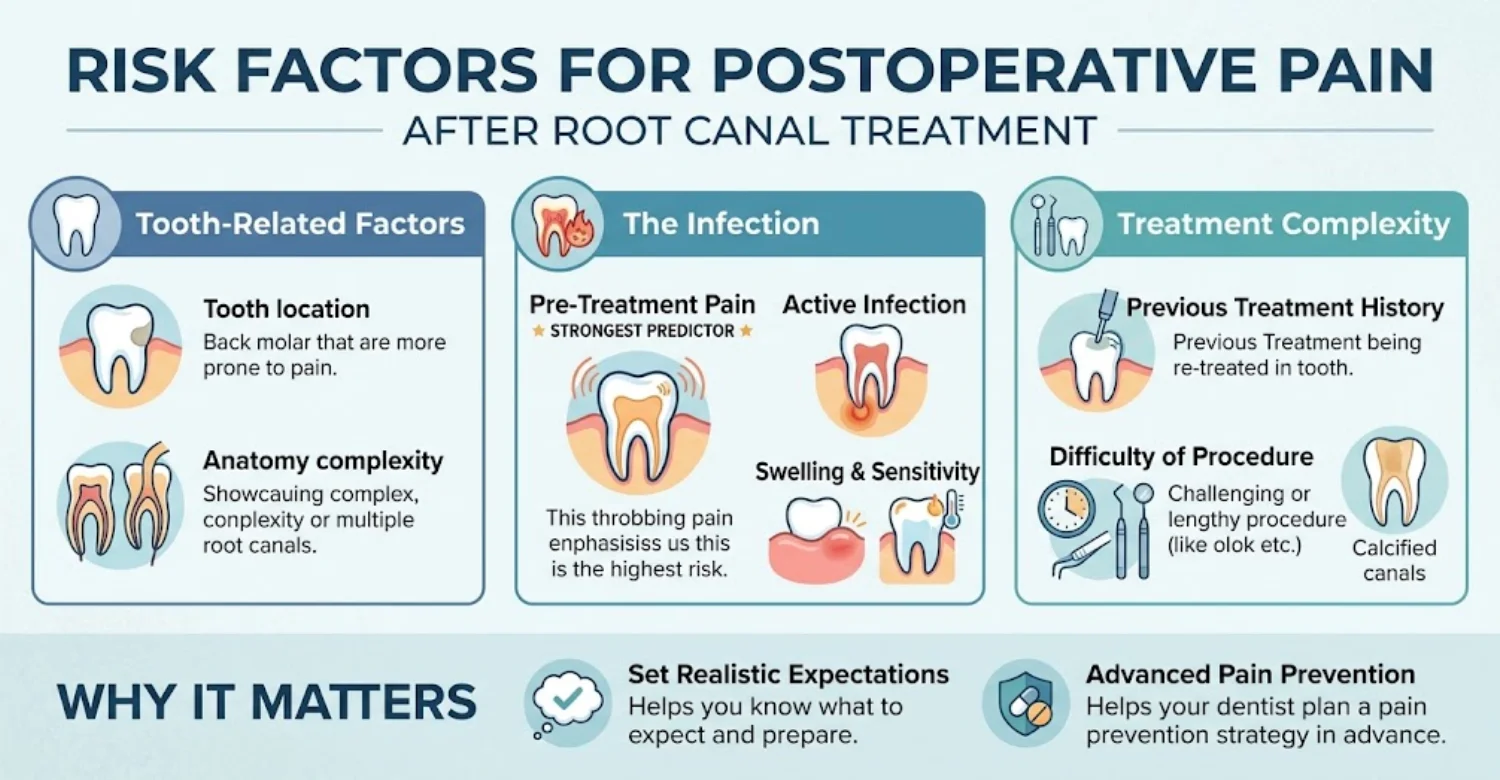
Severe Pain or Inflammation Before Root Canal Treatment
Patients with intense pain before treatment often report more pain afterwards. Inflamed tissues and sensitised nerves simply take longer to calm down. Studies repeatedly identify pre-operative pain as a leading predictor of postoperative pain. Pre-emptive anti-inflammatory medication may reduce this effect in suitable patients. Your dentist will advise whether this approach suits your health. Expect a slightly longer recovery period in these cases.
Infection Around the Root Tip Before Treatment
Infection around the root tip is called apical periodontitis. It is common in teeth that need root canal treatment. These teeth may carry a higher risk of flare-ups after treatment. Bacteria already present in the bone can trigger strong inflammatory reactions. Thorough disinfection of the canals reduces this risk considerably. Follow-up X-rays help confirm that the lesion is healing over time.
Complex Root Canal Anatomy and Difficult-to-Treat Teeth
Molars usually have more canals and more complex anatomy than front teeth. Curved, narrow, or calcified canals are harder to clean fully. Longer treatment time can also increase jaw and tissue soreness. Research generally shows molars carry a higher pain risk than single-rooted teeth. For these teeth, recovery may take slightly longer. Magnification and modern instruments help manage this complexity. Some complex cases are referred to an endodontist.
Previous Root Canal Treatment or Retreatment
Retreatment involves removing old filling material and recleaning the canals. This process can be more demanding than first-time treatment. Old materials and persistent bacteria may irritate the surrounding tissues further. Some studies report higher pain and flare-up rates after retreatment. Outcomes remain good, with pooled data showing healing in roughly 77% of cases. Your dentist will discuss realistic expectations before starting.
Bite-Related Pressure on a Newly Treated Tooth
Heavy bite forces can prolong tenderness in a newly treated tooth. Teeth grinding or clenching, known as bruxism, adds repeated pressure. A high restoration concentrates force on the healing ligament. Chewing hard foods on that side can also aggravate symptoms. Reducing bite pressure often speeds recovery noticeably. A night guard may be advised for patients who grind their teeth.
Delayed Final Restoration or Damage to the Temporary Filling
Temporary fillings are designed for short-term use only. If the final restoration is delayed, the seal may gradually weaken. Bacteria can then leak back into the cleaned canals. This may cause renewed pain or reinfection of the tooth. The tooth is also more vulnerable to fracture without a crown. Arrange your final restoration within the timeframe your dentist recommends.
How Is Persistent Pain After Root Canal Treatment Diagnosed?
Persistent pain requires a structured diagnosis rather than guesswork. Your dentist combines your history, a clinical examination, and imaging. The goal is to find the true source of the pain. Sometimes the cause lies outside the treated tooth altogether. Accurate diagnosis of postoperative pain after root canal treatment prevents unnecessary procedures. It also guides effective, targeted care.
What Happens During a Dental Examination for Postoperative Pain?
The examination begins with a visual check of the tooth and gums. Your dentist looks for swelling, sinus tracts, or damaged restorations. They may tap the tooth gently and test your bite. Gum pocket depths may be measured to detect cracks or gum disease. Nearby teeth are also tested to rule out other sources. These findings together guide the next diagnostic steps.
Reviewing the Patient's Pain History and Recovery Timeline
A detailed history is often the most informative part of diagnosis. Your dentist will ask when the pain began and how it has changed. They will ask what triggers or relieves it. Medication use and its effect on pain are also relevant details. Pain that disappeared and returned suggests a different cause than continuous pain. A clear timeline of postoperative pain after root canal treatment speeds diagnosis. Bring notes or a pain diary if possible.
Checking the Bite, Filling, Crown, and Tooth Stability
Articulating paper helps identify any high spots on the treated tooth. Your dentist checks that the restoration is intact and properly sealed. Crowns are inspected for gaps, cracks, or poor fit. Tooth mobility is also assessed carefully. Biting on a special instrument can help reveal a cracked cusp. Small adjustments at this stage often resolve pain quickly.
Dental X-Rays and Other Imaging When Clinically Indicated
Periapical X-rays show the root filling and the bone around the root tip. They can reveal missed canals, short fillings, or persistent lesions. However, standard X-rays show only two dimensions. Cone beam computed tomography (CBCT) provides three-dimensional images when needed. Studies show CBCT detects periapical lesions more often than conventional radiographs. It is used selectively, based on clinical need and radiation considerations.
Distinguishing Root-Related Pain From Gum, Jaw Joint, or Other Tooth Problems
Not all pain near a treated tooth comes from its root. Gum disease, a neighbouring cavity, or a cracked adjacent tooth may be responsible. Jaw joint disorders and muscle tension can closely mimic toothache. Sinus inflammation can cause pain in the upper back teeth. Rarely, nerve-related pain conditions are involved. Careful testing helps avoid treating the wrong tooth.
When Is Further Endodontic Assessment Needed?
Further endodontic assessment is useful when the cause remains unclear. It is also helpful for complex anatomy or suspected missed canals. An endodontist uses specialised equipment such as dental operating microscopes. Microscopes can improve detection of extra canals and fine cracks. Referral may be recommended if pain persists beyond several weeks. This step supports more precise treatment decisions.
Clinical Note: Dr. Rifat Alsaman on Individualized Assessment Before Further Treatment
Our medical team prefers individual assessment before any additional procedure. Retreatment, surgery, or extraction should never be chosen from symptoms alone. Each option carries its own costs, risks, and recovery time. The note below explains this principle.
Why treatment decisions should follow the clinical findings rather than pain symptoms alone
Dr. Alsaman's approach is to match treatment to confirmed clinical findings. Similar postoperative pain after root canal treatment can arise from very different causes. A high bite needs adjustment, not retreatment. A cracked root may need a different plan entirely. Imaging, bite testing, and examination results guide the final recommendation. This approach helps avoid unnecessary procedures and protects the natural tooth where possible.
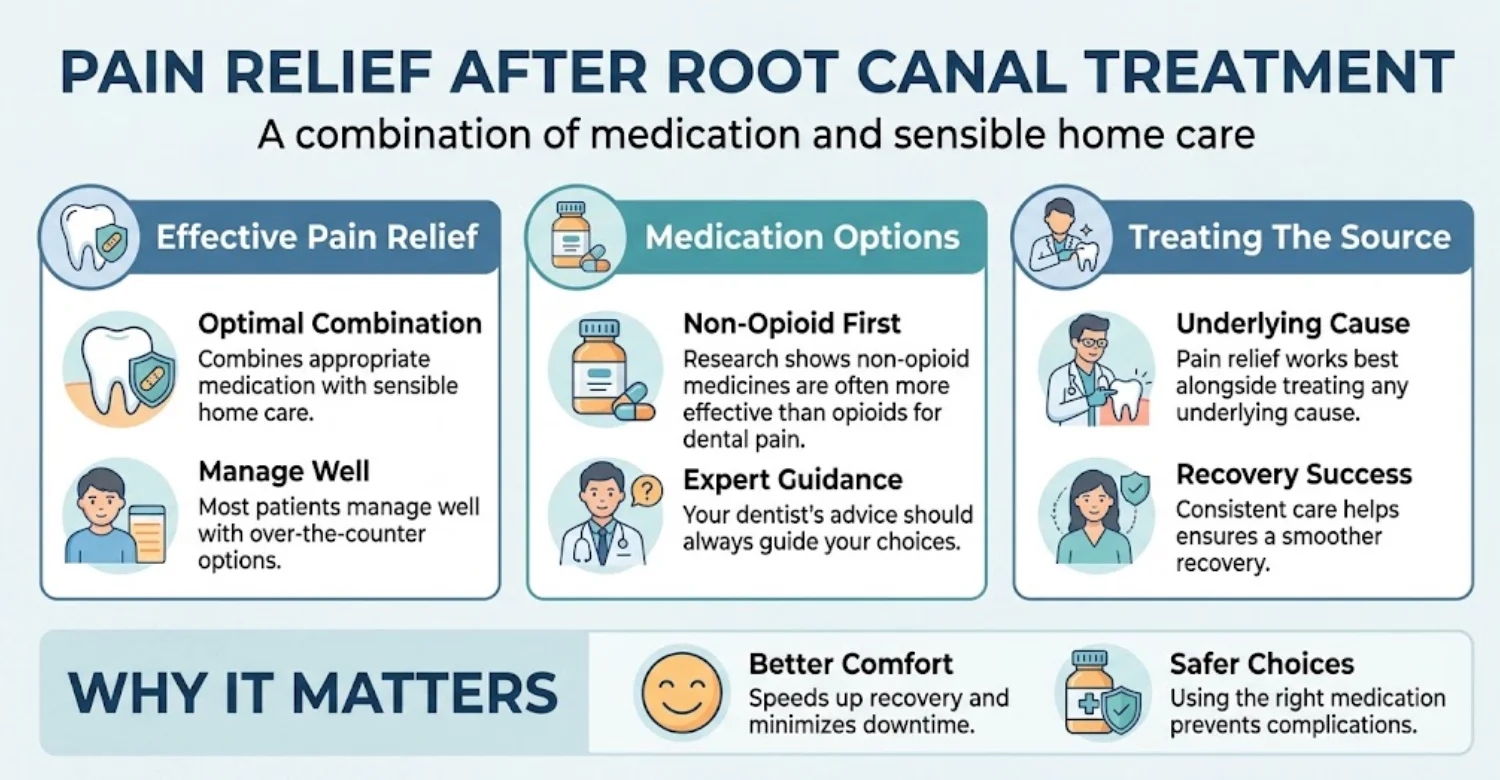
Which Pain-Relief Options May Help After Root Canal Treatment?
Postoperative pain after root canal treatment usually responds to anti-inflammatory and analgesic medicines. Ibuprofen and paracetamol are the most commonly recommended options. A 2018 review in the Journal of the American Dental Association supported their combination. It found this combination often outperformed opioid-containing medicines for acute dental pain. The right choice depends on your health and other medicines.
Over-the-counter pain relievers and the importance of following professional advice
Over-the-counter medicines can be effective when used correctly. Ibuprofen reduces both pain and inflammation. Paracetamol relieves pain but has little anti-inflammatory effect. Always follow the dose on the label or your dentist's instructions. Check that other products do not contain the same ingredient. Ask a pharmacist if you are unsure about combinations.
When a dentist may recommend a different pain-management approach
Some patients cannot take common pain relievers safely. Stomach ulcers, kidney disease, asthma, or blood thinners may limit NSAID use. Pregnancy also changes which medicines are suitable. In these cases, your dentist may suggest alternative options. Severe pain may need treatment of its cause rather than stronger tablets. Opioids are generally reserved for limited, carefully selected situations.
Medical Tips for Managing Discomfort at Home
Simple home measures can make recovery more comfortable. They support healing and protect the treated tooth. These tips can ease postoperative pain after root canal treatment alongside medication. They work with, not instead of, professional advice. Follow them until your final restoration is complete.
Eat soft foods and avoid chewing hard foods on the treated tooth
Choose soft foods such as yoghurt, eggs, soup, and pasta. Chew on the opposite side of your mouth where possible. Avoid nuts, hard sweets, ice, and sticky foods. Wait until numbness fades completely before eating. This prevents you from accidentally biting your cheek or tongue. Gentle chewing reduces pressure on the healing tissues.
Maintain gentle brushing and regular oral hygiene
Keep brushing twice daily with a soft toothbrush. Clean around the treated tooth gently, without aggressive scrubbing. Floss carefully, sliding the floss out sideways near temporary fillings. Good hygiene reduces bacteria and supports healing. Warm salt-water rinses after the first day may soothe sore gums. Avoid alcohol-based mouthwashes if your gums feel irritated.
Use a cool compress externally when appropriate
A cool compress on the cheek may ease mild swelling and discomfort. Apply it for 10 to 15 minutes, then rest for a similar period. Wrap ice packs in a cloth to protect your skin. This approach is most useful during the first day. Do not place ice directly on the tooth or gums. Increasing swelling needs professional assessment rather than more compresses.
Follow the dentist's instructions for temporary fillings and final restorations
Temporary fillings are softer and less durable than permanent ones. Avoid chewing hard or sticky foods on them. Contact your dentist if the temporary filling feels loose or falls out. Attend your restoration appointment as scheduled. A delayed crown increases the risk of fracture and leakage. Following these instructions protects your investment in treatment.
What Should You Avoid When Relieving Root Canal Pain?
Some well-intentioned remedies can cause harm. Others simply delay effective treatment of the real problem. Knowing what to avoid is as important as knowing what helps. The following practices should be avoided during recovery.
Do not place aspirin or other medication directly on the gums or tooth
Placing aspirin on the gum is an old but harmful remedy. Aspirin is acidic and can cause chemical burns to soft tissue. These burns can be painful and slow to heal. Medicines only work properly when taken as directed. Swallow tablets with water according to the label. Ask your dentist about safe topical products if needed.
Do not exceed recommended medication doses or combine medicines without checking their safety
Taking more medicine than recommended does not speed recovery. It significantly increases the risk of serious side effects. Many cold and flu products also contain paracetamol or ibuprofen. Combining them can easily cause accidental overdose. Keep track of the times and doses you take. A pharmacist can quickly check whether combinations are safe.
Do not use leftover antibiotics without a prescription and clinical assessment
Leftover antibiotics may be the wrong drug, dose, or duration. They do not relieve most postoperative pain after root canal treatment. Unnecessary use contributes to antibiotic resistance, a major global health threat. It can also cause side effects such as diarrhoea or allergic reactions. Antibiotics should only follow a proper clinical assessment. Your dentist will prescribe them when genuinely needed.
Do not repeatedly chew on the painful tooth to test whether it has healed
Testing the tooth repeatedly keeps irritating the inflamed tissues. It can also crack a weakened tooth or loosen a temporary filling. Many patients do this unconsciously throughout the day. Instead, judge recovery by everyday comfort and pain diary scores. Give the tissues enough time to settle. Your dentist can test the tooth safely at follow-up.
Pain Medication Side Effects and Safety Considerations
All medicines carry potential side effects, even familiar ones. Short-term use is generally safe for most healthy adults. However, risks increase with high doses or certain health conditions. Understanding these risks helps you use medication responsibly. Always read the leaflet and ask a professional when in doubt.
Possible stomach irritation, bleeding risk, and kidney-related concerns with ibuprofen and other NSAIDs
NSAIDs such as ibuprofen can irritate the stomach lining. They may cause indigestion, ulcers, or bleeding in susceptible people. The risk rises with age, high doses, and longer use. NSAIDs can also affect kidney function and blood pressure. They may worsen asthma in some sensitive individuals. Taking them with food can reduce stomach upset.
Liver injury risk from excessive paracetamol intake or combining products that contain it
Paracetamol is safe at recommended doses for most people. Excess intake, however, can cause serious liver damage. Paracetamol overdose is a leading cause of acute liver failure in the US and UK. Accidental overdose often happens when several products are combined. Alcohol use and existing liver disease increase the risk. Never exceed the maximum daily dose stated on the label.
Why existing medical conditions, pregnancy, allergies, and other medicines can affect medication choice
Your health history shapes which medicines are safe for you. NSAIDs are generally avoided in later pregnancy. Blood thinners and some blood-pressure medicines interact with NSAIDs. An allergy to aspirin may also extend to other NSAIDs. Kidney, liver, heart, and stomach conditions all matter. Always tell your dentist about your medicines and health conditions before treatment.
Do Antibiotics Relieve Pain After Root Canal Treatment?
In most cases, antibiotics do not relieve postoperative pain after root canal treatment. Pain usually comes from inflammation, not spreading infection. A Cochrane review found no clear evidence that antibiotics reduce pain in irreversible pulpitis. Professional guidance reserves antibiotics for spreading infection or systemic signs. Examples include fever, facial swelling, or feeling generally unwell. Removing the source of infection remains the main treatment.
Can Pain Relief Be Effective Without Treating the Underlying Cause?
Pain relievers can reduce symptoms, but they cannot fix structural problems. A high bite, crack, or missed canal will continue causing pain. Medication may simply mask the problem temporarily. Relying on tablets for weeks can delay proper diagnosis. It also increases the risk of medication side effects. Lasting relief comes from identifying and treating the real cause.
Ready to transform your smile?
Talk to our team and get a personal free treatment plan.
How Is Severe or Persistent Pain After Root Canal Treatment Treated?
Treatment depends entirely on the confirmed cause of pain. Many problems need only minor adjustments. Others require retreatment, surgery, or restoration replacement. Your dentist will explain the options, benefits, and risks clearly. The aim is to relieve postoperative pain after root canal treatment while preserving the natural tooth.
Adjusting a High Bite When Excessive Contact Is Identified
A high bite is corrected by gently reshaping the restoration surface. The procedure is quick and usually painless. Your dentist uses articulating paper to find the high spot. Relief often follows within a day or two. Studies suggest bite reduction particularly helps teeth already tender to biting before treatment. This simple step is often tried first when indicated.
Managing Persistent Inflammation or Infection Around the Root
Persistent inflammation may need further canal cleaning and medication. Calcium hydroxide is sometimes placed inside the canals between visits. It helps reduce bacteria and calm the inflamed tissues. If an abscess forms, drainage may be needed. Antibiotics may be added for spreading infection or systemic symptoms. Close follow-up confirms that healing is progressing.
When Root Canal Retreatment May Be Considered
Retreatment may be considered when infection persists or the root filling is inadequate. The dentist removes the old filling and recleans the canals. Missed canals can be located and treated at this stage. Ng and colleagues reported pooled healing rates of about 77% after non-surgical retreatment. Retreatment often allows the natural tooth to be saved. Your dentist will first assess whether the tooth is restorable.
When Apical Surgery or Another Dental Procedure May Be Appropriate
Apical surgery, or apicoectomy, removes the root tip and surrounding infected tissue. It is considered when retreatment is not possible or has been unsuccessful. The root end is then sealed with a biocompatible material. Modern microsurgical techniques report success rates above 90% in several studies. Extraction may be appropriate if the tooth cannot be saved. Replacement options then include implants or bridges.
When a Dental Crown or Other Restoration Needs Repair or Replacement
A leaking or broken restoration may allow bacteria back into the tooth. Replacing it restores the seal and protects the root filling. Poorly fitting crowns may also cause gum irritation. A cracked crown may need replacement to prevent tooth fracture. Your dentist will check the underlying tooth before placing a new restoration. A good coronal seal is strongly linked to long-term success.
Why Antibiotics Are Not Automatically Required for Every Case of Dental Pain
Most dental pain is caused by inflammation or localised infection. These conditions are best treated by dental procedures, not antibiotics. Overprescribing contributes to antimicrobial resistance worldwide. Dentists account for roughly 10% of antibiotic prescriptions in many countries. Professional bodies now encourage more targeted prescribing. Antibiotics are reserved for spreading infection, systemic symptoms, or specific medical risks.
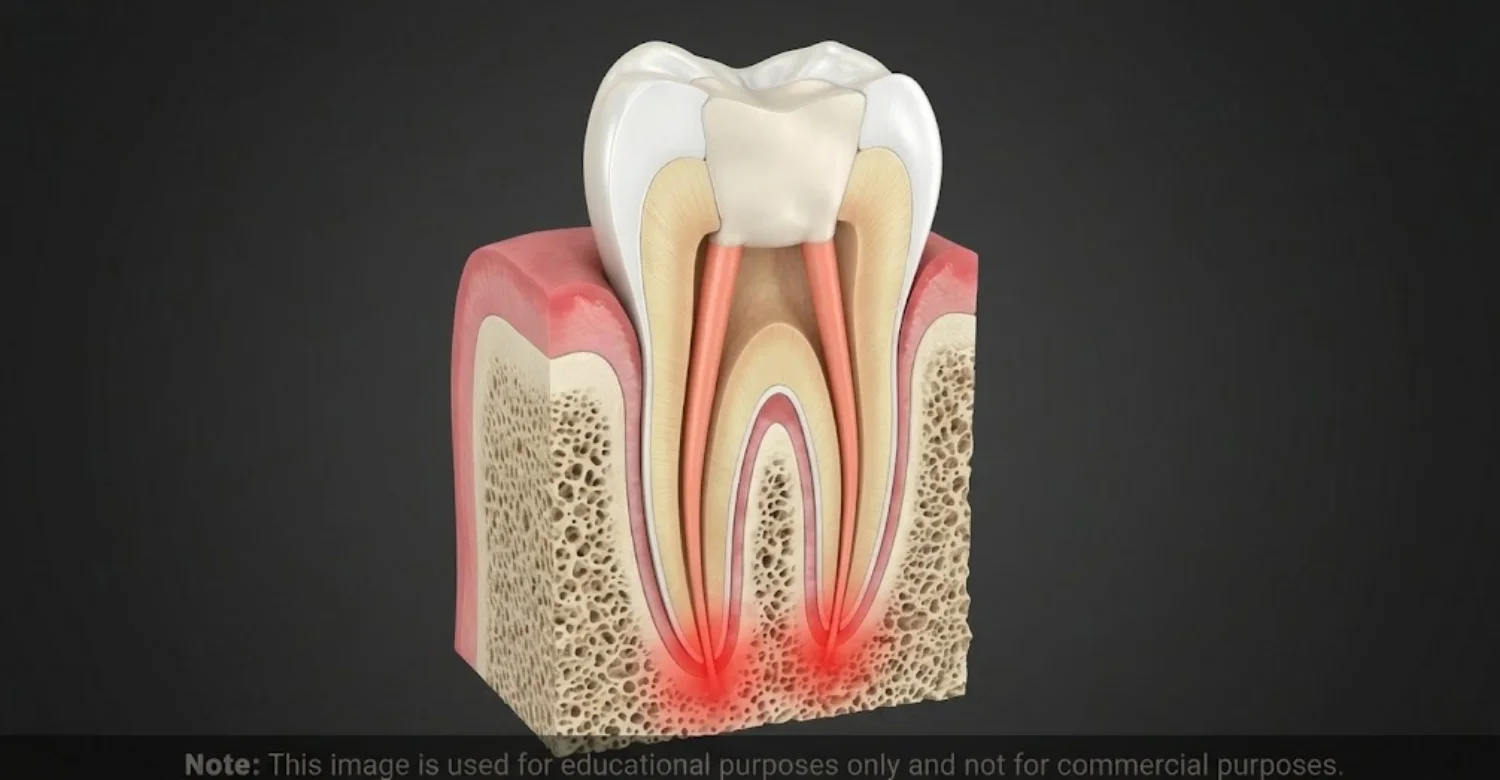
Note : All images used are for editorial and illustrative purposes only and may not originate from the original news provider or associated company.
When to Worry About Pain After Root Canal Treatment
Most postoperative pain after root canal treatment settles without complications. However, certain symptoms need prompt dental or medical assessment. Recognising them early allows faster and simpler treatment. Do not ignore signs that your symptoms are worsening. The following warning signs deserve particular attention.
Warning Signs That Require Prompt Dental Assessment
Contact your dentist promptly if symptoms worsen rather than improve. Early review can prevent a minor problem becoming a serious one. The specific warning signs are listed below.
Severe or worsening pain that is not controlled by the recommended treatment
Pain that breaks through recommended medication is a warning sign. So is pain that grows stronger each day. This may indicate a flare-up, high bite, or infection. Do not keep increasing your medication doses. Contact your dentist for assessment instead. Early treatment usually brings faster relief.
Increasing swelling or swelling that returns after initial improvement
Swelling that increases over time needs prompt assessment. Swelling that returns after settling is also concerning. It may indicate a developing abscess. Drainage, canal cleaning, or medication may be needed. Note when swelling started and how quickly it is changing. This information helps your dentist judge urgency.
Fever, feeling generally unwell, or signs that an infection may be spreading
Fever suggests that infection may be affecting the whole body. Feeling generally unwell, tired, or shivery is also significant. Swollen lymph nodes under the jaw may be present. These signs require same-day dental or medical assessment. Antibiotics may be needed alongside dental treatment. Do not wait for these symptoms to settle on their own.
Persistent pain accompanied by pus, a bad taste, or a draining gum lesion
A pimple-like bump on the gum may be a sinus tract. It allows pus from an infection to drain into the mouth. A persistent bad taste or smell may accompany it. Pain may be mild because pressure is released through drainage. However, this still indicates ongoing infection. A dental review is needed to treat the source.
When Facial or Neck Swelling Requires Urgent Medical Attention
Swelling spreading across the face or into the neck is serious. It may indicate cellulitis, a rapidly spreading infection. Swelling under the jaw or around the eye needs urgent care. High fever and difficulty opening the mouth add to the concern. Seek same-day emergency dental or medical assessment. Severe dental infections can become life-threatening without prompt treatment.
Why Difficulty Breathing or Swallowing Is a Medical Emergency
Difficulty breathing or swallowing may signal a deep neck infection. One example is Ludwig's angina, which can block the airway. This is a medical emergency requiring immediate hospital care. Call emergency services, such as 911 in the US or 999 in the UK. In Turkey, call 112. Do not wait for a dental appointment in this situation.
Should You Contact Your Dentist if Pain Does Not Improve?
Yes, you should contact your dentist if pain does not improve. A useful guide is a lack of clear improvement after three to five days. Postoperative pain after root canal treatment persisting beyond two weeks also warrants review. Your dentist can check the bite, restoration, and healing. Many causes are simple to correct. Early contact avoids unnecessary suffering.
When Not to Wait for a Routine Follow-Up Appointment
Some symptoms should not wait for your next scheduled visit. These include rapidly increasing swelling, fever, or uncontrolled pain. A lost temporary filling also needs prompt attention. A broken tooth or crown should be assessed quickly. Call your dentist and describe your symptoms clearly. They can decide how urgently you need to be seen.
How Can You Reduce the Risk of Postoperative Root Canal Pain?
You cannot control every factor, but you can lower the risk. Following care instructions supports faster healing. Protecting the tooth reduces fracture and leakage. Early reporting of symptoms prevents complications. These steps can reduce postoperative pain after root canal treatment alongside good clinical care.
Follow Your Dentist's Post-Treatment Instructions
Your dentist's instructions are tailored to your tooth and health. They may include medication timing, eating advice, and hygiene guidance. Some dentists recommend taking pain relief before the anaesthetic fades. Following instructions consistently reduces discomfort and complications. Ask questions if anything seems unclear. Written instructions can be helpful to keep at home.
Protect the Treated Tooth Until Its Final Restoration Is Complete
A root-treated tooth is weaker until it receives its final restoration. Avoid biting hard foods or opening packaging with your teeth. Chew mainly on the other side of your mouth. Back teeth are especially vulnerable to fracture. Research shows crowned back teeth survive significantly longer than uncrowned ones. Protecting the tooth now helps preserve it for years.
Attend Follow-Up Appointments and Recommended Restoration Visits
Follow-up visits confirm that healing is progressing normally. Your dentist may take X-rays to monitor the bone around the root. European guidelines suggest a radiographic review at least one year after treatment. Restoration visits complete the protection of the tooth. Missing these appointments can allow problems to develop unnoticed. Schedule them before leaving the clinic if possible.
Maintain Daily Oral Hygiene and Routine Dental Checkups
Good oral hygiene protects both the treated tooth and its neighbours. Brush twice daily with fluoride toothpaste. Clean between your teeth daily using floss or interdental brushes. Regular checkups help detect decay around restorations early. Gum disease can also threaten root-treated teeth over time. Prevention remains far simpler than further treatment.
Report Persistent Symptoms Early Instead of Self-Treating Repeatedly
Repeated self-treatment can delay diagnosis of a correctable problem. Persistent symptoms deserve professional evaluation. Report pain that is not improving, swelling, or a loose filling. Describe when pain occurs and what triggers it. Early reporting often allows simpler, less costly treatment. Your dentist would rather see you early than late.
Average Cost of Root Canal Treatment in the US, UK, and Turkey
Root canal treatment costs vary by country, tooth type, treatment complexity, and clinician experience. Molars generally cost more than front teeth because they have more canals. The following tables provide approximate private treatment prices and NHS England charges for 2026. These figures are planning estimates, not fixed quotes.
Country | Average Cost per Tooth | Pricing Type | Notes |
United States | 700–1,600 | Private | Crown usually costs extra |
United Kingdom | $300–$1,200 | Private | Depends on tooth and complexity |
United Kingdom | $76.60 | NHS England, Band 2 | Eligible patients, from April 2026 |
Turkey | 100–400 | Private | Depends on clinic and case complexity |
How Much Does Root Canal Treatment Cost in the United States?
In the United States, root canal treatment is among the more expensive dental procedures. The price depends on the tooth, provider, and insurance coverage. Front teeth usually cost less than molars. Endodontists may charge more than general dentists. A crown, often recommended for back teeth, increases the overall cost.
Tooth or Procedure | Estimated Cost (USD) |
Front tooth | 700–1,000 |
Premolar | 800–1,300 |
Molar | 1,000–1,600 |
Root canal retreatment | 800–2,000 or more |
Dental crown after treatment | 1,000–2,500 |
These are indicative budgeting ranges; individual fees vary by region and practice.
Approximate Average: $978 per Tooth
Cost Measure | Estimated Amount |
Published average | Approximately $978 |
Lower published estimate | $679 |
Higher published estimate | $1,733 |
Crown and additional restoration | Usually extra |
The root canal fee generally excludes the final crown, post, and core build-up. Dental insurance may cover part of the treatment, subject to policy limits and deductibles. Patients should confirm their expected out-of-pocket costs before proceeding.
How Much Does Root Canal Treatment Cost in the United Kingdom?
UK prices depend on whether treatment is private or provided through the NHS. Private fees vary by location, clinician, and tooth complexity. Specialist endodontists generally charge more for complicated cases. NHS charges follow fixed treatment bands for eligible patients in England.
Private Treatment: Approximately $300–$1,200
Tooth or Procedure | Estimated Private Cost |
Front tooth | $300–$700 |
Premolar | $400–$800 |
Molar | $500–$1,200 |
Specialist molar treatment | $900–$1,500 |
Dental crown after treatment | $500–$1,200 |
Private prices depend on the practice, tooth anatomy, and whether specialist treatment is needed. A crown is generally quoted separately.
NHS England Comparison: $76.60 Under Band 2
NHS England Treatment Band | Charge from 1 April 2026 | Typical Coverage |
Band 1 | $27.90 | Examination, diagnosis, and necessary X-rays |
Band 2 | $76.60 | Band 1 services plus fillings, root canal treatment, and extractions |
Band 3 | $332.10 | More complex treatment, including eligible crowns and bridges |
These are NHS England charges for eligible patients. A course of treatment is generally charged at the highest applicable band rather than charging separately for every procedure within that course. Exemptions may apply.
How Much Does Root Canal Treatment Cost in Turkey?
Turkey offers comparatively affordable root canal treatment at many private clinics. However, fees vary by city, provider, tooth type, and complexity. Patients travelling internationally should also consider accommodation, travel, and arrangements for follow-up treatment.
Published Planning Range: Approximately 100–400 per Tooth
Tooth or Procedure | Estimated Cost (USD) |
Front tooth | 100–200 |
Premolar | 120–250 |
Molar | 150–400 |
Root canal retreatment | 150–400 or more |
Dental crown after treatment | 150–400 or more |
Root canal and crown combined | Approximately 300–850 |
These are indicative market estimates, not Vitrin Clinic's confirmed fees. Actual prices depend on the restoration selected, diagnostic requirements, and individual treatment plan.
What Is Included in the Root Canal Treatment Price?
Root canal quotations do not always cover every stage of treatment. Some clinics include examination and imaging, while others bill these services separately. The following table outlines typical inclusions and possible extra charges.
Treatment Component | Common Pricing Arrangement | What to Confirm |
Initial examination | Included or charged separately | Consultation fee |
Dental X-rays | Sometimes included | Number and type of images |
CBCT scan | Usually an additional fee when indicated | Whether three-dimensional imaging is necessary |
Root canal procedure | Main treatment fee | Number of canals and appointments covered |
Local anaesthesia | Often included | Whether additional procedures incur fees |
Temporary filling | May be included | Whether the permanent filling is separate |
Permanent filling or core build-up | May be charged separately | Materials and restoration costs |
Final dental crown | Usually separate | Crown material and laboratory fees |
Follow-up appointments | Varies by clinic | Number of included reviews |
Retreatment | Usually charged separately | Fees if the original treatment fails |
A written, itemised estimate helps patients understand the total cost before treatment begins.
Examination, Diagnostic Imaging, and the Root Canal Procedure
Service | Typical Cost Consideration |
Consultation | May be included or separately billed |
Periapical X-rays | Often a modest additional fee if excluded |
Panoramic X-ray | May be charged separately |
CBCT scan | Usually costs more than conventional X-rays |
Root canal procedure | Main treatment charge; varies by tooth |
The final fee depends on the diagnostic work required and the complexity of the root canal system.
Temporary or Permanent Filling and the Final Dental Crown
Restoration | Typical Cost Consideration |
Temporary filling | Often included during treatment |
Permanent filling | May be included or separately billed |
Post and core build-up | Additional cost when required |
Porcelain or E-max crown | Usually a separate laboratory restoration |
Zirconia crown | Usually a separate restoration fee |
A crown is frequently recommended for root-treated back teeth to protect them from fracture. Whether a crown is needed depends on the remaining tooth structure and clinical assessment.
Consultation, Follow-Up Visits, Retreatment, and Additional Procedures
Additional Service | Typical Pricing Arrangement |
Follow-up examination | Included or charged per visit |
Review X-rays | May be charged separately |
Root canal retreatment | Usually a separate procedure fee |
Apical surgery | Additional specialist or surgical fee |
Emergency review | Depends on the clinic's policy |
Additional restorative work | Quoted according to the required treatment |
Patients should confirm how the clinic manages complications and whether follow-up appointments are included in the original quotation.
Why Do Root Canal Treatment Costs Differ Between Countries?
Differences in operating costs, clinician fees, laboratory charges, insurance arrangements, and public healthcare funding influence prices. The table below summarises the main factors.
Cost Factor | How It Affects Pricing |
Staff wages and clinic overheads | Contribute to the overall treatment fee |
Tooth anatomy | Molars generally require more time and canal preparation |
Clinician experience | Specialist treatment may cost more |
Diagnostic equipment | Advanced imaging can increase costs |
Restoration materials | Crown type and laboratory work affect the total |
Public healthcare funding | Eligible NHS patients pay regulated charges in England |
Currency exchange rates | Affect international price comparisons |
Follow-up arrangements | Additional visits may increase the overall expense |
A lower price does not automatically indicate lower quality. Patients should compare clinician qualifications, treatment methods, infection-control standards, restoration quality, and aftercare.
How Can Patients Compare Root Canal Treatment Quotes Fairly?
The best comparison includes the complete cost of saving and restoring the tooth, rather than the root canal fee alone.
Compare Itemised Treatment Plans Rather Than Headline Prices
Item to Compare | Questions to Ask |
Root canal procedure | Does the price cover all required canals? |
Examination and imaging | Are consultation and X-rays included? |
Temporary and permanent filling | Are both included in the quote? |
Final restoration | Is a crown required, and what does it cost? |
Follow-up appointments | How many reviews are included? |
Total treatment | What is the estimated final price? |
An itemised quote makes it easier to identify differences between clinics and avoid unexpected charges.
Check Which Restorations, Diagnostic Tests, and Follow-Up Services Are Included
Service | Why It Matters |
Dental X-rays or CBCT | Confirms the diagnostic requirements |
Core build-up or post | May be necessary when little tooth structure remains |
Dental crown | Can substantially increase the total |
Follow-up X-rays | Help assess healing when indicated |
Additional appointments | May incur separate fees |
Patients should confirm which services are clinically necessary and which are included in the quoted amount.
Distinguish Routine Treatment Costs From Postoperative Complications
Situation | Potential Additional Cost |
Routine postoperative review | May be included or separately billed |
Bite adjustment | May incur an additional fee |
Persistent symptoms requiring reassessment | Additional consultation or imaging |
Root canal retreatment | Separate treatment charge |
Apical surgery | Additional surgical and specialist fees |
Postoperative pain does not always indicate treatment failure, but persistent or worsening symptoms should be assessed by a dentist. Patients travelling abroad should arrange access to follow-up care before leaving home.
At Vitrin Clinic Treatment Pricing
The cost of root canal treatment varies depending on the tooth type, the number of canals involved, and the country of treatment. The following table provides a transparent comparison of average costs across the United Kingdom, United States, and Vitrin Clinic in Istanbul from a straightforward anterior root canal to surgical apicectomy allowing patients to plan their endodontic care with accurate financial context before their consultation.
Treatment | 🇬🇧 UK | 🇺🇸 USA | 🇹🇷 Turkey |
|---|---|---|---|
Incisor / canine root canal Single root, anterior tooth | $510 – $890 | $700 – $1,200 | From $80 |
Premolar root canal 1–2 canals, moderate complexity | $635 – $1,015 | $800 – $1,400 | From $100 |
Molar root canal 3–4 canals, highest complexity | $890 – $1,780 | $1,000 – $1,800 | From $150 |
Root canal retreatment Previously treated tooth, per tooth | $955 – $1,205 | $1,200 – $2,500 | From $150 |
Apicectomy Surgical root-end resection | $380 – $540 | $900 – $1,500 | From $200 |
Consultation & 3D imaging | Charged separately | Charged separately | Free & included |
Estimated saving | — | — | Up to 70% less |
* Prices are averages for reference only and may vary based on tooth type, number of canals, infection severity, and individual case requirements. A personalised quote is provided following your free consultation.






How Can Vitrin Clinic Help Manage Pain After Root Canal Treatment?
At Vitrin Clinic, we focus on finding the cause before recommending treatment. Our team reviews your symptoms, history, and previous dental work. We use clinical examination and imaging where appropriate. Treatment plans are tailored to your specific findings. Our aim is to relieve pain while preserving your natural tooth where possible.
Assessing Tooth Pain After Root Canal Treatment Before Recommending Further Care
We begin with a thorough assessment of the painful tooth. This includes your pain history, a bite check, and a restoration review. We also examine nearby teeth, gums, and jaw muscles. Our goal is to identify the true source of postoperative pain after root canal treatment. Further care is only recommended once the cause is clear. This protects you from unnecessary procedures.
When Dental Imaging May Help Investigate Persistent Symptoms
Imaging can reveal problems that are invisible during a visual examination. Periapical X-rays show the root filling and the bone around the root. CBCT may be considered when standard images are inconclusive. It can help detect missed canals, cracks, or hidden lesions. Imaging is used only when clinically justified. We explain the purpose of each scan before taking it.
Personalized Treatment Planning for Bite-Related Pain, Infection, or Restoration Problems
Every treatment plan follows the clinical findings. Bite-related pain may need only a simple adjustment. Persistent infection may require retreatment or further management. Restoration problems may need repair or replacement. We discuss each option, its benefits, and its limitations. You remain involved in every decision about your care.
Discussing Appropriate Restorative Options After Root Canal Treatment
The final restoration is essential for long-term success. Options include fillings, onlays, and full-coverage crowns. Back teeth often benefit from cuspal coverage to prevent fracture. Front teeth may sometimes be restored with fillings alone. Our team considers function, appearance, and remaining tooth structure. We then recommend the option best suited to your tooth.
How Vitrin Clinic Supports Your Treatment Journey
Treatment involves more than a single appointment. We support patients from the first consultation to long-term follow-up. Clear communication is central to our approach. The following steps describe how we guide each patient.
Consultation and Review of Previous Dental Treatment
Your first visit includes a detailed consultation. We review previous dental treatment, X-rays, and any records you bring. Sharing earlier treatment notes helps us understand your history. We listen carefully to your symptoms and concerns. This review forms the foundation of your care plan.
Individualized Clinical Assessment and Diagnostic Planning
Next, we carry out a thorough clinical examination. Diagnostic tests and imaging are selected according to your needs. We avoid unnecessary tests and explain every recommended scan. Findings are discussed with you in clear, simple language. A diagnostic plan is then agreed together.
Coordinating Appropriate Treatment With the Relevant Dental Team
Some cases require more than one dental discipline. Endodontic, restorative, and cosmetic care may all be involved. Our team coordinates these services within one treatment plan. This helps ensure consistent communication and timing. You benefit from a joined-up approach to your oral health.
Clear Explanations of Treatment Options, Expected Recovery, and Costs
We explain each treatment option before you decide. This includes expected recovery, possible discomfort, and realistic outcomes. We also explain what postoperative pain after root canal treatment may feel like. Costs are presented in a clear, itemised format. Informed patients make confident decisions about their care.
Follow-Up Guidance and Communication After Dental Treatment
After treatment, you receive written aftercare instructions. We explain which symptoms are normal and which need contact. Follow-up visits monitor healing and restoration success. You can reach our team if concerns arise during recovery. Ongoing communication supports a smoother healing process.
Ready to transform your smile?
Talk to our team and get a personal FREE treatment plan.
What Related Dental Topics Should You Explore About Root Canal Treatment?
Understanding related topics can help you make better decisions. The guides below cover common questions linked to root canal care. Each topic connects to recovery, restoration, or urgent symptoms.
Root Canal Treatment and Endodontic Care
Endodontics focuses on the dental pulp and the tissues around the root. Root canal treatment removes infected or inflamed pulp. The canals are then cleaned, shaped, and sealed. The American Association of Endodontists estimates over 15 million root canals are performed yearly in the US. Understanding the procedure can reduce anxiety before treatment.
Dental Crowns and Restorations After Root Canal Treatment
Crowns protect root-treated teeth from fracture and leakage. They are especially important for molars and premolars. Research links crowned root-treated teeth with higher survival rates. Materials include ceramic, zirconia, and metal-ceramic options. Your dentist will recommend the best material for your tooth.
Tooth Abscess: Causes, Symptoms, and Treatment
A tooth abscess is a collection of pus caused by bacterial infection. It often follows deep decay or a cracked tooth. Symptoms include throbbing pain, swelling, and a bad taste. Treatment involves draining the infection and removing its source. Root canal treatment or extraction is usually required.
Toothache and Pain When Biting Down
Pain when biting can come from cavities, cracks, or inflamed ligaments. It may also follow a recent filling or root canal. Identifying the trigger helps locate the cause. Persistent biting pain should always be assessed. Early diagnosis often allows simpler treatment.
Emergency Dentistry and Urgent Dental Symptoms
Emergency dentistry manages severe pain, swelling, and dental trauma. Urgent symptoms include facial swelling, fever, and uncontrolled bleeding. Knowing when to seek help can prevent serious complications. Breathing or swallowing difficulty always requires emergency medical care.
Root Canal Retreatment: When Is It Necessary?
Retreatment may be needed when a previously treated tooth becomes infected again. Causes include missed canals, leakage, or new decay. The procedure removes the old filling and recleans the canals. Retreatment often saves teeth that might otherwise be extracted. Your dentist will assess suitability carefully.
.jpg)
.jpg)
.jpg)
.jpg)
Key Takeaways
Postoperative pain after root canal treatment is common, usually mild, and often temporary. The key points from this guide are summarised below. Use them as a quick reference during your recovery.
What to Know About Normal Postoperative Pain and Recovery
About 40% of patients feel some pain at 24 hours.
This usually falls to around 11% after seven days.
Steady improvement matters more than pain intensity.
Around 97% of treated teeth were retained after eight years in a large study.
The Main Causes of Persistent or Severe Pain After Root Canal Treatment
Inflammation around the root tip.
A high bite or excessive bite pressure.
Persistent infection or missed canals.
Cracks, fractures, or leaking restorations.
Safe Pain Relief, Medication Side Effects, and Essential Medical Tips
Ibuprofen and paracetamol are commonly recommended options.
Never exceed label doses or combine duplicate ingredients.
Never place aspirin directly on the gums.
Antibiotics rarely relieve postoperative pain.
Eat soft foods and protect the tooth until it is restored.
Warning Signs That Require Dental or Emergency Medical Assessment
Worsening or uncontrolled pain.
Increasing or returning swelling.
Fever or feeling generally unwell.
Breathing or swallowing difficulty needs emergency care immediately.
Understanding Root Canal Costs in the US, UK, and Turkey
US average: about $978 per tooth.
UK private: about $400–$1,200; NHS Band 2: $76.60.
Turkey: approximately $130–$400.
Always compare itemised quotes, including crowns.
Why Personalized Clinical Evaluation Matters When Pain Persists
Similar pain can have very different causes. Accurate diagnosis prevents unnecessary procedures. It also ensures the real problem is treated effectively.
Ready to transform your smile?
Talk to our team and get a personal FREE treatment plan.
At Vitrin Clinic
At Vitrin Clinic, endodontic treatment begins with identifying the cause of your tooth pain or infection. Our dental team evaluates the affected tooth and surrounding tissues, using dental X-rays when clinically appropriate. Based on the findings, we explain the recommended treatment, expected steps, and aftercare instructions. We also provide transparent, itemised cost information before treatment. Contact Vitrin Clinic to book your consultation and explore the right approach to preserving your natural tooth.
Reference
FAQs
Dr. Rifat Alsaman has more than 5 years of clinical experience in dentistry and currently serves as the Head of the Medical Team at Vitrin Clinic. He is dedicated to providing exceptional patient care, overseeing treatment planning, and ensuring the highest clinical standards across the team. His expertise, attention to detail, and commitment to continuous professional development have helped countless patients achieve healthier, more confident smiles.


