General Dentistry
August 3, 2026
How Artificial Intelligence Is Transforming Modern Dentistry ?
 Dr. Rifat Alsaman
Artificial intelligence in dentistry is transforming modern dental care. It improves diagnosis, planning, and personalized treatments through advanced digital technologies. AI tools support dental diagnosis, X-rays, smile design, and treatment planning. They help dentists boost accuracy while enhancing overall outcomes. Vitrin Clinic integrates these smart tools into diagnostic and cosmetic workflows. This approach provides precise, personalized care for every patient. AI supports practitioners by analyzing data and detecting problems early. It improves communication without replacing hands-on clinical expertise. Studies indicate dental AI adoption is growing rapidly. Clinics increasingly rely on imaging systems for superior patient care. Dr. Rifat Alsaman, Head of the Medical Team at Vitrin Clinic and a cosmetic dentist, explains that technology should support clinical decisions. As technology evolves, smart systems may create more customized care using AI implants, cosmetic dentistry, and digital design.
The Growth of Artificial Intelligence in Dentistry
Artificial Intelligence in Dentistry:
The global AI dental market is expanding rapidly. Dental practices everywhere now adopt smart diagnostics, digital workflows, and treatment planning tools. Research shows imaging systems can detect cavities, bone loss, and oral abnormalities through advanced X-ray analysis. Automated technologies integrate seamlessly with digital dentistry. This includes automated diagnosis, digital radiographs, CAD/CAM dentistry, and digital smile design. Studies suggest AI-driven treatment planning supports better outcomes for dental implants, cosmetic dentistry, and custom smile procedures. This global shift mirrors our practice experience. Modern tools improve diagnostic precision, planning accuracy, and overall patient care. Dr. Rifat Alsaman highlights that technology supports clinical decisions while requiring hands-on expertise and patient-focused care.
What Does "AI in Dentistry" Actually Mean?
AI in dentistry refers to computer systems and machine learning algorithms that assist dentists. These tools help diagnose conditions, plan treatments, analyze images, and personalize care solutions. Unlike traditional equipment, smart software processes vast clinical data quickly. It recognizes patterns and helps dentists make more accurate decisions.
In modern practices, these systems work alongside digital dentistry tools rather than replacing the dentist's role. They enhance procedures like automated diagnosis, X-rays, treatment planning, digital smile design, CAD/CAM, and cosmetic dentistry.
AI Technology | How It Is Used in Dentistry |
AI Dental Diagnosis | Helps identify cavities, gum problems, bone changes, and other oral conditions through advanced image analysis. |
AI Dental X-Rays | Analyzes radiographs to highlight potential concerns that may require further clinical evaluation. |
AI Smile Design | Creates digital previews of possible cosmetic treatment outcomes before procedures begin. |
AI Treatment Planning | Supports dentists in developing personalized treatment strategies based on patient data. |
AI Dental Implants | Assists with implant planning by evaluating bone structure and improving surgical preparation. |
CAD CAM Dentistry | Uses digital scans and computer-aided manufacturing to design and create precise dental restorations. |
The Tools We Actually Use at Vitrin Clinic
The true value of these advanced systems comes from combining smart technology with expert dentists. At Vitrin Clinic, digital tools enhance diagnosis, communication, and treatment planning. This creates a more accurate experience for every patient. Our workflow includes digital X-rays, intraoral scanning, and smile design software for personalized cosmetic planning. These tools help visualize veneers, crowns, and smile transformations. They also support precise restorations using digital scans and CAD/CAM dentistry. Dr. Rifat Alsaman explains that technology connects digital tools with clinical expertise, keeping decisions guided by the dentist. Combining automated diagnosis, digital dentistry, and human experience leads to safer planning and clearer communication. Full report on Subperiosteal Vs Bone Graft Implant
AI-Powered Diagnosis: Catching Problems Earlier
Smart systems help dentists detect oral health problems earlier by evaluating digital images and identifying subtle concerns. Algorithms review dental X-rays and scans to highlight patterns linked to decay, bone changes, and other conditions. Traditional examinations depend solely on dentist expertise. Modern diagnostic tools provide additional automated analysis for closer evaluation. These technologies are especially useful for identifying early cavities that might not show up clearly during standard checks. At Vitrin Clinic, digital tools support check-ups and cavity planning by providing detailed information about teeth and restorations. Early detection allows dentists to recommend preventive solutions and minimally invasive treatments before problems grow complex.
Traditional Approach vs. AI-Assisted Approach at Vitrin Clinic
Traditional Dental Examination | AI-Assisted Approach at Vitrin Clinic |
Relies mainly on visual examination and dentist experience | Combines dentist expertise with digital image analysis tools |
Some early changes may be difficult to detect | AI-supported systems can highlight areas requiring further review |
Diagnosis depends on available clinical information | Digital scans and X-rays provide more detailed data for evaluation |
Treatment planning starts after identifying visible concerns | Earlier detection may support preventive and personalized planning |
The goal of artificial intelligence in dentistry is not to replace dentists but to enhance their ability to make informed decisions. AI tools act as a supportive technology that helps organize clinical information, improve communication with patients, and increase confidence during diagnosis.
Clinic Tip
At Vitrin Clinic, every digital X-ray is also reviewed manually by your dentist. Smart systems help us analyze information and identify areas needing attention, but the final diagnosis and treatment decisions always belong to the doctor. This combination of technology and clinical judgment ensures patients receive care based on advanced tools and professional expertise.
Dr. Rifat Alsaman explains: “Automated diagnostic tools provide valuable support by helping dentists notice details more efficiently. However, successful treatment depends on understanding the patient’s complete condition, goals, and long-term oral health needs.”
With continued advances in dental X-rays, digital dentistry, and treatment planning, dental care is moving toward earlier detection and personalized treatment. Scientific facts about Chemotherapy Affect Teeth
Digital Smile Design: Visualizing Your Future Smile Before Treatment
Digital tools are transforming cosmetic dentistry by allowing patients to preview their potential results before starting care. Through technologies like digital smile design, AI smile modeling, and digital scanning, dentists create customized simulations. These visual tools show how treatments improve tooth shape, alignment, proportions, and aesthetics.
Patients considering cosmetic options like veneers, teeth whitening, crowns, or orthodontic alignment often ask: “How will my smile look after treatment?” Smart technology answers this question by combining digital analysis with cosmetic planning, giving patients a clear vision of their potential results.
How Digital Smile Design Works at Vitrin Clinic
At Vitrin Clinic, digital smile design is used as part of the cosmetic dentistry planning process to create a more personalized and predictable treatment experience. The process usually includes several important steps:
1. Consultation and Smile Assessment
The process begins with a detailed consultation where the dentist evaluates the patient’s smile goals, facial features, tooth condition, bite, and aesthetic preferences. This step helps create a treatment plan that matches the patient’s expectations while maintaining natural-looking results.
2. Digital Scanning and Smile Analysis
Instead of relying only on traditional impressions, digital scanning technology captures accurate information about the teeth and oral structures. These digital records help the dental team analyze tooth position, shape, color, and proportions.
Combined with artificial intelligence in dentistry, digital tools can support more accurate planning by organizing clinical data and helping dentists evaluate different cosmetic possibilities.
3. Smile Preview and Expected Results
One of the biggest advantages of digital smile design is that patients can visualize a preview of their potential smile before treatment begins. The digital simulation allows patients to understand possible changes in:
Tooth size and shape
Smile symmetry
Tooth alignment
Overall facial harmony
Cosmetic improvements from veneers, crowns, or whitening treatments
This interactive approach improves communication between patients and dentists because expectations can be discussed before any procedure starts.
4. Personalized Treatment Implementation
After reviewing the smile preview, the dentist creates a customized treatment plan based on the patient’s needs. Depending on the case, options may include veneers, teeth whitening, orthodontic solutions, or other cosmetic dentistry procedures.
Why Digital Smile Design Improves Patient Confidence
Many patients feel uncertain about cosmetic dentistry because they cannot imagine the final outcome. Artificial intelligence in dentistry and digital smile design help bridge this gap by turning treatment planning into a visual experience rather than only a clinical explanation.
Dr. Rifat Alsaman, explains: “Digital smile design allows patients to become part of the planning process. Technology helps us communicate the expected direction of treatment, while our clinical experience ensures that the final result is healthy, functional, and natural-looking.” Did you know about Sparkling Water And Teeth
AI and Dental Implants: More Accurate Planning for Better Results
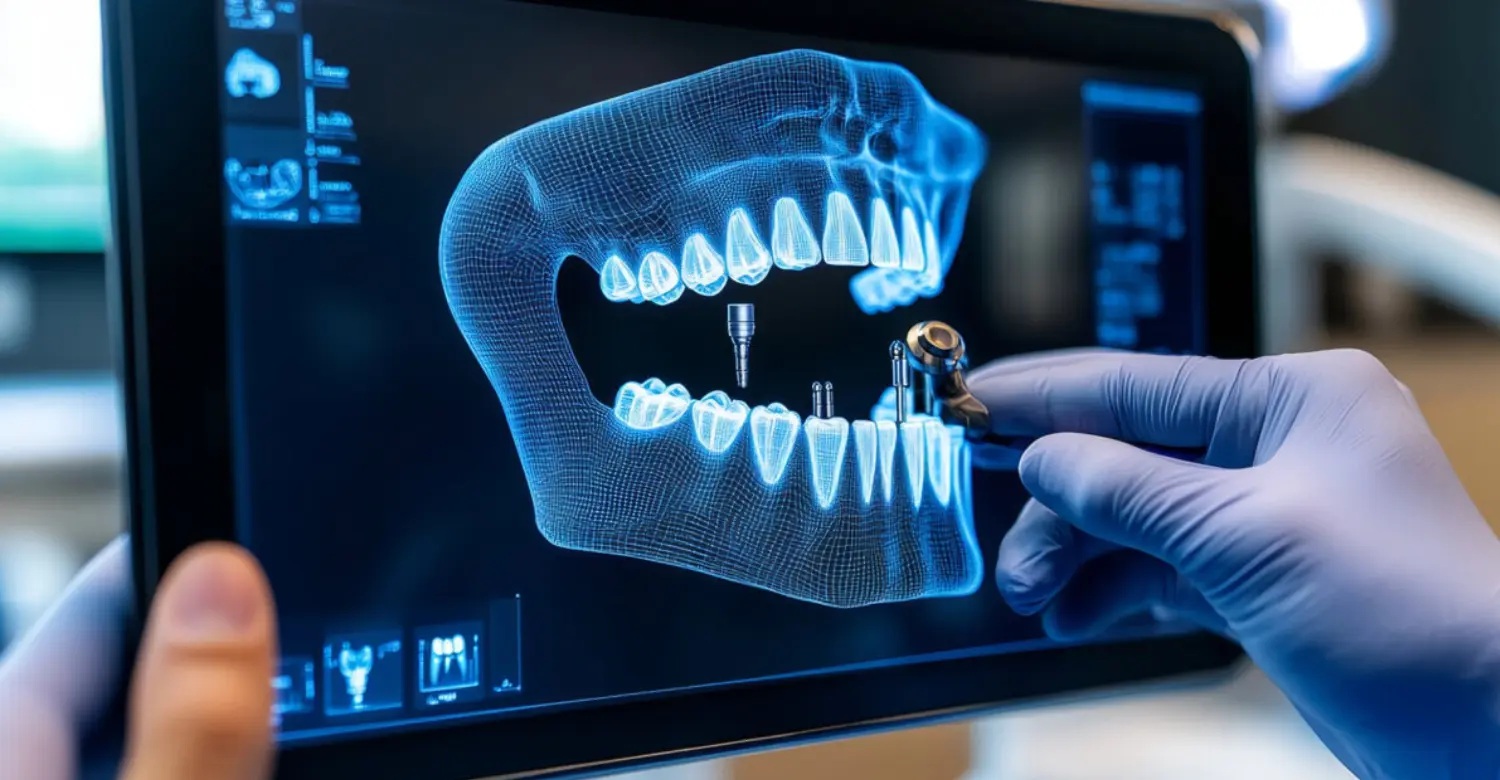
Intelligent systems improve dental implant treatments by analyzing patient data, evaluating bone conditions, and creating precise plans before placement. Through technologies like AI implant modeling and digital planning, dentists better understand oral structures to prepare customized surgical approaches.
Dental implant placement requires careful preparation. Factors like bone volume, position, bite forces, and surrounding anatomical structures heavily influence the outcome. Smart systems support this process by analyzing 3D scans, helping dentists identify key details before surgery begins.
How AI-Assisted Implant Planning Works
Before placing dental implants, the dentist collects detailed information through digital imaging tools such as 3D scans and digital X-rays. AI-supported systems can help organize and analyze this information, allowing the dental team to evaluate:
Available bone structure and density
Ideal implant positioning
The relationship between implants and surrounding teeth or anatomical areas
The most suitable treatment approach for each patient
By improving the planning stage, AI dental implants technology can help reduce uncertainty and support more predictable implant placement. However, the final treatment decisions always depend on the dentist’s clinical expertise and patient-specific evaluation.
AI Dental Implants at Vitrin Clinic
At Vitrin Clinic, digital implant workflows are used to support implant treatment planning and improve patient understanding of the procedure. The process begins with a detailed consultation, followed by digital imaging and analysis to create a personalized implant plan.
For patients receiving implant treatments, digital technologies help the dental team determine the most appropriate implant position and restoration design before treatment begins. This approach allows dentists to plan with greater precision and provide patients with a clearer understanding of their expected treatment journey.
Traditional Implant Planning vs. AI-Assisted Planning
Traditional Implant Planning | AI-Assisted Planning |
Based mainly on clinical examination and standard imaging | Combines clinical expertise with advanced digital analysis |
Treatment planning may require more manual interpretation | Digital tools help organize complex patient data |
Patients may have less visual understanding of the procedure | 3D planning can improve patient communication |
Implant positioning depends on available diagnostic information | Additional digital insights support more precise planning |
Clinical Note
At Vitrin Clinic, advanced technology is a supporting tool, not a replacement for the practitioner. Smart software improves planning accuracy, but the experience of the implant dentist remains the most critical factor for safe results.
Dr. Rifat Alsaman explains: “Artificial intelligence in dentistry gives clinicians detailed information before implant procedures. It helps us analyze cases carefully, but successful treatment always requires medical knowledge, skill, and proper patient evaluation.”
Tips for Patients Considering Dental Implants
Choose a clinic that uses advanced diagnostic tools and follows a detailed planning process.
Ask how digital imaging is used during your implant consultation.
Understand that technology supports treatment, but dentist experience determines the final clinical decisions.
Discuss your goals, expectations, and long-term oral health needs before starting treatment.
With continued advances in AI dental implants, AI treatment planning, and digital dentistry, the future of dentistry is moving toward more predictable implant procedures, improved patient communication, and personalized treatment solutions. Secrets of Regrowing Teeth
CAD/CAM and Same-Day Restorations: Faster, More Precise Dental Solutions
Digital systems improve CAD/CAM workflows by making restorations like crowns and veneers faster, more accurate, and highly personalized. Instead of traditional methods requiring multiple appointments, digital dentistry lets dentists design and place restorations in a shorter timeframe without sacrificing quality.
CAD/CAM technology (Computer-Aided Design and Computer-Aided Manufacturing) uses digital scans and advanced software to craft customized restorations. Integrated with intelligent design tools, these systems analyze tooth structures and help dentists create natural-fitting solutions.
How Same-Day Restorations Work
For suitable cases, digital workflows can reduce the waiting time traditionally needed for crowns, veneers, and other restorations. The process usually includes:
1. Digital Dental Scan
Instead of using traditional impressions, the dentist captures a detailed 3D digital image of the teeth using an intraoral scanner. This provides accurate information about tooth shape, size, and surrounding structures.
2. Digital Design of the Restoration
Using CAD software, the dental team designs the crown or veneer digitally based on the patient’s bite, smile aesthetics, and functional needs. Artificial intelligence in dentistry can support this digital analysis by helping organize information and improve treatment planning accuracy.
3. Manufacturing the Restoration
The digital design is transferred to a milling or manufacturing system that creates the restoration from high-quality dental materials. This technology allows the dental team to produce customized restorations with precise measurements.
4. Placement and Final Adjustments
Once the restoration is created, the dentist checks the fit, bite, color, and appearance before placing it. This ensures the final result is comfortable, functional, and aesthetically balanced.
CAD/CAM Dentistry at Vitrin Clinic
At Vitrin Clinic, digital dentistry workflows are used to improve the patient experience for cosmetic and restorative treatments. For suitable cases, technologies such as digital scanning and CAD/CAM systems help streamline the process for treatments including crowns and veneers.
Patients benefit from fewer appointments, improved communication, and a clearer understanding of their expected results. Instead of waiting through multiple traditional stages, eligible patients may complete certain restorations in a significantly shorter timeframe.
Traditional Restoration Process vs. CAD/CAM Digital Workflow
Traditional Approach | CAD/CAM Digital Workflow |
Requires physical impressions | Uses comfortable digital scanning technology |
Often involves temporary restorations while waiting | Digital workflow can speed up the restoration process |
Multiple appointments may be needed | Some suitable cases can be completed in fewer visits |
More manual steps in design and production | Digital design improves consistency and precision |
Clinical Note
While CAD/CAM technology provides advanced support, not every patient is automatically suitable for same-day restorations. The dentist must evaluate tooth condition, bite forces, gum health, and overall complexity before recommending this option.
Dr. Rifat Alsaman explains: “Digital technologies allow us to work with detailed information and create highly customized restorations. However, optimal results still come from combining technology with careful clinical evaluation.”
As CAD/CAM systems, digital smile design, and diagnostic tools evolve, patients can look forward to faster workflows and predictable cosmetic outcomes. Full article on Subperiosteal Implant Complications
Benefits and Limitations of AI in Dentistry
Modern dental technology offers major advantages by improving diagnostic accuracy, treatment planning, and patient communication. However, it also has clear limitations. Smart tools support dental professionals, but they cannot replace clinical judgment or individual patient care.
As digital tools advance, practices use them across diagnostics, X-ray evaluations, treatment planning, cosmetic treatments, and implant procedures. While these systems streamline workflows, successful treatment always relies on human expertise.
Benefits of Artificial Intelligence in Dentistry
1. Earlier Detection of Dental Problems
One of the major advantages of artificial intelligence in dentistry is its ability to analyze digital images and identify patterns that may require further attention. AI-supported systems can assist dentists in reviewing dental X-rays and scans, helping detect possible concerns such as early cavities, bone changes, or other abnormalities.
2. More Personalized Treatment Planning
AI tools can help dentists organize complex patient information and create more customized treatment approaches. In procedures such as implants, cosmetic dentistry, and orthodontic treatments, AI treatment planning can support better visualization and more detailed preparation.
3. Improved Patient Communication
Technologies such as AI smile design and digital smile design allow patients to better understand possible treatment outcomes before starting procedures. Seeing a digital preview can help patients make more informed decisions about veneers, crowns, whitening, and other cosmetic treatments.
4. More Efficient Digital Workflows
Through CAD/CAM dentistry and digital dentistry, AI-supported systems can improve the design and production process for dental restorations. These workflows may reduce unnecessary steps, improve accuracy, and create a smoother experience for both patients and dental teams. Medical perspective on Subperiosteal Vs Zygomatic Implants
Limitations of Artificial Intelligence in Dentistry
1. AI Does Not Replace the Dentist
Although artificial intelligence in dentistry can analyze information quickly, it cannot fully understand the complete clinical picture of a patient. Factors such as medical history, personal goals, comfort, and long-term oral health require professional evaluation.
2. AI Depends on Quality Data
AI systems rely on the information provided to them. If digital images, scans, or patient records are incomplete, the results may not provide a complete picture. This is why dentist supervision remains essential.
3. Technology Cannot Make Final Clinical Decisions
AI can support diagnosis and planning, but the final decision must always be made by a qualified dentist. Treatment choices require professional experience, ethical considerations, and communication with the patient.
4. Implementation Requires Investment and Training
Advanced AI systems require proper equipment, software updates, and trained dental professionals. Clinics must ensure that technology is used correctly and integrated into safe clinical workflows.
Benefits vs. Limitations of AI in Dentistry
Benefits of AI in Dentistry | Limitations of AI in Dentistry |
Supports earlier detection of possible dental issues | Cannot replace dentist expertise |
Helps improve treatment planning | Depends on accurate patient data |
Enhances digital smile previews and communication | Requires professional interpretation |
Improves digital workflows and efficiency | Requires investment and training |
Supports more personalized care | Cannot consider every human factor alone |
What This Means for Patients
Modern digital tools help patients receive detailed diagnoses, clear explanations, and customized treatment plans. Practices combine dentist expertise with advanced tools to create transparent, well-informed experiences. The primary goal of digital technology is simplifying understanding through clear imaging, smile previews, and precise planning. At Vitrin Clinic, digital systems support consultations and treatment plans by thoroughly evaluating teeth, gums, and aesthetic goals. For cosmetic care, digital smile design helps patients visualize possible results before starting treatment. Smart implant workflows also support safe planning by analyzing structural data and improving clinical execution. Common answer about Subperiosteal Implants Vs Dentures
The Future of Dentistry
Advanced technology will continue shaping dental care through improved diagnostics, personalized planning, and efficient workflows. As digital systems develop, dental practices will increasingly integrate automated tools into everyday clinical care. Future developments will further refine image analysis, digital radiography, treatment workflows, and cosmetic restorations. Digital workflows will enhance patient experiences through instant smile previews and precise CAD/CAM manufacturing. Technology will remain a supportive tool, enhancing decisions without replacing clinical knowledge, judgment, or personal communication. As these tools evolve, clinics can provide more predictable, transparent, and patient-centered care.
Why Choose Vitrin Clinic for AI-Assisted Digital Dentistry?
Artificial intelligence in dentistry works best when combined with experienced dentists and advanced digital workflows.
At Vitrin Clinic, technology supports diagnosis, treatment planning, and communication while keeping clinical expertise central.
The dental team uses digital imaging, scanning, and smile design workflows to understand patient needs and create personalized plans.
These tools support treatments including veneers, crowns, dental implants, and smile makeovers with improved planning accuracy.
Dr. Rifat Alsaman emphasizes that artificial intelligence in dentistry supports diagnosis, but successful treatment requires experience and precision.
Vitrin Clinic combines modern technology with patient-focused care to deliver carefully planned and personalized dental treatments. What you didn't know about Subperiosteal Implant Recovery
The Vitrin Clinic Digital Patient Journey
Artificial intelligence in dentistry allows patients to experience a more informed and interactive treatment journey from the first consultation to the final result. At Vitrin Clinic, digital tools are incorporated into different stages of care to help patients better understand their treatment options.
The digital patient journey may include:
1. Digital Consultation and Assessment
The process begins with a detailed examination where the dental team evaluates the patient’s oral health, concerns, and smile goals. Digital records help create a more complete overview of the patient’s condition.
2. Advanced Digital Planning
Using technologies related to AI treatment planning, digital smile design, and digital dentistry, the dental team can analyze treatment possibilities and create a customized approach based on each patient’s needs.
3. Visualizing Potential Results
For cosmetic treatments, digital smile design allows patients to preview possible improvements before starting procedures. This helps patients understand the expected direction of treatments such as veneers, crowns, whitening, or smile transformations.
4. Personalized Treatment and Follow-Up
After finalizing the treatment plan, the dental team combines digital accuracy with clinical expertise to deliver care focused on function, aesthetics, and patient comfort.
Dr. Rifat Alsaman, adds: “Artificial intelligence in dentistry helps us communicate better with patients because they can see and understand their treatment plan more clearly. Technology improves the process, but the dentist’s responsibility is to ensure the treatment is medically appropriate and personalized.”
Through the combination of artificial intelligence in dentistry, digital dentistry, and expert clinical care, Vitrin Clinic continues to follow modern approaches that make dental treatment more predictable, transparent, and patient-centered. Importance of caring for What To Eat After Subperiosteal Implant
Conclusion
Digital technologies are transforming modern dental care through improved planning, diagnosis, and personalized treatments. Automated diagnostics, digital X-rays, smile design, treatment planning, implants, and CAD/CAM workflows offer valuable patient insights. The true power of artificial intelligence in dentistry comes from combining advanced digital tools with professional clinical experience. Technology improves analysis and communication, but clinical expertise remains essential for safe treatment decisions. Dr. Rifat Alsaman believes innovation and compassionate human care together form the foundation for successful modern dentistry. As digital dentistry evolves, patients can expect clearer consultations, better planning, and truly personalized care. Book a check-up at Vitrin Clinic today to discover how digital dentistry can support your treatment journey. How to deal with Subperiosteal Implant Smoking
Reference
FAQs
Dr. Rifat Alsaman has more than 5 years of clinical experience in dentistry and currently serves as the Head of the Medical Team at Vitrin Clinic. He is dedicated to providing exceptional patient care, overseeing treatment planning, and ensuring the highest clinical standards across the team. His expertise, attention to detail, and commitment to continuous professional development have helped countless patients achieve healthier, more confident smiles.


