General Dentistry
August 30, 2026
Asthma Inhaler Side Effects and Teeth : How Can Inhalers Affect Your Teeth?
 Dr. Rifat Alsaman
Asthma inhalers help control breathing symptoms. However, some inhaled medicines can influence the mouth. These effects may include dryness, irritation, and oral candidiasis. Some research also reports associations with cavities, tooth wear, and gum problems. The relationship is complex because asthma itself can involve additional oral-health factors that exist independently of any medication a patient takes. Medication type, dosage, frequency, technique, diet, hygiene, and saliva all matter. A systematic review found asthma associated with increased caries occurrence in permanent teeth. However, researchers cannot assume inhalers directly cause every dental problem. Preventive dental care can reduce many potentially avoidable complications. This is a recurring theme in discussions of Asthma Inhaler Side Effects and Teeth .
This guide explains the connection between inhaler use. It also explains practical steps for protecting teeth. Vitrin Clinic recommends coordinated preventive care for patients using inhaled medications regularly. Throughout this article, we will return repeatedly to the theme of Asthma Inhaler Side Effects and Teeth , examining how they appear, why they occur.
What Are the Common Asthma Inhaler Side Effects and Teeth ?
Inhaled medicines can produce effects that vary according to their ingredients, delivery mechanism. Common concerns include throat irritation, hoarseness, and dry mouth. Steroid inhalers are particularly associated with oral candidiasis and throat symptoms. The NHS recommends rinsing after steroid inhaler use to reduce these problems, a simple habit that dramatically lowers the incidence of fungal overgrowth in the mouth. Some patients may also experience unpleasant taste or mouth irritation. Dryness can become more noticeable when inhalers are used frequently.
Reduced saliva can affect the mouth's natural ability to buffer acids. That change may increase vulnerability to plaque-related dental problems. However, individual risk differs considerably between patients. Good technique and regular oral hygiene can help lower preventable risks. Erosion risks: Is Diet Soda Bad For Teeth
How Do Asthma Inhalers Work?
Asthma inhalers deliver medication directly into the respiratory system, bypassing much of the systemic circulation that oral medications must pass through before reaching the lungs. Different inhalers contain different medicines with different purposes. Bronchodilators relax airway muscles and improve airflow during symptoms. Inhaled corticosteroids reduce airway inflammation and help prevent asthma attacks. Combination inhalers can contain both anti-inflammatory and bronchodilator medicines.
Some medication particles may remain inside the mouth after inhalation. This exposure can contribute to local effects in susceptible patients. The amount reaching the mouth depends partly on inhaler design. A spacer may reduce oropharyngeal deposition with some metered-dose inhalers. Patients should follow their prescribed technique rather than changing treatment independently. Structural guide to Parts Of A Tooth
Which Asthma Inhalers Can Affect Oral Health?
Different inhalers can influence oral tissues differently. Inhaled corticosteroids have the strongest established connection with oral thrush, largely because of their local immunosuppressive effect on the oral mucosa. Beta-2 agonists have also been associated with reduced salivary flow, an effect that can compound the dryness already caused by mouth breathing during respiratory distress. Dry-powder formulations may produce different oral effects than aerosol formulations. Medication dose and treatment duration can also influence risk. It remains one of the more notable Asthma Inhaler Side Effects and Teeth .
Research reviews identify xerostomia, caries, candidiasis, gingivitis, and taste changes. This does not mean every inhaler user develops dental complications. Individual susceptibility remains important when evaluating oral symptoms. Your dentist should know which inhalers you use regularly. Your physician or pharmacist can confirm the correct inhaler technique. Aesthetic care: Does Coffee Stain Veneers Or Crowns
What Oral Side Effects Can Asthma Inhalers Cause?
Potential oral effects include dry mouth. Some steroid inhalers can increase the likelihood of oral candidiasis, presenting as discomfort that can interfere with eating, speaking, and swallowing. Patients may notice white patches, soreness, redness, or unpleasant mouth sensations. Hoarseness can also occur with certain inhaled corticosteroids. Reduced saliva may indirectly influence plaque and cavity development.
Some research reports associations with periodontal disease and dental erosion. However, these outcomes can involve several overlapping causes. Poor hygiene, frequent acidic drinks, reflux, and dietary habits can contribute substantially. Therefore, symptoms should be assessed rather than automatically blamed on medication. Inner tooth anatomy: Dental Pulp
Asthma Inhaler Side Effects and Teeth on Teeth
Inhaler use does not automatically damage teeth. Dental effects usually involve several interacting biological and behavioral factors. Reduced saliva is particularly important because saliva protects enamel. Some inhaled medicines can reduce salivary flow in certain patients. A meta-analysis found lower salivary flow among people with asthma, lending scientific weight to what many clinicians had already observed anecdotally.
Dryness can make plaque control more challenging. It may also reduce natural clearance of food particles and acids. Frequent medication exposure can add another potential contributing factor. However, medication should never be stopped because of dental concerns alone. Respiratory control remains essential for overall health. This pattern is commonly cited among Asthma Inhaler Side Effects and Teeth .
How Do Asthma Inhalers Affect Your Teeth?
The effects are usually indirect rather than immediate enamel destruction. Medication can contribute to dryness and changes within the oral environment, setting the stage for problems that develop gradually rather than suddenly. Less saliva means fewer natural protective mechanisms around the teeth. Saliva helps neutralize acids and supports enamel remineralization, two functions that become noticeably less effective once salivary flow drops below normal levels. When these functions decline, cariogenic conditions can become more favorable.
Some inhaled medications may also leave residues around oral tissues. Poor rinsing can increase local exposure after steroid inhaler use, compounding both the risk of candidiasis. Research suggests chronic inhaled corticosteroid use may correlate with increased caries risk. The relationship remains influenced by dosage, hygiene, diet, and other factors. Comprehensive Breakdown Of Tooth Anatomy
Can Asthma Inhalers Cause Tooth Decay?
Asthma inhalers can contribute to conditions associated with tooth decay. However, they are not considered a simple direct cause of every cavity. Dry mouth is one important mechanism connecting medication with caries risk. Reduced saliva can decrease natural acid buffering. Frequent carbohydrate consumption can further increase bacterial acid production.
A large meta-analysis found asthma associated with higher caries odds, a finding that has been replicated across multiple populations. Another review found evidence linking chronic corticosteroid use with increased caries. Researchers still recommend considering multiple contributing factors. Regular fluoride use and professional dental monitoring remain important regardless of which specific inhaler a patient uses.
Asthma Inhalers and Tooth Enamel
Enamel is the highly mineralized outer layer protecting each tooth. It can weaken through acid exposure, mechanical wear, or developmental defects, each of which follows a distinct biological pathway even though the visible result can look similar. Asthma and its treatment have been studied in relation to enamel changes, with researchers trying to disentangle the disease itself from the medications used to manage it. A systematic review found asthma closely connected with enamel defects in young teeth. Evidence linking medication specifically with enamel defects was less consistent. Clinicians often list this among the recognized Asthma Inhaler Side Effects and Teeth .
Therefore, inhalers should not automatically be described as enamel-destroying medicines. Acidic drinks and reflux may also influence enamel wear. Dry mouth can increase susceptibility by reducing protective saliva, again reinforcing how central salivary function is to nearly every discussion of Asthma Inhaler Side Effects and Teeth on the teeth. Dental assessment can identify whether changes represent erosion, attrition, or decay.
How Frequent Inhaler Use May Affect Teeth
Frequency can influence how often oral tissues encounter medication residues. Frequent use may also indicate poorly controlled asthma symptoms. Some patients therefore require more intensive preventive dental care. Research identifies dose, frequency, and duration as relevant oral-health considerations, and each of these variables should factor into a personalized prevention plan. Pediatric research has also identified associations involving higher steroid doses, a finding that is particularly relevant given how early many asthma patients begin treatment.
Frequent use should never be reduced without medical advice. Instead, patients should discuss asthma control with their respiratory clinician. Dentists can then adjust preventive strategies according to individual risk, tailoring recommendations to match the actual intensity of a patient's Asthma Inhaler Side Effects and Teeth rather than applying a one-size-fits-all approach. Regular fluoride exposure can provide additional protection against caries.
The Role of Dry Mouth in Dental Problems
Saliva provides several essential defenses against dental disease. It lubricates oral tissues and helps clear food debris, two functions that become immediately noticeable once they begin to fail. It also buffers acids produced by plaque bacteria, slowing the demineralization process that eventually leads to visible decay. Saliva supplies minerals involved in enamel remineralization. Reduced salivary flow can weaken these protective processes.
A meta-analysis found significantly reduced salivary flow among asthma patients. Patients with persistent dryness may therefore need additional preventive support. Water intake can help relieve symptoms temporarily. Dentists may recommend saliva substitutes or other strategies when appropriate, tailoring the intervention to the severity of a patient's symptoms. Persistent dry mouth deserves professional evaluation.
Clinical Note: Why Inhaler Technique Matters for Oral Health
Correct technique can reduce unnecessary medication deposition inside the mouth, directly limiting the local exposure that drives many of the concerns discussed in this article. Technique also improves the medication's delivery to the lungs. Poor technique can leave more medication around the mouth and throat. For steroid inhalers, mouth rinsing is commonly recommended afterward, a simple habit that meaningfully reduces local fungal and irritative risk. Some metered-dose inhalers may be used with spacers when prescribed.
A spacer can reduce oropharyngeal deposition for suitable devices. Patients should ask pharmacists or respiratory clinicians to review techniques. Dentists can also identify oral patterns suggesting medication-related irritation. Never change inhaler technique without understanding the prescribed device. This factor is frequently discussed under the umbrella of Asthma Inhaler Side Effects and Teeth . Systemic link: Can Tooth Infection Cause Gallbladder Problems
Asthma Inhaler Effects on Oral Health
Asthma treatment can influence oral health through several mechanisms. These include saliva changes, local medication exposure. Diet and respiratory symptoms may create additional contributing factors. Mouth breathing can also contribute to dryness in some patients. The evidence does not support treating every dental problem as medication-related.
A complete history helps distinguish different causes. This includes medications, inhaler frequency, diet, reflux, hygiene, and symptoms. A dental examination can identify early changes before significant damage develops. Preventive care is especially valuable for long-term inhaler users, whose cumulative exposure over years or decades can meaningfully raise their baseline risk.
Inhaler Use and Dry Mouth
Dry mouth is one of the most relevant oral concerns associated with long-term inhaler use. Patients may describe sticky saliva or difficulty swallowing dry foods, symptoms that can significantly affect daily comfort. They may also notice increased thirst or nighttime oral dryness. Reduced saliva can make plaque accumulation easier. It can also increase discomfort from acidic or spicy foods.
Some asthma medicines may influence salivary flow. The effect differs between medication classes and individual patients. Persistent dryness should be discussed with a dentist and prescribing clinician. Treatment focuses on identifying the cause. Neurological connections: Oral Microbiome And Migraine
How Reduced Saliva Affects Teeth and Gums
Saliva supports both teeth and gingival tissues. It helps neutralize acids and wash away food particles, two mechanical and chemical functions working together throughout the day. It also contains components involved in antimicrobial defense. Reduced flow can therefore change the oral environment, tipping the balance toward conditions that favor decay. Plaque may become more difficult to control when the mouth feels dry. This concern is often grouped with other Asthma Inhaler Side Effects and Teeth .
Caries risk can increase when protective saliva is consistently reduced. Gum irritation may also become more noticeable in susceptible patients. Research has documented salivary differences among people with asthma. Preventive dental care becomes especially important when dryness persists.
Asthma Medication and Oral Health
Medication type should always be considered during dental assessment. Inhaled corticosteroids can increase the risk of oral candidiasis. Beta-2 agonists may influence salivary flow. Combination treatments can introduce multiple medication-related considerations. A review identified caries, erosion, periodontal disease.
These findings do not establish identical risks for every patient. Medication dose, duration, technique, and oral hygiene all matter, and each of these factors can meaningfully shift a given patient's actual risk up or down. Patients should provide dentists with an updated medication list. This information supports safer and more personalized preventive planning.
What We Notice Clinically
Dental professionals may identify several patterns among frequent inhaler users. These findings require clinical interpretation rather than automatic attribution to medication. Dry mucosa may be noticeable during routine examinations. Some patients may show plaque accumulation around difficult-to-clean surfaces. Others may present with recurrent caries or sensitivity.
Steroid users may develop oral candidiasis or throat irritation. Clinical findings should always be considered alongside medical history. Vitrin Clinic emphasizes individualized assessment rather than assuming one cause, recognizing that Asthma Inhaler Side Effects and Teeth rarely present identically across a diverse patient population. Early detection can allow simpler preventive interventions. Pediatric dentistry: Teeth Abnormalities In Children
Common Oral Findings in Frequent Inhaler Users
Common findings may include dryness, plaque accumulation, and oral irritation. Some patients experience recurrent oral candidiasis after steroid inhaler use. Tooth decay can occur when several risk factors combine, rarely resulting from any single cause acting in isolation. Gingival inflammation may appear when plaque control becomes inadequate. Some patients report altered taste or unpleasant mouth sensations, symptoms that can subtly affect appetite. This finding fits within the broader category of Asthma Inhaler Side Effects and Teeth .
Research reviews describe these conditions following inhalation therapy. The presence of one finding does not prove medication causation. Dentists should investigate dietary, behavioral, systemic, and medication-related factors. A personalized prevention plan can address the dominant risks, focusing resources where they will have the greatest impact for each individual patient.
Why Saliva Protection Matters
Saliva is one of the mouth's most important natural protective systems. It helps maintain a balanced oral environment around teeth and gums. It buffers acids generated by bacteria after carbohydrate consumption, limiting the window of vulnerability that follows every meal or snack. It supports mineral exchange at the enamel surface. Reduced flow can therefore create a more challenging environment.
Research demonstrates lower salivary flow among patients with asthma, a finding echoed across multiple independent studies. Patients with dryness should receive individualized prevention advice. Regular water intake may provide symptomatic relief. Sugar-free chewing gum can stimulate saliva for suitable patients. Professional evaluation remains important when symptoms persist.
When Inhaler Users Should See a Dentist
Dental evaluation is advisable when symptoms continue despite routine hygiene. Persistent dryness deserves assessment. Frequent cavities may indicate increased caries risk requiring preventive intervention. Bleeding gums can indicate plaque-related gingival inflammation, a common. White patches or soreness may indicate oral candidiasis, one of the more distinctive.
Tooth sensitivity can signal decay, erosion, recession, or enamel damage. Persistent bad breath may also require periodontal assessment. Early treatment can prevent minor problems from becoming extensive. Patients should tell dentists about all inhaled medicines. This is often highlighted in reviews of Asthma Inhaler Side Effects and Teeth .
Dr. Rifat Alsaman's Opinion
Dr. Rifat Alsaman emphasizes prevention when patients use inhaled medication regularly, framing dental care as a supportive partner to respiratory treatment rather than a competing priority. The goal is not to discontinue necessary asthma treatment. The goal is to protect oral tissues while maintaining respiratory control, finding practical strategies that support both objectives at once. He recommends paying particular attention to dryness. Patients should also maintain regular professional dental examinations.
Individual risk varies considerably between patients, and Dr. Alsaman stresses that generic advice rarely serves every patient equally well. Therefore, preventive recommendations should reflect medication. A dentist can monitor changes in enamel, gums, and saliva. This approach supports early intervention and long-term oral health.
Inhaler Side Effects on Gums
Gingival health depends heavily on plaque control and local tissue conditions. Dryness can make the mouth feel uncomfortable and may complicate hygiene. Some studies have reported periodontal concerns among people receiving asthma therapy. However, the relationship between asthma and periodontal disease remains complex, with study results varying based on population, methodology, and how confounding factors were controlled. A systematic review has specifically investigated this possible association in adults.
Medication is only one possible contributing factor. Smoking, diabetes, plaque, nutrition, and oral hygiene may also influence periodontal health. Regular professional monitoring helps identify problems early.
Can Asthma Inhalers Affect Your Gums?
Inhalers may influence gingival health indirectly, primarily through the downstream effects of dryness rather than any direct chemical action on gum tissue. Dry mouth can change the local oral environment. Medication residues may also contribute to localized irritation. Plaque remains the primary modifiable factor in most gingival inflammation. Therefore, excellent daily plaque control remains essential. This remains a central topic when evaluating Asthma Inhaler Side Effects and Teeth .
Patients should brush gently along the gumline twice daily, using a soft-bristled brush to avoid causing additional irritation to already sensitive tissue. Interdental cleaning should also be performed consistently. Bleeding should not simply be accepted as a medication side effect. Persistent bleeding requires dental evaluation, since it can indicate anything from mild gingivitis to more advanced periodontal disease.
Asthma Inhalers and Gum Inflammation
Gingivitis occurs when plaque triggers inflammation around the gums, representing the earliest. Symptoms can include redness, swelling, tenderness, and bleeding. Dryness may make oral discomfort more noticeable. However, inhalers are not the only possible explanation. Plaque accumulation remains an important underlying cause.
Regular brushing and interdental cleaning can reduce plaque burden. Professional cleaning may be appropriate when deposits are difficult to remove. Patients with persistent inflammation should receive a periodontal assessment. Early gingivitis can often be managed before deeper periodontal damage develops.
Asthma Inhalers and Gum Disease
Periodontal disease involves inflammation and destruction of supporting tooth tissues, representing a more advanced and potentially irreversible stage compared to simple gingivitis. Its development involves complex interactions between bacteria and host immune responses. Asthma and periodontal disease have been studied for possible associations, with researchers trying to determine whether the connection is causal or simply correlated through shared risk factors. Evidence does not mean inhalers directly cause periodontal disease. Poor hygiene and other risk factors can contribute substantially.
Regular dental monitoring is therefore particularly useful for long-term medication users. Professional periodontal assessment can identify pocketing. Early intervention can reduce progression risk. This point is worth remembering when discussing Asthma Inhaler Side Effects and Teeth .
Plaque Buildup and Gum Irritation
Plaque contains bacteria embedded within a protective biofilm, a structure that makes these bacteria more resistant to both the immune system. If plaque remains around the gumline, inflammation can develop. Dry mouth can make plaque feel thicker and more noticeable. Patients may also experience difficulty maintaining comfortable oral hygiene. Brushing twice daily helps disrupt plaque, preventing it from maturing into the more resistant biofilm associated with gum disease.
Interdental cleaning reaches areas toothbrushes cannot clean effectively. Professional cleaning can remove hardened calculus when present. These measures remain important regardless of inhaler type.
Dry Mouth and Gum Health
Dry mouth changes the physical environment surrounding oral tissues. It may increase discomfort and make the mouth feel sticky, a sensation many patients describe as one of the most bothersome aspects of chronic dryness. Saliva normally lubricates gingival surfaces and supports antimicrobial defenses, both of which decline noticeably once salivary flow drops. Reduced flow may therefore influence oral comfort. Patients should report persistent dryness during dental visits.
Dentists can assess salivary function and identify additional risk factors. Water, saliva-stimulating products, and dietary adjustments may help selected patients. Persistent symptoms should not be ignored.
Clinical Note: Signs of Gum Problems to Watch For
Patients should watch for bleeding during brushing or interdental cleaning. Swollen gums can indicate persistent plaque-related inflammation. Red or tender tissues may also require evaluation. Persistent bad breath can accompany periodontal problems. Gum recession can expose sensitive root surfaces. This detail is relevant to any overview of Asthma Inhaler Side Effects and Teeth .
Loose teeth require prompt professional assessment. These symptoms should not automatically be blamed on inhaler use. Early evaluation helps determine the actual underlying cause. Vitrin Clinic can assess both gingival health and contributing oral factors.
Asthma Inhalers and Tooth Decay
Dental caries develop through interactions among bacteria, dietary carbohydrates, saliva, and tooth surfaces. Inhaler use can influence some of these factors indirectly, primarily through its effect on salivary flow and, to a lesser extent, local medication residue. Dry mouth may reduce saliva's protective actions, opening the door for bacteria to produce acid over a longer period after each meal. Some asthma patients may also consume sweetened drinks frequently. Acidic beverages can increase enamel challenges independently of medication.
A meta-analysis involving 40 eligible studies found an association between asthma. However, association does not prove inhalers directly cause cavities. Prevention should target all modifiable risk factors.
Why Can Inhaler Use Increase the Risk of Cavities?
Potential risk increases can involve reduced salivary protection. Some medication users may experience persistent oral dryness. Reduced saliva can allow acids and food particles to remain longer. Plaque bacteria can then produce acids that attack enamel, gradually weakening the tooth surface if left unaddressed over time. Frequent sugary snacks or drinks can intensify this process, effectively feeding the same bacteria responsible for acid production.
Poor oral hygiene can add another major risk. Therefore, medication is only one part of the overall picture. Fluoride and regular dental care remain essential preventive measures. This observation is consistent with known Asthma Inhaler Side Effects and Teeth .
How Dry Mouth Can Contribute to Tooth Decay
Saliva protects teeth through several mechanisms. It dilutes acids and helps clear carbohydrates, limiting how long harmful substances remain in direct contact with tooth surfaces. It also provides minerals supporting enamel repair. When saliva decreases, these protective functions become less effective. Patients may therefore become more vulnerable to caries.
The risk is particularly relevant when dryness persists for months. A dental professional can assess visible decay. Preventive fluoride may be recommended according to individual needs.
How Oral Hygiene Helps Prevent Cavities
Brushing twice daily removes plaque from tooth surfaces, disrupting the bacterial colonies before they have a chance to mature into a more resistant biofilm. Fluoride toothpaste strengthens enamel and reduces caries risk, providing a low-cost and highly effective daily defense against decay. Interdental cleaning removes plaque between teeth. Limiting frequent sugary snacks reduces bacterial acid production. Water can help rinse the mouth after meals.
Patients should maintain these habits while continuing prescribed asthma treatment. Good oral hygiene does not replace professional dental examinations. Together, prevention and monitoring provide stronger protection.
The Importance of Fluoride Protection
Fluoride supports enamel resistance against acid attacks, strengthening the crystalline structure of tooth enamel at a molecular level. It also promotes remineralization of early mineral loss, effectively reversing microscopic damage before it becomes a visible cavity. Regular fluoride toothpaste is a central component of caries prevention, recommended for virtually every patient regardless of their specific risk profile. Some high-risk patients may need additional fluoride measures. These could include prescription-strength toothpaste when professionally indicated. This aligns with other documented Asthma Inhaler Side Effects and Teeth .
Dentists determine appropriate fluoride strategies according to individual risk. Patients should not use high-concentration products without professional guidance. Consistent fluoride exposure is more valuable than occasional intensive treatment.
Can Asthma Inhalers Damage Teeth?
The answer depends on what is meant by "damage,". Inhalers do not simply dissolve or destroy healthy enamel. Some inhaled medicines can influence factors associated with dental disease. Dry mouth is one important pathway, consistently identified across the research literature as a central link between inhaler use. Medication residue may also affect local oral tissues.
Asthma itself has been associated with dental caries in research, complicating any effort to separate the disease from its treatment as distinct risk factors. Other studies identify possible associations with tooth wear. The evidence remains multifactorial rather than absolute. Good preventive care can reduce many modifiable risks.
Do Asthma Inhalers Directly Damage Tooth Enamel?
There is insufficient evidence to describe inhalers as direct enamel-destroying agents. Enamel changes can result from acids, bacteria, mechanical forces, or developmental conditions, each following a distinct pathway that requires careful clinical differentiation. Asthma-related factors may contribute indirectly to these processes, primarily through the dryness. A systematic review found asthma associated with enamel defects. Medication-specific evidence was less consistent, meaning clinicians should avoid attributing every enamel finding directly to inhaler use.
Therefore, clinicians should identify the actual pattern of tooth damage, distinguishing between erosion, attrition, abrasion, and decay. Erosion, attrition, abrasion, and caries require different management approaches, and misidentifying the underlying cause can lead to ineffective or even counterproductive treatment. This is one of several Asthma Inhaler Side Effects and Teeth worth monitoring.
What Factors Increase the Risk of Dental Damage?
Risk usually increases when multiple factors occur together. Dry mouth can reduce natural protection. Frequent inhaler use can increase medication exposure. Poor hygiene allows plaque to remain on teeth. Sugary or acidic drinks can accelerate dental damage.
Reflux can expose teeth to gastric acid, a factor that is sometimes overlooked despite its potentially significant contribution to enamel erosion. Some patients may also breathe through the mouth frequently. A complete assessment should consider all these factors. This approach prevents inaccurate attribution to inhalers alone.
Frequent Inhaler Use
Frequent use means oral tissues may experience repeated medication exposure, accumulating over months. It may also indicate more active respiratory symptoms. Higher treatment intensity can coincide with greater preventive dental needs. Some pediatric research identified higher steroid dose among tooth-wear risk factors, a finding relevant to children who begin treatment at a young age. Patients should never reduce prescribed medication independently.
Instead, asthma control should be reviewed medically. Dental prevention can then be intensified when appropriate, adjusting the frequency.
Dry Mouth
Dry mouth can affect teeth, gums, and oral comfort. It reduces saliva available for natural cleansing. Some patients experience dryness after certain asthma medicines. Persistent dryness should be reported during medical and dental appointments. Dentists can assess caries risk and saliva-related complications, using this information to build a targeted preventive strategy. This factor should be weighed alongside other Asthma Inhaler Side Effects and Teeth .
Simple hydration measures may provide temporary relief. Additional treatments can be considered when clinically appropriate.
Poor Oral Hygiene
Poor plaque control remains a major dental risk. Inhaler use does not eliminate the importance of brushing. Patients should brush twice daily with fluoride toothpaste, maintaining this habit consistently even during periods of respiratory illness. Interdental cleaning should occur every day. Regular professional cleaning can help manage calculus accumulation, removing hardened deposits that home care cannot eliminate on its own.
Improving hygiene can substantially reduce preventable gum inflammation.
Dietary Habits
Diet can strongly influence caries and enamel health. Frequent sugar exposure gives plaque bacteria repeated opportunities to produce acids. Acidic drinks can also contribute to enamel erosion. Some patients with asthma may frequently consume sweetened beverages. These habits can compound medication-related oral risk factors.
Water is generally preferable between meals. Dietary advice should consider the patient's complete nutritional needs.
Dr. Rifat Alsaman's Clinical Perspective
Dr. Rifat Alsaman considers prevention particularly important for regular inhaler users, given how many small daily habits can meaningfully shift a patient's long-term risk. Patients should understand that asthma treatment remains medically necessary. Dental care should complement respiratory treatment rather than interfere with it. The clinical priority is identifying individual risk factors early. Dryness, recurrent cavities, and gum inflammation deserve particular attention.
Regular examinations allow subtle changes to be monitored. Personalized fluoride and hygiene recommendations can then be introduced, adjusting the intensity of prevention to match each patient's actual risk. This approach supports oral health without compromising asthma management.
How Inhalers Affect Your Mouth
Inhalers can influence the mouth through medication exposure. The exact effect depends on medication type and patient characteristics. Dryness can alter saliva and the oral microbial environment, shifting the balance toward conditions that favor decay and irritation. Steroid inhalers can increase susceptibility to oral candidiasis. Plaque may become more difficult to manage when saliva is reduced, requiring extra diligence from patients experiencing chronic dryness. This is a well-recognized part of the Asthma Inhaler Side Effects and Teeth picture.
Some patients may experience throat irritation or altered taste, symptoms that although rarely dangerous can still affect daily comfort. These effects are generally manageable with appropriate prevention. Rinsing after steroid inhaler use is commonly recommended. Dental monitoring remains useful for long-term users.
Dry Mouth and Reduced Saliva
Reduced saliva is one of the most important oral mechanisms, sitting at the center of nearly every pathway discussed throughout this guide. It can affect comfort, lubrication, cleansing, and acid neutralization. Patients may notice sticky saliva or difficulty swallowing dry foods, symptoms that can meaningfully affect eating. Some may need water frequently throughout the day, adjusting their habits to manage a symptom that can otherwise become quite bothersome. Persistent symptoms can increase dental disease risk.
A dentist can evaluate the mouth. Medical review may also determine whether medication contributes to dryness.
Changes in the Oral Environment
Medication can change conditions within the mouth, subtly shifting factors like pH, moisture. Salivary flow, acidity, and local medication exposure may all matter, interacting with one another in ways that are not always straightforward to predict. These changes can influence bacteria and plaque behavior. Dry-powder inhalers may have particular local considerations, differing somewhat from aerosol devices in how they interact with oral tissue. Research reviews identify altered oral conditions among inhaler users.
However, individual outcomes vary significantly, and no single patient should expect their experience to match every finding described in general research. Preventive care should therefore be personalized. This adds further context to the discussion of Asthma Inhaler Side Effects and Teeth .
Increased Plaque Accumulation
Plaque develops continuously and requires regular mechanical removal, a fact that remains true regardless of any medication a patient takes. Dry mouth can make plaque feel thicker and more persistent. Inadequate brushing allows bacterial biofilm to mature. Mature plaque increases the likelihood of gingival inflammation. It can also contribute to caries development.
Twice-daily brushing remains essential, forming the non-negotiable foundation of any effective oral hygiene routine. Interdental cleaning provides additional plaque control. Professional examinations can identify areas requiring improved technique.
Oral Irritation
Some patients experience throat or mouth irritation after inhaler use. Steroid inhalers can cause sore throat. Oral candidiasis can cause soreness and white patches, representing one of the more visually distinctive Asthma Inhaler Side Effects and Teeth that dentists encounter. The NHS recommends rinsing after steroid inhaler use, a practical. Persistent irritation should be professionally evaluated.
Patients should not stop prescribed medication without medical advice.
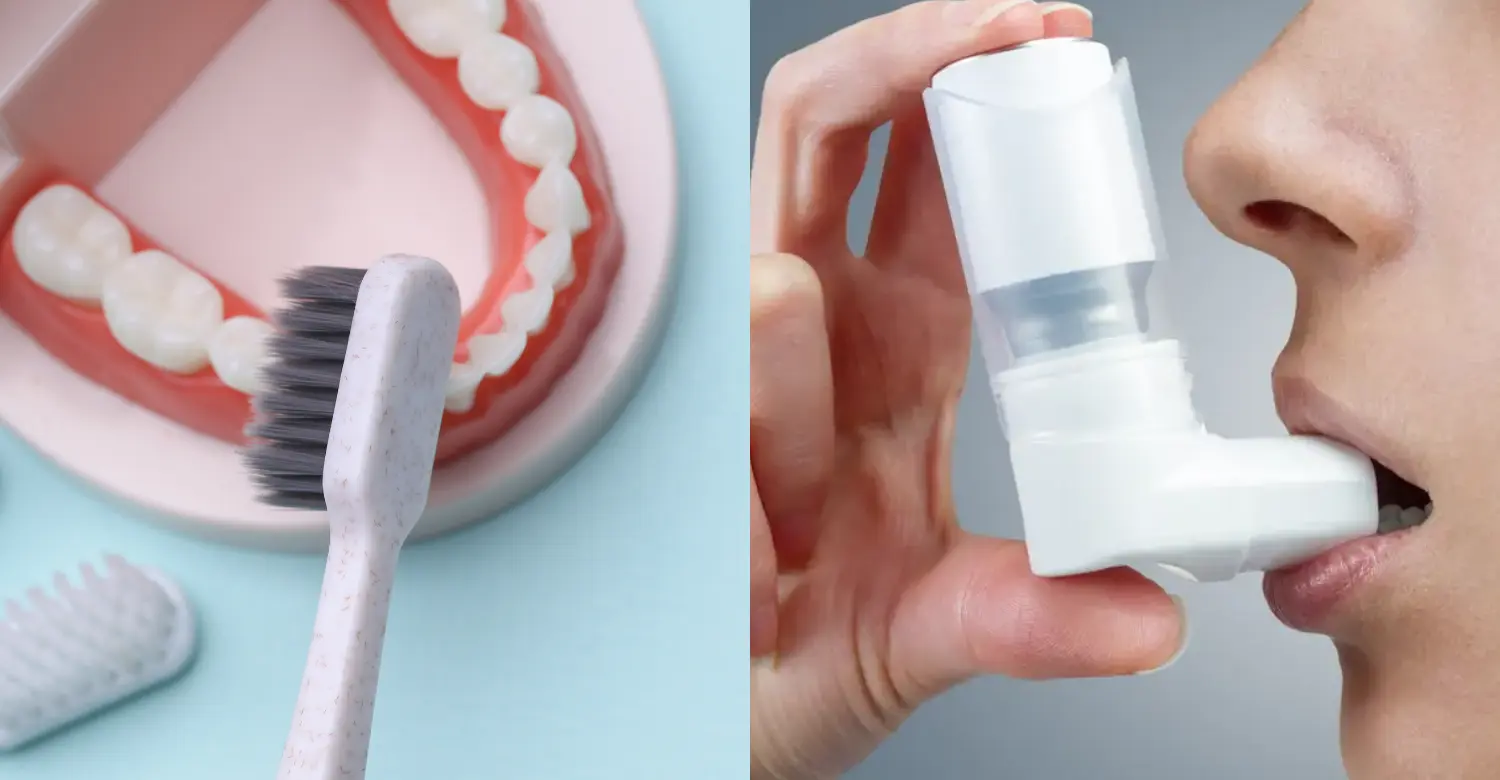
How Inhalers May Influence Overall Oral Health
The oral effects of inhalers involve multiple interacting mechanisms. Medication may influence saliva and local tissues. Asthma can also affect breathing patterns. Dietary choices can further modify caries and erosion risk. Oral hygiene remains a major protective factor, consistently shown to reduce risk regardless of what other factors are present.
The best approach combines respiratory treatment with preventive dentistry, treating both areas of health as interconnected rather than separate concerns. Vitrin Clinic recommends individualized monitoring for patients with ongoing oral concerns.
How to Prevent Dental Problems From Inhalers
Prevention begins with consistent daily oral care. Patients should use fluoride toothpaste twice each day, maintaining this simple routine as the foundation of any preventive strategy. Interdental cleaning should be performed every day. Rinsing after steroid inhaler use can reduce local medication exposure, directly lowering the risk of candidiasis. Adequate hydration can help relieve dry-mouth symptoms. This reinforces existing concerns about Asthma Inhaler Side Effects and Teeth .
Patients should also limit frequent sugary and acidic drinks. Regular dental examinations allow early problems to be detected. High-risk patients may benefit from additional fluoride protection. These strategies complement rather than replace asthma treatment.
Rinse Your Mouth After Using an Inhaler
Rinsing can help remove medication remaining inside the mouth, directly reducing the local exposure responsible for many oral complications. This recommendation is particularly important with steroid inhalers, given their stronger association with candidiasis. The NHS advises rinsing or brushing after several steroid inhalers. Patients should follow their specific medication instructions. Rinsing should not replace prescribed asthma treatment.
It is a simple preventive habit with potential oral benefits, requiring only a few extra seconds after each dose.
Brush Twice a Day With Fluoride Toothpaste
Brushing twice daily helps control plaque and protect enamel. Fluoride toothpaste strengthens enamel against bacterial acid attacks. Patients with dry mouth should avoid overly aggressive brushing. A soft toothbrush can reduce unnecessary mechanical irritation, offering effective cleaning without added discomfort. Brushing immediately after severe acid exposure may require timing consideration.
Dentists can provide individualized instructions according to erosion risk, adjusting timing.
Clean Between Your Teeth Every Day
Toothbrushes cannot effectively clean every interdental surface, leaving a substantial portion of the tooth untouched by brushing alone. Plaque can accumulate between teeth and around gum margins, areas that are particularly prone to both decay and gum inflammation. Interdental brushes or floss can remove this hidden biofilm. The appropriate product depends on spacing and gum anatomy. Professional guidance can improve technique and effectiveness, ensuring that interdental cleaning actually achieves its intended benefit. This is a practical consideration tied to Asthma Inhaler Side Effects and Teeth .
Daily interdental cleaning supports healthier gums, working alongside brushing to provide comprehensive plaque control.
Stay Hydrated to Manage Dry Mouth
Water can temporarily relieve oral dryness, offering quick and accessible comfort throughout the day. Frequent small amounts may feel more comfortable than occasional large amounts. Patients should avoid replacing water with sugary drinks. Sugar-free products may be considered for saliva stimulation. Persistent dryness requires professional assessment.
Hydration alone may not correct medication-related xerostomia.
Maintain Regular Dental Checkups
Regular examinations help identify problems before they become advanced. Dentists can monitor cavities, enamel wear, and gum health. High-risk patients may need more frequent monitoring, adjusting the standard six-month interval based on individual circumstances. The appropriate interval depends on individual clinical findings. Preventive visits can also reinforce hygiene and fluoride strategies.
This approach reduces the likelihood of delayed diagnosis.
Consider Additional Fluoride Protection When Appropriate
Some patients have higher caries risk because of persistent dryness, placing them in a category that benefits from a more intensive preventive approach. Additional fluoride may therefore be appropriate after professional assessment. Prescription-strength toothpaste can be considered for selected high-risk patients. Fluoride varnish may also be useful in certain clinical situations, applied directly by a dental professional for a concentrated, targeted benefit. Treatment should be personalized rather than automatically recommended to everyone.
A dentist can determine the appropriate preventive level.
Tips for Patients Using Asthma Inhalers
Asthma patients can protect their oral health through simple routines, most of which require only a few extra minutes each day. The most important step is maintaining prescribed respiratory treatment. Patients should combine that treatment with consistent dental prevention, treating both aspects of health as equally important rather than competing priorities. Medication information should always be shared with dental professionals. Rinsing after steroid inhaler use can reduce local oral exposure.
Fluoride toothpaste provides daily enamel protection. Water can help manage temporary dryness. Regular dental examinations provide ongoing monitoring. These measures can reduce preventable complications. This deserves attention within the broader topic of Asthma Inhaler Side Effects and Teeth .
Keep Water Available Throughout the Day
Keeping water available can make managing dryness easier, removing a small. Small frequent sips may provide temporary comfort. Water can also help clear food debris after eating. It should not replace regular brushing or interdental cleaning. Sugary drinks should not become the default hydration source.
Patients with persistent dryness should discuss symptoms with professionals.
Follow Your Prescribed Inhaler Technique
Correct technique helps medication reach the intended respiratory tissues, improving the overall effectiveness of asthma treatment. It may also reduce unnecessary deposition inside the mouth, directly lowering the local exposure linked to many Asthma Inhaler Side Effects and Teeth . Patients should have their technique reviewed periodically. Pharmacists and respiratory clinicians can provide practical demonstrations. A spacer may be suitable for certain inhaler devices.
Patients should use spacers only according to professional guidance.
Do Not Stop Asthma Medication Without Medical Advice
Asthma medication should not be stopped because of dental concerns. Uncontrolled asthma can pose significant health risks. Dental prevention should be added alongside appropriate respiratory treatment, rather than serving as a substitute for necessary medication. If side effects occur, discuss them with the prescribing clinician. Alternative devices or treatment adjustments may sometimes be considered medically.
Never make these changes independently.
Tell Your Dentist About Your Asthma Medication
Your dentist needs an accurate medication history. This information can influence preventive and treatment decisions. Include inhalers, tablets, and other respiratory medications, giving your dentist the fullest possible picture of your current treatment. Tell the dentist how frequently each inhaler is used. Mention persistent dryness, soreness, or recurrent oral infections.
Accurate information supports better individualized care.
Watch for Changes in Your Teeth and Gums
Monitor sensitivity, discoloration, cavities, and tooth wear, staying alert to gradual changes that might otherwise go unnoticed between checkups. Also watch for bleeding, swelling, or gum recession, all of which can indicate developing gum disease if left unaddressed. White patches or persistent soreness can indicate oral infection. Early symptoms are easier to evaluate and manage. Do not wait until discomfort becomes severe.
Prompt assessment can prevent progression, keeping small issues from developing into more significant and costly problems. This is a relevant background for understanding Asthma Inhaler Side Effects and Teeth .
Asthma Medication and Oral Health
Asthma medication can influence oral tissues through several mechanisms. Different medication classes have different potential effects. Inhaled corticosteroids have a recognized association with oral candidiasis. Other inhaled drugs may contribute to dryness. Long-term exposure can create additional preventive considerations.
However, the evidence remains influenced by asthma severity and lifestyle. Dental professionals should therefore evaluate the complete clinical picture.
How Asthma Medication May Affect Oral Health
Possible effects include dryness, irritation, candidiasis, and altered taste. Some studies also report associations with caries and periodontal problems. These outcomes are not guaranteed, and many patients use inhaled medication for years without ever developing significant complications. Risk depends on individual susceptibility and medication exposure. Good hygiene and preventive care remain highly important.
Patients should discuss persistent symptoms with professionals.
Inhaled Corticosteroids and Oral Health
Inhaled corticosteroids are effective anti-inflammatory asthma medicines. They can cause local oral effects in some users, primarily through their impact on the immune response of oral tissue. Oral candidiasis is among the best-recognized concerns, consistently identified across research as the clearest of all Asthma Inhaler Side Effects and Teeth . Sore throat and hoarseness can also occur. Rinsing after use can help reduce these problems.
A spacer may help selected patients using appropriate devices. Patients should continue prescribed medication unless their clinician advises otherwise.
Rescue Inhalers and Oral Health
Rescue inhalers provide rapid relief during asthma symptoms. Their ingredients differ from inhaled corticosteroids, generally carrying a somewhat different profile of potential oral effects. Some bronchodilators can influence salivary flow, contributing to dryness in a manner similar to. Frequent reliance on rescue medication may indicate inadequate asthma control, a pattern that respiratory clinicians typically want to identify. Patients should discuss frequent rescue use with their clinician. This connects directly to the topic of Asthma Inhaler Side Effects and Teeth .
Dental concerns should be managed separately through preventive care. Medication should never be restricted to protect teeth.
Why Medication Type and Frequency Matter
Different medicines produce different local effects. Frequency determines how often oral tissues encounter the medication, directly shaping the cumulative exposure a patient experiences over time. Duration determines cumulative exposure over months or years. Dose can also influence the likelihood of certain side effects, with higher doses generally associated with a somewhat elevated risk profile. Research identifies dosage, frequency, and duration as relevant factors, all of which should inform how a dental team approaches prevention for a given patient.
Individual oral hygiene can substantially modify overall risk.
When Should You See a Dentist About Inhaler-Related Problems?
Dental evaluation is appropriate when oral symptoms persist or recur. A dentist can determine whether medication is actually contributing, using a full clinical history to separate medication effects from unrelated causes. Persistent dryness may require saliva-focused preventive care. Frequent cavities may require a higher-risk prevention strategy, incorporating additional fluoride. Bleeding gums may indicate gingival or periodontal disease.
White patches may suggest oral candidiasis, one of the more visually recognizable Asthma Inhaler Side Effects and Teeth encountered in dental practice. Persistent irritation can have several possible causes, requiring careful differentiation before any treatment is recommended. Early assessment helps distinguish medication effects from unrelated conditions.
Persistent Dry Mouth
Persistent dryness should not be ignored. It can increase discomfort and contribute to dental disease risk, compounding gradually if left unaddressed over months or years. A dentist can assess saliva and caries susceptibility, using this information to build a tailored preventive strategy. The prescribing clinician can review medication-related possibilities, considering whether adjustments to dose or device might help relieve the symptom. Treatment depends on the underlying cause.
Hydration alone may not be sufficient, particularly for patients experiencing more significant medication-related dryness.
Frequent Cavities or Tooth Sensitivity
Repeated cavities can indicate elevated caries risk. Dry mouth, diet, plaque, and medication may all contribute, and untangling their relative contributions requires a careful clinical history. Sensitivity can result from decay, erosion, recession, or exposed dentin, each of which calls for a different diagnostic approach. A dental examination can identify the specific cause. Preventive treatment can then be tailored accordingly, focusing resources on the factors most relevant to each individual patient. This is one more piece of the Asthma Inhaler Side Effects and Teeth puzzle.
Bleeding or Swollen Gums
Bleeding gums commonly indicate gingival inflammation, representing one of the earliest. Plaque accumulation is a major cause of gingivitis. Persistent bleeding should receive professional assessment. Periodontal disease requires evaluation when deeper tissue involvement is suspected. Medication should not automatically be considered the cause.
Persistent Oral Irritation
Ongoing irritation can result from several conditions. Medication exposure is one possibility, though far from the only explanation a dentist should consider. Candidiasis, trauma, allergies, and other oral conditions can also contribute, each requiring a distinct approach to diagnosis and management. A dentist can inspect the affected tissues, using direct examination to narrow down the most likely cause. Persistent symptoms deserve diagnosis rather than repeated self-treatment.
Bad Breath That Does Not Improve
Persistent bad breath can have dental or medical causes, requiring a broader evaluation than oral hygiene alone might suggest. Plaque, periodontal disease, tongue coating, and dry mouth can contribute. Dryness may reduce natural oral cleansing. Regular hygiene may improve mild cases. Persistent symptoms require professional evaluation, ensuring that any underlying cause beyond simple hygiene is properly identified.
How Can Vitrin Clinic Help With Inhaler-Related Dental Problems?
Vitrin Clinic can approach inhaler-related dental concerns through comprehensive evaluation. The first step is identifying the patient's actual oral risk factors, rather than assuming a generic risk profile based on medication alone. The assessment can include teeth, gums, enamel, and oral tissues. Medication history can help identify potential contributing factors, integrating information from a patient's respiratory treatment into the broader dental picture. Treatment recommendations should protect oral health without interfering with asthma care.
Preventive planning is especially valuable for patients with chronic dryness. Patients can receive individualized guidance based on clinical findings. This underscores the importance of monitoring Asthma Inhaler Side Effects and Teeth .
Comprehensive Dental and Gum Assessment
A comprehensive examination evaluates teeth and surrounding oral tissues. Dentists can identify cavities, enamel changes, gingival inflammation. Dryness and oral irritation can also be documented. This information helps distinguish medication-related factors from other causes. Regular monitoring allows changes to be identified earlier.
Personalized Oral Health Prevention
Prevention should reflect each patient's individual risk, rather than applying the same generic advice to every inhaler user. Some patients may need stronger fluoride protection. Others may primarily require improved plaque control, focusing preventive efforts on hygiene technique rather than additional fluoride. Patients with severe dryness may need additional saliva-management strategies. Dietary counseling can address frequent sugar or acid exposure, tackling one of the most modifiable risk factors in the overall picture.
Personalized prevention is more effective than generic advice, consistently producing better outcomes than a one-size-fits-all approach.
Treatment for Cavities and Enamel Damage
Existing cavities require appropriate restorative treatment, addressed promptly to prevent further progression or complications. Enamel wear requires identification of its specific cause. Treatment may involve preventive remineralization strategies or restorative procedures, chosen based on the severity. The correct approach depends on severity. Vitrin Clinic can evaluate the affected teeth and develop an appropriate plan.
Gum Health Assessment and Treatment
Gum evaluation can identify gingivitis or periodontal disease, distinguishing between these two stages through careful clinical examination. Professional cleaning may be appropriate when plaque or calculus is present, removing deposits that home care alone cannot address. Advanced periodontal disease may require more comprehensive treatment. Home care remains essential after professional treatment. Regular monitoring can reduce the risk of recurrence. This should be factored into any assessment of Asthma Inhaler Side Effects and Teeth .
Why Choose Vitrin Clinic for Your Oral Health?
Vitrin Clinic focuses on individualized dental assessment. Patients using chronic medications can benefit from coordinated preventive care, receiving attention that integrates their full medical picture rather than treating dentistry in isolation. The clinical approach considers both current symptoms. Dental problems are evaluated rather than automatically attributed to inhalers. This distinction supports accurate diagnosis and appropriate treatment, avoiding the pitfall of blaming Asthma Inhaler Side Effects and Teeth for issues that may have entirely different causes.
Personalized Treatment Planning
Every patient has different dental and medical circumstances, and treatment plans should reflect that individuality rather than following a generic template. Treatment should therefore reflect individual findings. Medication history can be incorporated into the preventive plan. Patients can receive clear recommendations for home care.
Modern Dental Technology
Modern dental technology can support detailed diagnosis and treatment planning. Digital imaging can help identify hidden dental problems. Clinical examination remains essential alongside technology. The appropriate tools depend on individual treatment needs.
Comprehensive Preventive Dental Care
Prevention includes hygiene guidance, fluoride protection, and professional monitoring. Patients with higher risk may need customized recall schedules, seeing their dentist more frequently than the standard six-month interval. Early intervention can prevent small problems from becoming extensive. Preventive care is especially valuable for long-term medication users, whose cumulative exposure over time can meaningfully elevate their overall risk.
Patient-Focused Treatment
Patient education is an important part of dental prevention. Patients should understand why specific recommendations are made. Clear communication helps improve adherence to home-care routines. Vitrin Clinic emphasizes individualized care based on clinical findings.
Why Regular Dental Monitoring Matters for Asthma Patients
Regular monitoring can identify early changes before significant damage develops. Asthma patients may have additional oral-health risk factors, layered on top of the general population's baseline dental risk. These can include medication effects, dryness, diet, and mouth breathing. Dental monitoring provides an opportunity to address these factors early. It also allows preventive measures to change as risk changes. This remains a useful data point regarding Asthma Inhaler Side Effects and Teeth .
This approach supports both immediate oral health.
Preventing Dental Problems Before They Progress
Early prevention is usually simpler than advanced restorative treatment, both in terms of cost. Fluoride can help protect vulnerable enamel. Improved plaque control can reduce gingival inflammation. Dietary changes can reduce repeated acid exposure. Regular examinations allow early lesions to be detected.
Monitoring Tooth Decay and Gum Health
Dental examinations can identify early cavities. X-rays may be recommended when clinically appropriate. Periodontal measurements can assess gum and supporting tissues, providing an objective way to track changes over successive visits. Monitoring allows treatment decisions to reflect progression. Patients using long-term medication can benefit from consistent records.
Maintaining a Healthy Oral Environment
A healthy oral environment depends on saliva, hygiene, diet, and professional care. Inhaler users should pay particular attention to persistent dryness. Rinsing after steroid inhaler use can reduce local medication exposure. Fluoride toothpaste supports enamel protection, providing a consistent baseline defense that fits easily into any routine. Interdental cleaning helps control plaque between teeth, completing the daily hygiene routine alongside brushing.
Dr. Rifat Alsaman's Opinion
Dr. Rifat Alsaman recommends proactive monitoring for patients with persistent inhaler use, viewing regular checkups as an investment rather than an inconvenience. He emphasizes prevention rather than waiting for symptoms to become severe, believing strongly that early action produces better outcomes with less discomfort. Patients should maintain their asthma treatment exactly as medically prescribed, treating this as a non-negotiable foundation of overall health. Dental prevention can then address dryness, plaque, cavities, and gum inflammation. Regular examinations allow recommendations to change according to clinical findings.
This balanced approach protects oral health without compromising respiratory care.
Final Thoughts on Asthma Inhaler Side Effects and Teeth and Oral Health
Asthma inhalers are essential medicines for many patients. Their potential oral effects should be understood without creating unnecessary fear. Dry mouth, oral candidiasis, irritation, and altered oral conditions can occur. Research also reports associations involving caries and tooth wear. However, these outcomes usually involve multiple contributing factors.
Asthma itself, diet, reflux, hygiene, and saliva can influence dental risk. Patients should never discontinue asthma medication because of dental concerns. Instead, respiratory care and dental prevention should work together. Rinsing after steroid inhalers, brushing with fluoride toothpaste, and regular examinations can help. Vitrin Clinic recommends individualized preventive care for patients with ongoing oral concerns.
Key Takeaway
The relationship between asthma treatment and oral health is multifactorial, and no single explanation can fully account for every patient's experience. Dryness, medication exposure, plaque, diet, reflux, and hygiene can all interact. Research supports increased attention to dental prevention among asthma patients. The best strategy is coordinated respiratory and dental care. Protect your teeth while continuing the asthma treatment prescribed for you.
Reference
FAQs
Dr. Rifat Alsaman has more than 5 years of clinical experience in dentistry and currently serves as the Head of the Medical Team at Vitrin Clinic. He is dedicated to providing exceptional patient care, overseeing treatment planning, and ensuring the highest clinical standards across the team. His expertise, attention to detail, and commitment to continuous professional development have helped countless patients achieve healthier, more confident smiles.

.webp&w=3840&q=75)


