General Dentistry
October 20, 2026
What Are TMJ Disorders? Symptoms, Causes, Treatment, and Cost
 Dr. Rifat Alsaman

Jaw pain, clicking, and stiffness can make eating and talking uncomfortable. Many of these symptoms come from TMJ disorders, which affect the jaw joint or chewing muscles. This guide explains symptoms, causes, diagnosis, treatment options, and typical costs in the US, UK, and Turkey. It also explains when home care is enough and when a professional assessment is the safer choice.
Ready to transform your smile?
Talk to our team and get a personal FREE treatment plan.
What Are TMJ Disorders?
TMJ disorders are a group of conditions that cause pain or dysfunction in the jaw joint and surrounding muscles. Clinicians usually call them temporomandibular disorders, or TMD. According to the US National Institute of Dental and Craniofacial Research, TMD affects about 5% of American adults. It ranks second only to chronic low back pain among musculoskeletal conditions causing pain and disability. Most cases are mild and improve with simple, conservative care.
What Does TMJ Stand For, and How Does the Jaw Joint Work?
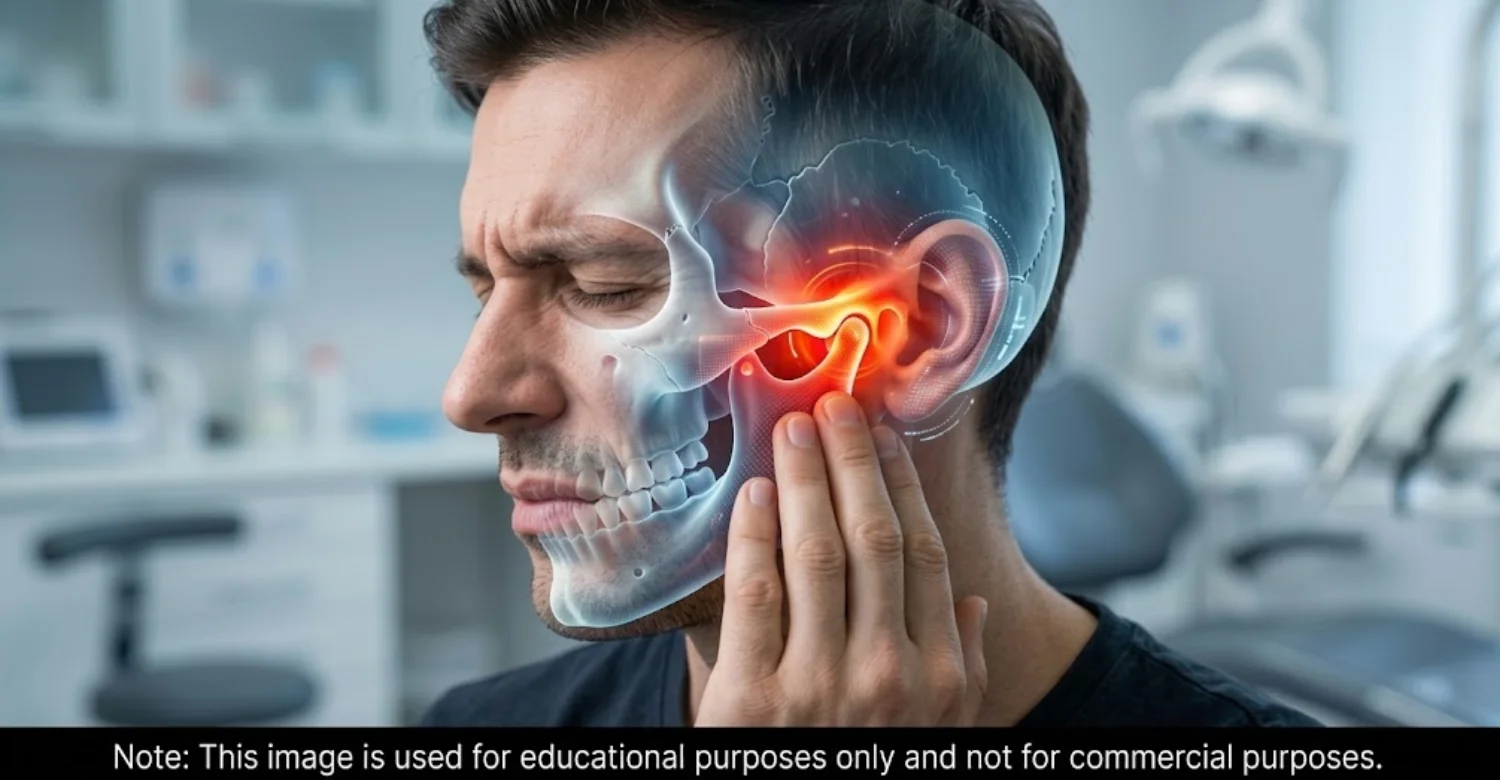
TMJ stands for temporomandibular joint. You have two of them, one in front of each ear. Each joint connects the lower jaw to the temporal bone of the skull. A small disc of fibrous cartilage sits between the bones and cushions movement. The joint both hinges and slides, which lets you chew, speak, and yawn. It is one of the most frequently used joints in the body. You move it thousands of times each day without noticing.
What Is the Difference Between TMJ and TMD?
TMJ is the name of the joint itself. TMD describes the conditions that affect that joint or the chewing muscles. In everyday speech, people often say "I have TMJ" when they mean TMD. Both terms appear online, so the confusion is understandable. Clinically, the distinction matters because a healthy joint is not a diagnosis. Using the correct term helps you search for reliable information and talk clearly with your dentist.
What Are the Main Types of Temporomandibular Disorders?
Clinicians group these conditions into three broad categories. Each one has different causes and responds to different treatments. Many patients have features of more than one category at the same time. The internationally used Diagnostic Criteria for TMD, known as DC/TMD, helps clinicians classify symptoms consistently. Knowing your type helps guide realistic treatment choices.
Muscle-related TMJ disorders
Muscle pain, or myalgia, is the most common type of TMD. It affects the muscles that move the jaw, especially the masseter and temporalis. Patients describe aching, tiredness, or tightness in the cheeks and temples. The pain often worsens with chewing, clenching, or long conversations. The joint itself may be completely healthy in these cases. Muscle-related pain usually responds well to rest, heat, gentle exercises, and habit changes.
Joint-disc disorders and jaw displacement
Disc displacement happens when the cartilage disc moves out of its normal position. It is the most common problem found inside the joint itself. The jaw may click when the disc slips back into place during opening. In some cases, the disc stays displaced and blocks full opening. This is often called a closed lock. Many people have painless disc displacement for years without any functional problems.
Inflammatory and degenerative TMJ conditions
Some patients develop inflammation or wear inside the joint. Osteoarthritis can gradually change the bone surfaces and cause grating sounds. Rheumatoid arthritis and other inflammatory diseases can also affect the jaw joint. These conditions are less common than muscle pain but may need closer monitoring. Imaging and medical input are more likely to be required here. Early diagnosis helps protect long-term joint function.
Can TMJ Disorders Be Temporary or Chronic?
Most jaw joint problems are temporary and settle within weeks or months. Research suggests up to 40% of patients improve without any specific treatment. A smaller group develops chronic pain lasting longer than three months. Chronic cases are more likely when stress, poor sleep, or other pain conditions are present. Symptoms can also come and go in flare-ups over many years. Early, conservative care is the best way to lower the risk of persistent pain.
.jpg)
.jpg)
.jpg)
.jpg)
What Are the Most Common TMJ Disorder Symptoms?
Symptoms vary widely from one person to another. Some patients only notice a click, while others have daily pain. Jaw pain is the most common reason people seek help. NIDCR data show women report jaw pain at roughly twice the rate of men. Symptoms are most common between ages 20 and 40, which is unusual for a chronic pain condition.
Jaw Pain, Tenderness, and Stiffness
Jaw pain usually feels like a dull ache in front of the ear or in the cheek. It may spread to the temple, lower jaw, or teeth. The muscles may feel tender when you press on them. Stiffness is often worse after long periods of chewing or clenching. Some patients feel the jaw is tired rather than painful. Pain that worsens with jaw movement strongly suggests a jaw muscle or joint source.
TMJ Clicking and Popping: When Is It a Concern?
Clicking is very common and is often harmless. Studies suggest around one in three adults has some jaw joint sound. A click usually means the disc is shifting during movement. It becomes a concern when it is painful, getting worse, or linked with locking. A grating or crunching sound may suggest joint surface wear. Painless clicking with normal opening usually only needs monitoring, not active treatment.
Difficulty Opening or Closing the Mouth
A normal adult mouth opening is about 40 to 50 millimetres. That is roughly the width of three fingers stacked vertically. Restricted opening can happen because of muscle tightness or a displaced disc. Some people feel the jaw catch before it opens fully. Others feel the jaw is stuck and cannot close comfortably. Sudden locking, especially after a clicking history, deserves prompt dental assessment.
Can TMJ Disorders Cause Ear Pain?
Yes, ear pain is a frequent symptom of jaw joint problems. The joint sits directly in front of the ear canal, so pain easily overlaps. Patients may also report fullness, ringing, or muffled hearing. Studies report ear symptoms in a large proportion of TMD patients. However, ear pain can also come from infections or other ear conditions. If your ears look normal on examination, the jaw becomes a more likely source.
TMJ Disorders and Headaches: Is There a Connection?
There is a strong connection between jaw pain and headaches. Tension-type headaches and migraines are more common in people with TMD. Pain from tight temporalis muscles often feels like a headache in the temples. Clinicians call this "headache attributed to TMD" when jaw movement reproduces it. Treating the jaw can reduce these headaches in some patients. Headaches with new or worrying features still need medical evaluation.
Facial Pain, Neck Discomfort, and Pain While Chewing
Pain may spread across the face, cheek, and even behind the eyes. Many patients also report neck and shoulder tension. The muscles of the jaw and neck work closely together during posture and movement. Chewing hard or chewy foods often triggers the pain. Some people notice their bite feels different during a flare-up. These symptoms usually ease as the muscles relax and inflammation settles.
Why Does My Jaw Hurt More in the Morning?
Morning jaw pain often points to clenching or grinding during sleep. Sleep bruxism can load the jaw muscles for long periods without you knowing. Studies estimate sleep bruxism affects about 13% of adults. A bed partner may hear grinding sounds at night. You may also notice worn teeth, tender muscles, or morning headaches. Pain that mainly appears later in the day suggests daytime clenching instead.
When Do TMJ Symptoms Suggest a Different Condition?
Not all facial pain comes from the jaw. Toothache, sinus infection, and ear infection can all mimic jaw joint pain. Sharp, electric shocks in the face may suggest trigeminal neuralgia. Pain with fever, swelling, or weight loss needs urgent investigation. Jaw pain during exercise may rarely signal a heart problem. A careful assessment helps rule out these conditions before treatment begins.
What Causes TMJ Disorders?
There is rarely a single cause. Most cases involve a combination of physical, behavioural, and psychological factors. The large OPPERA study found about 4% of adults develop new TMD each year. It also found that general health, stress, and pain sensitivity predicted onset better than bite features. Understanding your own triggers is the first step toward lasting relief.
Can Teeth Grinding Lead to TMJ Disorders?
Grinding can contribute to jaw pain, but it does not always cause it. Many people grind their teeth without ever developing TMD. In others, grinding overloads the muscles and joints, triggering pain. The relationship is strongest when grinding is frequent and intense. Awake clenching may actually be more closely linked to pain than sleep grinding. Managing grinding protects both your teeth and your jaw muscles.
Jaw Clenching, Muscle Overuse, and Bruxism
Bruxism means repetitive clenching or grinding of the teeth. Awake bruxism affects an estimated 22% to 31% of adults. It often happens during concentration, driving, or screen use. Constant muscle contraction reduces blood flow and causes fatigue and pain. Other overuse habits include gum chewing and biting pens or nails. Becoming aware of these habits is often the most effective early treatment.
Jaw Injuries, Joint Disc Displacement, and Arthritis
A blow to the jaw can damage the joint, disc, or surrounding ligaments. Whiplash injuries may also strain the jaw muscles indirectly. Opening very wide, for example during a long dental procedure, can trigger symptoms. Disc displacement can develop gradually without any clear injury. Osteoarthritis becomes more common with age and may cause grating sounds. Inflammatory arthritis can affect both jaw joints at once.
How Can Stress and Poor Sleep Affect TMJ Pain?
Stress increases muscle tension and makes clenching more likely. It also changes how the nervous system processes pain signals. Poor sleep lowers pain tolerance and slows muscle recovery. Research links insomnia and sleep apnoea with more severe jaw pain. Anxiety and low mood are common in people with chronic TMD. Addressing stress and sleep is a genuine part of treatment, not an optional extra.
Do Misaligned Teeth or Bite Problems Cause TMJ Disorders?
Current evidence shows bite problems play only a small role. Many people with crooked teeth never develop jaw pain. Many patients with TMD have perfectly normal bites. Large studies have not found that orthodontic treatment reliably prevents or cures TMD. A sudden bite change can, however, be a sign of joint changes. That is why bite changes should be assessed rather than simply corrected.
What Are the Risk Factors for Developing TMJ Disorders?
Several factors raise the chance of developing jaw problems. Women are affected at least twice as often as men. Peak onset occurs between ages 20 and 40. Genetics, hormones, and general health also play a part. The following risk factors are especially relevant in clinical practice.
Previous jaw injuries and repetitive strain
A past fracture, dislocation, or blow to the jaw raises long-term risk. Repetitive strain from heavy chewing or wide yawning can also contribute. Musicians who play wind or string instruments may load the jaw unevenly. Long dental appointments with the mouth held open can trigger symptoms. Telling your dentist about past injuries helps them interpret your findings correctly.
Existing pain conditions and increased pain sensitivity
People with fibromyalgia, migraine, or irritable bowel syndrome have higher TMD rates. These conditions share a tendency toward heightened pain sensitivity. Clinicians call this central sensitisation. It means the nervous system amplifies normal signals into pain. Patients with several pain conditions often need a broader, team-based approach. Treating the jaw alone may not be enough in these cases.
Habits that may aggravate jaw symptoms
Everyday habits can quietly overload the jaw. Common examples include gum chewing, nail biting, and chewing ice. Resting the chin on your hand puts pressure on the joint. Forward head posture during screen use may also increase muscle tension. Sleeping on your stomach can push the jaw sideways for hours. Small changes to these habits often produce noticeable relief within weeks.
Ready to transform your smile?
Talk to our team and get a personal FREE treatment plan.
What We Notice Clinically
Clinical experience adds context that symptom lists alone cannot provide. In daily practice, patients often arrive worried that clicking means permanent damage. Others assume their bite must be rebuilt to stop the pain. In most cases, the reality is more reassuring and the solution simpler.
Why Similar TMJ Symptoms Can Have Different Causes
Two patients can describe the same jaw pain for very different reasons. One may have overworked muscles from daytime clenching. Another may have early arthritis inside the joint. A third may actually have a cracked tooth referring to pain in the jaw. That is why we focus on finding the source before choosing a treatment. Matching treatment to cause gives better results and avoids unnecessary procedures.
How Pain, Jaw Movement, and Clicking Help Guide Assessment
We look at three features together: pain, movement, and joint sounds. Pain location tells us whether muscles or the joint are more involved. Measuring mouth opening shows whether movement is restricted. The timing of clicks helps us understand disc position. A click with a full, painless opening is usually stable. Pain with limited opening and recent locking suggests a more active problem.
Why Painless Jaw Clicking Does Not Always Require Treatment
Painless clicking is extremely common in the general population. Long-term studies show most clicking joints do not progress to locking. Treating a painless click can expose patients to cost without clear benefit. We usually recommend monitoring and simple self-care instead. Treatment becomes appropriate when clicking comes with pain, locking, or functional limits. Reassurance alone often reduces anxiety and jaw tension.
Common Misconceptions About TMJ Disorders
Misinformation about jaw problems is widespread online. Some myths lead patients toward expensive or irreversible treatment. Others cause unnecessary worry about clicking or minor symptoms. The three misconceptions below are the ones we hear most often.
Why every clicking jaw does not need treatment
Joint sounds alone are not a disease. Up to one third of adults have some clicking at some point. Most never develop pain or locking. Clinical guidelines recommend against treating painless clicking with splints or surgery. Monitoring is the evidence-based approach for stable, painless joints.
Why changing the bite is not a universal TMJ solution
Grinding down teeth or placing crowns to "fix the bite" is irreversible. Systematic reviews have not shown occlusal adjustment reliably treats TMD. Bite changes cannot be undone if they fail to help. Some patients develop new problems after aggressive bite treatment. Reversible, conservative care should always come first.
Why jaw pain should not automatically be attributed to TMJ disorders
Jaw pain can come from teeth, sinuses, ears, nerves, or even the heart. Assuming every jaw ache is TMD risks missing another diagnosis. An infected tooth, for example, needs dental treatment, not jaw exercises. A thorough examination protects you from the wrong treatment. Ruling out other sources is a key step in every assessment.
Clinical Note: Dr. Rifat Alsaman's Perspective on TMJ Assessment
Dr. Rifat Alsaman leads the medical team at Vitrin Clinic. His approach to jaw pain centres on careful diagnosis before any treatment decision. The two notes below summarise the principles guiding his assessments.
Dr. Rifat Alsaman, Head of the Medical Team at Vitrin Clinic and cosmetic dentist, on identifying the source of jaw discomfort
"Many patients come to us expecting a quick fix for jaw pain. Our first job is to find where the pain really comes from. Muscles, the joint, teeth, and sinuses can all produce similar symptoms. A short, careful examination often reveals a simple explanation. Once we understand the source, the treatment plan becomes much clearer and more effective."
Why a symptom-led assessment should come before irreversible dental treatment
"I always advise patients to start with reversible care. Crowns, veneers, or orthodontics should never be chosen only to treat jaw pain. If cosmetic or functional dental work is needed, we plan it once symptoms are stable. This protects the patient from spending money on treatment that may not help. Patience at the start usually leads to better long-term results."
How Are TMJ Disorders Diagnosed?
Diagnosis is mainly clinical, based on your history and a physical examination. Most patients do not need scans to reach a diagnosis. Clinicians often follow the DC/TMD protocol to examine patients consistently. Imaging is added only when findings suggest joint damage or another condition. The goal is an accurate diagnosis with minimal cost and radiation.
What Happens During a TMJ Disorder Examination?
The examination usually takes 20 to 40 minutes. Your dentist will watch how your jaw opens, closes, and moves sideways. They will listen and feel for clicking or grating at each joint. They will gently press on the jaw, temple, and neck muscles. Your teeth and bite are also checked for wear, cracks, or infection. The process is generally comfortable and stops if anything becomes painful.
Which Questions Will a Dentist Ask About Jaw Pain?
Your dentist will ask when the pain started and what makes it worse. They will ask whether the jaw has ever locked open or closed. Questions about grinding, clenching, headaches, and ear symptoms are common. You may be asked about stress, sleep quality, and other pain conditions. Previous injuries and dental treatments are also relevant. Honest, detailed answers help your clinician reach the right diagnosis faster.
How Do Dentists Assess Jaw Movement and Muscle Tenderness?
Mouth opening is measured with a small ruler between the front teeth. Sideways and forward movements are also measured. Your dentist notes whether the jaw deviates to one side when opening. Firm, standardised pressure is applied to specific muscle points. If pressing reproduces your familiar pain, that muscle is likely involved. These simple tests provide most of the information needed for diagnosis.
When Are Dental X-Rays, CT Scans, or MRI Needed?
Imaging is useful when the examination raises specific questions. Each type of scan shows different structures. Your dentist chooses the scan based on what needs to be seen. The three points below explain how imaging decisions are usually made.
What imaging can show about jaw bones and joint structure
A panoramic X-ray gives a broad view of the teeth and both jaw joints. It can reveal dental infections, fractures, or major bone changes. Cone beam CT, or CBCT, shows the joint bones in three dimensions. It is useful for assessing arthritis, bone erosion, or developmental problems. CBCT uses a lower radiation dose than medical CT.
When MRI may help assess the joint disc and soft tissues
MRI is the best method for viewing the disc and soft tissues. It shows whether the disc is displaced and whether it moves back into place. MRI can also detect fluid or inflammation inside the joint. It involves no radiation. It is usually reserved for persistent locking, suspected disc damage, or surgical planning.
Why imaging is not necessary for every patient
Most muscle-related jaw pain does not show up on any scan. Imaging often finds disc changes in people without symptoms. These incidental findings can cause worry and lead to unnecessary treatment. Guidelines recommend imaging only when results would change the treatment plan. Avoiding routine scans also saves money and limits radiation exposure.
Which Conditions Can Mimic TMJ Disorders?
Several conditions produce symptoms similar to jaw joint problems. Dental causes include cracked teeth, abscesses, and impacted wisdom teeth. Sinusitis can cause cheek and upper tooth pain. Ear infections may cause ear pain and fullness. Trigeminal neuralgia causes brief, electric shock-like facial pain. Rarely, giant cell arteritis or tumours cause jaw pain and need urgent care. A careful examination helps separate these conditions.
When Should You See a Dentist for TMJ Disorders?
You should book an assessment if jaw pain lasts more than two weeks. Pain that disturbs eating, sleeping, or work also deserves attention. Seek help if your jaw locks or opening becomes restricted. Worsening clicking with pain is another reason to visit. Early assessment usually means simpler, cheaper treatment. Waiting months often allows pain habits and muscle tension to become established.
Which Warning Signs Require Urgent Medical Attention?
Some symptoms need same-day medical care rather than a routine dental visit. These include a jaw locked open that you cannot close. Facial swelling with fever may signal a spreading infection. Jaw pain with chest pain or breathlessness could indicate a heart problem. Sudden numbness, weakness, or vision changes need emergency assessment. Jaw pain after a significant injury may mean a fracture.
What Are the Best TMJ Disorder Treatment Options?
The best treatment depends on the cause and severity of your symptoms. International guidelines recommend conservative, reversible care as the first step. Studies show around 85% to 90% of patients improve without surgery. Treatment usually combines self-care, physical therapy, and sometimes an oral appliance. Invasive procedures are reserved for a small group with specific joint problems.
Can TMJ Disorders Be Treated Without Surgery?
Yes, the vast majority of cases are treated successfully without surgery. Conservative care includes education, self-management, exercises, splints, and medication. Surgery is considered only for a small minority of patients. These usually have structural joint damage that has not responded to other care. Even then, minimally invasive options are tried before open surgery. Most patients never need any procedure.
TMJ Pain Relief: Conservative Treatments to Try First
Conservative treatments are low-cost, low-risk, and fully reversible. They give the jaw time to rest and the muscles time to recover. Most patients notice improvement within a few weeks of consistent use. The three approaches below form the foundation of early care.
Soft foods and temporary changes to chewing habits
Choose soft foods such as soup, yoghurt, eggs, fish, and cooked vegetables. Cut food into small pieces to avoid wide openings. Avoid chewy, hard, or crunchy items like steak, nuts, and crusty bread. Chew on both sides to share the load evenly. This diet is temporary and usually lasts one to three weeks.
Warm compresses and cold packs for symptom relief
Heat relaxes tight muscles and improves blood flow. Apply a warm, moist compress for 10 to 15 minutes. Cold helps with recent injury, swelling, or sharp joint pain. Wrap ice in a cloth and apply for no more than 10 minutes. Some patients find alternating heat and cold most helpful.
Reducing gum chewing, clenching, and excessive jaw movement
Stop gum chewing completely during a flare-up. Avoid wide yawning by supporting your chin with your hand. Check regularly whether your teeth are touching during the day. Your teeth should normally be apart, with lips gently closed. Phone reminders can help you build this awareness over several weeks.
TMJ Jaw Exercises and Physical Therapy
Exercise therapy is one of the best-supported treatments for jaw pain. Reviews show it improves both pain and mouth opening in many patients. A physical therapist can add manual therapy and posture training. Programmes usually run for six to eight weeks. The exercises below should be gentle and pain-free.
Gentle, controlled jaw-opening exercises
Place your tongue on the roof of your mouth behind your front teeth. Slowly open your mouth while keeping the tongue in place. Close slowly and repeat five to ten times. This controls opening and reduces sideways shifting. Practise two or three times a day in front of a mirror.
Relaxed jaw positioning and muscle relaxation
Rest your tongue lightly on the roof of your mouth. Keep your teeth slightly apart and your lips gently together. Breathe slowly through your nose. Let your shoulders drop and your face soften. Practising this resting position throughout the day reduces constant muscle load.
When to stop exercises that increase pain or locking
Exercises should never cause sharp or lasting pain. Mild stretching sensations are acceptable, but pain should settle within minutes. Stop immediately if your jaw starts locking or clicking more. Contact your clinician if symptoms worsen after several days of exercise. Your programme may need adjusting to suit your specific diagnosis.
Can a Night Guard Help TMJ Disorders and Teeth Grinding?
A night guard, or occlusal splint, can help some patients with jaw pain. It protects teeth from grinding damage and may reduce muscle load. Research shows splints work about as well as exercise for many patients. A custom hard acrylic splint is generally preferred over soft guards. Poorly designed appliances that cover only some teeth can shift the bite. Your splint should be checked and adjusted regularly.
Medications for TMJ Pain: Benefits, Limitations, and Side Effects
Medication can relieve pain while other treatments take effect. It does not fix the underlying cause on its own. Most patients need medicines only for short periods. The right choice depends on your health and the type of pain.
Over-the-counter pain relievers and anti-inflammatory medicines
Ibuprofen and naproxen reduce pain and inflammation. Paracetamol, also called acetaminophen, can help with milder pain. Topical anti-inflammatory gels may be applied over the joint. These are usually recommended for short courses of up to two weeks. Always follow the dosing instructions on the label.
Prescription medicines and clinician-supervised use
Muscle relaxants may help with severe muscle spasm for short periods. Low-dose tricyclic antidepressants can reduce chronic pain and improve sleep. These are used for pain modulation, not depression. Botulinum toxin injections are sometimes used for resistant muscle pain. Evidence for Botox is mixed, and it is not a first-line treatment.
Potential side effects, interactions, and precautions
Anti-inflammatory drugs can irritate the stomach and affect the kidneys. They may not be suitable if you take blood thinners. Muscle relaxants often cause drowsiness. Tricyclic medicines may cause dry mouth and constipation. Always tell your clinician about other medicines and health conditions.
Can Stress Management and Better Sleep Relieve TMJ Symptoms?
Yes, managing stress and sleep can significantly reduce jaw pain. Cognitive behavioural therapy has good evidence for chronic TMD. Relaxation training, mindfulness, and biofeedback can also help. Regular exercise improves sleep and lowers overall pain sensitivity. Treating sleep apnoea may reduce night-time clenching in some patients. These approaches are especially important when pain has lasted more than three months.
When Are Specialist Procedures or Surgery Considered?
Specialist procedures are considered when conservative care fails after several months. They are mainly for structural joint problems such as persistent locking. An oral and maxillofacial surgeon usually leads this stage of care. Procedures range from simple injections to complex joint replacement. The options below are listed from least to most invasive.
Joint injections and other minimally invasive procedures
Corticosteroid injections can reduce severe inflammation inside the joint. Hyaluronic acid injections may improve joint lubrication in arthritis. Platelet-rich plasma is being studied but evidence is still developing. Injections are usually limited to avoid long-term joint damage. They are performed under local anesthetic.
Arthrocentesis and arthroscopy for selected joint conditions
Arthrocentesis flushes the joint with sterile fluid through small needles. It can release a locked jaw and reduce inflammation. Reported success rates are often around 70% to 80% in selected patients. Arthroscopy uses a tiny camera to view and treat the joint. Both procedures have short recovery times compared with open surgery.
TMJ surgery: indications, risks, and alternatives
Open joint surgery is reserved for severe structural problems. Examples include advanced arthritis, ankylosis, or failed previous procedures. Total joint replacement may be needed for a severely damaged joint. These operations carry real risks and require long recovery. Surgery is generally irreversible, so careful specialist assessment is essential.
Which TMJ Treatments Should Be Approached With Caution?
Some treatments are promoted widely despite weak evidence. Others are irreversible and can create new problems. Patients should be cautious about any plan that skips conservative care. The three categories below deserve particular care.
Irreversible bite adjustments without a clear indication
Grinding teeth to change the bite permanently removes enamel. Evidence does not support this as a routine treatment for jaw pain. It may create new bite problems or sensitivity. It should only be considered for a specific, clearly identified dental issue.
Dental crowns or orthodontic treatment solely as an unproven TMJ remedy
Full-mouth crowns or braces are sometimes sold as jaw pain cures. Research does not show these reliably treat TMD. They are expensive and largely irreversible. Orthodontic or restorative work should be chosen for its own dental reasons.
Treatments with limited evidence of long-term benefit
Some devices and therapies lack strong research support. Examples include permanent repositioning appliances and some laser or electrical therapies. They may help short-term but long-term benefit is unclear. Ask your clinician what evidence supports any treatment offered.
Use Heat or Cold for Short-Term TMJ Pain Relief
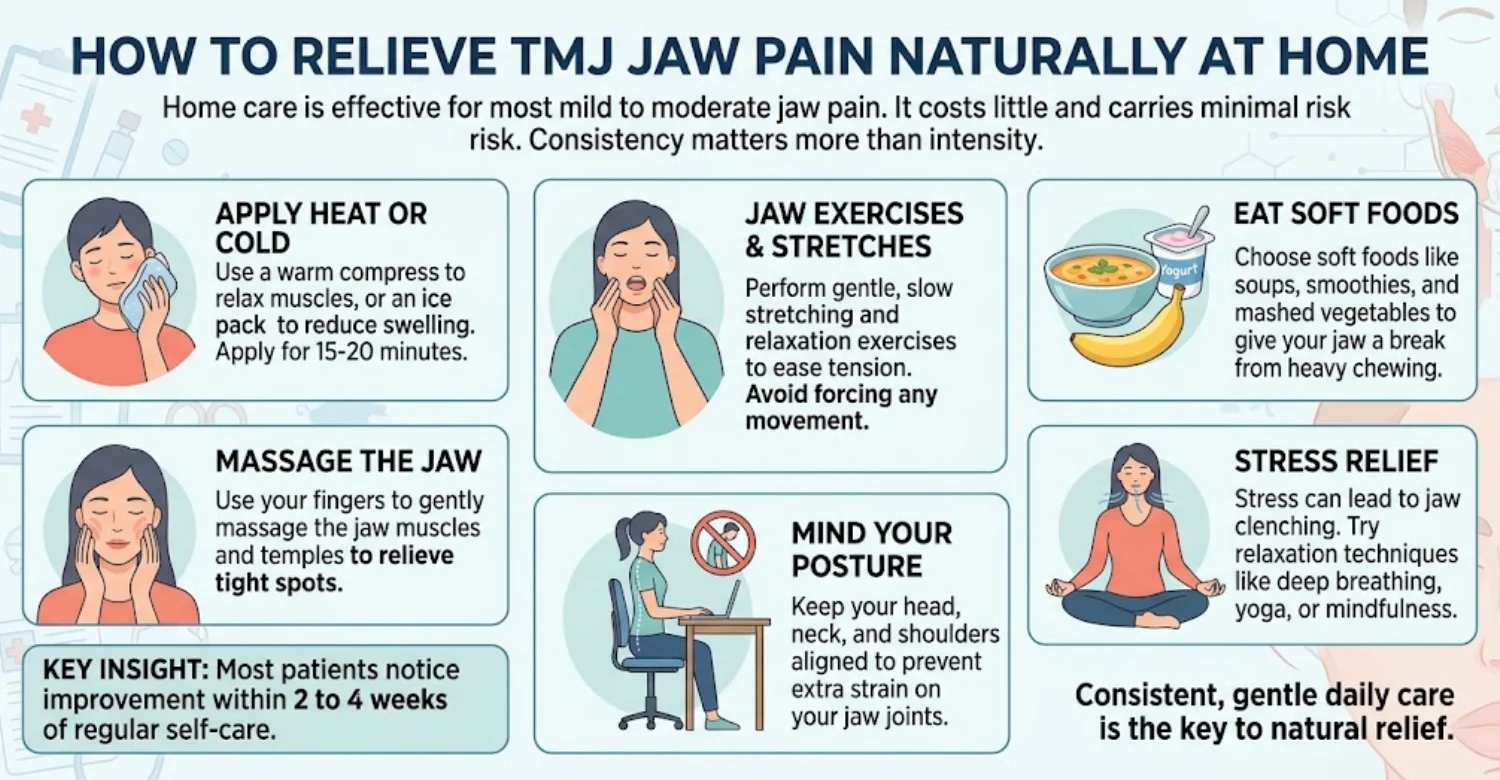
Heat works well for dull, aching muscle pain. A warm towel or heat pack for 10 to 15 minutes relaxes tight muscles. Cold works better for sharp pain, swelling, or recent injury. Never apply ice directly to the skin. Use either option two or three times a day during a flare-up.
Choose Foods That Require Less Chewing
Soft foods give your jaw a chance to rest. Good choices include oatmeal, mashed potatoes, soups, smoothies, and pasta. Cook vegetables until tender and cut meat into small pieces. Avoid sticky sweets, tough meats, raw carrots, and apples bitten whole. Return to normal foods gradually as pain settles.
Keep the Jaw Relaxed During Daily Activities
Notice your jaw during work, driving, and screen time. Keep your teeth apart and your tongue resting gently on the palate. Take short breaks to relax your face and shoulders. Good posture reduces strain on both the neck and jaw muscles. Simple sticky-note reminders can help build new habits.
Avoid Clenching, Nail Biting, and Excessive Gum Chewing
These habits keep the jaw muscles working when they should rest. Daily gum chewing can add hundreds of extra jaw movements. Nail biting and pen chewing place the jaw in strained positions. Replace these habits with a stress ball or deep breathing. Habit reversal training can help if the urge is strong.
Use Gentle Jaw Exercises Only When Appropriate
Exercises help most once acute pain has started to settle. Begin with relaxed positioning and controlled opening. Move slowly and stay within a comfortable range. Avoid forcing your mouth open further than feels comfortable. Stop if exercises increase pain or cause locking.
Can Massage and Relaxation Techniques Help TMJ Pain?
Gentle massage can relieve tight jaw and temple muscles. Use your fingertips in small circles over the cheek and temple for one to two minutes. Massage is most comfortable after applying heat. Relaxation techniques such as slow breathing lower muscle tension. Progressive muscle relaxation can also improve sleep quality.
Which Home Remedies May Make TMJ Symptoms Worse?
Not every popular remedy is safe. Forcing the jaw open to "stretch" can worsen disc problems. Cracking or popping the jaw on purpose may irritate the joint. Soft, over-the-counter guards can sometimes increase clenching. Aggressive deep-tissue massage may inflame sore muscles. Avoid repeatedly testing the jaw to check whether it still clicks.
What Are the Possible Side Effects of TMJ Disorder Treatments?
Every treatment carries some risk, even simple ones. Most side effects of conservative care are mild and temporary. Invasive procedures carry higher risks and need careful discussion. Knowing what to expect helps you recognise problems early.
Side Effects of Pain Medicines and Anti-Inflammatory Drugs
Anti-inflammatory drugs may cause stomach upset, heartburn, or ulcers. Long-term use can affect kidney function and blood pressure. Muscle relaxants commonly cause drowsiness and dizziness. Tricyclic medicines can cause dry mouth, weight gain, and constipation. Avoid driving if a medicine makes you sleepy.
Discomfort or Bite Changes From Oral Appliances
A new splint may feel bulky for the first few days. Some patients notice extra saliva or mild tooth soreness. Your bite may feel slightly different in the morning after removing it. This usually settles within an hour. Lasting bite changes are uncommon with well-designed full-coverage splints. Partial-coverage appliances carry a higher risk of tooth movement.
Risks and Limitations of Injections and Joint Procedures
Injections may cause temporary pain, swelling, or bruising. Repeated steroid injections can damage joint cartilage over time. Arthrocentesis may cause brief facial swelling or temporary numbness. Rarely, infection or nerve irritation can occur. These procedures do not work for everyone, and symptoms may return.
Potential Complications of TMJ Surgery
Open joint surgery carries the risks of any major operation. These include infection, bleeding, and anaesthetic complications. Facial nerve injury may cause temporary or permanent weakness. Some patients experience changes to their bite or hearing. Recovery can take several months, with physiotherapy required. Joint replacements may eventually need revision surgery.
When Should You Stop a Treatment and Contact Your Clinician?
Stop any treatment that makes your pain clearly worse. Contact your clinician if your jaw locks or your bite changes suddenly. Seek advice for new swelling, fever, or numbness. Report stomach pain, black stools, or rashes while taking medication. Never ignore signs of infection after an injection or procedure.
How Long Does TMJ Disorder Treatment Take?
Treatment time depends on the cause, severity, and your consistency with care. Mild cases often settle within weeks. Chronic or structural problems may need several months of treatment. Most conservative programmes are reviewed after six to twelve weeks.
How Long Do Mild TMJ Symptoms Usually Last?
Mild symptoms often improve within one to three weeks with simple self-care. Many episodes resolve completely without professional treatment. Some patients experience occasional flare-ups during stressful periods. These usually respond quickly to the same self-care strategies. Persistent symptoms beyond a month deserve assessment.
When Might Conservative TMJ Treatment Start Helping?
Many patients notice some improvement within two to four weeks. Diet changes and heat often bring relief within days. Exercise therapy may take four to six weeks to show clear benefits. Stress management and sleep improvement usually work more gradually. Consistency is the most important factor in early progress.
How Long Can a Night Guard or Physical Therapy Take to Help?
A splint often reduces morning pain within two to six weeks. Full benefit may take up to three months of nightly use. Physical therapy programmes usually last six to eight weeks. Patients often attend one or two sessions a week, plus home exercises. Your clinician should review progress at regular intervals.
Which Factors Can Delay Recovery?
Several factors can slow improvement. Ongoing stress, anxiety, or depression often prolong pain. Poor sleep and untreated sleep apnoea also delay recovery. Continued clenching, gum chewing, or nail biting keep the muscles overloaded. Other chronic pain conditions make jaw pain harder to treat. Inconsistent use of exercises or splints reduces their effect.
When Should an Unsuccessful Treatment Plan Be Reassessed?
Your plan should be reviewed if there is no improvement after six to eight weeks. A lack of progress may mean the diagnosis needs revisiting. Another source of pain may have been missed. Imaging or specialist referral may become appropriate at this stage. Continuing an ineffective treatment wastes time and money.
How Much Do TMJ Disorders Cost in the US, UK, and Turkey?
Costs vary widely depending on diagnosis, location, and treatment type. Conservative care is far cheaper than surgery in every country. Figures below are approximate 2026 private-market ranges, not quotes. US figures draw on published cost guides, while UK and Turkey ranges are typical estimates. Your final cost always depends on a clinical assessment.
What Is the Average Cost of TMJ Disorder Treatment by Country?
The table below compares typical private prices for common treatments. Turkey is often 50% to 70% cheaper than the US or UK for the same care.
UK
$75
TMJ treatment prices
Consultation & exam$75–$200
Panoramic X-ray$50–$120
TMJ MRI$300–$700
Custom night guard$250–$700
Physical therapy / session$50–$90
Arthrocentesis$1,500–$3,000
Arthroscopy$3,500–$6,000
Total joint replacement $20,000–$35,000
Turkey
$20
TMJ treatment prices
Consultation & exam $30–$80
Panoramic X-ray $20–$50
TMJ MRI $100–$250
Custom night guard $150–$350
Physical therapy / session $25–$50
Arthrocentesis $400–$900
Arthroscopy $2,000–$4,000
Total joint replacement $12,000–$25,000
US
$100
TMJ treatment prices
Consultation & exam$100–$400
Panoramic X-ray$100–$250
TMJ MRI$400–$1,500
Custom night guard$800–$2,000
Physical therapy / session$75–$250
Arthrocentesis$1,500–$5,000
Arthroscopy$5,000–$15,000
Total joint replacement$50,000–$100,000
How Much Does a TMJ Consultation and Diagnostic Assessment Cost?
In the US, a consultation usually costs between $100 and $400. Specialist orofacial pain clinics often charge at the higher end. UK private consultations typically range from $75 to $200. In Turkey, consultations commonly cost $30 to $80. Imaging adds to the total, with MRI being the most expensive option. Many patients need no imaging at all.
How Much Does a Custom TMJ Night Guard Cost?
A custom hard acrylic splint is the most common appliance for jaw pain. In the US, prices often range from $800 to $2,000 including adjustments. UK prices usually fall between $250 and $700. Turkey typically offers custom splints for $150 to $350. Over-the-counter guards cost much less but lack precise fit. A poorly fitting guard can sometimes worsen symptoms.
How Much Does TMJ Physical Therapy Cost?
US physical therapy sessions typically cost $75 to $250 each. A full course often totals $300 to $2,000. UK private physiotherapy usually costs $50 to $90 per session. In Turkey, sessions commonly range from $25 to $50. Most programmes need six to twelve sessions. Home exercises between visits help reduce the total number needed.
How Much Do Advanced TMJ Procedures Cost?
Advanced procedures are needed by only a small minority of patients. Their costs are much higher because they involve surgeons, anaesthesia, and hospital facilities. The two groups below cover the main options.
Arthrocentesis and arthroscopy
US arthrocentesis typically costs $1,500 to $5,000. Arthroscopy often ranges from $5,000 to $15,000 per joint. UK private prices are usually $1,500 to $3,000 and $3,500 to $6,000 respectively. Turkey commonly offers these procedures at $400 to $900 and $2,000 to $4,000.
Surgical treatment and total joint replacement
Open joint surgery in the US may cost $10,000 to $50,000 or more. Total joint replacement can exceed $50,000 to $100,000. UK private replacement typically costs $20,000 to $35,000. In Turkey, prices often range from $12,000 to $25,000. These figures may exclude hospital stay, imaging, and rehabilitation.
What Factors Affect the Total Cost of TMJ Treatment?
The quoted price for one treatment rarely reflects your full cost. Several factors can raise or lower the total. Understanding them helps you budget realistically and compare providers fairly.
Severity of symptoms and the underlying diagnosis
Muscle pain usually needs only self-care, a splint, and a few follow-ups. Joint locking or arthritis may require imaging and specialist input. Severe structural damage may lead to surgery. The diagnosis shapes almost every cost decision.
Imaging, specialist consultations, and follow-up appointments
MRI and CBCT scans add significant cost. Referrals to surgeons, physiotherapists, or pain specialists bring separate fees. Splints need adjustment visits over several months. Ask whether follow-up visits are included in your quote.
Insurance coverage and out-of-pocket expenses
Insurance coverage for jaw treatment varies greatly. Some US dental plans exclude TMD, while medical plans may cover parts of it. UK NHS care is available but waiting times can be long. Check your policy before starting treatment.
Travel, accommodation, and aftercare for international patients
Flights, hotels, and local transport add to treatment costs abroad. Some treatments need several visits or follow-ups. Plan how adjustments and aftercare will happen after you return home. Factor these costs into any international comparison.
Is TMJ Treatment in Turkey More Affordable Than in the US or UK?
Turkey is often significantly cheaper for the same treatments. Savings of 50% to 70% are common for splints, procedures, and surgery. Lower operating costs, rather than lower standards, drive much of this difference. However, savings shrink when you add travel and follow-up costs. Conservative care needs ongoing review, which may be easier close to home. Travel makes most sense for planned procedures with clear aftercare arrangements.
How to Compare TMJ Treatment Quotes Before Choosing a Provider
Compare what each quote actually includes, not just the headline price. Check whether consultation, imaging, adjustments, and follow-ups are covered. Ask about the clinician's training and experience with jaw disorders. Request a written treatment plan with expected timelines. Be cautious of quotes for irreversible work without a clear diagnosis. A cheaper quote is not good value if it skips essential steps.
Tips for Patients: Relieving TMJ Pain Safely
Small, consistent steps make the biggest difference to jaw pain. Safe self-care reduces flare-ups and supports professional treatment. The tips below help you manage symptoms and prepare for appointments.
What Should You Do During a TMJ Pain Flare-Up?
Switch to soft foods for a few days. Apply heat or cold, depending on which feels better. Avoid gum chewing, wide yawning, and long phone calls. Practise relaxed jaw positioning throughout the day. Short-term over-the-counter pain relief may help if suitable for you. Most flare-ups settle within days to two weeks.
Which Daily Habits Can Help Reduce Jaw Strain?
Keep your teeth apart when you are not eating. Sit with good posture during desk and screen work. Take regular breaks to relax your face and shoulders. Sleep on your back or side rather than your stomach. Limit caffeine, which can increase muscle tension. Build regular exercise and relaxation into your week.
How to Prepare for a TMJ Consultation
Write down when your symptoms started and how they have changed. List your medicines, health conditions, and previous dental treatments. Bring any previous X-rays or scan reports. Note which activities trigger or relieve your pain. Ask a partner whether they have heard you grinding at night. This preparation helps your dentist make the most of your appointment.
What Questions Should You Ask Your Dentist About Treatment?
Ask what is causing your jaw pain. Ask which treatments are reversible and which are not. Find out how long treatment should take and how progress will be measured. Ask about expected costs and what the quote includes. Ask what happens if the first treatment does not help. Clear answers help you make confident decisions.
Which Symptoms Should You Track Before Your Appointment?
Keep a simple pain diary for one to two weeks. Rate your pain from 0 to 10 each morning and evening. Record clicking, locking, headaches, and ear symptoms. Note stressful days, poor sleep, and trigger foods. Patterns in your diary can reveal important clues about the cause. Bring the diary to your appointment.
When Should You Avoid Self-Treatment and Seek Professional Advice?
Seek professional advice if pain lasts longer than two weeks. Do not self-treat if your jaw locks or opening is limited. Get help if pain is severe, worsening, or affecting sleep. Swelling, fever, numbness, or a recent injury need prompt assessment. Avoid buying devices online before a proper diagnosis.
At Vitrin Clinic: Personalized Assessment for TMJ Disorders
At Vitrin Clinic, we assess TMJ disorders by understanding your symptoms before recommending treatment. Our approach puts conservative, evidence-based care first. We explain your findings clearly and involve you in every decision. Where needed, we coordinate with medical specialists.
Why Identifying the Source of Jaw Pain Matters Before Treatment
Jaw pain can come from muscles, joints, teeth, or other structures. Treating the wrong source wastes time and money. It may also delay the right care. A clear diagnosis allows us to choose the simplest effective treatment. It also protects you from irreversible work you do not need.
What to Expect During Your Initial Dental Assessment
Your first visit begins with a detailed conversation about your symptoms. We review your medical and dental history. Your dentist then examines jaw movement, muscles, joints, and teeth. We explain what we find in plain language. You leave with a clear understanding of the likely cause and next steps.
How Dental Examination and Appropriate Imaging Support Treatment Planning
Most diagnoses come from a careful clinical examination. We use imaging only when it will change the treatment plan. A panoramic X-ray may check teeth and bone health. CBCT or MRI may be recommended for suspected joint changes. This approach limits cost and radiation while supporting accurate planning.
When TMJ Symptoms May Require Referral to a Medical or Specialist Team
Some patients need care beyond dentistry. We may refer you to a physiotherapist for structured exercise therapy. Persistent joint locking may require an oral and maxillofacial surgeon. Widespread pain or sleep problems may need medical input. We coordinate these referrals so your care stays connected.
Explore Relevant Dental Care at Vitrin Clinic
Jaw pain often connects with other areas of dental care. The services below may be relevant depending on your assessment. Each is recommended only when clinically indicated.
Internal link opportunity: Teeth Grinding and Bruxism Treatment
If grinding or clenching contributes to your symptoms, targeted bruxism care may help. This can include custom splints, habit guidance, and monitoring of tooth wear.
Internal link opportunity: Dental Occlusion Assessment
An occlusion assessment examines how your teeth meet and move together. It helps identify bite problems that may need attention for dental reasons.
Internal link opportunity: Invisalign Treatment, When Orthodontic Care Is Independently Indicated
Clear aligners can correct crowding and bite issues. We recommend them only when orthodontic treatment is needed for its own reasons, not as a jaw pain cure.






How Vitrin Clinic Supports Your Treatment Journey
We support you from your first question through to follow-up care. Our team explains each stage clearly and honestly. We aim to make treatment safe, predictable, and transparent.
Reviewing Symptoms, Medical History, and Previous Dental Treatment
We start by understanding your full health picture. Past injuries, medical conditions, and medicines can all affect jaw pain. Previous dental work may also influence your symptoms. This review helps us avoid repeating unsuccessful treatments.
Coordinating Appropriate Diagnostics and Specialist Referrals
We arrange imaging only when it is clinically justified. When specialist input is needed, we coordinate referrals and share relevant findings. This avoids duplicated tests and keeps your care organised.
Developing a Personalized Plan Based on Clinical Findings
Your plan is built around your diagnosis, goals, and lifestyle. It usually starts with reversible, conservative care. We set clear milestones to measure your progress. The plan is adjusted as your symptoms change.
Explaining Treatment Benefits, Limitations, Risks, and Expected Costs
We explain what each treatment can and cannot achieve. You receive clear information on risks and side effects. Costs are provided in writing before treatment begins. You decide only when you feel fully informed.
Supporting Follow-Up and Monitoring Treatment Response
Follow-up visits help us check whether treatment is working. We adjust splints, exercises, or plans as needed. If progress stalls, we reassess the diagnosis. Ongoing support reduces the risk of long-term pain.
Helping International Patients Understand Their Care Plan Before Travelling
International patients can share symptoms and records before travelling. We explain likely treatment steps, timelines, and costs in advance. We discuss how follow-up and adjustments will work after you return home. This planning helps you travel with confidence and realistic expectations.
Ready to transform your smile?
Talk to our team and get a personal FREE treatment plan.
Key Takeaways: Understanding and Managing TMJ Disorders
TMJ disorders are common, usually manageable, and rarely need surgery. The key points below summarise what matters most for patients.
Recognizing Common Symptoms and Possible Causes
Jaw pain, clicking, limited opening, headaches, and ear pain are the main symptoms. Causes often combine muscle overuse, joint changes, stress, and poor sleep. Bite problems play a smaller role than many people assume.
Choosing Conservative Treatment Before Considering Invasive Procedures
Around 85% to 90% of patients improve with conservative care. Soft foods, heat, exercises, and splints are effective first steps. Surgery is reserved for a small group with structural joint damage.
Understanding Safe Pain Relief, Exercise, and Potential Side Effects
Use pain medicines briefly and as directed. Exercises should be gentle and never cause lasting pain. Report worsening symptoms, locking, or side effects to your clinician promptly.
Knowing When Jaw Pain Requires Professional Assessment
See a dentist if pain lasts more than two weeks or your jaw locks. Seek urgent care for swelling, fever, injury, or chest symptoms. Early assessment usually means simpler treatment.
Comparing Treatment Costs Without Confusing Estimates With Quotes
Published prices are estimates, not personal quotes. Your real cost depends on diagnosis, imaging, and follow-up needs. Compare what quotes include, not only the headline price.
How Can Vitrin Clinic Support Your TMJ Disorder Treatment Journey?
Vitrin Clinic offers careful, evidence-based assessment for jaw pain and related symptoms. We identify the source of your discomfort before recommending any treatment. Our treatments plans prioritise reversible care and clear communication. Costs and expected outcomes are explained before you commit. International patients receive support before, during, and after their visit. Contact our team to book your assessment and take the first step toward comfortable jaw function.
IMPORTANT :
This article is for general information and does not replace a personal assessment by a qualified dentist. Prices are approximate 2026 averages, with UK and Turkey figures converted to US dollars, and may vary by clinic and case.
Not sure whether a bridge or an implant is right for you? Book your free consultation with Vitrin Clinic and get a personalized assessment and treatment plan from our dental team.
Sources
FAQs
Dr. Rifat Alsaman has more than 5 years of clinical experience in dentistry and currently serves as the Head of the Medical Team at Vitrin Clinic. He is dedicated to providing exceptional patient care, overseeing treatment planning, and ensuring the highest clinical standards across the team. His expertise, attention to detail, and commitment to continuous professional development have helped countless patients achieve healthier, more confident smiles.


