General Dentistry
September 14, 2026
Biting Cheek While Eating: What are The Causes, Treatment, and How to Stop It?
 Dr. Rifat Alsaman
Biting cheek while eating is something almost everyone experiences now and then. An occasional bite is usually harmless and heals within days. But when someone keeps biting the cheek while eating in the same spot, it may signal a change. The teeth, jaw, or bite may not be coming together the way they used to during chewing.
Biting Cheek While Eating: Why Does It Keep Happening?
Biting cheek while eating repeatedly is usually linked to small, repeated trauma. It affects the same patch of inner cheek during chewing. Once that tissue is bruised or swollen, it becomes easier to catch between the teeth again. This turns a single unlucky bite into a pattern. Keep biting the cheek while eating can also stem from changes in tooth position, jaw movement, or chewing rhythm.
Why Do I Keep Biting My Cheek While Eating?
Patients often ask why do I keep biting my cheek while eating so often. Tooth position, jaw movement, and chewing habits can all play a role. Uneven contact between the teeth may push the cheek toward the biting surface during a chew. Soft-tissue swelling from an earlier injury narrows the space the cheek needs to stay clear.
Biting Inside of Cheek While Eating After a Dental Change
Biting inside cheek while eating sometimes begins right after a dental change. New fillings, crowns, dentures, or orthodontic adjustments can shift how the teeth meet. Even a small alteration in tooth shape or bite contact can affect where the cheek sits during chewing.
Can Stress, Fatigue, or Eating Too Quickly Cause Cheek Biting?
Hurried chewing, distracted eating, and jaw clenching can all contribute to occasional cheek biting during meals. Fatigue may change chewing patterns without a person noticing. However, stress should not be treated as the sole explanation for persistent cheek biting.
Why Does My Cheek Get Caught Between My Teeth?
The cheek sits close to the teeth throughout normal chewing. Small shifts in occlusion decide how much room it has. When teeth meet unevenly, the cheek can be pulled inward at the wrong moment. Swelling after an initial bite reduces that space further, making biting the cheek while eating more likely on subsequent bites.
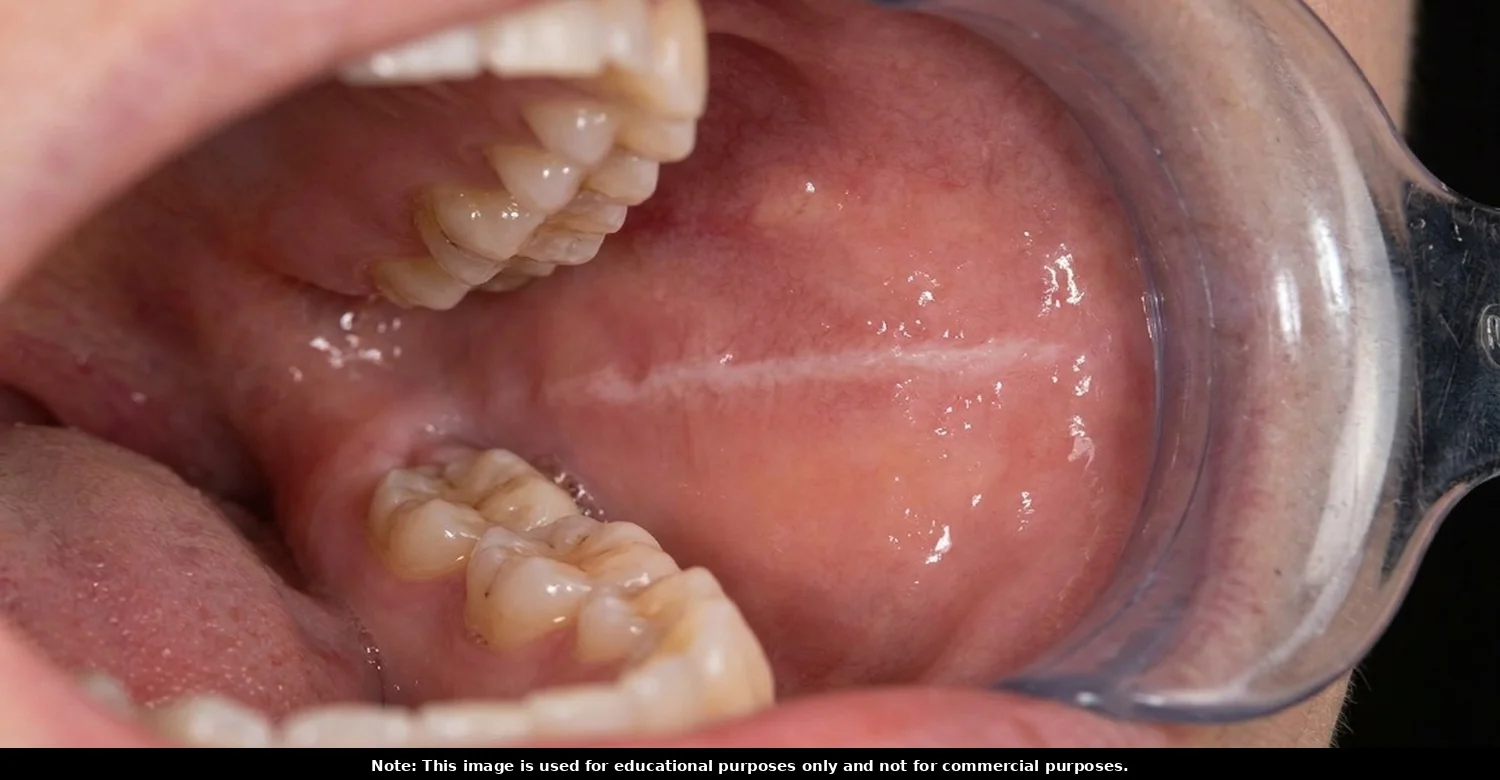
Note: All images used are for editorial and illustrative purposes only and may not originate from the original news provider or associated company.
Common Causes of Biting the Inside of Your Cheek While Eating
Malocclusion, or uneven tooth contact, is one of the most common reasons behind this. It explains much of the biting the inside of your cheek while eating. When upper and lower teeth do not meet evenly, the cheek can be drawn into the bite path during chewing. Not every case of this kind of cheek biting means a person has a serious bite problem. Sometimes the misalignment is minor.
Sharp, Broken, or Irregular Teeth
Fractured edges, worn teeth, or restorations with an unusual shape can catch or irritate the cheek during chewing. Even a small chip can create enough of an edge to snag soft tissue repeatedly. This is a frequent and often overlooked cause of biting cheek while eating. The sharp area itself may not be painful.
New Crowns, Fillings, or Dental Restorations
Cheek biting can occasionally follow restorative treatment, even when the work itself is done well. A new crown or filling changes the contour of a tooth slightly. The cheek needs time to adjust to that new shape. If biting inside of cheek while eating begins soon after a restoration, a dentist can evaluate the bite. Adjustments can be made where necessary.
Missing Teeth and Changes in Chewing Patterns
Tooth loss changes how the remaining teeth come together and how food is chewed. Patients often shift chewing to one side, which alters the position of the cheek and tongue during meals. This uneven pattern can increase the chance of repeated cheek biting on the side doing more of the work. Replacing a missing tooth, when appropriate, can restore a more even chewing pattern.
Swelling and Previous Cheek Injury
Once cheek tissue is injured, it swells. That swelling temporarily narrows the space between the teeth and the inner cheek. This makes another bite more likely before the area has fully healed. It is a key reason why biting cheek while eating tends to repeat in the same spot. It rarely moves around the mouth. Allowing the tissue proper time to settle helps break this short-term cycle. Adjusting chewing habits at the same time helps even more.
Tips for Patients
Chew slowly and deliberately, especially on the affected side
Avoid repeatedly chewing on the injured area while it heals
Choose foods that are gentle and comfortable to chew
Resist the urge to touch or bite the sore area
Keep up normal oral hygiene without aggravating the lesion
Note whether the problem began after any dental treatment
Check whether a tooth feels sharp, rough, or different than usual
Pay attention to whether it happens on one side or both
Arrange a dental check-up if the cheek biting continues
Watch for persistent pain, swelling, bleeding, or a wound that will not heal
What Happens When You Keep Biting Your Cheek While Eating?
Soreness and Localized Swelling
Repeated trauma to the same area of cheek tissue leads to soreness that can linger for days. Localized swelling often follows shortly after the injury occurs. This swelling is the body's normal healing response. It also narrows the space available near the teeth. That narrower space is exactly what makes biting cheek while eating more likely to happen again.
Mouth Ulcers and Traumatic Lesions
A traumatic lesion caused by repeated biting looks and behaves differently from other mouth ulcers. It typically sits exactly where the teeth make contact and follows a pattern tied to chewing rather than appearing randomly. These lesions can be uncomfortable, particularly with acidic or spicy food. Recognizing that a sore area is linked to repeated cheek trauma, rather than an unrelated ulcer, helps. It guides the right next step. It points the way toward relief and healing.
The Bite–Swelling–Bite Cycle
An injured cheek swells, and swollen tissue is easier to catch between the teeth on the next bite. That next bite causes more swelling, and the cycle continues. This bite–swelling–bite pattern explains something important. It shows why biting the cheek while eating so often clusters around a single meal or day. It rarely happens as one isolated moment.
When Repeated Cheek Biting Needs Professional Assessment
Wounds that persist longer than a week or two
Increasing pain or swelling instead of gradual improvement
Bleeding that does not settle on its own
A sharp tooth, edge, or restoration that can be felt
A lesion that does not heal the way a normal bite would
Cheek biting that continues despite conscious changes to habits
How to Stop Biting Cheek While Eating
Slow Down Your Chewing
Deliberate, unhurried chewing gives the tongue and cheek more time to move out of the way naturally. This is especially helpful while the cheek is already sore from a recent bite. Rushing meals, eating while distracted, or talking mid-chew all raise the odds of another accidental bite.
Avoid Chewing on the Injured Side
Temporarily shifting chewing to the opposite side reduces pressure on the injured area. It gives the tissue a real chance to recover. Continuing to chew on the same spot keeps reinjuring tissue that has not healed yet. This small adjustment is one of the most effective short-term ways to reduce repeated cheek biting. It buys time while a dentist investigates any longer-term cause.
Choose Softer Foods During Healing
Crunchy, hard, or sharp-edged foods can scrape an already sore area and delay healing. Choosing softer foods for a few days reduces repeated trauma while the tissue settles. This does not need to be a long-term change, only a temporary one during recovery. Softer meals paired with slower chewing make a noticeable difference. This helps anyone dealing with biting inner cheek while eating on a regular basis.
Check for a Dental Cause
Behavioral changes help in the short term. Recurring cheek biting often needs an examination rather than habit changes alone. A sharp tooth, a new restoration, or a shifted bite will keep causing injury until it is addressed directly. If biting cheek while eating keeps returning despite chewing carefully, a dental check is the better next step. Adjusting eating habits alone rarely resolves it.
Avoid Trying to File or Reshape a Tooth Yourself
It can be tempting to smooth a sharp edge at home, but this is not a safe approach. Filing a tooth without proper training can damage the enamel or worsen the irritation. Sharp edges and restorations should always be assessed and corrected by a dental professional. Attempting a home fix can delay proper treatment. In some cases it can make the cheek biting harder to resolve later on.
How Dentists Diagnose Repeated Biting Inside the Cheek
A clinical exam starts with a close look at the injured area, the surrounding tooth surfaces, and any restorations nearby. The dentist checks for sharp edges, uneven contours, or signs of previous trauma. This visual and physical assessment usually identifies the likely source of biting cheek while eating fairly quickly.
Checking the Bite and Jaw Movement
Beyond looking at individual teeth, dentists assess how the upper and lower jaw come together during normal movement. This helps reveal whether the cheek is being repeatedly trapped as part of a chewing pattern. It may not be one isolated tooth at all. Watching the bite in motion often shows exactly when and how the cheek gets caught.
Reviewing Recent Dental Treatment
Dentists routinely ask about any recent fillings, crowns, orthodontic work, or extractions. Recent treatment is one of the strongest clues when new cheek biting appears suddenly. Even a well-placed restoration can need a small adjustment once the surrounding tissue reacts to its new shape.
When Additional Imaging May Be Considered
Imaging is not automatically required for straightforward cheek biting. It becomes useful when another dental or structural issue is suspected. Examples include a hidden fracture or a deeper bite discrepancy. In most simple cases, a clinical exam and bite check are enough to explain the pattern. Imaging is reserved for situations where the cause is not clear from examination alone.
Treatment for Biting the Inside of the Cheek While Eating
Treatment for biting the inside of the cheek while eating always starts with finding the actual cause. Sometimes the fix is small, like adjusting a restoration or smoothing a sharp edge.
Treating the Injured Cheek
The first priority is removing whatever is repeatedly causing the trauma. That could be a habit, a sharp tooth, or a restoration. Once the source is addressed, the tissue is usually given time to heal naturally. Persistent discomfort should be discussed with a dental professional rather than managed indefinitely at home.
Adjusting a Dental Restoration
A crown, filling, or other restoration can sometimes be the cause. A dentist can assess its shape and bite contact. A targeted adjustment can then be made. This is often a quick, minor procedure rather than a full replacement. Correcting the contour of a restoration is one of the more common fixes. It works well for biting the cheek while eating that began shortly after treatment.
Treating Sharp or Damaged Teeth
Treatment depends on the underlying issue. It may involve smoothing a rough edge, repairing a chip, or restoring a more damaged tooth. The right option depends on how significant the damage is and how it is affecting the surrounding cheek. Addressing the tooth itself, rather than only treating the resulting sore, gives a more lasting solution for recurring cheek trauma.
Addressing Bite or Alignment Problems
When an underlying bite problem is the main contributor, orthodontic or restorative treatment may be considered. The goal is correcting how the teeth meet. This is usually reserved for cases where simpler adjustments have not resolved the pattern. Correcting alignment takes more time than a single adjustment. It addresses the root mechanical cause of biting cheek while eating rather than the symptom alone.
What Patients Can Expect Before and After Treatment
Before treatment, patients often describe recurrent cheek biting, ongoing soreness, and discomfort while chewing certain foods. After the underlying cause is addressed, most notice less frequent cheek trauma and more comfortable chewing overall. Soft tissue tends to heal better once it is no longer being repeatedly injured. Results vary by case.
Clinical Note
Occasional cheek biting is usually minor and resolves without any treatment at all. Frequent or persistent trauma, however, should not automatically be treated as a simple chewing habit. The cause can sometimes be related to tooth position, restorations, bite changes, swelling, or other oral factors working together. Dr. Rifat Alsaman, Head of the Medical Team at Vitrin Clinic and a cosmetic dentist, notes that a dental exam can help. It can uncover a correctable cause.
Can Biting Your Cheek While Eating Be Prevented?
Chew more slowly, particularly with harder or chewier foods
Take smaller bites to give the cheek more room to move
Avoid eating while distracted, rushed, or talking mid-bite
Pay attention to which side feels more prone to biting
Small, consistent changes to chewing habits can meaningfully reduce how often the cheek gets bitten. This helps even before any dental cause has been identified.
Maintain Regular Dental Checkups
Routine examinations give a dentist the chance to catch damaged teeth, problematic restorations, or bite changes. This happens before they cause repeated injury. Many cases of biting cheek while eating are prevented simply by identifying a small issue early. This happens long before soft-tissue trauma makes it noticeable. Regular checkups remain one of the most reliable long-term prevention strategies available.
Address Dental Problems Early
Delaying treatment for a broken tooth or an uncomfortable restoration allows repeated soft-tissue trauma to continue unnecessarily. What starts as a minor sharp edge can keep causing cheek injuries for weeks or months if left unaddressed. Acting on dental problems as soon as they are noticed helps. It prevents a small issue from becoming a recurring source of discomfort.
What We Notice Clinically
Dr. Rifat Alsaman, Head of the Medical Team at Vitrin Clinic and a cosmetic dentist, considers occasional cheek biting common. It's rarely concerning on its own. Repeated biting of the same area, in his view, should prompt patients to look for an underlying reason. It shouldn't be accepted as an ordinary habit. He weighs the relationship between the teeth, restorations, bite, and chewing pattern. The condition of the cheek itself is also part of why biting cheek while eating keeps recurring.
When Dr. Rifat Alsaman Recommends a Dental Assessment
Repeated biting despite genuine changes to eating habits
A persistent sharp area felt with the tongue
New cheek biting following recent dental treatment
Recurrent injury in exactly the same location each time
A cheek lesion that is not healing as expected
Vitrin Clinic's Approach to Patients With Recurrent Cheek Biting
A clinical examination of the cheek, teeth, and surrounding tissue
A bite assessment to check how the teeth meet during chewing
Evaluation of existing teeth and restorations for sharp or uneven areas
A review of any previous dental treatment relevant to the pattern
This structured approach at Vitrin Clinic is designed to identify the actual source of biting cheek while eating. It isn't treated as a one-off complaint.
Digital Dental Technology
Appropriate digital tools and imaging can support treatment planning when clinically indicated. This includes 3D imaging for a more detailed view of the bite and surrounding structures. Advanced technology is not required for every case of cheek biting. It can be useful when another dental or structural issue is suspected alongside the soft-tissue injury being reported.
Individualized Treatment Planning
Treatment depends entirely on the underlying cause. That could be a damaged tooth, a restoration, a bite issue, swelling, or another oral condition entirely. The goal is always to identify and address the source of repeated trauma rather than simply treating the visible symptom. This individualized approach reflects how differently biting cheek while eating can present from one patient to the next.
References:
FAQs
Dr. Rifat Alsaman has more than 5 years of clinical experience in dentistry and currently serves as the Head of the Medical Team at Vitrin Clinic. He is dedicated to providing exceptional patient care, overseeing treatment planning, and ensuring the highest clinical standards across the team. His expertise, attention to detail, and commitment to continuous professional development have helped countless patients achieve healthier, more confident smiles.


