General Dentistry
October 15, 2026
Bruxism and Jaw Bone Changes: Can Teeth Grinding Cause Bone Loss?
 Dr. Rifat Alsaman
.webp&w=3840&q=75)
Bruxism and jaw bone changes are concerns for people who regularly grind or clench their teeth, especially when they wake up with jaw tightness, headaches, or tooth sensitivity. Bruxism places repeated forces on the teeth, the tissues that support them, and the jaw joints. However, grinding does not automatically cause jawbone loss. The effects depend on how intense and long-lasting the grinding is, your individual anatomy, and any existing dental or gum disease. This article explains how the jaw adapts to repeated forces and how bone remodeling differs from true bone loss. It also covers diagnosis, treatment, and prevention.
.jpg)
.jpg)
.webp)
.jpg)
.jpg)
.jpg)
.jpg)
.webp)
.jpg)
Ready to transform your smile?
Talk to our team and get a FREE treatment plan.
Bruxism and Jaw Bone Changes: How Are They Connected?
Bruxism & jaw bone changes are connected through mechanical load. Every time you clench or grind, your jaw muscles transmit force through the teeth into the surrounding bone. Bone is living tissue, so it responds to these forces over time. In many people, this response is adaptive rather than harmful. The link becomes more complicated when gum disease, missing teeth, or a damaged bite are also present. Understanding the connection starts with knowing what bruxism is and how bone reacts to pressure.
What Is Bruxism?
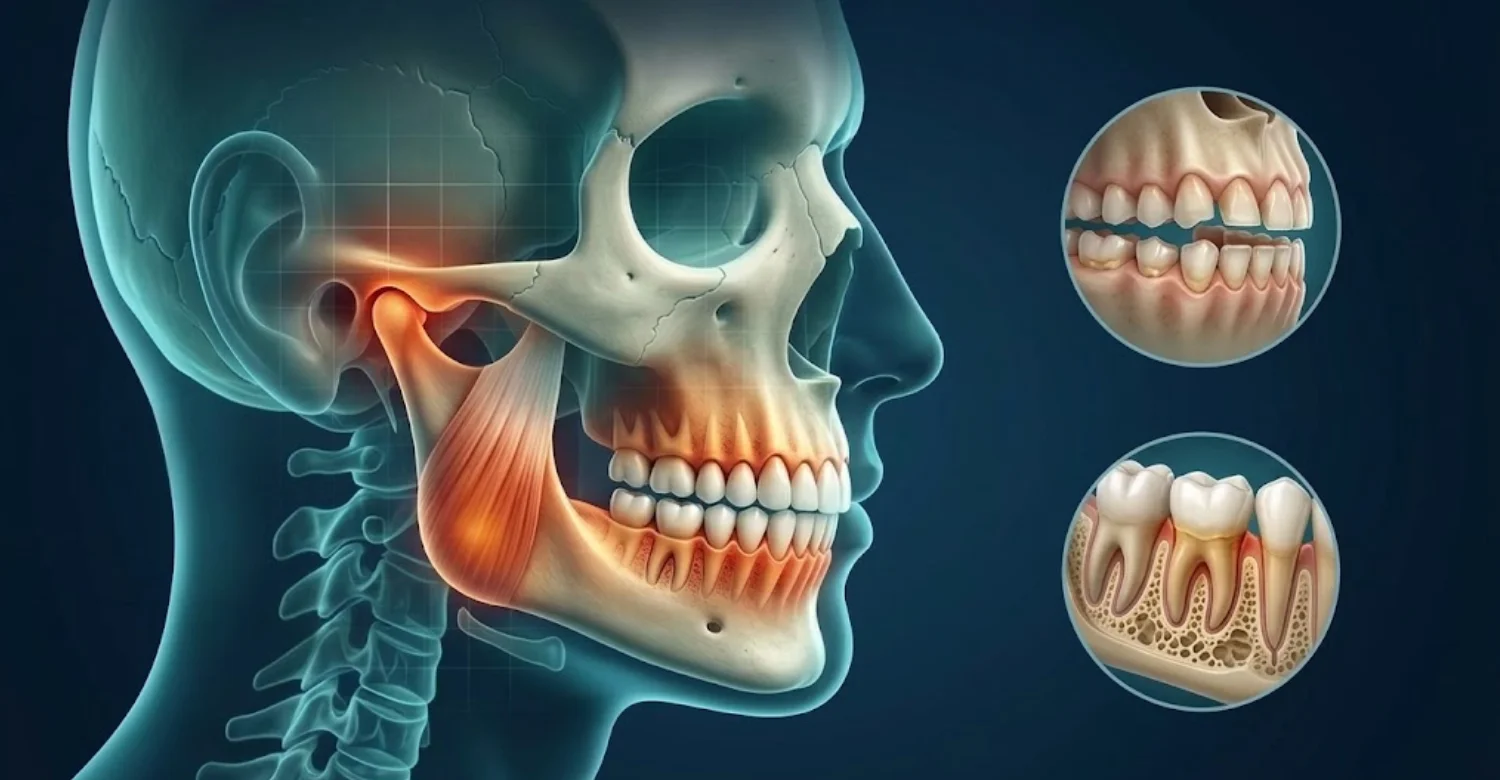
Bruxism is repetitive jaw muscle activity that involves clenching or grinding the teeth, or bracing and thrusting the lower jaw. Experts describe two forms. Sleep bruxism happens during sleep and is often noticed by a partner or through morning symptoms. Awake bruxism happens during the day, usually as clenching while concentrating. Grinding involves teeth sliding against each other. Clenching involves sustained pressure without much movement. Both can strain the teeth, the periodontal ligament that anchors them, and the temporomandibular joints.
How Does the Jawbone Respond to Repeated Grinding Forces?
The jawbone responds through bone remodeling. This is a natural process in which old bone is broken down and new bone is built in response to changing forces. The alveolar bone, which surrounds and supports the tooth roots, is especially responsive. Repeated loading may thicken bone in some areas or widen the ligament space around a heavily loaded tooth. These are important bruxism effects on jawbone tissue to understand. Still, ordinary bruxism does not necessarily lead to clinically significant bone loss.
Bone Remodeling vs. Bone Loss: What Is the Difference?
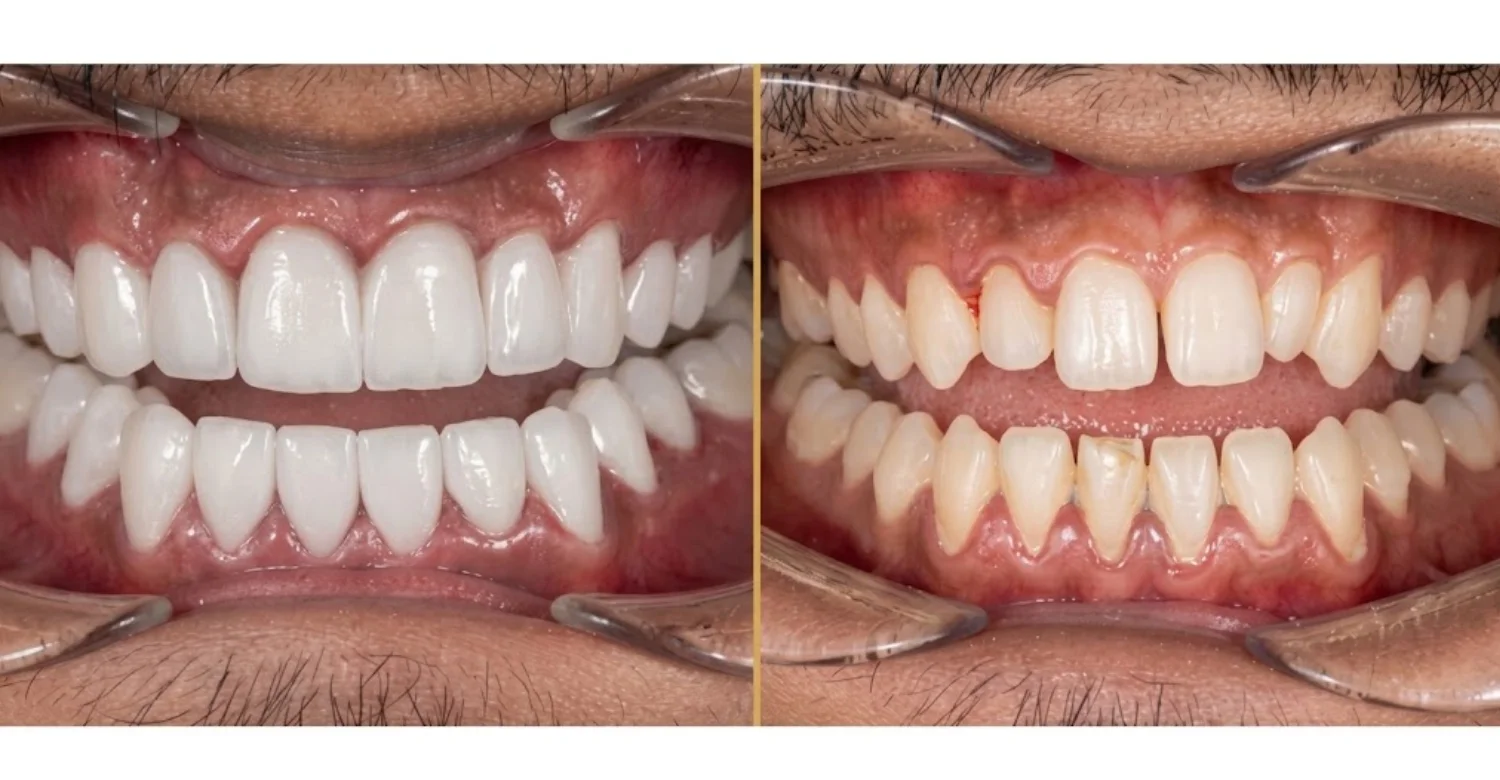
Adaptive bone remodeling is a balanced process. Bone is reshaped to cope with new forces, but overall support for the teeth is maintained. Pathological bone resorption is different. Here, more bone is removed than rebuilt, so the teeth gradually lose support. Remodeling can occur without any reduction in bone height. This distinction is central to understanding bruxism and jaw bone changes. When a dentist sees significant jawbone loss, they look for other causes first. These include periodontal disease, infection, trauma, and bone shrinkage after tooth loss.
What Symptoms Might Suggest That Bruxism Is Affecting Your Jaw?
Many people with bruxism do not know they grind their teeth. Symptoms are often the first clue. Some affect the muscles, while others affect the teeth, the jaw joints, or the gums. When thinking about bruxism and jaw bone changes, remember that most symptoms reflect strain on teeth and muscles rather than bone loss. No single sign proves that the jawbone is affected. A combination of symptoms, however, is a good reason to arrange a dental assessment.
Jaw Pain, Tightness, or Morning Stiffness
Jaw muscles work hard during sleep bruxism or long periods of daytime clenching. Like any overworked muscle, they can feel tired, tight, or sore afterwards. Many people notice this first thing in the morning. Chewing breakfast may feel tiring, and talking or opening the mouth widely may be uncomfortable. Some people also wake with dull headaches around the temples. Symptoms often ease as the day goes on. Persistent or worsening pain, though, suggests the cause needs a closer look.
Tooth Wear, Sensitivity, or Cracked Teeth
Grinding can flatten the biting surfaces of teeth and wear away enamel. Exposed inner tooth layers may become sensitive to cold or sweet foods. Teeth can chip or crack, and fillings, crowns, or veneers may break or loosen. These findings suggest excessive mechanical loading. However, they cannot establish bone damage on their own. A worn tooth can sit in perfectly healthy bone. Linking wear with bruxism and jaw bone changes requires a full clinical examination.
Jaw Clicking, Limited Movement, or Pain Near the Ear
Some people with bruxism develop symptoms of temporomandibular disorders (TMD). These conditions affect the jaw joints, located just in front of the ears, and the surrounding muscles. Clicking or popping is common and often harmless when it is painless. Joint symptoms are often confused with bruxism & jaw bone changes, but they involve different structures. Pain near the ear, difficulty opening the mouth fully, or a jaw that catches deserves attention. Persistent pain or restricted movement should be assessed rather than ignored.
Gum Changes or Teeth That Feel Loose
Gum recession, bleeding gums, or teeth that feel loose deserve professional evaluation. Heavy grinding forces can make a tooth slightly more mobile. More often, though, loosening reflects periodontal disease, an infection of the tissues that support the teeth. Other causes include trauma or previous dental work. Loose teeth are among the most important signs to check when evaluating bruxism and jaw bone changes. These signs should not automatically be blamed on grinding. A dentist can measure gum pockets and check tooth support.
What Causes Bruxism and Jaw Bone Changes?
The causes of bruxism and jaw bone changes are rarely simple. Bruxism itself is usually linked to a mix of factors, including stress, sleep patterns, medications, and lifestyle habits. Jaw bone changes may come from bruxism, gum disease, tooth loss, or a combination. Researchers no longer consider a poor bite the main cause of bruxism. Instead, it is thought to be mainly regulated by the brain and nervous system. Identifying contributing factors helps guide the right treatment.
Repeated Clenching and Grinding
Frequent and forceful muscle activity can overload teeth and their supporting structures. Jaw muscles can generate considerable force, especially during sleep, when you are unaware of clenching. Occasional grinding during a stressful week is common and rarely causes lasting harm. Persistent bruxism is different. Over months or years, repeated force may wear teeth, damage restorations, and strain the jaw joints. This is where bruxism & jaw bone changes begin to matter. Frequency, intensity, and duration all influence how much damage occurs.
Stress, Anxiety, and Awake Bruxism
Awake bruxism is often linked to concentration, tension, or stress. Many people clench while working at a computer, driving, or exercising. Emotional stress and anxiety may increase this habit in some people. However, stress is not the only cause, and not everyone who grinds their teeth has anxiety. Habits and focus during demanding tasks can also play a role. Recognizing your own triggers is often the first step toward reducing daytime clenching and the strain it places on your jaw.
Sleep-Related Factors and Sleep Bruxism
Sleep bruxism is closely linked to brief sleep arousals. These are short shifts toward lighter sleep that often come with bursts of jaw muscle activity. Sleep bruxism may also occur alongside conditions such as obstructive sleep apnea, in which breathing repeatedly pauses during sleep. For this reason, a clinician may ask about snoring, restless sleep, or daytime sleepiness when appropriate. These questions help identify whether a sleep problem needs separate medical evaluation alongside dental care.
Medications and Other Contributing Factors
Some medications and substances are associated with bruxism. Examples include certain antidepressants, especially selective serotonin reuptake inhibitors, as well as some stimulant medications. Smoking, alcohol, heavy caffeine intake, and recreational drugs may also increase grinding. If you suspect a medication is contributing, do not stop it on your own. Instead, discuss your symptoms with the prescribing clinician. They can assess whether an adjustment is appropriate and safe for you, and suggest alternatives if needed.
Existing Dental and Periodontal Conditions
Existing dental problems make jaw bone assessment more complex. Periodontal disease, infection, previous trauma, missing teeth, and altered bite relationships can all affect the bone around teeth. When teeth are lost, the surrounding bone naturally shrinks over time. In these situations, bruxism and jaw bone changes may overlap with other processes. Bruxism should not be assumed to cause every change seen on dental imaging. Careful assessment helps separate each contributing factor and guides the right treatment.
Can Long-Term Bruxism Cause Jaw Bone Loss?
This is one of the most common questions patients ask. Current evidence does not show that bruxism alone reliably causes progressive jawbone loss. Grinding can certainly overload teeth and their supporting tissues. However, the main driver of bone loss around teeth is periodontal disease. When bruxism and jaw bone changes occur together, inflammation is often the more important factor. The sections below explain what the evidence suggests and why careful assessment matters so much.
Understanding Bruxism and Bone Loss
The relationship between bruxism and bone loss is more limited than many people assume. Mechanical overload and inflammatory destruction are two separate processes. Overload may widen the ligament space around a tooth and increase mobility. These changes often improve once the excess force is reduced. Inflammatory periodontal disease is different. Bacteria in plaque trigger an immune response that gradually destroys the gums and alveolar bone. This bone loss can happen whether or not a person grinds their teeth.
Jaw Bone Resorption from Teeth Grinding: What Does the Evidence Suggest?
Jaw bone resorption means the breakdown and loss of bone tissue. Research on jaw bone resorption from teeth grinding is limited and largely inconclusive. Excessive force alone does not appear to start periodontal disease. However, some studies suggest it may speed up existing damage when gum inflammation is already present. That is why clinicians investigate other causes before blaming grinding. Imaging findings must be interpreted alongside symptoms, periodontal measurements, and medical history.
Chronic Bruxism and Bone Remodeling
The relationship between chronic bruxism and bone remodeling varies from person to person. Some people develop bony growths, such as tori or exostoses, along the jaw. Some studies have reported an association between these growths and bruxism. Others show few visible changes despite years of grinding. Genetics, bite, and general health all influence the response. This variability makes bruxism and jaw bone changes difficult to predict. Research has not established a simple link between years of grinding and the amount of bone lost.
What Other Problems Can Occur Alongside Bruxism?
Bruxism rarely affects just one structure. Because the teeth, muscles, joints, and gums work together, problems in one area can influence the others. Some people develop jaw joint symptoms, while others mainly experience tooth damage. Gum disease may also be present and needs separate attention. Looking at the full picture of bruxism and jaw bone changes helps clinicians avoid missing an important diagnosis. The following sections describe the most common associated problems.
Bruxism and Temporomandibular Joint Disorders
The link between bruxism and temporomandibular joint disorders is real but complex. Grinding and clenching may contribute to jaw muscle pain, joint tenderness, discomfort when chewing, and reduced mouth opening. However, not everyone who grinds develops TMD. Many people with TMD do not grind their teeth. Other factors include joint anatomy, injury, arthritis, and pain sensitivity. For this reason, TMD is diagnosed through a clinical examination of the joints and muscles, not from grinding alone.
Periodontal Problems and Alveolar Bone Changes
Plaque-induced periodontal inflammation is the leading cause of damage to the tissues supporting teeth. Bruxism and alveolar bone changes can appear together, which makes careful diagnosis important. A dentist distinguishes them by measuring gum pockets, checking for bleeding, and assessing tooth mobility. X-rays show the pattern and level of bone around each tooth. Inflammatory bone loss usually comes with deep pockets and bleeding gums. Overload-related changes often show widened ligament spaces without these signs.
Long-Term Bruxism Complications
Long-term bruxism complications mainly affect the teeth and muscles. They include advanced tooth wear, cracked or fractured teeth, broken fillings and crowns, and failed dental work. Some people develop persistent muscle discomfort, enlarged jaw muscles, or worsening joint symptoms. In severe cases, worn teeth may need extensive restoration. Early evaluation helps limit this damage, even when no bone loss is present. Protecting teeth early is usually simpler and less costly than repairing them later.
What Can You Do at Home to Reduce Bruxism-Related Discomfort?
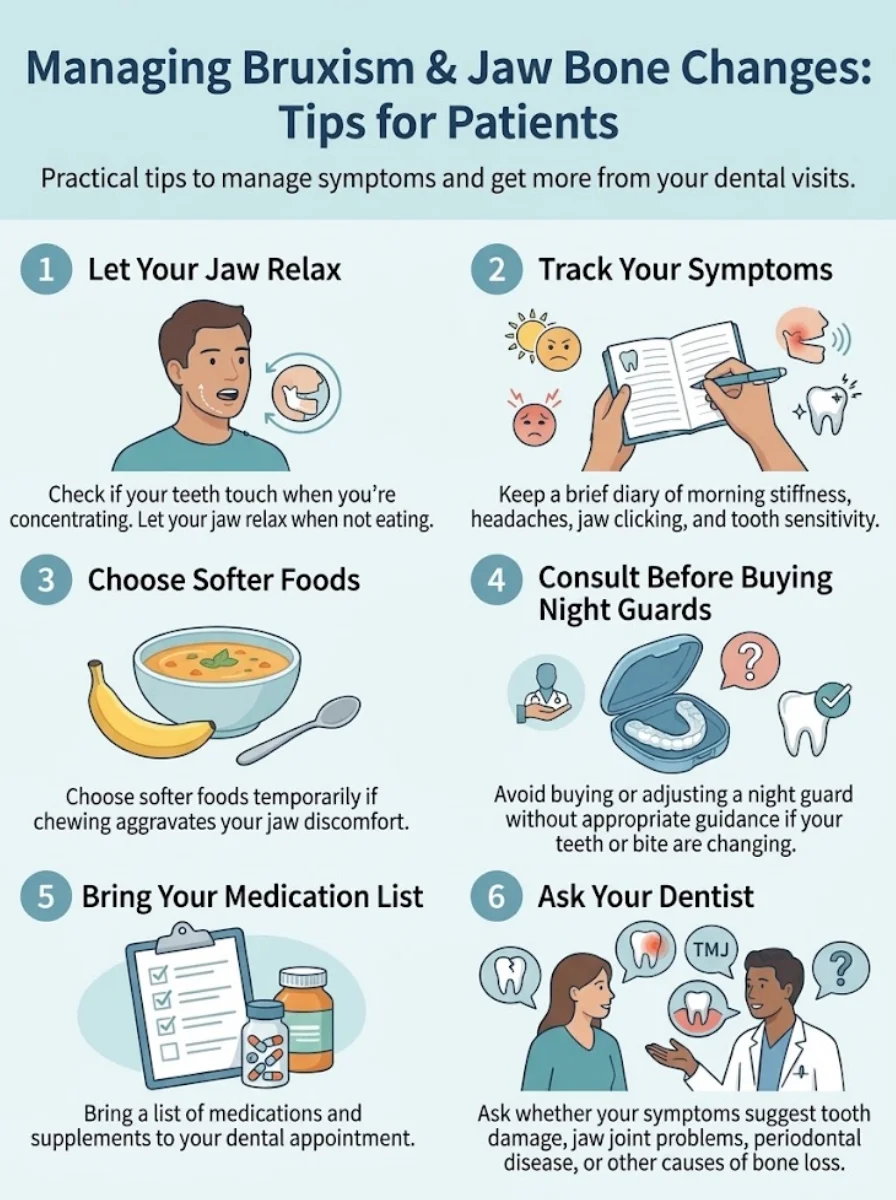
Simple home measures can often ease mild bruxism-related discomfort. They focus on reducing unnecessary jaw tension and avoiding habits that strain the muscles and joints. These steps are especially helpful for awake bruxism, which you can learn to notice and control. Sleep bruxism is harder to change through willpower alone. Home care also has limits when dealing with bruxism and jaw bone changes. It may ease symptoms, but it cannot diagnose or reverse bone loss.
Relax Your Jaw During the Day
At rest, your lips should be together, your teeth slightly apart, and your jaw muscles relaxed. Many people only notice clenching once they start checking for it. Practise keeping your teeth apart when you are not eating. Use brief reminders during work, driving, or screen time to check for clenching. A sticky note or a phone alert can help. Over time, this awareness can become automatic and reduce daytime strain on your jaw.
Adjust Habits That May Increase Jaw Tension
Certain habits add extra work for already tired jaw muscles. Consider reducing gum chewing, pen biting, or nail biting. Avoid repeatedly testing sore teeth or clicking your jaw to check it. Limiting caffeine and alcohol, especially in the evening, may also help. If stress appears to contribute to clenching, relaxation techniques such as slow breathing may help. A regular, comfortable sleep routine is also worth trying. Small changes, repeated daily, often make the biggest difference.
Use Gentle Measures for Temporary Jaw Discomfort
During painful episodes, a comfortably warm compress on the jaw muscles may ease tension. Choosing soft foods for a few days gives the muscles and joints time to rest. Cut food into small pieces and avoid very chewy items. Avoid forceful jaw stretches, self-manipulation, or exercises that increase pain. Home care may ease symptoms, but it cannot confirm or reverse established bone loss. If pain persists beyond a couple of weeks, arrange a dental assessment.
Which Tools May Help Manage Bruxism?
Several tools can help protect your teeth and track your symptoms. None of them cures bruxism, but they can reduce damage and support better decisions about care. The most widely used option is a custom-made night guard. Symptom tracking is another useful and inexpensive tool. Together, these approaches help you and your dentist follow bruxism and jaw bone changes over time. The right choice depends on your symptoms and examination findings.
Custom-Made Night Guards
A custom-made night guard, also called an occlusal splint, is a professionally fitted appliance worn over the teeth during sleep. It places a protective layer between the upper and lower teeth, reducing direct wear and fracture risk. However, a guard generally does not stop the underlying bruxism activity or guarantee relief from jaw joint symptoms. It also cannot reverse bruxism and jaw bone changes that have already occurred. Fit and follow-up matter, especially when teeth or the bite are changing.
Bite Monitoring and Symptom Tracking
Keeping a simple record can reveal useful patterns. Note any morning jaw pain, daytime clenching, headaches, or sleep-related symptoms. You can also record stressful periods, caffeine intake, and medication changes. A rating scale from zero to ten makes pain easier to compare. Bring this record to your dental appointment. It helps your dentist assess patterns, judge severity, and monitor how well treatment is working. Partners can also help by noting grinding sounds at night.
.jpg)
Ready to transform your smile?
Talk to our team and get a FREE treatment plan.
When Should You See a Dentist or Doctor?
Many bruxism symptoms are mild and can be managed with simple measures. However, some signs suggest damage that needs professional attention. Others need urgent care because they may point to a serious problem unrelated to grinding. Knowing the difference helps you act at the right time. If you are unsure whether your symptoms relate to bruxism and jaw bone changes, it is safer to arrange an assessment. An early visit also gives your dentist a useful baseline.
Signs That Need a Dental Assessment
Book a dental assessment if you notice persistent jaw pain or recurring morning stiffness. Other reasons include progressive tooth wear, cracked teeth, broken restorations, or unexplained tooth mobility. Gum changes such as bleeding, recession, or swelling also need attention. Early examination may help identify the source before symptoms worsen. It can also show whether bruxism and jaw bone changes are present at all. Your dentist can then protect damaged teeth and check for gum disease.
Symptoms That Need Prompt or Urgent Care
Seek urgent assessment for a suspected jaw fracture, major facial trauma, or rapidly increasing swelling. Fever with dental or facial pain may indicate a spreading infection and needs prompt care. Difficulty swallowing or breathing requires emergency medical care immediately. Do not wait for a dental appointment in these situations. A sudden inability to open or close the jaw also needs prompt evaluation. These symptoms are not typical of bruxism and may signal a more serious condition.
How Is Bruxism Diagnosed and Jaw Bone Damage Assessed?
Effective bruxism diagnosis and treatment start with a careful assessment. There is no single test that confirms bruxism in every case. Instead, dentists combine your history, symptoms, and examination findings. Imaging is added when there is a specific concern about bone or teeth. In some people, a sleep assessment may also be helpful. This step-by-step approach helps separate bruxism and jaw bone changes from other dental and medical problems.
Dental Examination and Medical History
Your dentist will ask about grinding, clenching, sleep quality, medications, stress, and pain. They will also review previous dental treatment and general health. The examination checks tooth wear patterns, cracks, and damaged restorations. Your dentist will feel the jaw muscles for tenderness and assess how the jaw joints move. Periodontal health is checked by measuring gum pockets and tooth mobility. Together, these findings show whether bruxism is likely and whether the supporting tissues need further investigation.
Dental X-Rays and Advanced Imaging
Conventional dental X-rays help assess teeth and supporting bone when clinically indicated. They can show bone levels, widened ligament spaces, infection, and some fractures or decay. They are the main way to check objectively for bruxism and jaw bone changes. CBCT, or cone-beam computed tomography, creates three-dimensional images of the teeth, jaws, and joints. It is useful in selected cases but is not a routine test for every person with bruxism. All imaging findings must be interpreted in clinical context.
When a Sleep Assessment May Be Appropriate
A sleep assessment may be appropriate when bruxism comes with loud snoring, witnessed breathing pauses, gasping during sleep, or excessive daytime sleepiness. These signs can suggest obstructive sleep apnea, which needs medical evaluation. A sleep study, called polysomnography, records breathing, brain activity, and muscle activity overnight. It is the most precise way to confirm sleep bruxism. However, sleep studies are not necessary for every case. Most people are diagnosed through history and dental examination.
What Are the Treatment Options for Bruxism and Jaw Bone Changes?
Treatment for bruxism and jaw bone changes depends on what the assessment finds. Most care focuses on protecting teeth, relieving symptoms, and managing contributing factors. There is currently no treatment that permanently cures bruxism. Options range from monitoring and habit changes to splints, physical therapy, and specialist care. If bone loss is confirmed, treatment targets its actual cause, such as gum disease. Your plan should match your symptoms, findings, and personal risk factors.
Conservative Management and Monitoring
Conservative care is usually the first step. It includes education about bruxism, habit awareness, and symptom monitoring. Your dentist will review contributing factors such as stress, sleep problems, and medications. Treatment focuses on protecting teeth and improving comfort rather than altering the jawbone directly. Monitoring is especially useful when bruxism and jaw bone changes are mild or uncertain. Photos or digital scans can track tooth wear between visits and show whether damage is progressing.
Custom Occlusal Splints and Dental Protection
Occlusal splints are selected according to individual needs. Hard acrylic stabilization splints are commonly used for sleep bruxism. Your dentist adjusts the splint so pressure is evenly spread and reviews it regularly. Damaged teeth or restorations may need repair once grinding is under better control. Options include fillings, crowns, or onlays, depending on the damage. It is important to understand that a night guard protects teeth but does not rebuild lost bone.
Physical Therapy and Jaw Muscle Management
For persistent muscle or joint symptoms, a clinician may recommend physical therapy. This may include guided jaw exercises, posture advice, massage, or manual therapy. These approaches aim to reduce muscle tension and improve jaw movement. Some people also benefit from relaxation training or biofeedback, which helps them notice clenching. Exercises should be appropriate to the diagnosis. The wrong exercises can worsen certain joint problems, so professional guidance is important before starting any routine.
Medication and Specialist-Directed Treatment
Short-term medication may be considered for selected symptoms. Examples include anti-inflammatory painkillers or muscle relaxants for flare-ups of jaw pain. These are prescribed only after reviewing contraindications and medical history. Medication does not reliably eliminate sleep bruxism or restore lost jawbone. When contributing conditions need further evaluation, referral may be appropriate. This could include a sleep physician, a periodontist, or a jaw joint specialist, depending on the findings.
Injections and Other Selected Interventions
Botulinum toxin injections may be considered for severe, persistent muscle-related symptoms. They temporarily weaken the jaw muscles, which may reduce pain and grinding force. However, evidence is limited, benefits usually last only a few months, and side effects can occur. Some studies suggest repeated injections may reduce jawbone density by lowering muscle loading. Careful assessment is therefore required. Surgery is not a routine treatment for bruxism. It is reserved for specific diagnosed structural problems when indicated.
Treating Confirmed Jawbone Loss
Management of confirmed jawbone loss depends on its cause and extent. Not every case of bruxism and jaw bone changes involves true bone loss. If periodontal disease is responsible, treatment includes professional cleaning below the gumline, improved home care, and regular maintenance. Advanced cases may need periodontal surgery. Other bone disorders require specialist management. Bone grafting may be appropriate in selected cases, such as before dental implants. However, it is not recommended simply because someone grinds their teeth.
Ready to transform your smile?
Talk to our team and get a FREE treatment plan.
How Can You Reduce the Risk of Future Bruxism Complications?
Reducing future complications is more realistic than eliminating bruxism completely. Prevention focuses on three areas: daily habits, dental protection, and contributing health factors. Small, consistent changes often make a meaningful difference over time. Regular dental visits help catch problems early, before they need complex treatment. By managing these areas, you can limit the impact of bruxism and jaw bone changes on your teeth, gums, and jaw joints.
Build Consistent Jaw-Relaxation Habits
Consistent habits work better than occasional effort. Check regularly for daytime clenching, especially during work, driving, or exercise. Take short relaxation breaks to release tension in your jaw, neck, and shoulders. Gentle breathing exercises can help when you feel stressed. Some people find it helpful to link jaw checks to daily routines, such as checking messages or making tea. With practice, a relaxed jaw position can become your natural default.
Protect Your Teeth and Monitor Changes
Appropriate dental appliances can protect teeth from ongoing wear. If you have a night guard, wear it consistently and bring it to dental visits for checks. Routine examinations allow your dentist to compare wear, restorations, and gum health over time. Monitoring is the best way to detect bruxism and jaw bone changes early. Report new symptoms promptly, such as sensitivity, cracks, or loose teeth. Early assessment often means simpler treatment and helps detect gum disease.
Address Contributing Sleep, Medication, and Health Factors
Discuss relevant sleep symptoms, such as snoring or daytime tiredness, with your doctor. Treating an underlying sleep disorder may improve your overall health and, in some cases, reduce bruxism. Mention any medication changes that coincided with new grinding. Reducing smoking, alcohol, and late caffeine may also help. Prevention focuses on reducing damage and managing contributing factors. It does not promise to eliminate all bruxism, which can persist despite good care.
What We Notice Clinically
Many patients arrive worried that worn teeth mean their jaw is deteriorating. In practice, the picture is usually more nuanced. Dr. Rifat Alsaman, Head of the Medical Team and cosmetic dentist at Vitrin Clinic, emphasizes that bruxism and jaw bone changes must be assessed together with gum health and bite function. The following observations reflect how these concerns are approached during examination and treatment planning at Vitrin Clinic.
Why Tooth Wear Does Not Automatically Mean Jaw Bone Loss
According to Dr. Rifat Alsaman, Head of the Medical Team and cosmetic dentist at Vitrin Clinic, visible tooth wear shows that teeth have repeatedly contacted each other with force. It does not establish that the supporting jawbone has been lost. Some patients with heavily worn teeth have healthy bone levels. Others with little wear have significant bone loss from gum disease. For this reason, periodontal health is always checked, and each finding is assessed in context.
Why Gum Health Matters When Assessing Bruxism
Dr. Rifat Alsaman, Head of the Medical Team and cosmetic dentist at Vitrin Clinic, highlights the need to distinguish mechanical loading from periodontal inflammation. Both can make teeth feel loose, but they need very different treatment. Gum examination shows whether there is bleeding or deep pockets. Mobility testing reveals how firmly teeth are supported. Appropriate imaging shows bone levels around each tooth. Together, these findings help identify the most likely source of the changes.
How Treatment Decisions Are Individualized
Dr. Rifat Alsaman, Head of the Medical Team and cosmetic dentist at Vitrin Clinic, explains that treatment is selected according to symptoms, tooth damage, jaw function, periodontal findings, and individual risk factors. Two patients with similar wear may need very different plans. Cosmetic restoration alone may not address active grinding or an underlying periodontal problem. New veneers or crowns placed without protection may chip under continued grinding forces. Managing the cause first helps restorations last longer.
Patient Reviews
Clinical Note
Bruxism can contribute to tooth wear and jaw muscle symptoms. However, direct causation of progressive jawbone loss is not established in every case. When alveolar bone loss is found, assessment for periodontal disease and other possible causes is essential. This clinical perspective is provided by Dr. Rifat Alsaman, Head of the Medical Team and cosmetic dentist at Vitrin Clinic. The information about bruxism and jaw bone changes in this article is educational and cannot replace an individualized examination.
Takeaway: What Should You Do If You Grind Your Teeth?
Bruxism can damage teeth and contribute to jaw discomfort. However, it does not automatically mean that your jawbone is being lost. Understanding bruxism and jaw bone changes means distinguishing tooth wear, temporomandibular symptoms, periodontal disease, and confirmed bone changes. Each needs a different approach. If your symptoms persist or damage is progressing, seek a professional assessment. As a next step, arrange an examination with Vitrin Clinic to identify the cause and discuss a suitable management plan.
How Vitrin Clinic Approaches Bruxism and Jaw Bone Assessment
Vitrin Clinic emphasizes assessment before recommending treatment. A dental evaluation may include tooth wear, jaw function, periodontal health, and medical history. Imaging is added when clinically indicated. Under the guidance of Dr. Rifat Alsaman, Head of the Medical Team and cosmetic dentist at Vitrin Clinic, each case of bruxism and jaw bone changes is evaluated individually, with care coordinated where needed. Recommendations may include monitoring, a custom occlusal splint, restorative care, or referral for further assessment. If you have concerns, you can arrange an assessment to discuss an appropriate treatment plan.






Ready to transform your smile?
Talk to our team and get a FREE treatment plan.
References:
FAQs
Dr. Rifat Alsaman has more than 5 years of clinical experience in dentistry and currently serves as the Head of the Medical Team at Vitrin Clinic. He is dedicated to providing exceptional patient care, overseeing treatment planning, and ensuring the highest clinical standards across the team. His expertise, attention to detail, and commitment to continuous professional development have helped countless patients achieve healthier, more confident smiles.


